
Have you ever found yourself floating through life, neither here nor there? Perhaps you’ve been praised for being so calm under pressure, so collected when others lose their cool. Here’s the thing, though. What if that calmness isn’t quite what it seems?
Calmness nurtures your well-being, while emotional numbness can silently isolate you from yourself and others. There’s a fine line between being genuinely at peace and being so disconnected that you’re just… numb. It’s easy to confuse the two because they can look identical from the outside. Think of it this way: one is like floating on a gentle wave, the other is sinking slowly without even realizing the water is over your head. So let’s dive in and explore what might really be happening beneath that composed surface.
You Can’t Really Connect with Moments That Should Move You

You’re at a friend’s wedding, and everyone around you is tearing up during the vows. The music swells, the couple kisses, the room erupts in applause. Yet you’re sitting there feeling… nothing. Not happy, not moved, not anything really. You observe yourself in certain situations and wonder why you’re not feeling something more, while others around you are crying tears of joy or sadness.
That lack of emotion can be distressing, especially when your emotions aren’t aligning with what’s happening around you. True calm means you can still feel the joy, the sadness, the excitement. You’re just not overwhelmed by it. Numbness, though? That’s when the feelings are simply absent, like someone turned off a switch you didn’t even know existed.
Your Emotional Range Has Shrunk to Just Two Settings
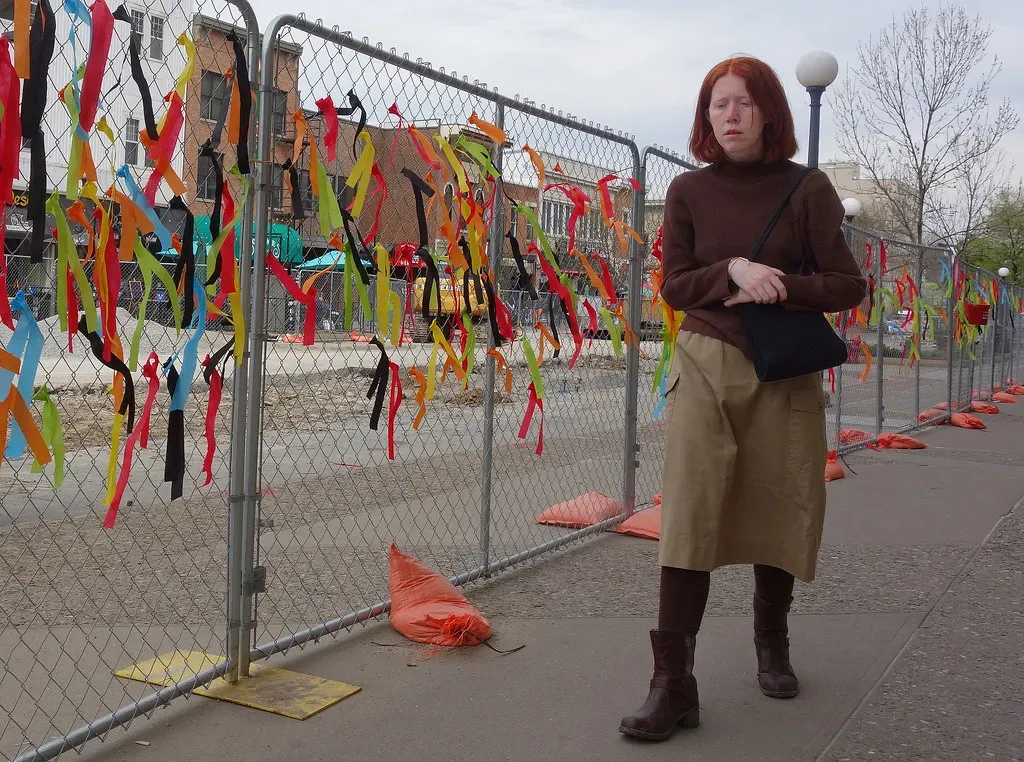
Think about your typical day. How many emotions do you actually experience? If your answer is basically “irritated” or “anxious” with nothing in between, that’s a red flag. Your primary emotion becomes irritability or anxiety, and these powerful feelings can break through your wall more easily, giving you essentially binary emotional states: irritated or anxious, or numb.
When you wall off emotions to protect yourself, they don’t just disappear. They pool together into something messy and unrecognizable. What should be a spectrum of feelings becomes just two modes: on edge or nothing at all. Honestly, living like that is exhausting, even if you don’t consciously realize it.
Fictional Characters Feel More Real Than Your Own Life

Here’s something strange. You can cry watching a movie scene where a character loses someone they love. You feel genuine empathy for a stranger’s story in the news. Yet when it comes to your own experiences, your own losses? Crickets. You feel more when watching a movie, TV show, or commercial than you do in real life because it’s easier to access feelings when it’s safe, when it’s not personal, when it’s not you.
It’s like you can only feel things at a distance. The emotions are there somewhere, locked away behind glass where you can see them but not quite touch them. When feelings get too close to home, the shutters come down automatically.
You Feel Like You’re Watching Life From Behind Glass
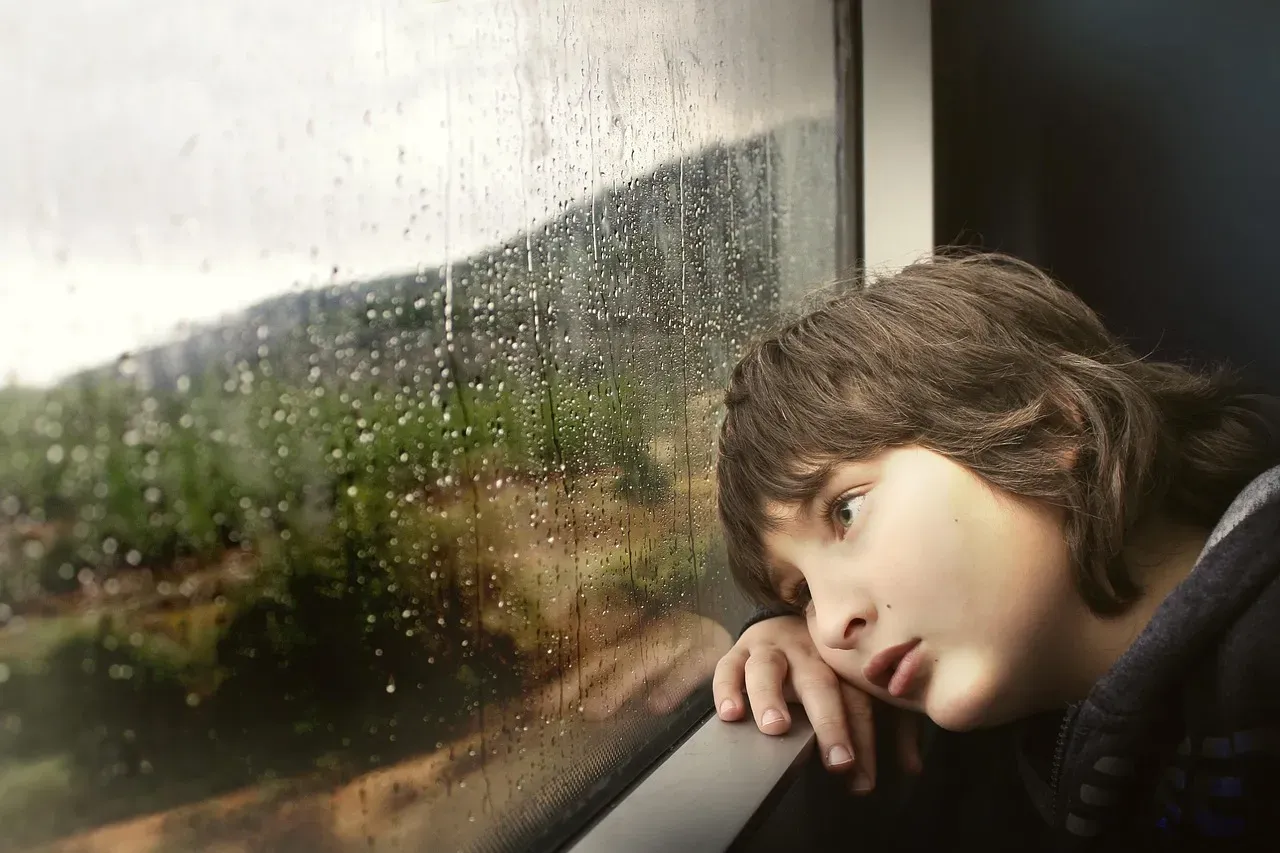
It can feel as though you’re watching life happen from the outside, like a movie, rather than actively participating in it. You go through the motions. You show up, you perform, you complete tasks. Yet there’s this persistent sense that you’re not really there.
You might feel like you’re on autopilot or struggling to function at all. Some people describe it as being in a thick fog where everything is muted and distant. You’re functioning, sure, but not feeling. The difference might seem subtle, but it’s the difference between living and merely existing.
Others Having Feelings Makes You Uncomfortable

Someone starts crying in front of you, and instead of empathy, you feel… awkward. Uncomfortable. Like you want to escape. When you find yourself in a situation where others are having feelings, you may have one yourself: uncomfortable, and all you want to do is get away from this situation that seems awkward and unnatural.
When you’re truly calm, you can hold space for other people’s emotions without feeling threatened by them. When you’re numb, though, other people’s feelings are like a mirror showing you what you can’t access in yourself. It’s unsettling. You might even feel a twinge of envy, watching someone express what you’ve locked away.
You Wonder Why Loss Doesn’t Hit You Harder

You sometimes wonder why you don’t feel sadder when faced with loss, and it’s possible to go through a funeral of a loved one or a job layoff and feel little, with your brain knowing you should be sad but your body not feeling it. There’s a disconnect between what you think you should feel and what you actually experience.
People might even comment on how well you’re handling things. They admire your strength, your composure. Inside, though, you’re not strong. You’re just… blank. It’s not that you’ve processed the grief in a healthy way. The grief simply isn’t registering at all, like an email sent to the wrong address.
Time Disappears Without You Noticing

When you’re emotionally numb, hours can pass and you may not even notice, or something exciting can happen and you don’t feel the same rush as the crowd. You look at the clock and realize entire chunks of your day have vanished. Where did they go? What were you doing?
Losing track of time, daydreaming excessively, or feeling like you’re “not really here” in conversations or activities could be a sign of dissociation, and gaps in memory or a sense that parts of your day blurred together often accompany dissociative episodes. This isn’t the pleasant flow state of being absorbed in something you love. This is zoning out as a defense mechanism.
There’s an Empty Feeling You Can’t Quite Explain

You occasionally feel empty inside, a feeling that may reside in your belly or throat, or an uncomfortable sense that something is missing in you, which is your body telling you that what should be filling you, connecting and energizing you – your emotions – is not there. It’s not hunger, not fatigue, not sadness exactly.
It’s emptiness. A void where something vital should be. Some people describe it as feeling hollow, like they’re a shell going through the motions. That emptiness is your system’s way of signaling that the emotional circuitry has been disconnected, whether temporarily or for longer.
You Can’t Actually Name What You’re Feeling

It’s hard for you to identify any particular feelings because one of the effects of walling off your emotions is that you lose touch with them. Someone asks you how you’re doing, and you genuinely don’t know. Not because you don’t want to share, but because you can’t identify what’s happening inside.
You might find it hard to identify how you’re feeling or notice that you feel nothing at all, even in situations where emotions would typically arise. The emotional vocabulary just isn’t there anymore. Fine, okay, tired – these become your default responses because digging deeper reveals nothing but static.
You’re Avoiding People and Situations More Than Usual

Symptoms of emotional numbness include losing interest in positive activities you used to enjoy and preferring isolation versus being with others. You turn down invitations. You make excuses. Being around people feels like too much effort, even though you’re not sure why.
Avoidance can take many forms, such as steering clear of certain people or situations that trigger negative feelings or avoiding social interactions altogether, preventing individuals from working through their emotions and leading to a cycle that reinforces emotional numbness over time. It’s a protective instinct gone haywire. Your brain thinks it’s keeping you safe by shutting down, but really it’s just digging you deeper into isolation.
Conclusion: The Road Back to Feeling

Emotional numbness isn’t a flaw; it’s your brain letting you know you’ve reached your limit, and with support and self-compassion, your feelings can return so you’ll find yourself not just watching life but feeling fully part of it again. Recognition is the first step. If you’ve seen yourself in these signs, you’re not broken. You’re not beyond repair.
Let’s be real – numbness served a purpose at some point. It protected you when things felt too overwhelming to handle. The challenge now is gently coaxing those feelings back online, bit by bit. Whether through therapy, mindfulness, or simply allowing yourself to reconnect with the present moment, there’s a path forward. What do you think? Have you noticed any of these patterns in yourself? Sometimes just naming what’s happening can be the beginning of change.