You live on a planet that was once completely ruled by creatures so strange and powerful that even their fossils can feel intimidating. Dinosaurs did not just get lucky; they held onto Earth for well over one hundred million years because their bodies, senses, and behavior were tuned to survival in ways that are almost hard to imagine. When you look closely at the science, you start to see that their success was not about a single superpower, but a whole toolbox of remarkable adaptations working together.
As you walk through a museum or scroll past a dinosaur illustration online, you are usually seeing the end result: a skeleton mounted dramatically or a predator mid‑pounce. What you do not see quite as easily are the quieter advantages – warm‑blooded metabolisms, efficient lungs, lightweight bones, complex social lives – that allowed these animals to dominate land ecosystems on every continent. Once you understand those, dinosaurs stop feeling like movie monsters and start looking more like extremely well‑tuned survival machines. That is where you are headed now.
1. Upright Posture That Turned Them Into Long‑Distance Powerhouses
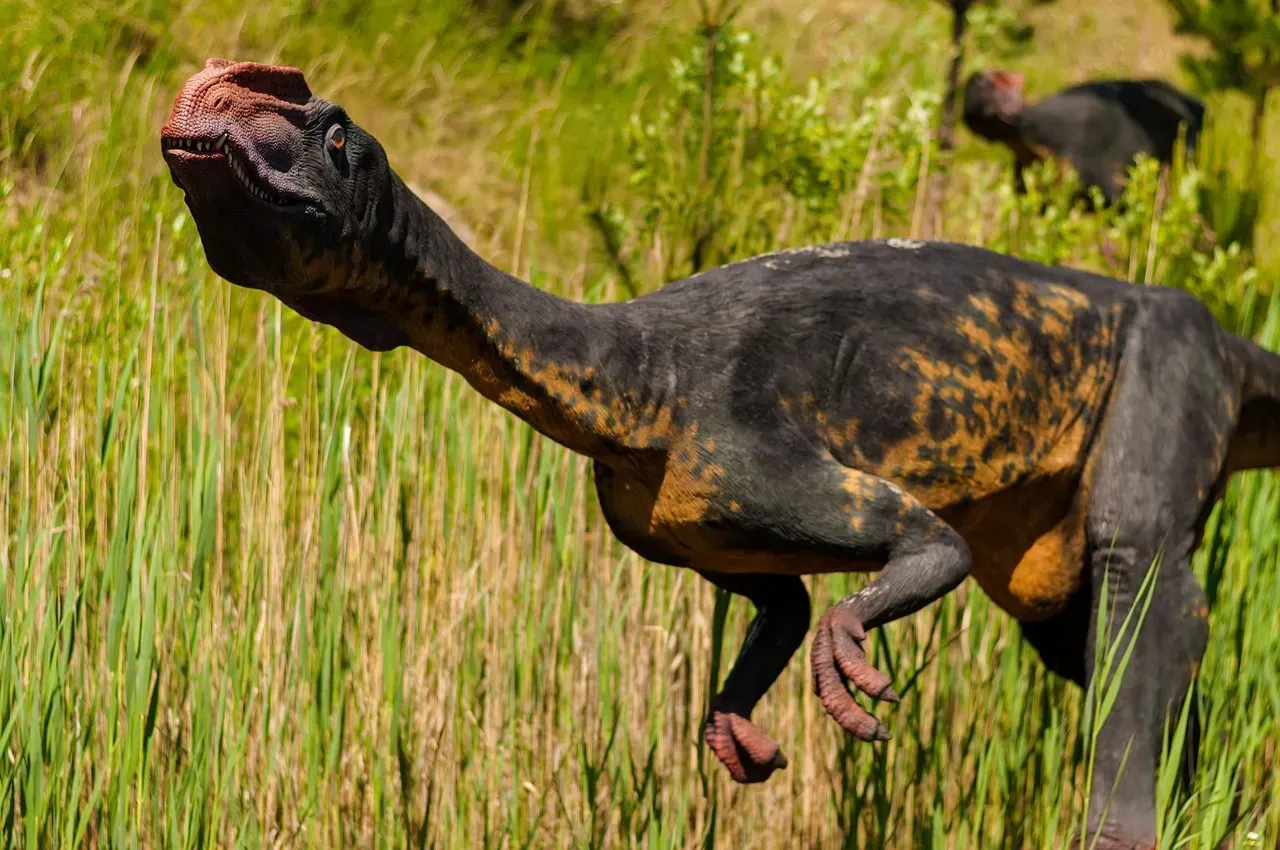
One of the simplest but most game‑changing adaptations dinosaurs had is something you might take for granted: a fully upright posture. Instead of legs sprawling out to the sides like a lizard’s, their limbs were tucked directly under their bodies, more like modern birds and mammals. When you do that yourself – imagining a push‑up position versus standing tall – you can feel how much easier it is to support your weight and move efficiently.
This posture meant dinosaurs could walk and run with far less energy than reptiles that still crawl with splayed limbs. You are basically looking at the difference between a person in a full squat and someone just standing ready to walk; one burns out quickly, the other can go all day. That advantage scales up when you weigh several tons. With upright legs, dinosaurs could travel long distances for food, chase prey, or migrate across changing landscapes without exhausting themselves, which gave them a massive edge in harsh, competitive ecosystems.
2. Bird‑Like Hips and Limbs Built for Speed and Agility
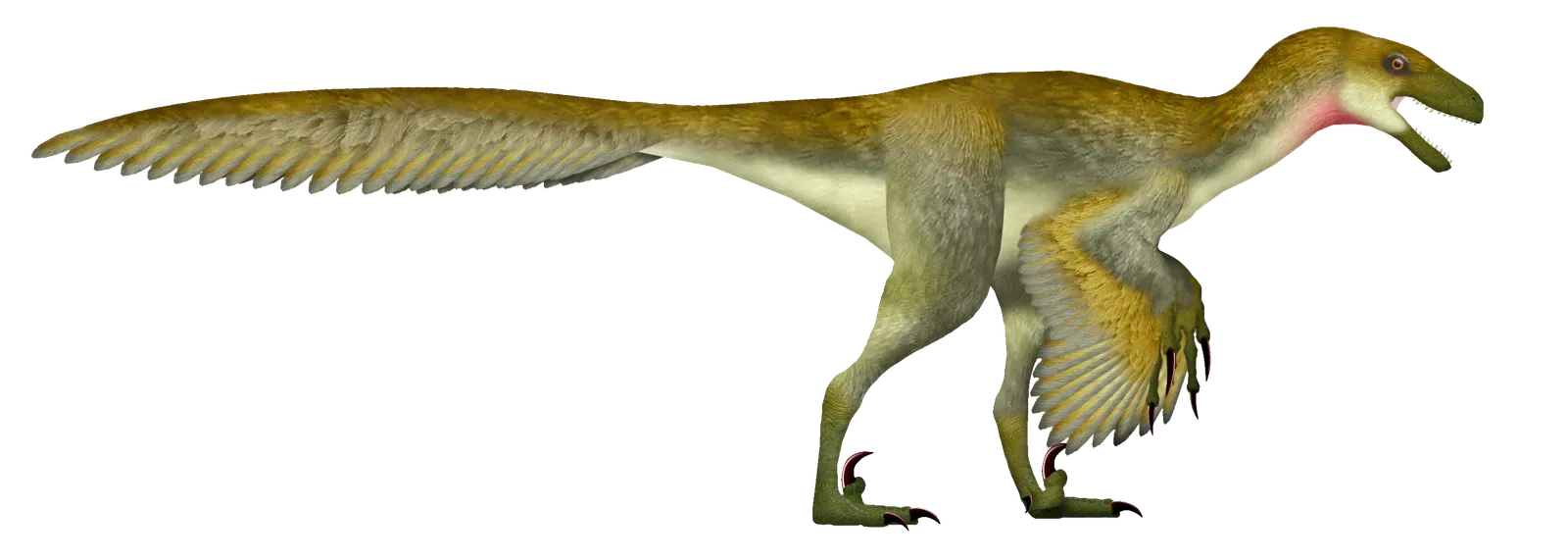
When you picture a fast dinosaur, maybe you imagine a sleek predator sprinting after its target, but the real magic is hidden in the bones of the hips and legs. Many theropods (the group that includes Tyrannosaurus and the ancestors of birds) had bird‑like hip structures and long, powerful hind limbs. If you have ever watched a running ostrich or emu, you have already seen a living hint of how this design turns muscle power into raw speed.
These hips and limbs created long strides and efficient leverage, a bit like giving an athlete longer legs and better joints without extra weight. Even plant‑eaters benefitted: some smaller herbivorous dinosaurs had long, cursorial (running‑adapted) legs that let them bolt away from danger instead of relying only on armor or size. In your world of predators and prey, speed is often the difference between life and death, and dinosaurs engineered that edge directly into their skeletons.
3. A Unique Respiratory System That Supercharged Their Stamina
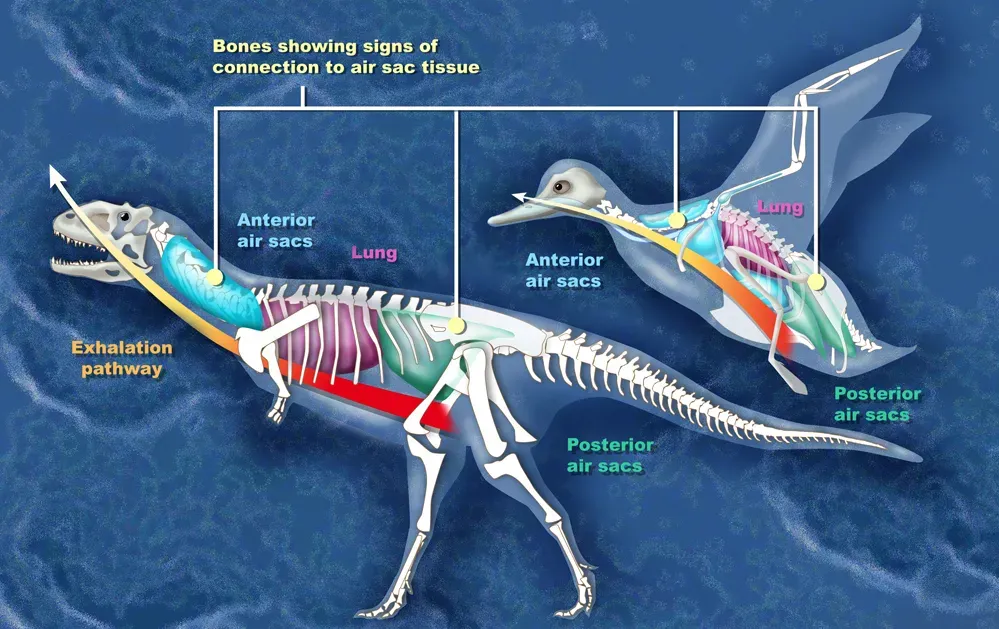
If you have ever struggled to catch your breath during a workout, you already understand why a powerful respiratory system matters. Many theropod dinosaurs and their bird descendants evolved a highly efficient breathing setup that likely included air sacs connected to the lungs. Instead of air just moving in and out like it does in your chest, air would have flowed more continuously through the lungs, keeping oxygen exchange going even as they exhaled.
That kind of system is basically the biological equivalent of upgrading from a basic fan to a high‑end ventilation system. It lets you run farther, stay active longer, and tolerate hotter or thinner air better than your competitors. In a world where climates shifted and oxygen levels changed over millions of years, this efficient breathing likely gave dinosaurs the stamina to hunt, migrate, and survive when less efficient animals had to slow down or fade out.
4. Warm‑Blooded (or Almost) Metabolisms That Kept Them Always “On”
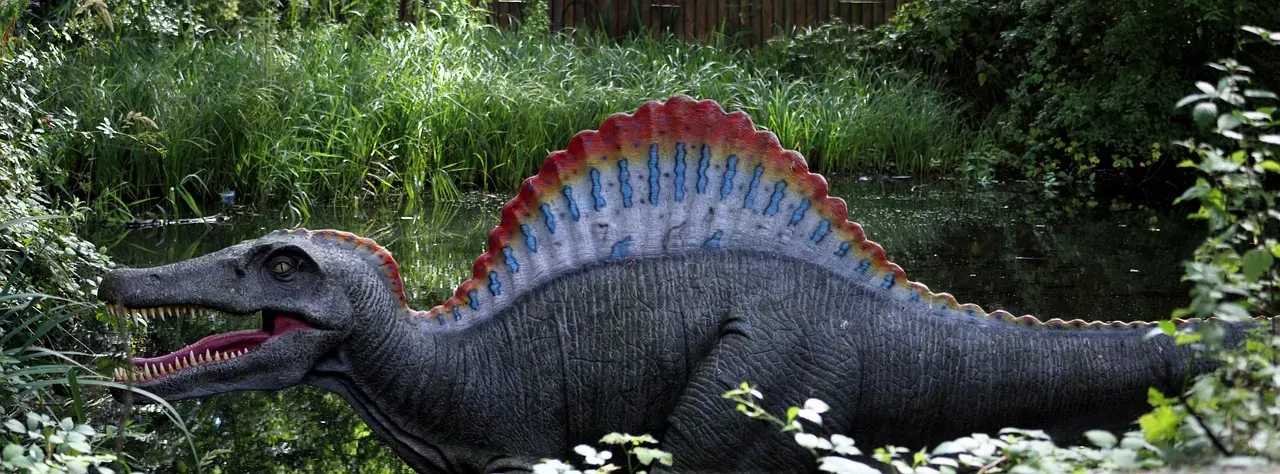
For a long time, people imagined dinosaurs as giant, sluggish reptiles, but evidence from bone growth, blood vessel patterns, and comparisons with birds and crocodiles paints a different picture. Many dinosaurs appear to have had metabolisms that were closer to birds and mammals than to cold‑blooded lizards. In practical terms, that means they could generate and maintain their own body heat, instead of depending heavily on the sun like modern reptiles.
If you think about how you function on a cold morning compared to a lizard on a cold rock, you can see the difference. Being at least partly warm‑blooded meant dinosaurs could stay active at night, in cooler climates, or during seasonal changes. They were not forced into long inactive periods while they warmed up. That constant “ready mode” helps explain why they managed to colonize a huge range of environments, from tropical lowlands to polar regions, while many other animals remained restricted by temperature.
5. Lightweight but Strong Bones That Let Giants Grow and Move
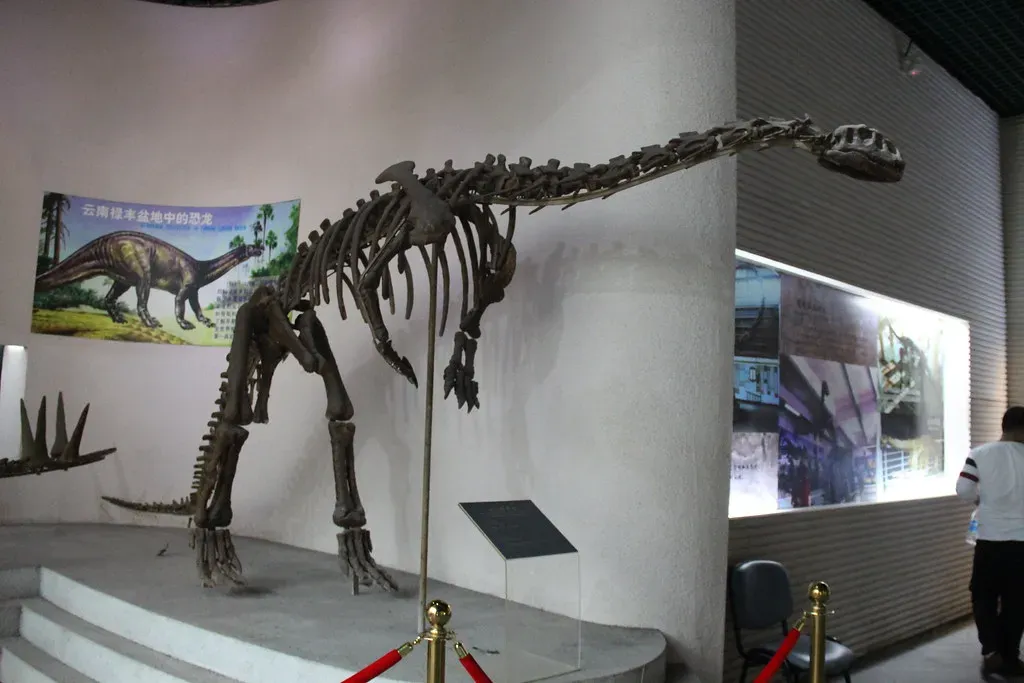
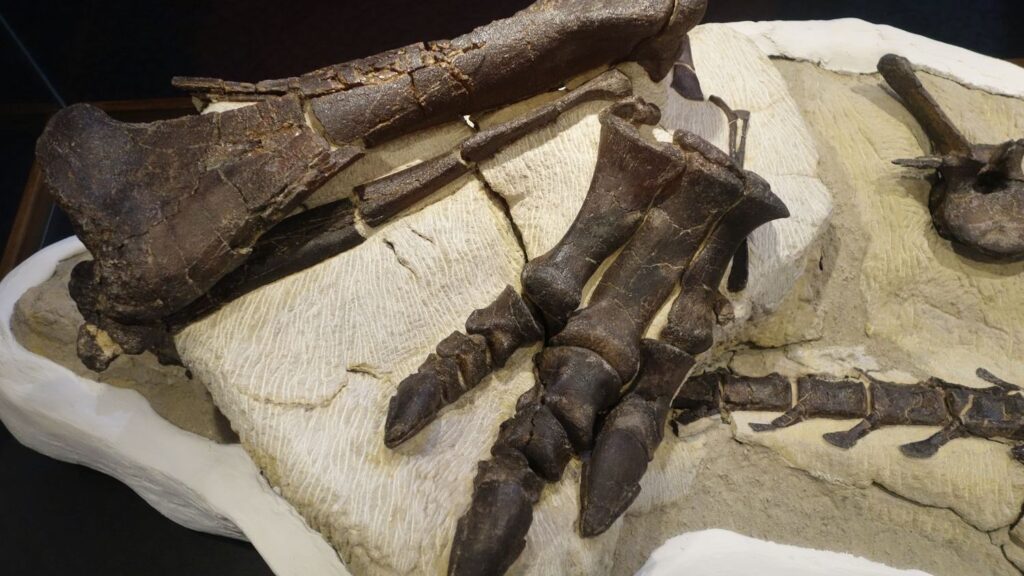
You might assume the bigger you get, the more your skeleton has to be a dense, solid mass, but dinosaurs solved that engineering problem with remarkable efficiency. Many species, especially the long‑necked sauropods and the fast‑moving theropods, had bones that were strong on the outside but partially hollow on the inside, with internal struts and air spaces. If you think of a steel bridge or a bicycle frame, you are looking at the same basic idea: strength through smart structure, not sheer bulk.
This design meant a multi‑ton dinosaur could support enormous size without being crushed under its own weight, and a big predator could keep its head and neck light enough to move quickly. In your own everyday life, you benefit from similar principles every time you pick up a lightweight but sturdy tool or piece of furniture. Dinosaurs got there first, turning their skeletons into natural engineering marvels that balanced size, stability, and mobility.
6. Long Necks That Turned Plants into Endless Buffets
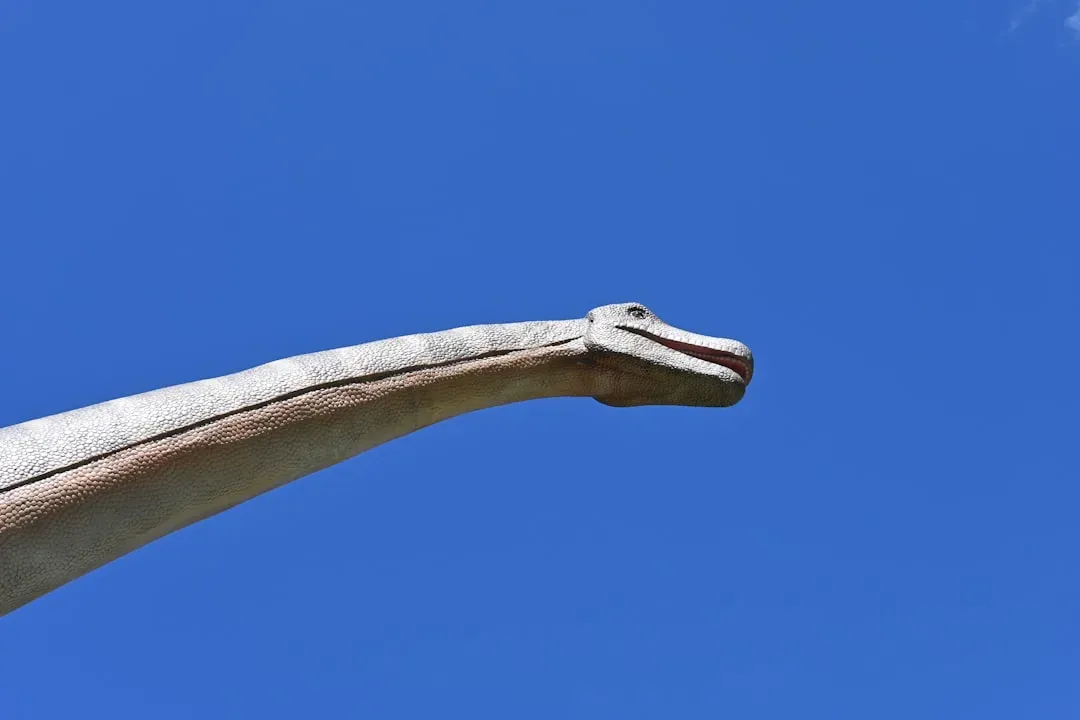
When you see a sauropod with a neck longer than a bus, it is tempting to focus only on the spectacle, but that neck was a practical, food‑gathering machine. By evolving extremely elongated neck vertebrae, some plant‑eating dinosaurs could reach vegetation that ground‑level browsers could not touch. Imagine being able to eat from a salad bar that stretches from the floor to the ceiling without ever moving your feet – that is the kind of advantage a long neck gave them.
With that reach, sauropods could strip leaves from tall trees, sweep across wide feeding zones, and access a range of plants without constantly walking. The neck essentially expanded their feeding territory while they stayed in place, saving energy in a body that needed an incredible amount of food each day. In crowded ecosystems, where many animals were nibbling from the same level, this vertical advantage turned them into living cranes reaching into untouched food layers above everyone else.
7. Armor, Horns, and Spikes That Turned Prey into Fortresses
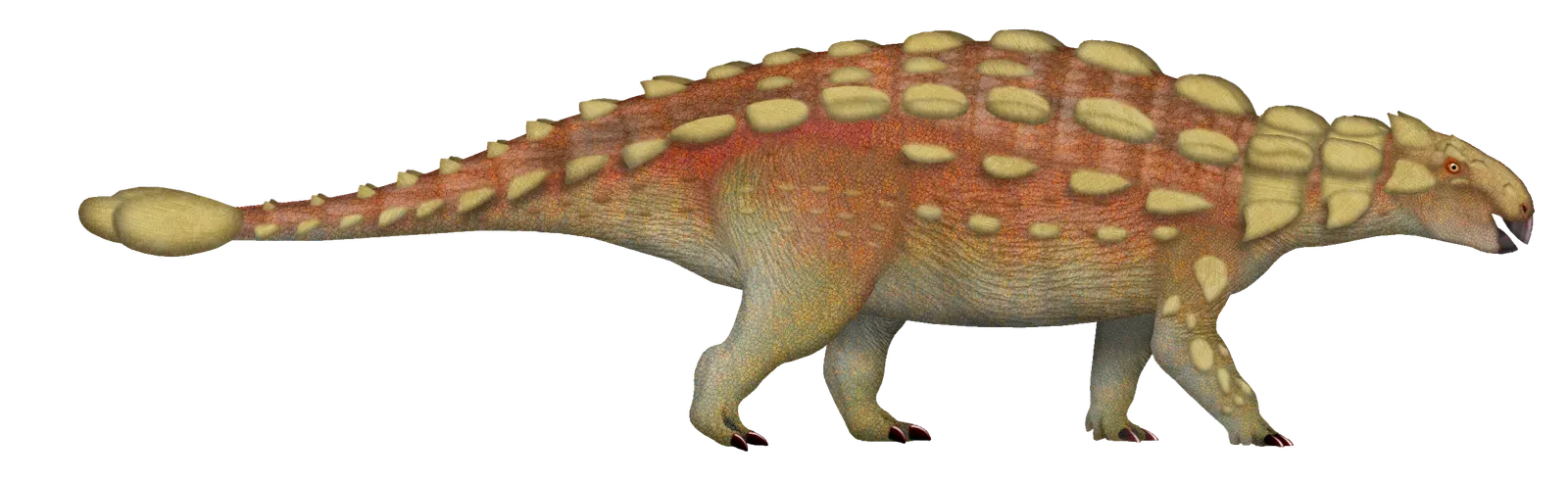
Not every dinosaur relied on running away. Some turned their bodies into walking fortresses. You had ankylosaurs with heavy armor plates and tail clubs, ceratopsians with horns and frills, and stegosaurs with towering back plates and fearsome tail spikes. If you think of a modern armored vehicle or a riot shield, you already get the mindset: when escape is not enough, you bring the defenses with you.
These weapons and shields were not just impressive to look at; they changed the rules of predator‑prey confrontations. A hungry theropod now had to decide whether the risk of broken teeth, shattered bones, or a fatal wound from a horn or club was worth the potential meal. That kind of cost‑benefit trade‑off helps explain why heavily armored species flourished alongside powerful hunters for millions of years. You can almost see the evolutionary arms race playing out every time you look at a fossilized spike or bony plate.
8. Tail Weapons and Balancing Rods That Redefined Movement
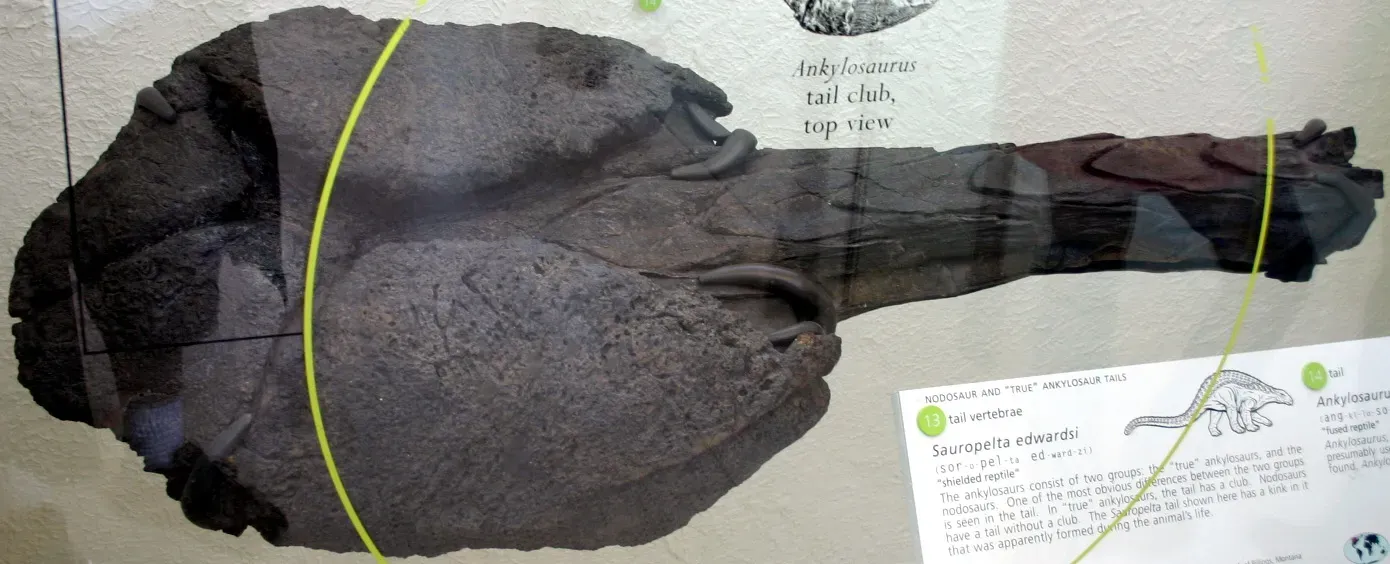
When you imagine a dinosaur tail, you might think of it as just an extra limb trailing behind, but for many species, the tail was an essential tool. In big predators, a long, muscular tail acted as a counterbalance for the head and torso, especially during running or sudden turns. If you have ever walked across a narrow beam and stretched your arms out for balance, you have used the same principle, just without the heavy spine and muscles.
Other dinosaurs turned their tails into full‑blown weapons. Ankylosaurs, for instance, had tail clubs made of fused bone that could swing with bone‑cracking force, while stegosaurs wielded clusters of spikes at the end of their tails. You can picture these like medieval maces or spears built directly into the body. This combination of balance and weaponry meant the tail was more than decoration; it was a multifunctional adaptation that helped dinosaurs move with precision and defend themselves when things turned violent.
9. Powerful Jaws and Teeth Perfectly Matched to Their Diets
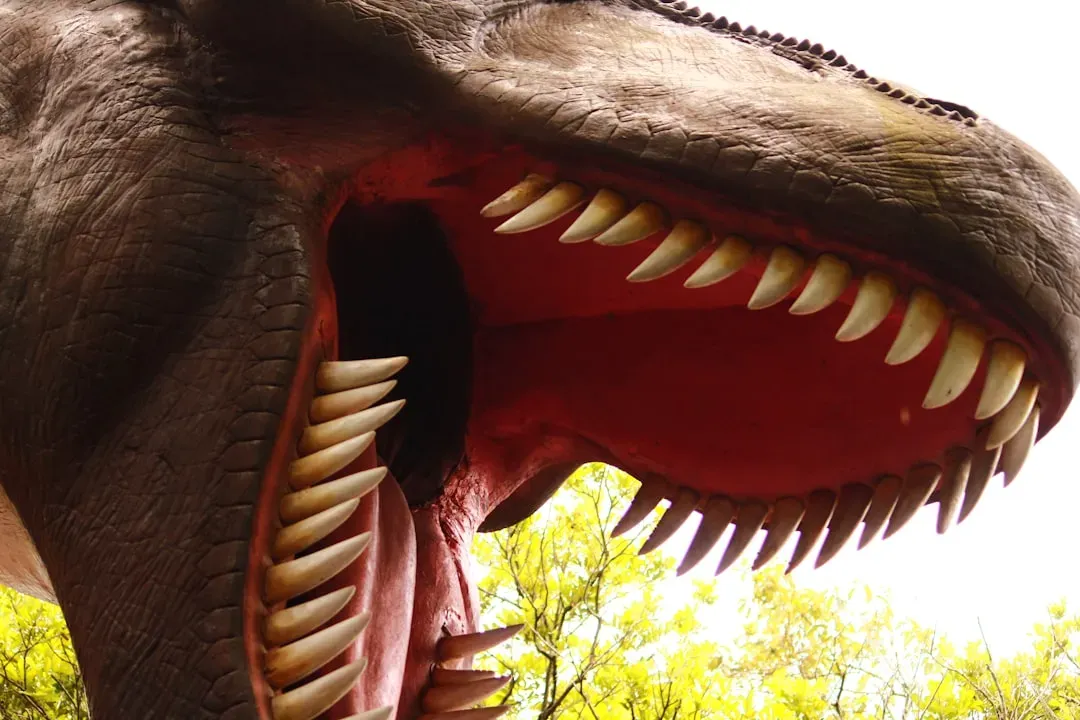
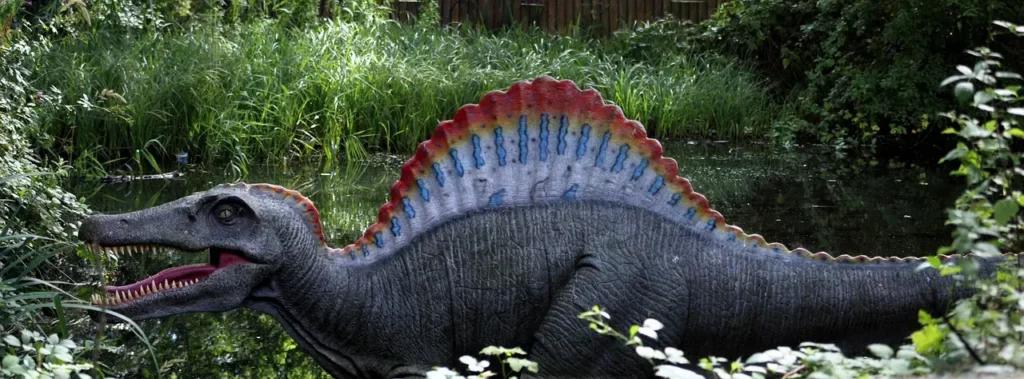
If you open your mouth in a mirror and look at your own teeth, you see a balanced set designed for an all‑purpose diet. Dinosaurs took dental specialization much further. Meat‑eaters like large theropods evolved serrated, blade‑like teeth that sliced through flesh and bone, while plant‑eaters developed rows of grinding teeth, some arranged in complex batteries that worked almost like conveyor‑belt food processors. Each type of tooth turned food into fuel with ruthless efficiency.
Jaw mechanics mattered just as much. Some herbivores evolved the ability to chew in ways that broke down tough plant fibers far better than simple snapping jaws could. Predators developed bite forces strong enough to crush bones or hold onto thrashing prey. When you match the right teeth and jaw power to the right food source, you reduce waste and increase the energy you get from every bite. Across millions of years, that efficiency helped dinosaurs out‑compete other animals that were stuck with less specialized mouths.
10. Keen Senses and Big Brains (for Some) That Sharpened Survival
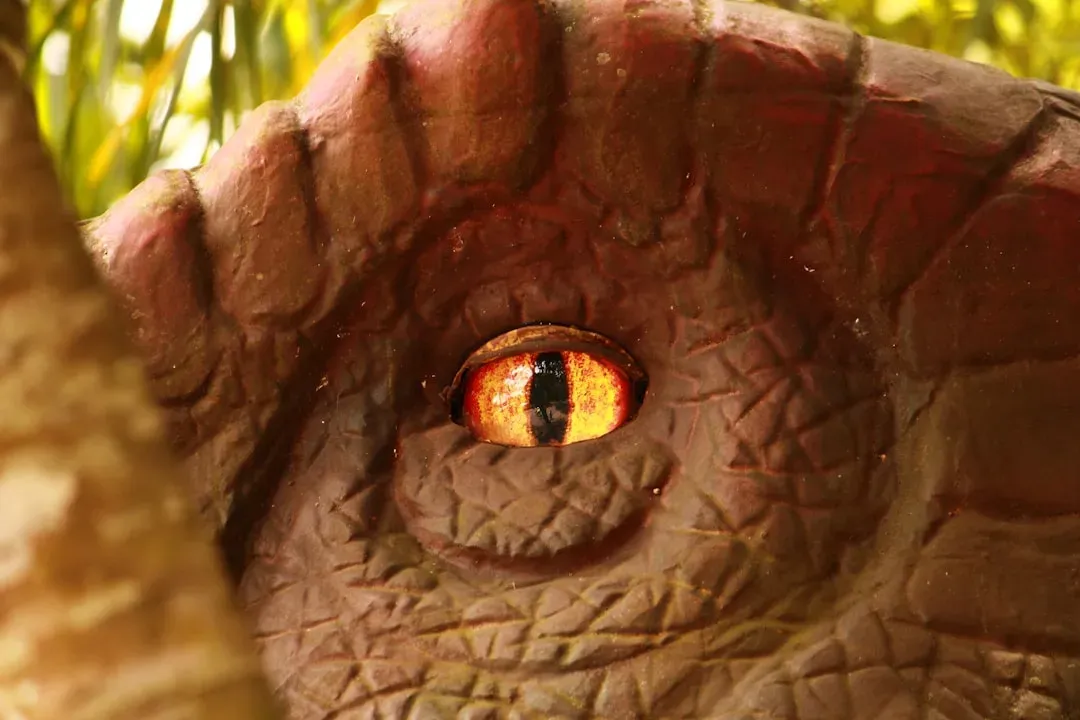
You would not last long in the wild without decent senses, and many dinosaurs pushed theirs to impressive levels. Fossil evidence from skulls suggests that some predatory species had large eye sockets for acute vision, big inner ear regions for balance and possibly hearing, and brain structures that hint at advanced processing of sight and sound. If you think about how a hawk spots a rabbit from the sky, you get a glimpse of how sharpened senses can tilt survival in your favor.
Not all dinosaurs had large brains relative to their bodies, but several groups, especially some small theropods and early bird‑like species, seem to have been relatively brainy compared with many reptiles of their time. More neural power likely meant better coordination, faster reactions, and more flexible behavior. In your daily life, quick thinking can help you avoid accidents or solve problems; in a dinosaur’s world, it could mean noticing a predator a split second sooner or coordinating a hunt more effectively.
11. Feathers and Insulation That Opened New Ways to Live
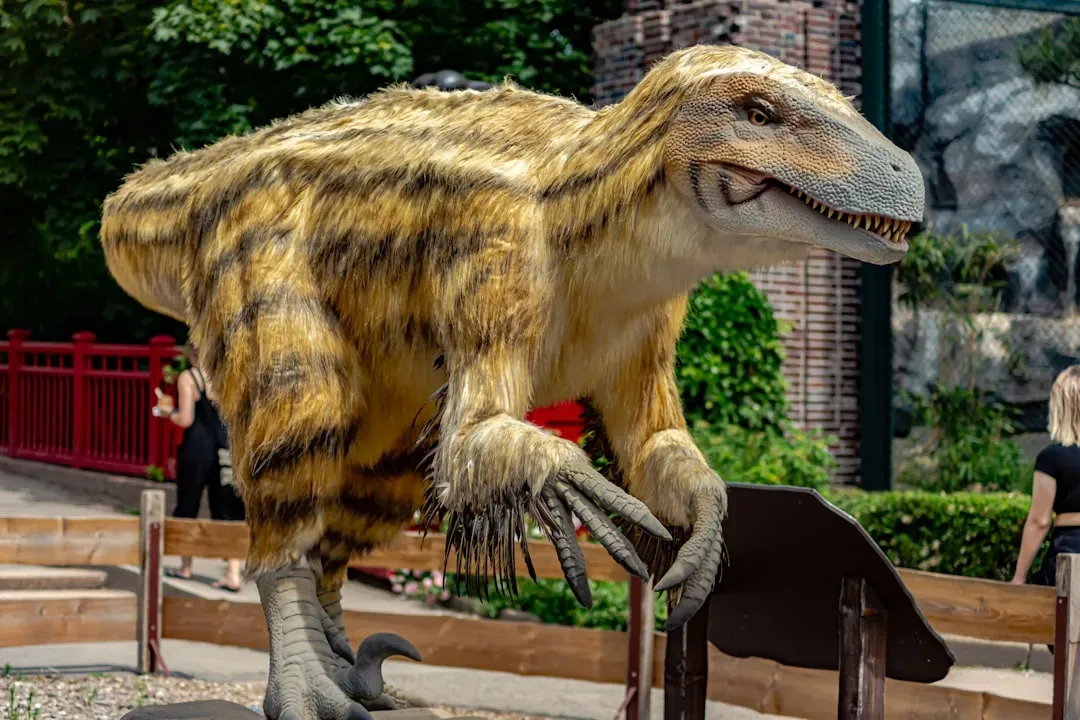
Feathers might feel like a strictly bird feature to you, but many non‑avian dinosaurs also had them, especially the smaller theropods. Early feathers were often more like simple filaments or fuzz rather than the fully formed flight feathers you see on modern birds. Still, they likely acted as insulation, trapping heat close to the body. Imagine putting on a light jacket in cool weather; suddenly you can stay active longer without freezing.
Over time, feathers became incredibly versatile. They could have played roles in display, camouflaging, courtship, and eventually powered flight in bird ancestors. Even if a particular dinosaur never left the ground, a coat of feathers would help regulate temperature and might signal health or status to potential mates or rivals. You can think of feathers as one of evolution’s greatest multi‑tools: starting as simple warmth and eventually supporting complex behaviors and new lifestyles.
12. Eggs, Nests, and Parental Care That Boosted Survival Rates
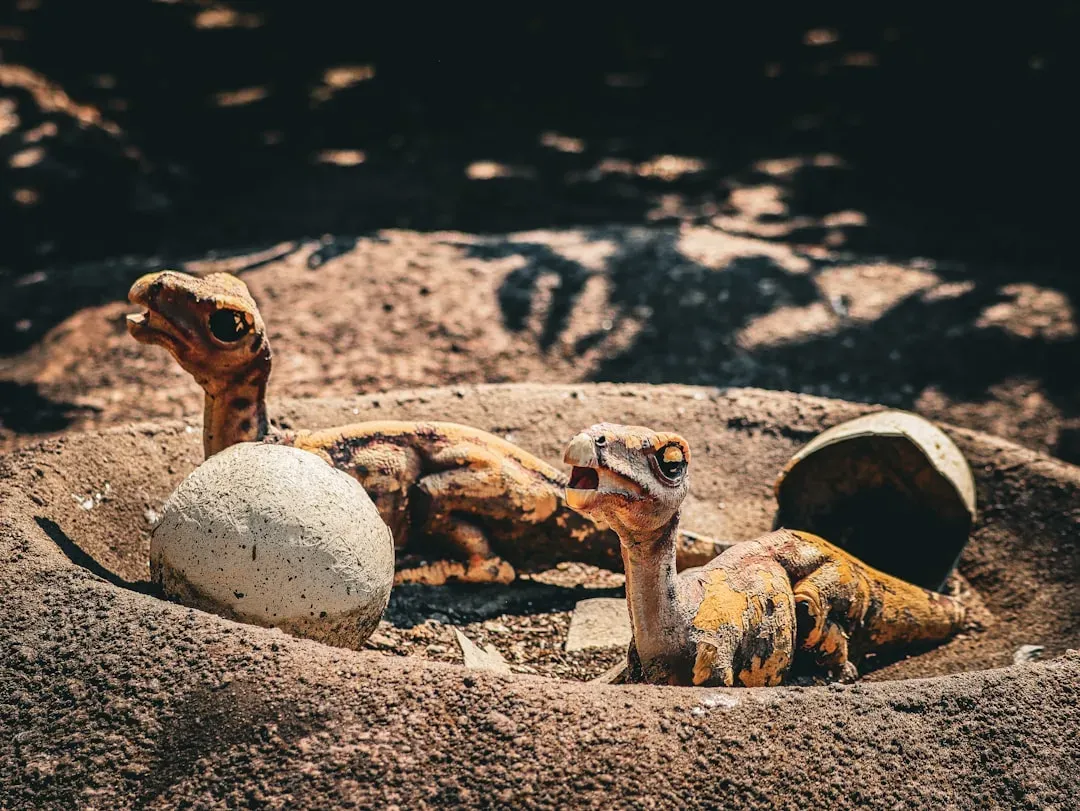
You might assume dinosaurs laid their eggs and walked away, but fossil nests, brooding postures, and bone beds tell a different story for many species. Some dinosaurs arranged eggs carefully in nests, and there is evidence that certain species guarded or even sat over those nests, much like modern birds do. If you have ever watched a parent fiercely protect a child, you already understand how powerful this behavior can be.
By investing in nests and at least some level of parental care, dinosaurs increased the chances that more of their offspring survived to adulthood. In evolutionary terms, it is not just about how many eggs you lay, but how many young actually make it. When you combine protective nesting with growing social behavior and maybe even group living, you get a system where each generation can build on the success of the last. That kind of strategy helps a lineage stay dominant for an astonishing length of time.
13. Global Reach and Ecological Flexibility That Kept Them on Top
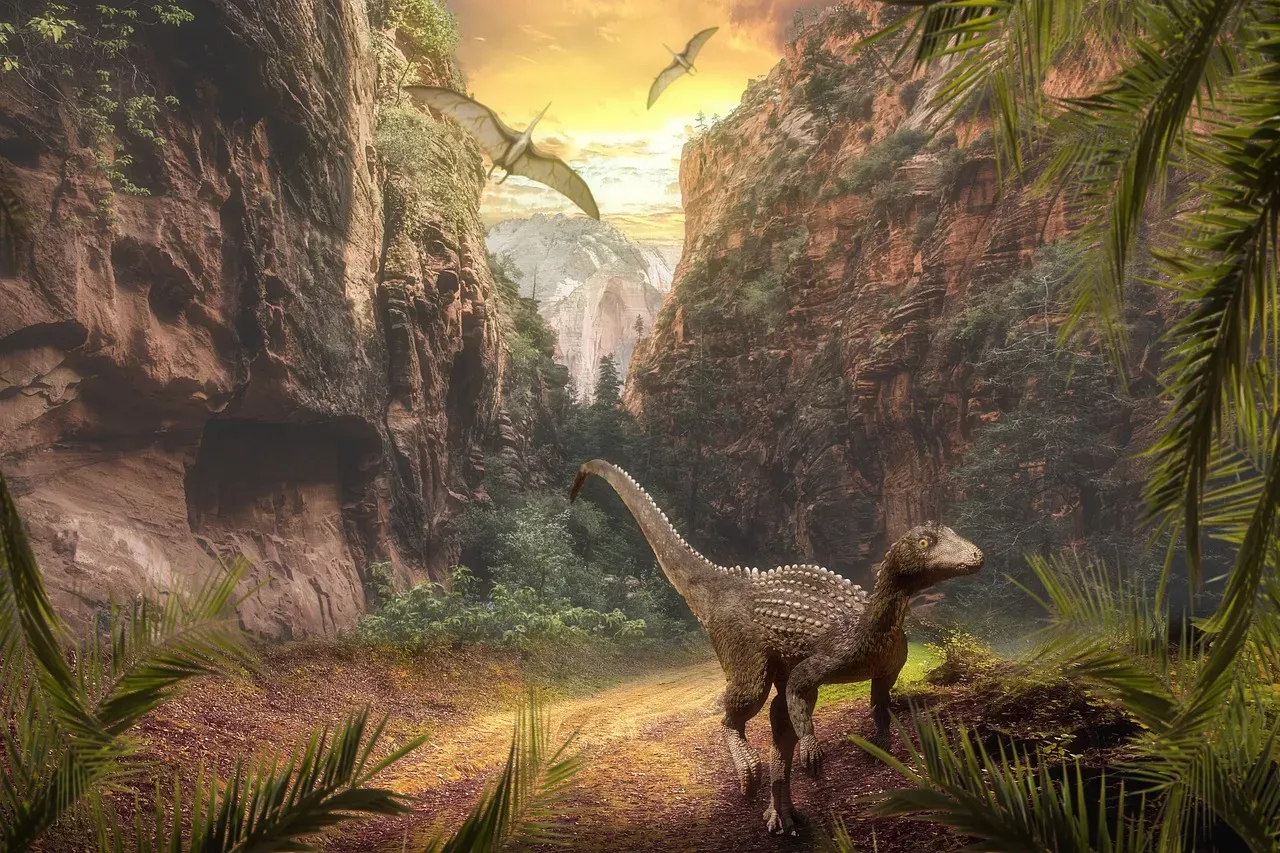
Perhaps the most underrated dinosaur adaptation is not a single body part but a pattern: they spread almost everywhere and filled nearly every role you can imagine on land. From small, fleet‑footed insect hunters to massive tree‑browsing giants and tank‑like armored grazers, dinosaurs adapted to deserts, floodplains, forests, and even polar environments. You can think of them as nature’s ultimate general contractors, taking on every major job in the ecosystem and doing it well.
This ecological flexibility meant that even when climates shifted or sea levels changed, some dinosaurs were already pre‑adapted to handle the new conditions. While certain species died out, others moved in, diversified, and took over empty niches. In your own time, you see something similar when adaptable animals like rats or pigeons thrive in cities while more specialized species struggle. Dinosaurs were the masters of this long‑term adaptability, and that is a huge reason they dominated Earth’s land ecosystems until a catastrophic asteroid impact abruptly reset the game.
When you step back and look at all these adaptations together, you start to see dinosaurs not as ancient oddities, but as the ultimate proof of what evolution can do with enough time and opportunity. Upright posture, efficient lungs, powerful jaws, feathers, armor, long necks, and a global reach did not appear overnight; they were layered over millions of years, each new trait stacking on the last like bricks in a towering structure. Interestingly, a piece of that legacy is still with you today every time you hear a bird call, because birds are living dinosaurs carrying those adaptations into the modern world.
Next time you see a fossil skeleton or a reconstruction in a book, you can look past the teeth and claws and ask yourself a deeper question: which hidden advantages made this animal so successful in its own time? And knowing that dominance can vanish with one unexpected event, what does that make you think about the species currently ruling the planet – you included?