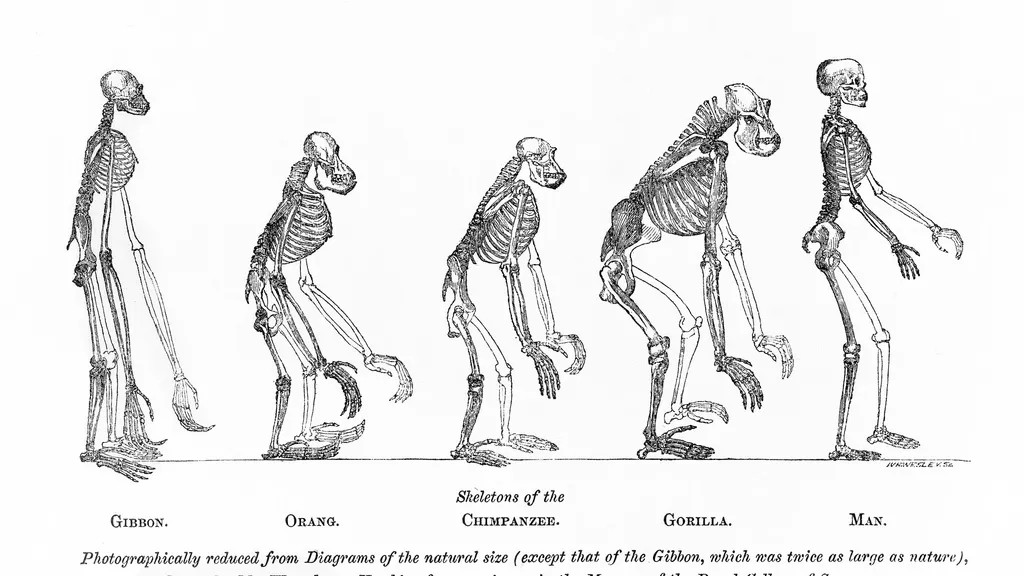
Most of us grew up with a simple story about evolution: dinosaurs turned into birds, humans came from ape-like ancestors, and the fittest survive. That version fits neatly into school textbooks, but the real science behind evolution is far stranger, messier, and way more fascinating. Once you peek behind the curtain, you start to see that life on Earth is less like a tidy family tree and more like a tangled web of experiments running for billions of years.
As you go through these ten points, you might find some of your mental pictures quietly cracking. Evolution is not just about animals getting “better” over time or climbing some invisible ladder toward perfection. It is about trade-offs, side effects, accidents that turn into breakthroughs, and countless dead ends. Think of this as a guided tour of the weird corners of evolutionary biology – the places that rarely make it into popular documentaries but totally reshape how you see yourself and the living world.
1. Evolution does not aim for perfection, only “good enough”
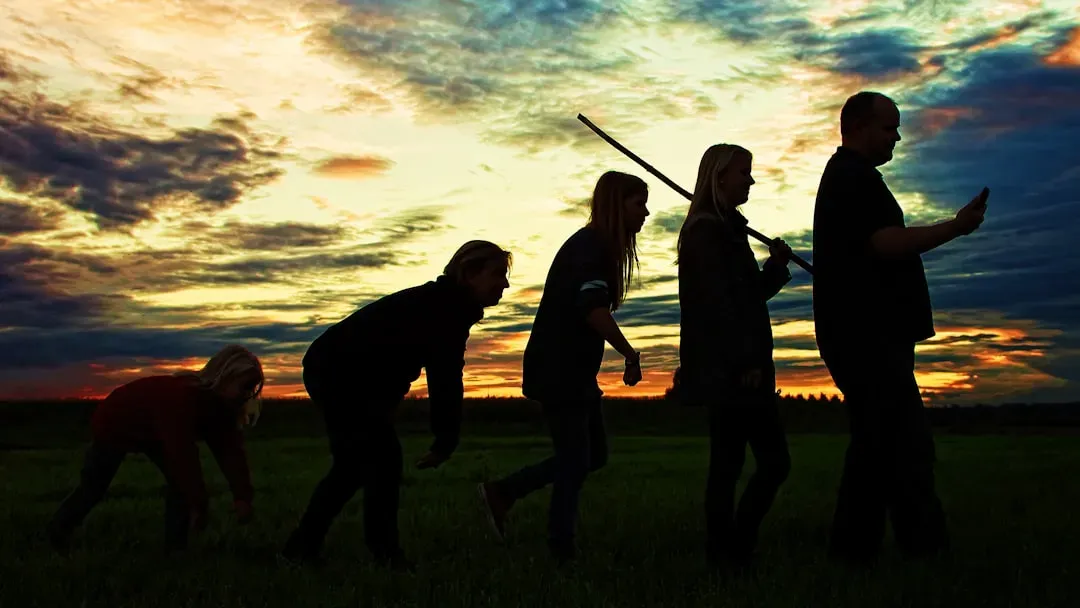
One of the biggest misconceptions is that evolution is always pushing life toward some ultimate, flawless design. In reality, natural selection is far more pragmatic: if a trait helps an organism survive and reproduce a bit better in its current environment, that is usually enough. The process does not care if the design looks clumsy to us or could be improved in theory; what matters is whether it works right now. That is why we see so many biological “hacks” and workarounds instead of sleek engineering solutions.
You can see this in your own body. The human spine, for example, is basically a modified structure borrowed from four-legged ancestors, which helps explain why so many people have back problems. Our eyes have a blind spot because of how the nerve fibers are wired, even though a different layout would avoid that flaw. Evolution is more like renovating an old house while you are still living in it than building a new one from scratch, and it has to make do with whatever materials are already on-site.
2. Evolution can move shockingly fast
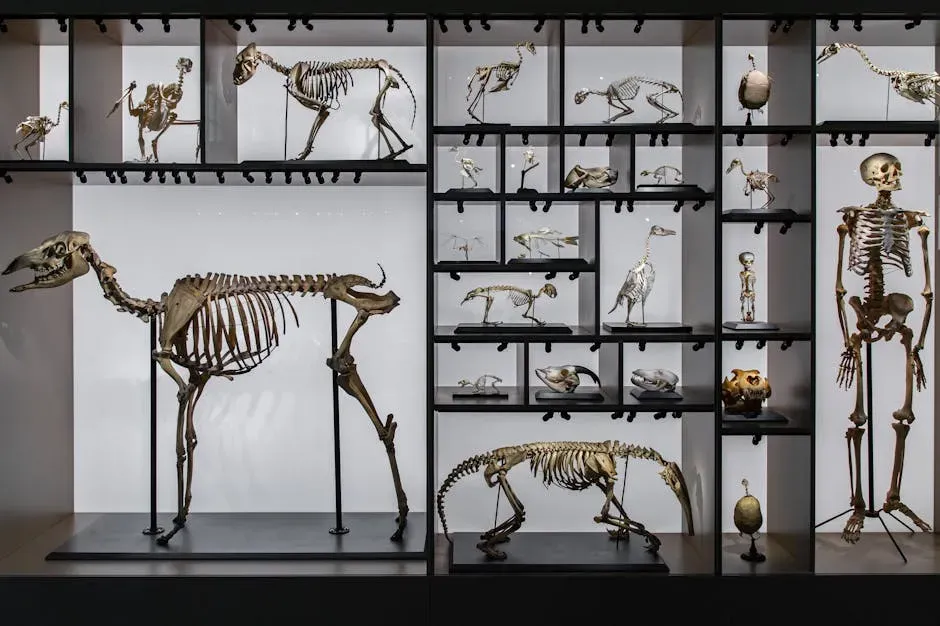
We tend to imagine evolution as something that only happens over millions of years, but many changes unfold on human timescales. When environments shift quickly – like when a new predator appears, a new chemical enters the ecosystem, or a species is moved to a new region – natural selection can act in just a few generations. Biologists have documented wild animals and plants changing body size, coloring, behavior, and even breeding timing within decades as they adapt to urban areas, climate shifts, or human-made habitats.
You do not even need wild nature to see this. Think about the rise of antibiotic resistance in bacteria or pesticide resistance in insects; those are evolutionary changes happening in hospitals and farm fields, not distant prehistoric landscapes. I remember the first time I learned that some fish populations evolved smaller body sizes in under a century because of intense fishing pressure selecting for individuals that matured earlier. Once you see that kind of speed, it is hard to cling to the idea that evolution is always glacially slow.
3. Not all traits are “for” something

There is a tempting habit we all have: when we see a trait, we assume it must have evolved for a specific purpose. But not every feature of a living thing is an adaptation. Some traits are just neutral side effects of other changes, like a bonus that comes along when something else is selected. Others are historical leftovers that persist simply because they are not harmful enough to be removed by natural selection. Evolution is full of baggage, quirks, and accidents that never got fully cleaned up.
A classic example is the human chin, which is oddly unique among primates and does not have a clear, agreed-upon function. There are also tiny muscles and vestigial structures in our bodies that do not seem to do much for us now but made more sense in our distant relatives. This is why evolutionary biologists are careful about telling tidy “just-so stories” for every trait. Sometimes there just is no grand purpose; it is more like a random mark left over from an earlier renovation project that nobody bothered to paint over.
4. Evolution can go backwards – or look like it does
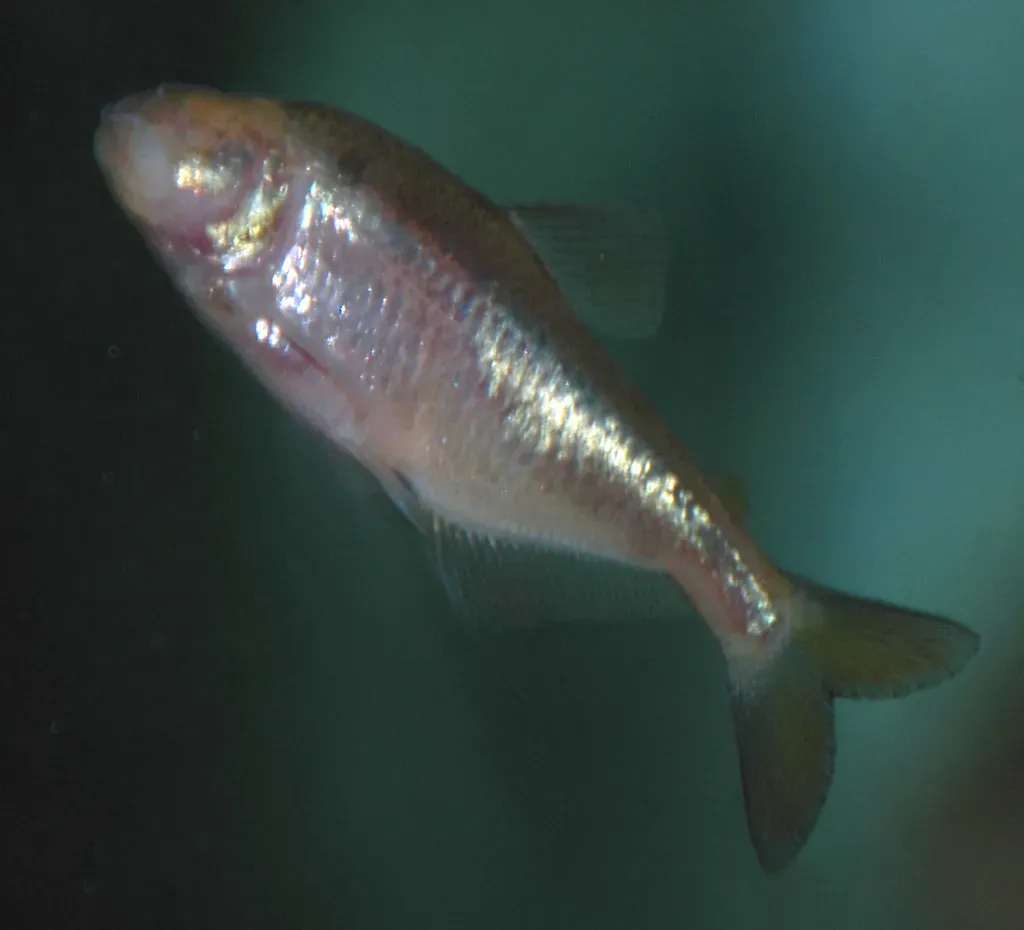
We often talk as if evolution only moves in one direction, toward more complexity or more advanced forms, but nature is not following a straight arrow of progress. Species can lose complex traits and return to simpler forms when their environments change. Cave-dwelling animals, for example, have repeatedly lost eyes and pigment because those features cost energy to maintain and provide little benefit in constant darkness. From a human perspective, that looks like going backward, but in evolutionary terms it is just adapting to new realities.
There are also cases where lineages seem to “re-evolve” features their ancestors lost, which has sparked intense debate among scientists about what counts as truly reversible. The deeper point is that evolution is not a one-way climb up a ladder; it is more like wandering through a fitness landscape with hills and valleys. Sometimes the best route to survival involves giving up something that once seemed essential, just like a company might cut entire departments to stay afloat in a new market.
5. Genes can jump sideways between species
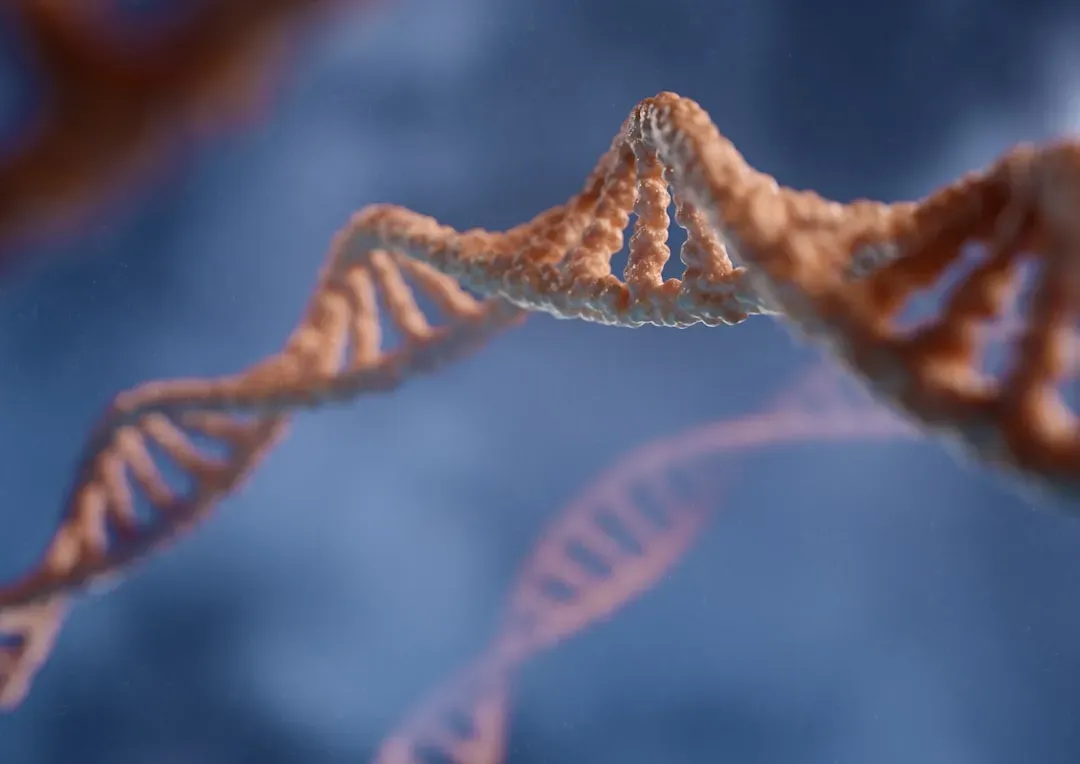
We are used to thinking of genes being passed vertically – from parents to offspring – but evolution sometimes works sideways. In many microbes, and occasionally in plants and animals, genes can move horizontally from one species to another. This can happen through viruses, bits of DNA getting picked up and inserted, or other molecular tricks. The result is that a species suddenly gains a gene that evolved in a completely different lineage, like downloading an app instead of coding it from scratch.
Some bacteria use this strategy to rapidly acquire antibiotic resistance genes from neighbors, which is a major reason it is so hard to keep up with drug-resistant infections. In multicellular organisms, there is evidence that certain genes originally came from ancient horizontal transfers, reshaping how those lineages evolved. When you realize that the tree of life has these sideways connections, it stops feeling like a simple branching diagram and starts looking more like a mesh network with shared files and surprise updates.
6. Your microbiome is part of your evolutionary story
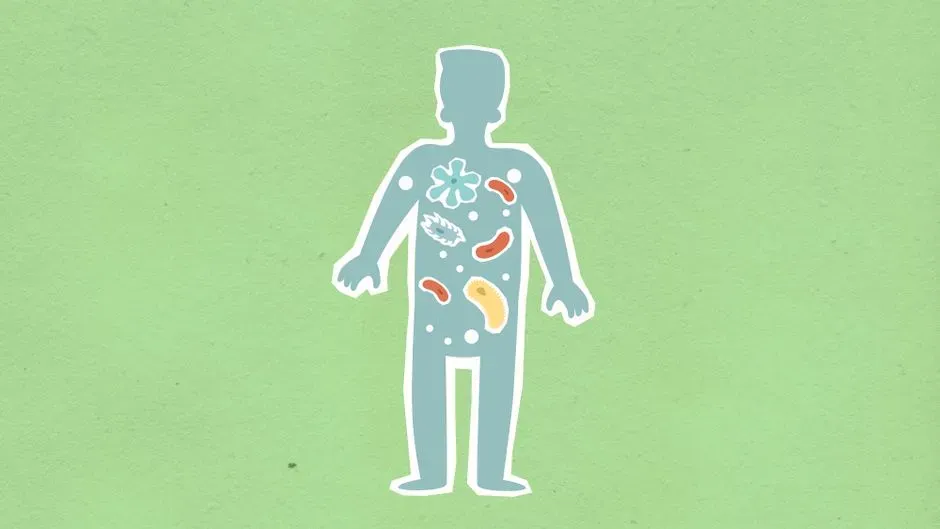
When we talk about evolution, we usually picture visible organisms, but you are walking around as an ecosystem made of trillions of microbes. These bacteria, fungi, and other tiny passengers are not just hitchhikers; they influence digestion, immunity, development, and even behavior. Over evolutionary time, many animals, including humans, have adapted in ways that assume these microbes are present. You could say that natural selection acted on a combined package: the host plus its microbial partners.
Some insects have bacteria that provide essential nutrients, to the point where the host cannot survive without them. Corals depend on symbiotic algae, and many plants rely on root microbes to access nutrients in the soil. For us, early-life interactions with microbes can help shape the immune system and overall health. That means your evolutionary story is not just encoded in your human DNA; it is tangled up with the evolution of countless microscopic partners that coevolved with you long before you were born.
7. Convergent evolution creates eerie lookalikes
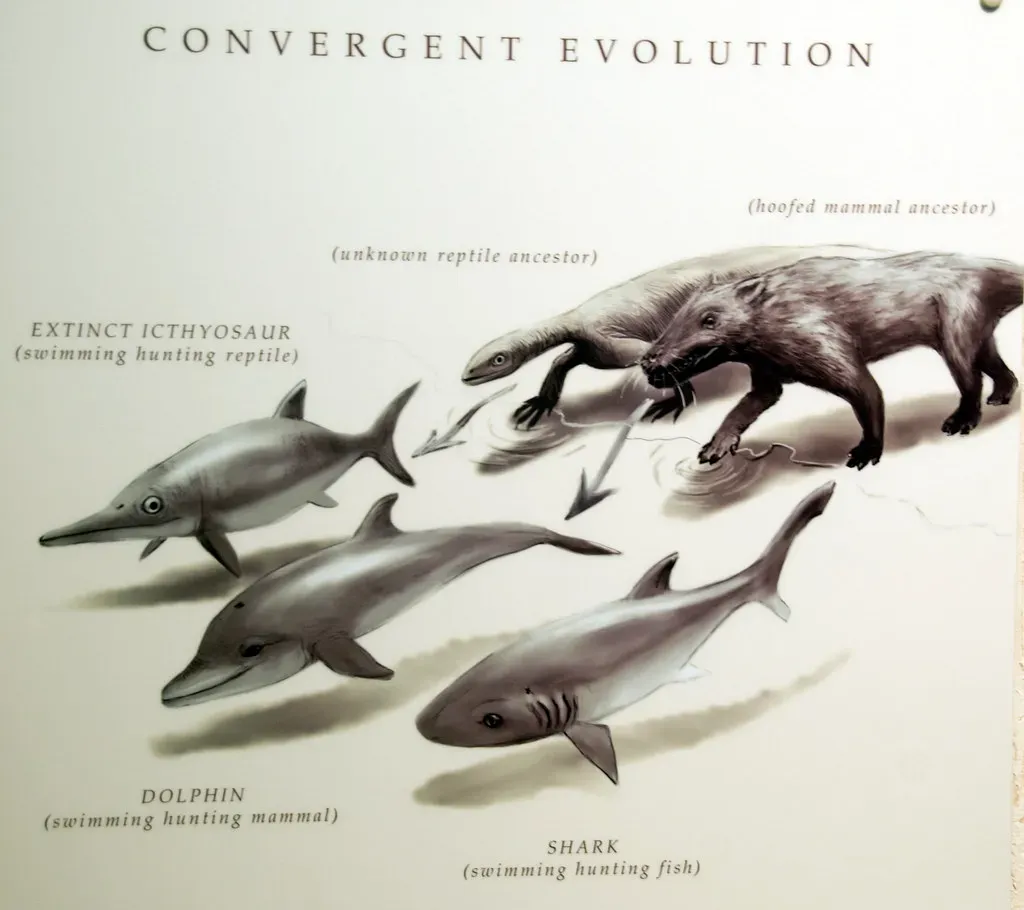
One of the most mind-bending patterns in evolution is convergence, where unrelated species independently evolve very similar traits. Dolphins and ichthyosaurs, for example, ended up with streamlined bodies and fins despite being separated by vast evolutionary distances. The reason is that they faced similar problems – moving efficiently through water – and natural selection kept steering them toward similar solutions. It is like different inventors arriving at nearly the same gadget because they are all solving the same engineering challenge.
Once you start looking, you see convergence everywhere: gliding mammals and gliding reptiles, plant leaves engineered into pitchers and traps in unrelated lineages, or camera-like eyes popping up multiple times in distant groups. To me, this is one of the strongest reminders that evolution is not pure randomness; it is an interplay between variation and the rigid constraints of physics and chemistry. Under similar pressures, life tends to rediscover similar tricks, even when starting from very different blueprints.
8. Cooperation and kindness have evolutionary roots too
There is a popular caricature of evolution as nothing but ruthless competition, a constant battle of all against all. While competition is real, it is only part of the story. Cooperation, altruism, and social bonding also evolve when they increase the chances of shared genes being passed on. Helping relatives, building long-term alliances, and punishing cheats can all be favored by natural selection in the right contexts. Even in microbial communities, species can form cooperative networks that allow them to do things no single cell could manage alone.
Humans are an extreme example of this. Our ability to cooperate in large groups, share information, and build cultures has been shaped by both biological evolution and cultural evolution acting together. You could argue that kindness, fairness, and empathy did not appear in spite of evolution, but partly because they were useful strategies in the kinds of societies our ancestors lived in. That does not mean evolution guarantees moral behavior, but it does undercut the idea that nature only rewards selfishness.
9. Evolution shapes how you think and feel, not just how you look
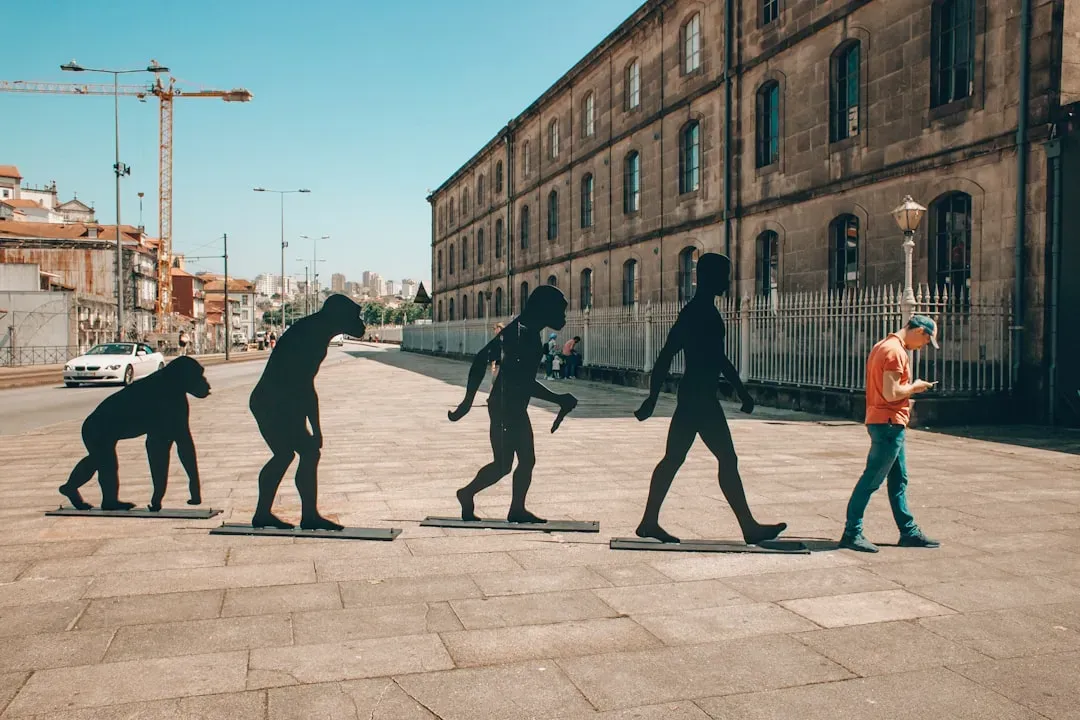
It is easy to see evolution in physical traits like fur, feathers, or hands, but it also influences brains, instincts, and emotions. Fear of heights, attraction to certain foods, sensitivity to social rejection, or our instinct to protect children can all be viewed through an evolutionary lens. These tendencies did not appear out of nowhere; they reflect long histories of what helped our ancestors survive and reproduce in particular environments. Your mind is not floating above biology; it is one of evolution’s more elaborate constructions.
At the same time, culture and learning sit on top of those evolved traits, shaping them in endlessly flexible ways. I remember realizing that my dislike of bitter tastes probably has evolutionary roots in avoiding plant toxins, even though I can override it by deciding to enjoy coffee or dark chocolate. Understanding that mix of hardwired tendencies and cultural layers makes human behavior feel less mysterious and, in some ways, more forgiving. We are not blank slates, but we are not prisoners of our biology either.
10. Humans are still evolving – and will keep evolving
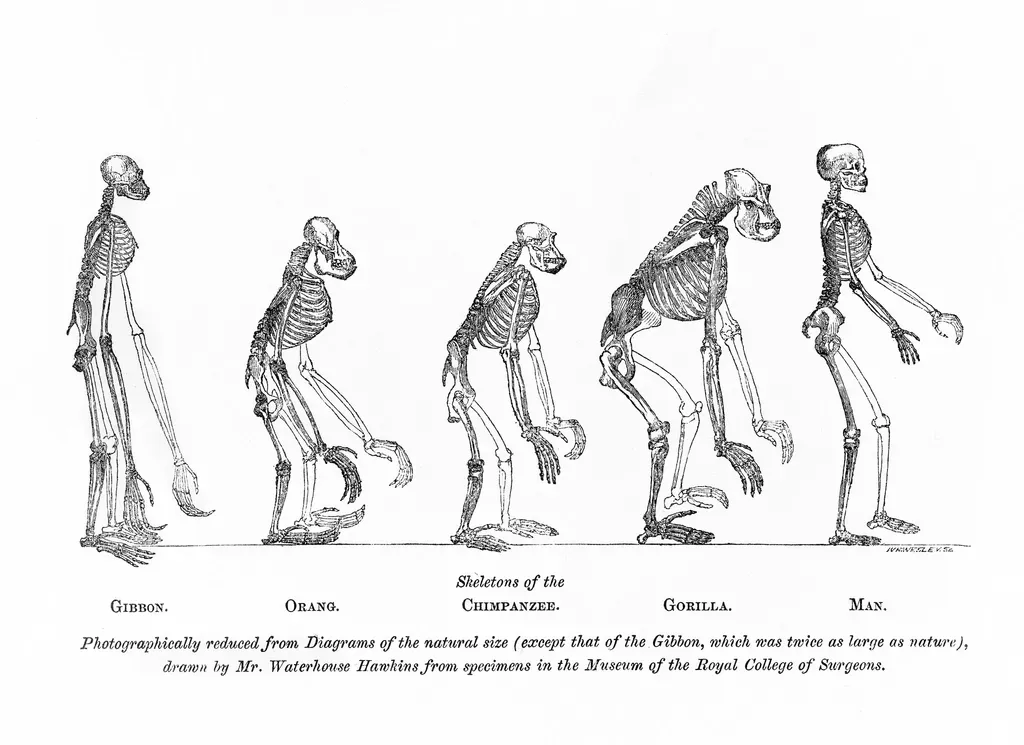
A surprisingly common belief is that humans somehow stepped outside evolution once we invented technology and medicine. But as long as there is variation, heredity, and differences in reproductive success, evolution is happening. Modern environments, diets, and lifestyles are creating new pressures and opportunities. Researchers have already found signals of recent evolution in traits related to things like disease resistance, digestion, and adaptation to high altitudes. Our species has not frozen in place; it is still being quietly reshaped.
Culture and technology complicate things by changing selection pressures rapidly and allowing traits that once would have been deadly to persist. That does not switch evolution off; it just changes the rules of the game. In a way, we have become both subjects and agents of evolution, altering the planet, editing genomes, and deciding which species thrive or vanish. I think it is naive and a bit arrogant to assume our own story is finished. The more honest view is that we are in the middle of a very long, unpredictable experiment, and future humans may look back at us the way we look at our Stone Age ancestors.
Conclusion: Evolution is stranger – and more humbling – than we like to admit
When you pull these threads together, a pretty clear picture emerges: evolution is not a clean march toward perfection, and it definitely is not a story with humans as the inevitable final chapter. It is a patchwork of compromises, quick fixes, lost features, sideways gene transfers, and surprising bursts of cooperation. Personally, I find that more compelling than any polished myth. It means we are the outcome of countless improbable events rather than the destined rulers of nature, and that should inject a bit of humility into how we live on this planet.
If there is one opinion I will lean into, it is this: misunderstanding evolution makes it far too easy to justify arrogance, inequality, and the idea that some lives are “more evolved” than others. The science points in the opposite direction. We are all temporary branches on the same tangled tree, each carrying a mix of ancient baggage and recent tweaks. Once you really sit with that, it is hard not to feel a strange mix of smallness and wonder. Knowing what you know now, does evolution feel more unsettling – or more beautiful – than you expected?