When you think about “old,” you might picture Roman ruins, ancient pyramids, or maybe a dusty medieval manuscript in a museum display. Those are undeniably old by human standards, but they’re barely a blink compared to some of the things quietly sharing the planet with us today. Scattered across deserts, buried in rocks, etched into our DNA, there are survivors so ancient that organized civilization is a brand‑new experiment by comparison.
What follows is a tour of ten things that truly redefine what “old” means. Many of them were here long before cities, language, and written history. Some of them are the biological equivalent of a classic car that has never been fully redesigned, others are physical relics that remember a world with no humans at all. Once you realize how much of reality predates civilization, the story of humanity starts to feel a lot more humble – and, strangely, a lot more precious.
1. Stromatolites: Living Fossils From A Nearly Alien Earth
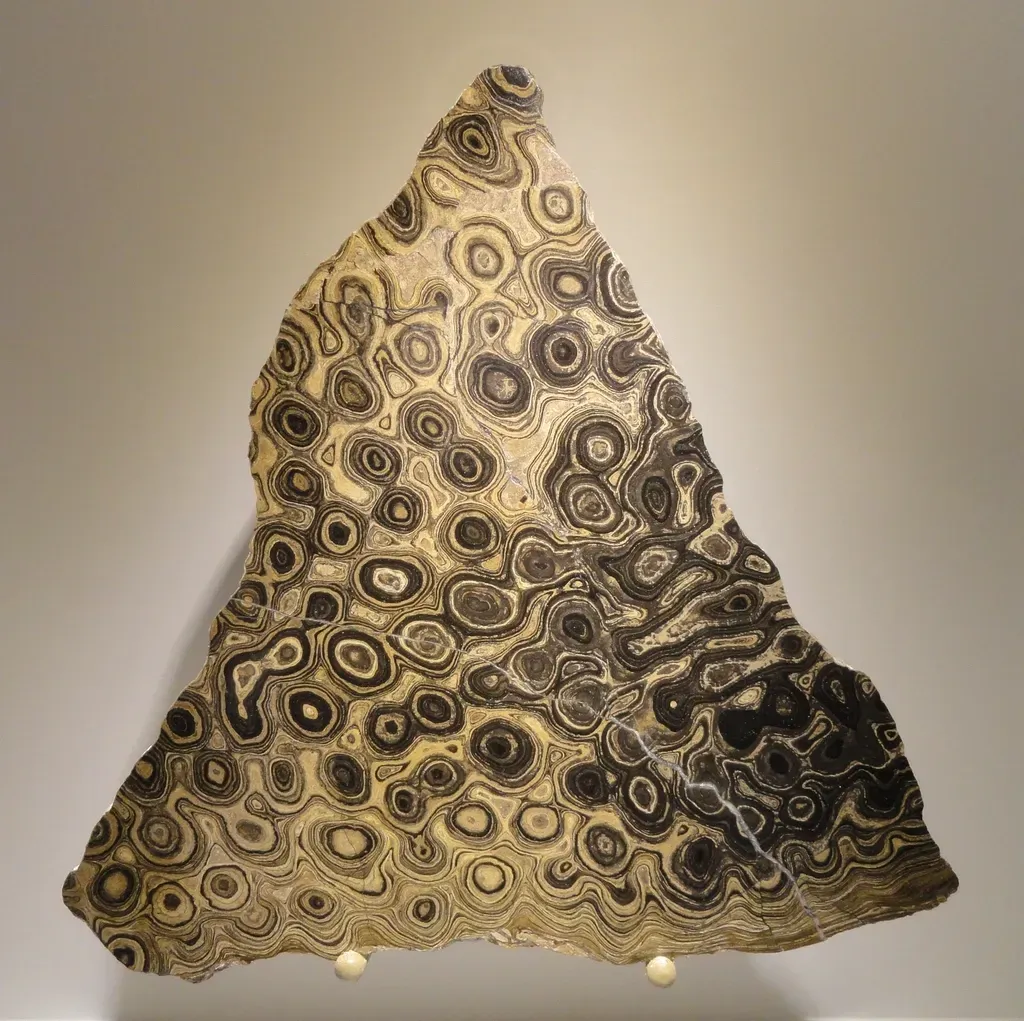
Imagine walking along a shallow coastline and realizing the lumpy, rocklike mounds under your feet are part of a lineage that’s been around for billions of years. Those are stromatolites: layered structures built by communities of microbes, often photosynthetic bacteria, that slowly trap sediments and minerals. Some fossil stromatolites are roughly three and a half billion years old, which means they were thriving when Earth’s atmosphere was nothing like the air you’re breathing right now. They are among the earliest clear evidence of life on the planet, showing that microbial ecosystems were already sophisticated long before anything like animals existed.
What makes stromatolites especially mind‑bending is that they are not just fossils locked in stone; some are still being built today in a few special spots, like hypersaline bays and lagoons. The modern microbial builders are not literally the same individuals, of course, but the basic way of life – layer on layer of microbes forming a living rock – is astonishingly similar. Standing next to them is like shaking hands with deep time: you’re seeing a kind of community that predates cities, continents as we know them, and possibly even the oxygen‑rich sky overhead. Civilization is brand new; stromatolite‑making microbes are the grizzled elders of the planet.
2. Horseshoe Crabs: Ancient Armor On Modern Beaches
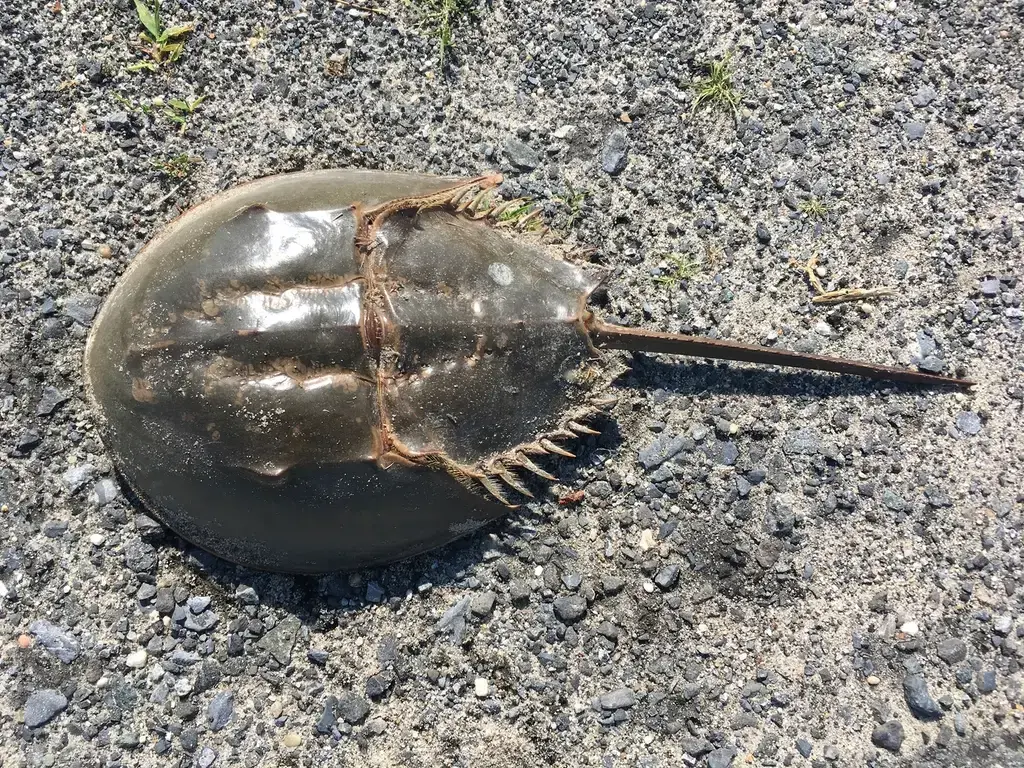
If dinosaurs had had beaches, they could have stepped on horseshoe crabs. These strange, helmet‑shaped creatures with blue blood and spiky tails have ancestors in the fossil record going back more than four hundred million years. They are often called “living fossils” because their overall body plan – hard domed shell, multiple eyes, and those many legs tucked underneath – has changed very little while whole empires of other species rose and fell. Compared to that timescale, human civilization, a matter of a few thousand years, is like a single frame in a very long movie.
Despite their fearsome look, horseshoe crabs are gentle scavengers, shuffling along the ocean floor and crawling ashore to spawn in huge numbers. Weirdly, modern medicine depends on them: a substance in their blood is crucial for testing the safety of vaccines and injectable drugs. So the same lifeform that predates flowering plants now plays a role in your annual flu shot. When I first learned that something older than the first forests is part of the lab pipeline that keeps people safe, I had that odd feeling you get when very old and very new worlds collide.
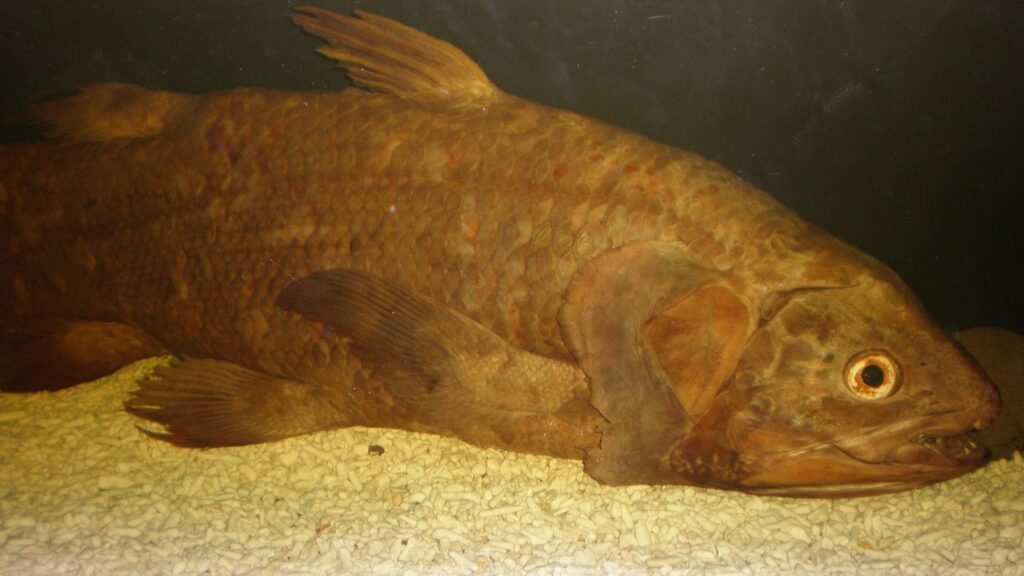
3. Coelacanths: The “Extinct” Fish That Refused To Leave
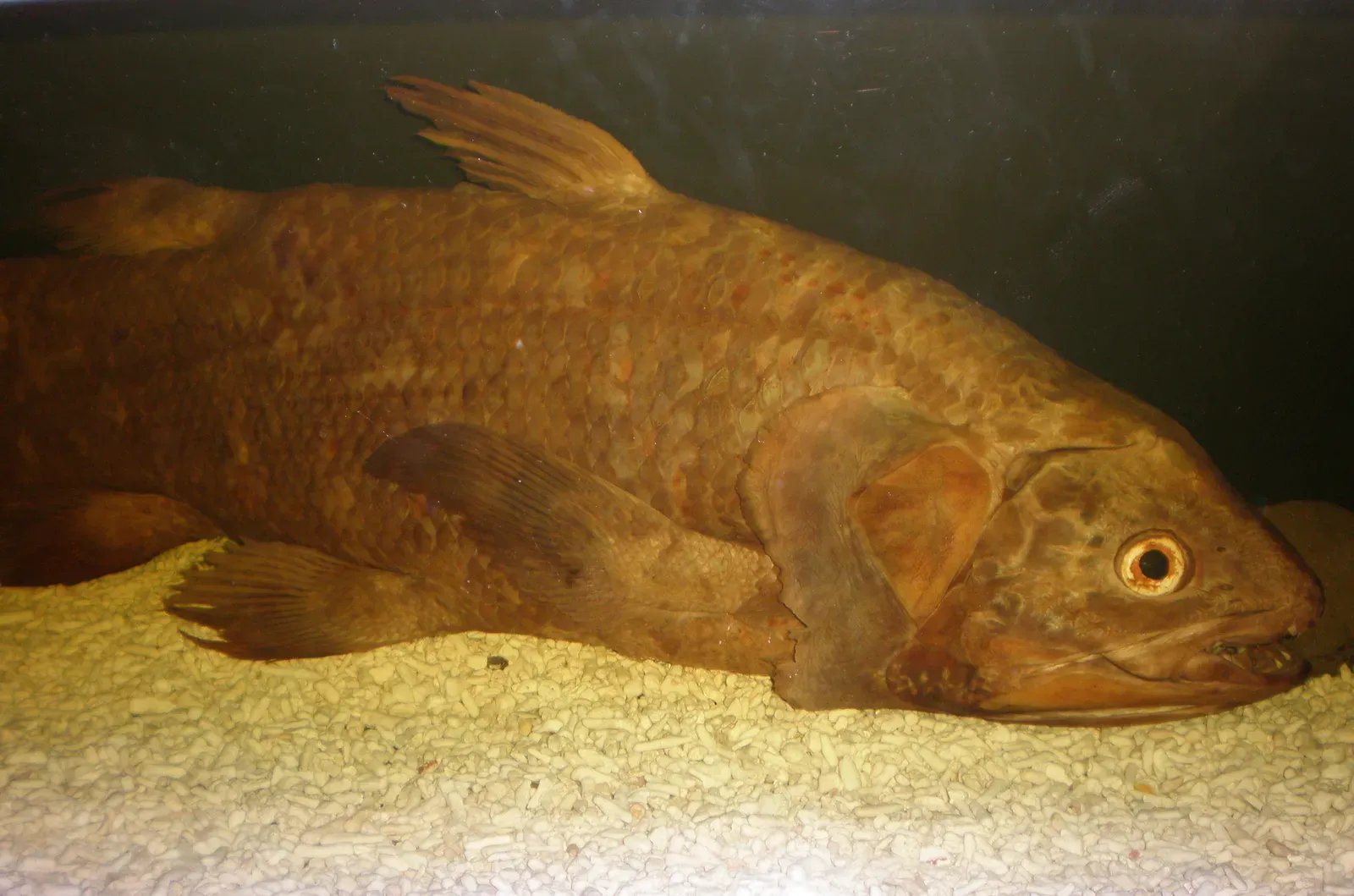
The coelacanth might be the closest thing we have to a biological ghost story. Paleontologists knew this lobe‑finned fish only from fossils that disappeared from the record around the time of the dinosaurs’ extinction. For decades, it was treated as a symbol of a lost age, a branch of the tree of life that had cut off long ago. Then, in the twentieth century, a living coelacanth turned up off the coast of Africa, and eventually another species was found near Indonesia. It was as if an animal from a museum display had quietly kept swimming in the deep all along.
Coelacanths trace their lineage back hundreds of millions of years, to a group of fishes closely related to the ancestors of land vertebrates. They hang in the dark ocean depths, moving slowly with their limb‑like fins, living a slow‑motion lifestyle that seems almost designed to avoid attention. Civilization came, invented ships, radios, and the internet – and the coelacanth barely changed its routine. To me, they’re a humbling reminder that the living world is bigger, older, and more patient than our stories about it.
4. The Ginkgo Tree: A Botanical Time Capsule In City Streets
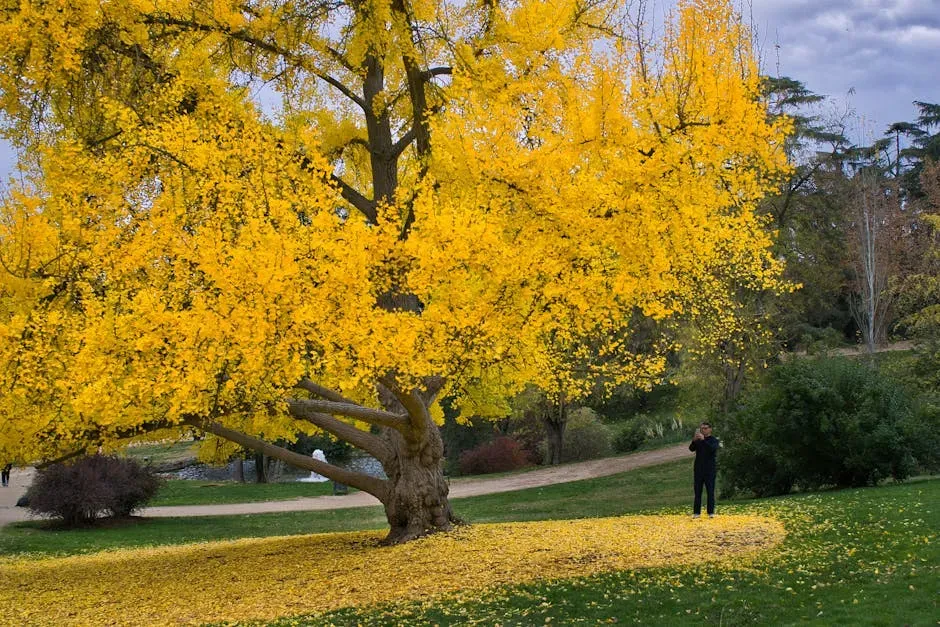
Walk down a city sidewalk in autumn and you might pass a ginkgo tree without realizing you’re looking at a survivor from the age of early dinosaurs. The ginkgo lineage appears in fossils from more than two hundred million years ago, recognizable by its fan‑shaped leaves. Over time, almost all of its close relatives died out, and today only one species, Ginkgo biloba, remains. It is a real‑world version of a family tree where nearly every branch was pruned off, leaving a single stubborn line hanging on.
Ironically, this ancient tree has become a thoroughly modern urban resident. Ginkgoes line boulevards in big cities because they tolerate pollution and disturbed soil better than many other trees. Their leaves turn a brilliant yellow in fall, dropping in a dramatic carpet almost all at once. It’s a strange contrast: cars, glass towers, smartphone‑absorbed pedestrians – and a tree species that can remember a world where mammals were tiny, nocturnal creatures hiding from reptilian giants. Civilization thinks in centuries; the ginkgo has been playing the long game for hundreds of millions of years.
5. Cyanobacteria: Tiny Architects Of The Air You Breathe
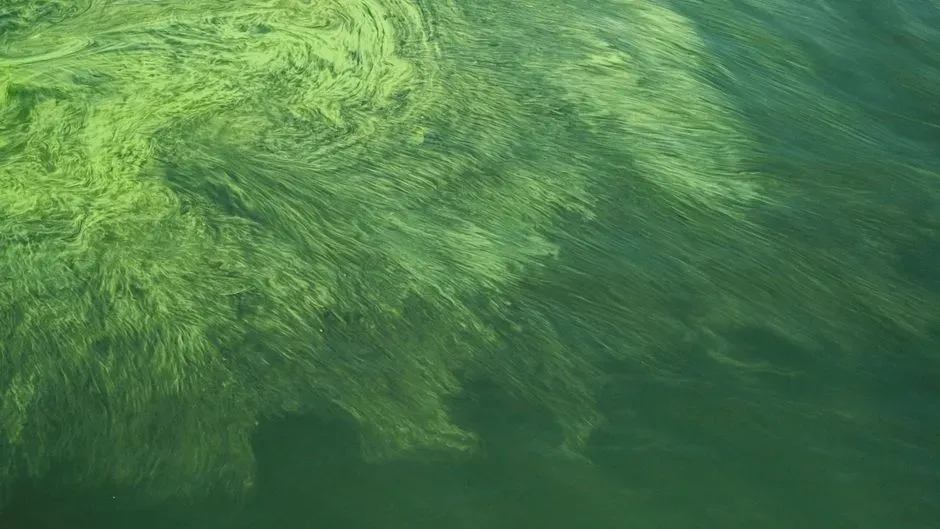
Before there were forests, before there were animals, there were cyanobacteria. These microscopic organisms, often called blue‑green algae (even though they’re bacteria), were among the first lifeforms to use sunlight to split water and release oxygen. Over an unimaginably long period, their photosynthetic activity transformed Earth’s atmosphere from one with little free oxygen into the oxygen‑rich environment we depend on today. Some scientists link them to the so‑called Great Oxygenation Event more than two billion years ago – a planetary makeover courtesy of microbes.
What is wild is that cyanobacteria are still everywhere: in oceans, lakes, damp soil, even forming slimy films on rocks and swimming pool walls. They power part of the global food chain and still help regulate the balance of gases in the atmosphere. We build cities, send satellites into orbit, worry about stock markets, and meanwhile these microscopic veterans just keep chugging along, doing a job they started long before the first human story was ever told. If you wanted to point to something that literally made civilized life possible, these tiny, ancient architects would be high on the list.
6. Crocodiles: Subtly Updated Dinosaurs In The River
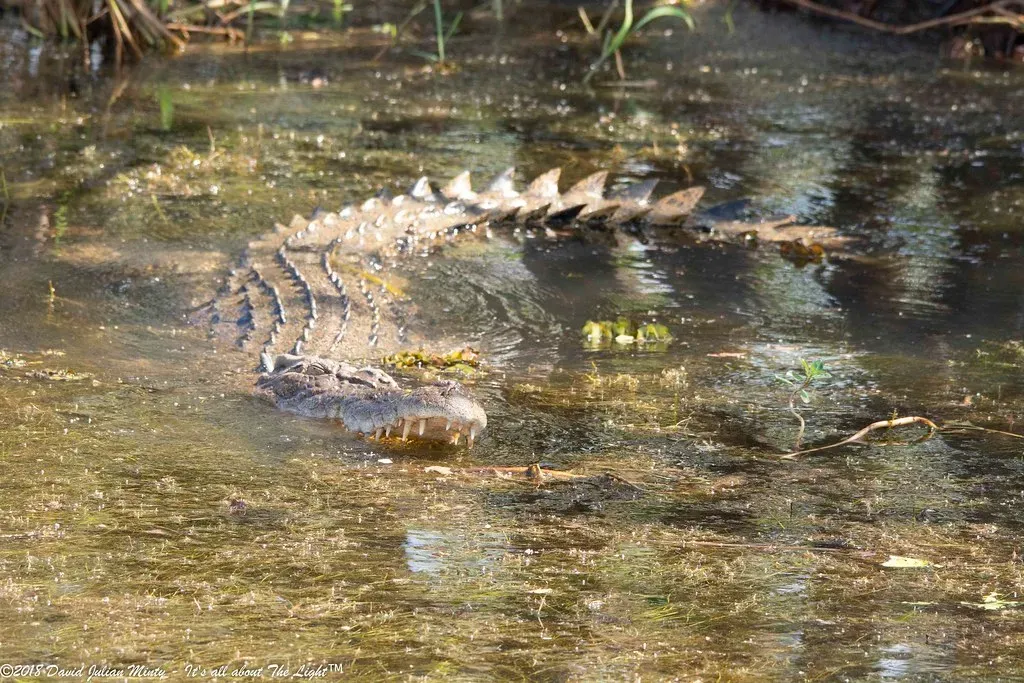
Watching a crocodile float almost motionless in muddy water, you can see why people casually call them dinosaur‑like. They are not actual dinosaurs, but their ancestors split from the dinosaur line in deep prehistory, and their basic body plan has remained remarkably stable since the age of giant reptiles. Fossil relatives of modern crocodilians go back more than two hundred million years, showing a long history of semi‑aquatic predators with powerful jaws and armor‑plated skin. Human cities, in contrast, have existed for only a tiny sliver of that time.
To be fair, crocodiles are not perfectly frozen in time – they have evolved in subtle ways, and ancient relatives came in stranger shapes and sizes. But compared to the rapid changes in human culture and technology, their slow, steady refinement almost feels like a rebuke. While we redesign our devices every year, a crocodile’s strategy is basically: stay low, wait patiently, explode with violence at just the right moment. From their perspective, our entire history of civilization might look like a brief flash of noise along the riverbank.
7. Tardigrades: Microscopic Tanks Older Than Our Fragility
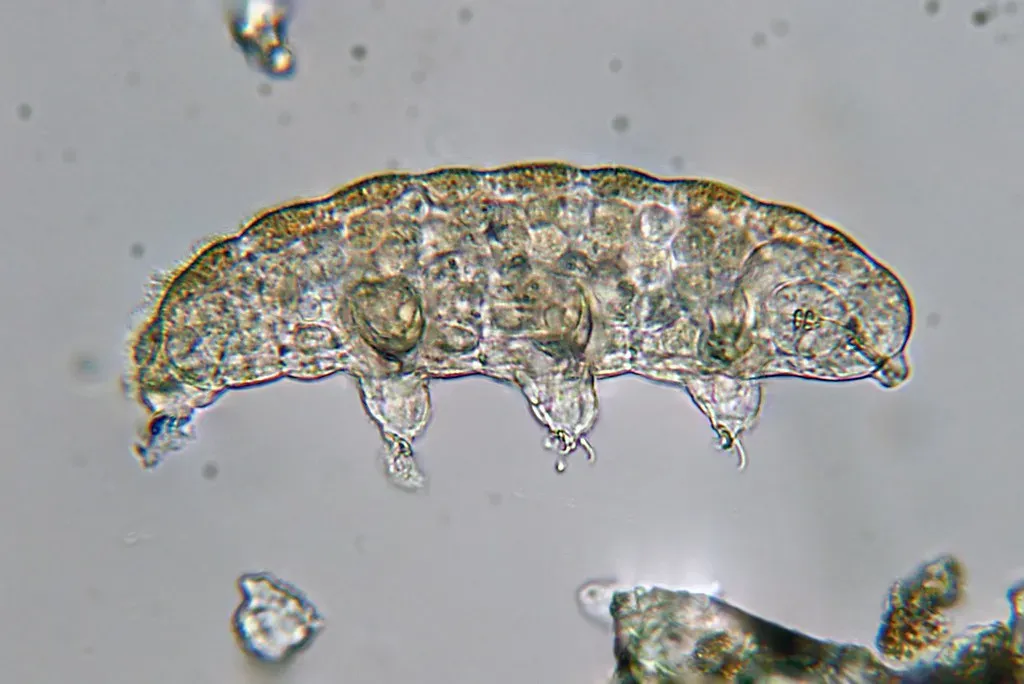
Tardigrades, often nicknamed water bears, are tiny creatures with stubby legs and a pudgy, almost cute shape, but they are among the toughest animals known. Fossil evidence suggests their lineage stretches back hundreds of millions of years, surviving multiple mass extinctions that wiped out vast swaths of other life. They can endure extremes that would destroy most organisms: intense radiation, high pressure, dehydration, even the vacuum of space when in a special dormant state. In the time since many early species appeared and vanished, tardigrades have just quietly endured.
What fascinates me about tardigrades is how they highlight the contrast between human vulnerability and biological resilience. Our civilizations can be toppled by economic shocks, pandemics, or climate events, yet these microscopic tanks roll on through conditions that sound like science fiction torture tests. If you imagine a far future in which most large animals are gone and our buildings have crumbled, there’s a very real chance some tardigrades will still be tucked into a drop of moss somewhere, waiting for the next chance to rehydrate and crawl again. They are a reminder that survival sometimes favors the small, the simple, and the stubborn.
8. The Oldest Continents: Ancient Cratons Beneath Our Feet
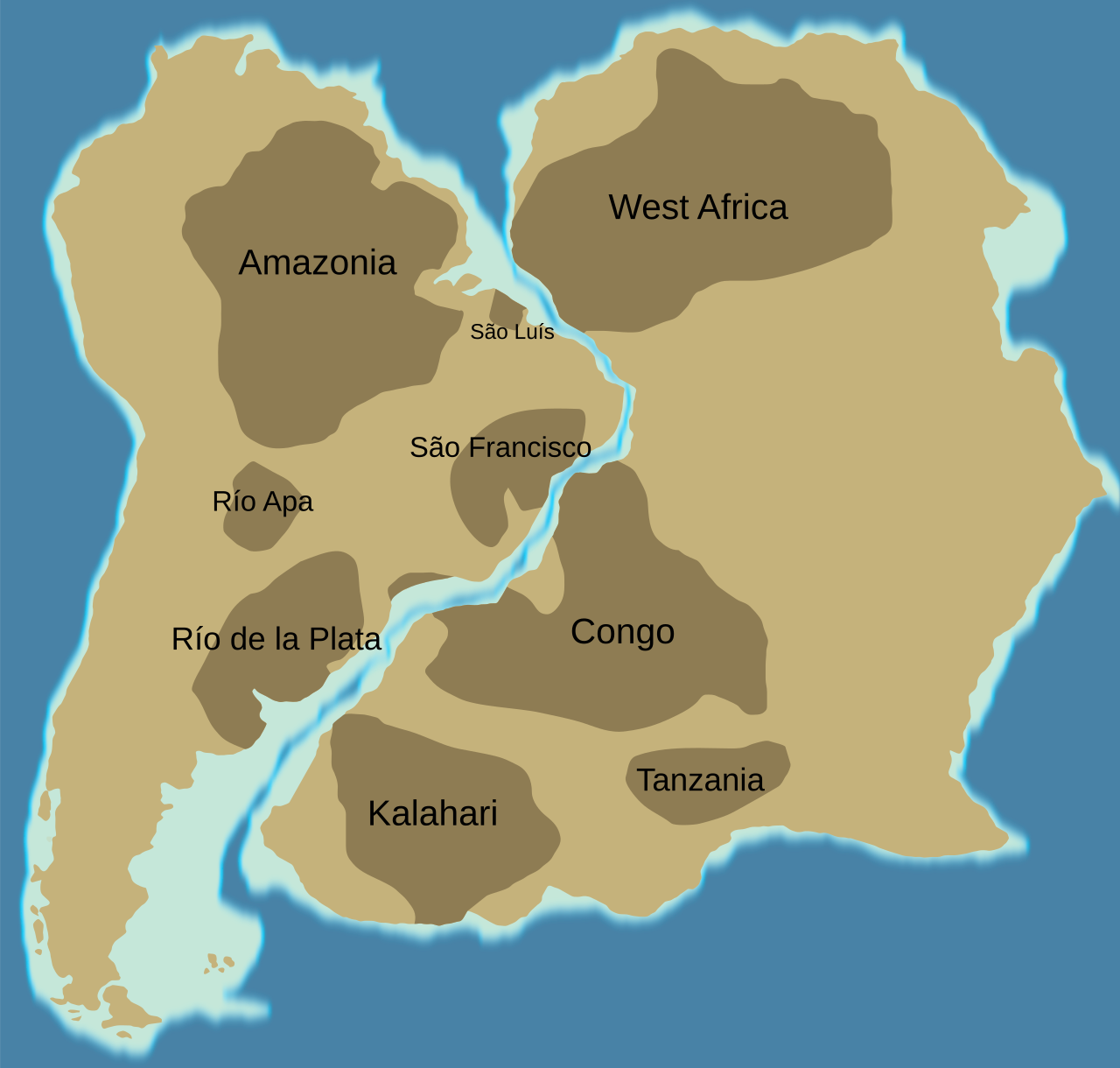
We tend to think of landscapes as permanent backdrops, but much of Earth’s surface is surprisingly young in geological terms. The real elders are the cratons: stable cores of continents that have survived the constant recycling of the planet’s crust. Some of these cratonic rocks are more than three billion years old, having endured collisions, eruptions, and erosion while newer crust formed and vanished elsewhere. Cities, roads, and farmland often sit on top of these ancient foundations without anyone realizing they are living above stone older than complex life.
Walking through a modern metropolis built on a craton is a bit like putting a skyscraper on the roof of an ancient cathedral, then forgetting the cathedral is even there. The bedrock quietly holds everything up while politics, cultures, and technologies shift at a frantic pace. When you run your daily errands – grabbing coffee, sitting in traffic, scrolling your phone – you are standing on a planetary archive that remembers a world with no animals, no plants, and certainly no humans. Civilization feels big because it’s ours; the continents remind us we’re late arrivals to a very old party.
9. Viruses And Ancient Genetic Echoes Inside Us
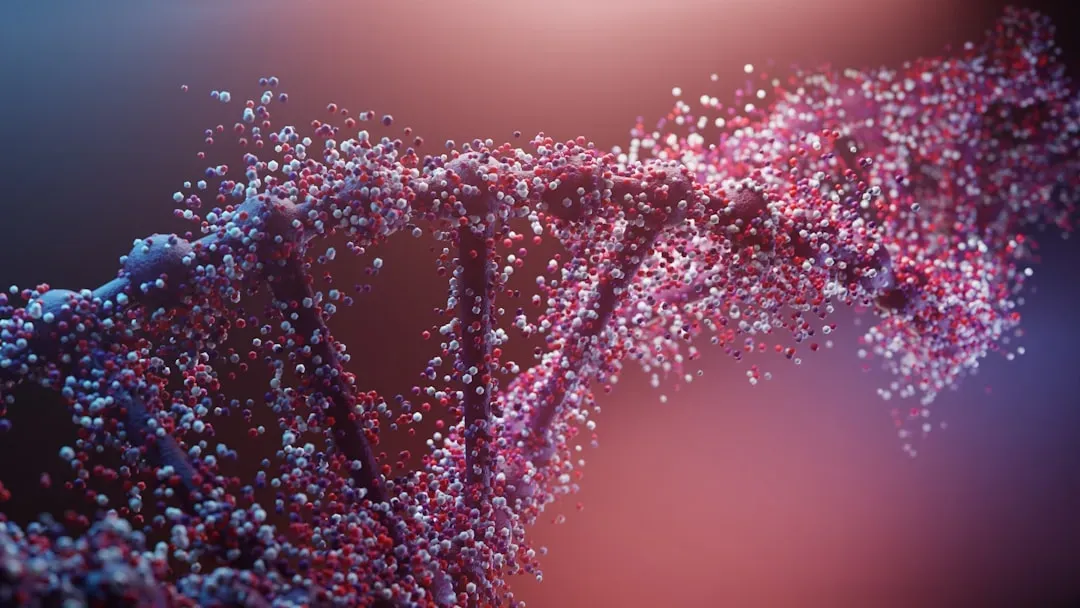
It is strange to realize that some of the oldest things connected to civilization are not monuments or tools, but snippets of genetic code hiding inside our cells. Over evolutionary time, certain viruses have inserted their genetic material into the genomes of animals, including humans. Some of those ancient viral sequences have stuck around for millions of years, passed from parent to child like an unwanted but persistent heirloom. In a sense, our own DNA is a museum that contains traces of long‑defeated invaders from deep time.
Even more surprising, a few of these viral remnants have been repurposed by evolution into useful functions, playing roles in processes like reproduction and immune regulation. That means part of what makes us human is built from the relics of ancient infections. While civilizations rise and fall, arguing over borders and beliefs, this molecular history quietly persists in every cell. To me, this makes the idea of “us versus them” feel flimsy; our very bodies are mosaics of old battles and unlikely truces with entities older than any city wall.
10. The Oceans Themselves: An Ancient Stage For A Young Species
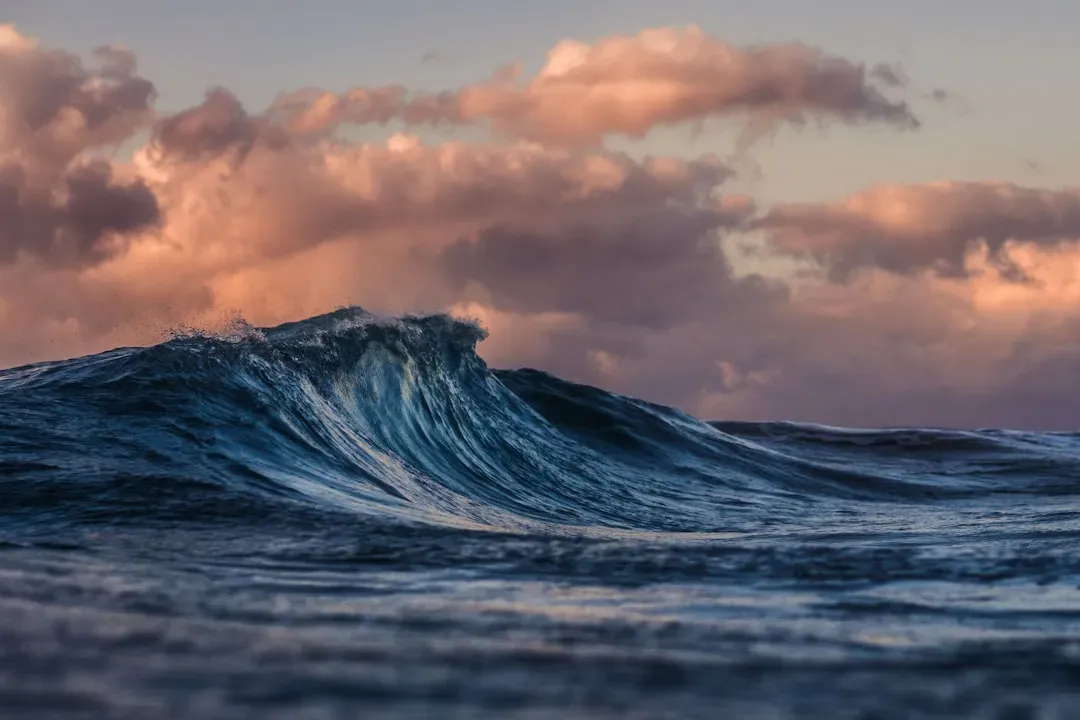
Long before the first cities, before even the first land plants, there were oceans. Liquid water has covered much of Earth’s surface for billions of years, acting as both cradle and engine for life. The exact details of when and how the seas formed are still refined by research, but they clearly predate anything resembling civilization by an almost comical margin. The earliest life emerged there, adapted there, and only much later did some lineages crawl onto land, eventually giving rise to us.
Today, we treat the oceans as backdrops for shipping lanes, vacation photos, and climate debates, but they are the original setting of the entire story of life on Earth. Civilizations cluster around the coasts because we still instinctively rely on that massive reservoir of food, climate regulation, and transport. When I stand on a shoreline and watch the waves, it’s hard not to feel that we’re just a brief experiment happening at the edge of something much older and more enduring. The sea will almost certainly outlast our cities, just as it outlived countless earlier dramas written in sand and stone.
Conclusion: Civilization Is New, The World Is Not

Once you start to notice how many things are older than civilization, human history shrinks down to its real scale. Stromatolites quietly layered themselves in shallow seas while our ancestors were still microscopic. Horseshoe crabs, ginkgo trees, and crocodiles were perfecting life strategies while our species did not yet exist. Even your own DNA carries echoes of ancient viruses, hitchhiking along through evolutionary time. Civilization, with all its pride and noise, looks far less permanent when set against that background.
To me, this perspective is both sobering and liberating. Sobering, because it undercuts the idea that our current way of living is the apex or the endpoint of anything. Liberating, because it suggests we have the chance to choose how we fit into a much older story, rather than pretending we are the whole story. If microbes can reshape a planet, if tiny tardigrades can survive cataclysms, then our responsibility is not just to build impressive things, but to make sure we do not cut our own chapter short. In a world this ancient, the real question is not how powerful civilization is, but whether we are wise enough to last – what do you think our descendants will say if they ever look back from a future as distant as these survivors’ pasts?