
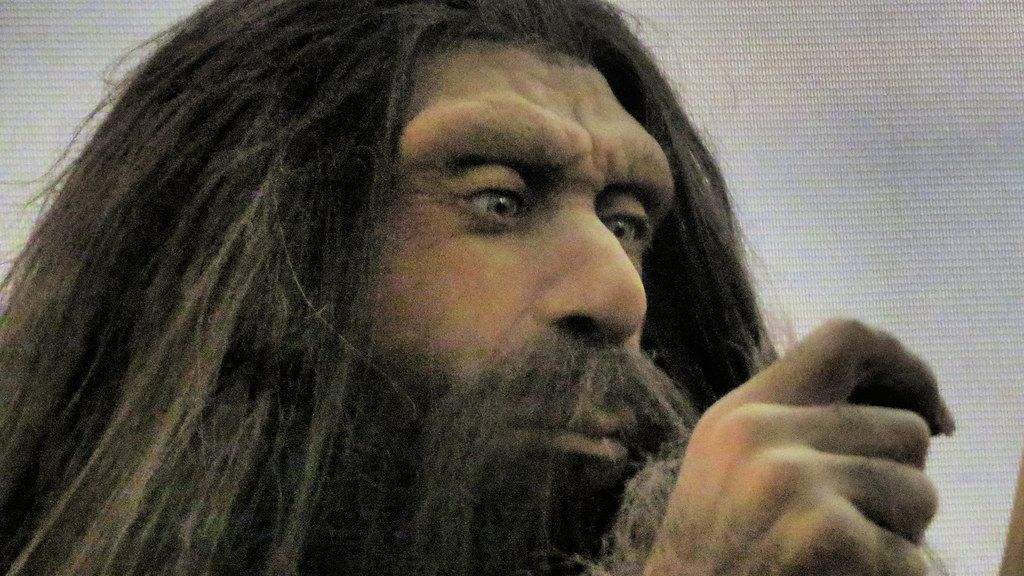
For all our glowing screens, smart devices, and self‑driving cars, there’s a quiet, uncomfortable truth: in some surprisingly important ways, ancient humans may have actually outperformed us. They built monuments that still baffle engineers, survived harsh environments without antibiotics or air‑conditioning, and navigated oceans and deserts with nothing but the sky and their memory. When you look closely, it becomes hard to shake the feeling that we’ve upgraded our tools but sometimes downgraded ourselves.
This is not a nostalgic fantasy about a perfect past; life in earlier eras was often brutal and short. But it is a reminder that progress is not one straight, shiny line. We’ve gained a lot, but we’ve also lost skills, habits, and ways of seeing the world that made ancient people astonishingly capable. Here are ten things our ancestors often – and what they can still teach us if we are willing to listen.
1. Reading the Natural World Like a Book

Imagine standing in a forest with no phone, no GPS, and no map, yet still knowing exactly where you are, what time it is, whether rain is coming, and which plants are safe to eat. For many ancient hunter‑gatherers and early farmers, that was normal daily life. They could interpret the slightest shift in wind, a faint animal track in the mud, or the behavior of birds as clearly as you might read a text notification. Their survival depended on turning the landscape into a living dashboard of information.
Today, most of us struggle to identify more than a handful of local plants or constellations, and we often need a weather app to tell us what the sky is already saying. You can see the difference on long hikes: take away the trail markers, and a modern group quickly feels lost, while traditional foragers in places like the Kalahari or the Amazon historically moved with quiet confidence. I still remember the first time a guide in a rural area pointed out that the ants were moving their nest uphill before a storm; he didn’t “predict” the rain, he just read it. Ancient people did that all day, every day.
2. Building for Centuries, Not Product Cycles
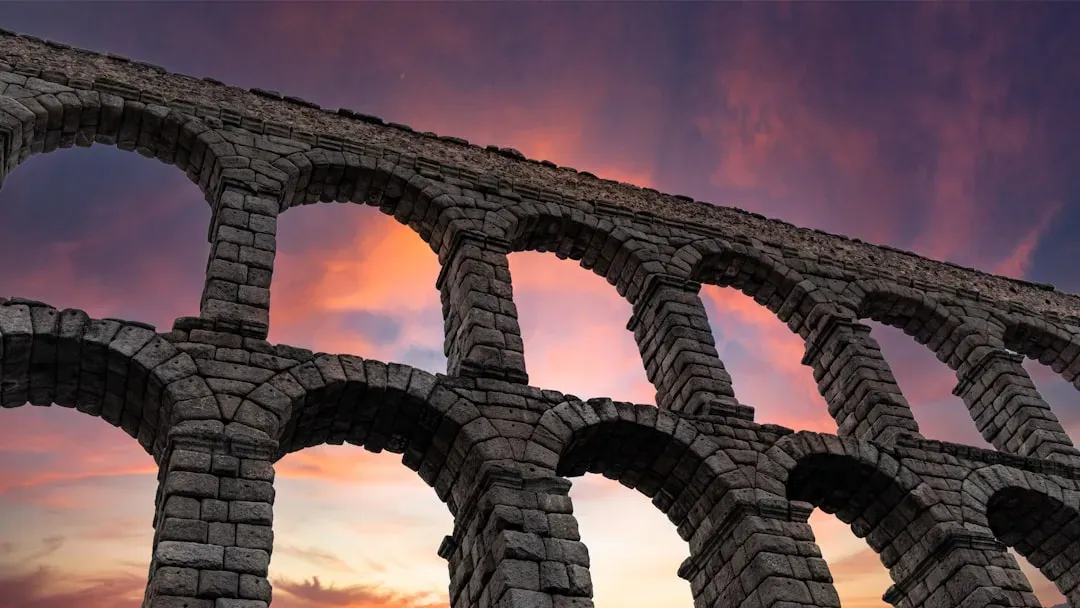
Walk up to a two‑thousand‑year‑old Roman aqueduct or a stone temple that has shrugged off earthquakes and wars, and you feel something modern architecture rarely delivers: the sense that this was built to outlive its builders by a very long time. Ancient engineers mixed materials, proportions, and local knowledge in ways that made structures astonishingly durable, often with no steel, no Portland cement, and no computer simulations. They optimized for longevity, not quarterly profits or fashion trends.
By contrast, much of what we build now is quietly designed to be replaced – houses that need major repairs after a few decades, concrete that cracks quickly, buildings demolished rather than maintained because it is cheaper to start over. There are exceptions, of course, but the dominant mindset is about efficiency and speed, not inheritance. When you realize that some ancient roads, wells, and bridges are still in use while many modern constructions are doomed to become rubble in a generation or two, it is hard not to admit they were playing a longer, wiser game.
3. Moving Their Bodies the Way They Were Meant to Move
Ancient humans did not go to the gym; their entire existence was the gym. They squatted to cook, carried heavy loads as a matter of routine, walked or ran long distances, and used a full range of joint movement simply to get through the day. That kind of organic, varied movement builds strength, balance, and resilience in a way that even the best curated fitness program struggles to mimic. Their posture and gait were shaped by necessity rather than desk chairs and car seats.
We, on the other hand, sit – a lot. Many of us spend most of the day in a few cramped shapes: hunched over a laptop, slouched on a couch, craned over a phone. Then we try to cram all the movement our bodies crave into a frantic hour of exercise and wonder why our backs, knees, and shoulders protest. You see the contrast when you travel to communities where people still routinely squat, walk, and carry in traditional ways; older adults there often move with a fluid ease that many younger office workers have already lost. In this very literal sense, ancient humans treated their bodies better, even without treating them at all.
4. Living in Deep, Tight‑Knit Communities
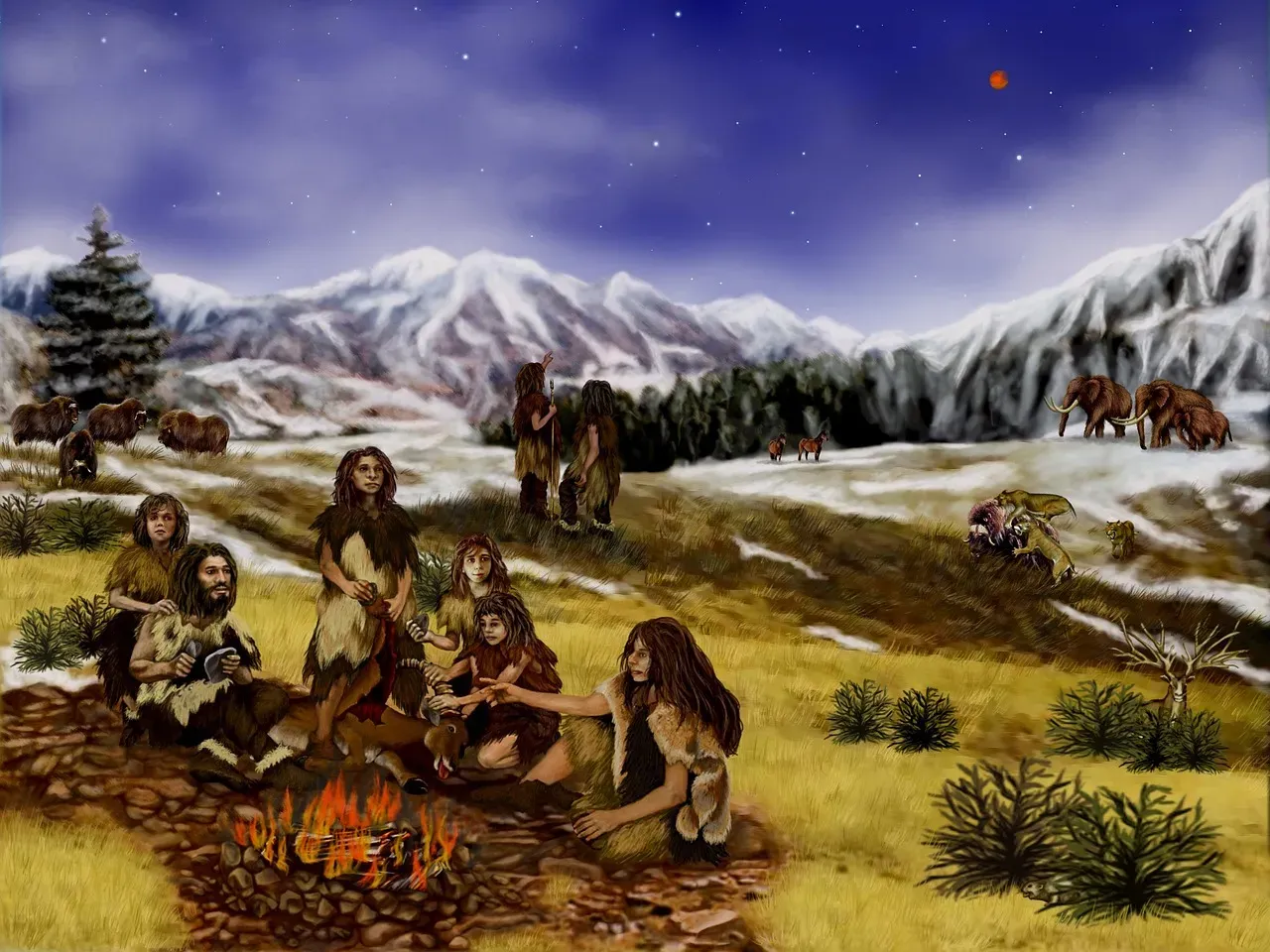
For most of human history, loneliness was rare not because life was easy, but because it was almost impossible to be alone. People lived surrounded by extended family, neighbors, and small bands where everyone knew each other’s stories. Roles and obligations were often strict and sometimes unfair, but the baseline assumption was communal life: shared meals, shared work, shared child‑rearing, shared grief. Your identity was deeply woven into a network of others who depended on you.
Modern life has given us incredible individual freedom, but it has also quietly hollowed out many of those social structures. We can live in high‑rise buildings surrounded by hundreds of people and still feel completely isolated. Online connections help, but they rarely replace the sense of being physically needed by a group that knows you intimately. When you read about how traditional villages rallied for harvests, weddings, or building a house, it is hard not to feel that ancient humans, for all their hardships, often did belonging better than we do.
5. Remembering Without Machines
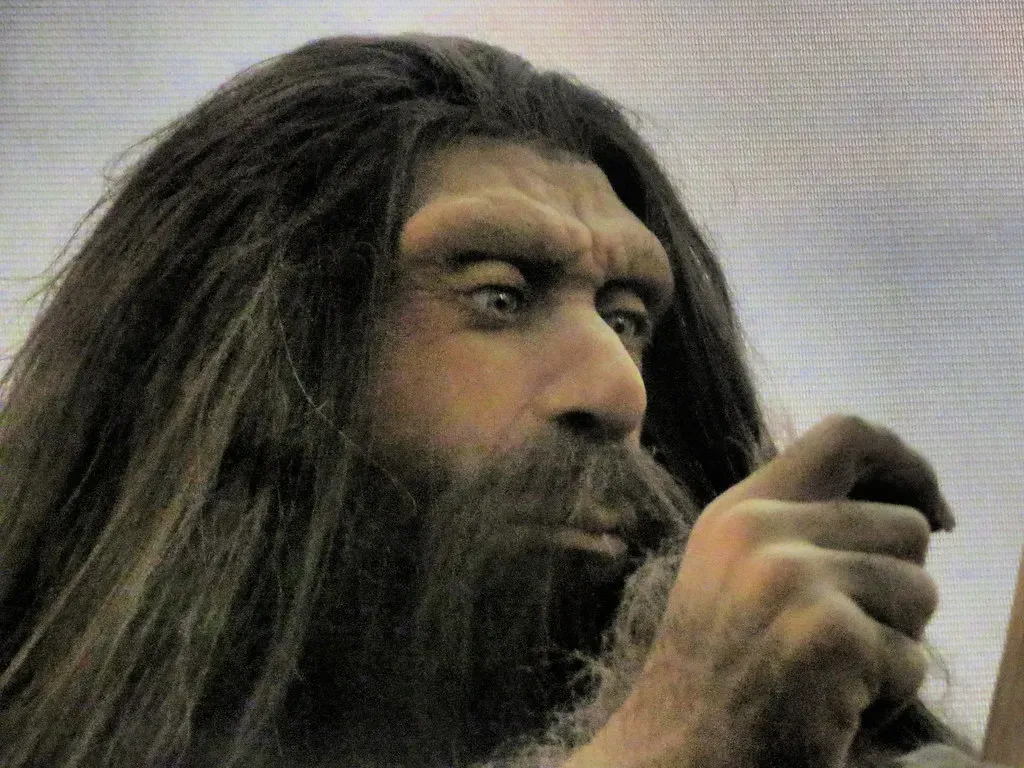
Before hard drives and cloud backups, the only storage space humans had was the mind and whatever patterns they could embed in stories, songs, and symbols. Ancient cultures developed incredibly sophisticated memory techniques: repeating oral epics that could span hours, encoding practical knowledge into myths and rituals, using rhythmic patterns and vivid imagery to lock information in place. A person might be able to recite long genealogies, legal codes, or medicinal recipes entirely from memory.
Today, our recall muscles are weak because we outsource almost everything to devices. Phone numbers, directions, birthdays, even simple to‑do lists are often stored elsewhere, so our brains never get the workout they evolved for. When I experimented with old memory methods – like linking items to imaginary locations in a “memory palace” – I was shocked by how quickly my recall improved, which made it even clearer that ancient people who practiced these skills daily must have been on another level. We are not born with worse brains; we simply train them less, because we no longer have to rely on them as intensely.
6. Eating Closer to What Our Bodies Evolved For

Ancient diets were not magically perfect, but they were generally free from the ultra‑processed inventions that now fill supermarket shelves. People ate what the land or sea offered: whole grains, roots, fruits, nuts, legumes, and animal products with minimal interference. Meals tended to be seasonal, varied, and naturally limited in refined sugars and artificial additives. Food came with fiber, texture, and a clear connection to place and effort.
In contrast, a huge portion of modern calories comes from items engineered for convenience and hyper‑palatability rather than nourishment. It is entirely possible to eat all day and still be undernourished on a cellular level. When researchers compare traditional diets – like those of some Mediterranean or East Asian communities before rapid modernization – to heavily processed Western patterns, the differences in health outcomes speak for themselves. In many ways, ancient humans treated food as fuel, culture, and medicine all at once, while we often treat it like a quick fix or distraction.
7. Sleeping With the Rhythm of the Earth

Before electric lighting, most humans lived in tune with the natural cycles of light and dark. Nightfall meant a gradual winding down: firelight, starlight, maybe the moon, and then sleep. Wake times followed dawn more closely, and people often slept in segments, with a quiet period of wakefulness in the middle of the night that was used for reflection, storytelling, or intimacy. Their internal clocks were synced to the sky rather than to late‑night streaming and shift work.
Today, bright artificial light, screens, and irregular schedules constantly tug at our circadian rhythms. Many of us go to bed far later than our bodies would choose on their own, and we wake to alarms rather than because our rest is complete. Chronic sleep debt has become so normal that feeling exhausted is almost a personality trait. When you imagine the quiet darkness of an ancient village, interrupted only by firelight and the sounds of nature, it starts to make sense that their sleep – while not always comfortable – was often more aligned with human biology than ours is now.
8. Crafting and Repairing Instead of Discarding

Ancient humans lived in a world where throwing something away was not really an option; materials were scarce, labor was precious, and every object represented serious time and effort. Clothes were mended, tools were sharpened and patched, containers were repurposed, and broken items were carefully fixed rather than tossed. This mindset also created a remarkable level of craftsmanship: if you are going to live with a bowl, garment, or knife for many years, you make it well and you know it intimately.
Modern consumer culture pushes us toward the opposite mentality: replace rather than repair, upgrade rather than maintain. Many products are not even designed to be easily taken apart, much less fixed. When you hold an ancient hand‑made object – whether it is a simple clay pot or a finely carved piece of wood – you feel the difference in intention. There is pride and patience embedded in it. I still remember learning to patch a torn jacket with a needle and thread and realizing how alien that felt in an age of one‑click replacements; for our ancestors, that kind of skill was just Tuesday.
9. Connecting the Sacred and the Everyday
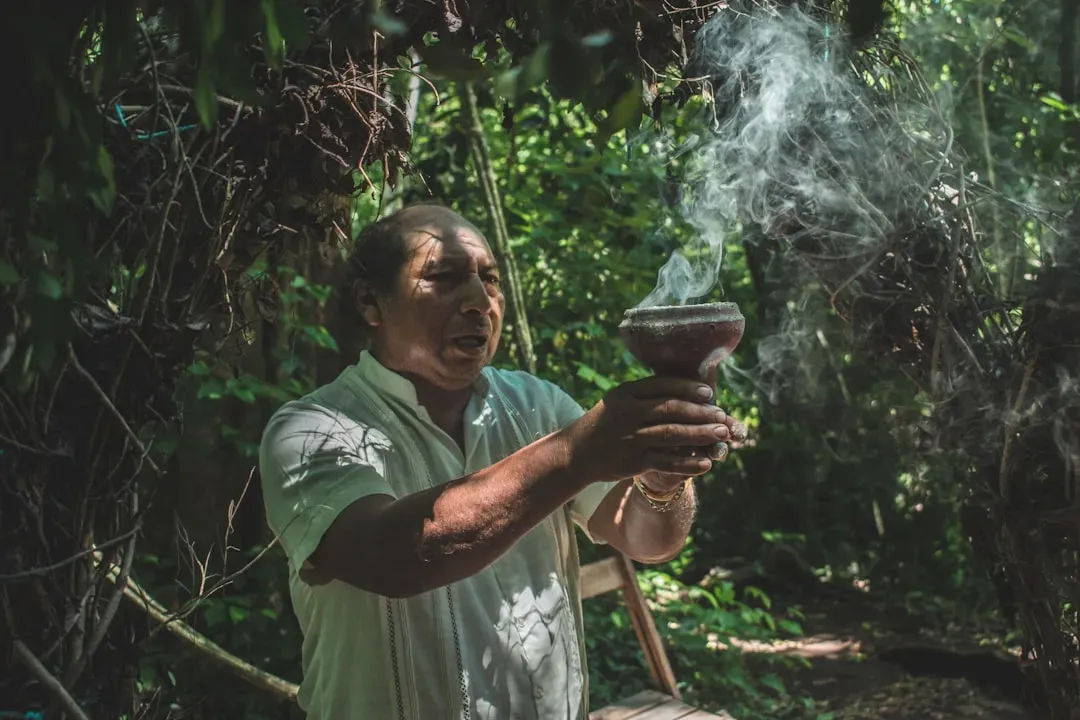
Ancient people often saw the world as thick with meaning. Mountains, rivers, animals, and even ordinary tasks like planting or baking bread might be wrapped in stories that connected them to the cosmos, ancestors, or unseen forces. Rituals were not something tucked into an hour on the weekend; they were woven into daily life in the form of blessings, taboos, songs, and seasonal festivals. That sense of sacredness could be restrictive, but it also gave people a powerful feeling that their lives fit into a larger pattern.
Today, many of us live in a flattened world where work, entertainment, and consumption dominate the calendar. We can swipe through a hundred images in a minute, but struggle to find a sense of awe or purpose that lasts longer than a viral video. Even people who are religious sometimes experience faith as something separate from ordinary routines. Looking back, it is striking how ancient cultures used story and ceremony to help people cope with fear, death, and uncertainty. They were not more “primitive” in that regard; they were, in some ways, more emotionally honest about our need for meaning.
10. Facing Hardship With Grit We Rarely Have to Develop

Life for ancient humans was dangerous and often unforgiving: disease, injury, hunger, and violence were real and frequent threats. But that relentless exposure to hardship also forged a level of toughness – physical, emotional, and social – that most of us never have to cultivate. Children grew up contributing to survival early, learning to tolerate discomfort, boredom, cold, and pain as part of life rather than as emergencies. Communities had rehearsed ways of grieving, rebuilding, and adapting because loss was not an exception; it was an expectation.
Modern safety nets, medicine, and technology are enormous blessings, and nobody sensible would want to trade places entirely. Yet there is a cost to living so insulated from difficulty: our tolerance for frustration, uncertainty, and discomfort has thinned. Minor inconveniences can feel catastrophic because we have so little practice riding out real storms. When you think about ancient people walking for days in harsh weather, persisting through lean seasons, or rebuilding after disaster with almost nothing, it becomes clear that resilience was not an inspirational slogan for them – it was a daily requirement.
Conclusion: Learning From the Past Without Worshipping It
It is tempting to turn ancient humans into either heroes or cautionary tales, but reality sits somewhere in the messy middle. Their lives were shorter, riskier, and often cruel in ways we barely comprehend, yet they also cultivated skills, habits, and worldviews that quietly outshine many of our modern defaults. In reading landscapes, building for the long term, moving naturally, eating closer to the earth, and holding tight to community and meaning, they were not backward; they were wise in ways we have partly forgotten.
We do not need to abandon antibiotics and the internet to reclaim what they did well; we need to be honest about what we have traded away and choose more carefully. Maybe that means learning the constellations again, mending clothes instead of replacing them, cooking real food more often, or simply walking outside without headphones and letting the wind tell you something. Progress is only progress if it makes us more fully human, not less. Looking at our ancestors with clear eyes, the real question is not whether they were better than us, but which of their strengths we are finally ready to earn back – one deliberate choice at a time.