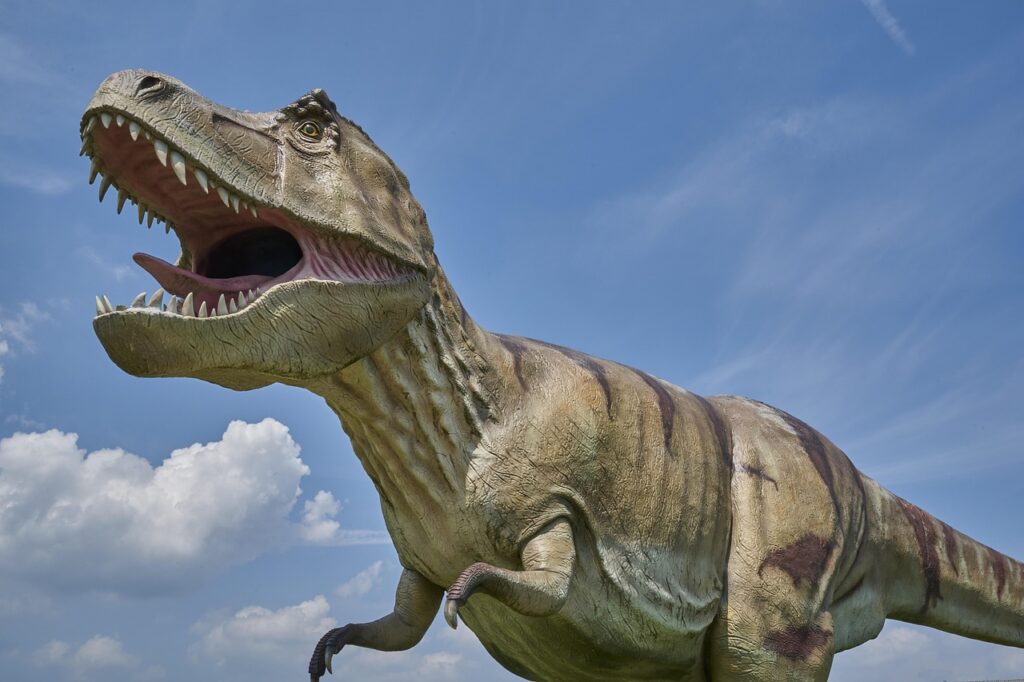
Ever since the original Jurassic Park roared into theaters back in 1993, audiences have been captivated by these prehistoric giants brought back to life through the magic of cinema. But how much of what we see on screen actually matches what scientists know about these ancient creatures? The answer might surprise you – some things are spot-on while others are completely off the mark. From the terrifying roar of the T. rex to the agile, menacing raptors, the franchise has shaped the way generations imagine dinosaurs. Yet, paleontologists have pointed out everything from exaggerated behaviors to outdated anatomy that Hollywood couldn’t resist tweaking for drama. At the same time, the films nailed certain details, like showcasing herding behavior and the sheer diversity of species that once ruled the Earth. This mix of accuracy and artistic license has sparked debates, fueled curiosity, and even inspired budding scientists to dig deeper into the real story of dinosaurs. Jurassic Park may be fiction, but its impact on science and culture is very real.
The Great Velociraptor Size Mix-Up
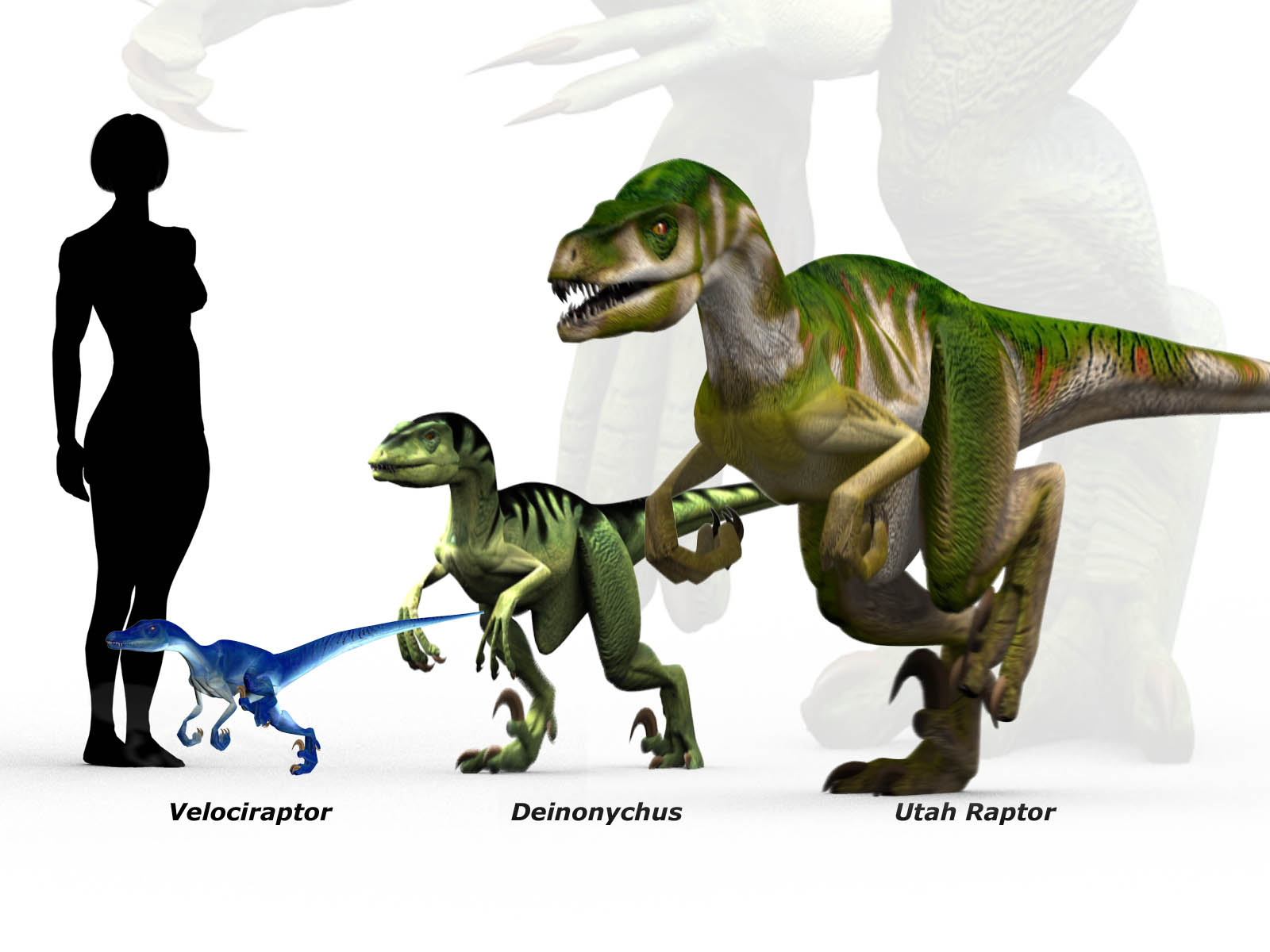
Here’s something that’ll blow your mind: real velociraptors were actually turkey-sized in real life, not the human-sized killing machines we see terrorizing the characters on screen. The franchise’s Velociraptors are actually based on the larger Deinonychus, although Crichton used the name Velociraptor because he thought it sounded more dramatic. Talk about creative license!
The filmmakers essentially took a much smaller dinosaur and gave it the body of a completely different species. The velociraptors in Rebirth and throughout the series seem to instead be inspired by deinonychuses. It’s like calling a house cat a lion – same family, vastly different size and threat level.
DNA Recovery Dreams vs. Scientific Reality
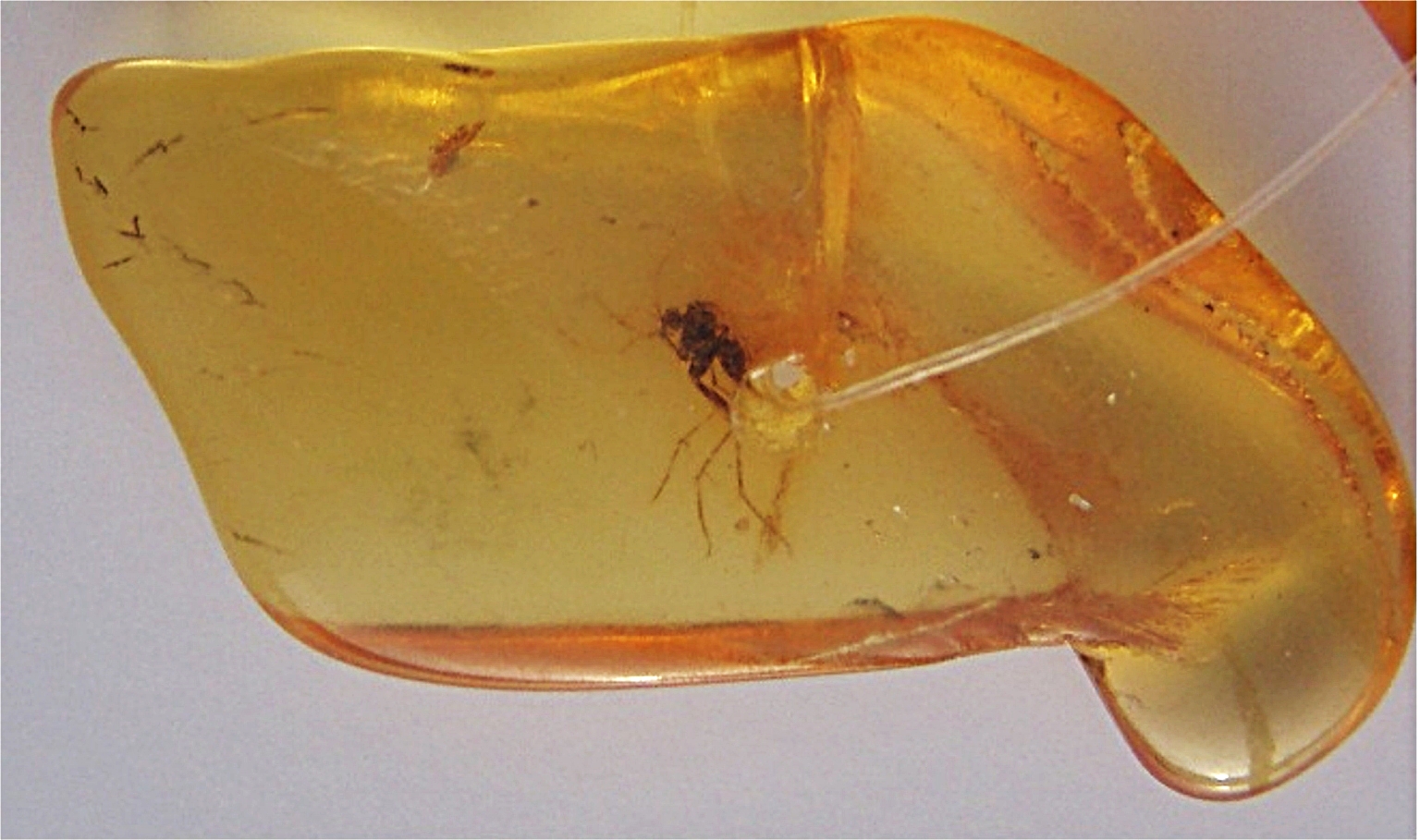
“The oldest confirmed DNA,” said Lead Paleontologist Dr. Jennifer Anné, “Are from around 2 million years ago, and those are DNA fragments, nothing close to what you would need to actually clone an animal.” Meanwhile, The Jurassic Period ended 145 million years ago. That’s a massive gap that makes the whole premise pretty much impossible.
DNA would be degraded after 6.8 million years, which puts the entire mosquito-in-amber concept firmly in the realm of fantasy. Despite the premise of the film, no one has ever found dinosaur DNA though some protein has been discovered. DNA could never have survived for the millions of years that have passed since dinosaurs roamed the earth.
The Missing Feathers Controversy
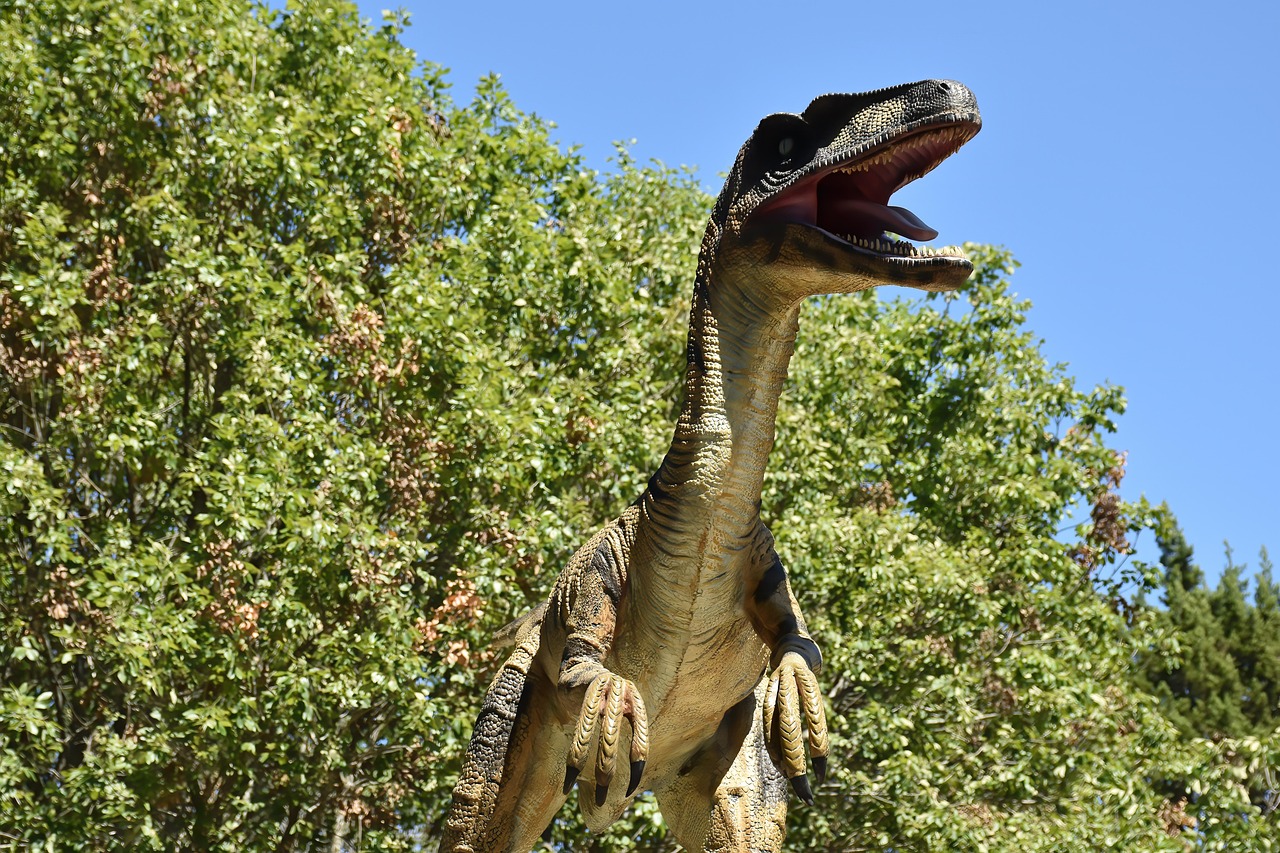
Perhaps the biggest visual inaccuracy involves feathers – or rather, the complete lack of them. Velociraptor and deinonychus, and a whole bunch of other dinosaurs, were totally covered in feathers. In reality, these dinos were covered in feathers and only about the size of a turkey.
Horner said that Spielberg “has made the point several times to me that colorful dinosaurs are not very scary. Gray and brown and black are more scary”. This decision was purely aesthetic – feathered dinosaurs might have looked too much like angry giant chickens rather than terrifying prehistoric monsters.
T-Rex Vision Isn’t Movement-Based

Remember that famous line: “Don’t move a muscle – his vision is based on movement”? Well, that’s complete nonsense. Fossils show that the T. rex had forward-facing eyes, and the shape of the dino’s skull means it likely had excellent depth perception. In fact, scientists think it may have had among the best eyesight of any dinosaur.
Easily one of the most famous fallacies popularized by the Jurassic Park films is the idea that Tyrannosaurus rex’s vision is based on movement. That’s a comforting idea if you’re facing one of the big beasts, but there is little to no scientific evidence to back up this hypothesis. So much for standing perfectly still as a survival strategy!
Dinosaur Sounds Were Hollywood Magic

Those bone-chilling roars that make your theater seat vibrate? Pure fiction. Dinosaurs did not roar. The structure of their neck bones did not allow for vocal cords that were capable of making a powerful roaring sound. Palaeontologists have generally concluded that T.rex, like all dinosaurs, could not roar. Instead, it would have likely cooed, hooted, and made deep-throated booming sounds similar to the noises its closest living relatives make, crocodilians and birds.
Sound designer Gary Rydstrom made it from layers of baby elephant squeals, alligator growls, and other animal noises. Scientists think the real predator most likely would have made deep, low-frequency rumbles that might be felt more than heard. Imagine a world where dinosaurs cooed like giant doves instead of roaring like movie monsters!
Dilophosaurus Fiction vs. Fact

In what is considered one of the most iconic scenes from Jurassic Park, the Dilophosaurus is shown to be a relatively small dinosaur with a large frilled neck and the ability to shoot poison. In reality, it was roughly 23 feet long, had a strong jaw, and did not shoot poison. The filmmakers actually shrunk this dinosaur down to avoid confusion with the raptors.
The Dilophosaurus, for instance, was one of the 1993 film’s most memorable creatures despite being only partially similar to the real thing. The movie did keep the dinosaur’s distinctive twin skull crests, but the scene-stealing frilled neck and venom-spitting were purely fictional. That terrifying encounter with Dennis Nedry? Complete Hollywood invention.
Brachiosaurus Behavior Blunders

In Jurassic Park, Brachiosaurus manages to stand on two legs. In real life this was not possible because of its enormous weight, and also due to the fact that its hind legs were shorter than its front legs. That majestic scene where the Brachiosaurus rears up to reach the treetops? Physically impossible.
The film also shows these gentle giants chewing their food like cows, but the film also inaccurately depicts the species as having the ability to stand on its hind legs, allowing it to reach high tree branches, and depicts the dinosaur as chewing its food, an idea that was added to make it seem docile like a cow. Real sauropods didn’t chew – they swallowed their food whole and let their massive digestive systems do the work.
Raptor Intelligence Gets It Right

Here’s where the movies actually nailed something important: one thing that the movie nailed was the fact the velociraptor was likely an intelligent animal, given how its cranium had a relatively big space for its brain. The problem-solving abilities and pack hunting strategies shown in the films weren’t entirely off-base.
While emphasizing the bird-brained abilities of one of its break-out stars, the film depicted an overly-large Velociraptor for dramatic effect. The terrifying intelligence of Velociraptors highlighted a departure from dinosaurs as dim-witted beasts. This was actually revolutionary – before Jurassic Park, most people thought of dinosaurs as slow, stupid reptiles.
Warm-Blooded Dinosaurs Done Right
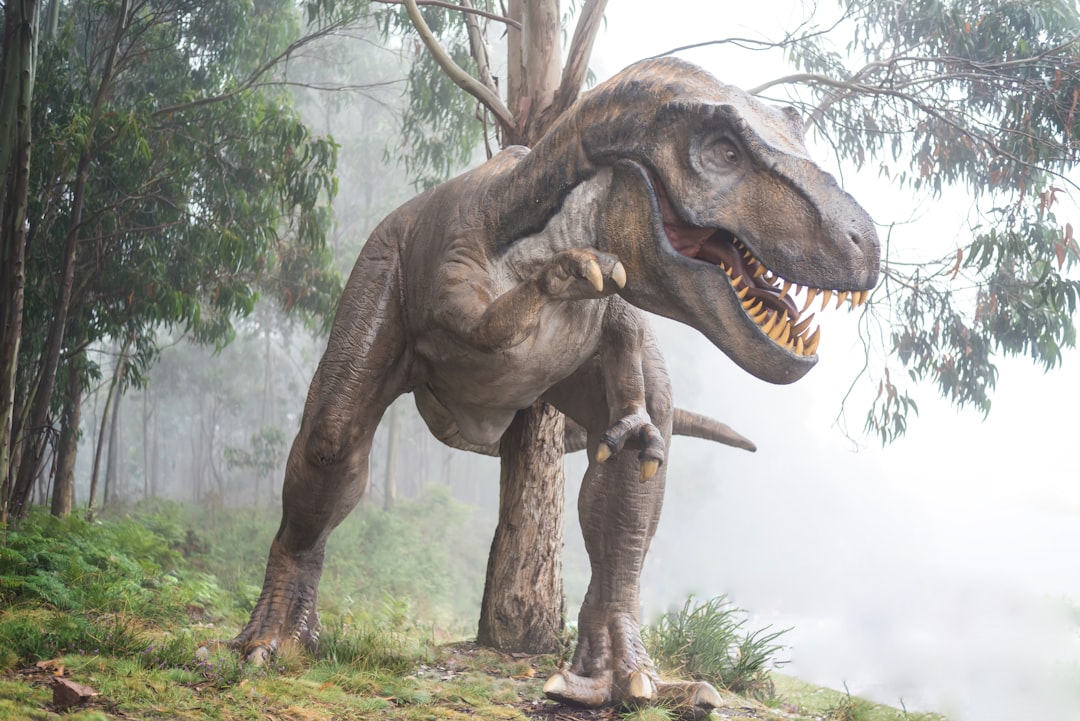
In the snowy environments, you can see their breath in the cold. And there’s another scene where a Velociraptor’s breath fogs up some glass. These are tiny details that lead our paleontologists to conclude that at least some of the dinosaurs in the Jurassic Park/World films are accurately portrayed to be warm-blooded animals.
This subtle detail shows that the filmmakers were paying attention to current scientific theories about dinosaur metabolism. Before Jurassic Park, dinosaurs were thought of as slow, dull-witted, evolutionary dead-ends – nothing more than big lizards. However, scientists knew since the ’80s that they were more like birds, and that birds are in fact a modern family of dinosaurs. This wasn’t known by the general public until Jurassic Park was released. From then on, dinosaurs were seen as fast, socially complex, dynamic animals.
T-Rex Swimming Surprisingly Accurate
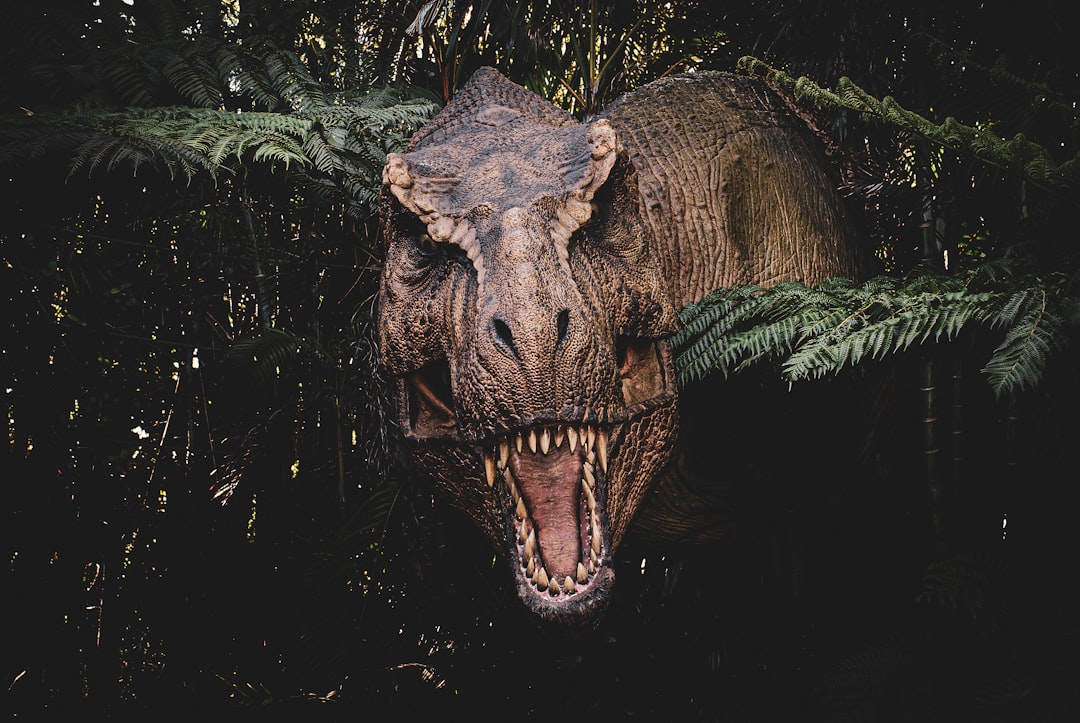
One thing that might shock you is that the T-rex swimming in the film is scientifically accurate. As is pointed out in Apple TV+’s Prehistoric Planet, it has been discovered that T-rex bones had a hollow structure which would have helped them swim. Additionally, marks known as “swim traces” have been found on fossils of the deadly dinosaurs.
So when you see that massive predator gliding through water like a scaly crocodile in the newer films, that’s actually based on real scientific evidence. Therefore, it makes sense for Rebirth’s T-rex to swim like a crocodile as it pursues the Delgado family down the river. Who would’ve thought that the most terrifying land predator was also comfortable in the water?
Conclusion

The Jurassic Park franchise has been a double-edged sword for paleontology. Informed by a resurgence in new dinosaur science in the prior decades, Jurassic Park connected dinosaurs and paleontology to cutting-edge advances like DNA and cloning. Enough of the kids who had their minds blown by smart velociraptors grew up to become paleontologists that they’re commonly referred to as the Jurassic Park generation.
While the films got many things wrong – from dinosaur sizes to sounds to appearances – they revolutionized how we think about these ancient creatures as dynamic, intelligent animals rather than slow, cold-blooded lizards. Jurassic Park deeply shaped how people imagined dinosaurs – inaccuracies and all. But the park’s dinosaurs were never meant to be exact reconstructions; they’re lab-built hybrids, after all, patched together with other species’ DNA. Compared to previous depictions, though, the portrayals in the 1993 film were groundbreaking, turning dinosaurs from largely imaginary reptiles to dynamic animals. The impact has been so profound that we’re still discovering new species at roughly one every two weeks thanks to the inspired generation of paleontologists the films created.
What would you have guessed – that a monster movie would inspire the biggest boom in dinosaur discoveries in history?