If you think prehistory is just about a few dusty dinosaur bones in a museum, you’re in for a shock. Over the last few decades, scientists have dug up fossils and traces of ancient life that completely scramble what you thought you knew about evolution, behavior, and even what counts as “intelligent” or “complex.” You’re not just looking at bigger versions of animals you already know; you’re staring at entire worlds that operated under rules you never imagined.
As you walk through these seven discoveries, you’ll find yourself rethinking humans, animals, plants, and even the timeline of life itself. Some of these finds pushed complex life further back in time than anyone thought possible, while others revealed dinosaurs parenting their young, insects farming like tiny gardeners, or ocean predators that seem almost alien. By the end, you may catch yourself wondering whether our own era is just another strange chapter waiting to be rediscovered millions of years from now.
1. Feathered Dinosaurs That Turned “Reptile” Into “Bird-in-Progress”
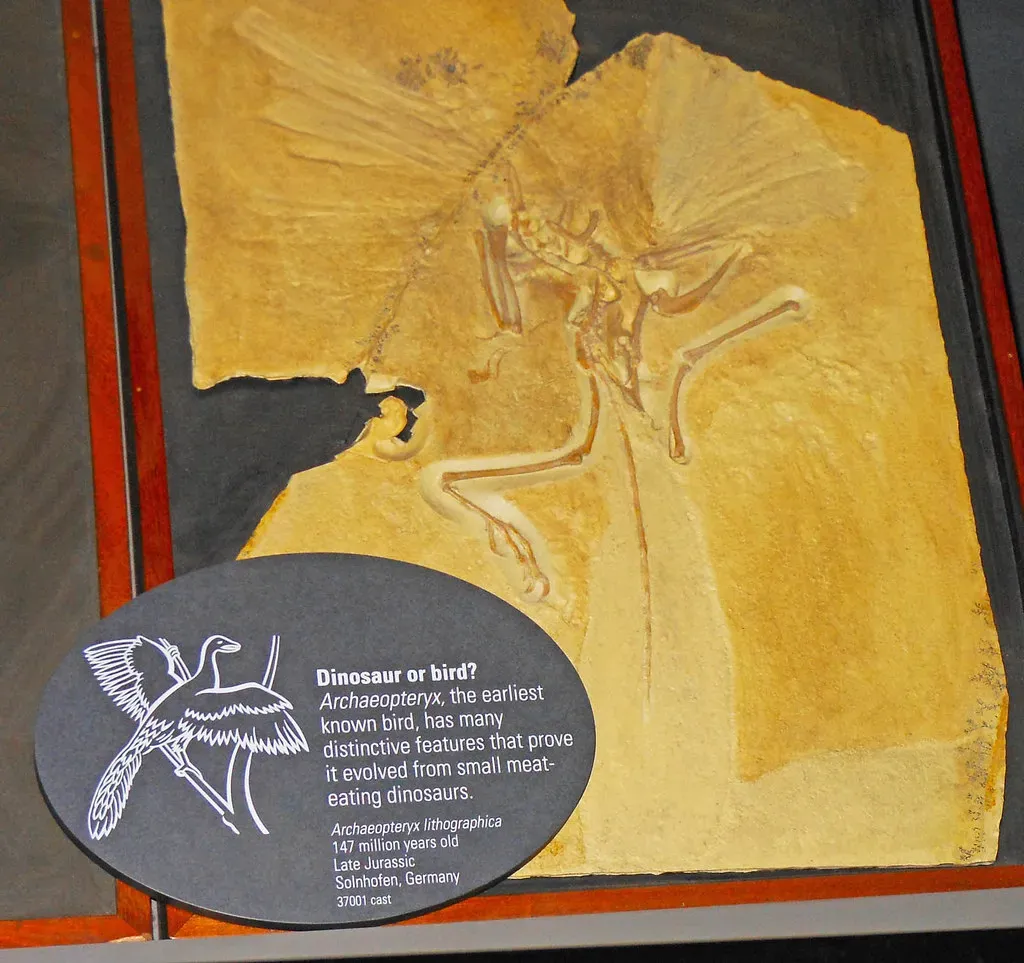
Imagine standing in front of what you think is a classic, scaly dinosaur fossil… and then you notice the delicate outline of feathers imprinted around the bones. That’s exactly what happened when you look at fossils like Archaeopteryx and later discoveries from northeastern China, where perfectly preserved skeletons show dinosaurs with full plumage, wings, and sometimes even tail fans. Instead of seeing dinosaurs as oversized lizards, you’re forced to see them as stages on the way to modern birds, blurring the line you probably grew up thinking was clear.
When you realize that many small theropod dinosaurs had feathers, you stop picturing them as cold, lumbering monsters and start imagining vibrant, warm-blooded animals with color patterns, display structures, and maybe even fluff-covered babies. You also learn that birds are not just “descended from” dinosaurs; birds are technically living dinosaurs, the only branch that survived the mass extinction at the end of the Cretaceous. That means when you watch a pigeon strut across a sidewalk, you’re seeing the last survivors of a once-dominant dynasty, disguised in plain sight.
2. Dinosaur Nests and Families That Acted More Like Birds Than Beasts
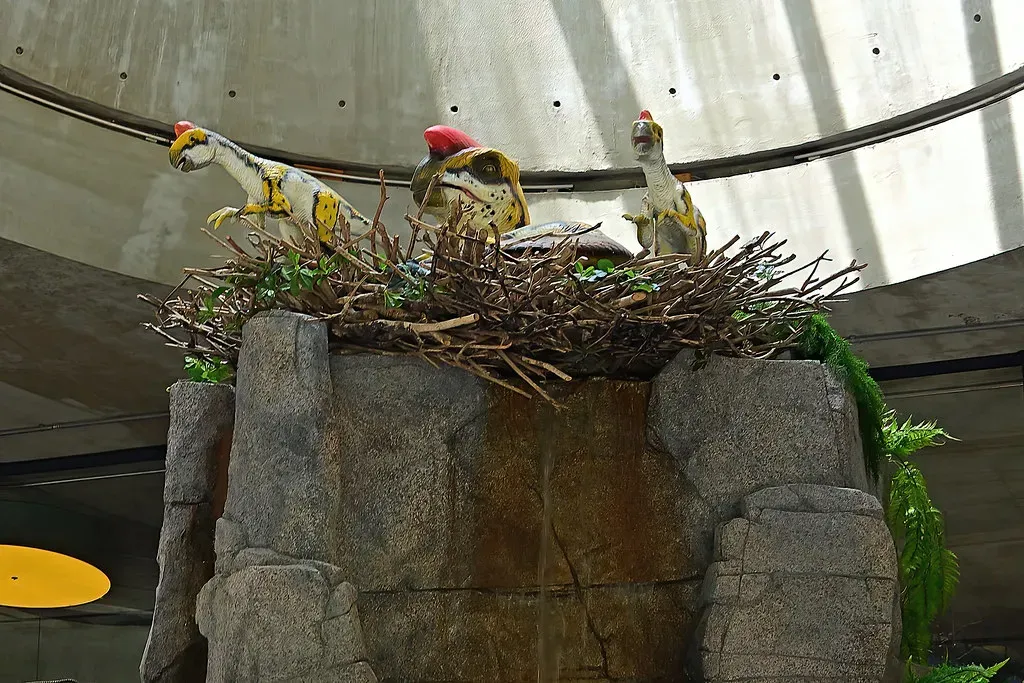
Now picture stumbling across a fossil site not with a single skeleton but with carefully arranged circles of eggs, embryos frozen mid-development, and even adults positioned as if guarding a nest. When you learn about discoveries like Maiasaura nesting grounds in Montana or oviraptorosaurs fossilized over clutches of eggs, the old idea of dinosaurs as careless, brainless brutes starts to fall apart. You’re suddenly faced with evidence of parenting, protection, and repeated nesting in the same areas, hinting at long-term social behavior.
As you follow the trail of these nests, hatchlings, and juvenile groups, you begin to recognize behaviors that feel strangely familiar: adults brooding eggs like modern birds, young growing up in what looks almost like colonies, and possibly even coordinated care among group members. Instead of imagining a harsh, every-creature-for-itself world, you see pockets of tenderness and strategy, where survival depended on more than teeth and claws. You start to realize that complex social lives aren’t just a human or mammal thing; they were woven into deep time long before you existed.
3. Giant Marine Reptiles That Ruled Ancient Seas Like Living Submarines
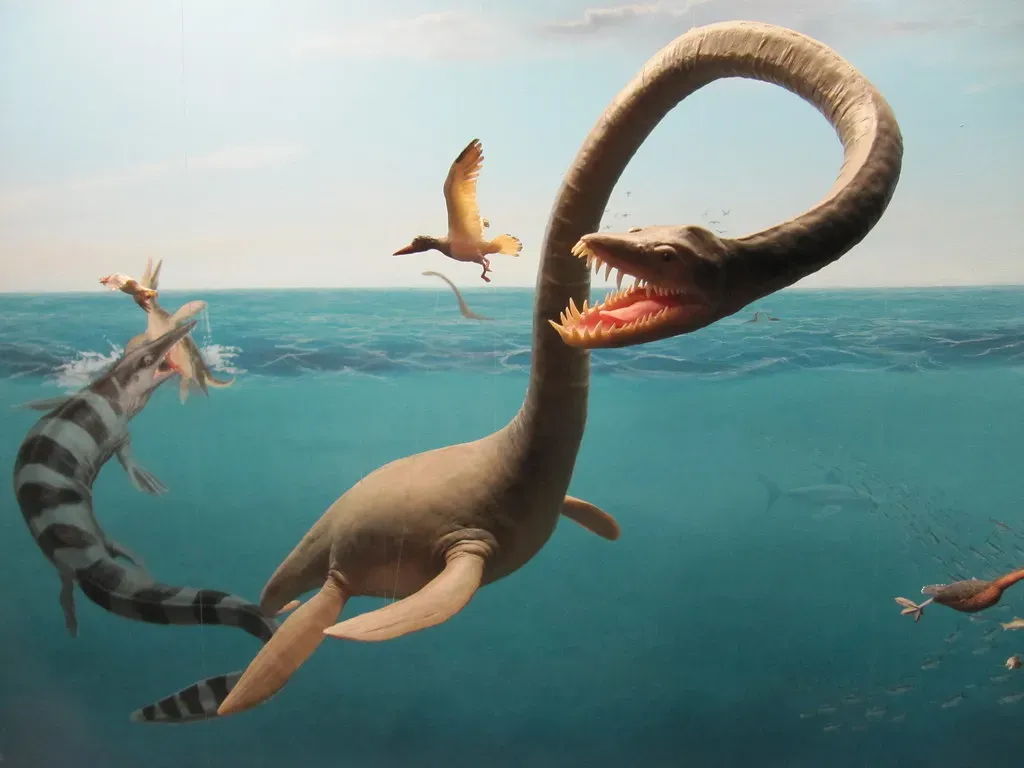
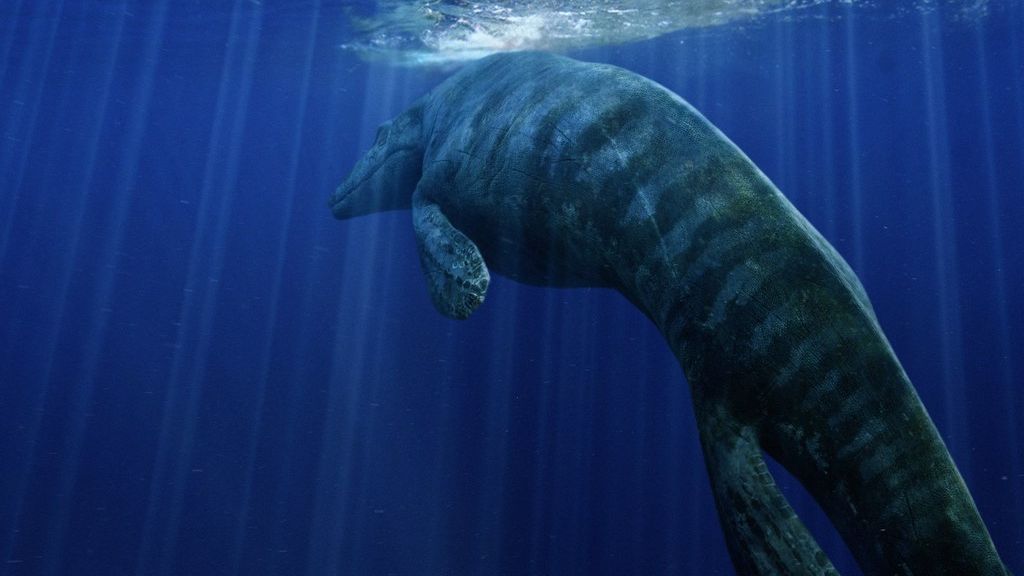
When you first hear about ichthyosaurs, plesiosaurs, and mosasaurs, it’s easy to lump them together as just “ocean dinosaurs,” even though they’re not technically dinosaurs at all. But when you look closer at the fossils, you see something far stranger: reptilian bodies reshaped into forms that remind you of dolphins, sharks, and even torpedoes. Some ichthyosaurs grew as long as a bus, gave birth to live young in the water, and had huge eyes adapted to low light, making them feel more like sleek, reptilian whales than anything crawling on land.
As you imagine these creatures cruising through ancient seas, you’re forced to accept that evolution can reinvent similar body plans again and again when life faces similar challenges. You notice how long-necked plesiosaurs look like something out of a myth, with tiny heads on impossibly extended necks, while mosasaurs resemble oversized, muscular monitor lizards tuned for high-speed hunting. You begin to see the oceans of the past as crowded theaters of innovation, with each predator and prey pushing the other to new extremes, long before the first modern whale ever appeared.
4. Early Human Ancestors That Shattered the “Simple Ape to Human” Story
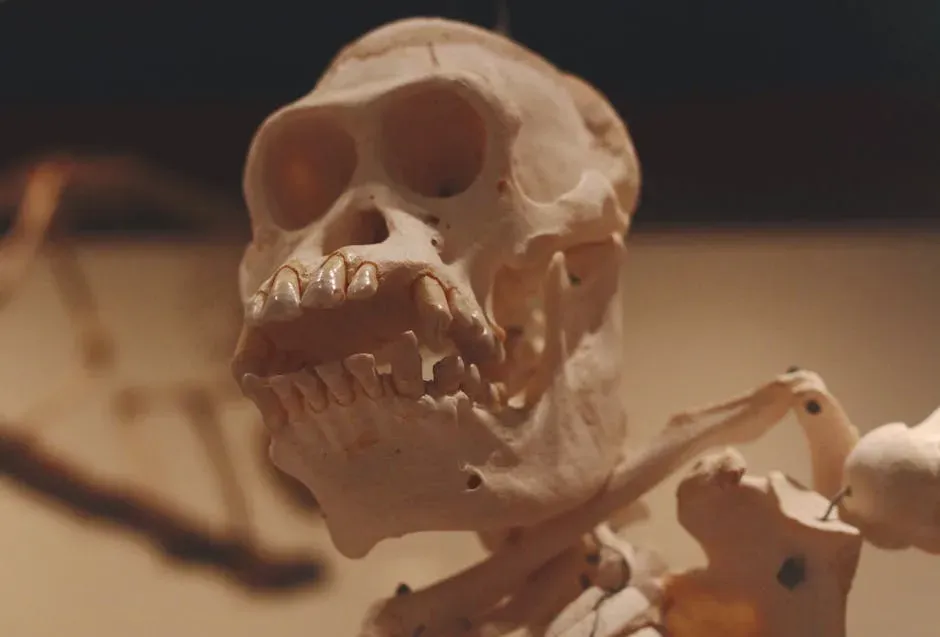
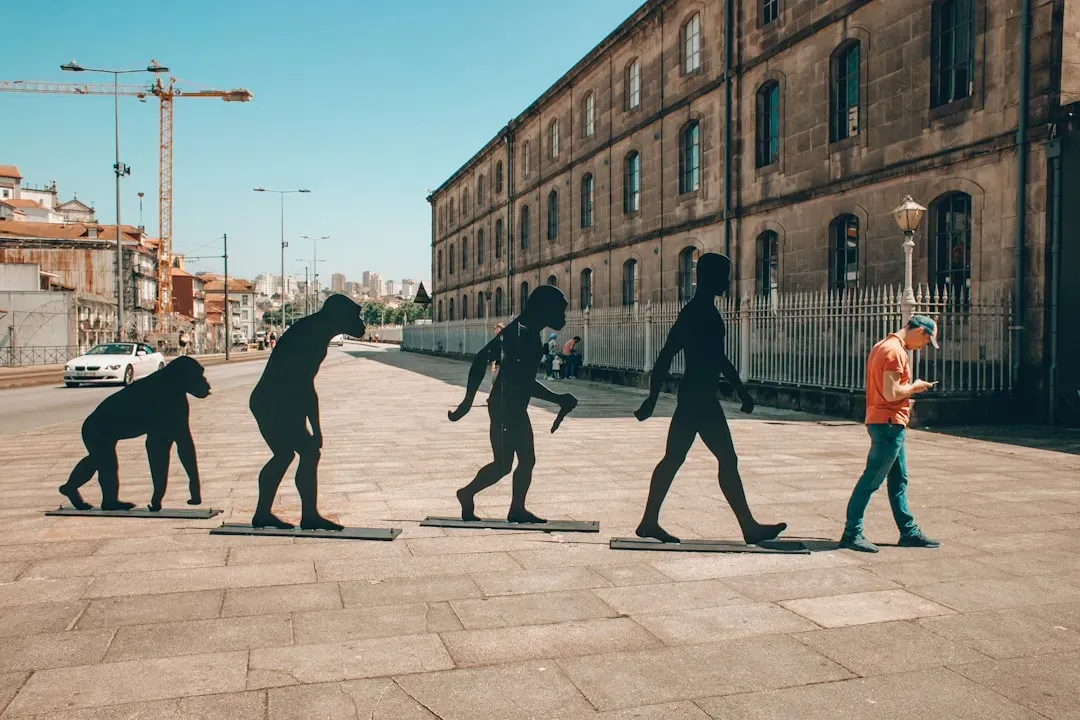
If you once pictured human evolution as a straight ladder from ape to caveman to you, the fossil record quickly knocks that idea down. When you look at finds like Australopithecus in Africa, early Homo species, and other hominins discovered across the continent, you see a tangled branching tree instead of a neat line. You encounter small-brained relatives walking upright, multiple species living at the same time, and faces that look uncannily familiar yet clearly not quite human.
As you take in these discoveries, you realize your own story is more like a complex family drama with many cousins, dead ends, and experiments in how to be “almost human.” You learn that tool use, social cooperation, and maybe even early symbolic behavior did not arrive all at once with a single “first human,” but built up slowly across overlapping species. When you place yourself in that messy tree, it humbles you: you’re not the inevitable peak of evolution, just the one surviving branch of a much richer, riskier experiment in intelligence and adaptability.
5. Trilobites and Ancient Sea Life That Showed Early Explosions of Diversity
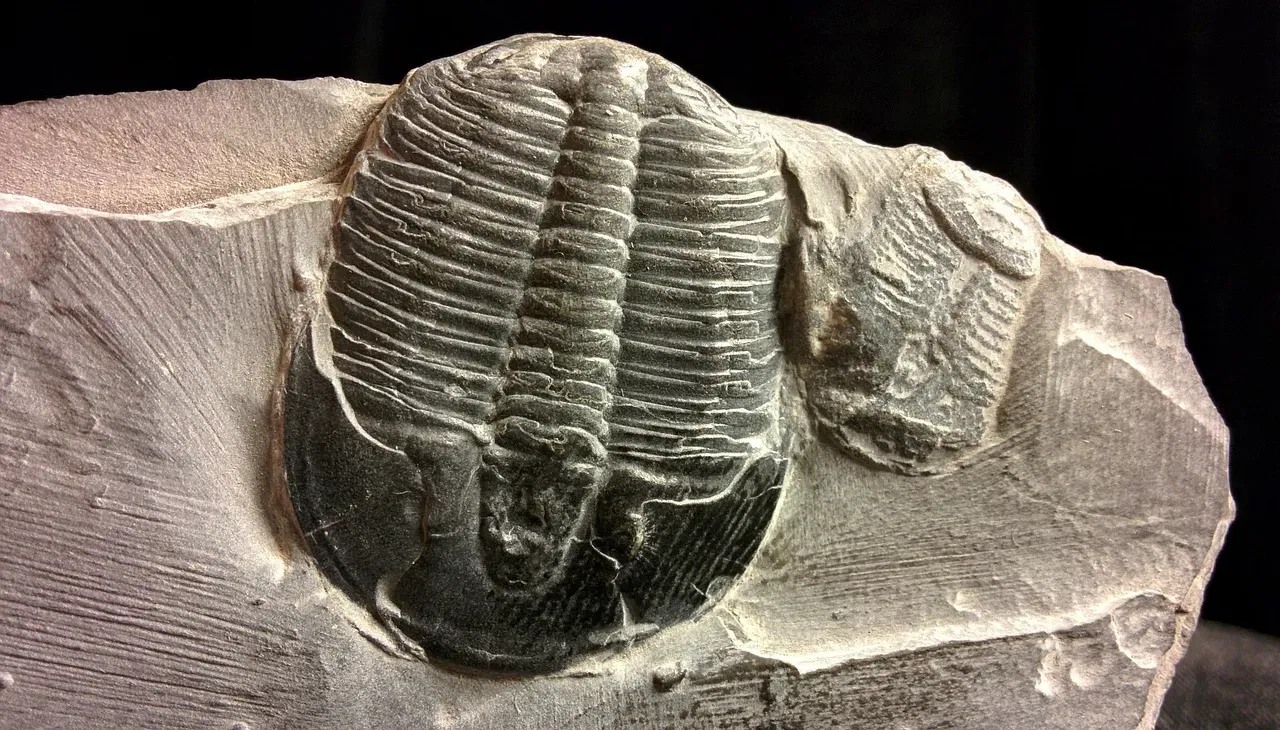
When you think about early life, it’s tempting to imagine a few simple blobs drifting around in the ocean, doing not much of anything. Then you meet trilobites and other creatures from the Cambrian period, and that simple picture collapses. You see animals with jointed legs, complex eyes, hardened exoskeletons, and a huge variety of body shapes that look almost alien to you, from spiny rollers to flat-bottom crawlers and burrowers.
As you dive deeper into these fossils, you learn that in a geologically short burst of time, ocean ecosystems exploded with new forms, feeding strategies, and defense mechanisms. It’s like watching evolution slam the accelerator and experiment wildly with body plans, many of which never appeared again. You start to understand that the diversity of life you see today is only one snapshot, one version that happened to stick; earlier oceans held entire menageries of creatures that were every bit as complex, just built according to rules your eyes are no longer used to seeing.
6. Ancient Insects Preserved in Amber That Froze Behavior in Time
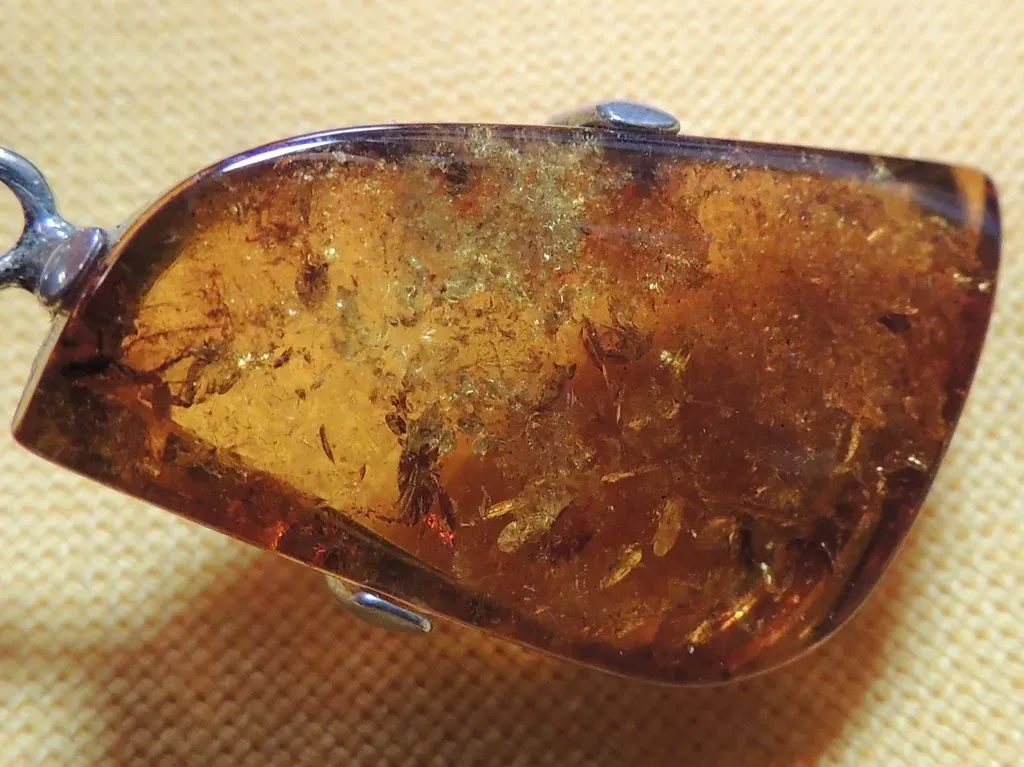
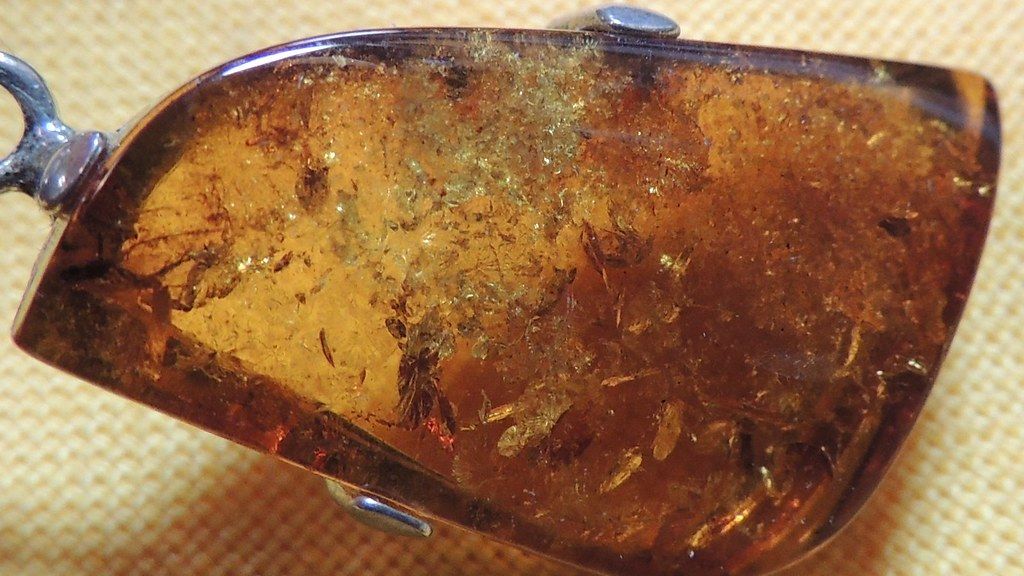
Think about holding a piece of amber up to the light and spotting a tiny insect inside, perfectly preserved as if it were trapped yesterday. When you learn that some of these amber inclusions are tens of millions of years old, you suddenly realize you’re not just seeing what ancient creatures looked like; you’re sometimes catching them in the middle of doing something. You might see insects feeding, carrying pollen, getting attacked by parasites, or even caught in a moment of mating.
This kind of fossil lets you peek into behavior, not just bones or shells, and that changes how you imagine prehistoric ecosystems. You get to see early pollination, complex interactions between plants and insects, and tiny dramas that echo what you’d see in a modern garden or forest. In a way, amber feels like nature’s time-lapse camera, letting you watch snapshots of long-lost worlds and reminding you that even in deep time, life buzzed with the same urgency, struggle, and routine you see in your backyard today.
7. Microfossils and Early Life That Pushed the Clock Back Billions of Years
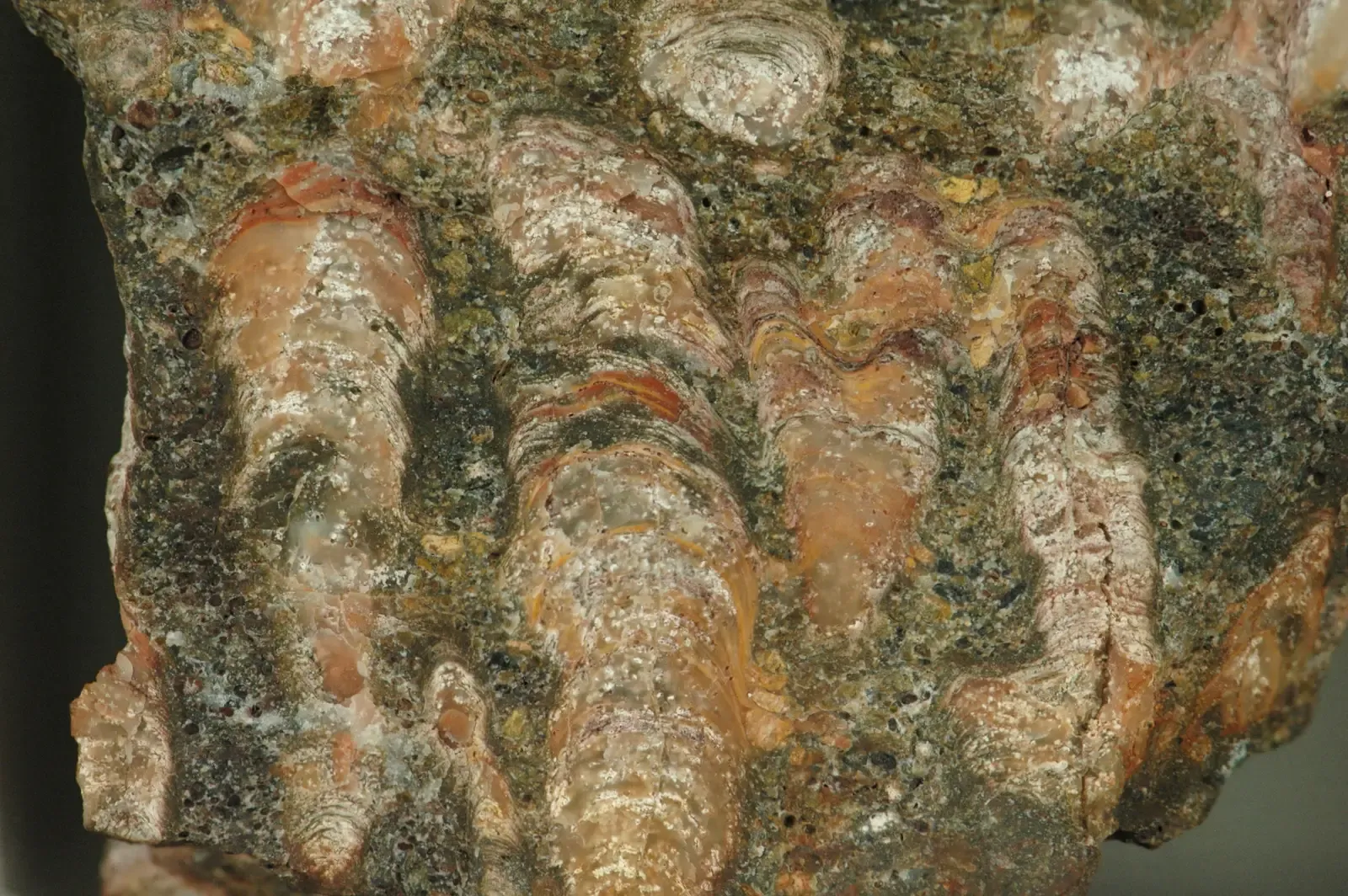
When you hear about dinosaurs, you might think you’re going as far back as it gets, but then you run into microfossils and stromatolites that crank the clock far deeper. You discover that tiny, single-celled organisms were building layered structures in shallow seas billions of years before any animal existed. These early life forms left behind rock formations that you can still see today, silent evidence that Earth was teeming with microscopic activity long before plants, fish, or forests appeared.
As you absorb this, you realize that most of life’s history on this planet belongs to microbes, not to large, showy creatures. You start to appreciate that oxygen in the atmosphere, the chemistry of the oceans, and even the conditions that made your own existence possible were slowly engineered by these ancient, invisible builders. When you stand in front of a weathered rock that once hosted these communities, you’re really looking at the earliest chapters of a story you’re still part of, written in a script that only careful science can help you read.
Conclusion: Seeing Yourself as Part of a Much Stranger, Longer Story
By walking through these seven discoveries, you’ve stepped into a world where dinosaurs grow feathers, reptiles swim like whales, tiny insects star in ancient dramas, and humans are just one more experiment among many. You’ve seen how fossils are not just bones in stone but clues to behavior, parenting, ecology, and the long, twisting path of evolution. Each find forces you to let go of simple stories and accept a past that is richer, stranger, and more dynamic than any schoolbook sketch ever suggested.
When you start to see modern life through this lens, your own existence feels less like the main act and more like a single scene in a very old, ongoing play. You share this planet with survivors of mass extinctions, descendants of feathered predators, and the microscopic heirs of the first architects of Earth’s atmosphere. Next time you see a bird overhead, a beetle in the garden, or a rock formation on a hike, you might look at it differently and wonder: what unbelievable discoveries from your own time will some future mind use to rewrite the story of life again?