There’s something almost magical about pulling a fragment of ancient bone from the earth and realizing, slowly, that you’re holding a window into a world that vanished tens of millions of years ago. Paleontology is not the quiet, dusty academic exercise many people imagine. It’s a science fueled by rivalry, luck, sheer stubbornness, and occasionally, a mining excavator hitting something very hard and very unexpected.
What’s truly astonishing is how much these discoveries have reshaped not just what we know about dinosaurs, but what we know about life on Earth itself. Each fossil, each nest, each ancient footprint tipped science on its head. You think you understand these creatures, and then the ground gives up another secret. Buckle up, because you’re about to find out just how strange and incredible these finds really are.
1. Megalosaurus: The Discovery That Named an Entire Kingdom (1824)
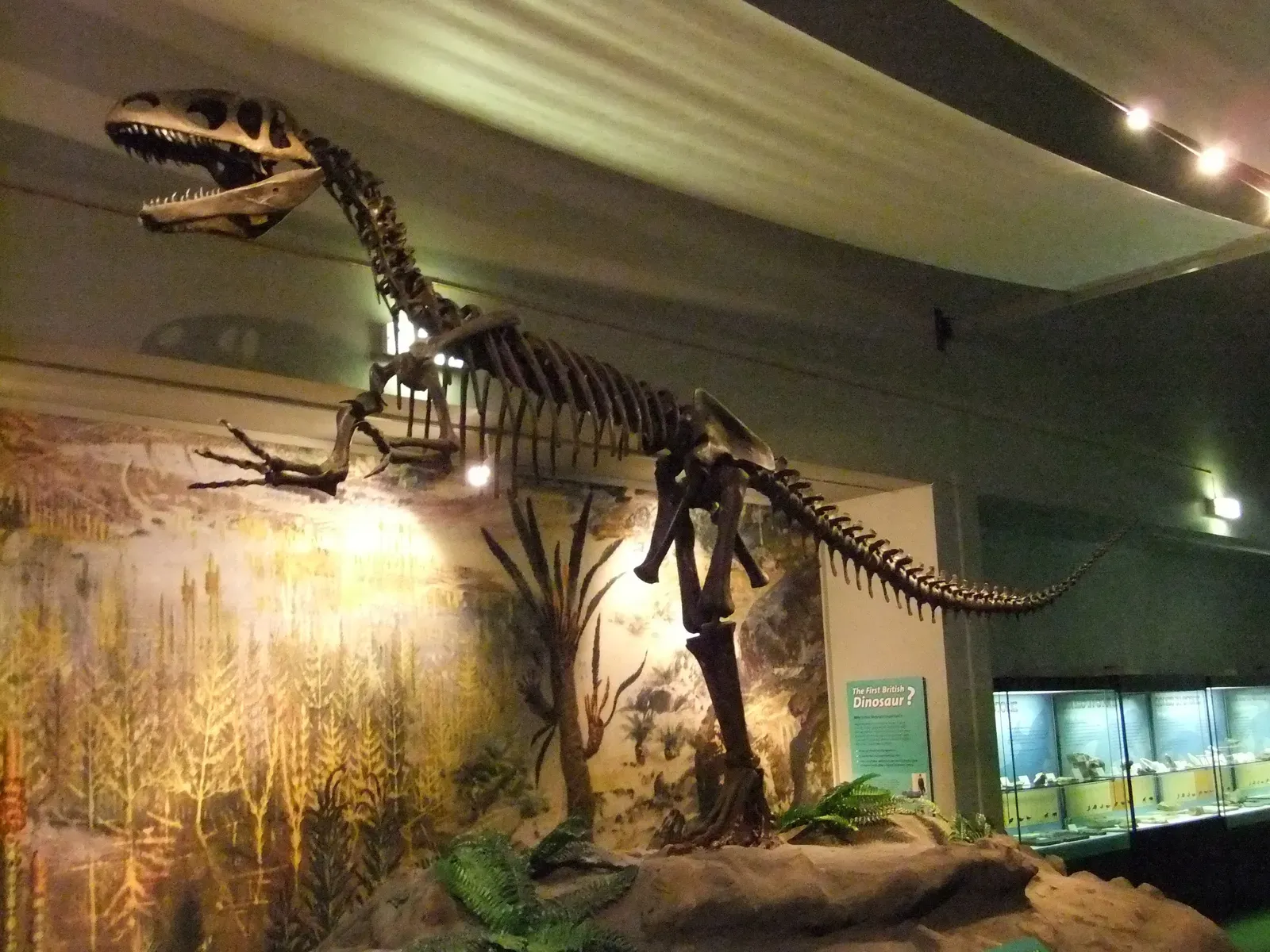
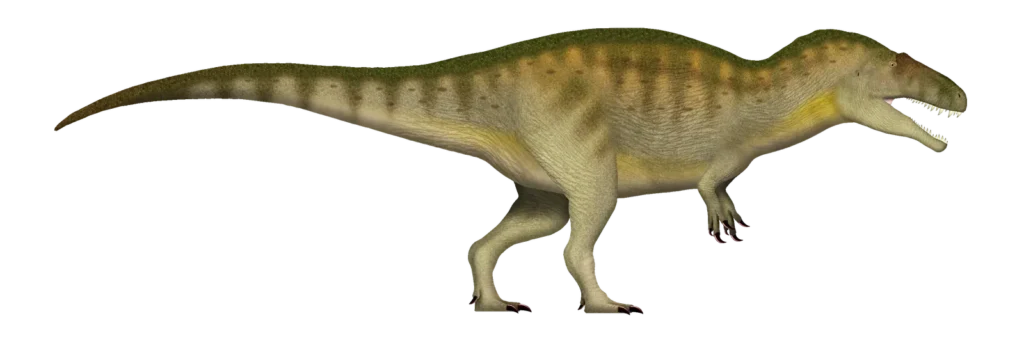
You might not have heard the name Megalosaurus tossed around in popular culture the way Tyrannosaurus rex dominates movie posters, but you owe this creature an enormous debt. On February 20, 1824, during a meeting of the Geological Society of London, paleontologist William Buckland formally introduced Megalosaurus – the very first dinosaur to be scientifically described. Think about that for a second. Before that meeting, the word “dinosaur” literally did not exist.
In 1815, bones belonging to this large prehistoric creature were discovered at the Stonesfield quarry in Oxford, soon acquired by William Buckland, who identified them as the skeleton of a gigantic lizard the likes of which had never been seen before. Research on the creature’s bones continued under Buckland, renowned French anatomist Georges Cuvier, and British anatomist Richard Owen. In 1842, Owen decided these fossils were so utterly different from any known reptiles that they deserved to be classified as a completely new group: Dinosauria, meaning “terrible, or fearfully great, reptiles.” No Megalosaurus, no dinosaurs. It really is that simple.
2. Archaeopteryx: The Missing Link That Arrived Right on Time (1861)
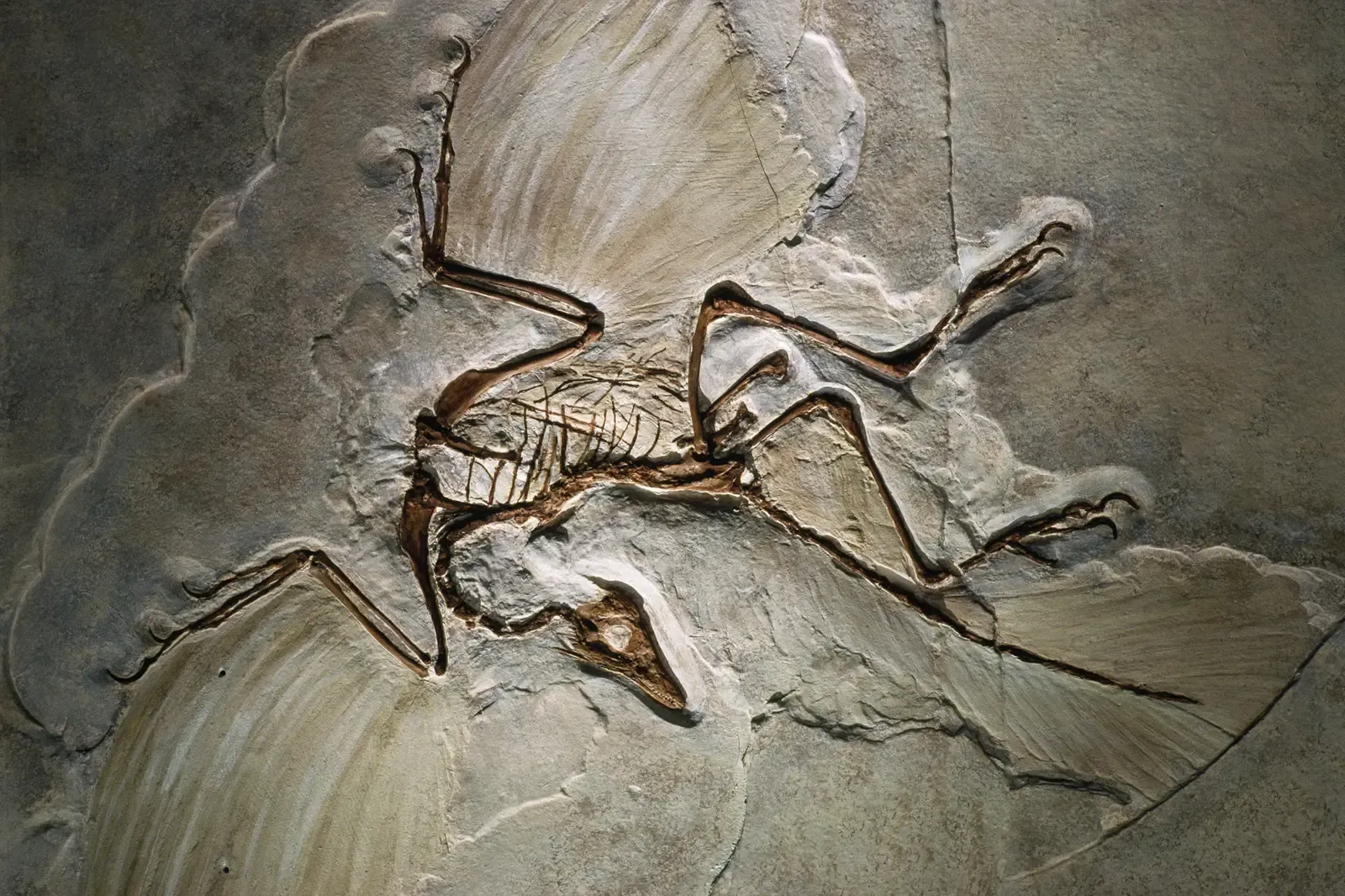
Honestly, the timing of this discovery is almost too perfect to believe. The first Archaeopteryx skeleton was uncovered in Germany in 1861, and this extraordinary find had clear impressions of feathers around its skeleton. Birds weren’t known from this long ago, so it was described as one of the first birds. Here’s the thing though – Charles Darwin had published “On the Origin of Species” just two years earlier, and the scientific world was hungry for evidence of evolutionary transitions.
Thomas Huxley, a great disciple of Darwin, was one of the first people to realize the significance of Archaeopteryx. He noticed there were striking similarities between Archaeopteryx and some meat-eating dinosaur skeletons. Similar in size to a magpie, this small ancient creature seemed to solve the “missing link” between birds and dinosaurs, as they featured jaws with sharp teeth, a long bony tail and three clawed fingers. It took over a century for this connection to become fully accepted, but the seed had been planted right there in a German limestone quarry.
3. The Bone Wars: Madness and Genius That Doubled Our Knowledge (1877–1892)
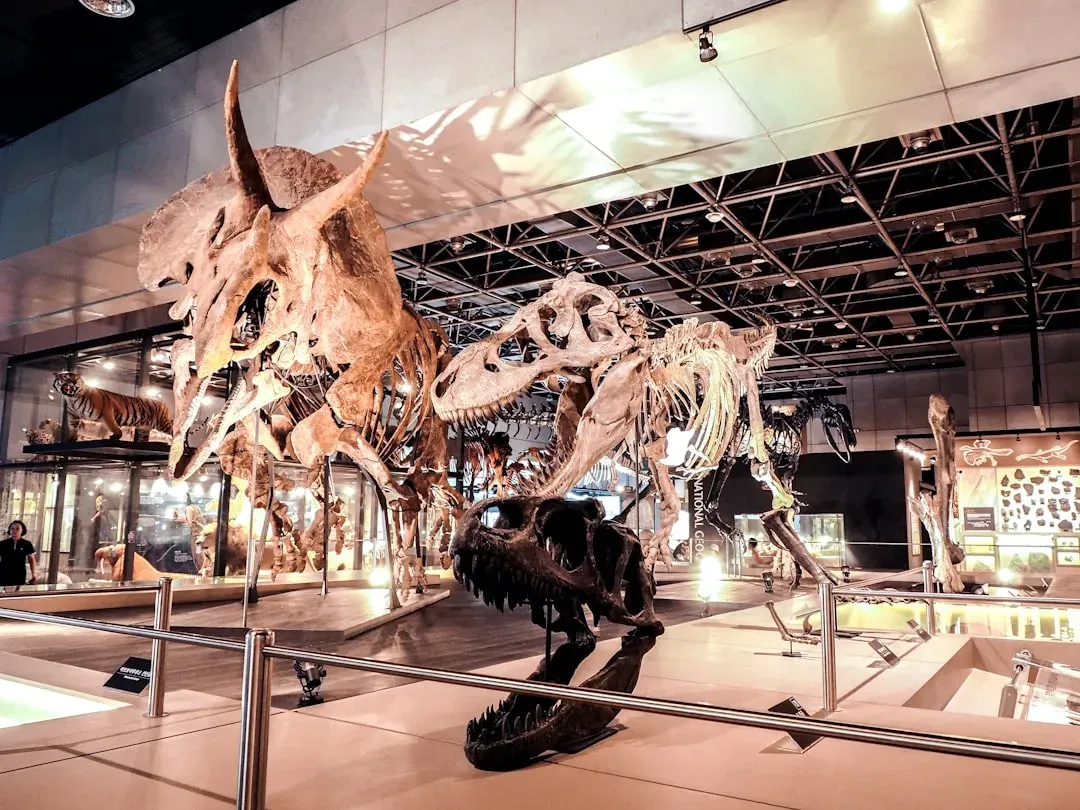
Let’s be real – this chapter of paleontology reads less like a scientific endeavor and more like a fever dream. A fierce rivalry emerged during the late 1800s between two paleontologists, Othniel Charles Marsh and Edward Drinker Cope. Both men fought relentlessly to find and name the most dinosaurs, and as time went on, the feud became even more bitter, with the pair using tactics such as spying, theft, and even the destruction of fossils to get ahead. Dramatic? Absolutely. Productive? Wildly so.
Two rivals, Cope and Marsh, waged a furious, often underhanded war to outdig each other across the American West, and in doing so they accidentally transformed the field forever. The discoveries in the American West gave science, in many cases, the first examples of substantially complete dinosaur skeletons. In the 135 years between Buckland’s first discovery and 1969, a total of 170 dinosaur genera were described. In the 25 years after 1969, that number increased to 315. The Bone Wars lit the fuse for that explosion.
4. Maiasaura and Egg Mountain: Dinosaurs Were Parents (1978)
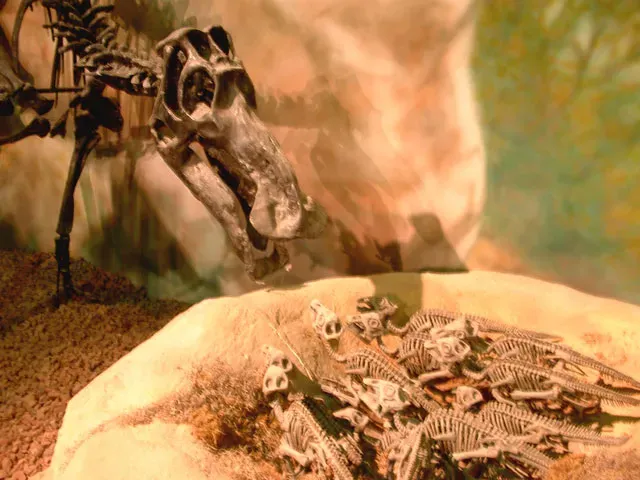
Before this discovery, dinosaurs were essentially thought of as cold, solitary killing machines or giant lumbering plant-eaters with no emotional depth whatsoever – basically prehistoric rocks with legs. Then everything changed in Montana. In Montana during the mid-1970s, Jack Horner and his research partner Bob Makela discovered a colonial nesting site of a new dinosaur genus which they named Maiasaura, or “Good Mother Lizard.” The site contained the first non-avian dinosaur eggs in the Western Hemisphere, the first dinosaur embryos, and settled questions of whether some dinosaurs were social, built nests, and cared for their young.
The discovery at Egg Mountain indicated that Maiasaura exhibited colonial nesting behavior, where large groups, likely herds, would all nest together in one area. After hatching, the adults may have actively cared for their young for a significant amount of time. This revolutionary discovery provided the first definitive evidence that at least some dinosaur species engaged in complex parental behaviors previously thought impossible for reptilian creatures. The fossils were so well-preserved and numerous that they provided scientists with an unprecedented window into dinosaur life cycles and social organization. Science would never look at dinosaurs the same way again.
5. Deinonychus: The Discovery That Sparked a Dinosaur Renaissance (1964)
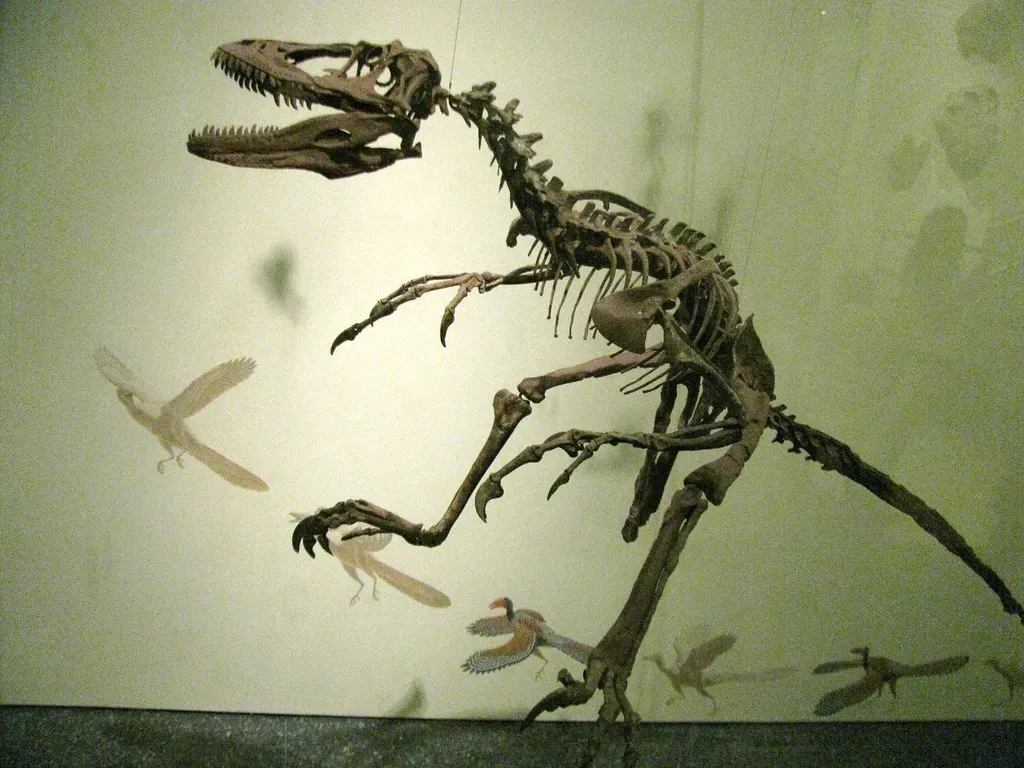
You know how you picture a velociraptor from the Jurassic Park movies? Agile, fast, terrifyingly intelligent? You can thank a single fossil discovery for that mental image. The new dinosaur renaissance was sparked by the discovery in 1964 of Deinonychus antirrhopus by paleontologist John Ostrom. He noticed the fossils were bird-like in appearance, particularly their hands and hips. Before Deinonychus, dinosaurs were still widely thought of as slow, dull-witted reptiles, essentially overgrown lizards.
The agile Deinonychus helped to change the prevailing view that dinosaurs were large, lumbering lizards. After the initial wave of dinosaur mania during the nineteenth century, interest had begun to die down throughout the early 1900s. Interest grew again in the 1960s when the link between dinosaurs and birds began to gather momentum. It was like someone flipped a switch in the science community. Ostrom’s work rippled through the next several decades, ultimately leading to the feathered dinosaur revolution. One animal, and suddenly everything science thought it knew needed reconsidering.
6. China’s Feathered Dinosaurs: The Final Proof Birds Are Dinosaurs (1990s)
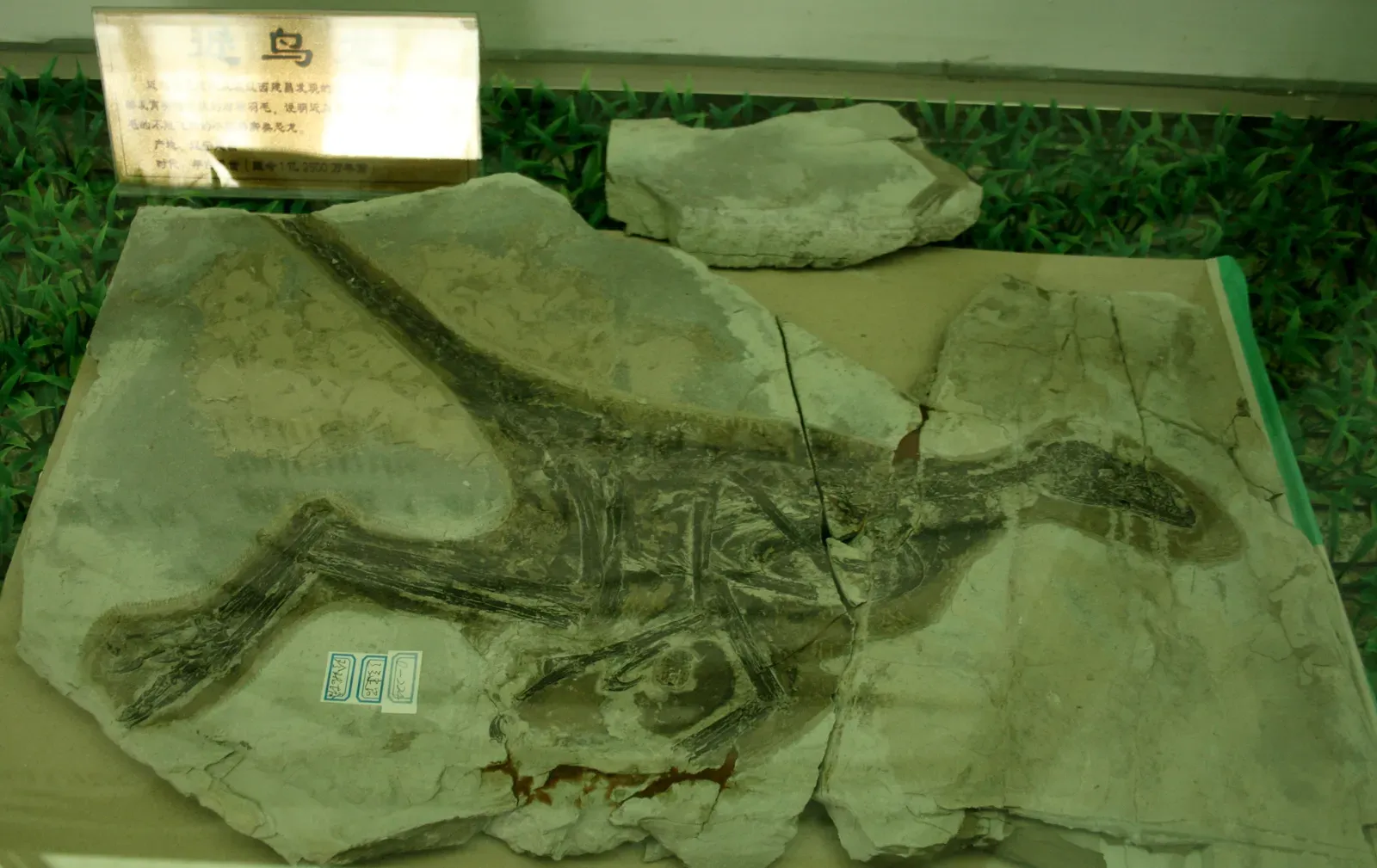
Uploaded by FunkMonk, CC BY-SA 2.0)
I think it’s fair to say this was one of the most visually stunning series of discoveries in the entire history of natural science. Beginning in the 1990s, several specimens of small theropod dinosaurs from the Early Cretaceous of Liaoning province, China, were unearthed. These fossils are remarkably well preserved, and because they include impressions of featherlike, filamentous structures that covered the body, they shed much light on the relationship between birds and Mesozoic dinosaurs. Chinese paleontologist Xu Xing made numerous discoveries of feathered dinosaurs since the late 1990s, and these findings were crucial in establishing the evolutionary link between dinosaurs and birds.
In the 1990s, fossils unearthed in China definitively revealed that dinosaurs had feathers, confirming a long-held theory that they are the direct ancestors of the birds that flap around in backyards. Paleontologists had known that many non-avian dinosaurs had plumage since the mid-1990s, but the following decade saw the expansion of fuzziness to even more branches of the dinosaur family tree. Dinosaurs that were previously envisioned as scaly, like Ornithomimus, were found with evidence of feathers. Other dinosaurs, such as the herbivore Kulindadromeus, showed that fuzz, filaments, and bristles might have been a common dinosaur feature. It’s no longer controversial to envision many dinosaurs as both scaly and feathery.
7. The Borealopelta Nodosaur Mummy: A Dinosaur Frozen in Time (2011)
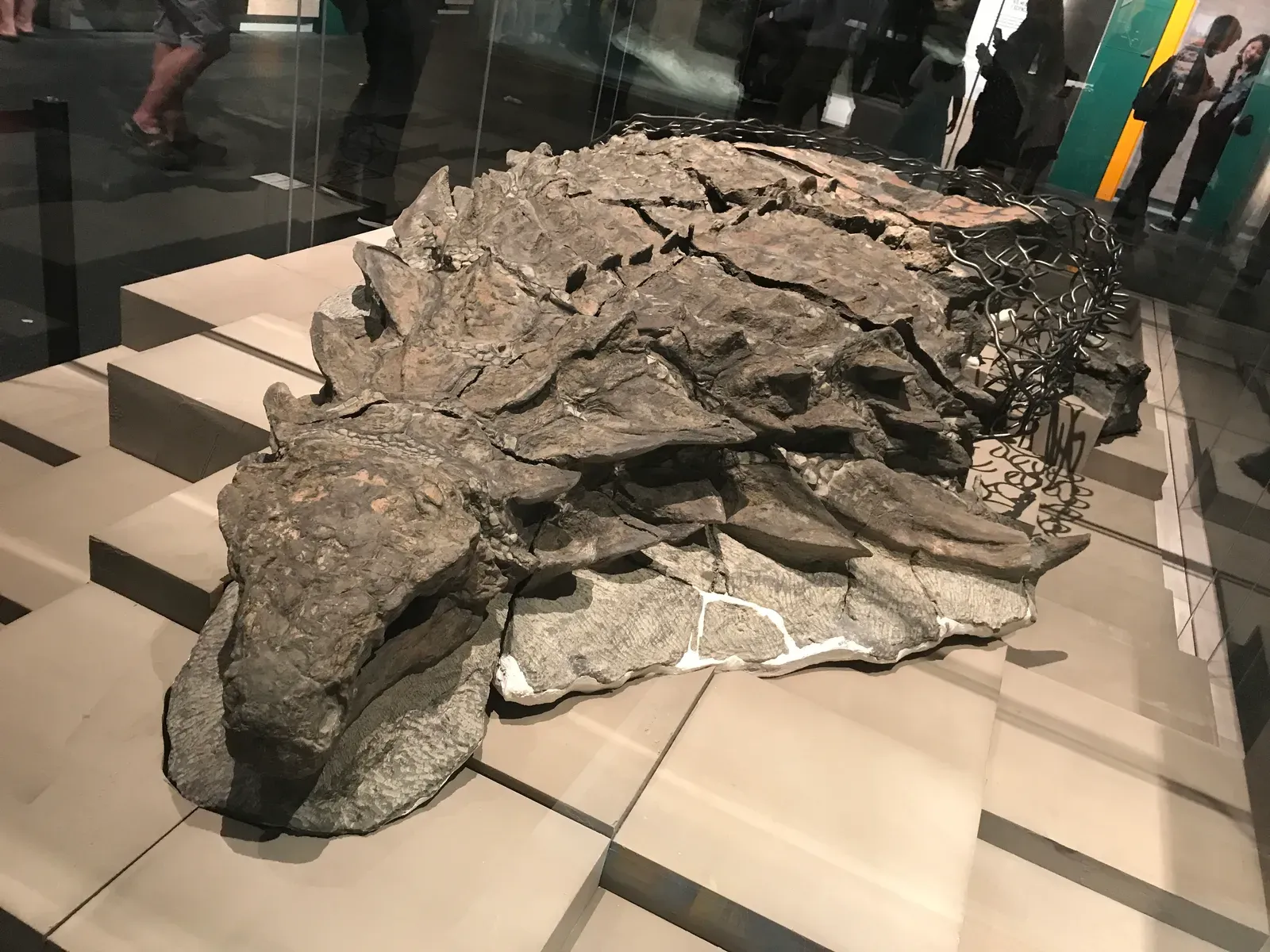
Imagine accidentally finding a 110-million-year-old creature so perfectly preserved it still has its skin, its armor, its color, and its last meal inside its stomach. That is not the stuff of science fiction. The creature’s subterranean isolation came to an end on March 21, 2011, when heavy-equipment operator Shawn Funk stumbled on the fossil in an oil sands mine in northern Alberta. The fossil then traveled to the Royal Tyrrell Museum’s preparation lab, where technician Mark Mitchell painstakingly chipped away the surrounding rock, a feat that took him more than 7,000 hours over nearly six years. The skull alone took some eight months to extricate.
The specimen is remarkable for being among the best-preserved dinosaur fossils of its size ever found. It preserved not only the armor in their life positions, but also remains of their keratin sheaths, overlying skin, and stomach contents from the animal’s last meal. Melanosomes were also found that indicate the animal had a reddish pinkish skin tone. Analysis of the fossilized skin revealed that the ancient creature had reddish-brown coloration and camouflage in the form of countershading, and that despite being the size of a tank, it was still hunted by carnivorous dinosaurs. A heavily armored, one-ton animal still needing camouflage? That tells you something profound about how dangerous the Cretaceous world truly was.
8. Patagotitan Mayorum: The Largest Animal to Ever Walk the Earth (2017)
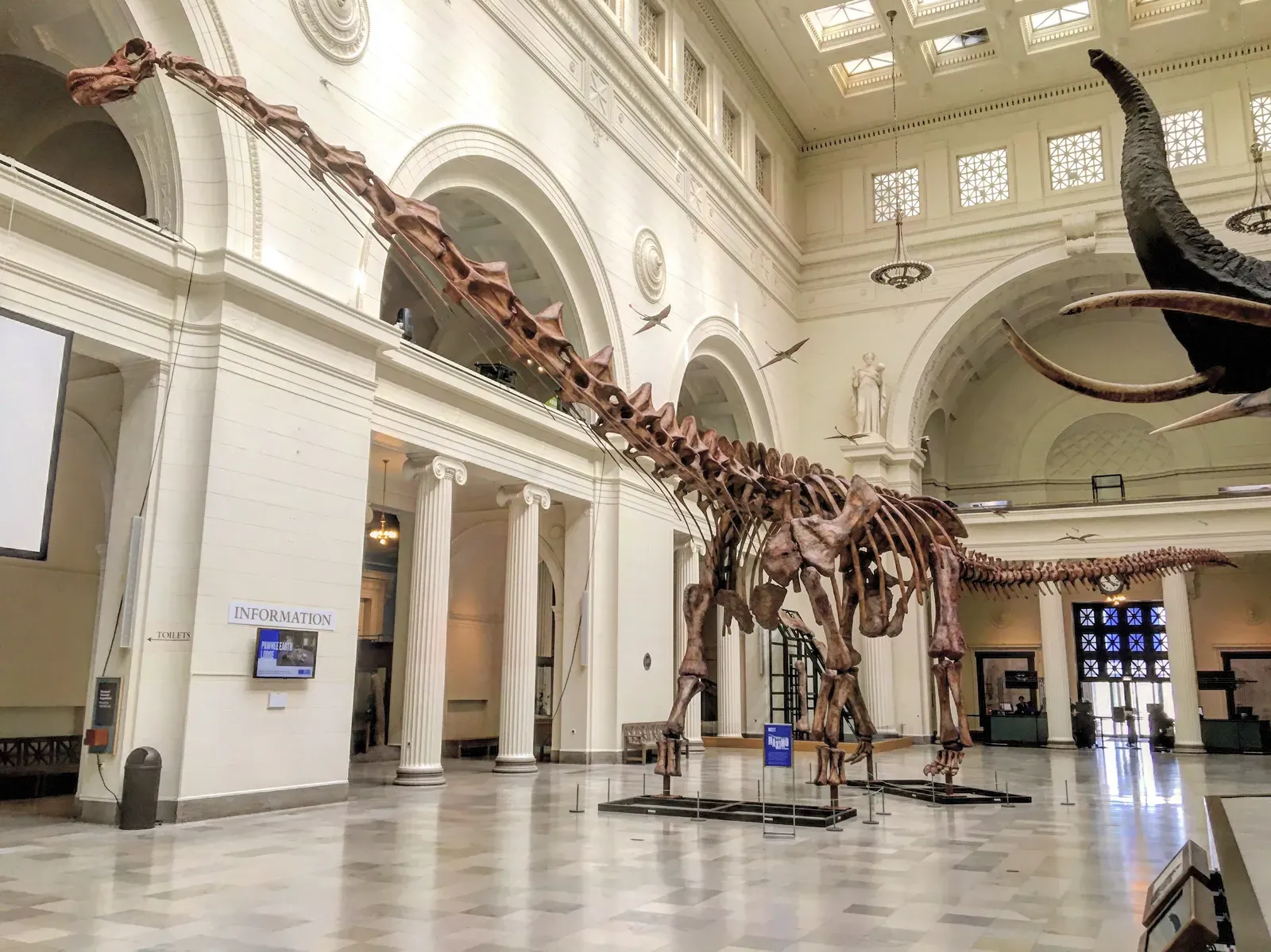
There’s something almost impossible to wrap your brain around when it comes to Patagotitan. We’re talking about a creature so enormous it makes an elephant look like a house cat. In Patagonia, paleontologists uncovered the remains of Patagotitan mayorum, a massive titanosaur that quickly became a contender for the title of the largest land animal ever discovered. Estimated to exceed 120 feet in length and weigh around 69 tons, this colossal sauropod offered new insight into the size limits of terrestrial vertebrates.
In 2010, a ranch owner in Patagonia, Argentina noticed an enormous dinosaur bone peeking out of the ground. When scientists were brought in to investigate, they found the bones of at least six dinosaurs, including Patagotitan, confirmed to be one of the largest animals to ever walk the earth. A sauropod similar to the famous Dippy, it was almost twice as tall and more than three times heavier. Size estimates for the dinosaur exceed 120 feet and more than 75 tons. Additional fossils will be needed to know whether this dinosaur truly is the largest ever known, but its arrival on the paleontological scene certainly caused a stir. For now, it sits comfortably at the top of history’s greatest giants.
9. Yi Qi: The Bat-Winged Dinosaur Nobody Expected (2015)
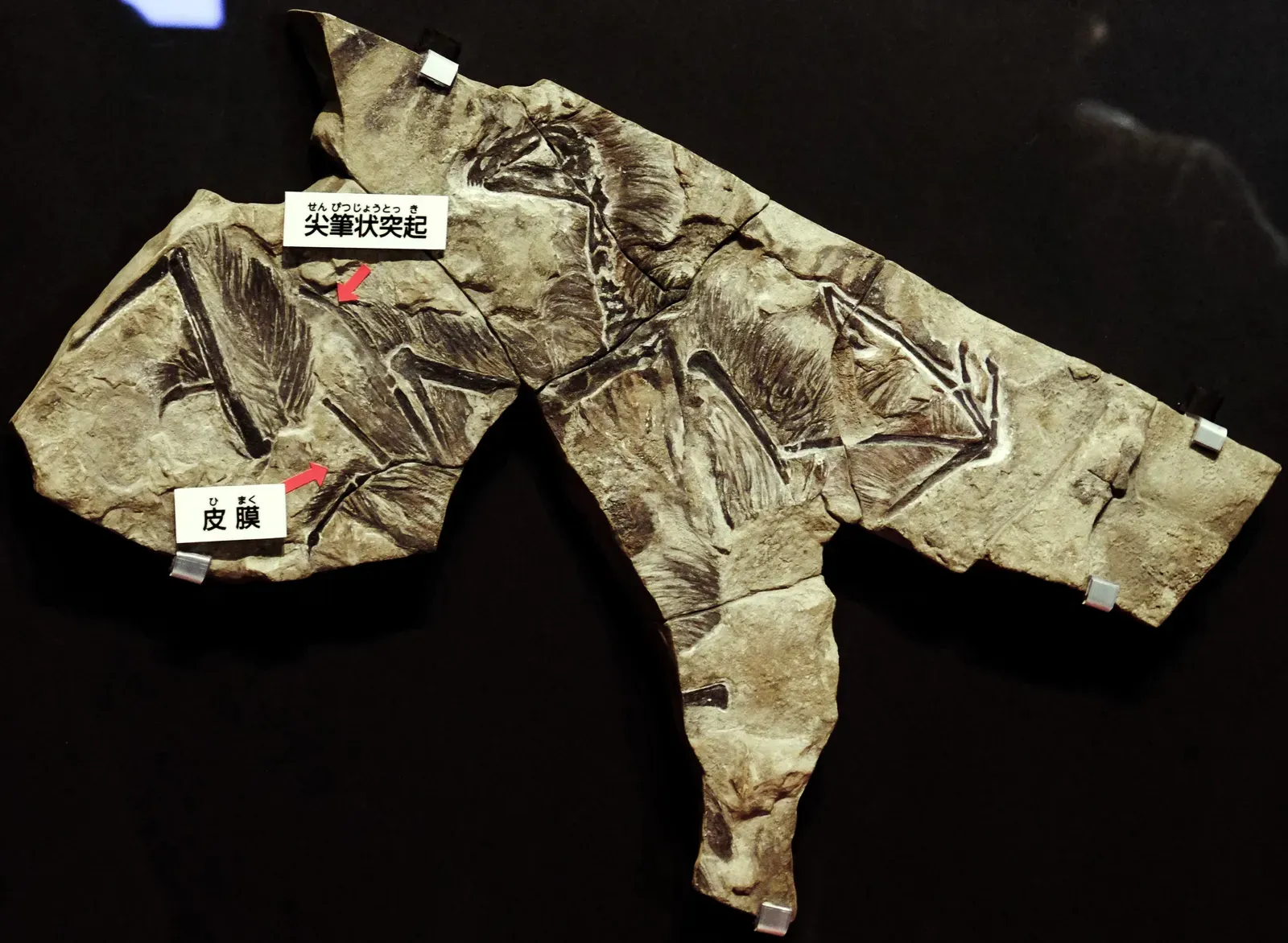
Just when paleontologists thought they had a reasonable picture of dinosaur diversity, the fossil record threw a curveball that nobody saw coming. Researchers in Hebei Province, China, found the remains of Yi qi, a small theropod dinosaur. Regarded as one of its kind, the remains consisted of membranous, bat-like wings supported by an elongated rod of bone extending from its wrist. You’re picturing it correctly – a dinosaur that looked like a tiny, feathered bat. It’s as wild as it sounds.
Think of it like discovering a mammal with six limbs. It breaks the template you had in your head. Over the past decade, paleontology has entered a new era of rapid discovery and scientific transformation. Breakthrough fossils unearthed across Asia, South America, North America, and Europe have dramatically expanded our understanding of dinosaur evolution, biology, and behavior. These finds, remarkable for their preservation, size, or scientific implications, showcase how much remains to be uncovered about life in the Mesozoic. Yi qi was, and still is, one of the most bizarre reminders of just how experimental evolution truly was during the Age of Dinosaurs.
10. The Nanotyrannus Debate: The Dueling Dinosaurs Turn Science Upside Down (2025)
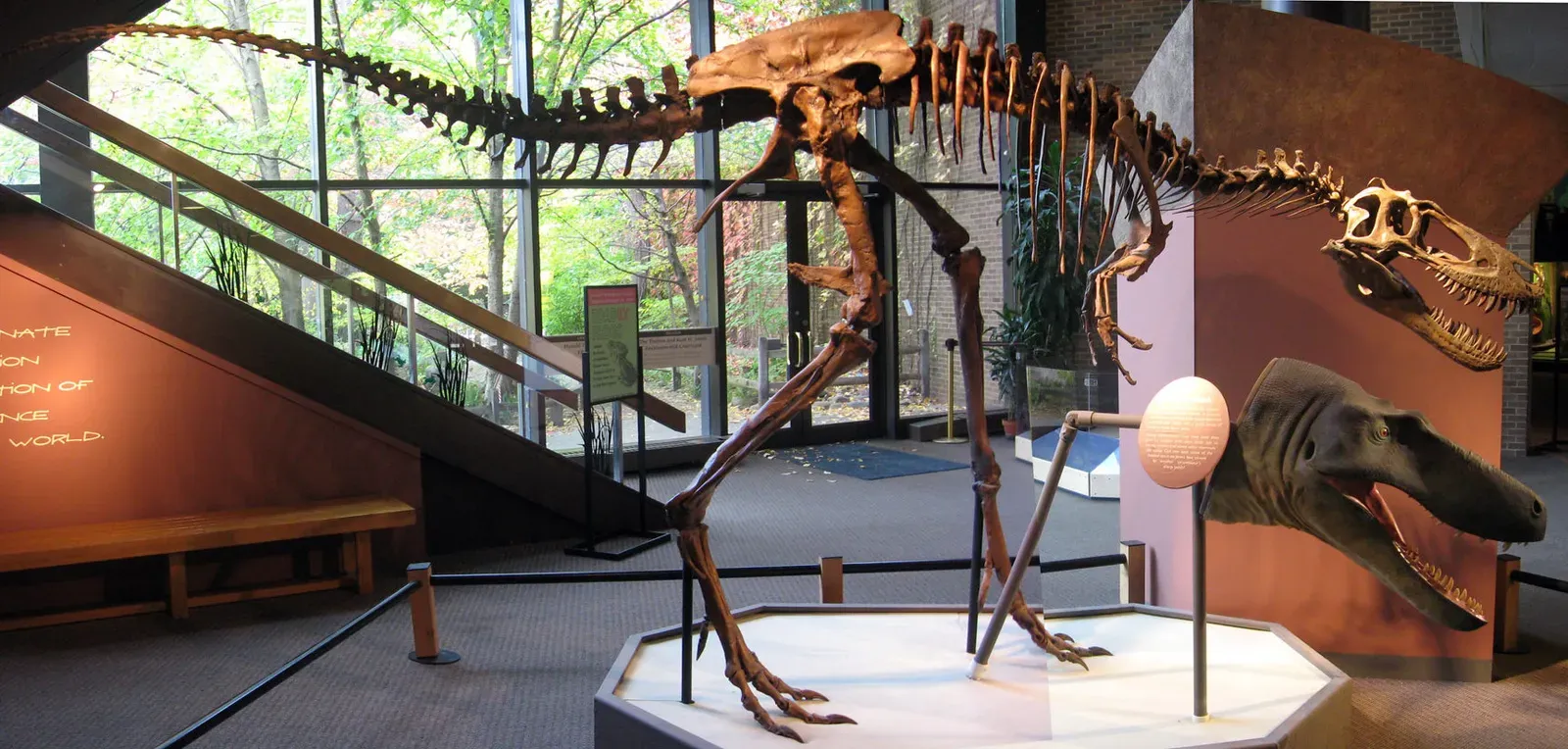
Here’s something that will genuinely make your head spin. For decades, scientists debated whether a medium-sized tyrannosaur known as Nanotyrannus was its own species or simply a young T. rex. The debate seemed to lean one way, then the Dueling Dinosaurs fossil changed everything. In October 2025, an analysis in Nature of a specimen nicknamed “Bloody Mary,” one of two creatures in an assemblage known as the “Dueling Dinosaurs,” found enough anatomical evidence to support the case that Nanotyrannus is different from T. rex, including fewer tail vertebrae and more teeth, as well as longer and stronger forearms.
That tyrannosaur turns out to be the most complete skeleton ever found of Nanotyrannus lancensis, a dinosaur long debated as either a distinct species or a teenage T. rex. The skeleton’s fusing spinal sutures and growth rings show it was fully grown when it died at around 20 years of age. Its anatomy reveals traits that form early in development and do not change with age, including fewer tail vertebrae, more teeth, larger hands, and different skull nerve and sinus patterns. The find will cause paleontologists to reconsider how T. rex grew up and how both predatory species coexisted. One fossil, and an entire generation of T. rex science needs to be revisited.
11. Diplodocus and the Popularization of Paleontology: When Dinosaurs Became Everyone’s Obsession (1898)
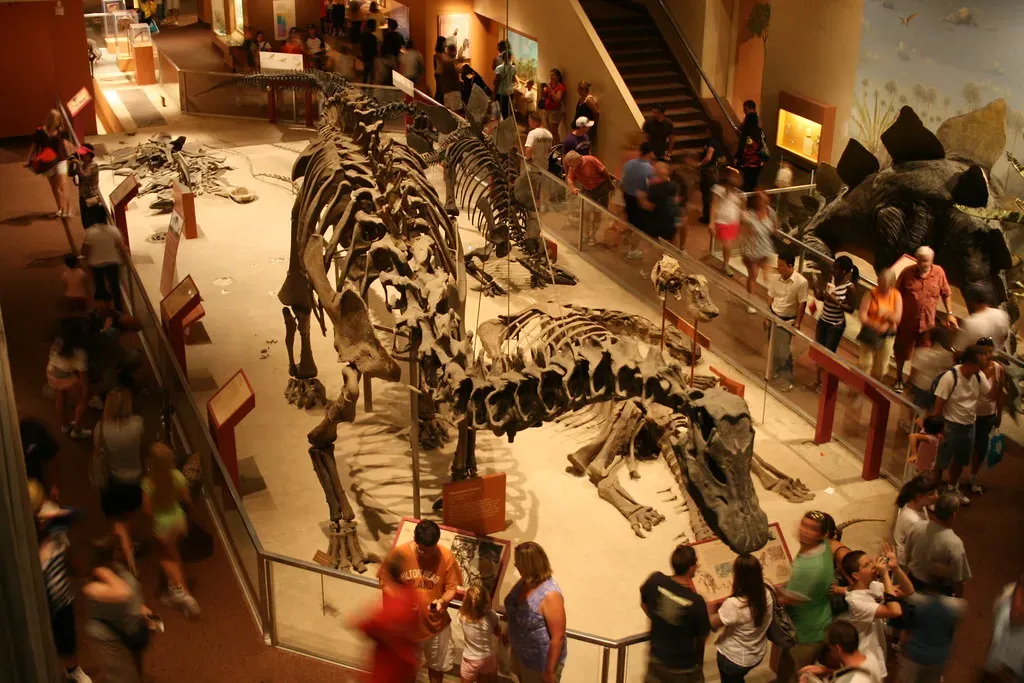
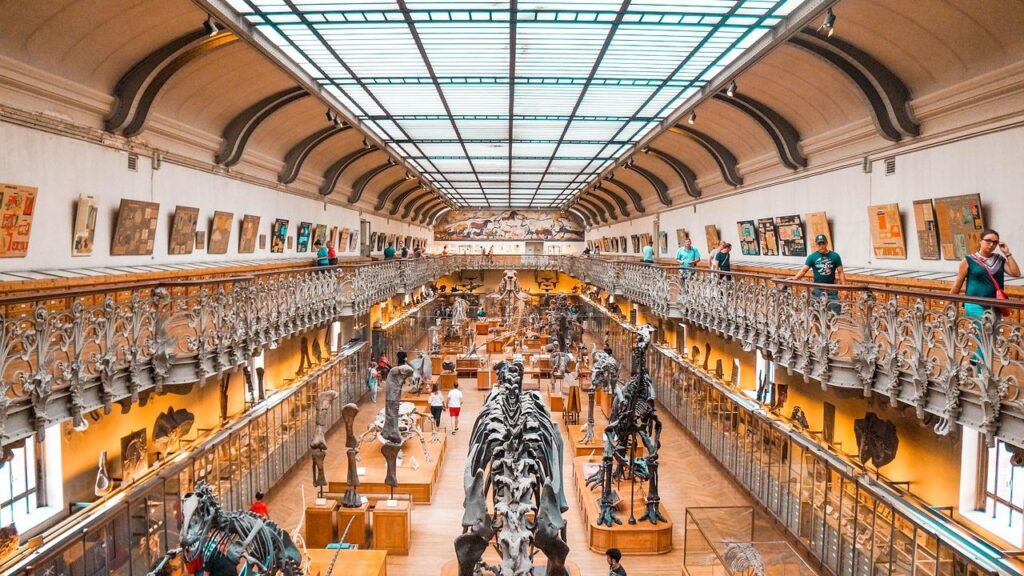
You could make a strong argument that without this discovery, dinosaurs would have remained an academic curiosity rather than the cultural phenomenon they are today. When the Diplodocus skeleton was discovered in Wyoming in 1898, its casting and distribution to museums around the world popularized the word “dinosaur” for the first time amongst the general public. Known affectionately as “Dippy,” after a cast of this skeleton was first unveiled at London’s Natural History Museum in 1905, it inspired the subsequent popularity of the entire Diplodocus genus.
Less than one hundred years ago, Diplodocus carnegii, named after industrialist and philanthropist Andrew Carnegie, was the most famous dinosaur on the planet. The most complete fossil skeleton unearthed to date and one of the largest dinosaurs ever discovered, Diplodocus was displayed in a dozen museums around the world and viewed by millions of people. There has never been a better time for dinosaur science. A new species of dinosaur is named just about every two weeks, with each year bringing dozens of new analyses on how the “terrible lizards” moved, ate their food, shook their feathers, and were related to each other. In many ways, Dippy started all of that public enthusiasm, and the momentum has never really stopped.
Conclusion: The Story Is Far From Over
What makes these eleven discoveries so remarkable is not just what they revealed, but what they proved about the nature of science itself. Every single one of them shattered something that scientists thought was settled. A gentle, parenting dinosaur. A bat-winged theropod. A tyrannosaur with camouflage. A completely new species hiding inside a famous one. These are not minor footnotes; they are fundamental rewrites of how we understand life on Earth.
The discovery of new fossils and the development of new techniques to study them have enabled scientists to delve into the fascinating lives of these ancient reptiles like never before. Some of these discoveries have been so significant that they drastically changed how we look at dinosaurs. As paleontology progresses, who knows what extraordinary revelations the next dig might unearth? The story of dinosaurs is far from over, and with each fossil bone recovered, a new chapter is ready to unfold. The next time you see a robin sitting on a fence post, remember that you are, in a very real sense, watching a living dinosaur. Which of these eleven discoveries surprised you the most? Tell us in the comments below.