You probably assume that when something goes extinct, that’s it – story over. The coelacanth laughs in the face of that idea. For decades, scientists were convinced this ancient fish had vanished with the dinosaurs, only for it to suddenly reappear in the twentieth century like a creature stepping out of a time machine.
As you dive into these facts, you’re not just learning about a rare fish; you’re peeking into a window that looks hundreds of millions of years into the past. The coelacanth does not behave the way a “relic” is supposed to behave, and the more you learn about it, the more it shakes up your idea of evolution, extinction, and what it means for a species to survive.
1. You’re Looking at a Fish That Predates Dinosaurs
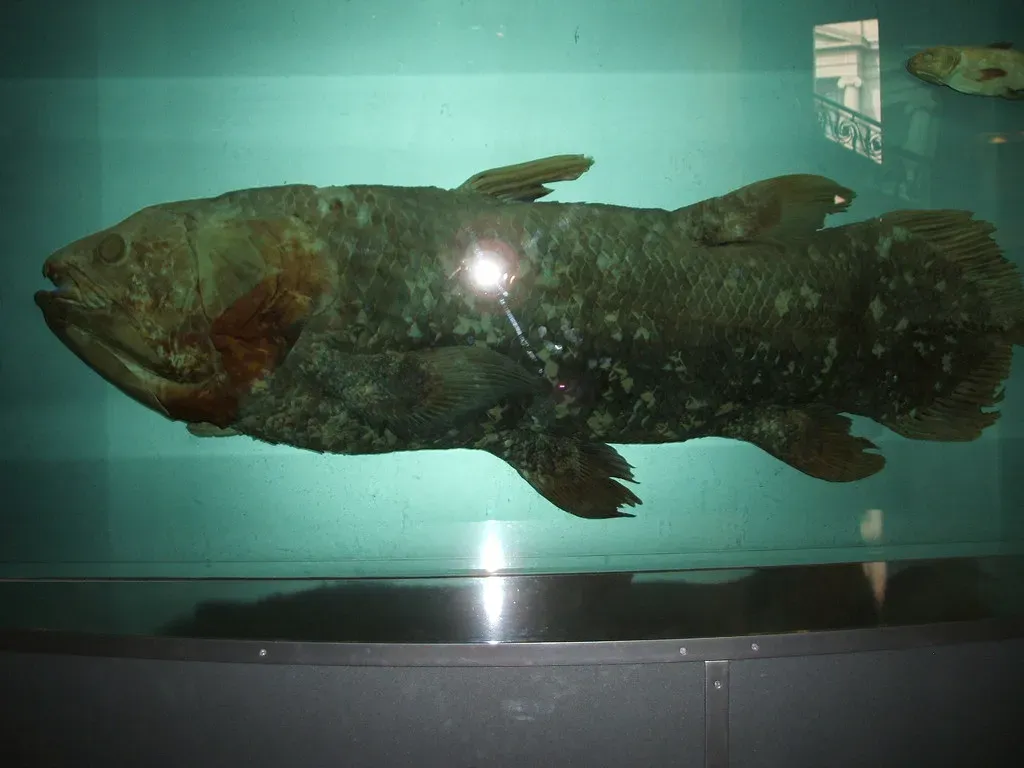
When you look at a coelacanth, you’re looking at a lineage that goes back roughly about four hundred million years. That means its ancestors were already swimming in the oceans long before the first dinosaurs ever stomped across land. In a way, you’re seeing a survivor from a world that would look completely alien to you today, with strange plants, weird invertebrates, and early experiments in vertebrate life.
To put it into perspective, if Earth’s history were a single day, humans would appear only in the last split second before midnight, while coelacanth ancestors would have shown up in the late afternoon. This kind of timeline makes your own species feel incredibly young. It also explains why scientists are so fascinated by the coelacanth: it offers a rare, living glimpse into a chapter of evolution that usually only exists in fossils and rock layers.
2. It Was Declared Extinct for Millions of Years… Until You “Met” It Again
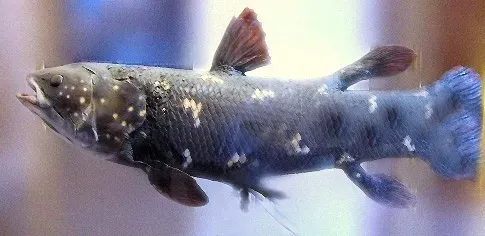
For a long time, the coelacanth existed only as a fossil in museum drawers and textbooks. Paleontologists believed it had vanished around sixty-six million years ago, during the same mass extinction that wiped out most dinosaurs. Then, in 1938, a living coelacanth was unexpectedly found off the coast of South Africa, turning a supposed “extinct” creature into a very real, very alive animal.
If you imagine how shocking that must have been, it’s a bit like suddenly discovering a living, breathing woolly mammoth wandering around Siberia. Since that first rediscovery, coelacanths have turned up in the Indian Ocean near the Comoros Islands, Madagascar, and parts of Indonesia. Every time one appears, it quietly reminds you that nature still has plenty of secrets left to reveal, no matter how confident humans are about what is gone forever.
3. You Can Recognize It Instantly by Its Lobe-Fins
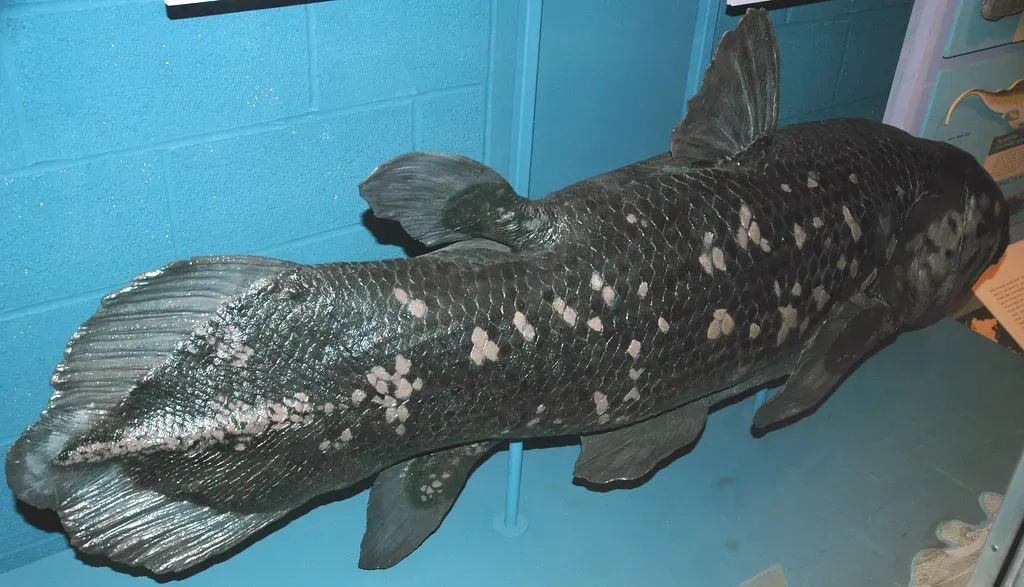
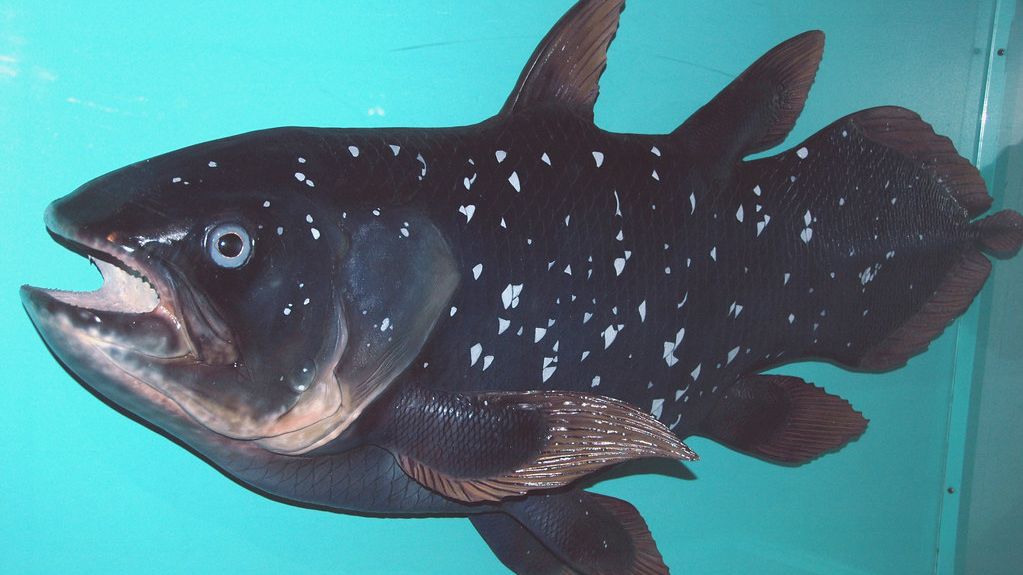
Most fish you’re used to seeing have thin, fan-like fins that look almost like sheets of tissue. The coelacanth is different. Its fins are fleshy, thick, and supported by bones that stick out from the body like small limbs. These are called lobe-fins, and they move in a way that can remind you more of a slow, underwater walk than the typical tail-wiggling swim you’re used to imagining in fish.
These lobe-fins matter because they’re similar in structure to the bones found in the earliest four-limbed animals that eventually crawled onto land. When you watch footage of a coelacanth moving, you’re seeing a pattern that echoes that ancient transition. You’re not looking at a “missing link” in the simplistic sense, but you are seeing a living hint of how the architecture of limbs may have evolved from fins.
4. You’re Dealing with a True Deep-Sea Night Owl
If you went looking for a coelacanth during the day, you’d probably come up empty-handed. These fish tend to hide in deep underwater caves and steep volcanic slopes during daylight hours, often at depths where sunlight barely reaches. Many have been found between roughly two hundred and seven hundred meters below the surface, in places where pressure is intense and temperatures are colder than you might expect in tropical regions.
At night, they emerge to cruise slowly through the darkness in search of food. This nocturnal, deep-dwelling lifestyle not only keeps them away from many predators but may also be one reason they went unnoticed for so long. You could have sailed right above a coelacanth’s home for decades and never known it was there, just cruising quietly in the shadows while you assumed the ocean around you was well understood.
5. You Might Be Surprised by Its “Electric” Hunting Strategy
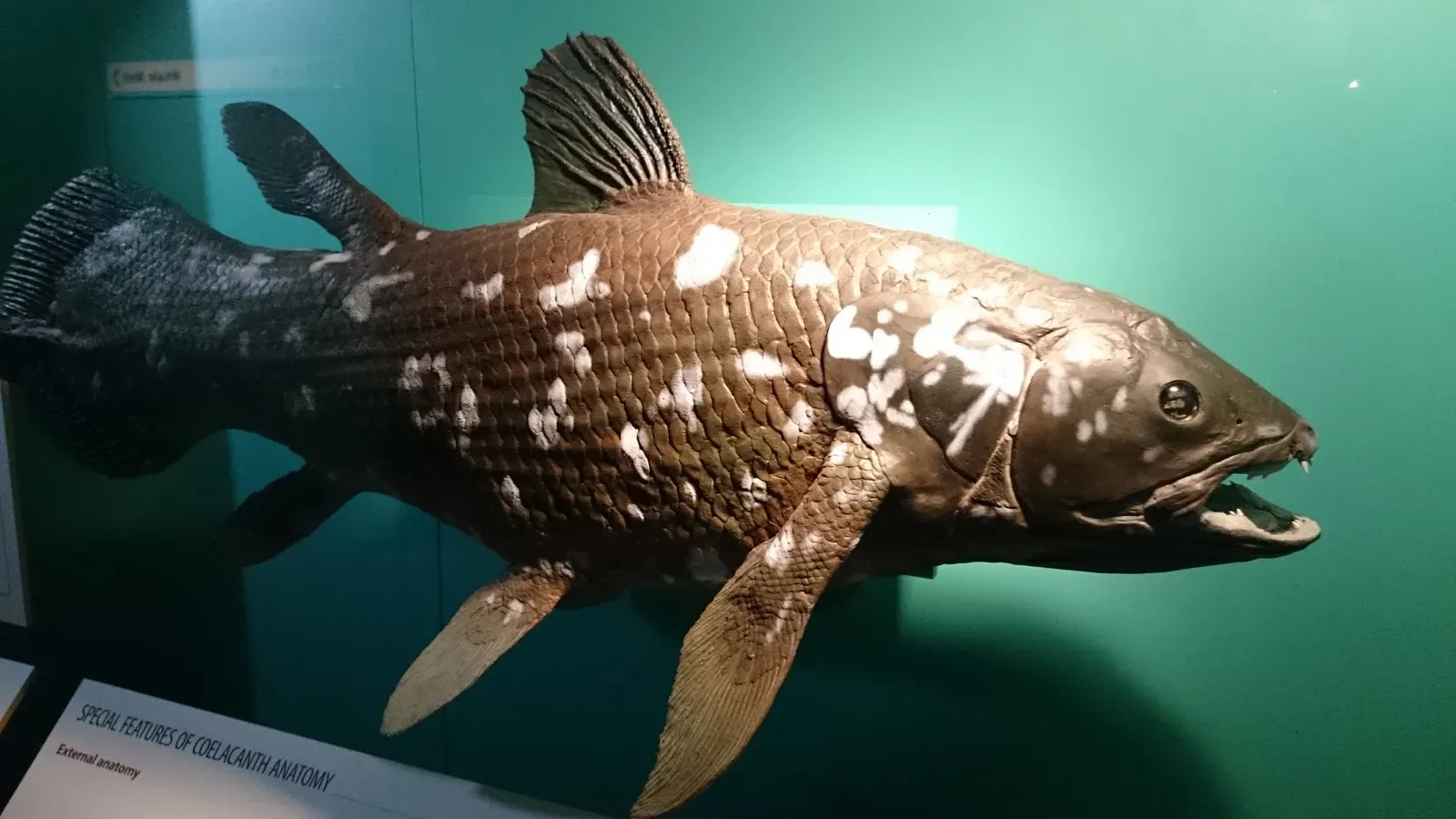
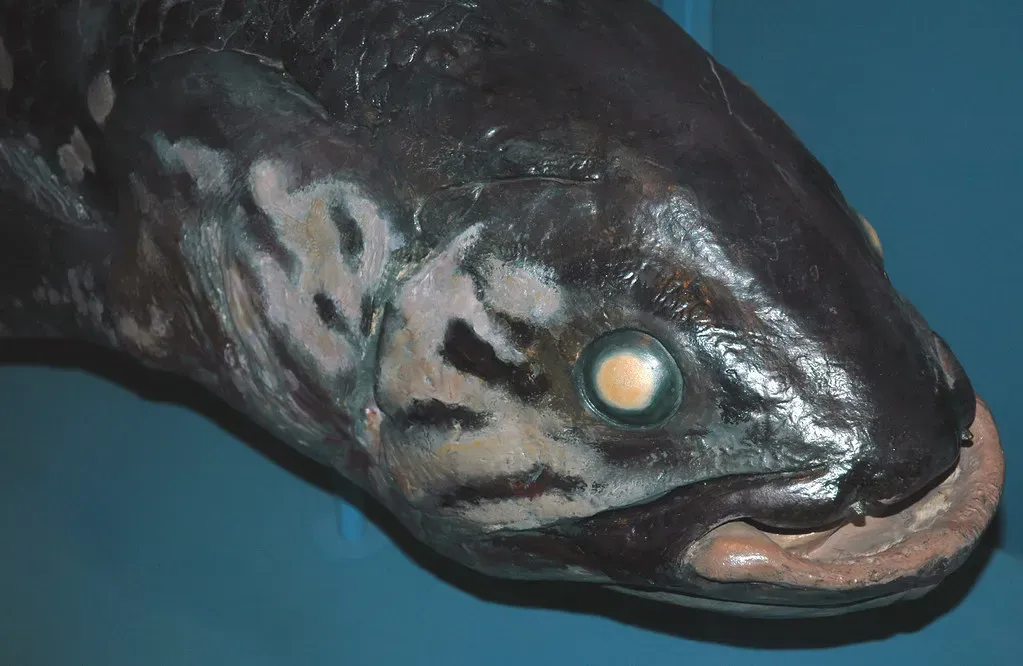
If you look closely at a coelacanth’s head, you’ll find a small, specialized structure called a rostral organ embedded in its snout. This organ is connected to special sensory canals and is believed to help it detect faint electrical signals produced by the muscles and nerves of other animals. In the murky darkness of its deep habitat, vision alone is not enough, so this sense gives the coelacanth a serious advantage while hunting.
Instead of racing after prey in a dramatic chase, the coelacanth tends to hover, drift, and subtly reposition itself, using its sensitive snout to pick up the tiniest hints of movement. You can imagine it gliding like a slow-moving submarine, tuning in to invisible signals in the water. That quiet, methodical approach lets it find fish and cephalopods that might otherwise remain perfectly hidden from a predator relying mainly on sight.
6. You’ll Notice It Has a Very Odd, Hinged Skull
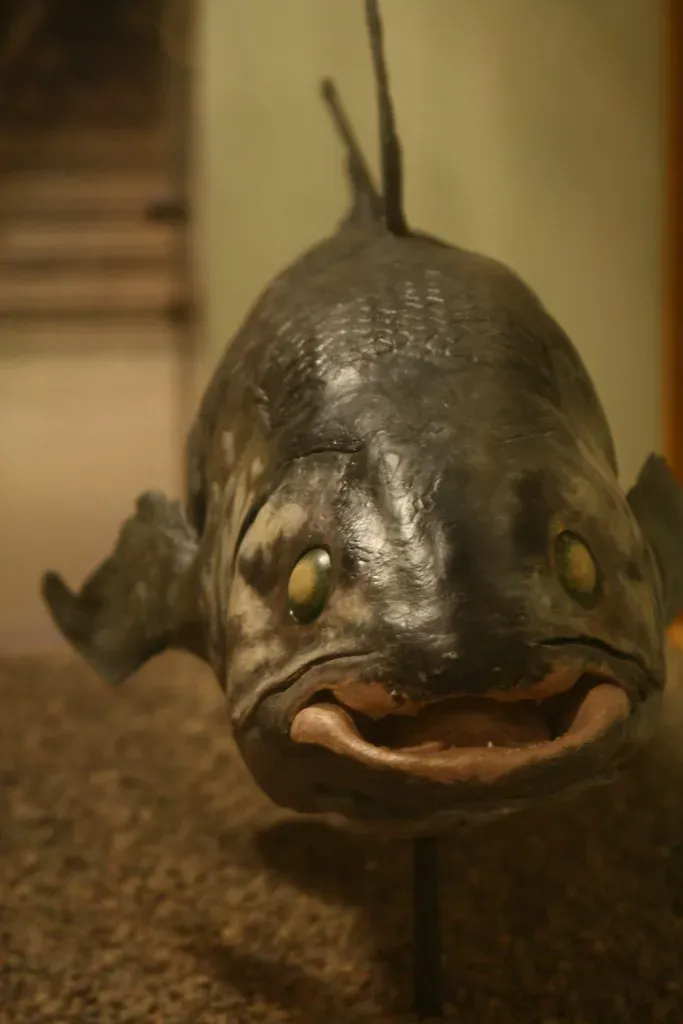
One of the strangest things about the coelacanth is its cranium. Unlike the solid skull you’re used to in most modern fish, the coelacanth has what’s called an intracranial joint, basically a hinge that allows the front and back parts of its skull to move slightly relative to each other. That extra flexibility lets it widen its mouth more dramatically when it snaps at prey, almost like opening a trapdoor.
When you combine that hinge with its powerful bite and slow, stealthy approach, you get a predator that can suddenly create a strong suction effect to pull in unsuspecting animals. This skull setup is so unusual among living fishes that it has become a defining anatomical feature of the species. It’s one more reminder that you’re dealing with a creature built on a blueprint that is rarely seen in the modern oceans around you.
7. You’re Looking at a Fish That Gives Birth to Live Young
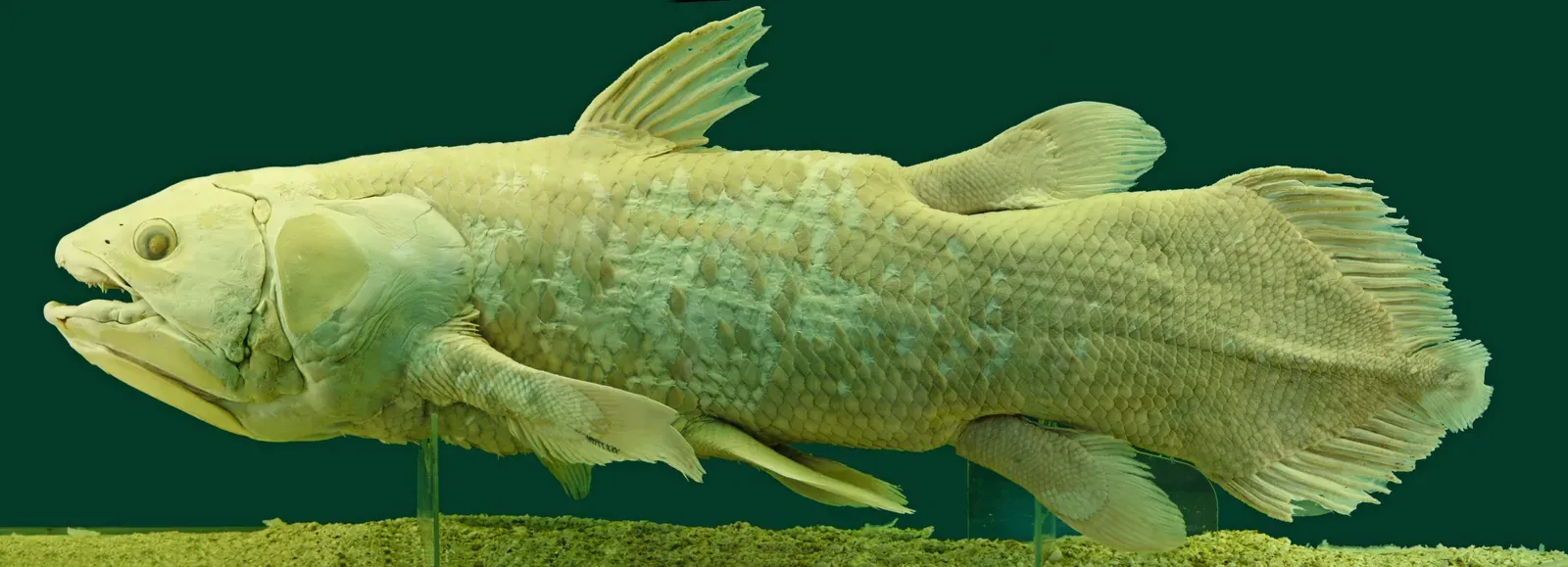
If you assume all fish lay eggs and swim away, the coelacanth will challenge that idea. Instead of laying eggs that develop outside the body, female coelacanths keep the fertilized eggs inside and give birth to fully formed live young. This reproductive strategy is called ovoviviparity, and in the coelacanth’s case, it seems to come with a remarkably long gestation period.
Some research suggests that coelacanth pregnancies can last roughly about three years, which is incredibly long when you compare it to many other fish. That slow pace of reproduction means each adult is precious, and it also makes the species especially vulnerable to overfishing or environmental change. When you realize that each new generation takes years to appear, you start to understand how fragile this ancient survivor really is.
8. You’re Facing a Slow-Motion, Long-Lived Creature
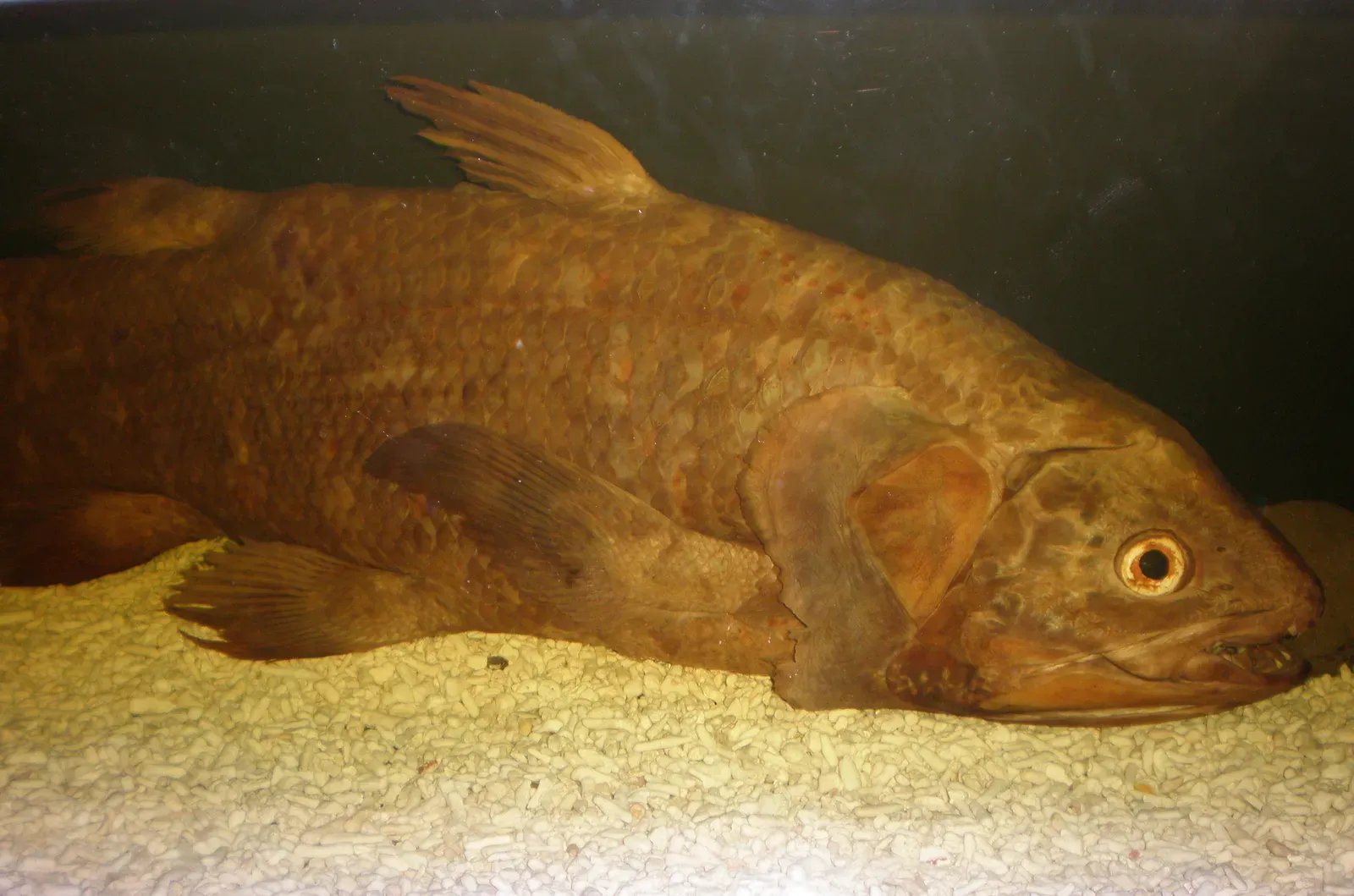
The coelacanth does almost everything in slow motion, from hunting to growing. Studies of its scales and tissues indicate that it may live for several decades, with some estimates suggesting lifespans that can rival or even surpass many large mammals. Rather than rushing through life, it seems to stretch its existence out over a long arc, growing and maturing at a measured, unhurried rate.
This slow lifestyle fits with its deep-sea environment, where energy can be scarce and fast, frantic activity would be costly. You can picture a coelacanth drifting gently in the water, conserving energy, only occasionally making quick, decisive movements. That strategy may have helped it survive dramatic changes in Earth’s climate and ocean conditions over millions of years, even as countless other species rose and fell.
9. You’ll Find Its Body Built with Ancient Design Features
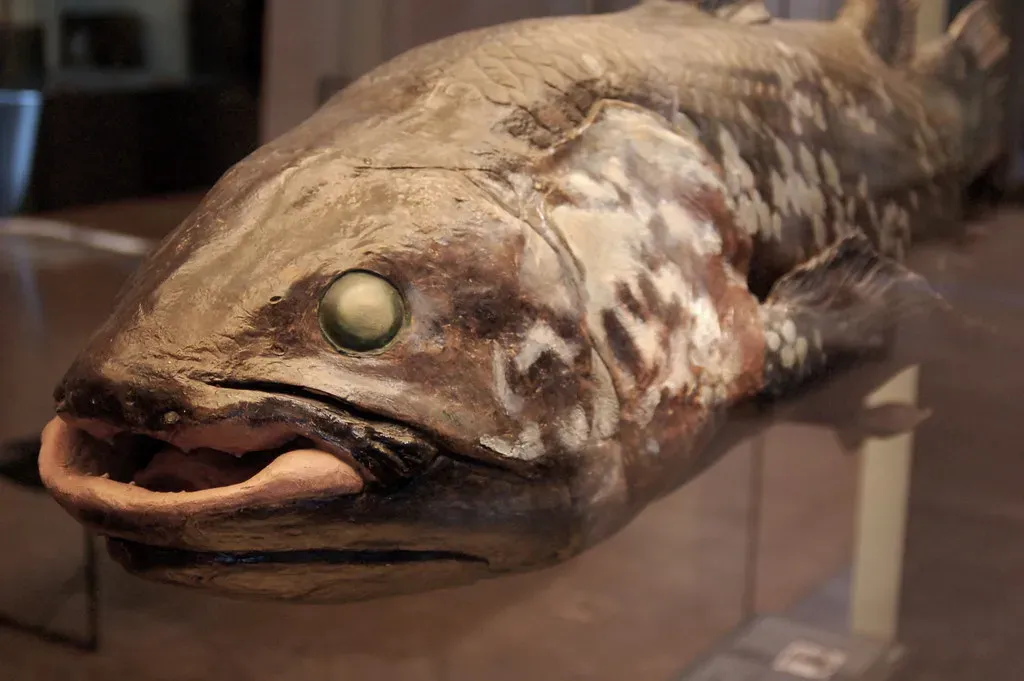
When you examine a coelacanth closely, you notice features that look like they belong in a fossil rather than in a living fish. It has thick, armor-like scales covered with a hard material called cosmine, rare in modern species. Its tail is also distinctive: a three-lobed structure, with a small extra lobe extending beyond the main tail fin, giving it a unique silhouette compared to the forked or rounded tails you normally see.
Inside, its organs also tell an evolutionary story. It has a fatty, vestigial structure where a lung might once have been, hinting at a time when its relatives lived in shallower, possibly oxygen-poor waters where breathing air had advantages. When you put all these features together, the coelacanth starts to feel like a patchwork of old evolutionary experiments that somehow made it all the way into your present day.
10. You’re Seeing an Evolutionary Survivor, Not a Frozen Relic
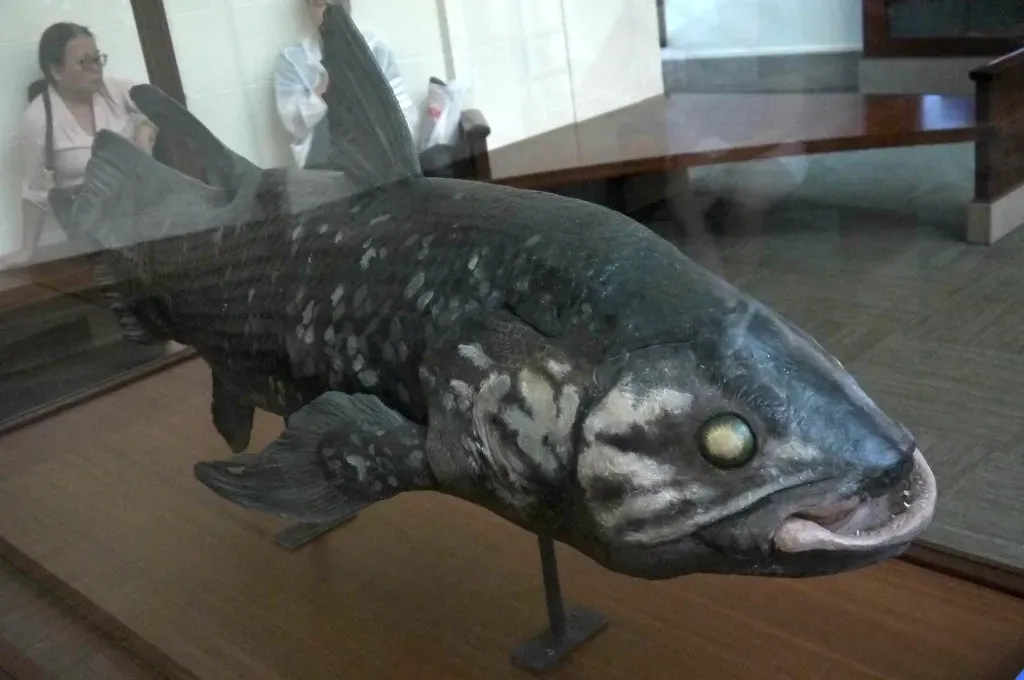
It’s tempting to think of the coelacanth as a creature that simply stopped evolving, like a fossil trapped in time. But genetic studies tell you a more nuanced story. While its outward body plan has stayed broadly similar to its ancient relatives, its DNA shows that it has continued to evolve, just at a slower, more conservative pace compared to many other vertebrates. It is stable, not static.
That matters, because it changes how you use the phrase “living fossil.” The coelacanth is not a leftover that somehow dodged evolution; it is a highly successful specialist adapted to a very specific niche. You can think of it like an old, well-designed tool that keeps getting small internal upgrades while keeping its classic outer shape. Evolution has not forgotten it; evolution has simply fine-tuned it in subtle ways that are easy for you to miss at first glance.
11. You’re Part of the Story: Its Future Is in Human Hands
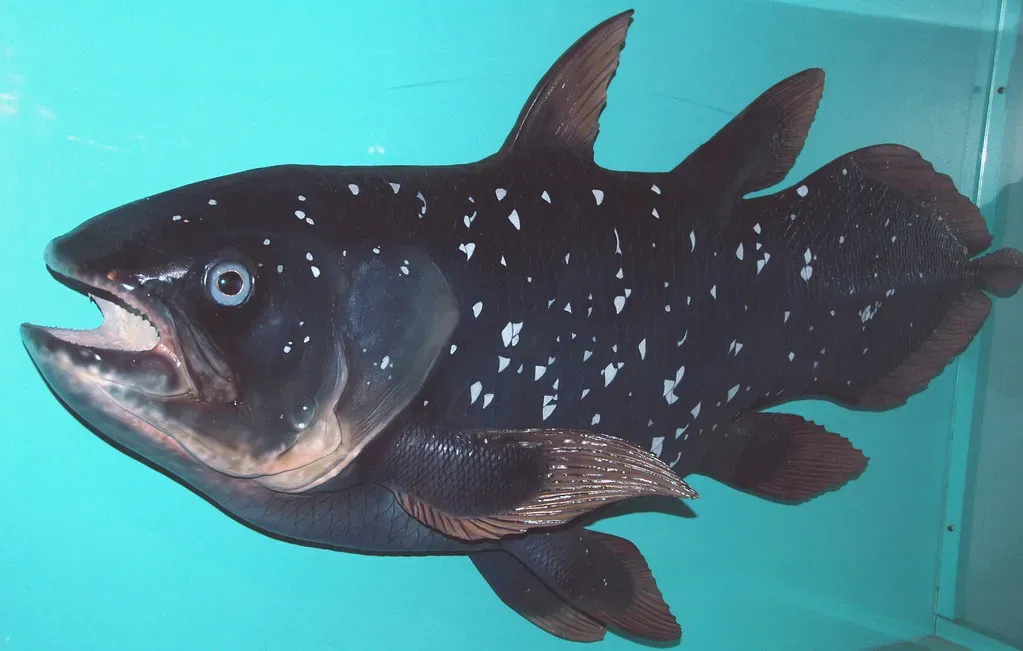
For most of its history, the coelacanth survived without you even knowing it existed. Now, your species has the power to either help protect it or unintentionally push it closer to real extinction. Because coelacanths reproduce slowly, live in limited regions, and often get caught accidentally in deep nets, they are vulnerable to modern fishing practices and habitat disruption.
Conservation efforts, legal protections, and better fishing management have started to reduce some of the pressure, but their future is far from guaranteed. When you think about this fish, you’re not just admiring a curiosity from the past – you’re also looking at a responsibility in the present. Whether the coelacanth continues to glide through deep volcanic slopes for centuries to come may depend heavily on choices made by people like you.
Conclusion: A Time Traveler That Forces You to Rethink Life on Earth
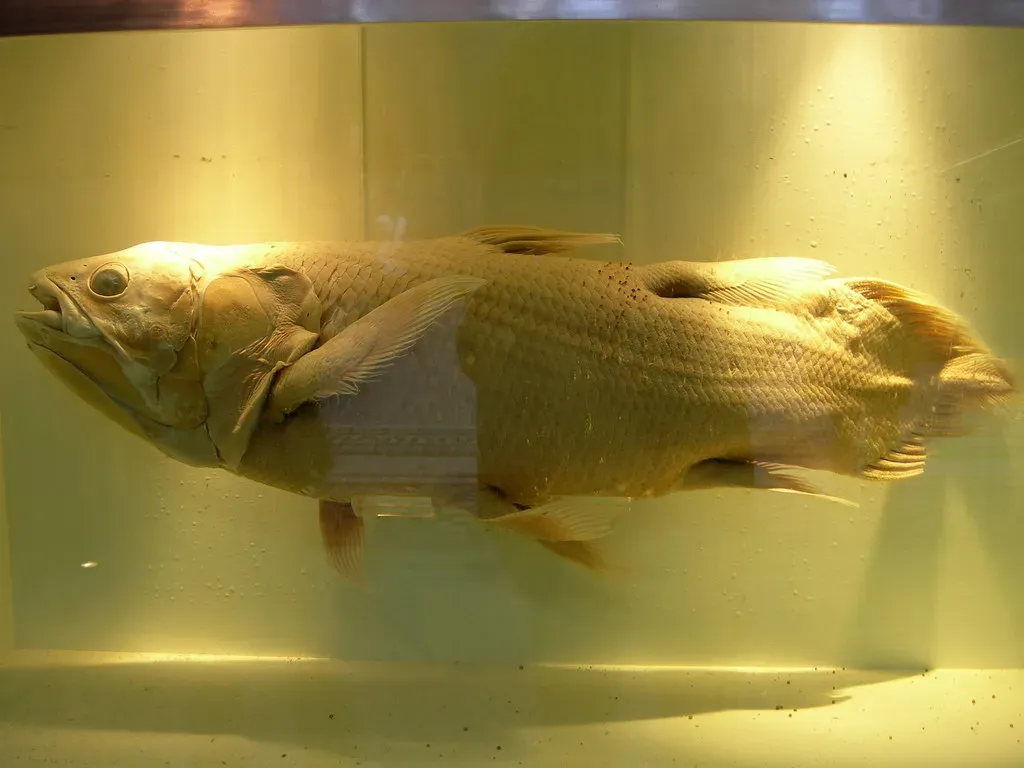
When you put all these facts together, the coelacanth stops being just a strange blue fish from the deep and becomes something more like a living time traveler. It ties your present-day oceans to an ancient world, showing you how some evolutionary designs can endure through mass extinctions, shifting continents, and drastic climate swings. At the same time, it breaks the simple myths you might have about “living fossils” by reminding you that survival always involves change, even when it is subtle.
In a world where species are disappearing faster than many people realize, the coelacanth stands out as a symbol of both resilience and fragility. It survived asteroid impacts and ice ages, yet now faces threats largely created by modern humans. The next time you see a picture of this odd, lobe-finned fish, you might feel a bit of awe – and maybe a bit of responsibility too. Knowing what you know now, how would you like this ancient story to continue?