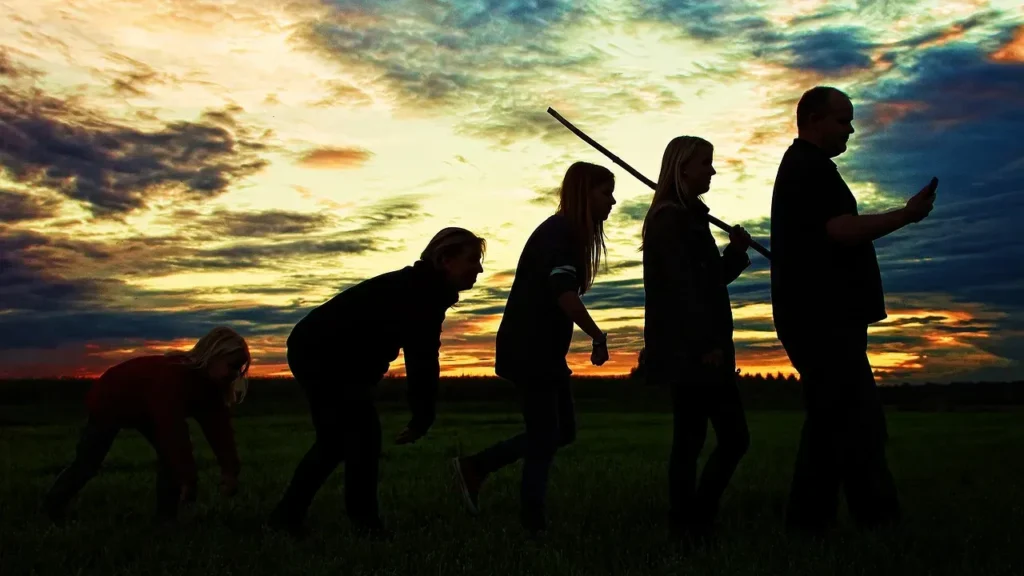
If you grew up with neat diagrams showing human evolution as a smooth march from ape-like ancestors to modern people, you’re in for a shock. Over the past few decades, discoveries from caves, deserts, and ancient lakebeds have torn up that simple story and replaced it with something far more tangled and exciting. Instead of a straight ladder, you now have a sprawling, messy family tree, full of dead ends, long-lost cousins, and surprising survivors.
In this article, you’ll walk through twelve discoveries that forced scientists to rethink when, where, and how early humans evolved. As you go, you’ll see cherished ideas overturned: who used tools first, who walked upright, who left Africa, and even what “human” means in the first place. Some of these finds were almost thrown away, some sat ignored on museum shelves, and others were so strange that experts argued about them for years. By the end, you may never look at your own reflection – or your place in deep time – the same way again.
1. Lucy: The Tiny Fossil That Made You Question How Walking Began
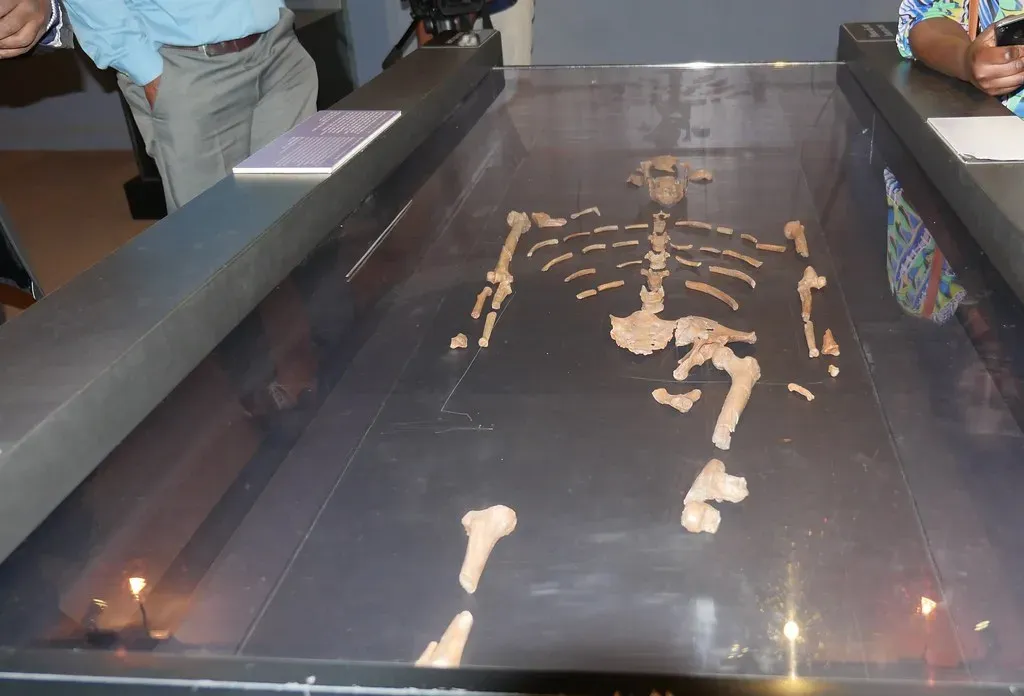
When you first meet Lucy, you’re not looking at a giant or a hulking caveman; you’re looking at a small, roughly one-meter-tall ape-like creature who lived more than three million years ago in what is now Ethiopia. Yet her bones tell you something astonishing: she walked upright on two legs long before your own species existed. Her pelvis and leg bones look built for bipedal walking, while her upper body still hints at life in the trees. That combination shatters the old idea that big brains came first and walking second.
As you picture Lucy navigating a mosaic of woodland and open areas, you start to realize that upright walking did not require modern-sized brains, stone tools, or even the open savannas you once saw in textbooks. It seems more like a flexible survival strategy in mixed environments, letting her travel, forage, and maybe carry infants or food. When you understand that a small-brained, tree-climbing creature walked on two legs so efficiently, you’re forced to admit that your own trademark way of moving has much deeper, stranger roots than you probably imagined.
2. Laetoli Footprints: When You See Your Own Gait in Ash from 3.6 Million Years Ago
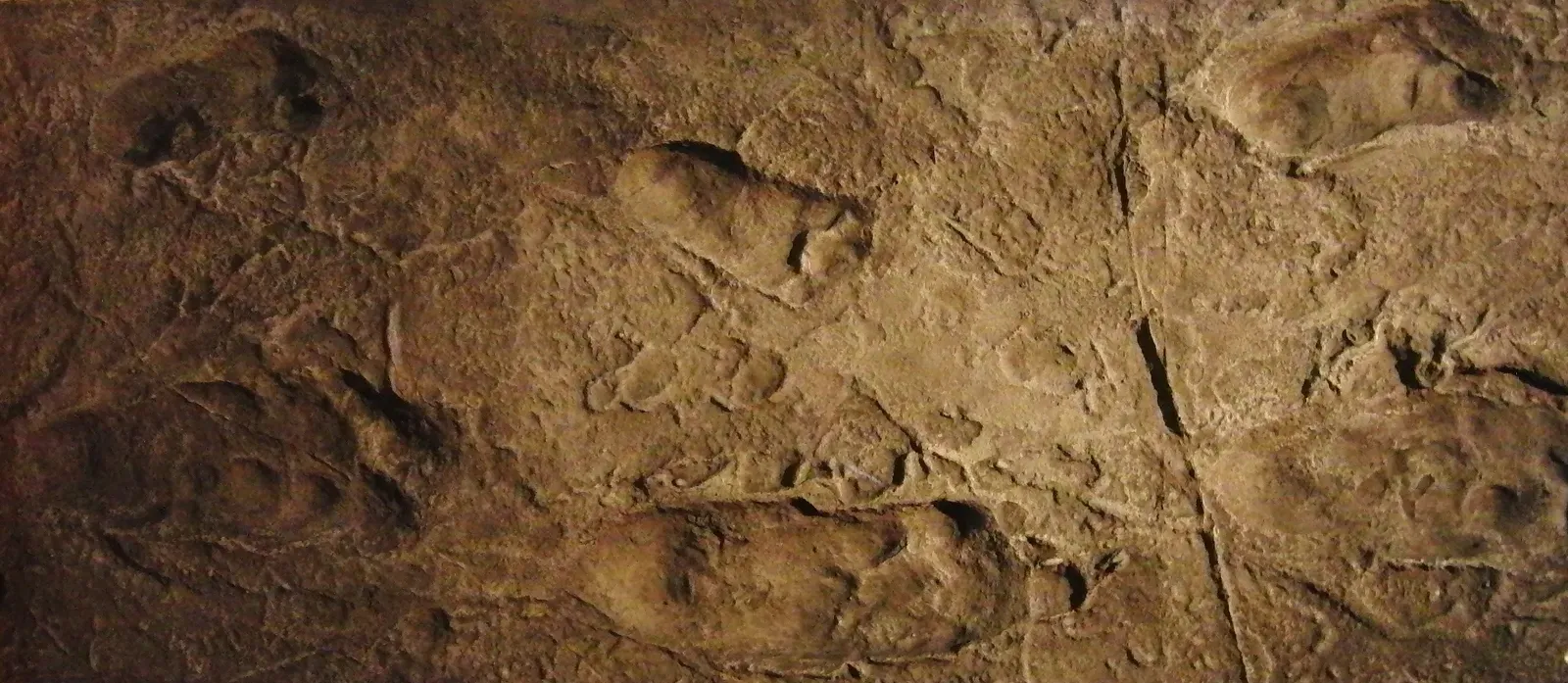
Imagine walking along a hardened trail of ancient volcanic ash and suddenly realizing you’re literally stepping beside the frozen footsteps of your distant relatives. At Laetoli in Tanzania, you find a set of footprints about three and a half million years old that look uncannily like yours: heels striking first, arches in the middle of the feet, toes aligned and facing forward. These are not knuckle-walker tracks or awkward half-steps. They scream one message to you: some of your ancestors walked in a thoroughly human way long before modern humans emerged.
These footprints back up what skeletons like Lucy’s suggest but in a raw, emotional way that bones alone rarely manage. You can picture at least two individuals strolling across damp ash after a light rain, side by side, leaving behind a moment in time that outlived them by millions of years. When you see how natural and confident that stride appears, you’re forced to let go of the idea that walking upright was a late-stage innovation. In reality, you’ve inherited a style of walking that was already well-practiced long before your species even had a name.
3. Homo naledi: A Tiny-Brained Human Cousin That Played by New Rules
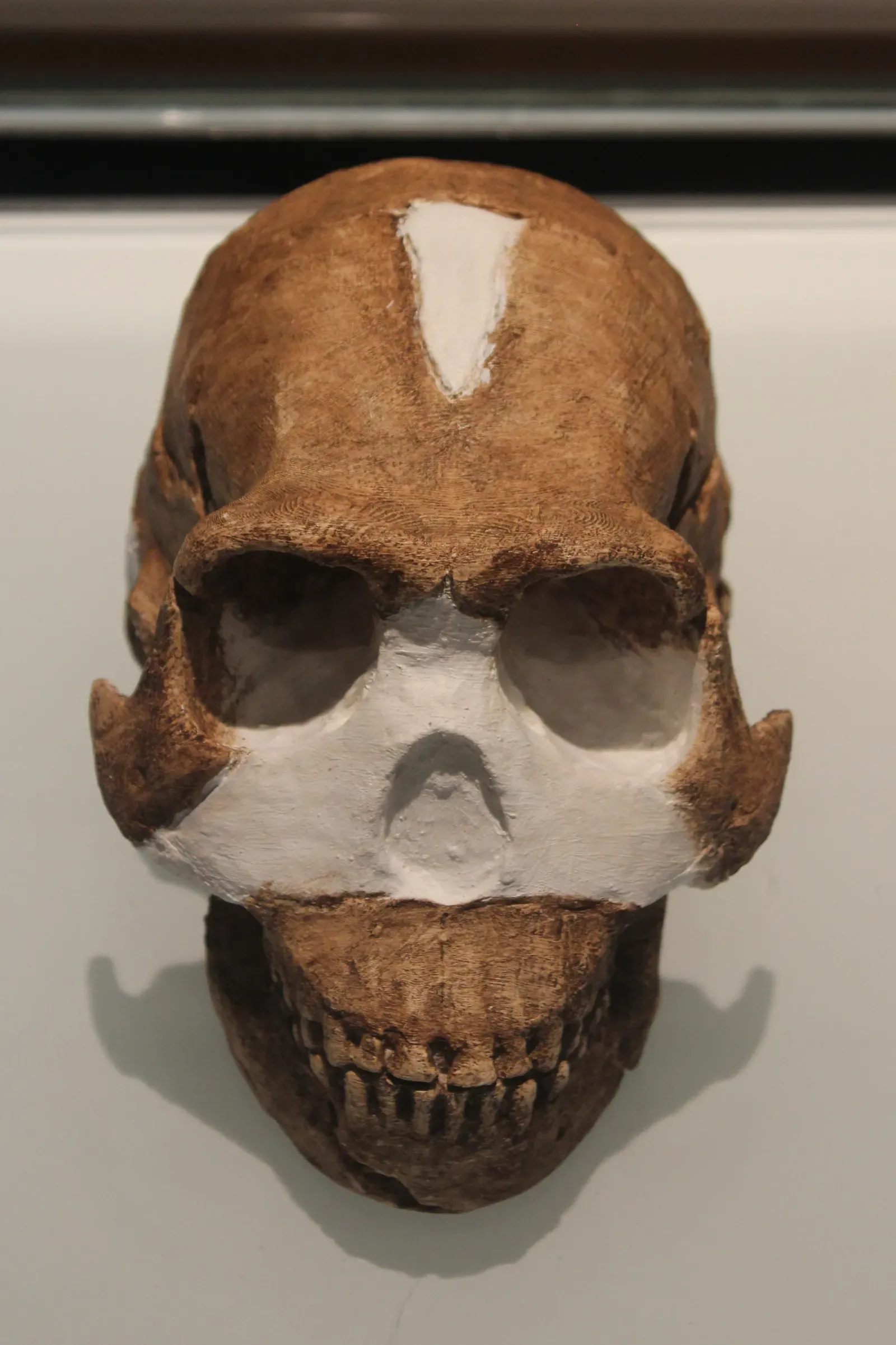
Homo naledi hits you like a plot twist in a show you thought you understood. Discovered in South Africa’s Rising Star cave system, these fossils belong to a species with a surprisingly small brain but a mix of primitive and more modern traits in the hands, feet, and skull. The strange part is how many individuals were found together, deep in a dark, hard-to-reach chamber, with no obvious sign of water or predator activity. That raises a chilling possibility for you: maybe these early humans deliberately placed their dead in that chamber.
If that’s true, you’re suddenly staring at a species with a brain closer in size to some earlier hominins but possibly performing a behavior you used to link only to modern humans and their closer relatives. You’re pushed to question whether large brain volume automatically equals complex behavior, or whether intelligence and culture might have evolved in more than one way, in more than one lineage. Homo naledi forces you to accept that some small-brained cousins may have been doing surprisingly “human” things while your own direct ancestors were still figuring themselves out.
4. Dmanisi Skulls: When You Learn Early Humans Left Africa Far Earlier Than You Thought
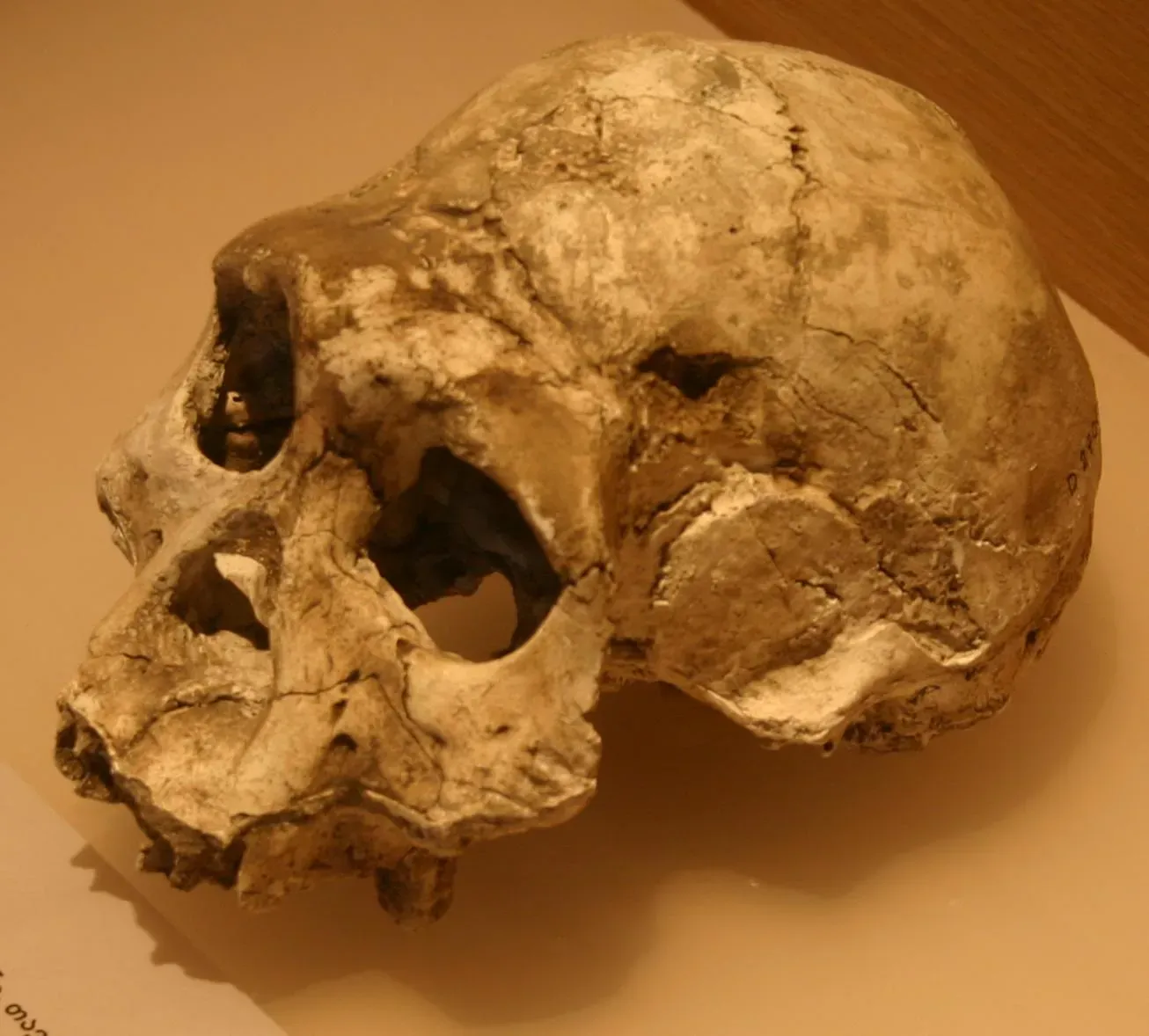
For a long time, you probably heard that your genus, Homo, only left Africa around one to one and a half million years ago, armed with bigger brains and better tools. The Dmanisi site in Georgia upends that story. Here, you see skulls and skeletons from early Homo, well over a million and a half years old, with relatively small brains and simple stone tools. Yet these individuals clearly made it out of Africa, survived in new environments, and spread into Eurasia without the technological “package” you once considered essential.
Standing at Dmanisi, you’re confronted with a sobering idea: your ancestors and cousins were more adaptable than you gave them credit for. They did not wait for perfect innovations before moving outward; they pushed frontiers with whatever they had. The mix of physical traits in the skulls also blurs boundaries between different early Homo species, making you question how neatly you can slice up your family tree. Instead of a single heroic expansion, you start to picture multiple early dispersals, experiments in living beyond Africa that set the stage for everything that came after.
5. Neanderthal DNA in You: The Discovery That Made “Pure” Human a Myth
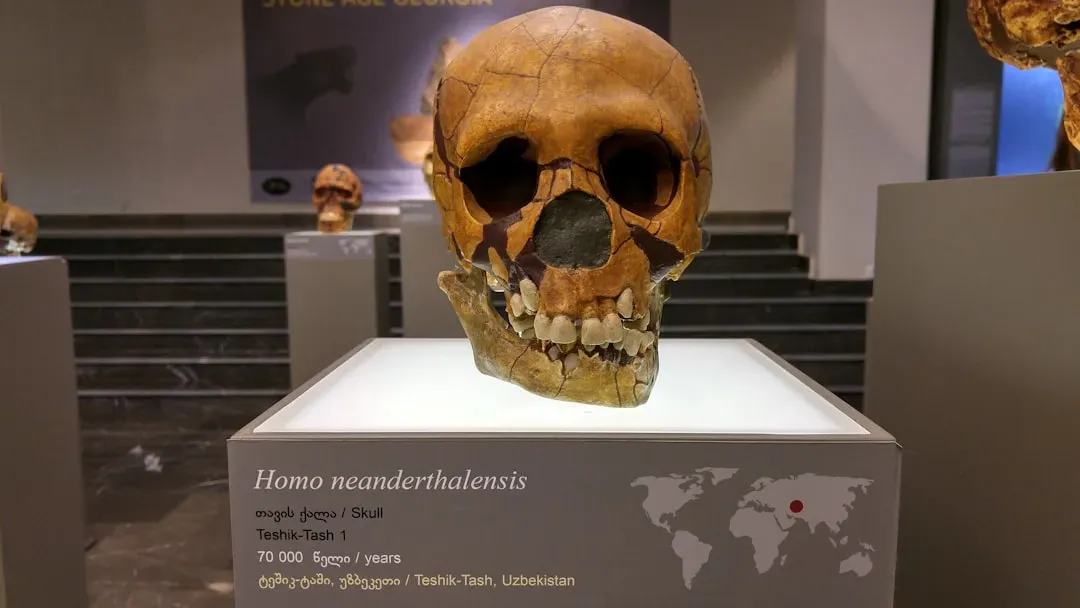
When scientists first sequenced Neanderthal DNA, the result hit you right in your sense of identity: many people living outside Africa today carry a small but noticeable fraction of Neanderthal ancestry. In other words, your species did not simply replace Neanderthals; your ancestors interbred with them and carried their genes into the present. Traits related to immunity, skin, and even susceptibility to certain conditions can be traced back to this mixing, meaning Neanderthals are not just an extinct “other” but part of your genetic story.
This discovery makes it impossible for you to pretend that human evolution was a clean swap from one species to the next. Instead, you have to think of it as a braided river, where streams flow together, cross, and diverge. It also forces you to recognize Neanderthals as more than crude stereotypes. They shaped you in quiet ways you feel every day, in how your immune system responds or how your body handles different environments. Once you know that, the idea of a sharp line between “us” and “them” crumbles, replaced by a web of shared ancestry.
6. Denisovans: A Whole Human Group Discovered from Scraps of Bone and DNA
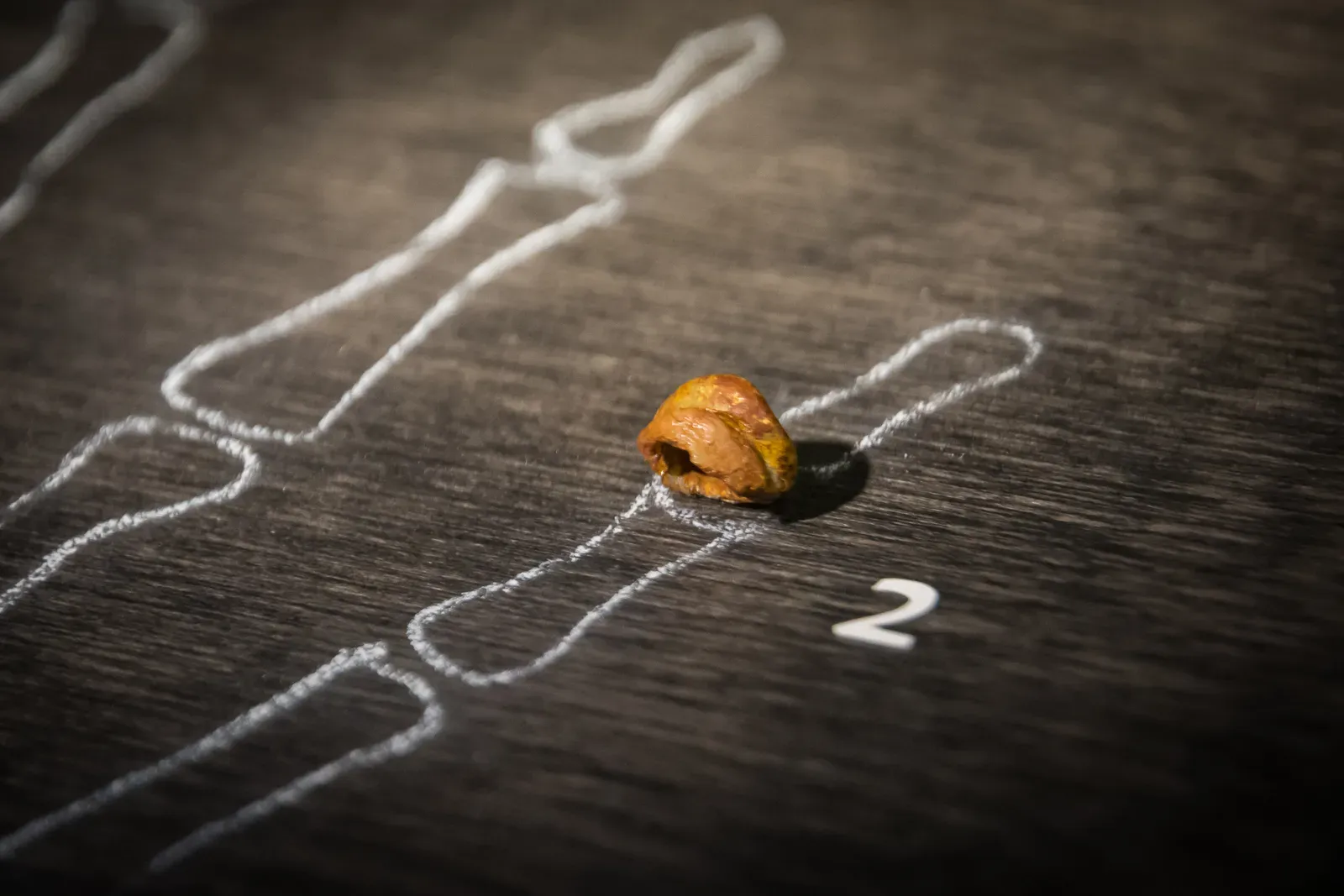
If Neanderthal DNA surprised you, Denisovans probably stunned you. Instead of being discovered through a nearly complete skeleton, this mysterious group was identified from a finger bone and a tooth found in Denisova Cave in Siberia, then revealed fully through genetic analysis. You’re looking at an entire population of humans who left barely any visible trace, yet their DNA turns up today in many people across Asia and in populations in places like Melanesia. It feels like discovering a missing cast member in a movie you thought you’d already watched.
The Denisovan story tells you that the fossil record alone will never give you the full picture. Ancient DNA has become a powerful tool that can bring lost populations back into focus even when their bones are scarce. You’re pushed to accept that your evolutionary past is full of ghost lineages – groups that lived, loved, and vanished, leaving only echoes in your genome. When you realize that your own DNA may contain pieces from people you did not even know existed until recently, you start to see human evolution as a dense network rather than a simple lineage.
7. Flores “Hobbits”: When Tiny Humans Forced You to Rethink What Your Species Can Be
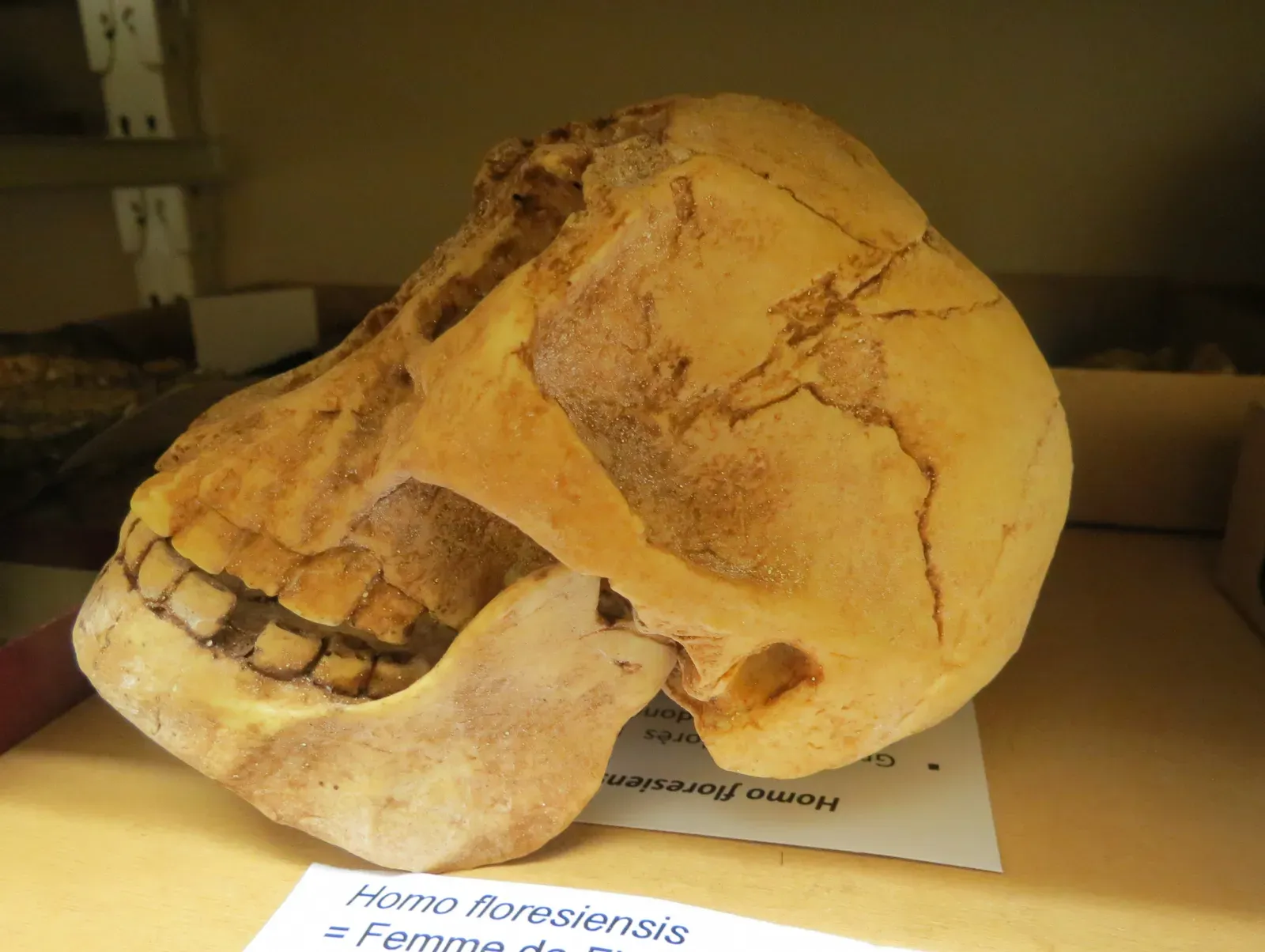
On the Indonesian island of Flores, you meet Homo floresiensis, often nicknamed the “hobbits,” and they immediately challenge your assumptions about size and intelligence. These individuals stood only about a meter tall, with very small brains, yet they used stone tools and lived on an isolated island with large predators like giant lizards. Their anatomy blends features that seem primitive with others that look more advanced, leaving you wondering whether they descended from early Homo that shrank in isolation, or from even more ancient hominins.
The existence of these tiny humans so recently in geological time forces you to see evolution as an ongoing tinkerer rather than a simple march toward bigger and better. Island dwarfs, unusual proportions, and odd combinations of traits show you that your family tree includes many experiments in body design. When you hear that Homo floresiensis might have overlapped in time with early modern humans in the region, you realize that your species once shared the planet with truly strange cousins who broke all the rules you thought you knew about brains, bodies, and survival.
8. Jebel Irhoud and the New, Older Face of Homo sapiens
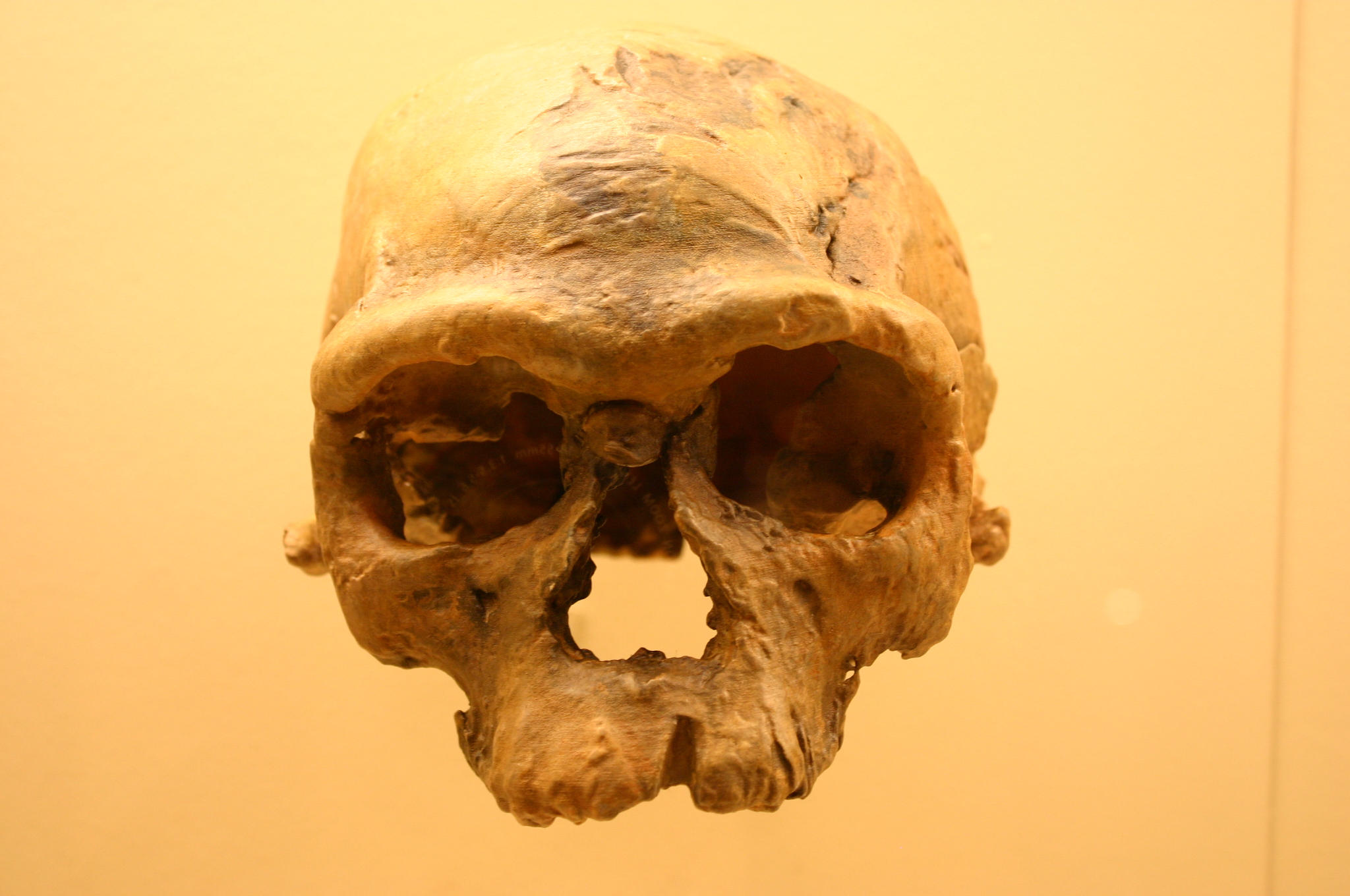
For many years, you were probably told that modern humans appeared suddenly around two hundred thousand years ago in East Africa. Fossils from Jebel Irhoud in Morocco forced you to widen that view. These remains, with a mix of modern-looking faces and more archaic skull shapes, are much older than that, pushing the presence of early Homo sapiens-like features back significantly and across a broader region of Africa. Instead of a single birthplace and a single moment, you’re seeing a gradual, continent-wide emergence of your species.
This discovery nudges you toward a more complex African origin story, where different populations across the continent contributed pieces of what you now call modern humanity. You stop imagining one “Eden” and start thinking about interconnected groups exchanging genes and ideas over long distances and times. Your own face, in a way, is the outcome of that deep, scattered process. When you take that in, you realize that being human has always been a moving target, shaped by shifting climates, migrations, and repeated bouts of mixing and separation.
9. Oldest Stone Tools: When You Learn Tool Use Came Before Your Genus
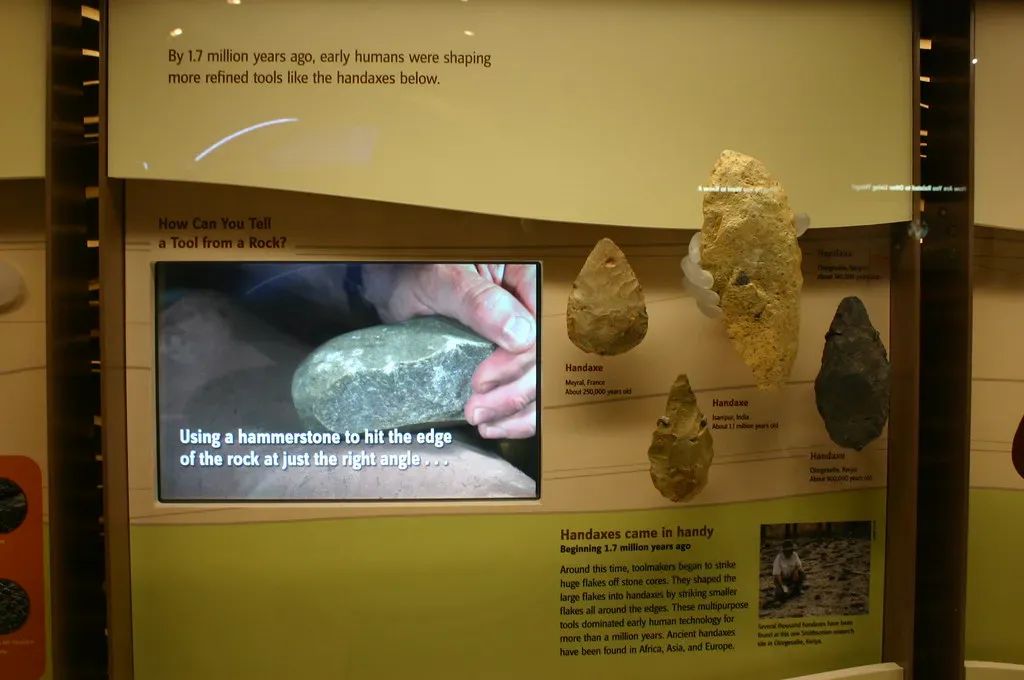
You might have grown up thinking that stone tools marked the beginning of your genus Homo, a sort of technological birth certificate. Then you hear about very old tools found at sites that may predate clear evidence of Homo, and your confidence shakes. Simple but deliberately shaped stones show that some hominins were striking and flaking rocks in organized ways earlier than you expected, possibly even before the classic Oldowan tools associated with early humans. Tool-making, it seems, may not have been your genus’s exclusive invention.
This realization forces you to separate tool use from the narrow definition of what it means to be human. If earlier, perhaps more ape-like relatives were already experimenting with sharp edges, you’re seeing a cultural thread that started before your direct lineage and continued through multiple branches. You also start to appreciate how modest-looking artifacts – a few chipped stones – can completely shift timelines. The next time you pick up a tool, even something as simple as a kitchen knife, you might think of those ancient hands and the long chain of experimentation that led all the way to you.
10. The Rising Role of Ancient DNA: Turning Old Bones into Living Stories
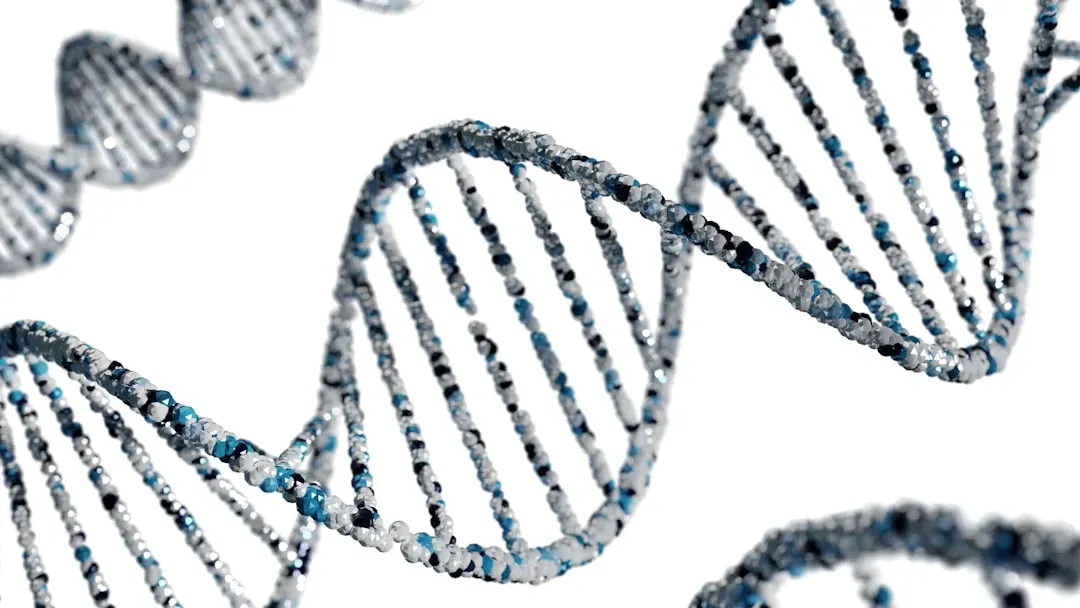
Not long ago, old bones could only tell you what you could see with your eyes and a microscope. Now, with advances in ancient DNA, you can pull genetic information from remains tens of thousands, and in some cases hundreds of thousands, of years old. That lets you track population movements, interbreeding events, and even adaptation to diet and climate. Suddenly, fossils you thought were silent become sources of detailed family histories, showing you who was related to whom and how different groups met, mixed, or vanished.
For you, this means human evolution is no longer just a matter of bones and stones; it’s a story written directly into genetic code. You learn that modern humans interbred not only with Neanderthals and Denisovans but likely with other, still unidentified archaic populations. It also means some traditional species labels start to blur, as gene flow turns tidy categories into gradients. As you watch this field expand, you realize that your picture of early human evolution in 2026 is far from final, and that every new genome could redraw parts of the map yet again.
11. Unexpected Fossils in Unexpected Places: When Geography Stops Making Sense
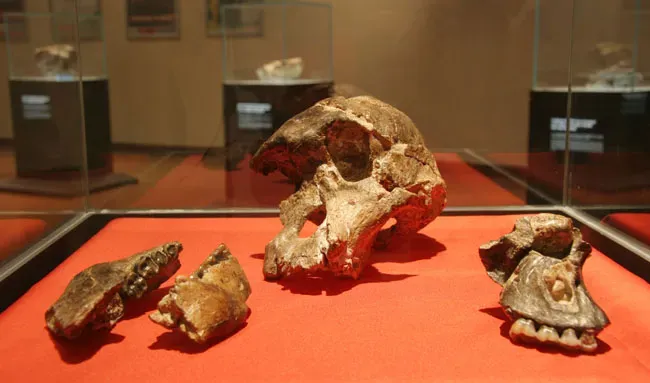
Every time you think you know where certain hominins lived, a surprising fossil seems to show up somewhere new. Discoveries of archaic human remains and tools outside their “expected” regions keep reminding you that our ancestors were more mobile and flexible than old maps suggested. You see traces of early Homo in parts of Asia and Europe far earlier than you’d been taught, and evidence that supposedly isolated groups may have had wider ranges or more complicated routes than the neat arrows you saw in school atlases.
These finds push you to stop treating modern political borders or simple east–west divisions as meaningful for deep prehistory. Instead, you start thinking in terms of corridors – river valleys, coastlines, and highland passes – that would have drawn hominins just as they attract people today. The more you learn, the more you realize that early humans and their relatives went everywhere they could, often faster and farther than you once believed. Where you see harsh deserts or thick forests today, they saw chances to adapt, explore, and leave faint traces for you to puzzle over much later.
12. Rethinking “Human”: Culture, Symbolism, and the Blurred Line with Other Hominins
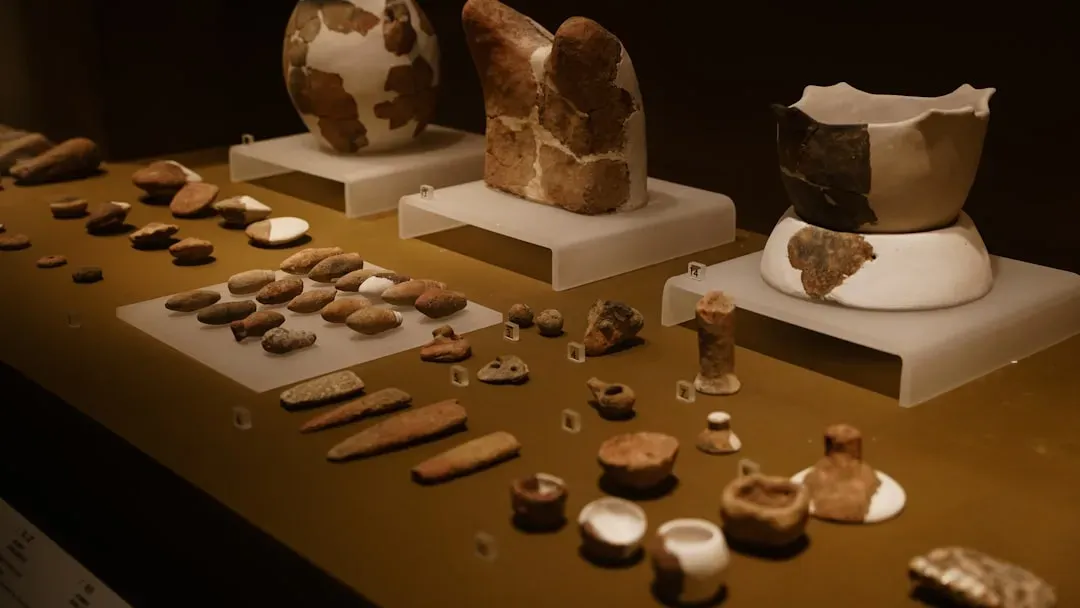
Perhaps the most unsettling set of discoveries are not bones at all but traces of behavior: pigments, engraved objects, personal ornaments, and carefully made tools found with Neanderthals and other archaic humans. As you learn that some of these groups may have used color, decorated objects, or cared for the injured and elderly, you’re forced to reconsider what sets your species apart. If other hominins shared some symbolic or caring behaviors, then the boundary between “truly human” and “almost human” becomes hazy.
For you, this raises uncomfortable but important questions. Is being human about brain size, language, art, or something harder to pin down, like shared meaning and long-term cooperation? When you see hints that your cousins might have had pieces of these traits, you start to view them less as failed experiments and more as alternate versions of what intelligent, social beings can become. That realization can be humbling: your uniqueness shrinks a little, but your sense of connection across time grows, as if you’re part of a much larger conversation that began long before you and still echoes today.
Conclusion: Living with a Messier, More Beautiful Origin Story
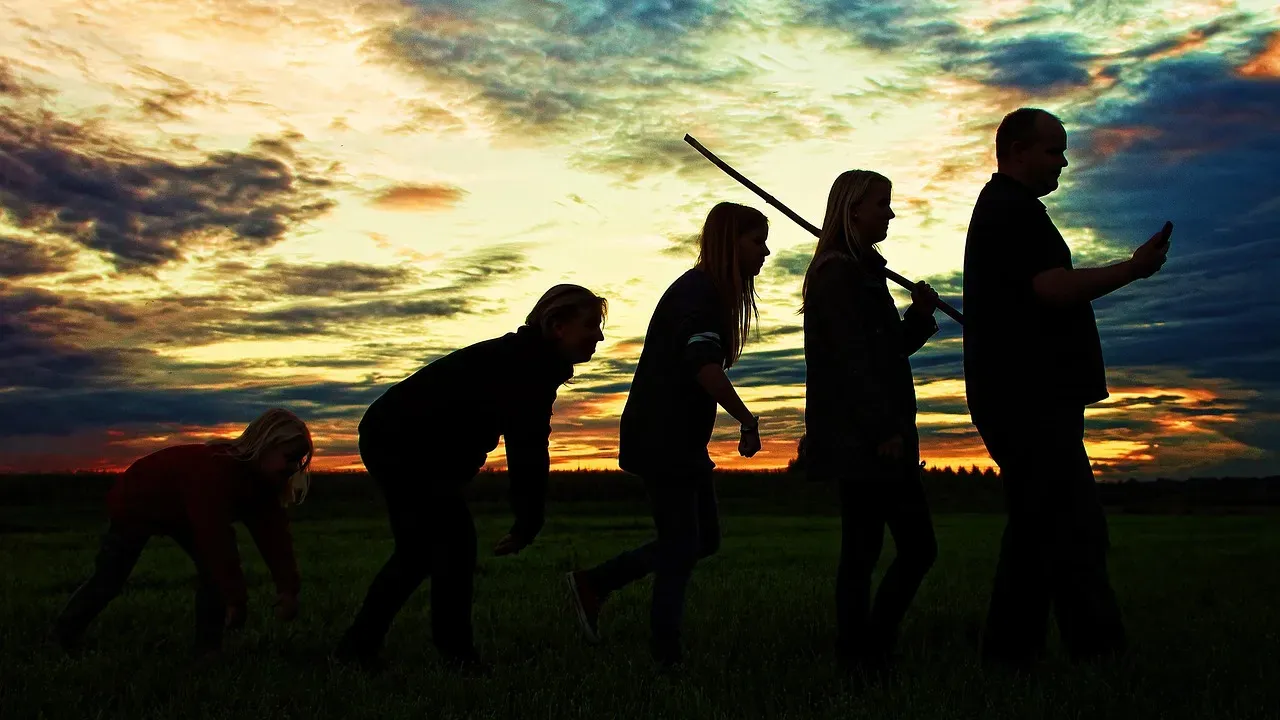
When you step back from these twelve discoveries, a pattern emerges that is both unsettling and strangely comforting. You no longer live with the illusion of a straight line from ape to you; instead, you inhabit the legacy of a tangled bush of species, populations, and experiments in survival. Your ancestors walked upright earlier than you thought, left Africa sooner than you imagined, and mixed with cousins you only recently learned existed. The neat diagrams have given way to a shifting, living story that keeps changing as new evidence appears.
If you let it, this messier picture can deepen your sense of belonging rather than weaken it. You are not the inevitable end of a simple progression; you are the current chapter in a very long, unpredictable saga of adaptation and connection. Knowing that, you might look at your own choices – and your species’ future – with a bit more humility and a lot more curiosity. When you realize how many surprises still lie buried in rock and bone and DNA, you have to wonder: what discovery will rewrite your understanding of early humans next, and how will it change the way you see yourself?