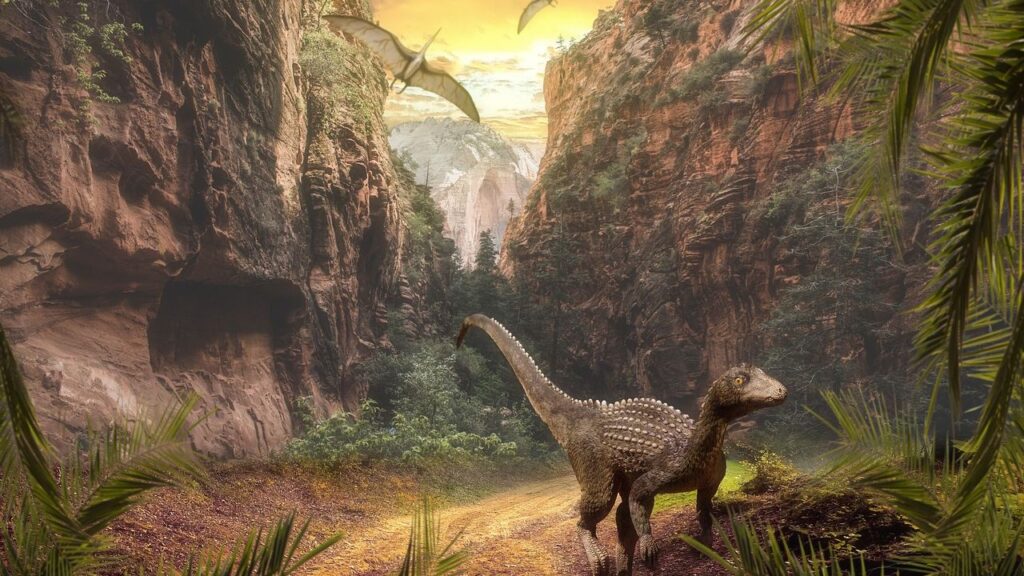
You usually imagine dinosaurs ruling the ancient world, but long before giant reptiles stomped across the Earth, plants were quietly rewriting the planet’s entire playbook. Forests rose where there had been only rock, oxygen flooded the air, and strange, alien-looking greenery turned a lifeless landscape into a thriving, breathing biosphere. When you dig into the story of prehistoric plants, you start to see them less as background scenery and more as the real architects of life on land.
As you explore these surprising facts, you’ll notice a pattern: plants were the first to take huge evolutionary risks, and everything else – fish, insects, reptiles, birds, and you – followed in their wake. From tree-sized ferns and coal-forming swamps to plants that radically changed the climate, each step they took shaped the rules of ancient ecosystems. By the end, you may never look at a humble leaf the same way again.
1. Plants Conquered Land Long Before Any Animal Did
If you could travel back more than 450 million years, you’d step onto a world that looked bare, rocky, and harsh – yet plants were already quietly staking their claim. Before any animal dragged itself out of the ocean, simple moss-like plants began colonizing damp shorelines, clinging to rock and soil and slowly pushing inland. You would not see flowers or trees yet, just low carpets of green spreading across the ground, but those early pioneers were already changing the game.
By anchoring themselves to land, these plants started stabilizing soil and trapping moisture, creating tiny pockets where other life could survive. You can think of them as the first engineers of terrestrial real estate, building the basic infrastructure that insects, amphibians, and eventually reptiles would depend on. Without this early green beachhead, the later explosion of life on land simply wouldn’t have had a place to stand.
2. Prehistoric Plants Supercharged Earth’s Oxygen
You literally owe your next breath to ancient plants you’ll never see. When early land plants and massive marine algae spread and flourished, they began pumping out oxygen through photosynthesis at a scale the planet had never experienced. Over tens of millions of years, that oxygen accumulated in the atmosphere, rising from levels that would leave you gasping to levels where complex life could finally thrive.
During certain periods, especially the late Paleozoic, oxygen levels climbed noticeably higher than they are today, likely thanks to lush, swampy forests and enormous plant productivity. This oxygen-rich air did not just make breathing easier; it changed what was possible for life, allowing giant insects and heavily armored animals to function. When you picture prehistoric dragonflies with wingspans wider than your arm, you’re really looking at a direct consequence of overachieving ancient plants.
3. Tree-Sized Ferns and Clubmosses Formed Alien-Looking Forests
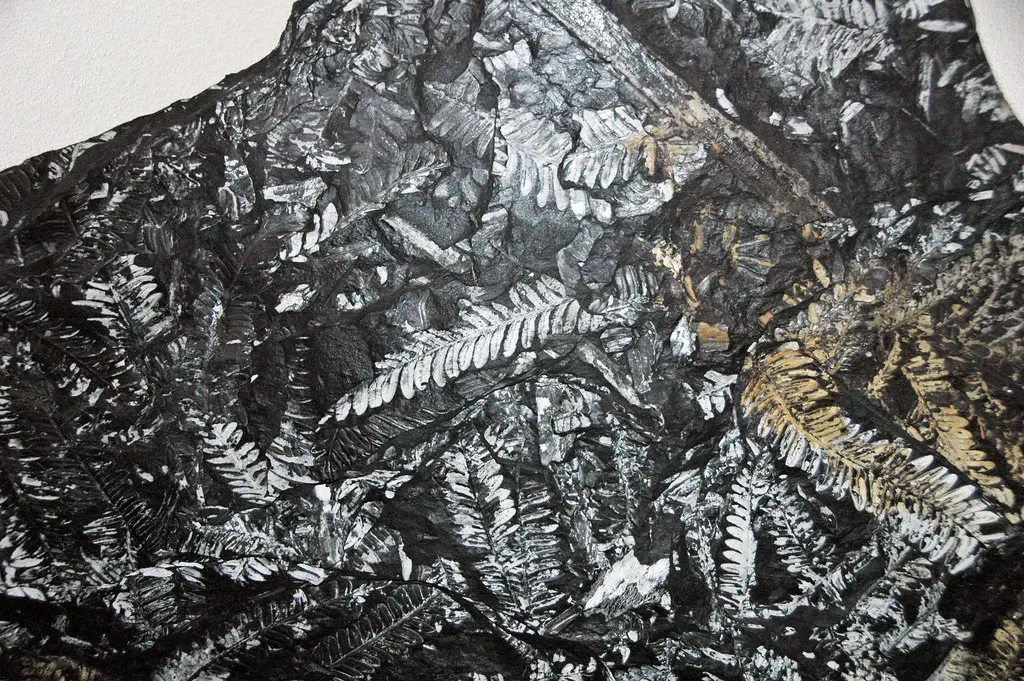
When you think of forests, you probably see pines, oaks, or tropical trees, but ancient forests looked more like something from a science fiction movie. During the Carboniferous period, roughly about three hundred million years ago, you would have walked through dense stands of towering clubmosses and tree ferns, some as tall as a modern multi-story building. These were not true trees in the way you know them today, but giant spore-bearing plants with strange, textured trunks and crowns of fronds.
Under their canopy, the air would have been thick and humid, and the ground crowded with tangled roots, decaying plant matter, and smaller ferns competing for light. You might feel disoriented in such a forest, because there would be no flowers, fruits, or familiar leaves – only layers of fronds, spores, and creeping vines. These plant giants set the stage for the ecosystems of their time, shaping humidity, shade, and habitat in ways that controlled everything from insect diversity to soil chemistry.
4. Coal-Bearing Swamps Were Built by Ancient Plant Litter
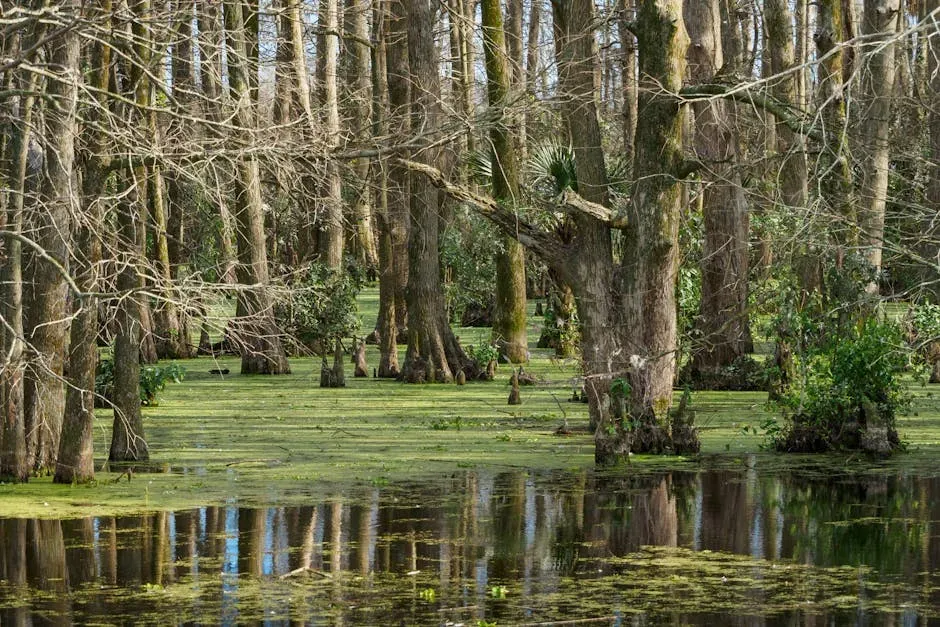
The coal that powers old power plants or sits in geology collections started its life as lush, swampy forests of prehistoric plants. When you look at a chunk of coal, you are basically holding the compressed, chemically altered remains of endless generations of ferns, clubmosses, and other swamp plants that fell into oxygen-poor water and did not fully decay. Over millions of years, layers of that plant debris were buried, heated, and pressed into the coal seams you learn about today.
Those ancient swamps were incredibly productive ecosystems, constantly building new plant material faster than it could rot. Because decomposition was limited in the waterlogged, low-oxygen conditions, much of the carbon that plants pulled from the atmosphere ended up locked underground instead of going back into the air. In other words, prehistoric plants helped remove huge amounts of carbon dioxide, influencing long-term climate, and eventually providing the fossil fuel that modern humans later exploited on a massive scale.
5. Some Early Trees Had Hollow, Spongy Trunks
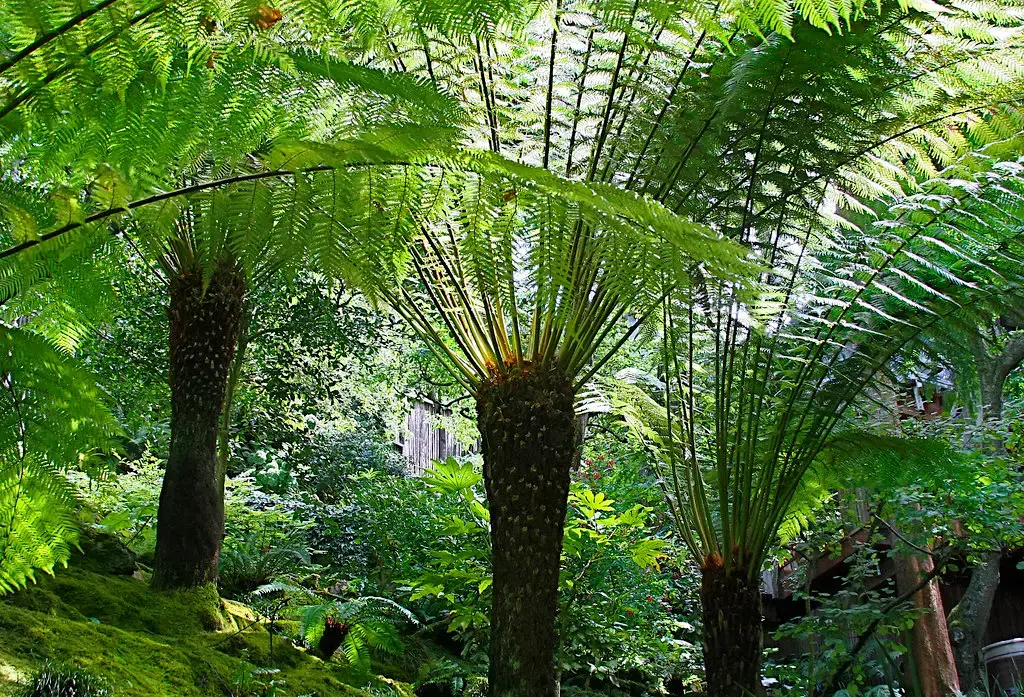
If you leaned against some of the earliest true trees, you might be surprised at how different they felt from a modern oak or maple. Many early tree-like plants, such as some lycopsids and other Paleozoic giants, did not rely on dense wood the way modern trees do. Instead, they often had relatively thin bands of supportive tissue around a large, softer or hollow center, like a botanical version of a lightweight tube rather than a solid pole.
This unusual structure let them grow tall without investing in the thick, heavy wood that later trees developed. The trade-off was that their life cycles and growth patterns likely differed a lot from what you see today – they may have grown quickly, reproduced, and then collapsed or decayed as new generations took their place. When you picture prehistoric forests, you should not imagine just scaled-up versions of modern trees; you’re really looking at experimental architectures that nature later refined and replaced.
6. Plants Helped Create the First True Soils
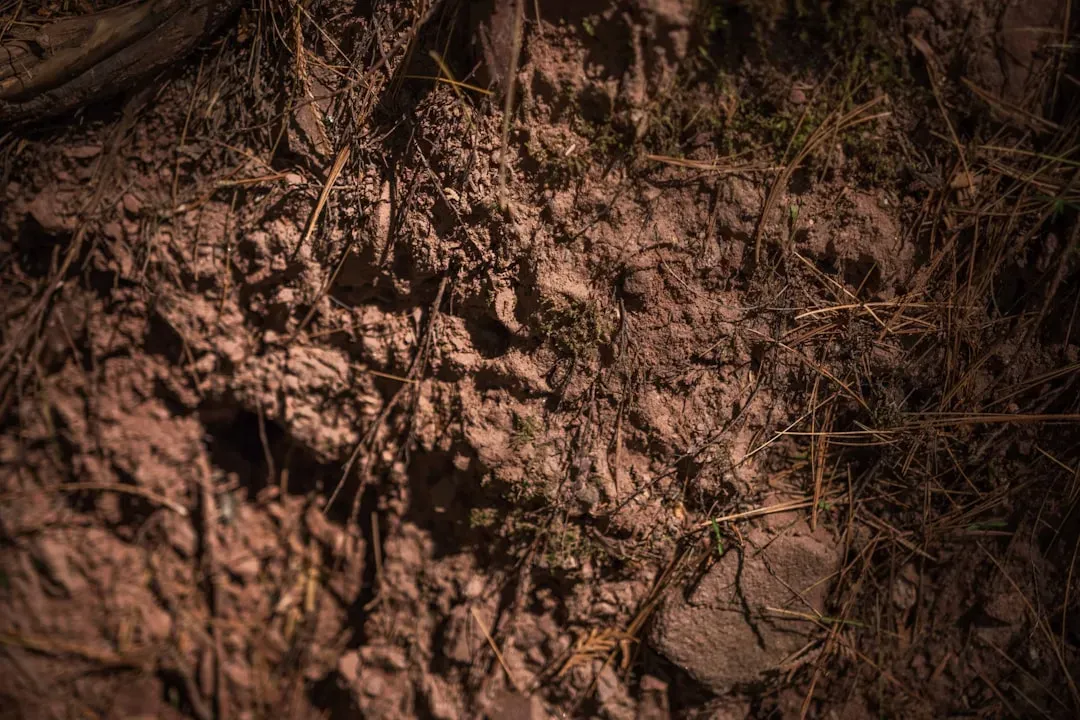
Before plants moved onto land, the ground surface would have looked raw and unstable, more like a mix between a rocky shoreline and a dusty moonscape. You would not have found the deep, rich soils that farmers and gardeners rely on today. Early land plants changed that by sending roots and root-like structures into the ground, breaking up rock, trapping sediments, and mixing dead organic material into the upper layers.
Every time a plant shed tissues or died, it added a little more organic matter to the surface, helping create a dark, nutrient-rich layer where new life could take hold. Over time, fungi, microbes, and burrowing organisms joined in, but plants were at the core of this transformation. By helping to build real soil, prehistoric plants created a stable platform that could support increasingly complex ecosystems, from crawling arthropods to sprawling forests.
7. Ancient Plants Drove Climate Shifts and Even Ice Ages
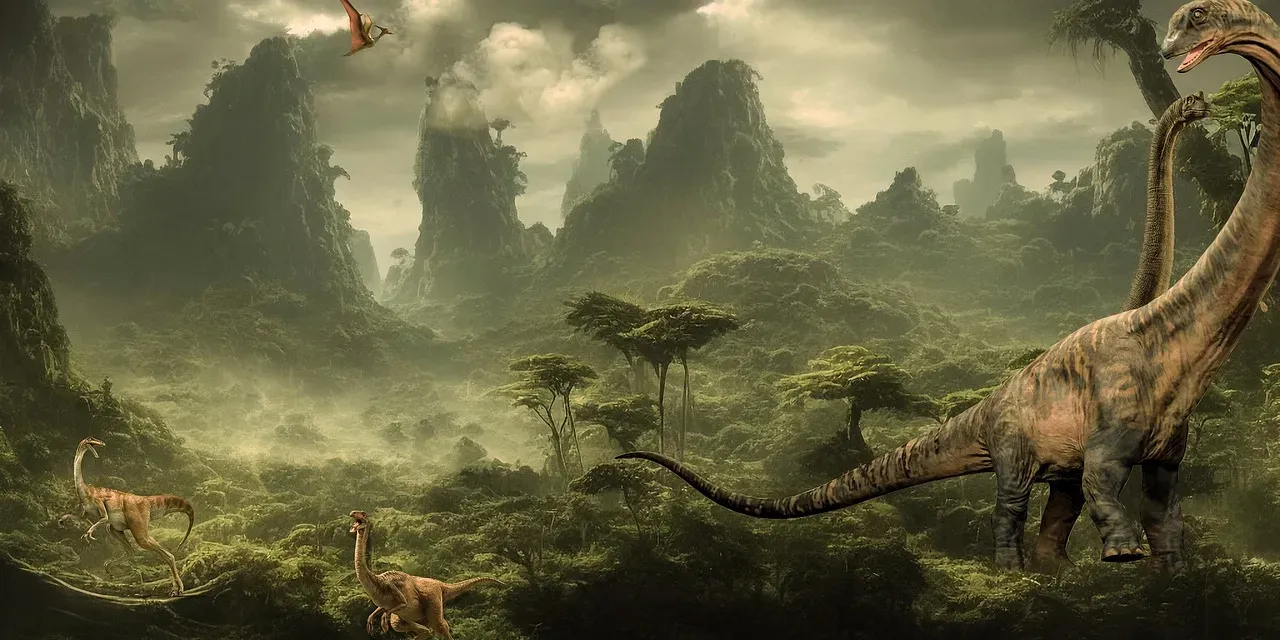
You usually think of climate as something that happens to plants, but in deep time, plants also reshaped the climate itself. As land plants spread and grew, they pulled large amounts of carbon dioxide out of the atmosphere through photosynthesis and then locked some of that carbon away in sediments, especially in those coal-forming swamps. With less carbon dioxide in the air to trap heat, global temperatures could drop, sometimes dramatically.
There is evidence that the explosive spread of vascular land plants in the Paleozoic contributed to long-term cooling and helped tip the planet into major glaciations. In simple terms, if you had watched Earth from space back then, you might have seen ice sheets expanding while forests thickened in other regions. The idea that forests and ferns could help trigger or deepen an ice age is a powerful reminder that plants are not just passive victims of climate – they’re also active players.
8. Seeds Were a Revolutionary Invention in Plant Evolution
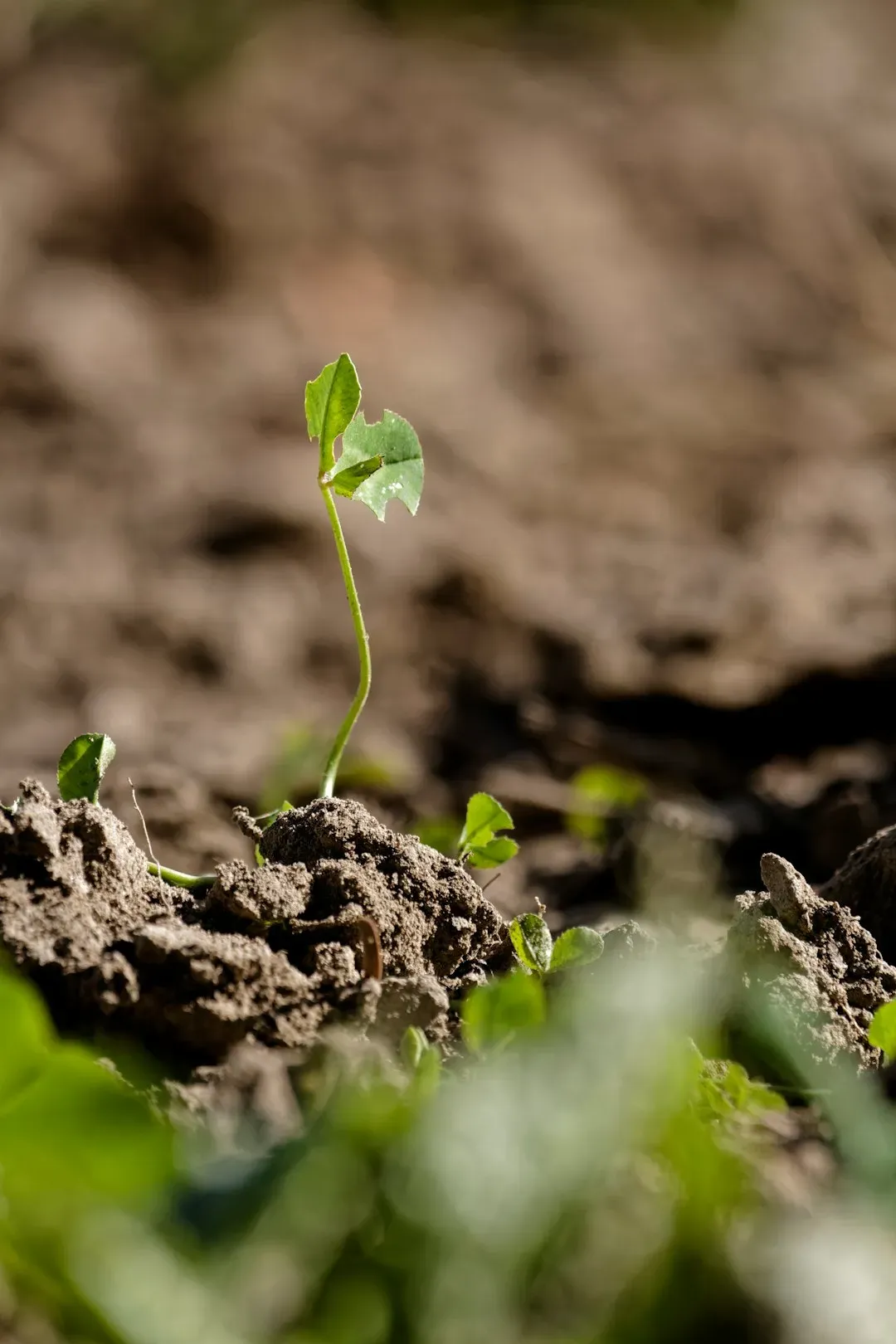
For a long time, prehistoric land plants relied on spores, a strategy that worked but came with big limitations. Spores are delicate, need the right immediate conditions, and usually depend on water for fertilization, which ties plant life closely to moist environments. When seed plants appeared, you suddenly had a way for embryos to travel protected, with a built-in food supply, and survive tougher conditions for longer periods.
As you follow this evolutionary shift, you see how seeds opened up new habitats, from drier uplands to seasonal climates that would have been challenging for spore-based plants. Seed-bearing plants could wait out bad years, ride the wind, or hitch a ride with animals, giving them a huge adaptive edge. That invention, born in prehistoric landscapes, set the stage for everything from ancient conifer forests to the crops you eat today.
9. Gymnosperm Forests Dominated Before Flowering Plants Arrived
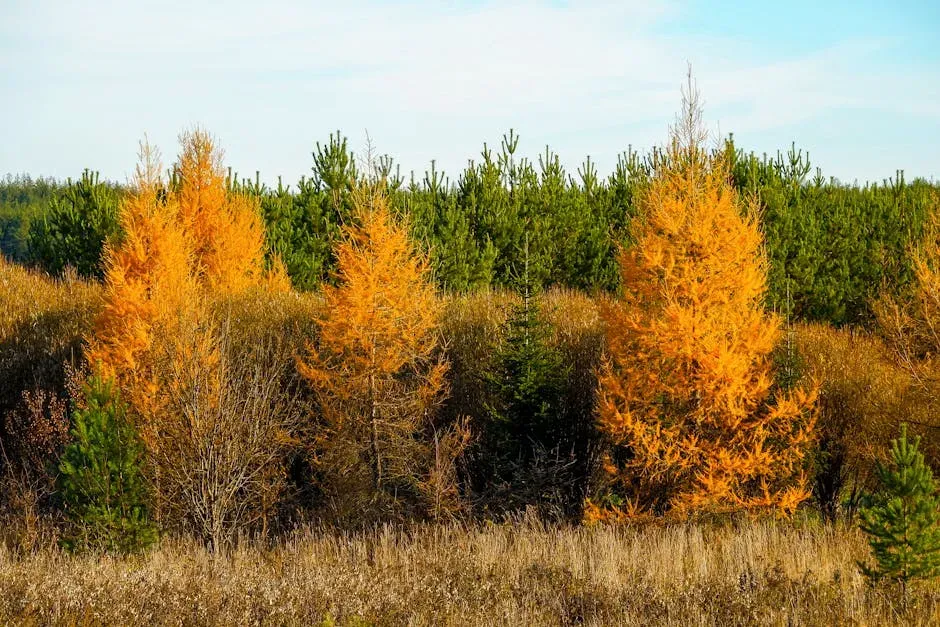
Long before flowering plants painted the world in blossoms and fruits, gymnosperms – seed plants like early conifers, cycads, and ginkgo relatives – ruled many ancient landscapes. If you walked through a Mesozoic forest during the age of dinosaurs, you’d mostly be surrounded by these plants, with their cones, tough leaves, and sometimes palm-like or feathery crowns. You would not see bright flowers or familiar fruit trees; instead, you’d notice a more subdued but still diverse palette of greens and browns.
These gymnosperm forests provided food, shade, and nesting sites for a huge range of animals, including many dinosaurs you recognize from museum displays. They shaped the structure of ecosystems the way modern tropical rainforests or boreal forests do today. When flowering plants finally rose to dominance, they did not step into a blank world – they disrupted and gradually replaced this long-standing gymnosperm empire that had already defined ancient environments for millions of years.
10. Flowering Plants Sparked an Evolutionary Arms Race
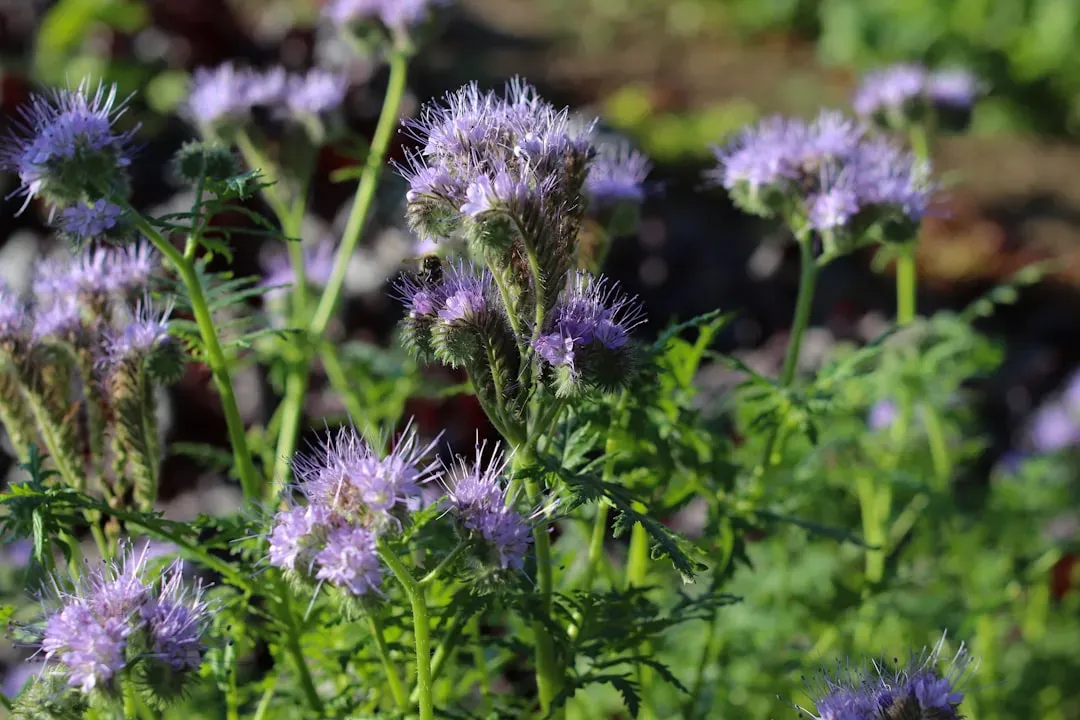
When flowering plants finally emerged and spread, they changed prehistoric ecosystems in a way you can feel even now every time you walk past a blooming garden. Flowers allowed plants to form intricate partnerships with pollinators, offering nectar and pollen in exchange for reliable transport of genetic material. As you look at the fossil record, you see insects and plants seemingly responding to each other, with new forms of mouthparts, colors, and structures arising together.
This coevolution turned ancient ecosystems into arenas of rapid innovation, as plants tried new ways to attract helpers or deter herbivores, and animals adapted to exploit or overcome those defenses. Fruits and seeds became tastier, tougher, or more specialized, drawing in birds, mammals, and reptiles as dispersers. By the time you get close to the modern era, the influence of flowering plants is everywhere, and the ancient world of gymnosperm-dominated forests feels like a very different planet.
11. Some Prehistoric Plants Were Truly Colossal
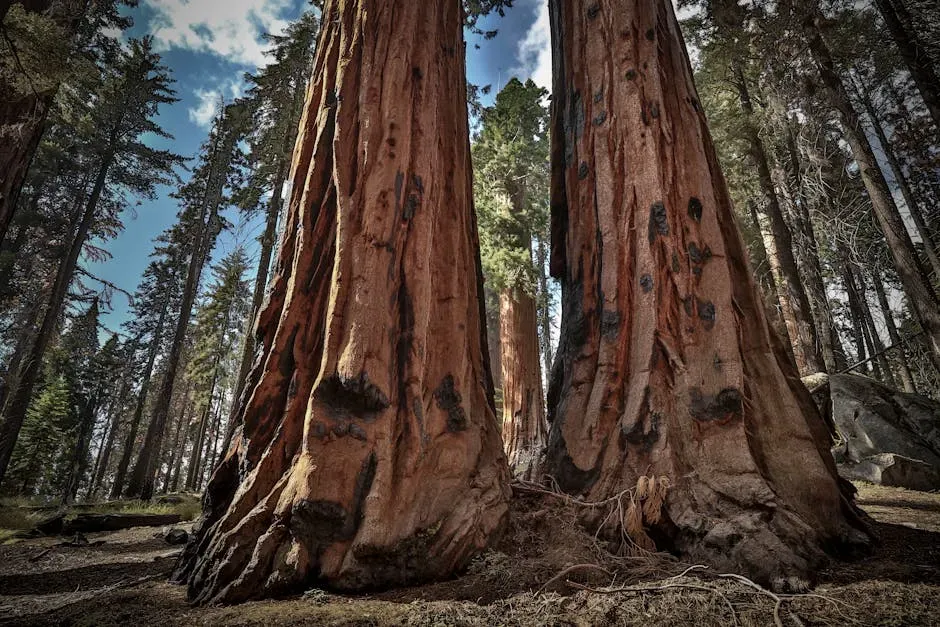
It is easy to let dinosaurs steal the spotlight, but some prehistoric plants were every bit as jaw-dropping. In certain periods, tree-like lycopsids and later massive conifers reached impressive heights, forming towering canopies that would make you feel tiny standing at their base. These giants captured enormous amounts of sunlight and churned out biomass, feeding entire ecosystems through the leaves they dropped, the roots they shed, and the habitats they created.
Being so large also helped them compete for light and disperse spores or seeds over a wider area, reinforcing their dominance. At the same time, their size made them vulnerable to storms, climate shifts, and changes in atmospheric composition. When you imagine an ancient landscape, do not just picture big animals moving under small trees; visualize truly monumental plants shaping wind patterns, sunlight, and the whole three-dimensional structure of those lost forests.
12. Prehistoric Plants Left Chemical and Fossil Clues You Can Still Read
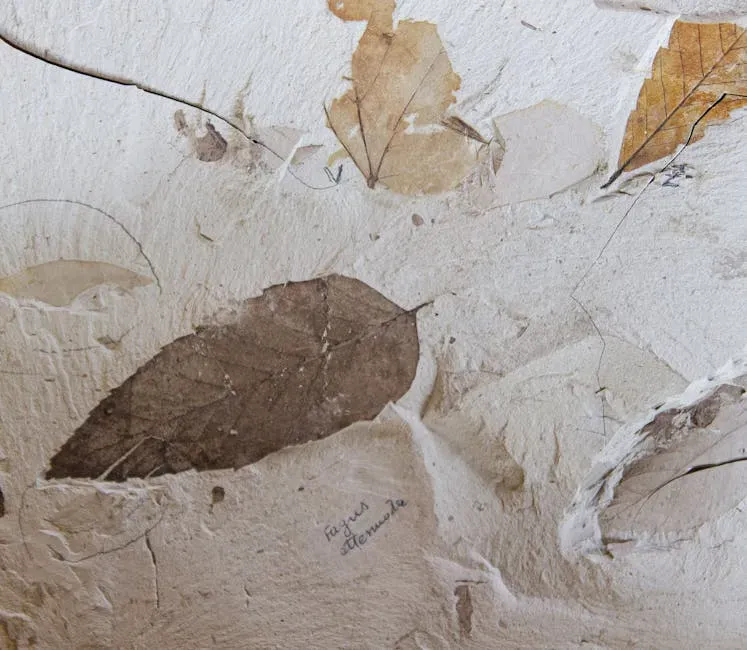
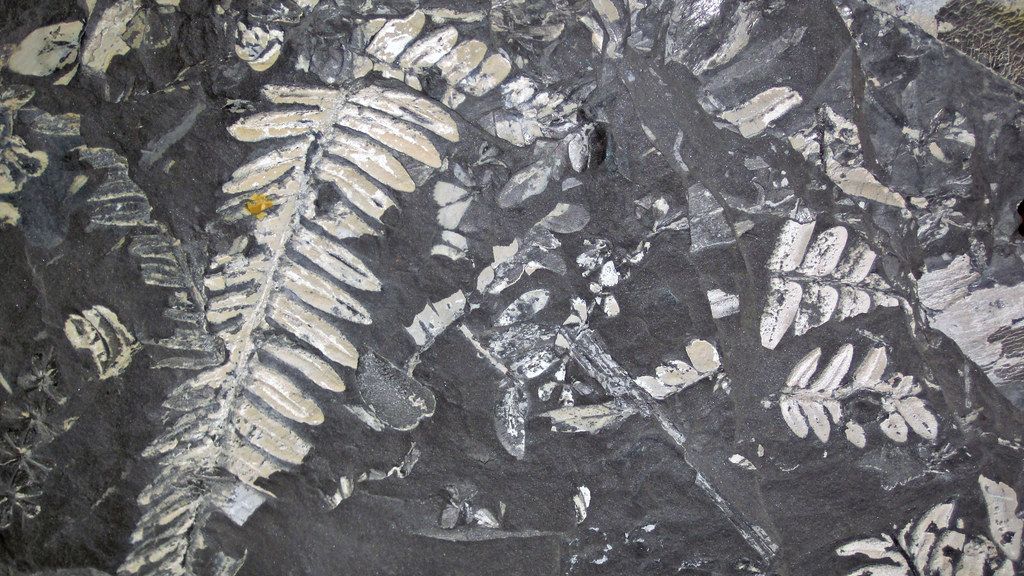
Even though ancient plants vanished millions of years ago, they left behind a surprisingly rich trail of evidence you can still touch, analyze, and interpret. Fossilized leaves, trunks, spores, and even microscopic pollen grains are preserved in rocks all over the world, giving you direct snapshots of prehistoric vegetation. Sometimes you can see details like vein patterns, growth rings, or spore cases, small hints that unlock big stories about climate, seasons, and evolutionary relationships.
Beyond visible fossils, plants left chemical signatures in sediments, such as organic molecules derived from their tissues and the carbon they fixed from the atmosphere. By studying these markers, scientists can reconstruct ancient temperatures, rainfall patterns, and even shifts in oxygen and carbon dioxide. When you look at a thin slice of rock under a microscope or read the output of a chemical analysis, you are essentially listening in on a quiet but detailed conversation that prehistoric plants had with their environment long before humans existed.
Conclusion: Seeing Ancient Ecosystems Through a Green Lens
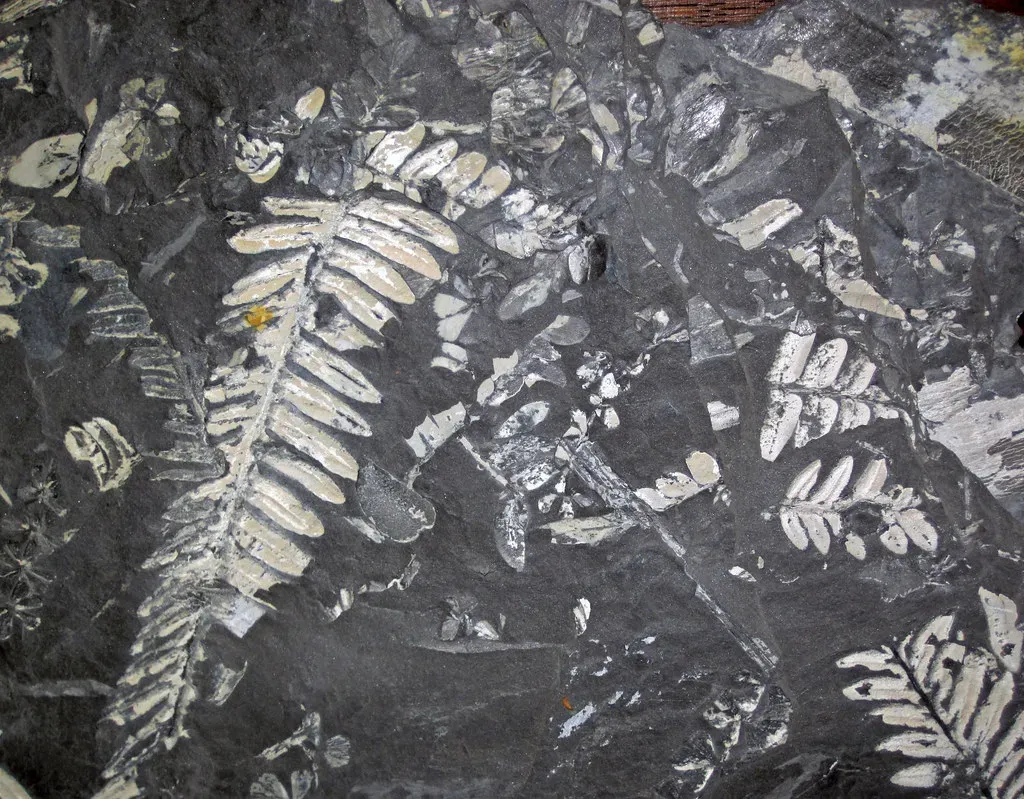
Once you start viewing prehistoric life through the lens of plants, the whole story of ancient Earth feels different. Instead of treating greenery as a static backdrop for dramatic animal scenes, you see it as the main force reshaping air, water, soil, and climate. From the first colonization of land to the rise of seeds and flowers, plants repeatedly took bold evolutionary leaps that opened doors for everything else to walk through.
When you look around at modern forests, gardens, and even the weeds pushing through sidewalk cracks, you are seeing the latest chapter of a saga that began in those strange, fern-filled swamps and spore-filled skies. Your own existence depends on that deep history of oxygen-building, soil-making, climate-shaping plant life. The next time you pass a tree or examine a leaf, it might be worth asking yourself: if this is what plants are doing now, what incredible things were they doing when the world was still young?