When you picture dinosaurs, you probably imagine lone giants stomping across a hostile landscape, each one focused on survival and not much else. But the more scientists dig, the more that image starts to fall apart. Fossils, bonebeds, and even ancient footprints are now hinting that many dinosaurs may have lived rich social lives, full of cooperation, communication, and maybe even emotional bonds you would recognize from animals today.
You are living in a time when the stereotype of the mindless, roaring dinosaur is being quietly dismantled. Instead, you are seeing a picture emerge of animals that sometimes raised young together, migrated in groups, formed long-term associations, and possibly protected one another. The evidence is not perfect and doubts remain, but the trend is clear: the social world of dinosaurs may have been far more complex than you were ever told as a kid.
Fossil Herds: When Dinosaurs Died Together, Not Alone
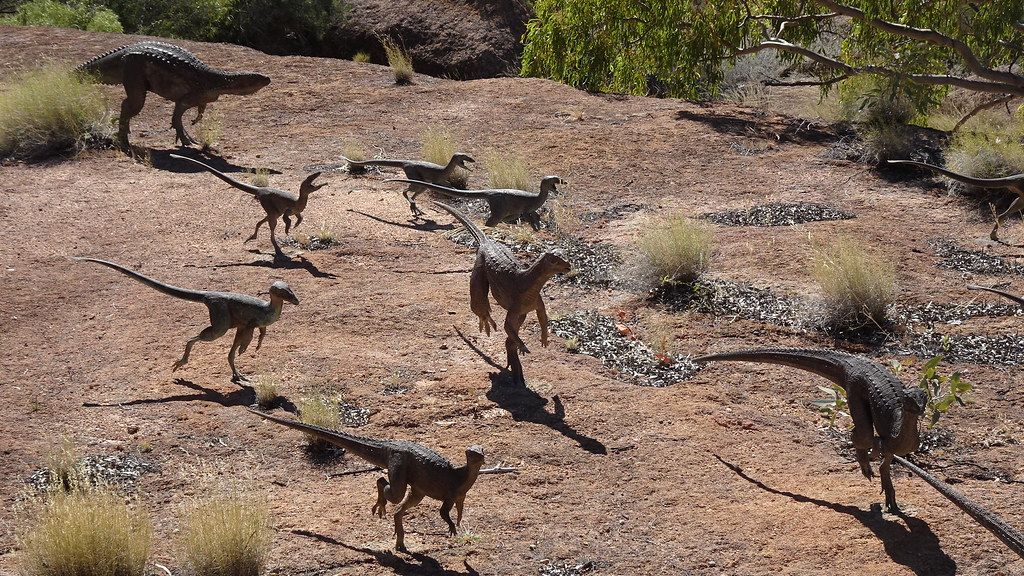
One of the strongest hints that dinosaurs were social comes from fossil sites where many individuals from the same species were buried together. When you find dozens or even hundreds of dinosaurs preserved in one place, all from different ages, it starts to look less like coincidence and more like a herd that lived and died as a group. These mass bonebeds suggest that at least some species moved together, fed together, and faced danger side by side, much like you see in herds of wildebeest or bison today.
Of course, you could argue that water currents or volcanic events simply dragged bodies into the same spot, and in a few cases that might be true. But when you repeatedly see similar-age animals, similar growth stages, and clear signs they were alive in the same area, the pattern is hard to ignore. You are looking at evidence that certain dinosaurs did not just occasionally cross paths; they likely organized themselves into stable groups, with individuals playing different roles depending on age and size.
Nesting Grounds and Family Care: Parenting, Dinosaur-Style
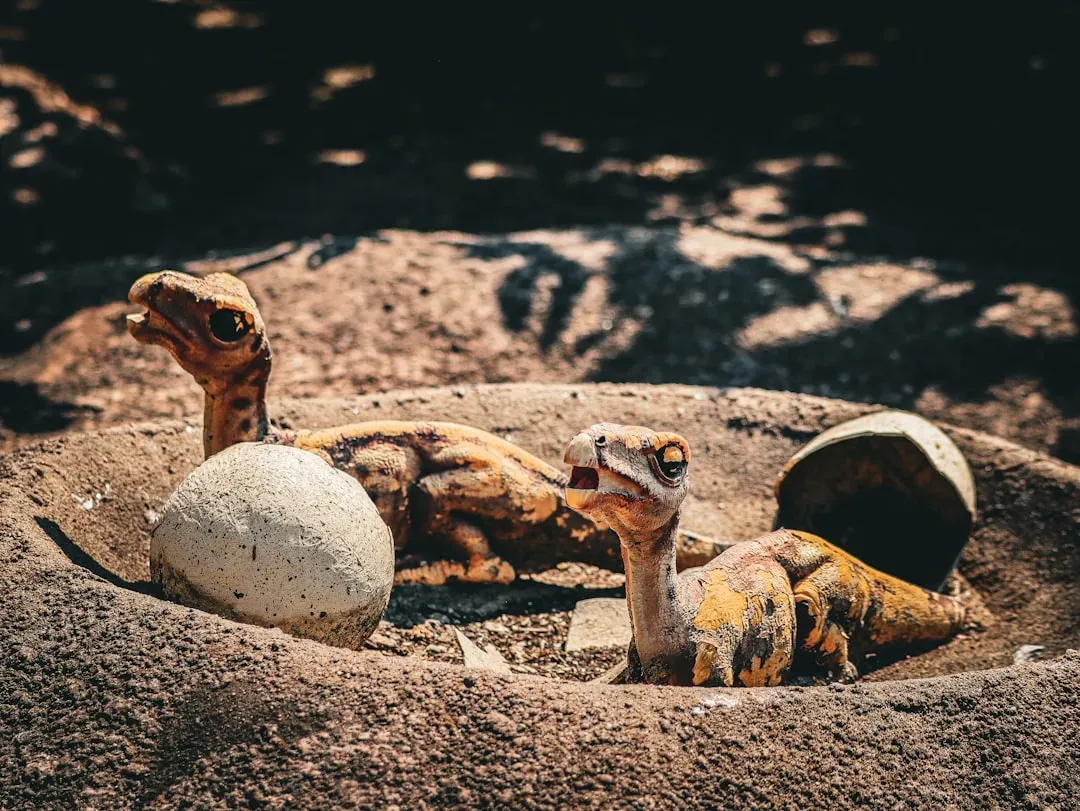
If you have ever watched birds fiercely defend their nests, it might surprise you to know that similar behavior is now suspected in some dinosaurs. Large nesting grounds have been discovered where many dinosaurs built their nests in the same area, layer after layer. When you see carefully arranged eggs, repeated use of nesting sites, and fossils of young found near adults, it points toward coordinated breeding grounds and at least some level of parental care.
In some cases, juvenile dinosaurs are found preserved together, separate from adults, suggesting that young may have stayed near the nesting area and possibly learned to survive as a group. You are not just talking about mindless reptiles dropping eggs and walking away; the fossil record hints that some dinosaurs invested time and energy into raising their offspring. While scientists are still cautious about exactly how elaborate this care was, the overall trend pushes you away from the idea of purely solitary, indifferent parents and toward something much more involved.
Trackways That Tell a Story of Group Movement
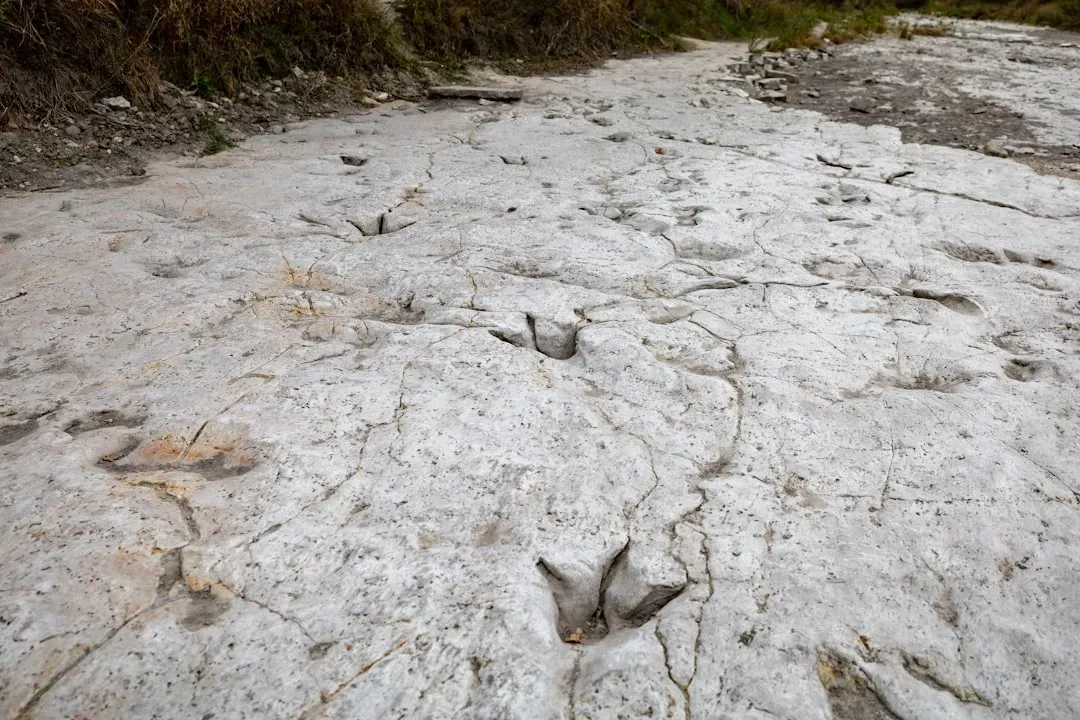
Sometimes the most powerful evidence comes not from bones, but from footprints. Dinosaur trackways – long lines of preserved prints – let you see a moment frozen in time, and they can be surprisingly revealing. When you see multiple trackways moving in the same direction, at similar speeds, and with individuals of different sizes, you are probably looking at a group on the move rather than random animals wandering alone.
Some trackway sites show smaller individuals walking alongside larger ones, keeping pace as if they were part of a coordinated herd or family unit. For you, that suggests not only that dinosaurs traveled together, but that they may have adjusted their speed to stay in sync, just as human groups naturally do. The ground beneath their feet becomes a kind of ancient snapshot of social behavior, hinting at migration, coordinated travel, and possibly even protective positioning of younger animals within the group.
Evidence of Age Structure: Elders, Adults, and Young Together
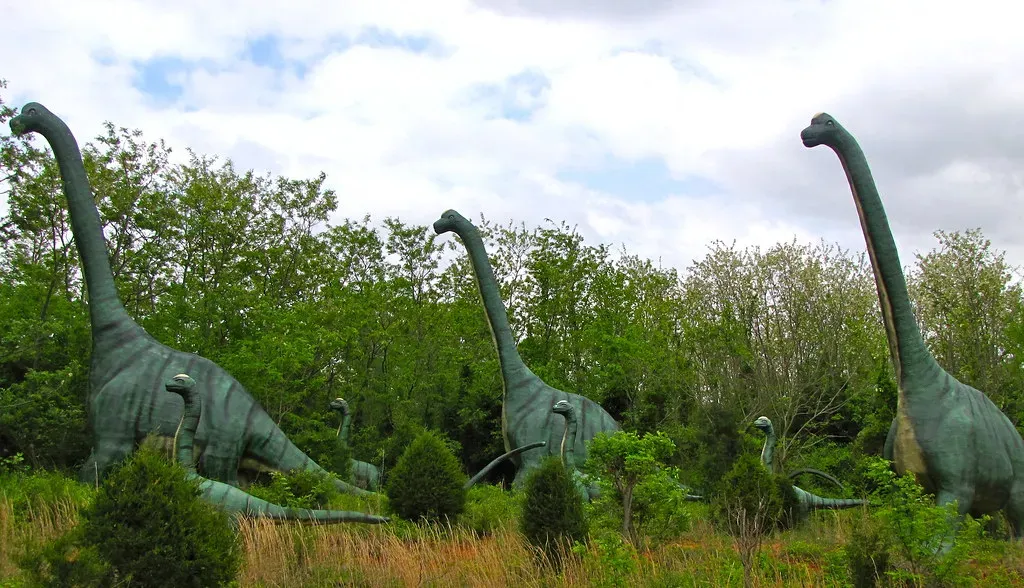
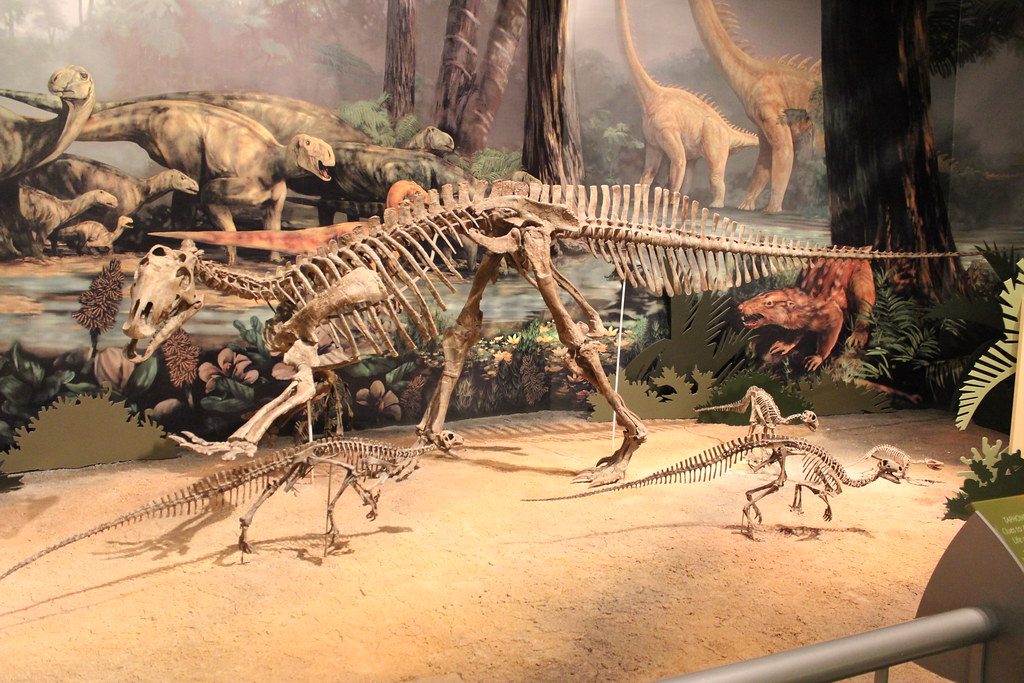
When you hear that a fossil site has individuals from many age groups – hatchlings, juveniles, subadults, and fully grown adults – it should make you think about social structure. In many modern animals, especially herd-living ones, you see mixed-age groups where older individuals provide protection, guidance, or simply experience. Similar age structures are now turning up in several dinosaur species, suggesting that they lived in more than just scattered pairs or solitary adults.
For you, that means you can reasonably picture certain dinosaurs not as isolated creatures but as communities. Youngsters may have relied on older, larger members for safety, learning where to feed, when to move, and how to respond to danger. Scientists are careful about not overstating what this means, but mixed-age fossil groups give you a solid foundation for imagining social frameworks that went beyond temporary gatherings at waterholes or feeding sites.
Signals, Sounds, and Displays: How Dinosaurs May Have Communicated
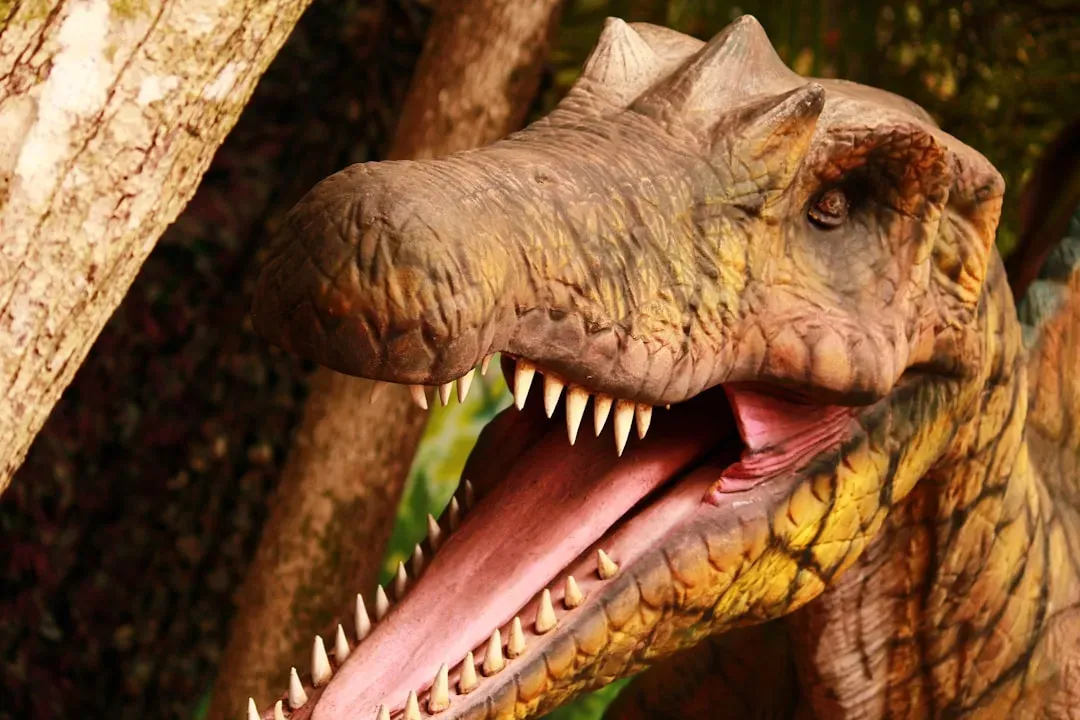
You cannot watch a living dinosaur, but you can infer a lot from their skulls, crests, horns, and other body structures. Some dinosaurs had elaborate head crests, frills, or bony ornaments that look suspiciously like they were made to be seen, not just to bite or run. When you see animals with that kind of visual flair, it often signals communication: recognition of group members, attracting mates, or intimidating rivals without constant fighting.
Some skull structures could also have helped amplify sounds, a bit like built-in musical instruments. You might imagine deep calls echoing across ancient floodplains, helping individuals keep in touch with the rest of the herd. While researchers are still cautious about exactly what these animals sounded like or how subtle their signals were, the physical features you see hint that many dinosaurs were not silent or visually bland. Instead, they likely used a mix of body language, color patterns, and vocalizations to navigate a complex social world.
Cooperation and Conflict: Living Together Is Never Simple
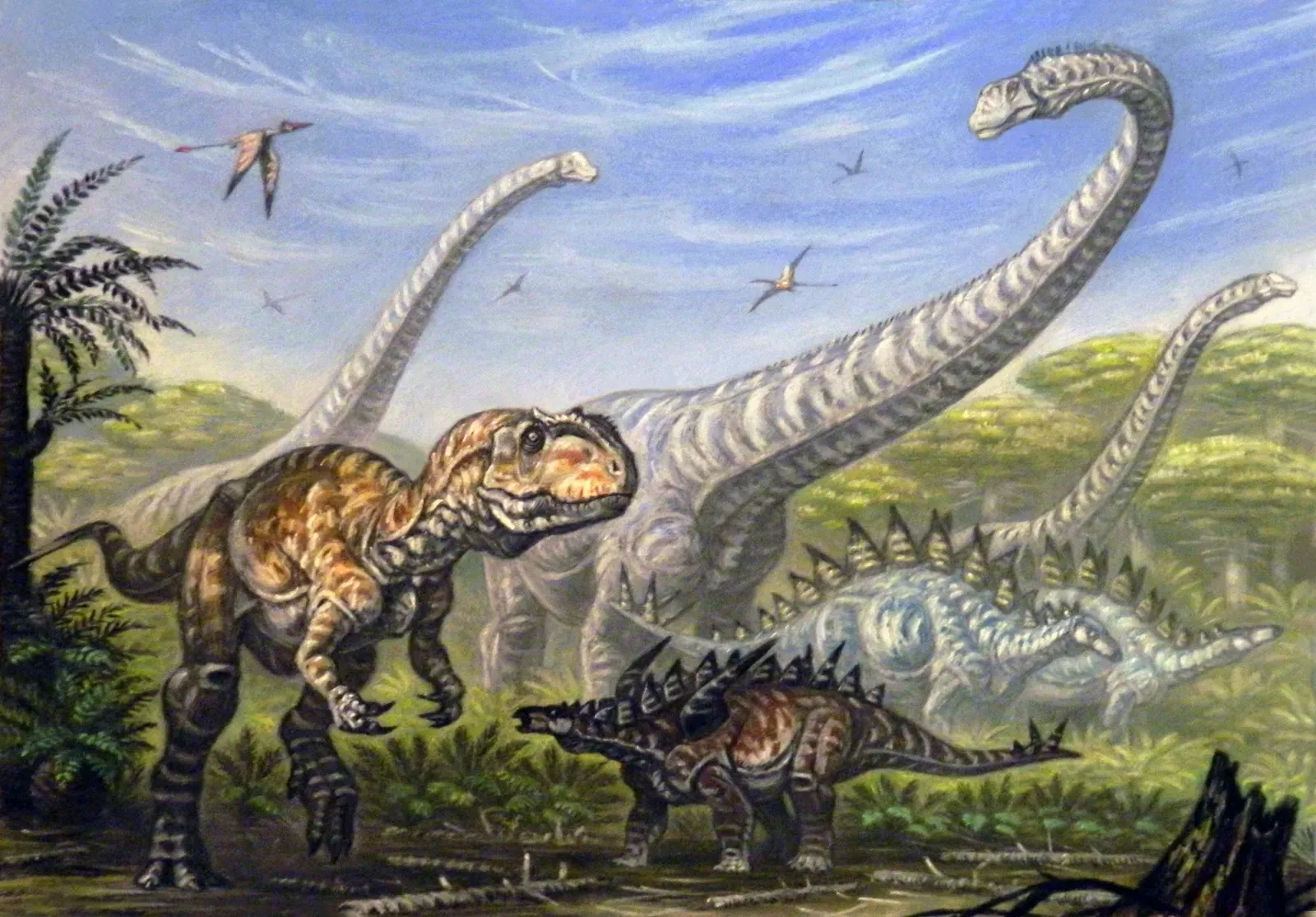
Any time you have animals living in groups, you get a mix of cooperation and conflict, and dinosaurs were almost certainly no different. Fossil evidence of healed injuries suggests that some individuals survived serious trauma, which in a social group might have been easier with the protection of others. You can imagine injured dinosaurs staying with the herd, benefiting from collective awareness of predators or from shared movement patterns that made them less vulnerable.
On the other hand, social living also brings competition for mates, food, and rank, and some injuries could have come from fights between members of the same species. You might picture horned dinosaurs locking horns or large theropods intimidating each other with displays rather than always resorting to lethal attacks. The key for you is to see dinosaur social life as dynamic and messy, much like modern animal societies, full of alliances, rivalries, wins, and losses that played out over years, not just moments.
What Scientists Still Do Not Know (And Why That Matters to You)
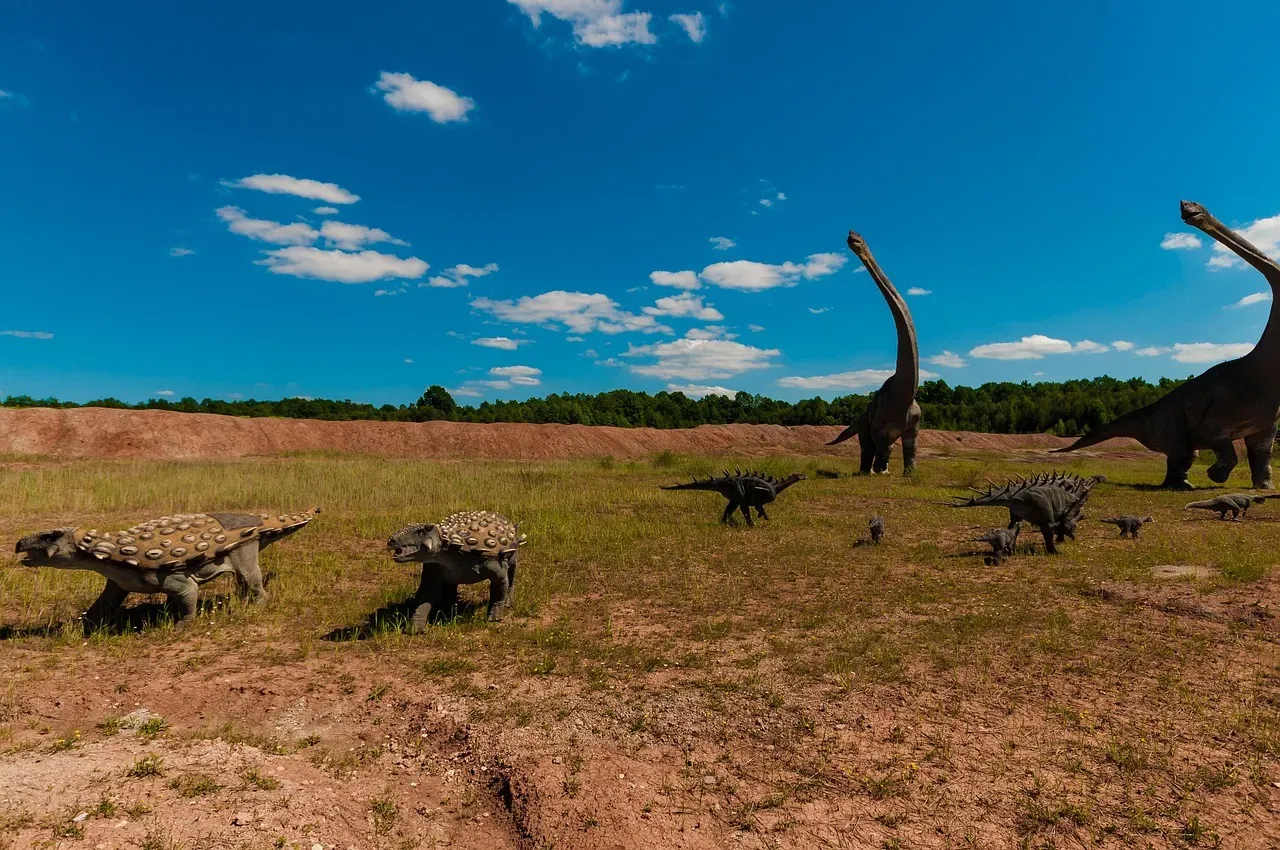
Even with all this evidence, scientists are quick to admit that much about dinosaur social behavior is still uncertain. You cannot watch video footage, you cannot interview witnesses, and you are always piecing together behavior from bones, footprints, and rare traces. That means you need to treat the more dramatic claims – like lifelong monogamous pairs or extremely complex communication systems – with caution unless there is strong, consistent evidence.
For you, the exciting part is that the broad picture is shifting even if many specifics remain fuzzy. You can safely say that at least some dinosaurs lived in groups, some cared for their young, and some relied on visual and perhaps vocal signals to interact with each other. Beyond that, you are in the realm of careful inference rather than certainty, which is exactly where your imagination can work, guided but not controlled by the data. Understanding this balance helps you appreciate both the wonder and the limits of what science can currently tell you about dinosaur social lives.
Conclusion: Rethinking Dinosaurs as Social Animals
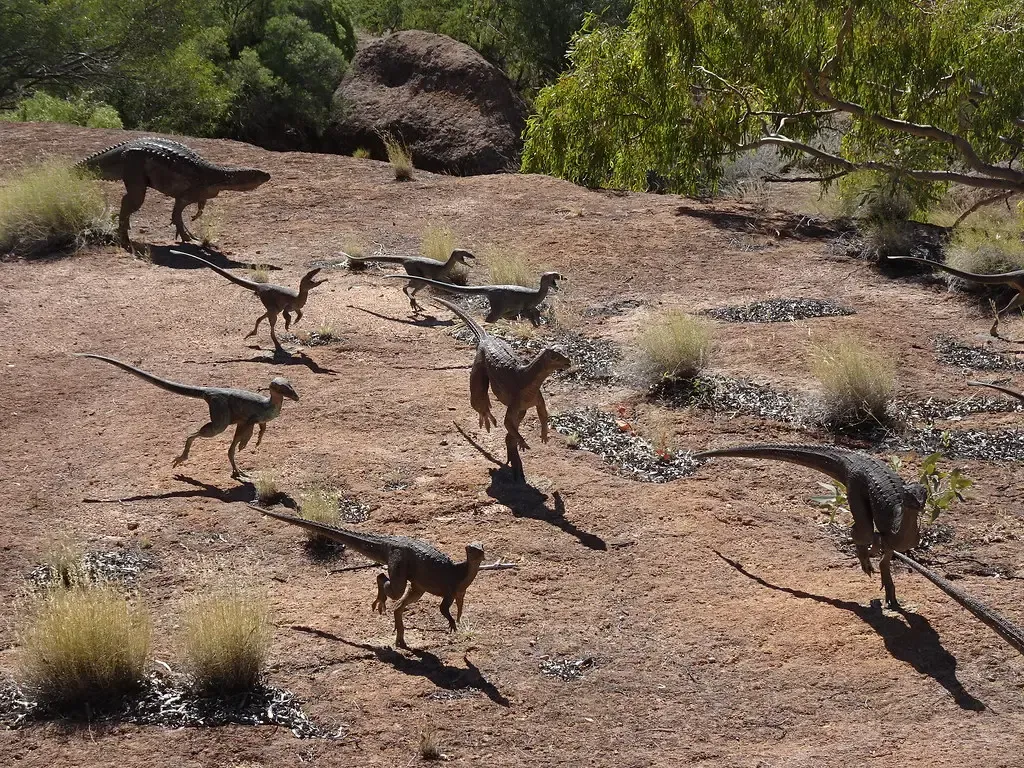
When you put all the pieces together – mass bonebeds, nesting grounds, trackways, age-structured groups, and those dramatic crests and horns – you get a powerful suggestion that many dinosaurs lived in societies rather than in isolation. You are no longer restricted to picturing them as cold, unthinking monsters; you can just as reasonably see them as herd members, parents, rivals, and maybe even long-term companions with familiar patterns of cooperation and conflict. That shift does not turn dinosaurs into storybook characters, but it does make them feel more like real animals with complex lives.
As new fossils are found and new technologies are applied, you can expect the picture of dinosaur social behavior to keep evolving. Some ideas will be confirmed, others will be replaced, and you will probably be surprised more than once by what turns up in the rocks. For now, you can walk away with this: the age of dinosaurs was not just an age of tooth and claw, but also an age of relationships, groups, and social strategies. When you think about that, does the prehistoric world suddenly feel a little more familiar than you ever expected?