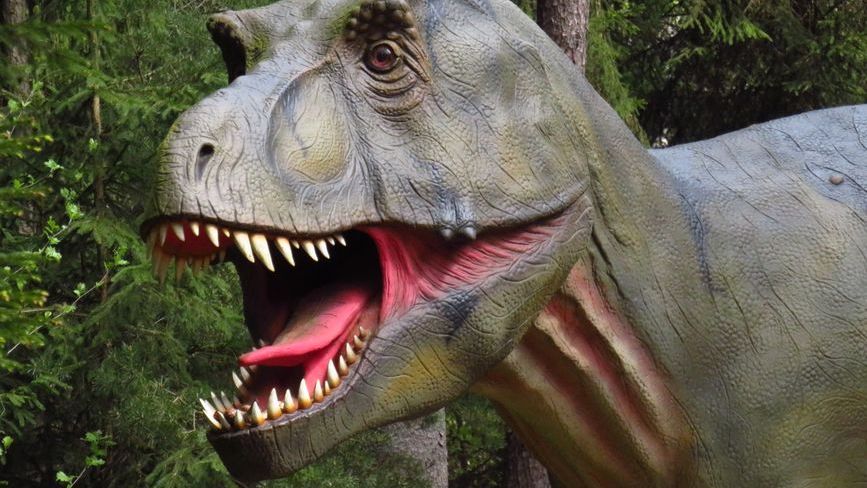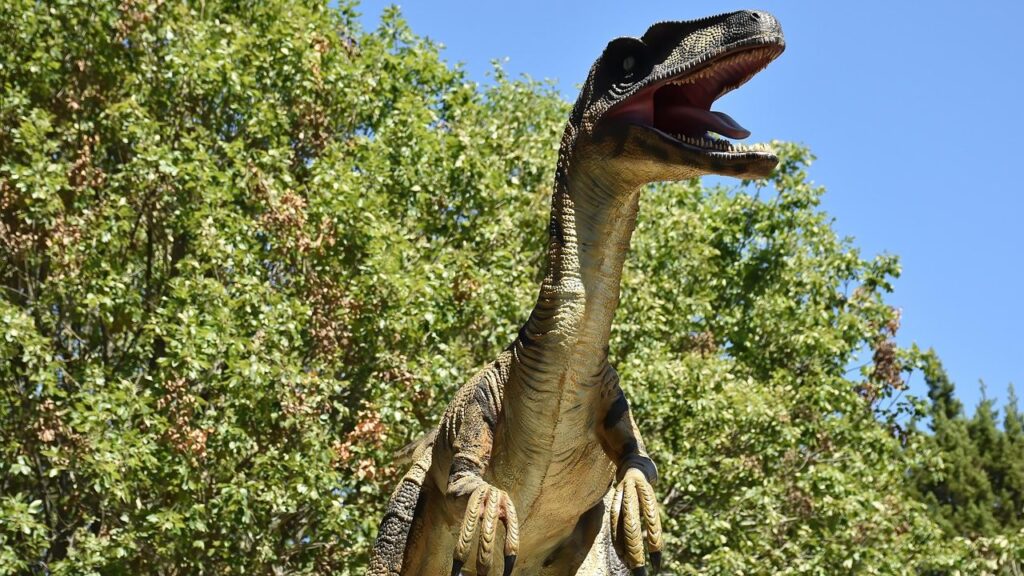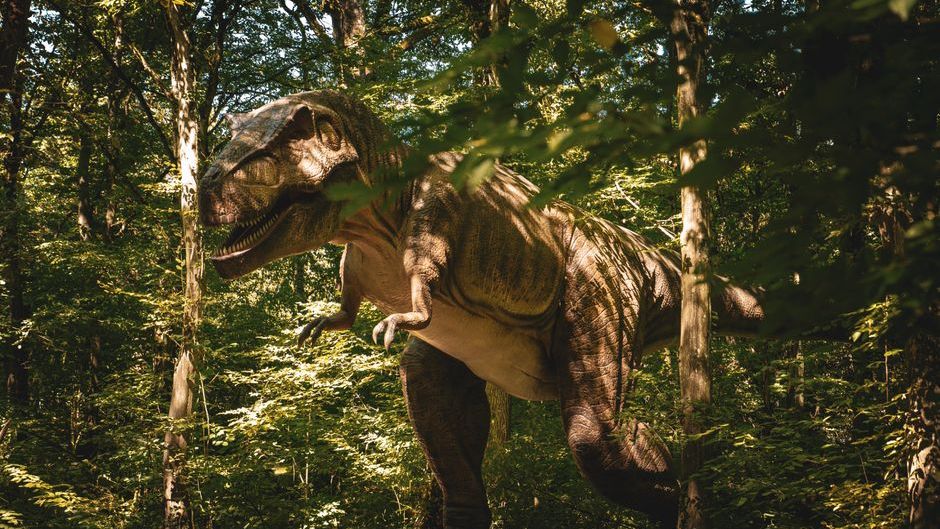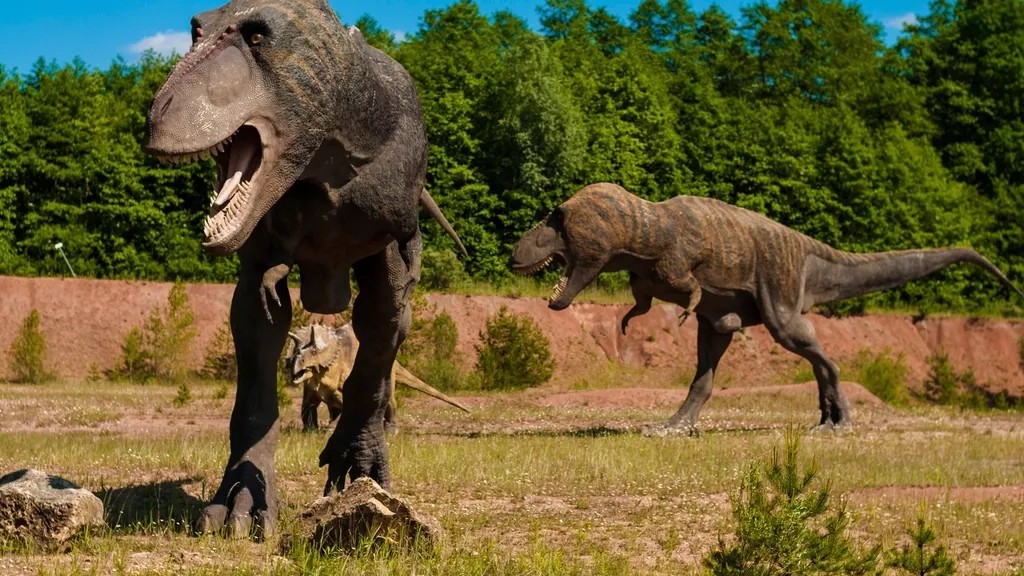
Picture the T. rex you grew up with: a lone, roaring monster crashing through the jungle, all jaw and no brain, existing purely to chase and crush. That version is everywhere, from museum dioramas to blockbuster reboots. It’s also, according to the bones themselves, almost entirely wrong.
Fossil evidence pulled from growth rings, foot bones, healed wounds, and even smell-detecting genes tells a stranger and far more interesting story. This animal aged slowly, moved with a bird’s efficiency, may have traveled with its own kind, and possibly outthought its prey. Here’s what 12 lines of hard evidence reveal that the documentaries still haven’t caught up with.
#1 – It Kept Growing Until Roughly Age 40
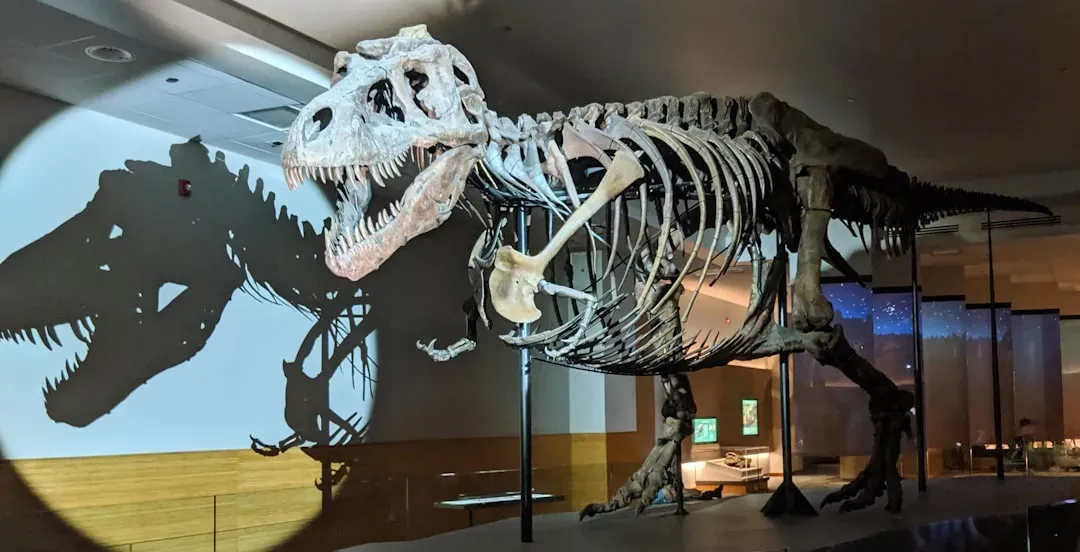
Most reconstructions assume a T. rex hit full size by its mid-twenties and then just maintained that bulk. A recent analysis of 17 specimens blows that timeline apart. Growth actually continued gradually for close to 40 years before an individual reached its maximum size, somewhere near eight tons.
The pace wasn’t steady, either. Resource availability seems to have driven yearly growth spurts, meaning some animals paused development entirely during lean stretches and picked back up when food returned. That also means many “teenage” fossils used for decades to model T. rex behavior were actually far younger than paleontologists assumed. The growth curves were flatter and more erratic than any prior estimate ever suggested. That single correction reshapes how scientists read bite marks, trackways, and social groupings across the entire fossil record. But that’s nothing compared to what we found about #2.
Fast Facts
- Growth study drew on 17 separate T. rex specimens
- Full size wasn’t reached until close to 40 years old
- Maximum weight settled around eight tons
- Growth stalled or surged depending on yearly food supply
#2 – Its Feet Worked Like a Modern Bird’s
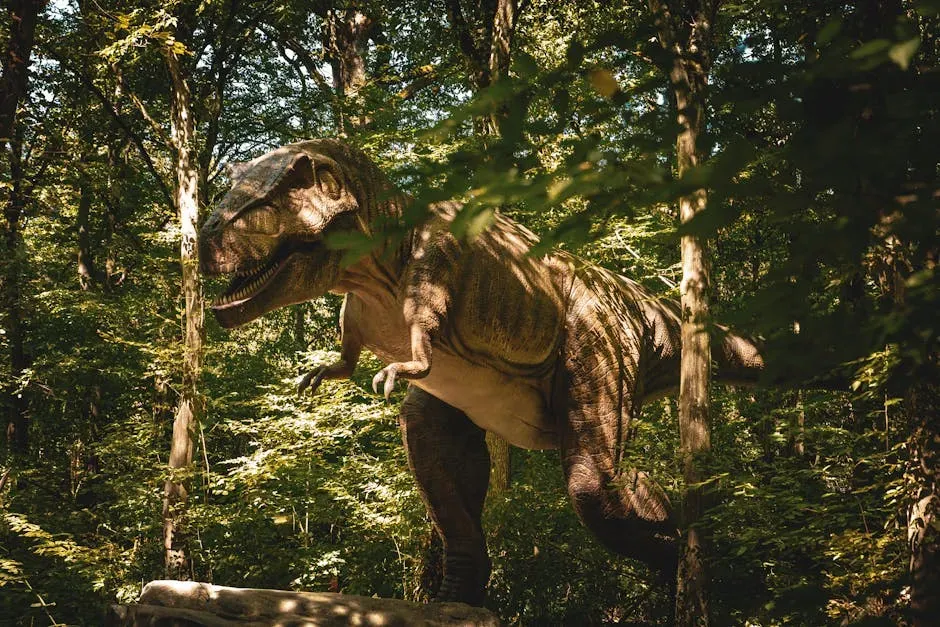
Forget the lumbering, crocodile-legged giant from old textbook illustrations. New statistical models built on foot bone proportions reveal a gait built for higher stride frequency, shorter steps, and surprisingly efficient speed, closer to how a heron or ostrich moves than how a reptile drags itself forward.
The pes bones show clear adaptations for quick, energy-conserving steps rather than heavy plodding. That means a T. rex could cover long distances without burning through calories the way a sprint would demand, while still having the mechanics to pivot fast during a close encounter. Multiple independent models, built from different datasets, landed on the same answer. This animal could out-pace many of the herbivores sharing its world without ever breaking into a true run. But that’s nothing compared to what we found about #3.
#3 – Its Sense of Smell Rivaled a House Cat’s
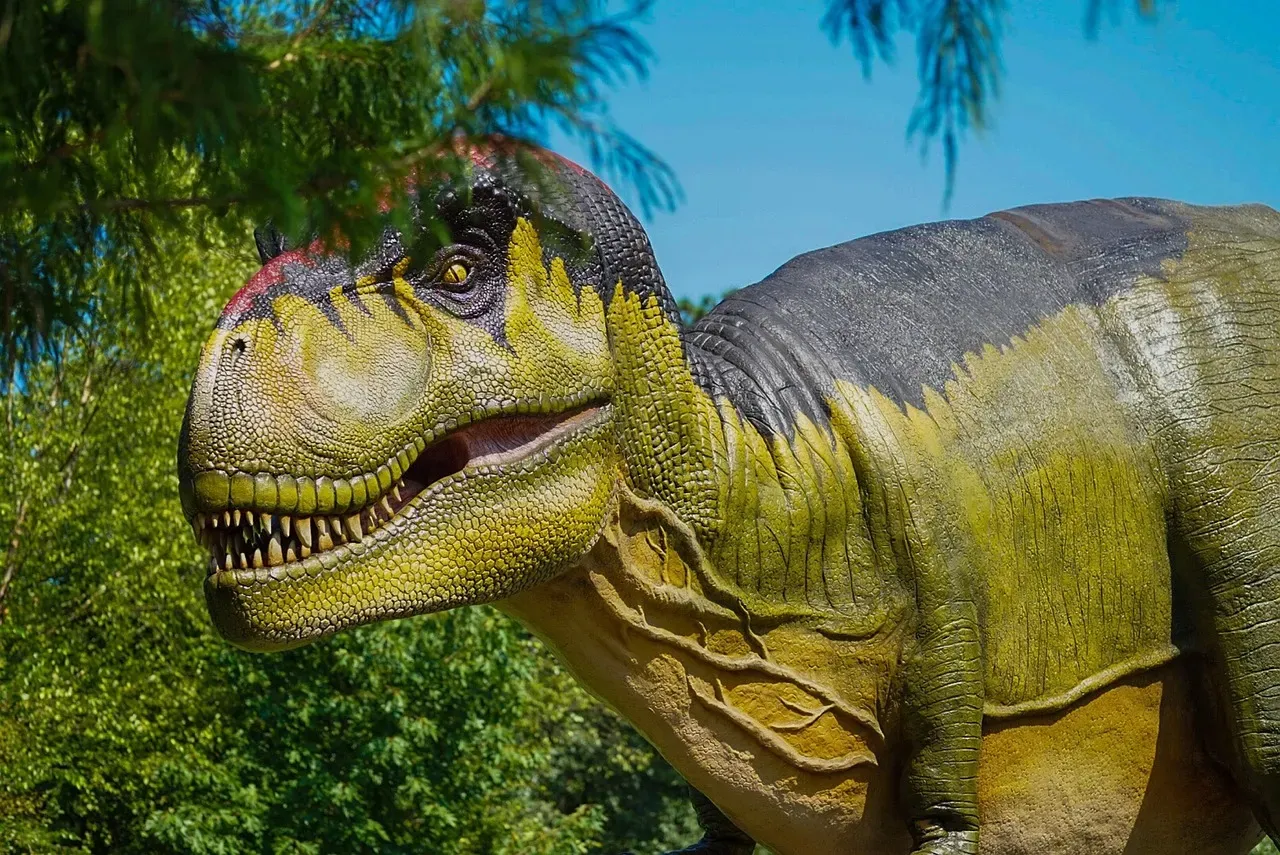
Everyone knew T. rex had oversized olfactory bulbs. What’s newer, and stranger, is that its olfactory receptor gene count approaches what’s found in a domestic cat, an animal whose entire hunting strategy leans on scent.
That’s a serious upgrade from “good nose for finding carcasses.” A scent system this developed likely helped track live, moving prey across huge territories, locate potential mates, and steer clear of rival tyrannosaurs before ever laying eyes on them. This places T. rex among the most smell-driven large predators known from the entire Mesozoic era. That single sense may have shaped everything from how far it roamed to how it planned an ambush. But that’s nothing compared to what we found about #4.
#4 – It Hunted Live Prey and Sometimes Failed
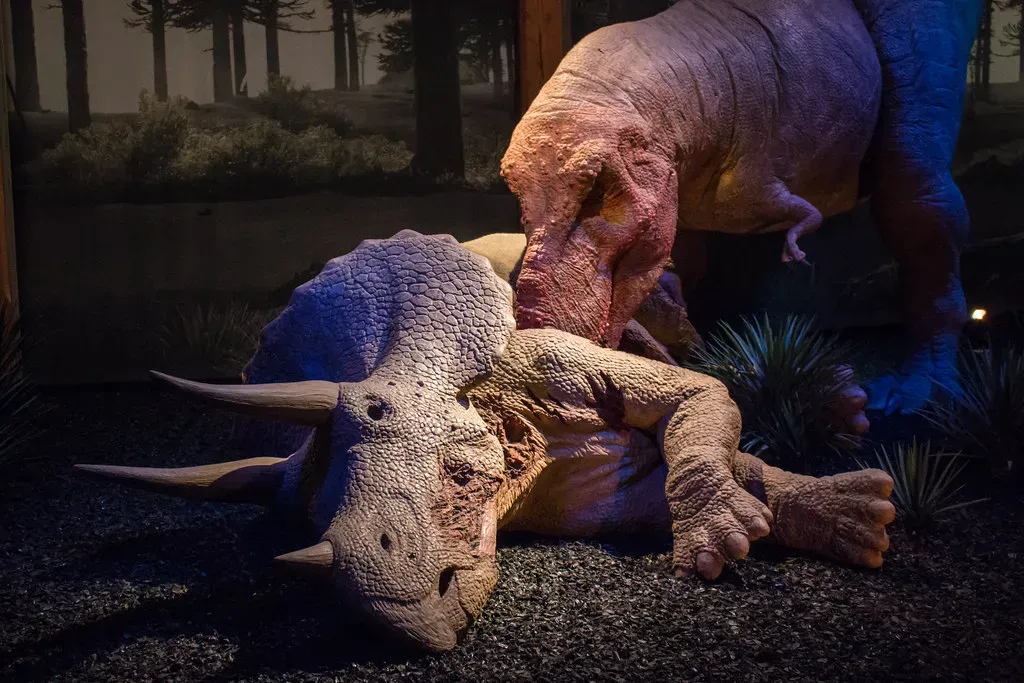
One fossil settles a debate that’s dragged on for decades. A hadrosaur tail vertebra was found with an embedded T. rex tooth crown, surrounded by bone that had already started healing. That healing is the smoking gun: it proves the animal was bitten while still alive, not scavenged after death.
This is direct, physical proof of an active hunt gone wrong, not a clean kill, not a scavenged corpse, but a real chase that ended with the prey escaping, wounded but breathing. The healed bone proves T. rex attacked living animals and sometimes lost its grip or got shaken off entirely. Encounters like that would have shaped exactly where and how hard this predator learned to bite. But that’s nothing compared to what we found about #5.
#5 – Multiple T. Rex Individuals Shared the Same Turf
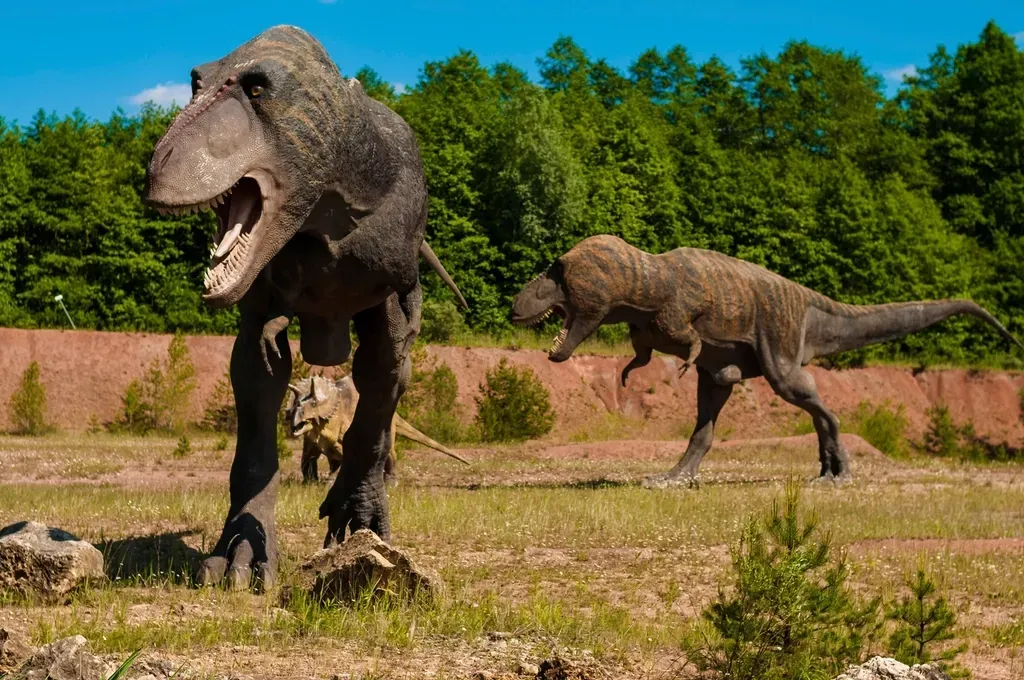
Bone beds containing several tyrannosaurs of different ages have turned up in more than one rock formation, and that’s hard to explain away as coincidence. Add in trackways showing multiple individuals moving through the same space, and a picture starts forming of animals that crossed paths far more often than a strictly solitary predator should.
The mixed sizes within these groupings matter too. If these were random death assemblages, you’d expect more uniformity. Instead, the pattern looks like actual mixed-age association. These groupings show up more often than pure chance would predict. That opens the door to at least seasonal tolerance, or something closer to loose cooperation, among animals long assumed to hate each other on sight. But that’s nothing compared to what we found about #6.
#6 – Juveniles Were Covered in Downy Feathers
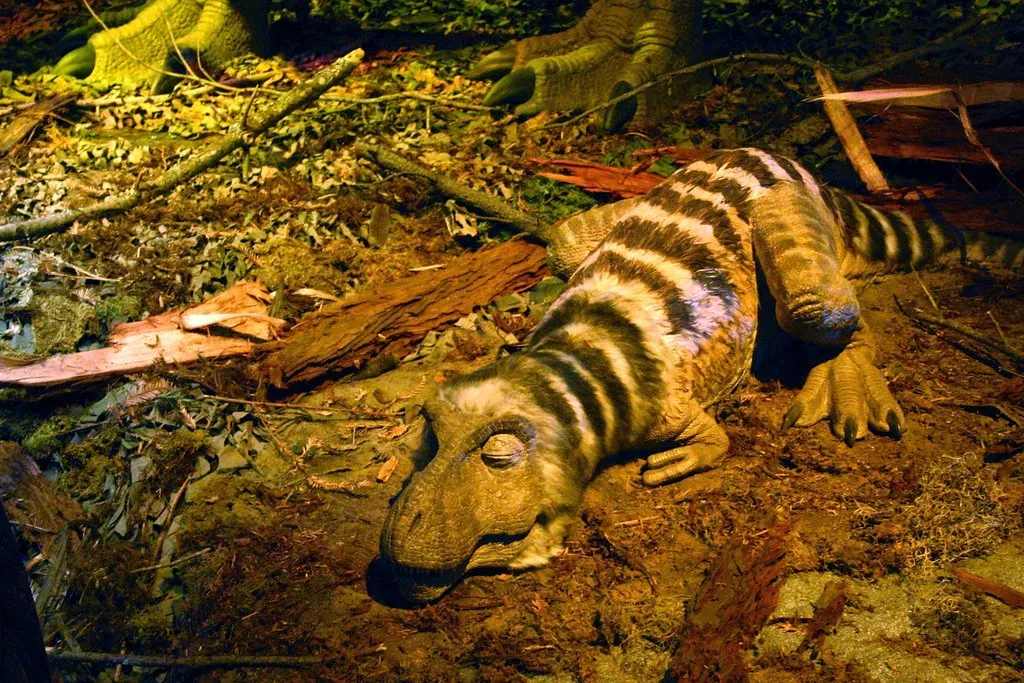
The image of a scaly, reptilian hatchling doesn’t hold up. Young T. rex specimens preserve clear evidence of filamentous, feather-like coverings, the kind of fluffy insulation a small-bodied animal needs before it has the mass to hold onto its own body heat.
This fits neatly into what’s known about the wider theropod family tree, where feathers show up again and again in juveniles regardless of what the adults eventually looked like. As body size increased, the need for that insulation likely dropped away. The fluffy phase lasted long enough that even subadults probably still carried visible filaments. A young, feathered T. rex standing next to a fully grown adult would have looked like two entirely different animals. But that’s nothing compared to what we found about #7.
Worth Knowing
- Filament-like coverings appear across many juvenile theropods, not just T. rex
- Small body size likely made insulation a survival necessity, not decoration
- Feathers probably thinned out as body mass and heat retention increased
- Subadults may have still shown patchy filaments well past hatching age
#7 – Growth Sped Up or Stalled With the Food Supply
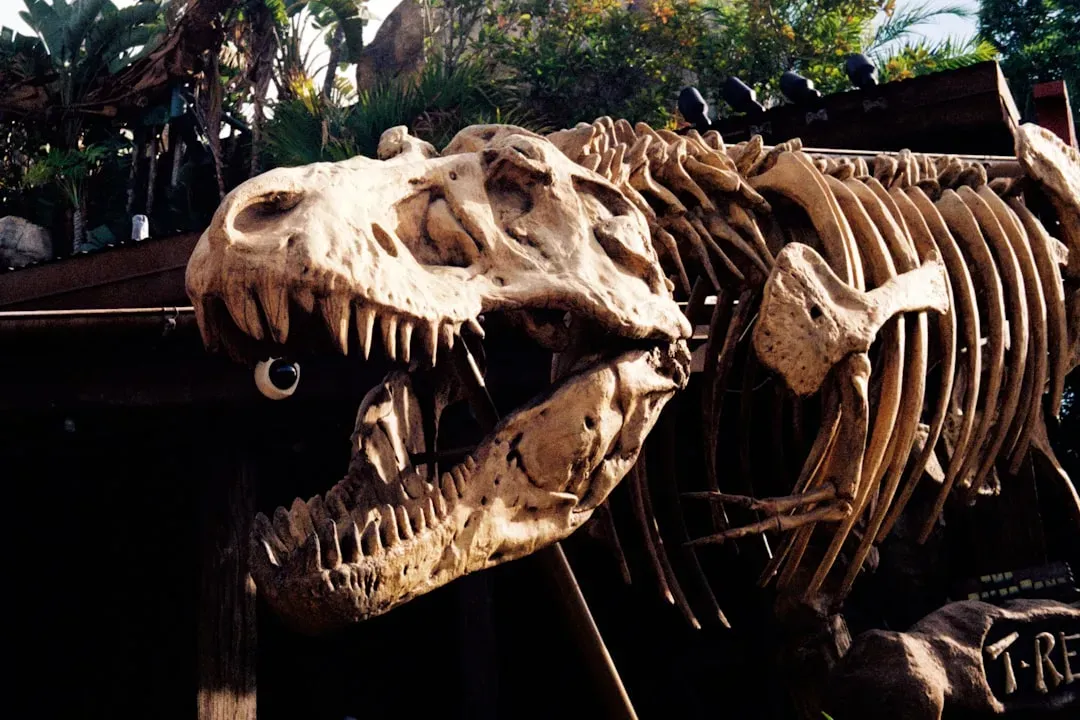
Slice into a T. rex bone and count the growth rings, and you’ll find thick bands from good years sitting right next to thin, stressed bands from lean ones, all within the same individual. That’s not a fixed biological clock. That’s an animal responding directly to whatever the environment threw at it.
This kind of plasticity is a survival strategy in disguise. By stretching development across decades instead of racing to full size, a T. rex could ride out food shortages instead of starving through them. The variable ring thickness proves growth wasn’t scheduled, it was negotiated with the environment year by year. Two animals from the same clutch could have ended up wildly different sizes as adults, depending purely on what they had to eat along the way. But that’s nothing compared to what we found about #8.
#8 – It Preferred a Steady Walk Over a Dangerous Sprint
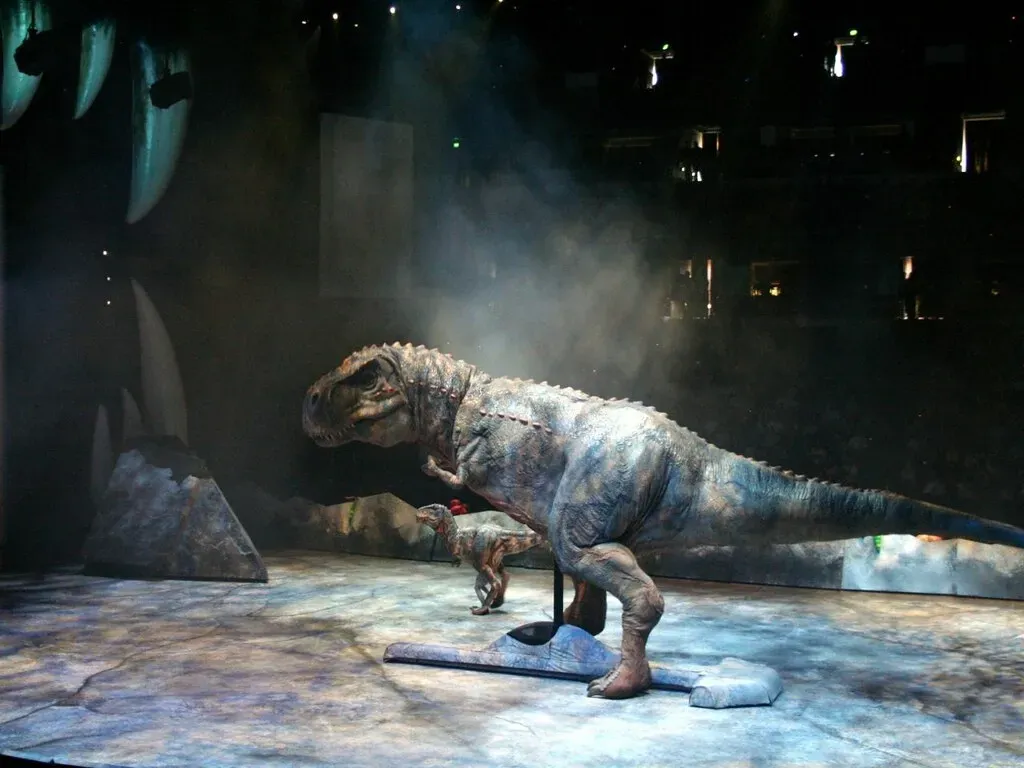
Computer models built from limb proportions suggest T. rex cruised at a sustained pace of roughly 15 mph rather than gambling on short, explosive sprints. The math backs this up: repeated bursts of acceleration burn far more energy than covering the same ground at a steady clip.
The tail did a lot of quiet work here, acting as a dynamic counterbalance that kept strides efficient without wasting motion side to side. This is the locomotion of an animal built to patrol a massive home range day after day without exhausting itself. The preferred gait prioritized endurance over raw speed, flipping the entire “constant chase” image on its head. That single shift in strategy would have dictated how far it ranged and how it spent an average day. But that’s nothing compared to what we found about #9.
#9 – Different Life Stages Hunted Different Prey
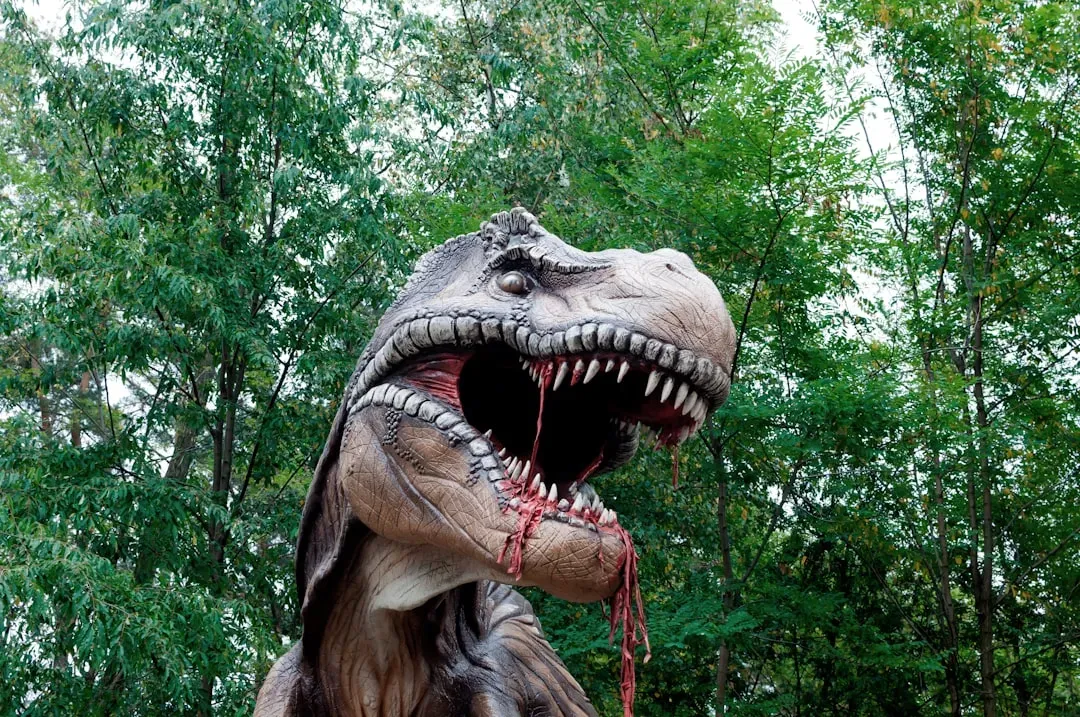
As a T. rex aged, its jaw strength, reach, and speed changed so dramatically that a juvenile and an adult were basically hunting in different weight classes. Smaller, faster individuals likely chased down quicker prey that a lumbering adult could never catch, while the big adults went after heavily armored or massive herbivores no juvenile could safely tackle.
This kind of ontogenetic shift is smart on a population level. It means a single species could exploit a much wider range of resources without every individual competing for the exact same meal. The same species effectively occupied multiple predatory niches over the course of one lifetime. That flexibility would have helped buffer the population against sudden crashes in any one prey type. But that’s nothing compared to what we found about #10.
Quick Compare
- Juveniles: lighter build, faster acceleration, targeted smaller, quicker prey
- Adults: heavier bite force, slower turns, targeted large armored herbivores
- Result: one species, two very different hunting strategies over a lifetime
#10 – Group Encounters May Have Involved Real Coordination
Sites containing multiple tyrannosaur trackways and bone beds hint at something more deliberate than animals simply crossing paths by accident. Some researchers read the arrangement of these remains as evidence of coordinated approaches toward large, dangerous prey, not full pack-hunting in the wolf sense, but something more organized than pure coincidence.
There’s a sensory angle here too. Low-frequency sounds these animals may have produced could have carried across distance without tipping off nearby prey, giving a loose group a way to stay in contact while closing in. The repeated pairing of different-sized individuals at these sites suggests more than random meetings. Even a small amount of coordination would have made taking down the biggest, best-defended herbivores far less risky. But that’s nothing compared to what we found about #11.
#11 – Family Groups May Have Stuck Together Past Hatching
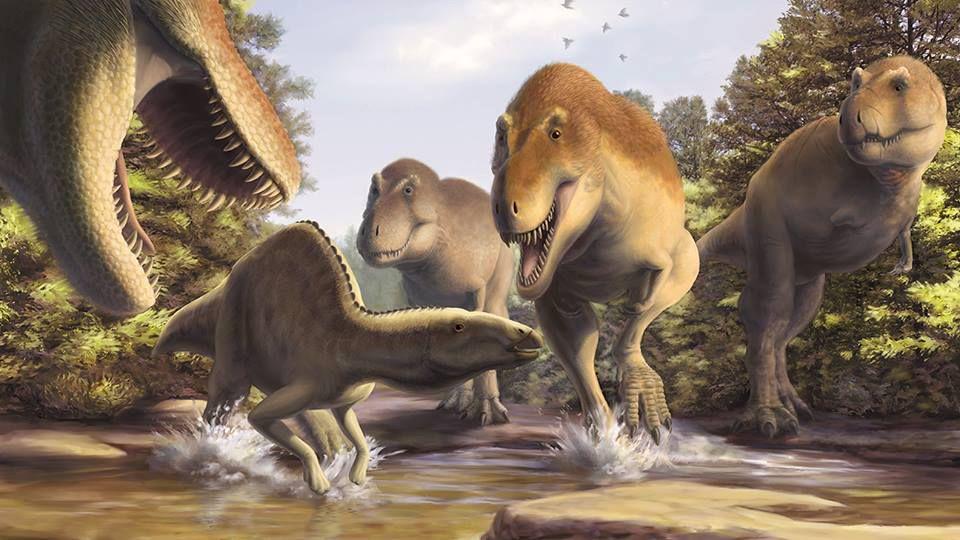
Several tyrannosaur localities show adults and juveniles preserved together in the same deposit, and that pattern doesn’t match what you’d expect from a purely solitary species raising its young and immediately walking away.
A young T. rex sticking close to a larger individual would have had real advantages: protection from other predators, and easy access to carcasses an adult had already torn open. Given how long the extended growth period stretched on, this kind of association could have lasted years rather than weeks. Mixed-age groupings turning up at multiple sites directly challenge the lone-predator default everyone grew up believing. Prolonged closeness between adults and young may explain several of the social signals fossils have quietly preserved all along. But that’s nothing compared to what we found about #12.
#12 – Its Brain Was Built for Problem-Solving, Not Just Reflexes
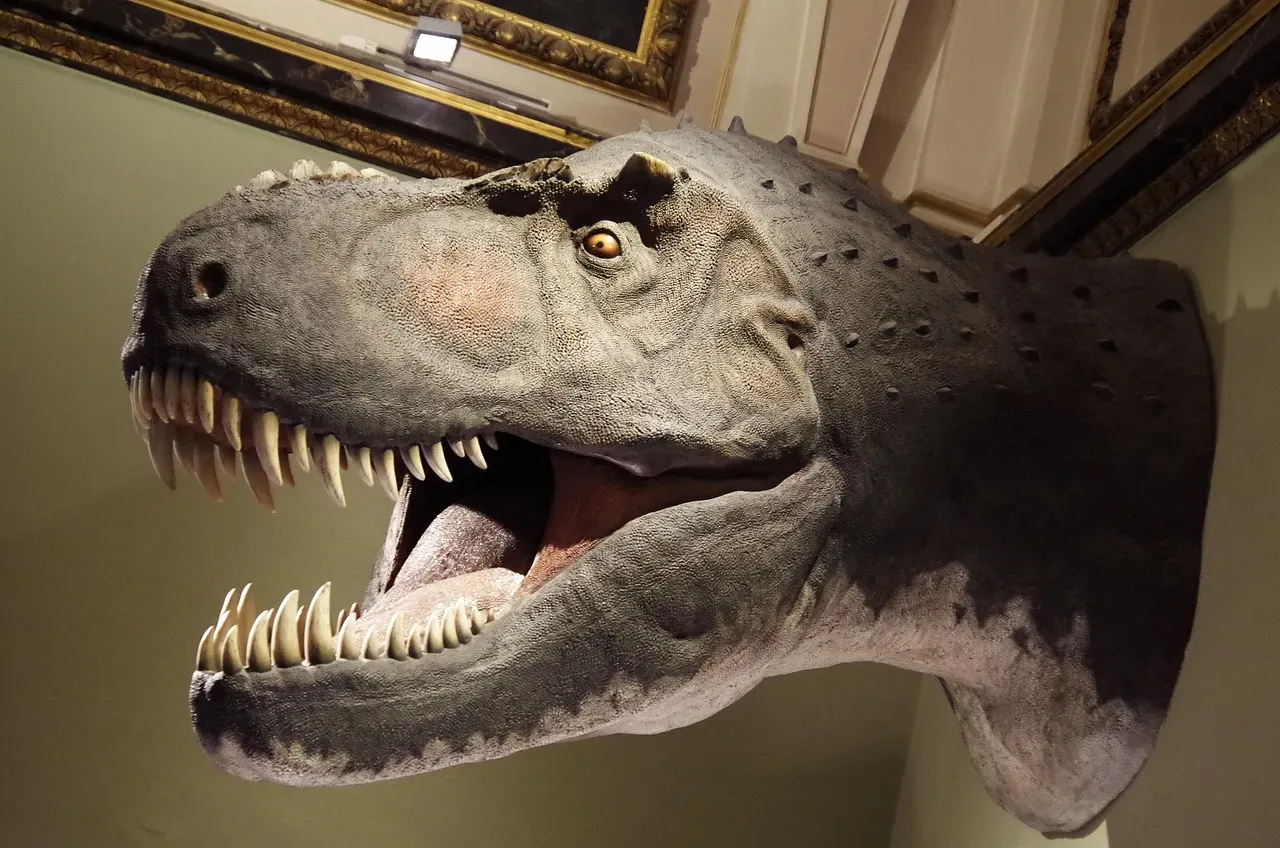
Encephalization measurements and inner-ear structure show a T. rex brain processing spatial and sensory information at a level well above most of its contemporaries. Combine that with large olfactory regions and forward-facing eyes built for depth perception, and you get an animal wired to map its environment in detail, not just react to whatever crossed its path.
That combination points toward something closer to genuine planning: reading terrain, tracking scent trails over time, judging distance before committing to an attack. Nobody’s claiming T. rex solved puzzles, but the neural hardware clearly supported more than simple ambush-and-lunge behavior. Sensory specialization paired with this level of brain development implies cognitive demands well beyond basic predation. That capacity likely shaped decisions around mate selection, territory defense, and knowing exactly when a fight with a rival wasn’t worth having.
At a Glance
- Brain-to-body proportions outpaced most contemporary predators
- Forward-facing eyes gave strong depth perception for judging distance
- Inner-ear structure suggests refined balance and spatial tracking
- Combined senses point to planning, not just reflexive ambush
The Bottom Line
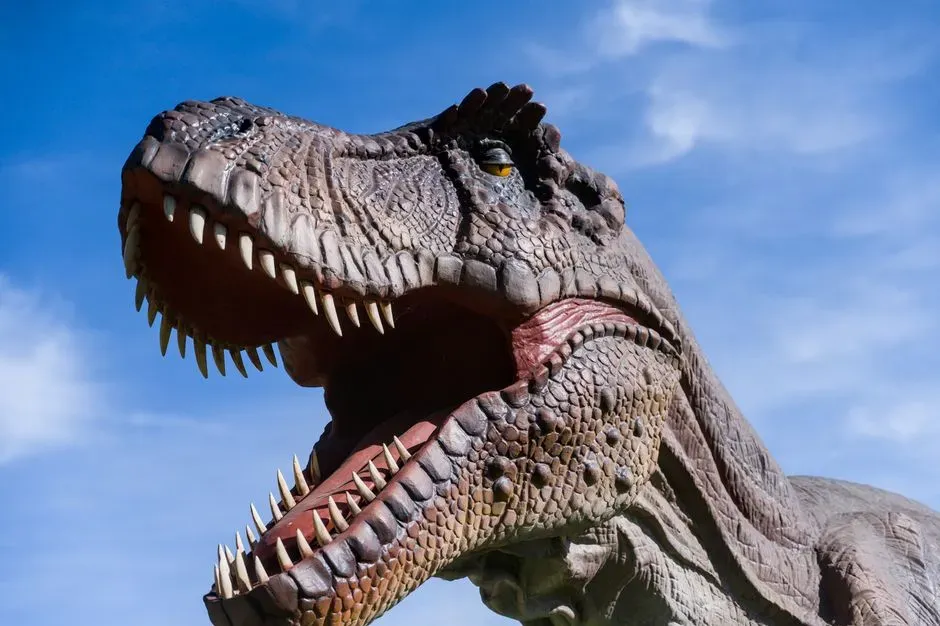
Strip away the roaring, one-note movie monster, and what’s left is honestly more impressive: a long-lived, sensory-loaded animal whose behavior shifted constantly with age, food supply, and possibly the company it kept. Slow growth, bird-like movement, real hunting failures, and repeated groupings all point toward a far richer life history than any documentary has bothered to update.
Here’s the opinion part: the science has moved on faster than pop culture has, and that’s a shame, because the real T. rex is a better story than the cartoon version we settled for. It’s not less terrifying to learn it may have hunted in loose groups and recognized its own young. If anything, that’s worse news for anything standing in its way. Which of these behaviors do you think would get overturned first if a new fossil turned up tomorrow? Drop your take in the comments.