
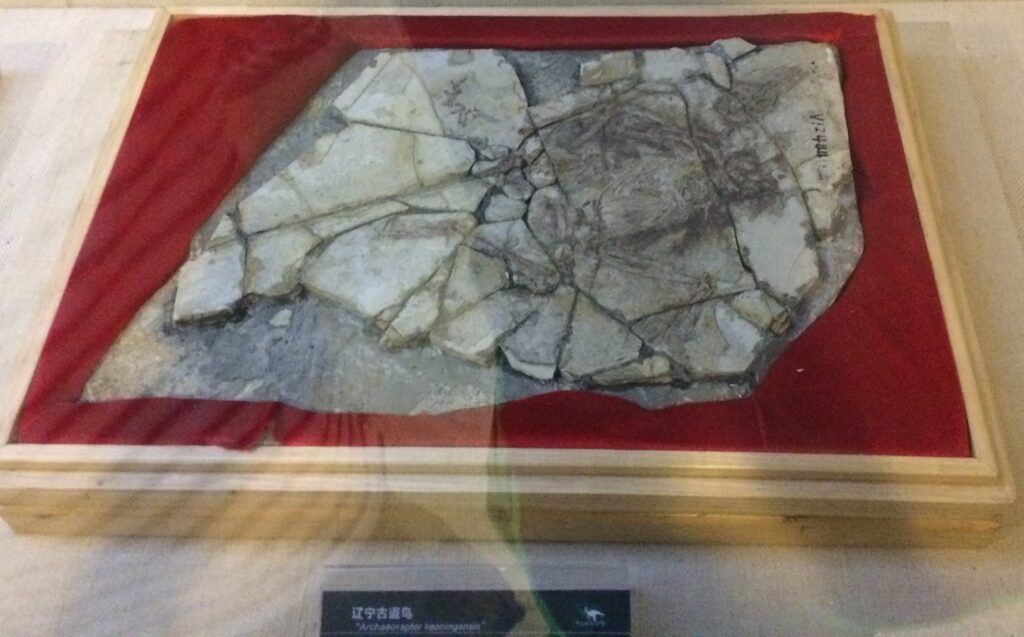
Most people assume the worst thing that can happen to a museum is a cracked bone or a faded label – not handing a fake fossil to National Geographic and watching it land on the cover as the evolutionary discovery of the century. But in 1999, that’s exactly what happened.
National Geographic unveiled a “missing link” between dinosaurs and birds that turned out to be glued together from at least two, possibly five, different animals. The fallout didn’t just embarrass a magazine – it forced natural history museums worldwide to rewrite how they vet a specimen before it ever touches a display case. Here’s exactly what went wrong, and what paleontologists quietly promised themselves would never happen again.
#1 – The Tail Simply Didn’t Belong to the Body
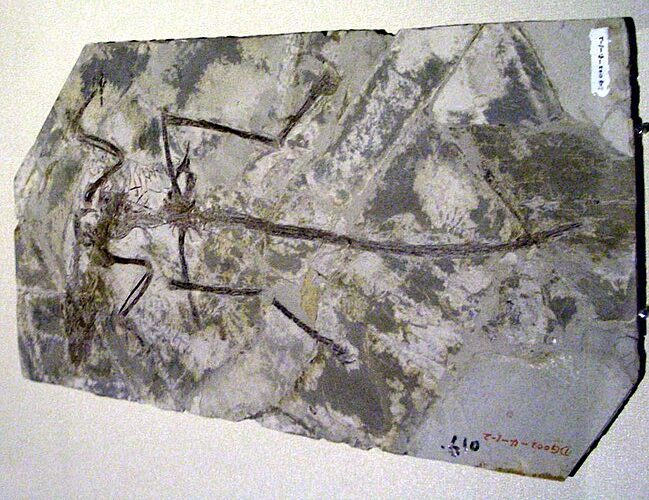
The fossil looked stunning at first glance: a toothed bird’s body fused to a long, bony dinosaur tail. It seemed like the perfect transitional animal scientists had been hunting for decades.
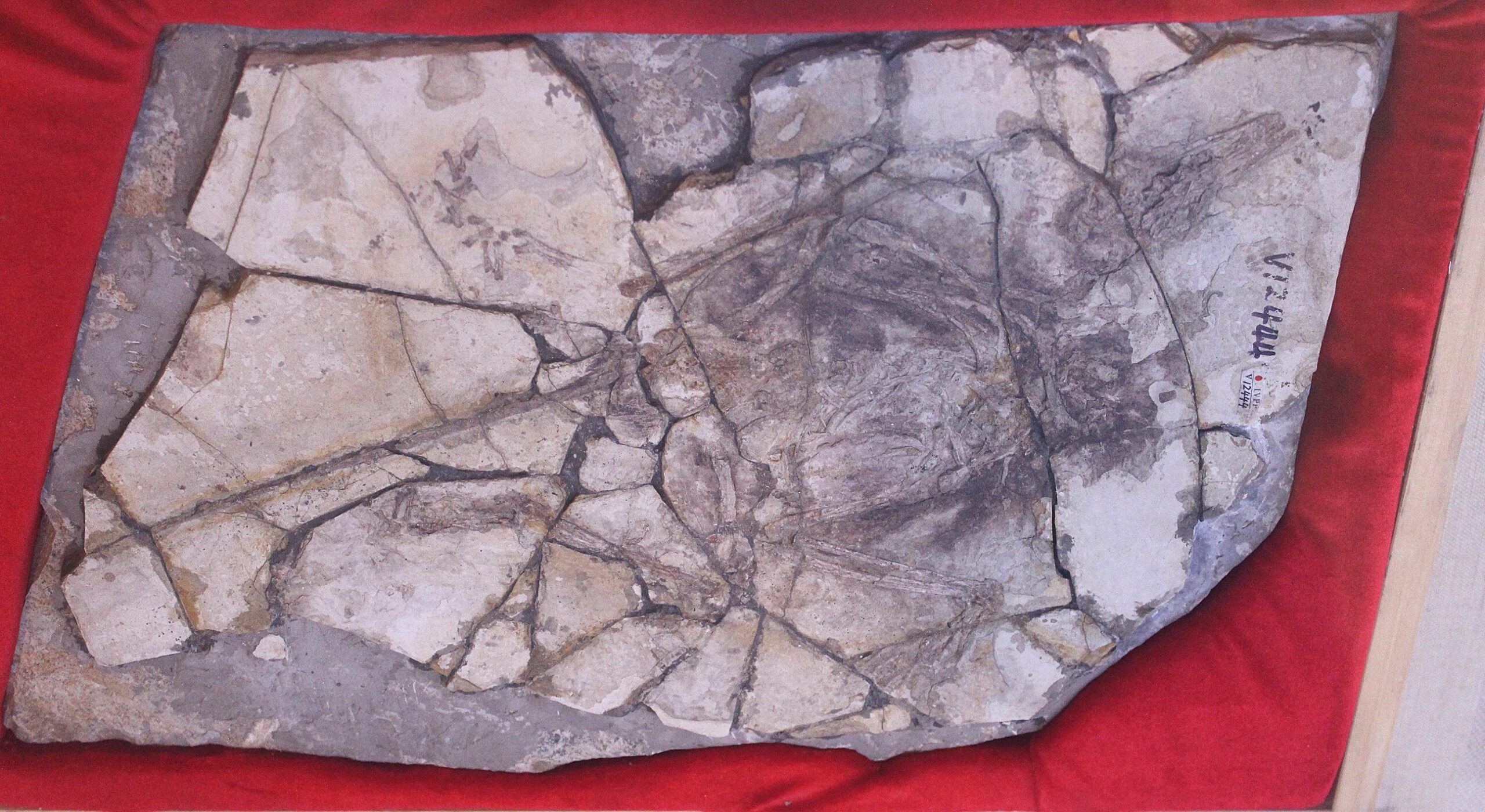
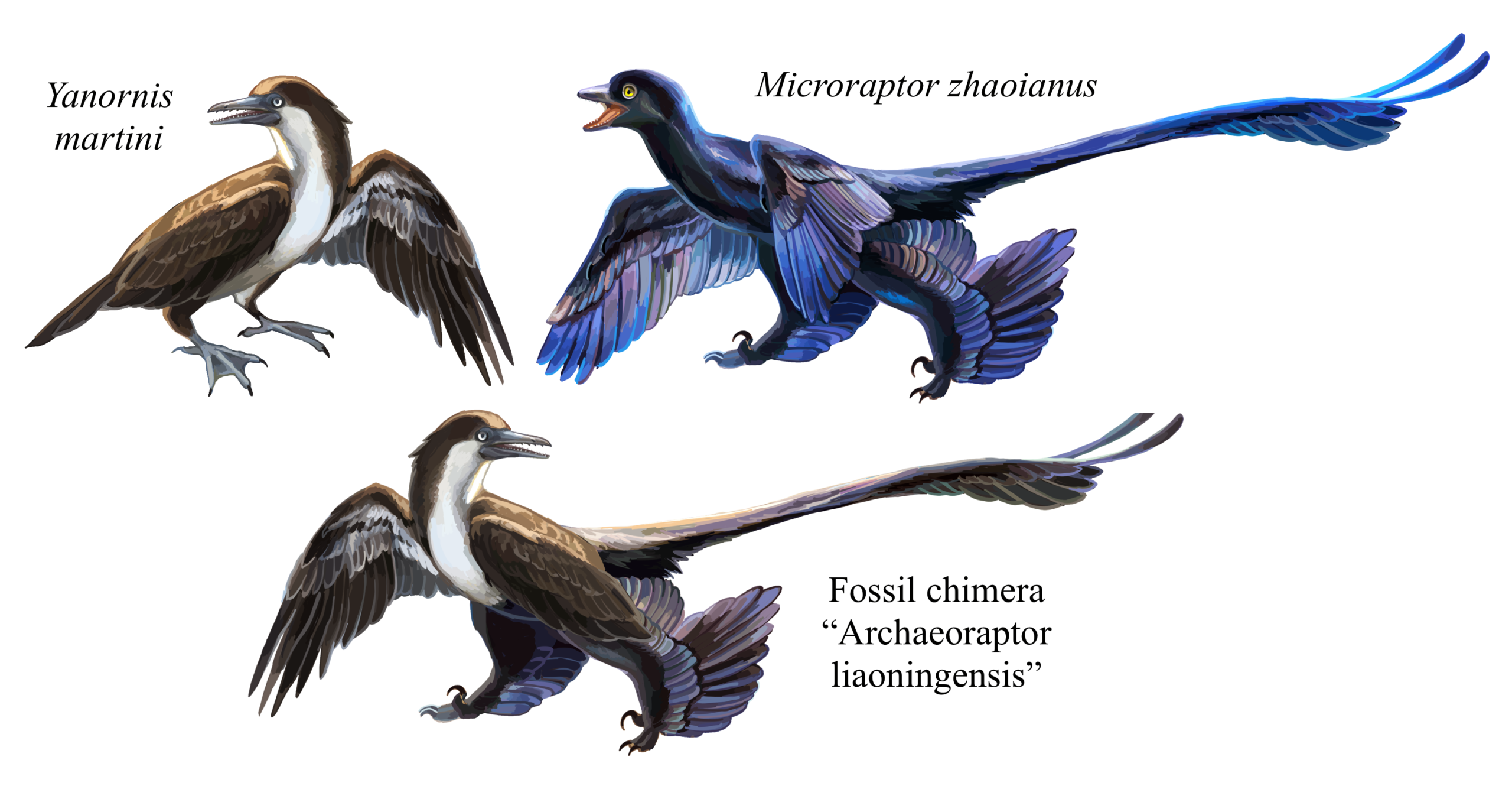
But nothing about that pairing held up under close inspection. A farmer had found a rare fossil of a toothed bird complete with feather impressions, then separately found a feathered tail and legs nearby – and cemented the pieces together to make a more complete-looking fossil. It wasn’t one animal frozen in time. It was a scrapbook.
Fast Facts
- Discovered in the shale pits of Liaoning Province, China, a region famous for feathered dinosaur fossils
- The body came from a toothed prehistoric bird complete with feather impressions
- The tail belonged to an entirely separate, undescribed species of dromaeosaur
- The two pieces were cemented together with mortar to look like one complete animal
The most surprising fact: the tail didn’t even belong to a bird. It came from an entirely different, undescribed species of dromaeosaur. Chinese paleontologist Xing Xu later stumbled onto the matching counter slab of that same tail in a Chinese institute, still attached to the legs of the dromaeosaur it actually belonged to.
Museums now treat oddly “complete” specimens with more suspicion than incomplete ones. A perfect fossil, ironically, is often the biggest red flag of all.
#2 – Two Major Journals Already Said No
Before National Geographic ever held a press conference, the paper describing this “missing link” had already failed the single most basic test in science: peer review. Not once. Twice.
Both Science and Nature rejected the submitted manuscript, partly because reviewers suspected the fossil was possibly contraband and non-authentic. That’s not a minor technicality – that’s two of the most rigorous scientific journals on Earth independently raising the alarm before a single photo went public.
The shocking part: reviewers weren’t only questioning the science. They flagged that the specimen had likely been smuggled out of China and illegally purchased, and worse, that it had been “doctored” specifically to boost its value on the black market.
That’s about as close to a written warning label as peer review gets. Museums today treat journal rejection as a hard stop, not a hurdle to route around quietly.
#3 – A Press Deadline Beat the Science to the Finish Line
Here’s the uncomfortable truth: the fossil wasn’t rushed into public view because the science was solid. It was rushed because a magazine had already scheduled the story.
Nature editor Henry Gee gave no indication the paper itself was wrong – he simply blamed National Geographic for refusing to hold off publication long enough to allow proper peer review. The delay wasn’t about the fossil failing science. It was about a media outlet unwilling to wait for it.
The most damning detail: when Nature said no, the team didn’t pause to reconsider. They scrambled overnight, quietly altered the manuscript, and resubmitted a slightly different version to Science instead.
That’s not a genuine attempt to verify the find – that’s a hunt for any stamp of approval that would arrive on time. Editorial calendars, museums learned the hard way, should never outrank scientific consensus.
#4 – The “Missing Link” Label Came Before the Facts Did
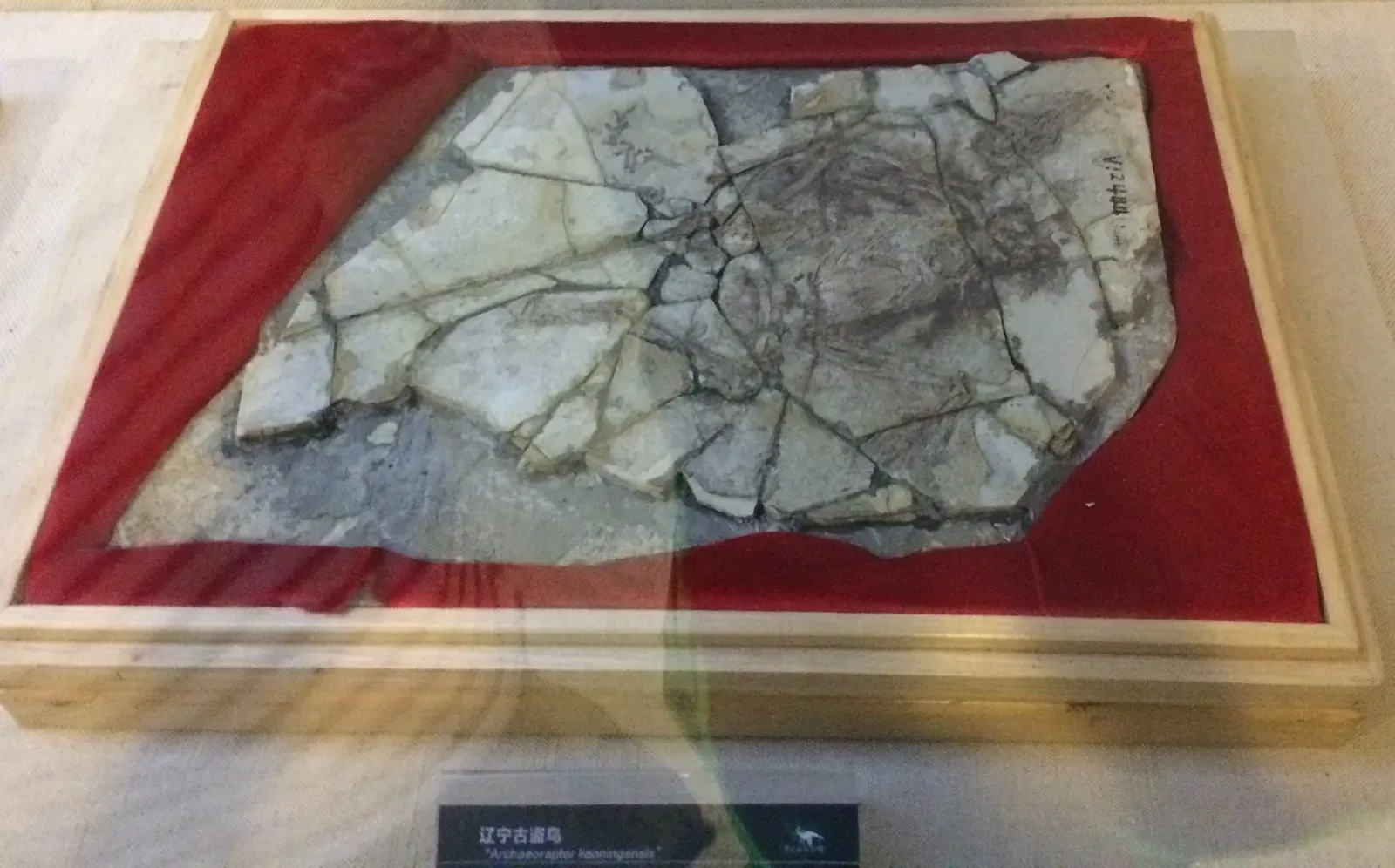
Language matters enormously in science communication, and this is exactly where things went sideways. Before independent verification was even close to finished, the fossil was already being marketed with the most explosive term in evolutionary biology.
National Geographic hailed the specimen, dubbed Archaeoraptor, as “a true missing link in the complex chain that connects dinosaurs to birds.” That’s not cautious hedging. That’s a headline engineered for maximum impact.
The irony that stings most: the phrase was used with total, breezy confidence at the exact moment serious doubts were already circulating privately among scientists. The magazine called it a bridge between birds and terrestrial theropod dinosaurs even though authenticity concerns predated the publication itself.
Museums took a hard lesson from this failure: never let marketing language sprint ahead of confirmed data, no matter how good the story sounds.
#5 – A Direct Warning Letter Was Ignored
Sometimes the biggest failure isn’t a lack of information. It’s ignoring the information you already have sitting on your desk. And in this case, someone had already sounded the alarm in writing, by name.
National Geographic was warned ahead of time that the fossil was probably a hoax, in a formal letter from Storrs Olson, curator of birds at the Smithsonian Institution.
There is no such thing as a feathered dinosaur.
Storrs Olson, Smithsonian Institution
That’s not an anonymous internet skeptic. That’s a Smithsonian curator putting his professional name on a formal objection – and it arrived alongside the knowledge that two journals had already rejected the paper. National Geographic went ahead with publication anyway.
Today, dissenting expert opinions get logged, tracked, and formally addressed. Back then, one simply got filed away and forgotten.
#6 – Illegal Export Should Have Been an Automatic Red Flag
Provenance – the documented history of where an object came from – is now treated as sacred in museum acquisitions. Back then, it was treated as an afterthought at best.
Stephen Czerkas, owner of a private museum in Utah, purchased the fossil at a Fossil and Gem Show in Tucson, Arizona for $80,000. It had been imported into the United States from China with no verified excavation record – a specimen sold at a commercial gem show should have triggered immediate scrutiny on its own.
Quick Compare
- Proper channel: Documented excavation, verified export permits, peer-reviewed authentication
- What happened instead: Undocumented origin, illegal export from China, purchase at a commercial gem show for $80,000
- Proper channel: Return a specimen to its country of origin only after full scientific clearance
- What happened instead: Publicized worldwide before authorities even received it back
The detail most people miss: everyone involved already knew the fossil’s legal status was murky. “Archaeoraptor” was unveiled at a press conference in October 1999, at the very same event where plans were announced to return the fossil to Chinese authorities, since it had been illegally exported in the first place.
You cannot simultaneously admit a specimen was smuggled and treat it as scientifically unimpeachable. Museums now demand a documented chain of custody before anything gets near a lab table, let alone a magazine cover.
#7 – The Fake Was Built by Farmers, Not Forgers in a Lab
This wasn’t some elaborate criminal syndicate operation with hidden workshops. The origin story is almost mundane, which somehow makes it more unsettling.
According to National Geographic’s own reporting, the story began in July 1997 in Xiasanjiazi, China, where farmers illegally but routinely dug in shale pits and sold fossils to dealers for a few dollars apiece. This was a cottage industry, not a criminal mastermind’s scheme.
The most eye-opening fact: the “forgery” wasn’t even sophisticated by today’s forensic standards. A farmer found a toothed bird fossil, then a nearby feathered tail and legs, cemented the pieces together with mortar, and sold the assembled fossil in June 1998, after which it was smuggled to the United States.
If a local farmer with basic tools could fool an international team of scientists, imagine what a motivated professional forger could accomplish. Museums learned that low-tech fakes can be just as dangerous as high-tech ones.
#8 – X-Rays Had Already Shown the Cracks
Long before the scandal broke publicly, the actual imaging equipment had already whispered the truth. Nobody listened closely enough, or urgently enough.
Several red flags had already been raised – X-rays of the fossil had revealed a strange assemblage of bones that looked like it came from multiple different specimens. This wasn’t hidden information discovered years later. It was sitting right there in the imaging data the whole time.
Worth Knowing
- Initial X-rays revealed an unusual assemblage of bones inconsistent with a single animal
- Full authentication ultimately required industrial CT scanning capable of seeing through solid rock
- The scan exposed mortar, stone filler, and mismatched fossil fragments beneath the surface
- The imaging data existed well before the public scandal broke, but wasn’t acted on fast enough
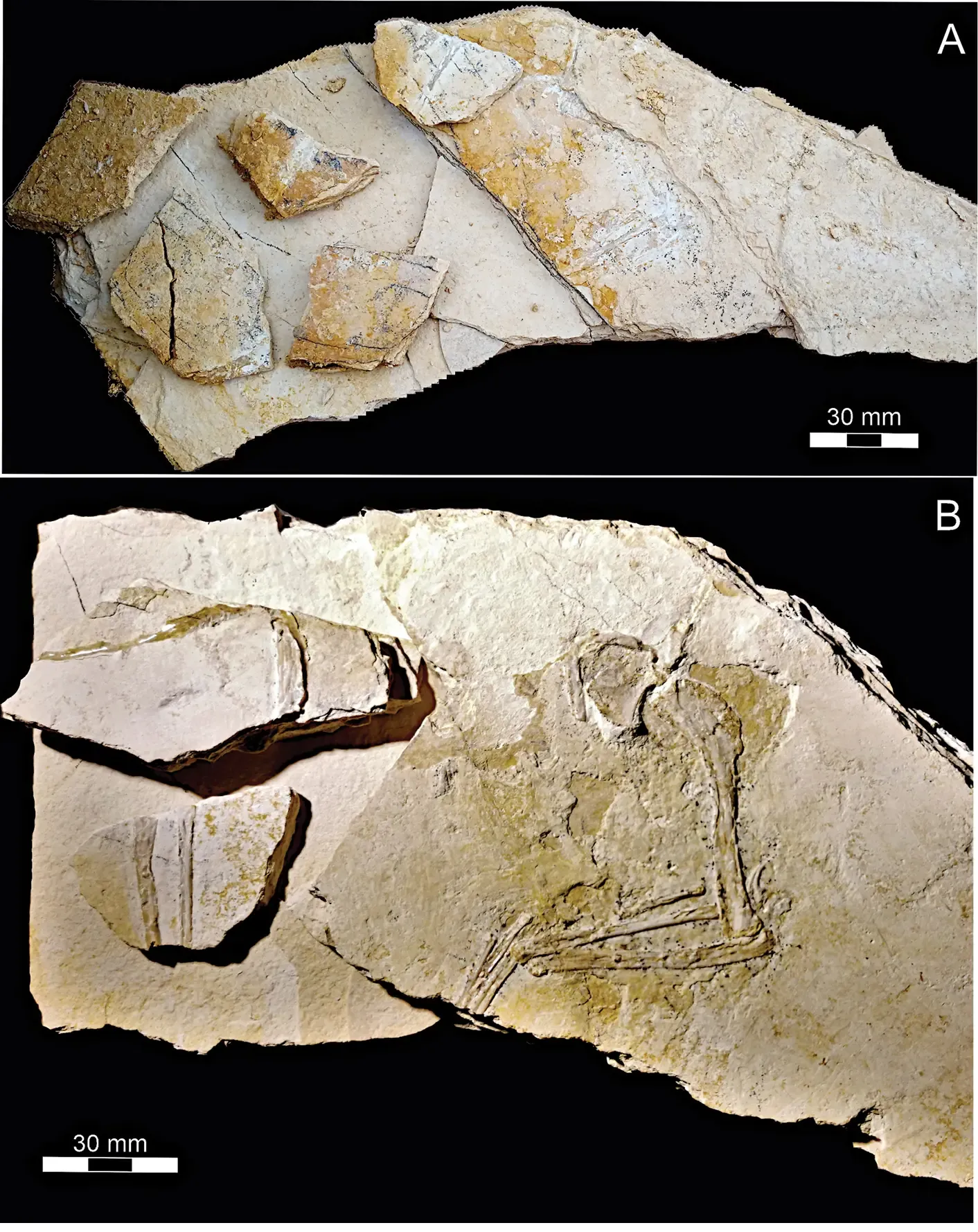
The most frustrating fact for paleontologists today: the technology to catch the fraud existed and was even used – it just wasn’t acted on with any real urgency. It eventually took a formal, independent CT investigation using high-powered X-rays that see through solid rock to fully expose how the fraudulent fossil had been glued together from mortar, bits of fossil, and plain stone.
Imaging is now a mandatory first step for valuable specimens, not an optional afterthought reserved for cases that already look suspicious.
#9 – It Took a Rival Scientist’s Lucky Discovery to Crack It Open
Here’s the part that should unsettle any institution relying on “the system will catch it eventually.” In this case, the truth surfaced almost by accident.
Xu eventually proved Archaeoraptor was a fake after happening upon the counter slab of the tail in a Chinese institute in early 2000, attached to the legs of an undescribed dromaeosaur he was studying for entirely unrelated reasons. That’s not a planned forensic audit – that’s a scientist stumbling onto matching rock while working on something else entirely.
The unsettling truth: without that chance encounter, the fossil might have stayed “authenticated” for a lot longer than it did. Xu was decisive the moment he saw it, writing plainly, “I am 100% sure, we have to admit that Archaeoraptor is a faked specimen.”
Relying on luck instead of systematic cross-referencing is a gamble museums no longer accept, precisely because it worked out this time and might not next time.
#10 – The Retraction Was Far Quieter Than the Announcement

Unveiling a “missing link” gets a press conference, a magazine cover, and worldwide headlines. Admitting it was fake gets a small note buried deep inside the publication.
In stark contrast to the sensational original article, National Geographic printed a brief, easy-to-miss statement in the somewhat obscure Forum section of its March 2000 issue. The correction never came close to matching the fanfare of the original claim.
The fact that still frustrates researchers: the magazine’s editorial response even softened the language on the way in. Xu’s letter ran in that Forum section, but the editor had him change the word “fake” to “composite” before it printed.
Museums today insist corrections match the visibility of the original claim, headline for headline – no burying bad news where readers will never scroll.
#11 – CT Scanning Became the New Non-Negotiable Standard
![#11 - CT Scanning Became the New Non-Negotiable Standard (By Alida M. Bailleul,[1]
References↑ Bailleul, Alida M. (20 March 2019). "An Early Cretaceous enantiornithine (Aves) preserving an unlaid egg and probable medullary bone". Nature Communications 10. DOI:10.1038/s41467-019-09259-x. Retrieved on 22 March 2019., CC BY-SA 4.0)](https://nvmwebsites-budwg5g9avh3epea.z03.azurefd.net/dinoworld/3bc73ed9d46a0a7ed8719373a32d2b2b.webp)
Out of the wreckage came one genuinely useful legacy: a permanent shift in how fossils get checked before anyone trusts them enough to publish.
The forgery was formally documented in a Nature paper published by Rowe, Ketcham, and colleagues in 2001, and CT scanning is now a standard authentication tool at university geology departments and larger natural history museums, for any specimen valuable or rare enough to justify the cost. That’s a direct, traceable line from public scandal to permanent protocol.
Why It Stands Out
- Leaves the specimen completely undamaged during inspection
- Reveals internal glue, filler, and repairs invisible to the naked eye
- Works even on fully assembled or framed fossils without dismantling them
- Now standard practice at major university geology departments and natural history museums
The most practical upgrade: CT imaging doesn’t damage the specimen while checking it. Older repair-and-inspection methods were prone to both inadvertent error and willful forgery, and once required potentially destructive testing just to catch mistakes. CT scanning is a nondestructive alternative that reveals exactly how a specimen was handled, glued, or repaired.
Some researchers now openly argue this scandal was actually beneficial in disguise – a costly but permanent upgrade to global fossil science. Others still call it an unforgivable embarrassment that never should have happened in the first place.
#12 – It’s Now a Required Cautionary Tale in Museum Training
Every major scandal eventually becomes a case study, and this one earned a permanent spot in paleontology and museum ethics curricula worldwide.
American Museum of Natural History paleontologist Dr. Mark Norell later described it as an “unfortunate chapter” in modern paleontology – one that would foreshadow a growing and far more serious problem: fraudulent fossils being produced on an industrial scale across China. This wasn’t a one-off embarrassment. It was an early warning sign of a much bigger problem still unfolding.
The lesson that outlived the fossil itself: even seasoned professionals can be fooled when institutional pressure, tight deadlines, and sheer excitement override caution. Some researchers argue there’s an unexpected silver lining here – that despite being the most famous fossil forgery to come out of China, the Archaeoraptor debacle is ultimately a success story for how peer review is supposed to work.
New curators are shown this case specifically to internalize one rule above all others: excitement is not evidence. It’s arguably the single most valuable lesson to survive the entire scandal.
The Bottom Line
Archaeoraptor wasn’t just a fake fossil – it was a stress test for scientific institutions, and most of them failed it the first time around. Two major journals rejected the paper, a Smithsonian curator warned it might be a hoax in writing, and X-rays had already hinted at inconsistencies – yet the story ran anyway, cover and all.
What finally exposed the truth wasn’t better technology alone. It was a scientist accidentally stumbling onto matching rock on the other side of the world. If Xing Xu hadn’t happened to be in the right institute at the right moment, there’s a real chance Archaeoraptor would still be cited as a landmark discovery instead of a cautionary tale.
My honest take: the most damning part of this whole story was never the farmer with the glue and the shale pit. It was every trained expert who had a chance to stop it – two journals, a Smithsonian curator, an X-ray machine – and didn’t stop it in time. Museums walked away with a permanent new checklist: verify provenance, respect peer review, scan before celebrating, and never let a deadline outrun the evidence. Do you think institutions have actually learned this lesson, or is another Archaeoraptor-style scandal just waiting to happen? Drop your take in the comments.