
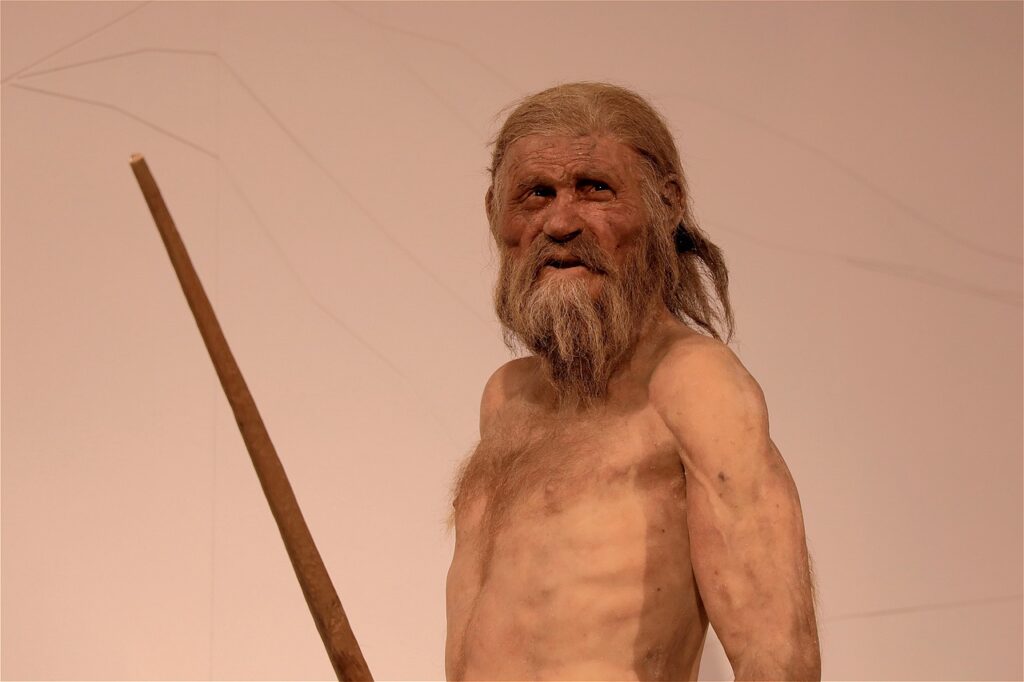
Most people picture Ötzi the Iceman as a lone hiker who froze to death on an Alpine pass. That’s actually wrong. New forensic work shows he was murdered, shot in the back with an arrow, and left to bleed out at 3,210 meters, alone on a mountain pass hikers still walk past today.
But here’s the part almost nobody talks about: the 5,300-year-old gear scattered around his body is arguably more revealing than the murder itself. It’s a complete Copper Age survival kit, untouched for over five millennia, and it rewrites what we thought Stone Age people were capable of. Here’s what researchers actually found in his pack.
#1 – The Copper Axe That Made Him a VIP
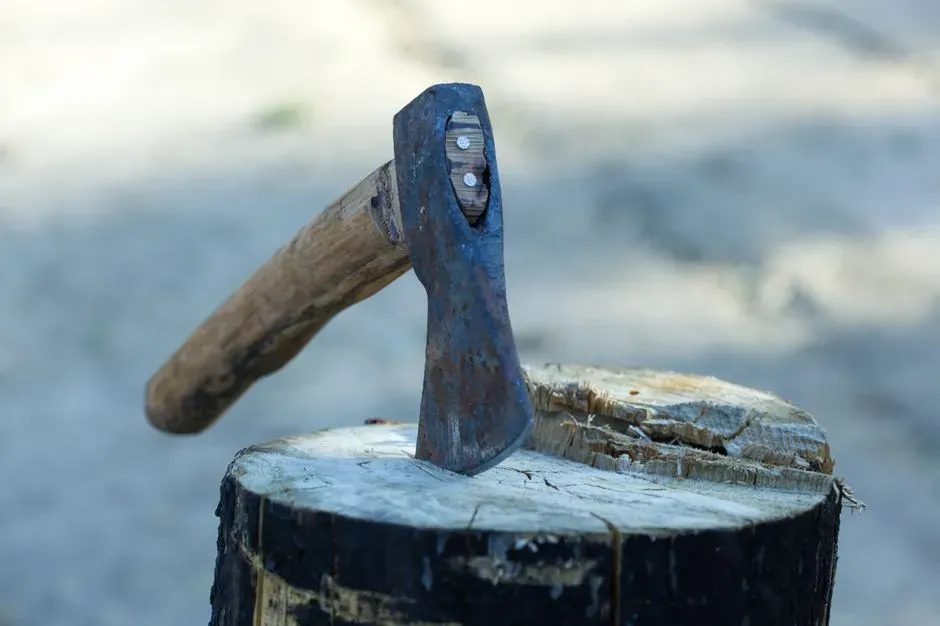
Ötzi wasn’t just any traveler – he was carrying the Bronze Age equivalent of a Rolex.
His copper-bladed axe is preserved intact and is the only one of its kind in the world. That alone makes it one of the most valuable archaeological finds in European history. Researchers have traced the copper’s origin to sources far from where Ötzi died, and extensive trade materials, such as copper from Tuscany, confirm he was connected to widespread supply chains across the Alps.
This wasn’t a farmer’s tool. Metallurgy was still rare in 3300 BCE, meaning only someone with real status or trade connections could have owned a full copper axe head. Combined with his dagger, experts argue the copper axe and flint dagger identify him as an individual of status or rank. The handle was carved from yew, and the blade was hafted with such precision that modern archaeologists initially assumed it was a later fake. It wasn’t. And the dagger sitting next to it is even harder to explain.
Fast Facts
- Blade material: solid cast copper, not a copper-flint hybrid
- Handle: carved from a single piece of yew wood
- Copper origin: trace analysis points to ore sources as far away as Tuscany
- Estimated age: around 5,300 years old, placing it firmly in the Copper Age
#2 – A Dagger Sharper Than Anyone Expected
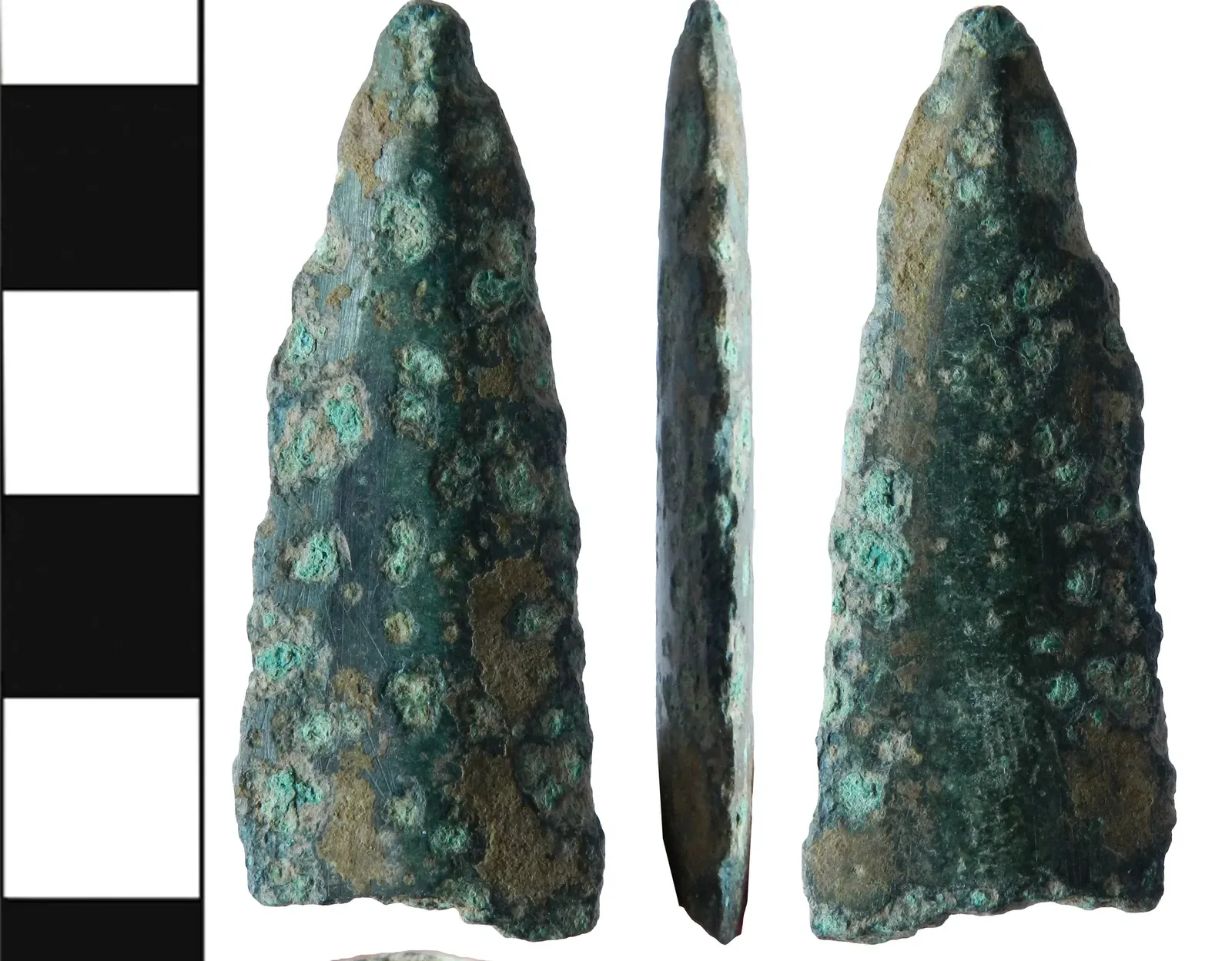
Ötzi’s dagger is the oldest complete weapon of its kind ever recovered from the Copper Age, and it’s still eerily functional.
The blade is small but lethal: Ötzi owned a functional dagger with a flint blade and an ash wood handle, and it’s the only fully preserved dagger from the Copper Age, measuring 13 cm long. The craftsmanship is precise – the blade was forced into the wooden handle and bound with animal sinew. This wasn’t a crude shard of rock; it was engineered.
Here’s the surprising twist most articles skip: Ötzi likely didn’t make it himself. Lithic specialists studying the blade concluded Ötzi was not himself the maker of the blades and the blanks his tools are made from. That means he was buying or trading finished weapons from specialist toolmakers – evidence of a functioning Copper Age economy most people assume didn’t exist yet. The sheath itself was woven from lime tree bast, a plant fiber, showing off textile skills long before written history. Yet nothing in his kit raises more questions than the bow he never finished.
#3 – An Unfinished Longbow That Hints at Panic
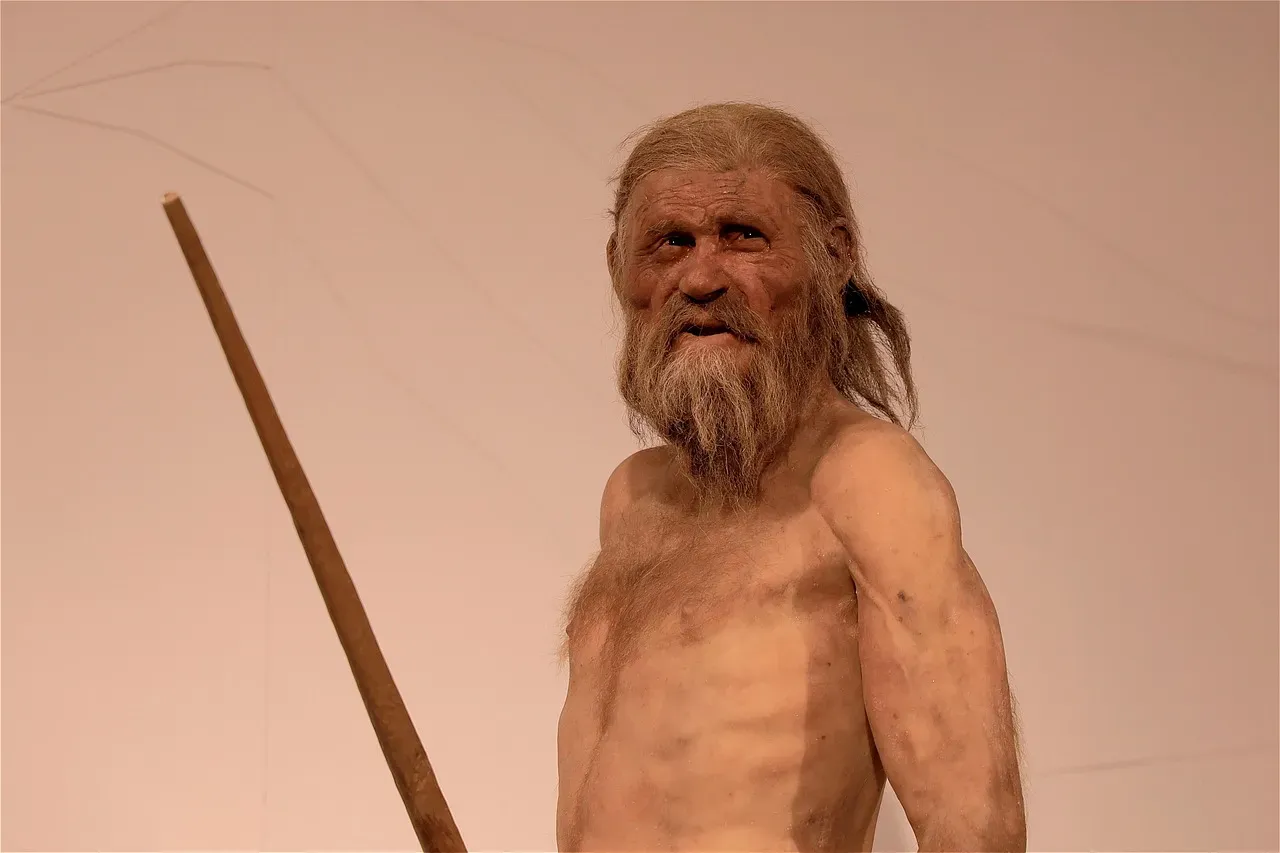
This is where the “peaceful shepherd” theory completely falls apart.
Ötzi’s bow was nearly two meters of solid yew – a serious weapon for its time. But researchers noticed something odd: the 1.82-meter bow stave was still being constructed, and no bowstring was found in it. It wasn’t ready for combat.
Most people assume Ötzi died mid-hunt. Experts now argue the opposite. The unfinished weapon suggests he was caught off guard, without his best tool ready to use. Scientists studying his kit concluded the unfinished bow and lack of finished arrows imply he was urgently planning to repair and upgrade his kit, suggesting he was either a long-distance fugitive or a person continually on the move. That single detail has completely changed how historians read his final days – not as a routine trip, but as a man running from something. The arrows in his quiver only make that theory harder to shake.
#4 – A Quiver Holding a Devastating Clue
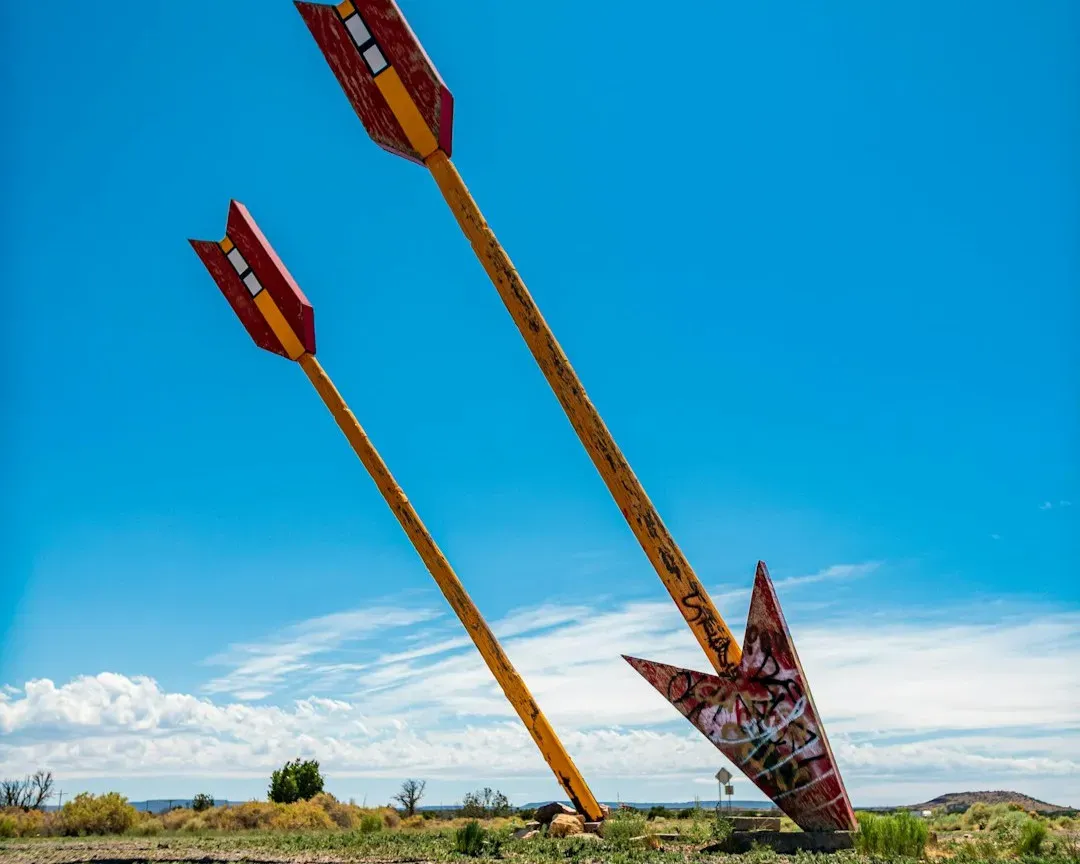
Fourteen arrows sound like a lot. Only two of them could actually kill anything.
Inside his chamois-hide quiver, researchers found fourteen arrows, only two of which were fully finished, featuring flint arrowheads and three-part fletching secured with birch tar and bindings. The rest were essentially useless. The remaining twelve shafts were untipped and lacked fletching, emphasizing his need for immediate repair.
This is the detail that turns the whole story upside down. A skilled hunter heading into hostile terrain with 12 broken arrows isn’t prepared – he’s desperate. The quiver also held a functional bowstring, a rare survival, since prehistoric bowstrings are among the rarest archaeological finds of any Copper Age site. There were also four deer antler tips, perhaps for skinning animals, and a 2-metre-long piece of string made from tree bast tucked inside. Every item points to a man scrambling to re-equip himself in a hurry. And somehow, his backpack is even more advanced than his weapons.
At a Glance
- 14 arrows total, but only 2 were fully finished and combat-ready
- 12 shafts were missing tips, fletching, or both
- 4 deer antler tips, likely used for hide-working
- A rare, intact 2-meter length of tree-bast bowstring
#5 – The Backpack Frame That Predates Modern Hiking Gear
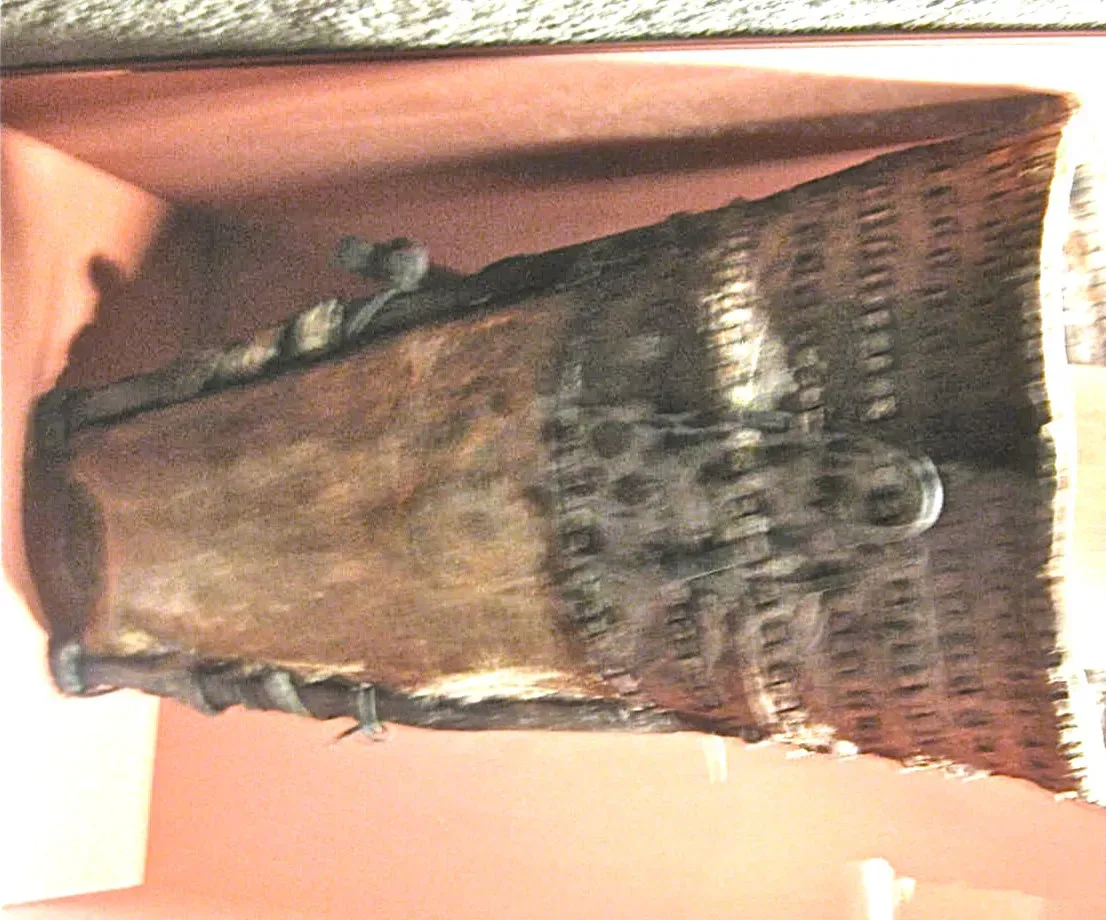
Here’s a fact that stuns most people: Ötzi was using an external-frame backpack 5,000 years before REI existed.
His pack wasn’t a simple sack – it was engineered. Archaeologists recovered a U-shaped wooden frame that apparently served as a backpack to carry his gear. Other analyses describe it as a backpack made from a large piece of bent hazel wood with larch wood slats and a hide sack attached.
This is functionally identical to the aluminum-frame backpacks sold in outdoor stores today. The design distributes weight along the spine rather than pulling on the shoulders – a detail modern gear companies market as innovative. Ötzi had already figured it out. He likely used it to haul his birch-bark containers, his weapons, and his food supply across brutal alpine terrain. Most people picture cavemen dragging bundles by hand; Ötzi was engineering ergonomic solutions. What he packed inside that frame is just as impressive.
#6 – A Complete Fire-Starting Kit, Ready to Go
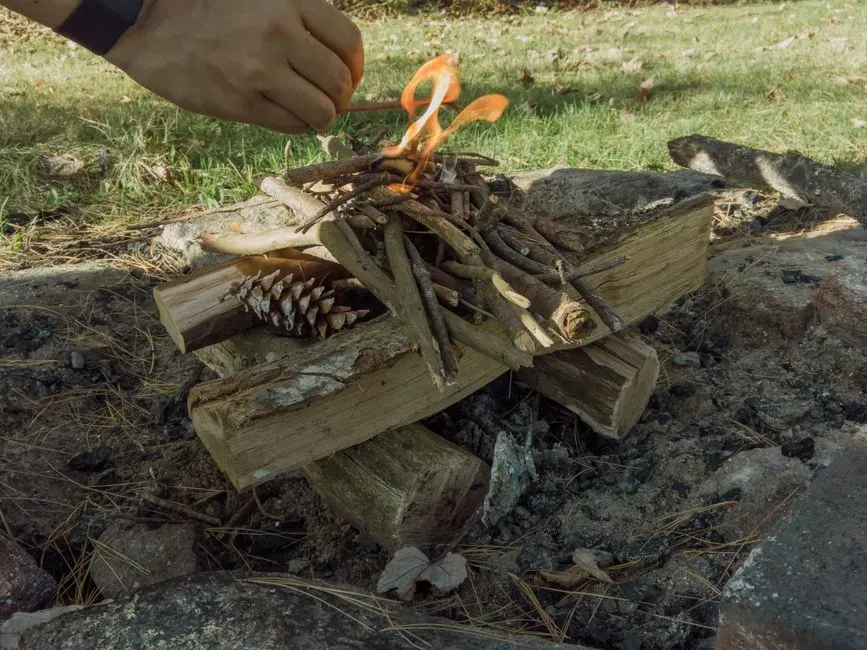
Fire wasn’t guaranteed in the Copper Age. Ötzi made sure he never had to rely on luck.
Tucked into his belt pouch was tinder specifically prepared for ignition. Researchers confirmed among his equipment was tinder material prepared from the ‘true tinder bracket’ fungus Fomes fomentarius, stored inside his belt bag. Fomes fomentarius is famous for holding a spark far longer than dry wood or grass.
Most people don’t realize this fungus is still used by survivalists today. It catches an ember and smolders for extended periods, giving ancient travelers time to build a proper flame. Combined with flint fragments and a pyrite-style striking method, this makes Ötzi’s kit a genuinely complete fire-starting system – not a random pile of tinder, but a deliberate, tested toolkit carried for exactly this purpose. Next to it sat something even stranger: medicine.
#7 – The World’s Oldest Known First-Aid Kit
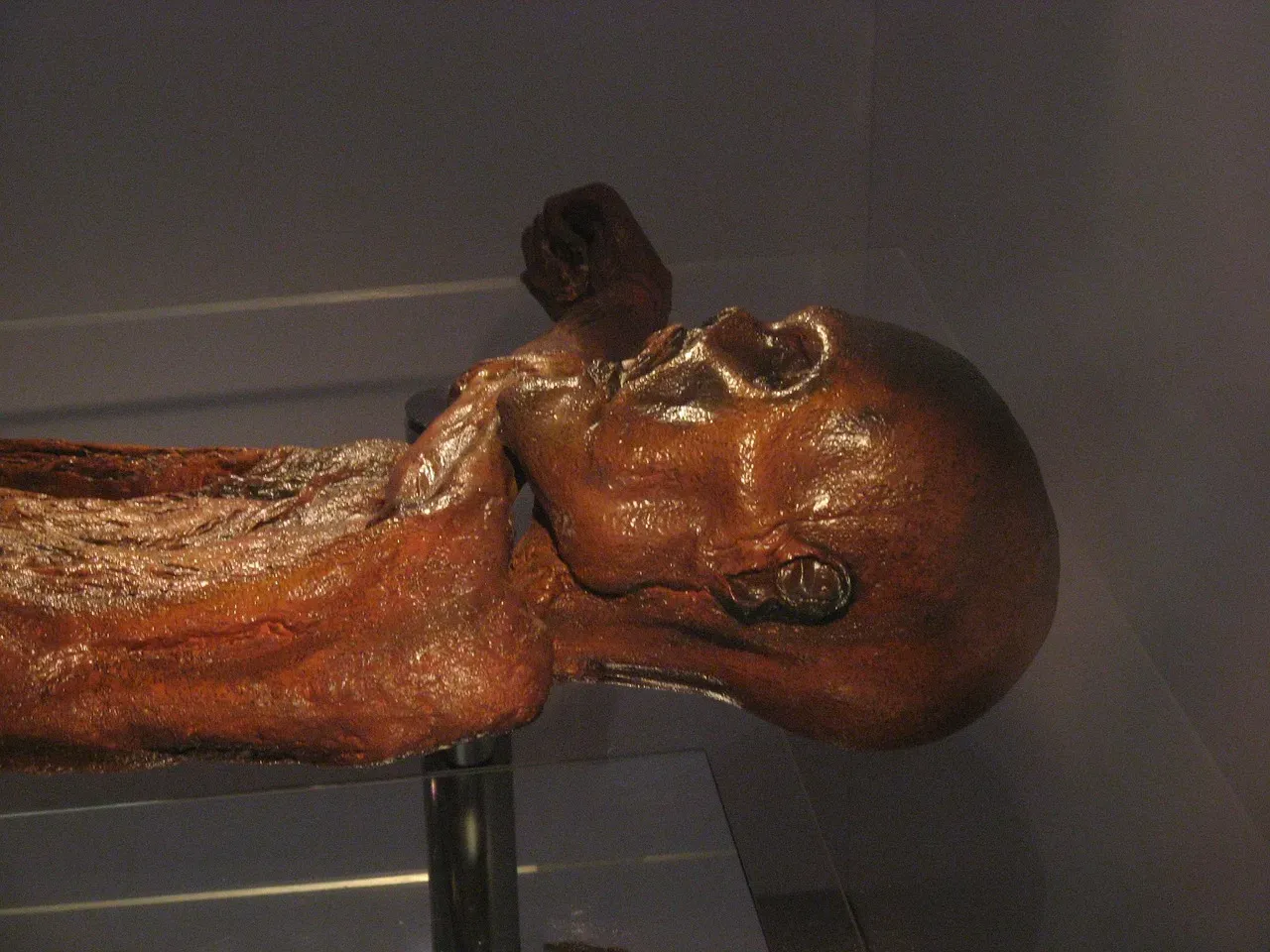
This single detail rewrites the entire history of medicine.
Alongside his tools, Ötzi carried two pieces of a very specific fungus: birch polypore. Scientists confirmed he had two fragments of a fruiting body of Birch Polypore, pierced and strung on a leather thong. This wasn’t random foraging.
Here’s the shocking part almost nobody expects: Ötzi’s autopsy revealed whipworm eggs in his intestines, and birch polypore happens to have anti-parasitic properties. Researchers noted the fungus’s anti-bacterial and anthelmintic properties, suggesting that Ötzi had been dosing himself to combat his whipworm infestation. Modern lab studies back this up, confirming antibacterial, anti-parasitic, antiviral, anti-inflammatory, anticancer, neuroprotective, and immunomodulating activities in the same fungus species. This medicine kit is believed to predate the oldest-known Egyptian remedy by one or two thousand years. Ötzi wasn’t just surviving – he was self-medicating with real, functioning pharmacology. His wardrobe tells an equally surprising story.
Worth Knowing
- Birch polypore carries documented antibacterial and anti-parasitic properties
- Lab studies also link it to antiviral, anti-inflammatory, and anticancer activity
- Ötzi’s intestines contained whipworm eggs, a parasite the fungus may help combat
- His kit is believed to predate the oldest-known Egyptian medical remedy by one to two millennia
#8 – A Full Layered Clothing System
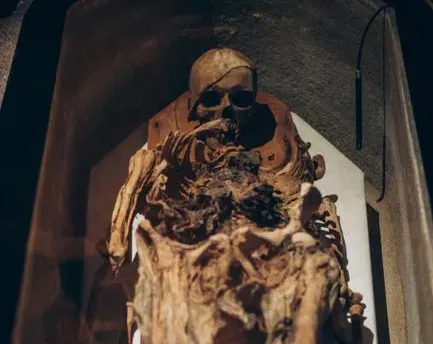
Forget the loincloth-and-spear stereotype. Ötzi was dressed like someone who understood alpine survival science.
His base layer was substantial: an unlined fur robe stitched together from pieces of ibex, chamois, and deer skin. Other researchers describe additional pieces including a goat hide coat, a goat leather loincloth fastened with a belt, and calf-to-thigh leggings made from goat skin.
Most people assume Copper Age clothing was crude. It wasn’t. Mixing three different animal hides in a single coat wasn’t accidental – each hide type offers different insulation, water resistance, and durability. The leggings even had loops designed to thread onto a belt and laces to attach to his shoes, creating a connected, wind-sealing system from waist to foot. This is layered outdoor clothing technology that wouldn’t look out of place in a modern hiking catalog description – just built from hide instead of Gore-Tex. And his outerwear gets even stranger from here.
#9 – A Woven Grass Cape and Bearskin Cap
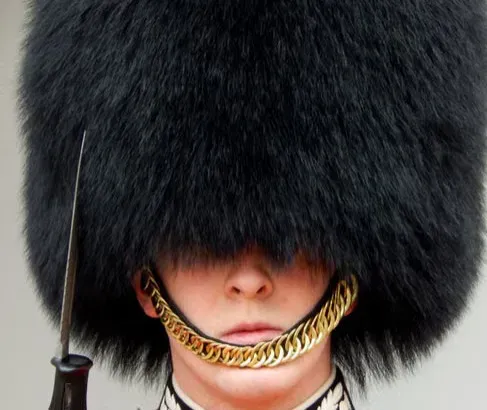
This next item confuses people every time, because it looks more like thatched roofing than clothing.
Ötzi wore an outer shell built for weather protection. Records confirm a woven grass cape and a furry cap provided additional protection from the cold. Some researchers even believe the grass mat may have doubled as backpack padding or a ground cover, since the mat which Ötzi used to protect himself from the rain was possibly part of a backpack.
Here’s a controversial take worth debating: some experts argue this grass cape proves Ötzi wasn’t dressed for a quick errand – he was equipped for extended time outdoors, possibly herding animals at high altitude for days or weeks at a time. His bearskin cap, meanwhile, was practical rather than decorative, made to trap heat at the head, where the body loses warmth fastest. Together, the cape and cap suggest he understood layering an insulating base with a weatherproof shell – a survival principle still taught today. His footwear pushes that same logic even further.
#10 – Shoes Engineered Like Modern Snow Boots
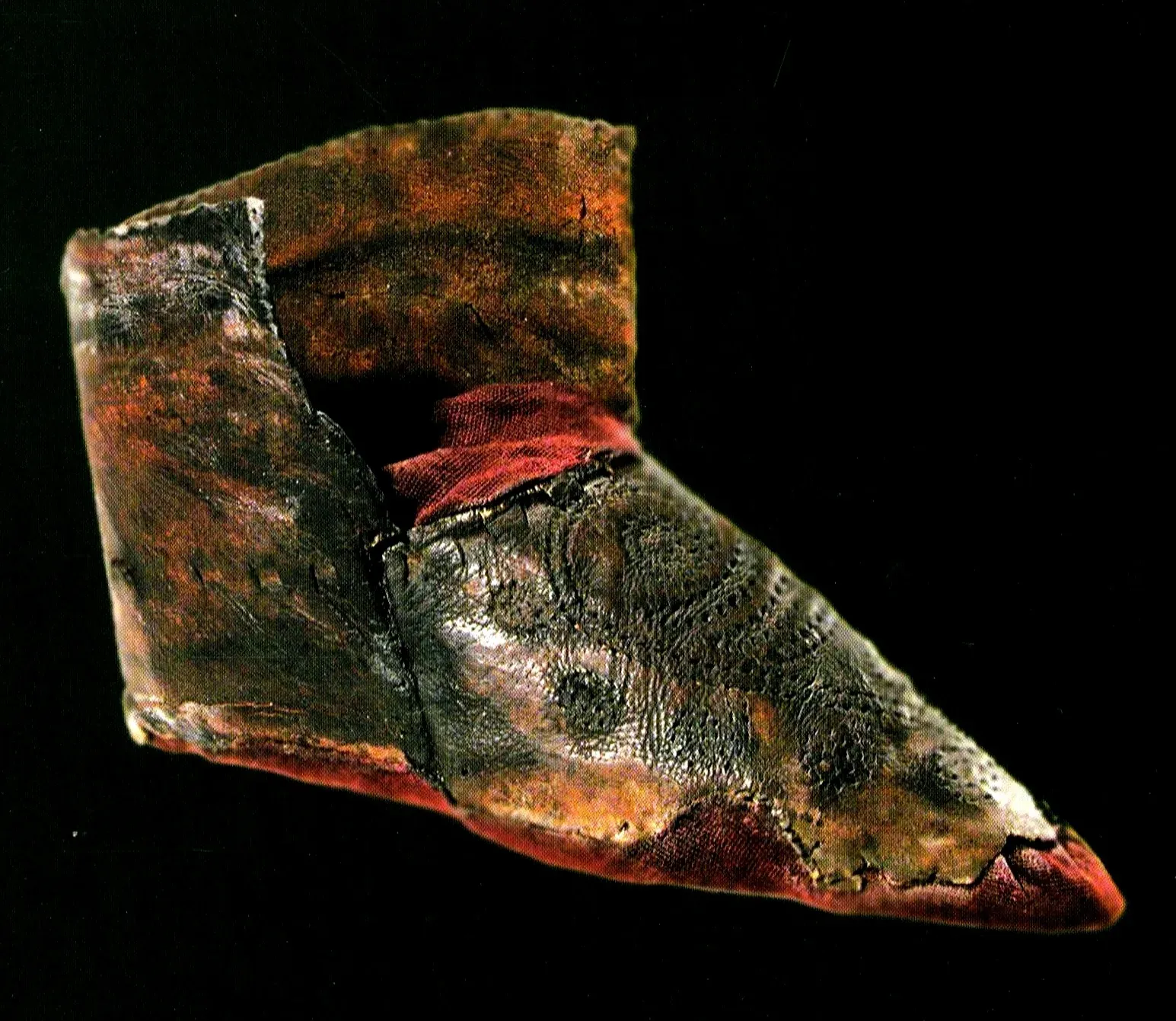
If you think ancient footwear was just wrapped leather, Ötzi’s shoes will change your mind.
His shoes were a genuine multi-part system. Descriptions confirm double layer shoes, with inners made of grass and outers made of deerskin with bearskin soles. He also wore shoes made of leather and stuffed with grass.
This detail alone stunned outdoor gear designers when it was first studied. Grass insulation works almost identically to modern synthetic sock liners – it traps warm air pockets against the skin while wicking moisture away. The bearskin sole added traction and durability on icy or rocky terrain, essentially functioning as an early tread pattern. Combine that with the leggings and their built-in shoe laces, and Ötzi had a fully integrated cold-weather boot system that modern winter hikers would recognize instantly. But his belt pouch might be the most telling item of all.
Quick Compare
- Ötzi’s shoes: deerskin outer, bearskin sole, grass-stuffed lining for warmth
- Modern winter boots: synthetic outer, rubber sole, synthetic insulation liner
- Shared principle: both trap warm air while pulling moisture away from the skin
- Key difference: Ötzi’s version relied entirely on locally sourced natural materials
#11 – A Belt Pouch Packed With Surprisingly Advanced Tools
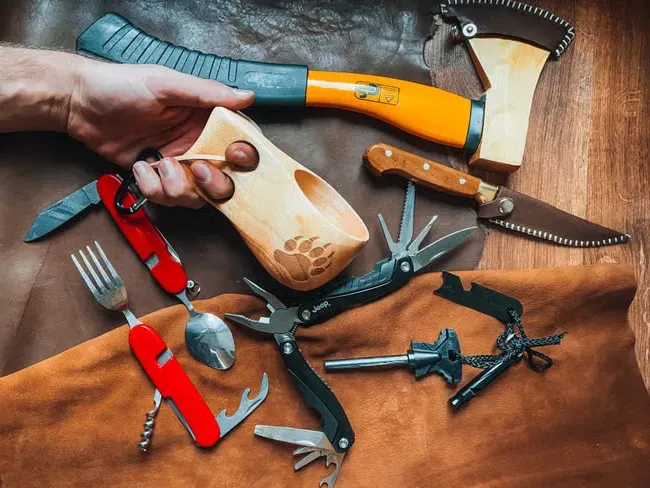
This unassuming leather pouch might be the single most information-dense item Ötzi carried.
Inside it, researchers found a working toolkit. The pouch contained an endscraper, borer, and small flake, along with fire-starting material. Live Science reported that his tools, the oval-shaped end scraper, likely used for cutting plants or working animal hides, and the borer, likely used for boring holes in material such as wood, had been freshly modified.
Most people don’t realize how much maintenance this proves. These weren’t tools he happened to be carrying – analysis showed nearly all of Ötzi’s tools had been reworked or re-sharpened over the years. He was actively maintaining and upgrading his kit right up until his final days. The pouch also held a small stone disc and a marble-bead tassel, items whose exact purpose remains debated, but which show a level of personal customization archaeologists rarely find preserved this well. The very last thing he packed says the most about him.
#12 – Birch-Bark Containers and His Final Meal

This is the detail that ties everything together – and it’s the most human part of the entire discovery.
Ötzi carried food storage designed for durability in harsh terrain. He had two birch wood vessels clad with maple leaves, used instead of heavier options, since it’s understandable why Ötzi did not carry his provisions in heavy, breakable pottery jars, carrying them instead in a backpack or in his birch-bark containers.
Here’s the most overlooked detail in the entire find: Ötzi wasn’t starving or unprepared. His stomach contents show his final meal was red deer, possibly accompanied by cereals. On top of that, he carried with him blackthorn fruit, mushrooms, and a few gnawed ibex bones. That’s a balanced, calorie-dense diet for someone traveling at altitude – proof that whatever killed Ötzi, it wasn’t hunger or poor planning. He ate well, packed smart, and still didn’t survive the day.
The Bottom Line
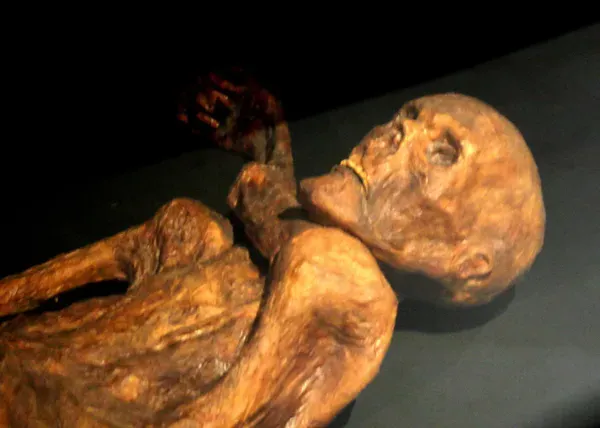
Ötzi wasn’t a primitive wanderer who got unlucky in a snowstorm. He was a fully equipped, technologically advanced traveler carrying trade-sourced copper, a working pharmacy, engineered outerwear, and a backpack frame modern hikers would recognize instantly.
His unfinished bow and shredded arrows tell a story of panic, not routine travel – and that changes everything about how we should picture his final hours. The real mystery isn’t what he carried. It’s why none of it saved him.
What do you think really happened on that mountain? Drop your theory in the comments.