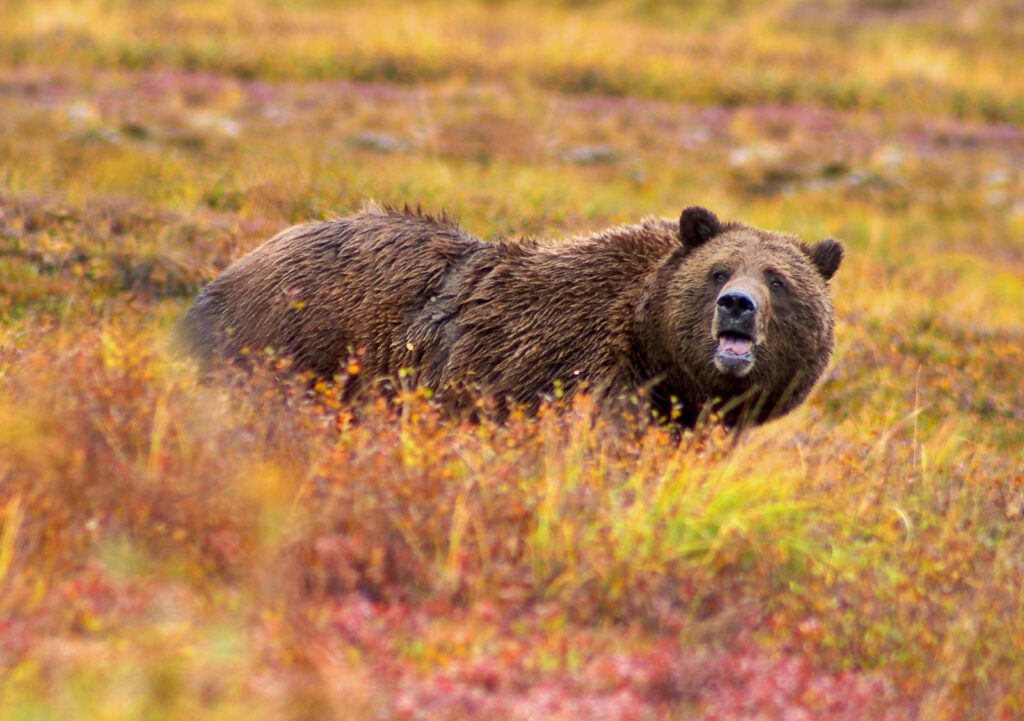
Most people picture grizzly bears as snarling, salmon-snatching killing machines that rule the wilderness through raw force. That image is quietly falling apart in research labs and field stations across North America. Tracking collars, DNA panels, and hair-isotope tests keep pointing to the same uncomfortable conclusion: this animal is stranger than the myth, and in some ways far more fragile.
Scientists who’ve followed grizzlies for decades are now rewriting textbook assumptions about their diet, their hibernation, their genetics, even their personalities. Some of what they’ve found sounds almost impossible – a bear that gives itself diabetes on purpose, or one whose internal clock never actually stops ticking, even buried under snow for months. Here’s what researchers are actually finding, starting with the biggest myth of all.
#12 – Grizzlies Are Secretly Mostly Vegetarian
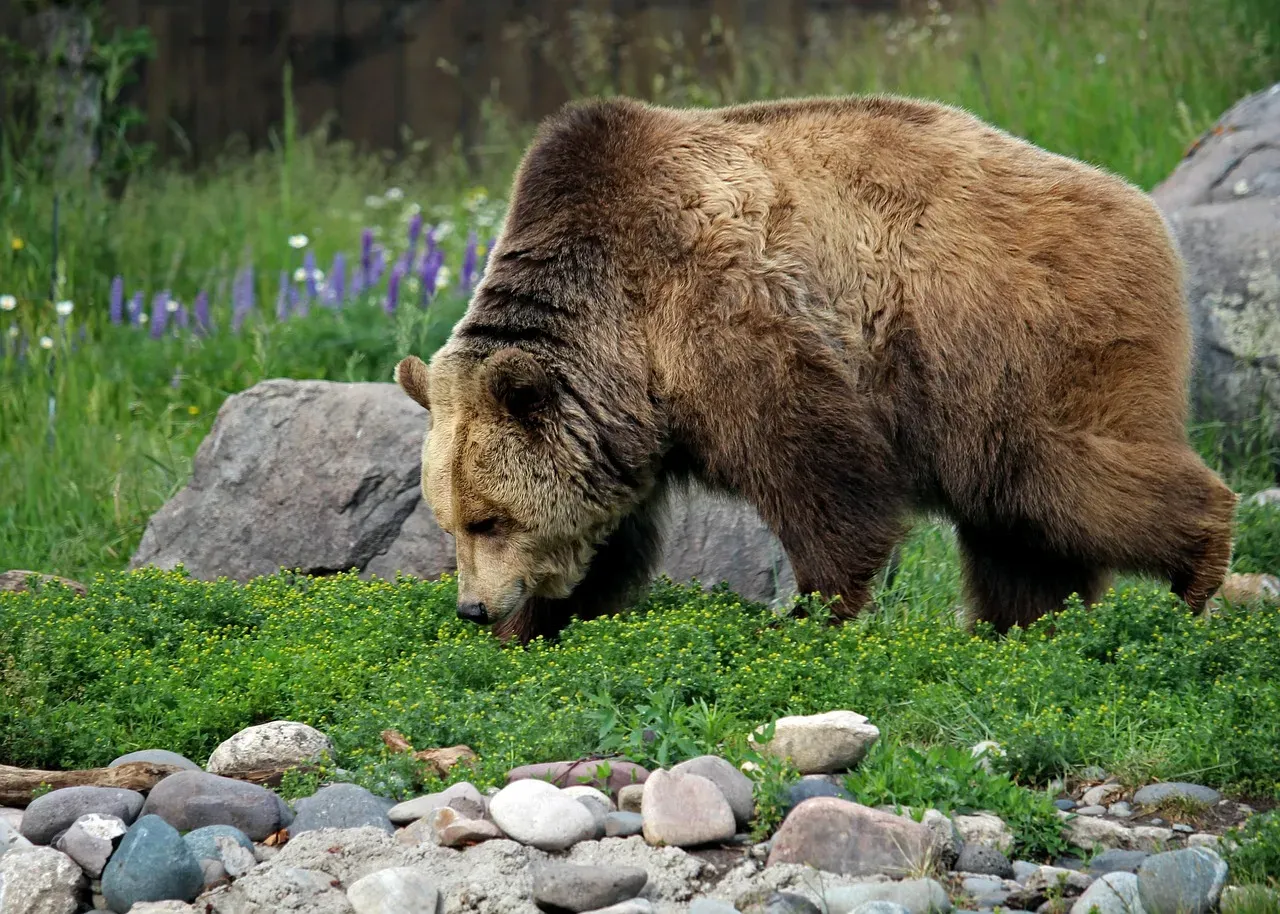
Forget the salmon-snatching, elk-mauling stereotype. Many grizzlies barely touch meat at all.
When scientists began planning to reintroduce grizzlies to California, they dug into the historical diet of the state’s extinct population and found something nobody expected. California grizzlies were not the fierce carnivores of lore. Their diet was roughly 80% plant-based, built overwhelmingly around acorns.
That’s not a rounding error. That’s an animal engineered by evolution for foraging, not hunting, and it’s now reshaping how conservationists plan rewilding efforts. If grizzlies survived for millennia on acorns, roots, and berries instead of deer and salmon, then habitat plans built around “prey density” are missing the point entirely. The bear that mauls a hiker for headlines is the rare exception – most of a grizzly’s day is spent quietly grazing like an oversized, clawed cow. That’s just the first crack in the myth. Wait until you see #11.
#11 – One Bear, 266 Menu Items
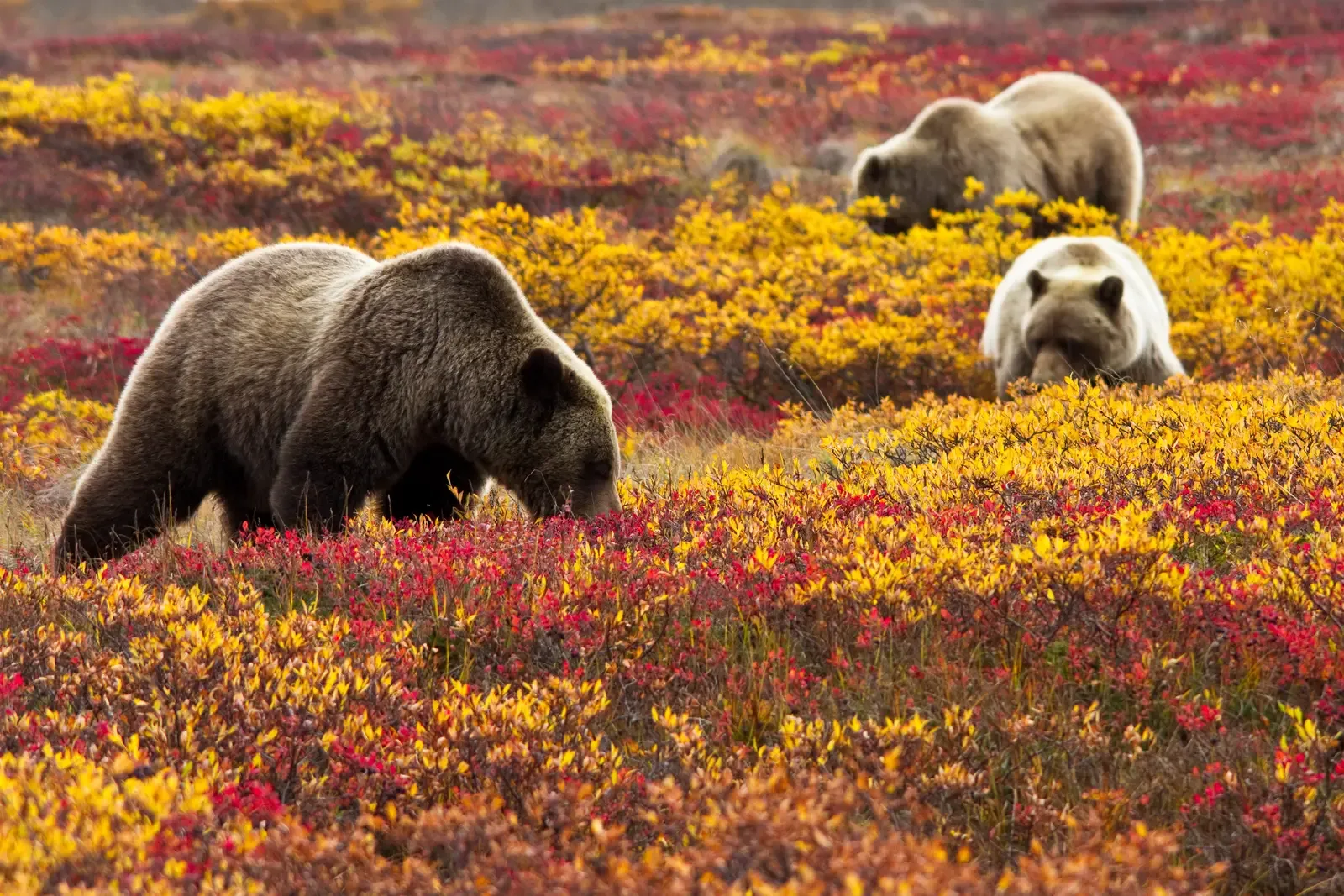
Grizzlies aren’t picky eaters. They’re arguably the most opportunistic omnivores in North America, and the number behind that claim is jaw-dropping.
Long-term field studies in Yellowstone found that grizzlies across the ecosystem eat a total of 266 different species of plants and animals. That range runs from tree bark, tubers, and roots all the way to ants, ground squirrels, and moths – an almost absurd nutritional range for a single species.
This flexibility is exactly why grizzlies have survived habitat loss that wiped out more specialized predators. A wolf needs elk. A grizzly needs almost anything organic. Scientists now argue this adaptability, not raw strength, is the real secret to the species’ resilience, and it’s why grizzlies thrive in landscapes as different as alpine meadows and coastal river valleys without missing a beat. Their hair is about to expose an even stranger eating habit scat samples completely missed.
Fast Facts
- Yellowstone grizzlies eat 266 documented species of plants and animals
- Diet ranges from tree bark and roots to ants, moths, and ground squirrels
- Wolves depend on elk to survive; grizzlies can subsist on almost anything organic
#10 – Their Hair Hides a Hidden Eating Habit
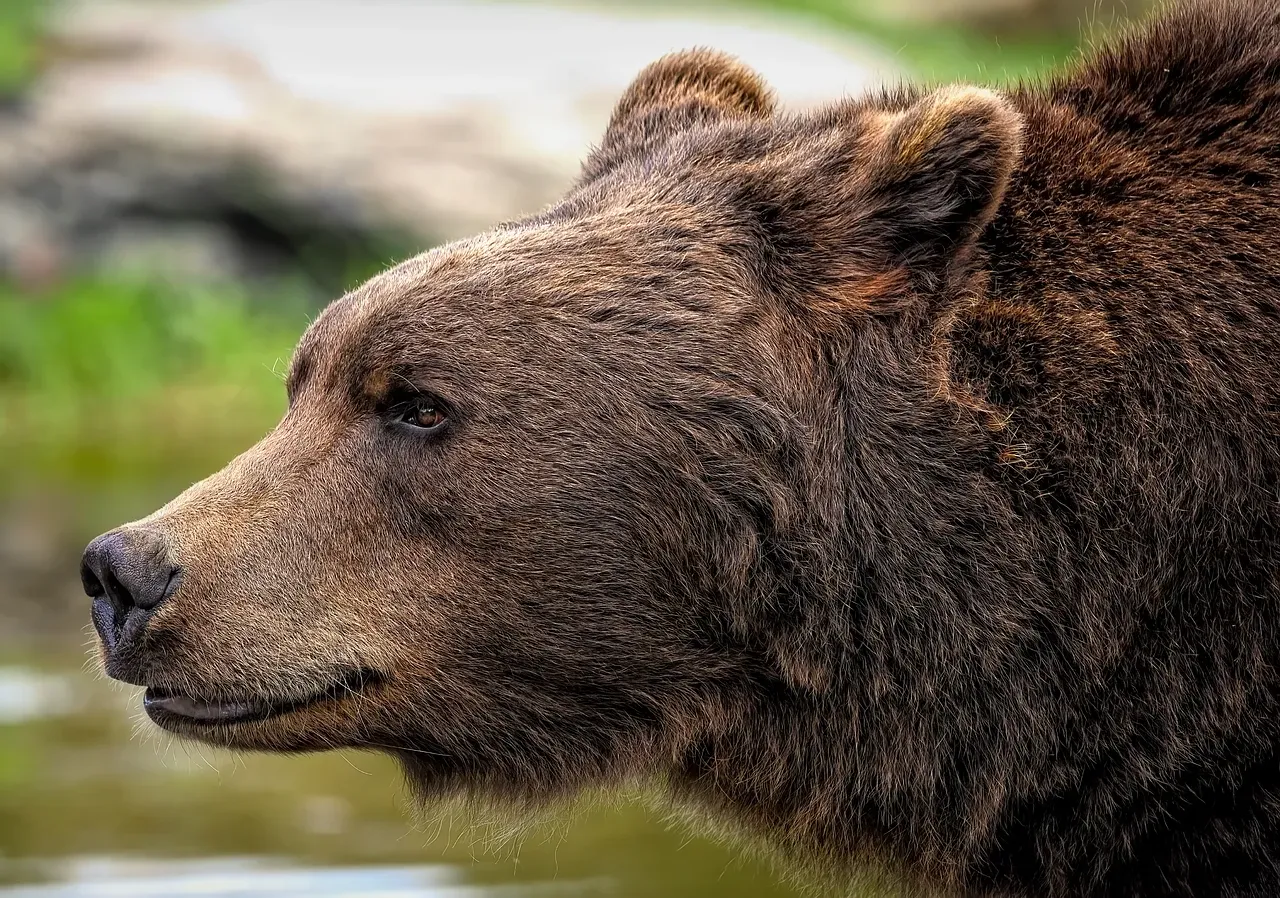
Bear droppings have been lying to scientists for decades, and a clever hair-testing trick just exposed the deception.
Researchers snagging hair samples off trees near salmon streams discovered something unsettling about how grizzlies actually eat fish. Some bears skip the meat almost entirely and go straight for the brains, which are packed with energy-rich fat perfect for building winter reserves fast.
Even the timeline was wrong. Scientists long assumed grizzlies started growing their thick winter coats back in May or June, but isotope signatures in the hair showed the real growth spurt happens much later in summer. Stranger still, plenty of bears skip peak salmon season entirely, choosing to keep foraging for vegetation instead. Scat samples never caught any of this, because digestible foods like salmon barely leave a trace in droppings. What comes next is even harder to believe.
#9 – Grizzlies Give Themselves Diabetes on Purpose
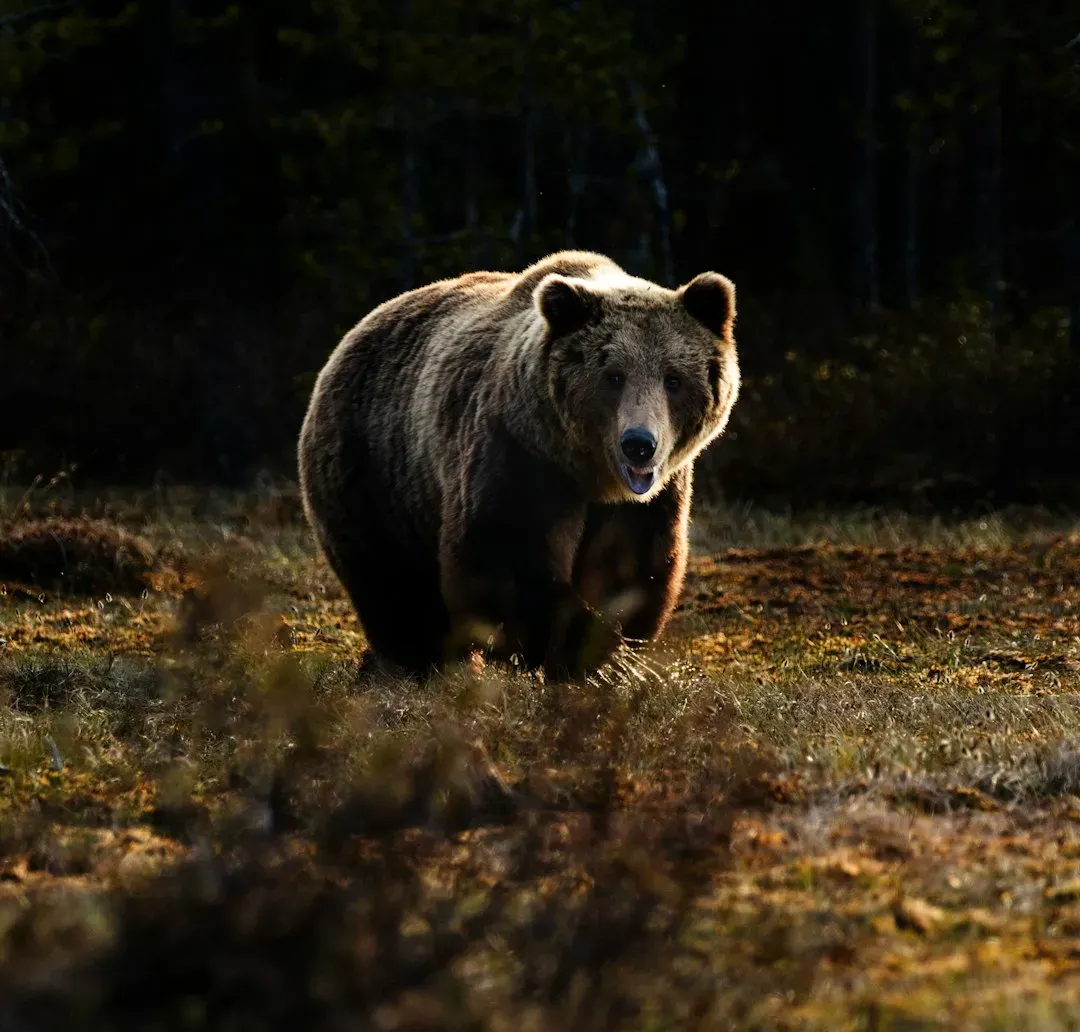
Every single year, a healthy grizzly bear becomes clinically diabetic, then completely cures itself.
This isn’t a disease process gone wrong. It’s evolution’s most efficient survival trick. Researchers note that grizzlies are obese but not diabetic in the fall, turn diabetic only weeks later during hibernation, and are fully “cured” again by spring. The cycle keeps the bear alive through months with zero food.
The mechanism is bizarre by human standards. Insulin levels in the bear’s blood barely change; instead, the cells that respond to insulin simply switch their sensitivity on and off. Even stranger, the fattest bears turn out to be the most insulin-sensitive, achieved by shutting down a protein called PTEN in fat cells – the exact opposite of what happens in human obesity. Medical researchers are watching this closely, because it may be the key to treating human diabetes someday.
#8 – Hibernating Grizzlies Never Lose Muscle
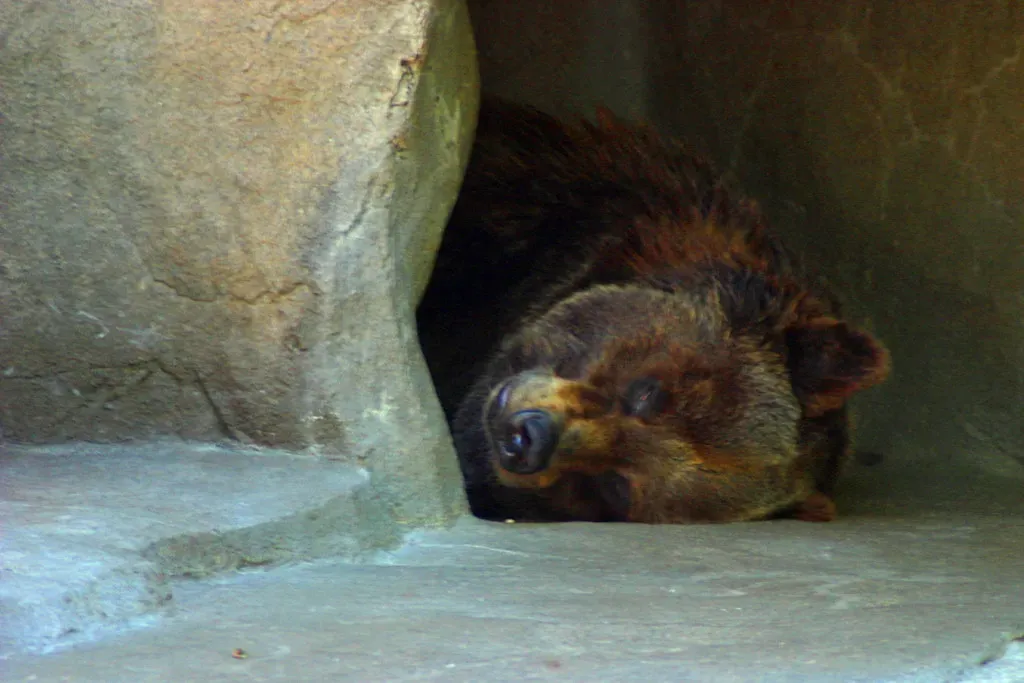
A human confined to bed for five months would lose devastating amounts of muscle. A grizzly bear doing the exact same thing for the exact same stretch walks out of its den essentially unchanged.
Grizzlies spend months completely motionless in hibernation, yet their muscles don’t waste away the way ours would. Researchers have spent years working out exactly how the bears pull this off, and the answer could eventually help treat bedridden patients or astronauts dealing with muscle loss in space.
The trick lies in amino acid chemistry. Scientists found specific proteins that reshape a bear’s amino acid metabolism during hibernation, flooding muscle cells with certain non-essential amino acids. In plain terms, the bear’s body manufactures its own muscle-preserving fuel from the inside out, no movement required. It’s a biological hack pharmaceutical researchers are now trying to reverse-engineer. But the weirdest part of hibernation isn’t the muscles at all.
#7 – Their Internal Clock Never Actually Stops
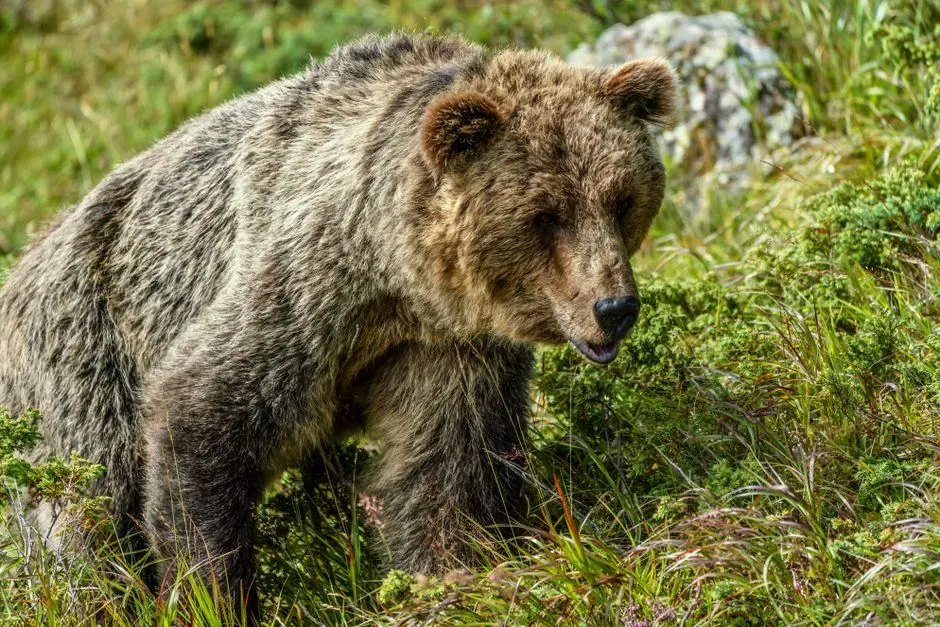
Most people assume hibernation is basically a biological off switch. Scientists just proved that’s completely wrong.
Research out of Washington State University found that grizzly bears keep their circadian rhythms running even during hibernation, challenging decades of assumptions about what “shutting down” actually means for this species. Cell samples showed something remarkable happening at the molecular level while the bear looked totally dormant on the surface.
Scientists studying tissue from six bears across active and hibernating seasons found thousands of genes still cycling rhythmically during hibernation, with ATP energy production continuing in daily waves, just quieter and shifted later in the day. It’s almost as if the bear turns down the thermostat on its own biology without ever switching it off. Technically, grizzlies aren’t even true hibernators; they enter a lighter dormant state called torpor, letting them go over 100 days without eating, drinking, or passing waste. What happens to their sleep schedule outside of winter is even stranger.
#6 – Grizzlies Are Quietly Turning Into Night Animals
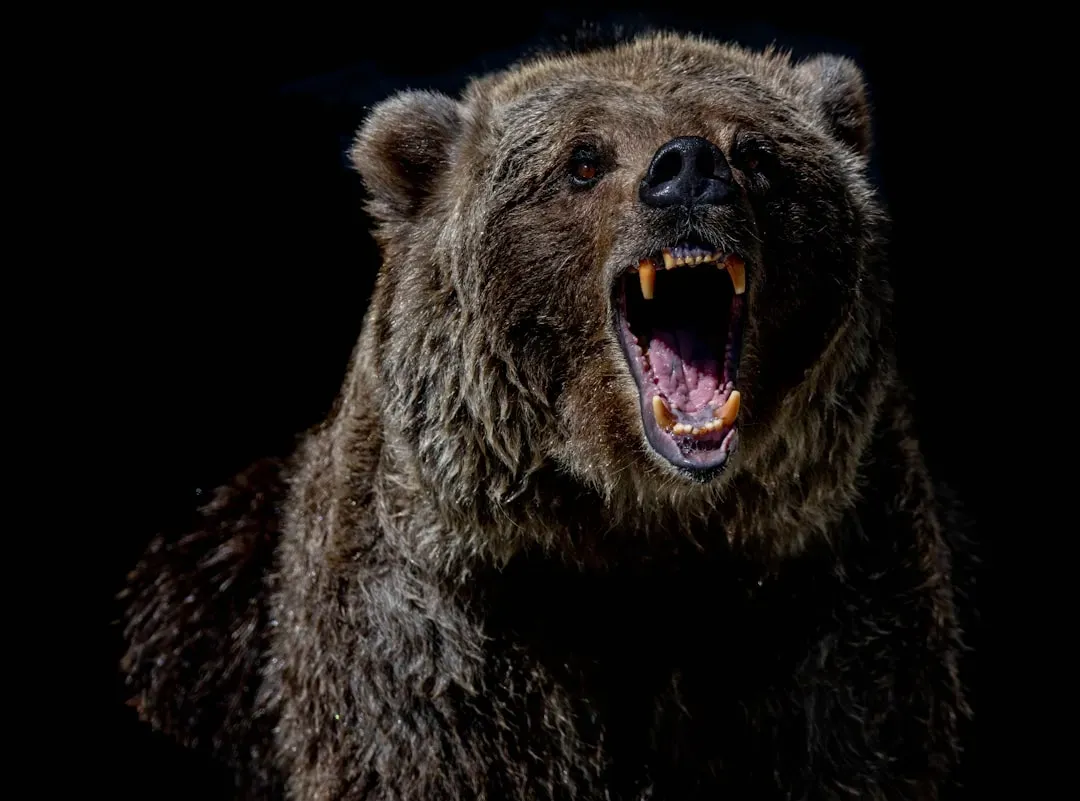
Grizzlies evolved as daytime foragers. Human sprawl is now forcing an entire species to rewrite its own biological clock.
A 2025 study tracked accelerometer data from 169 bears between 2009 and 2022 to see how development, heat, and drought reshape daily bear activity. The pattern was unmistakable: brown bears became more nocturnal in more human-modified landscapes and during hotter stretches.
Not every population can pull this off equally well. Grizzlies in the Greater Yellowstone Ecosystem showed the most flexibility in shifting their activity patterns, while brown bears in Europe, where human pressure is heaviest, showed the least, suggesting they may already be near their behavioral limit. That’s a genuinely uncomfortable finding: some bear populations appear to be running out of room to adapt to us. The next discovery is about a rumor the internet got badly wrong.
Quick Compare
- Greater Yellowstone bears: most flexible, shifting activity toward nighttime hours
- European brown bears: least flexible, possibly nearing a behavioral limit
- Shared trigger: heavier human development and hotter, drier conditions
#5 – “Pizzly” Hybrids Are Real, But Far Rarer Than the Headlines Claim
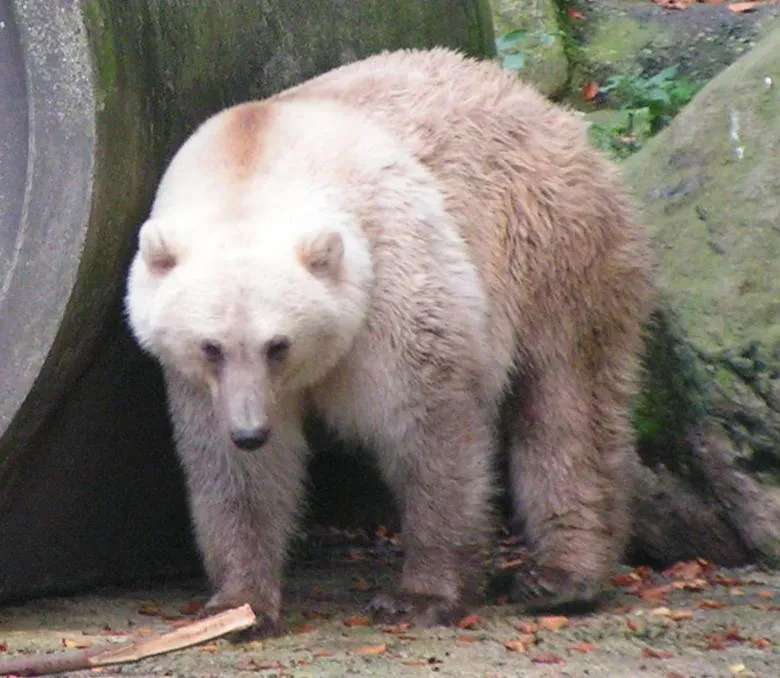
Yes, grizzly-polar bear hybrids genuinely exist in the wild. No, they are not quietly replacing polar bears, despite years of viral claims.
A large genetic survey finally settled the debate. Researchers studied 819 wild grizzly and polar bears across Canada, Alaska, and Greenland and found only eight hybrids, roughly one percent of the sample. The two species can interbreed because they only diverged 500,000 to 600,000 years ago, making viable offspring possible.
Here’s the part that surprised people: many assumed hybrids would be a climate silver lining, better built for a warming Arctic. Bear biologists disagree. When asked whether hybrids might be better adapted to the changing Arctic, researchers say the most likely answer is no; hybrids generally make for mediocre brown bears and mediocre polar bears. That’s not the hopeful hybrid future the internet imagined. Next up is a recovery story that quietly stalled for a reason nobody expected.
#4 – Yellowstone’s Grizzly Boom Has Quietly Stalled
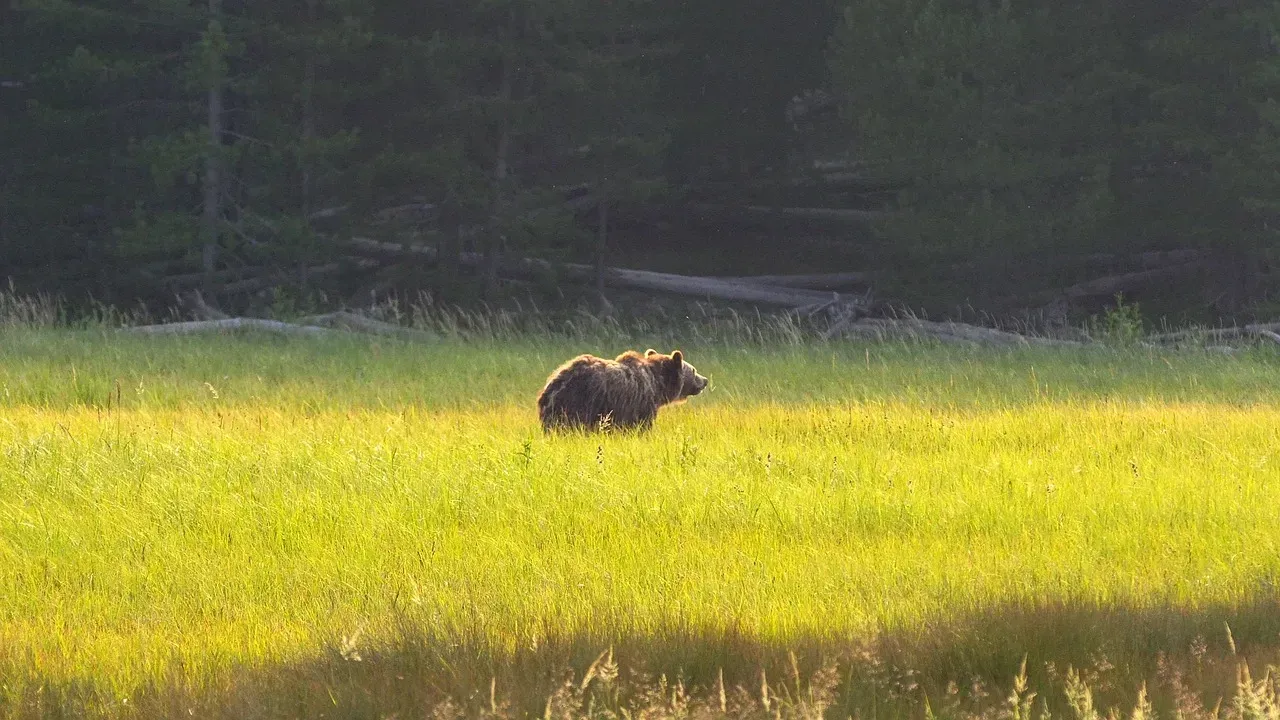
For forty years, Yellowstone’s grizzly recovery was a genuine conservation success story. That story just hit a wall, and scientists say it’s not entirely bad news.
Decades of population data show the scale of the comeback. Long-term counts reveal that grizzly abundance increased nearly fourfold across four decades, tracked continuously from 1983 to 2023. By any measure, that’s a real wildlife success story.
But the growth curve flattened out unexpectedly starting around 2000 and continued into the 2010s, driven mainly by lower survival among bears under two years old. Scientists believe density-dependent effects are the main driver, meaning the ecosystem may simply be reaching its natural carrying capacity in certain zones. In other words, Yellowstone may just be full. That’s a strange kind of success: recovery so complete it’s now self-limiting. What wildlife managers did next is even more surprising.
#3 – Wildlife Managers Are Now Truck-Shipping Bears to Fix Broken DNA
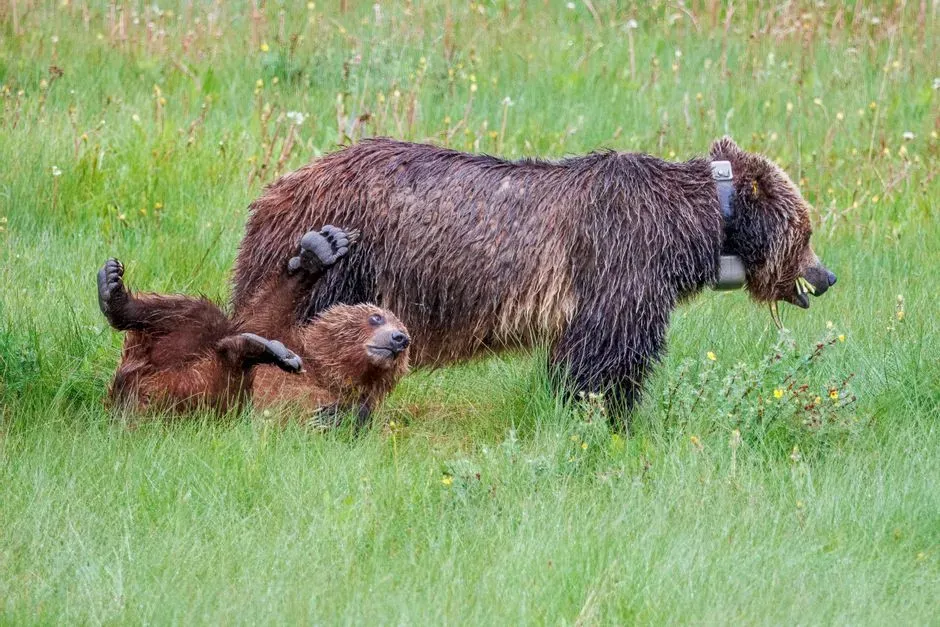
Grizzly populations became so geographically boxed-in that scientists had to physically relocate bears just to keep the gene pool alive.
Decades of habitat fragmentation left some grizzly populations dangerously inbred. Federal bear researchers describe grizzly populations as vulnerable due to genetic and geographical isolation, with small “island” populations at the greatest risk. Yellowstone’s isolated population became one of the most concerning cases.
So managers took direct action. In 2024, Montana transported two young grizzlies into Wyoming as part of a plan addressing a judge’s concerns about genetic diversity in the isolated Greater Yellowstone Ecosystem. The gamble appears to have paid off: in early 2026, a translocated female produced cubs, proof the new bloodlines were taking hold. It’s essentially playing matchmaker for an endangered population, but it may be the only realistic fix for ecosystems this boxed in. What researchers noticed about bear personalities next is even harder to dismiss.
At a Glance
- 2024: Montana trucks two young grizzlies into Wyoming to boost genetic diversity
- Goal: address a judge’s concerns over isolation in the Greater Yellowstone Ecosystem
- Early 2026: a translocated female produces cubs, confirming new bloodlines took hold
#2 – Grizzlies Use Tools, Teach Each Other, and Have Distinct Personalities
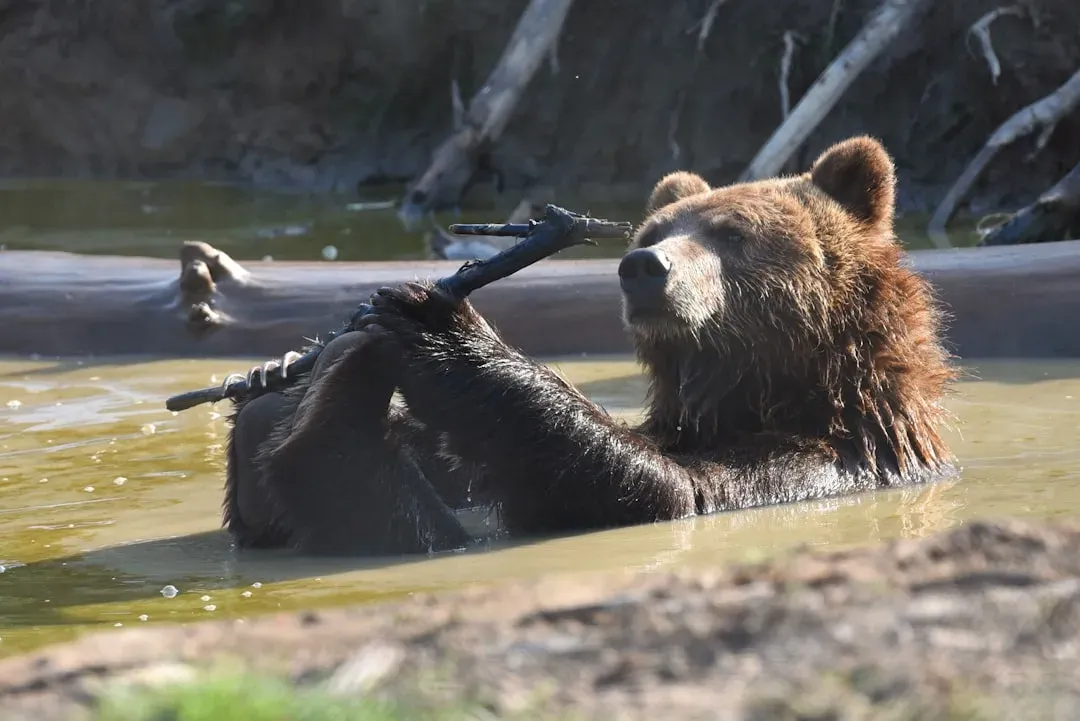
Grizzly bears aren’t running on pure instinct. Long-term behavioral studies suggest something closer to individual character, and even culture.
Field researchers have documented behavior that looks a lot like learning passed between individuals. Grizzlies have been seen using rocks as tools to scratch themselves, picking up feeding strategies from watching each other, and adapting on the fly. In Yellowstone, bears learned to flip rocks searching for army cutworm moths at high elevations, a behavior that spread through observation alone.
Long-term individual tracking reveals something even more surprising: personality. Bears followed for decades turn out to be highly individualistic, each capable of making a living in a completely different way. That’s a controversial idea in wildlife science, where personality was long dismissed as anthropomorphizing. But the data keeps backing it up: two grizzlies raised in the same valley can develop entirely different foraging strategies, risk tolerances, and reactions to humans. None of that matters, though, next to the one number every reader should actually worry about.
#1 – Humans, Not Nature, Are Now the Grizzly’s Biggest Threat
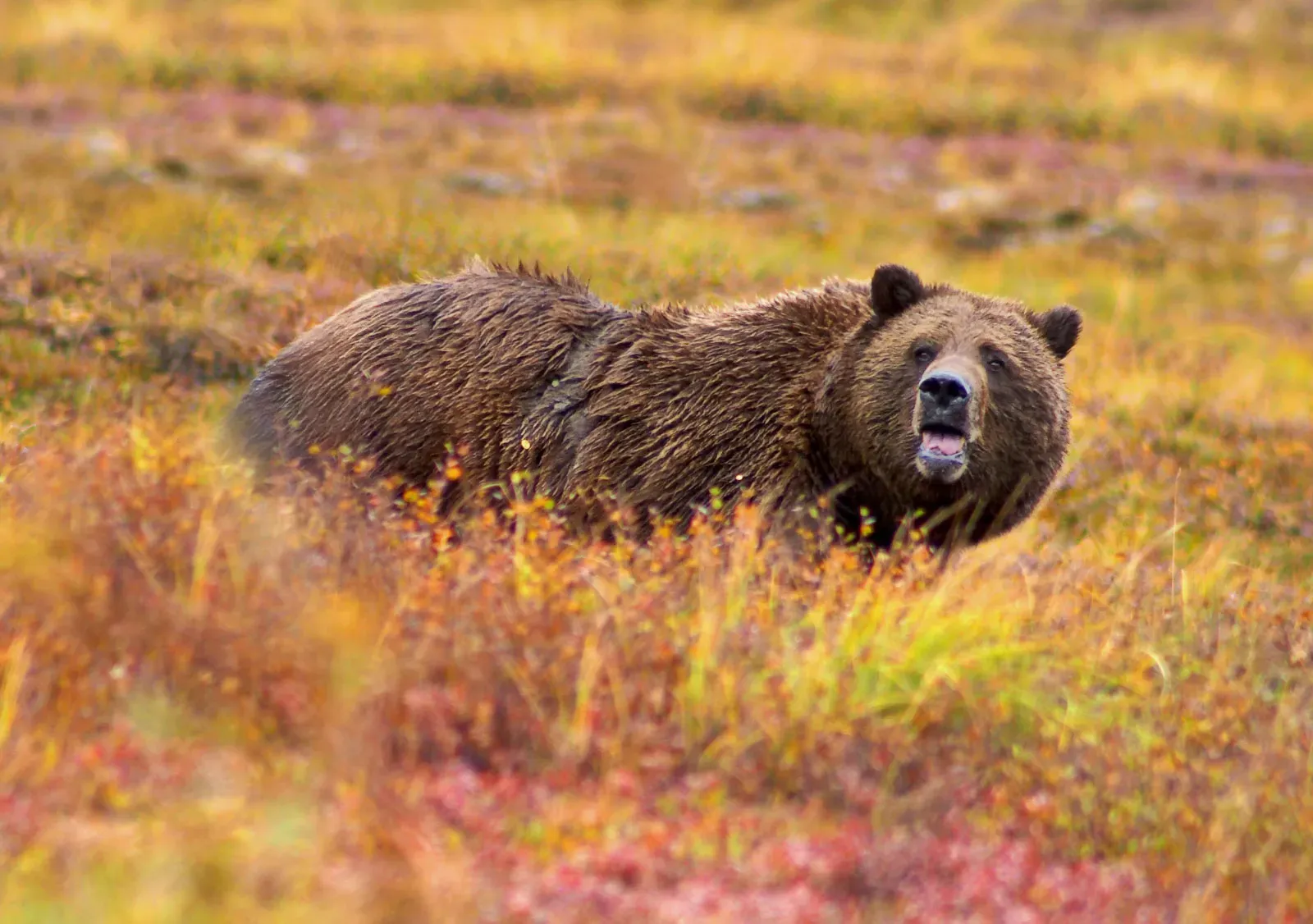
After everything scientists have learned about grizzly biology, genetics, and behavior, one brutal statistic towers above the rest: bears are barely dying of natural causes anymore.
The numbers from recent years are stark. More than 80 grizzlies were killed in 2024, and 2025 trended toward being even deadlier. Researchers combing through mortality records found the causes were almost entirely preventable: surprise encounters with hunters, bears exterminated over livestock or trash conflicts, vehicle and train strikes, electrocution, drowning in drainage infrastructure, and poaching.
The overall figure should give every reader pause: over 95% of grizzly deaths in 2024 were attributable to human causes. Forty years of genetic research, hibernation science, and behavioral studies mean very little if the species keeps dying at human hands faster than biology can compensate. It’s the single most important finding in modern grizzly science, and it’s the one getting the least attention.
Worth Knowing
- More than 80 grizzlies were killed in 2024 alone
- Leading causes: hunter encounters, livestock and trash conflicts, vehicle and train strikes, electrocution, drowning, poaching
- Over 95% of 2024 grizzly deaths were linked directly to human causes
The Bottom Line
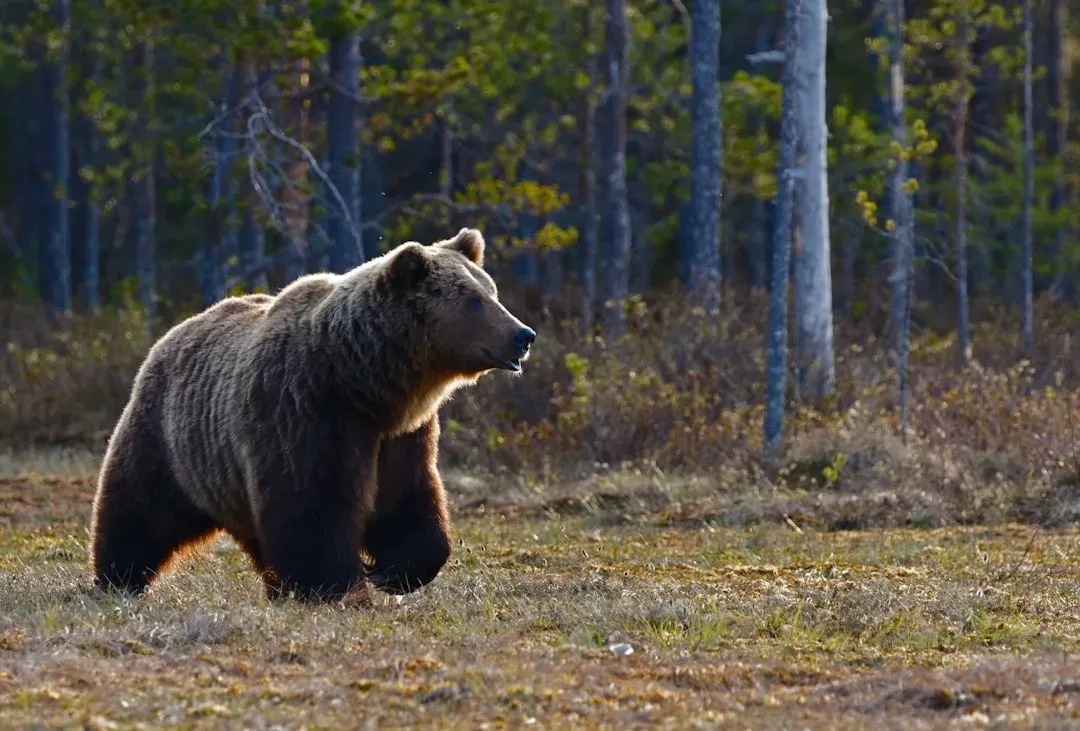
The science is clear: grizzly bears are not the simple, snarling predators of folklore. They’re mostly plant-eating, self-curing diabetics with sharp memories, individual personalities, and internal clocks that never fully switch off, even in hibernation. Genetically, they’re fragile enough that biologists now truck bears between states just to keep bloodlines alive.
And despite all that resilience, all that adaptability, all that quiet biological genius, the overwhelming majority of grizzlies are still dying because of us, not nature. That’s the real headline hiding behind forty years of research, and it’s the one fact that should outlast every other item on this list.