You probably grew up with the idea that dinosaurs ruled everything and early mammals were just tiny, timid “mouse-things” hiding in the dark. That picture is only half true. Once you start looking closely at what scientists have actually found, those so‑called underdogs start to look strangely bold, inventive, and tougher than you’d expect.
As you walk through these twelve facts, you’ll see early mammals not as background extras in a dinosaur movie, but as the quiet engineers of the future. You’ll find out how they chewed, glided, burrowed, smelled, survived mass extinction, and even shaped the world you live in now. By the time you finish, the phrase “small mammal” will feel a lot more impressive than it sounds.
1. You’re Part of a Lineage That Began Before Many Dinosaurs Existed
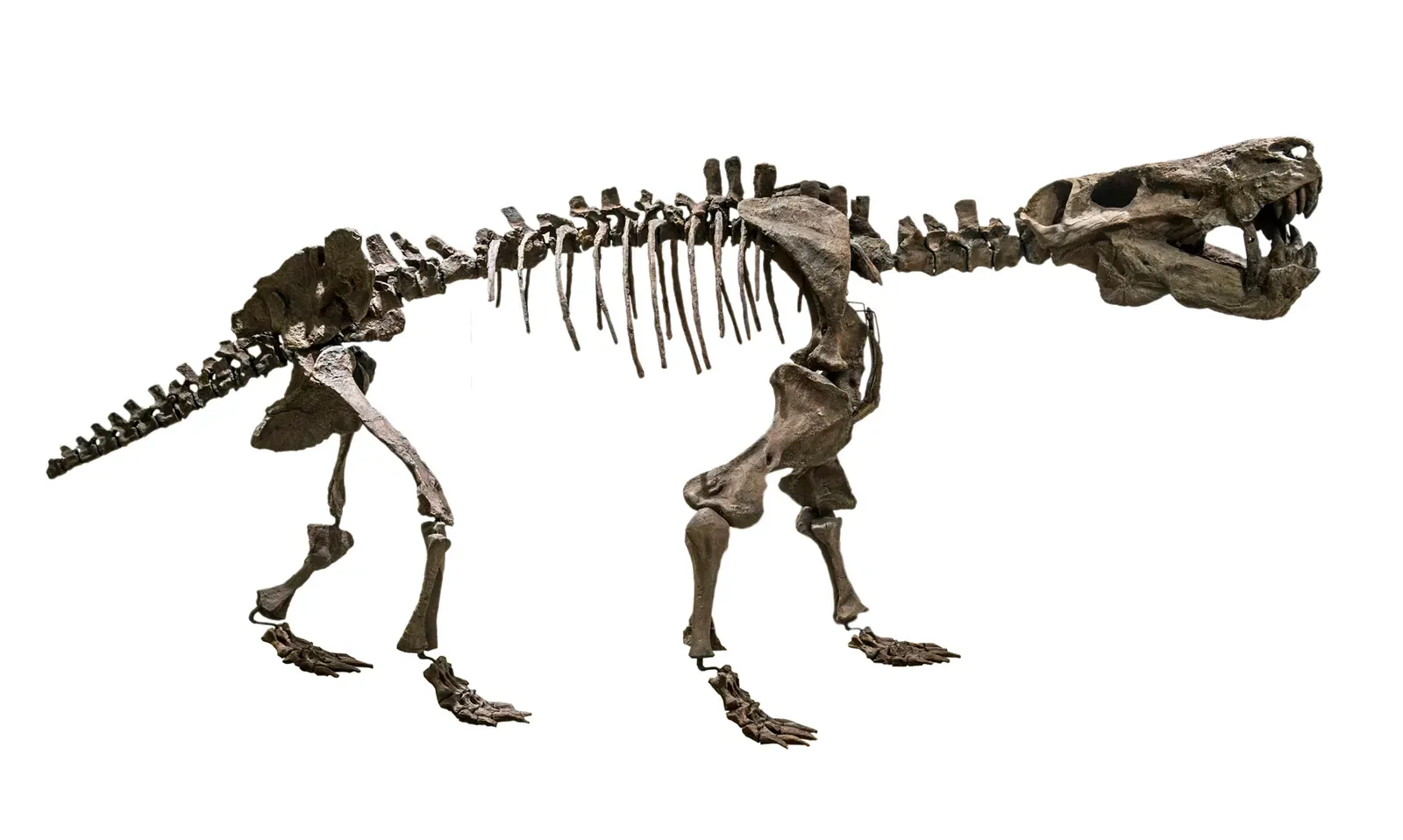
When you imagine “earliest mammals,” you might think they arrived late to the party, sneaking in after dinosaurs were already stomping around. In reality, the ancestors of true mammals were branching off long before the classic dinosaurs you picture from movies had even evolved. You belong to a lineage with roots that reach back over two hundred million years into the Triassic, when the world looked alien and continents were still jammed together.
If you could step into that time, you’d see your distant relatives scurrying under the feet of reptile-like giants called synapsids and early archosaurs, not yet the T. rexes and Triceratops you know. These proto‑mammals carried the blueprint for things you rely on every day: a more efficient jaw, sharper senses, and a brain that would eventually get bigger and more complex. So when you think about your place in history, you’re not just a recent arrival after the dinosaurs fell; you’re part of a story that runs alongside theirs from the very beginning.
2. You Chew Your Food Thanks to a Radical Jaw Revolution
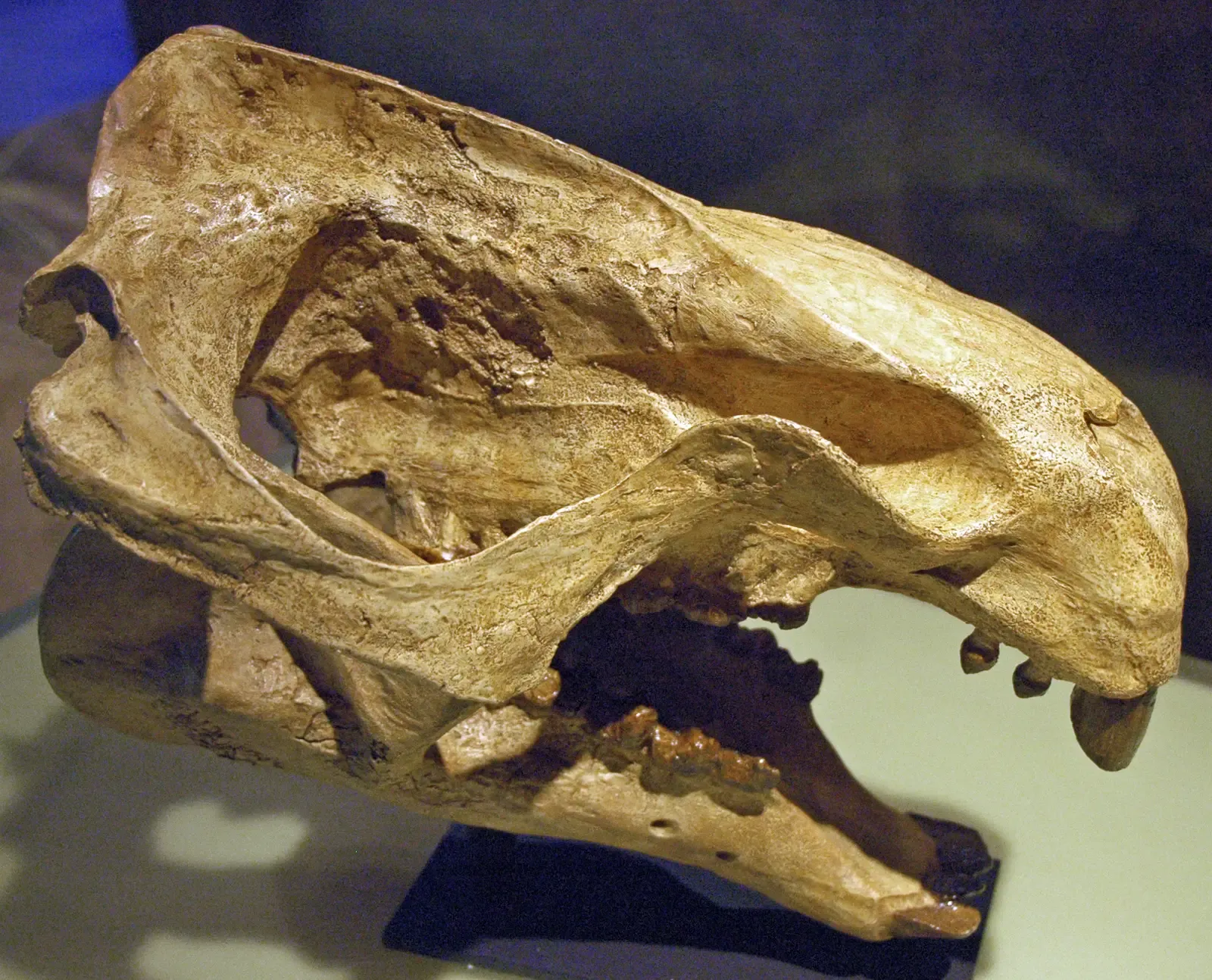
Right now, your jaw is doing something surprisingly advanced: it lets you chew in a smooth, powerful way, with teeth that fit together like tiny machines. Early mammal ancestors invented this trick by reshaping their skulls and jaws in a way no other group of animals has matched. They turned a clumsy, multi-boned jaw into a single strong lower jaw and moved some of those bones into the middle ear, sharpening hearing while improving chewing.
You benefit from that ancient engineering every time you eat something tougher than soup. Instead of just snapping food into chunks like a reptile, you grind, slice, and mash it with precise tooth surfaces that line up almost like gears. That change sounds small, but it opened the door for mammals to eat seeds, insects, meat, and plants more efficiently, helping your distant relatives survive in harsh, competitive worlds. Your ability to enjoy everything from crunchy nuts to chewy bread is a direct echo of that unbelievable jaw makeover.
3. You Inherited Ultra-Sensitive Hearing From Tiny Night Stalkers
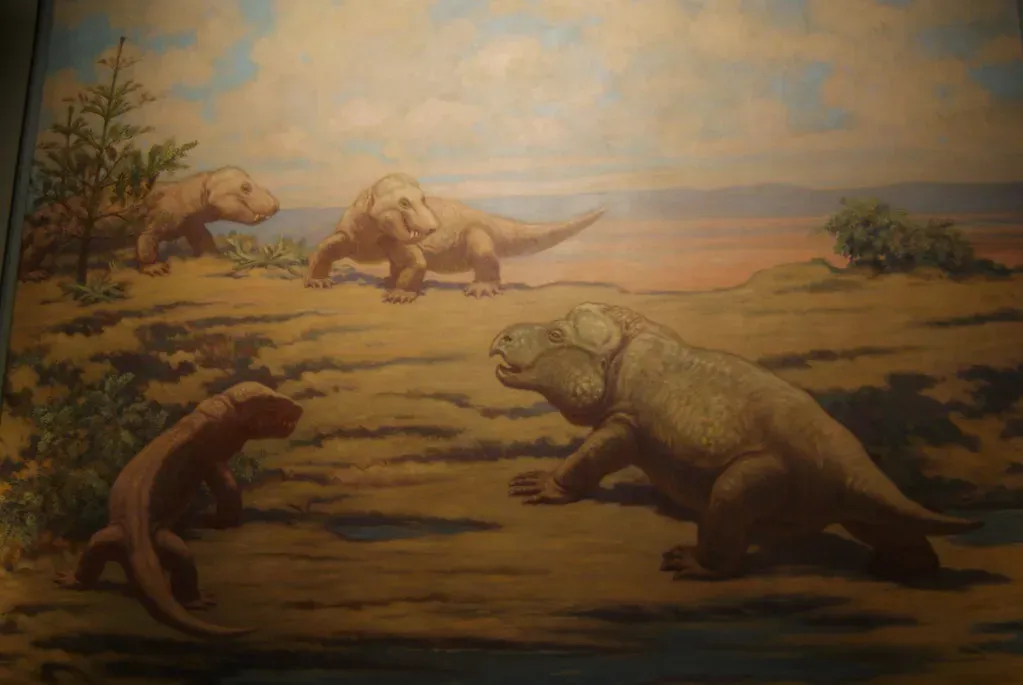
If you cover your eyes for a moment, you still know a lot about the room you’re in just from sound. You owe that awareness to ancestors that lived in the shadows of dinosaurs and had to master the night to stay alive. Those early mammals shrank some jaw bones into the three tiny middle‑ear bones you have now, giving them (and later you) incredibly sensitive hearing.
Picture yourself in a prehistoric forest, small enough to fit in your own hand, listening for the faint rustle of an insect or the soft thump of a predator’s step. Your ancestors turned sound into a survival weapon, picking up high‑pitched noises and subtle vibrations that reptiles could easily miss. Today, you still carry that fine‑tuned system: three delicate bones, a flexible eardrum, and coiled inner ear structures that trace straight back to those nervous little night stalkers who refused to be easy prey.
4. You Come From a Line That Flaunted Fur Like a Superpower
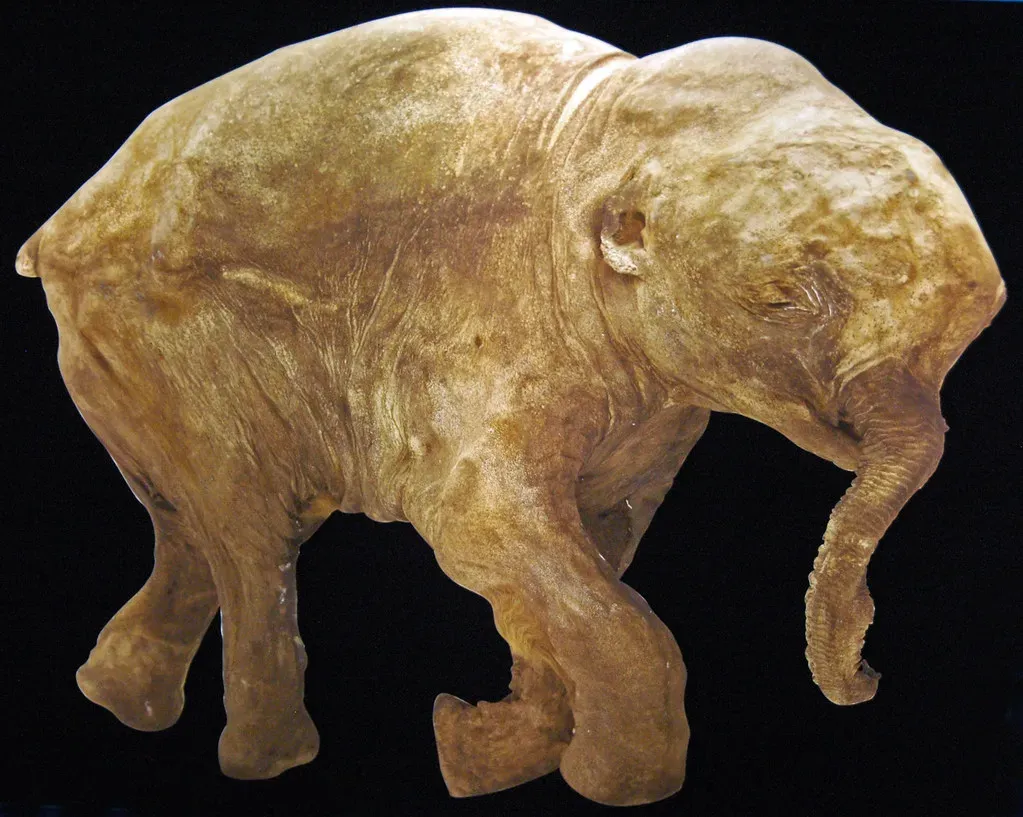
When you pull on a sweater or wrap yourself in a blanket, you’re mimicking something early mammals were already doing with their own bodies: using insulation as a survival hack. Fur was not just a fashion statement; it was a thermal shield that let your distant relatives keep their bodies warm and active even when the environment cooled. Evidence from fossilized skin impressions and the structure of early mammal skulls suggests that hair and fur appeared early in the mammal story, long before big furry mammoths strolled onto the scene.
Imagine trying to hunt insects at night or stay awake during chilly evenings without a built‑in coat. With fur and a warm‑blooded metabolism, early mammals could stretch their active hours into the dark, slipping into ecological time slots that many cold‑blooded reptiles could not use well. You still depend on that same basic strategy: your body works best when it can keep a stable internal temperature, and the traces of those hairy pioneers are visible every time you notice goosebumps or run your fingers through your own hair.
5. You Owe Your Brain’s Energy Hunger to Early Warm‑Blooded Risk Takers
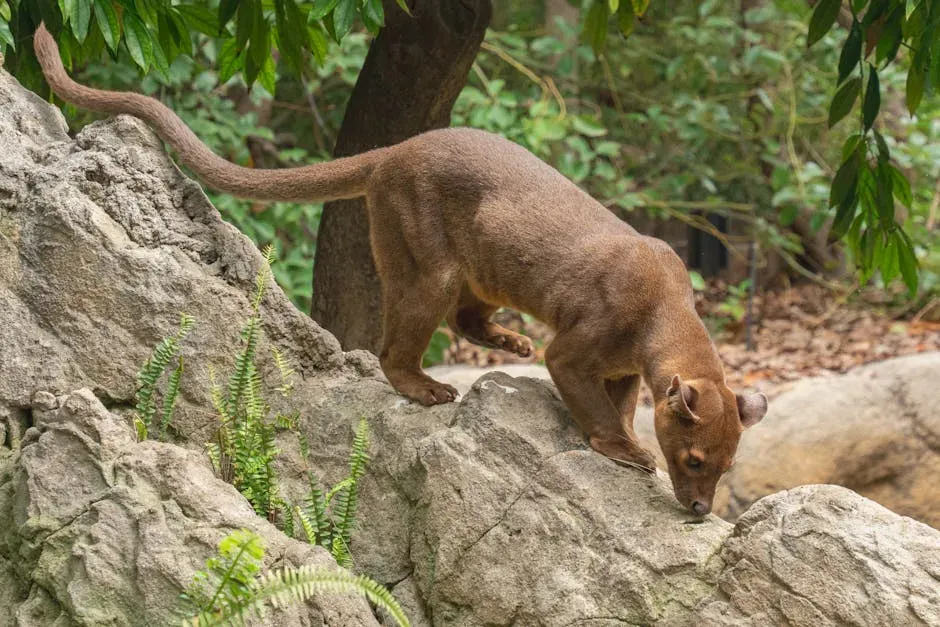
Your brain is a bit of a diva: it burns a huge portion of your daily energy just to keep its thoughts humming along. That costly habit began when early mammals shifted toward warm‑blooded lifestyles, trading low energy use for constant readiness. To stay active at night and in cooler climates, your ancestors had to speed up their metabolism, and a more active brain came along for the ride.
By the time you appear in this long story, that investment has paid off in problem‑solving, memory, and flexible behavior. But in the beginning, it was a gamble. A warm‑blooded mammal had to eat far more just to stay alive than a cold‑blooded reptile of similar size. If you trace your restless mind back far enough, you find a small animal that had to constantly find food, dodge danger, and make split‑second choices in a risky world. Your modern ability to plan, imagine, and reflect is built on that ancient decision to burn more fuel for more brain.
6. You’re Linked to Early Mammals That Glided Before Birds Perfected the Sky
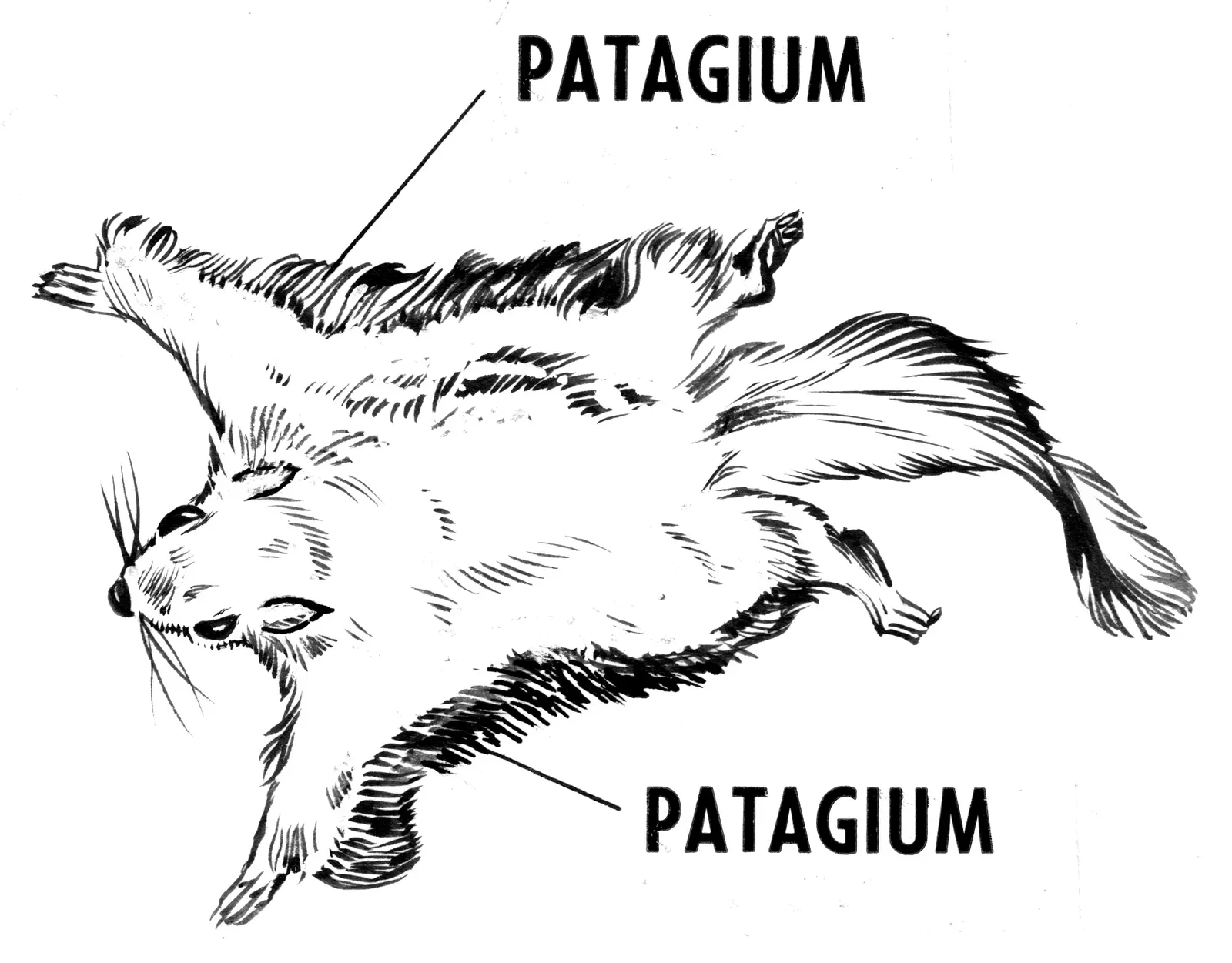
If you think flight and gliding belong mostly to birds and pterosaurs, you’re missing some surprisingly acrobatic cousins in your own family tree. Some early mammal relatives developed skin membranes stretched between their limbs, allowing them to glide from tree to tree long before modern flying squirrels appeared. You can picture them as palm‑sized daredevils, leaping into the air and using extended skin flaps to sail through prehistoric forests.
When you watch a flying squirrel or a sugar glider today, you’re seeing a modern replay of a strategy that appeared more than once in mammal evolution. You inherit the same basic body plan – flexible limbs, mobile shoulders, and lightweight bones – that allows that kind of innovation. While you may not be able to launch yourself from a tree and coast on the wind, your skeleton reflects the kind of adaptable framework that made those early gliders possible in the first place.
7. You Share Burrowing Instincts With Ancient Underground Survivors
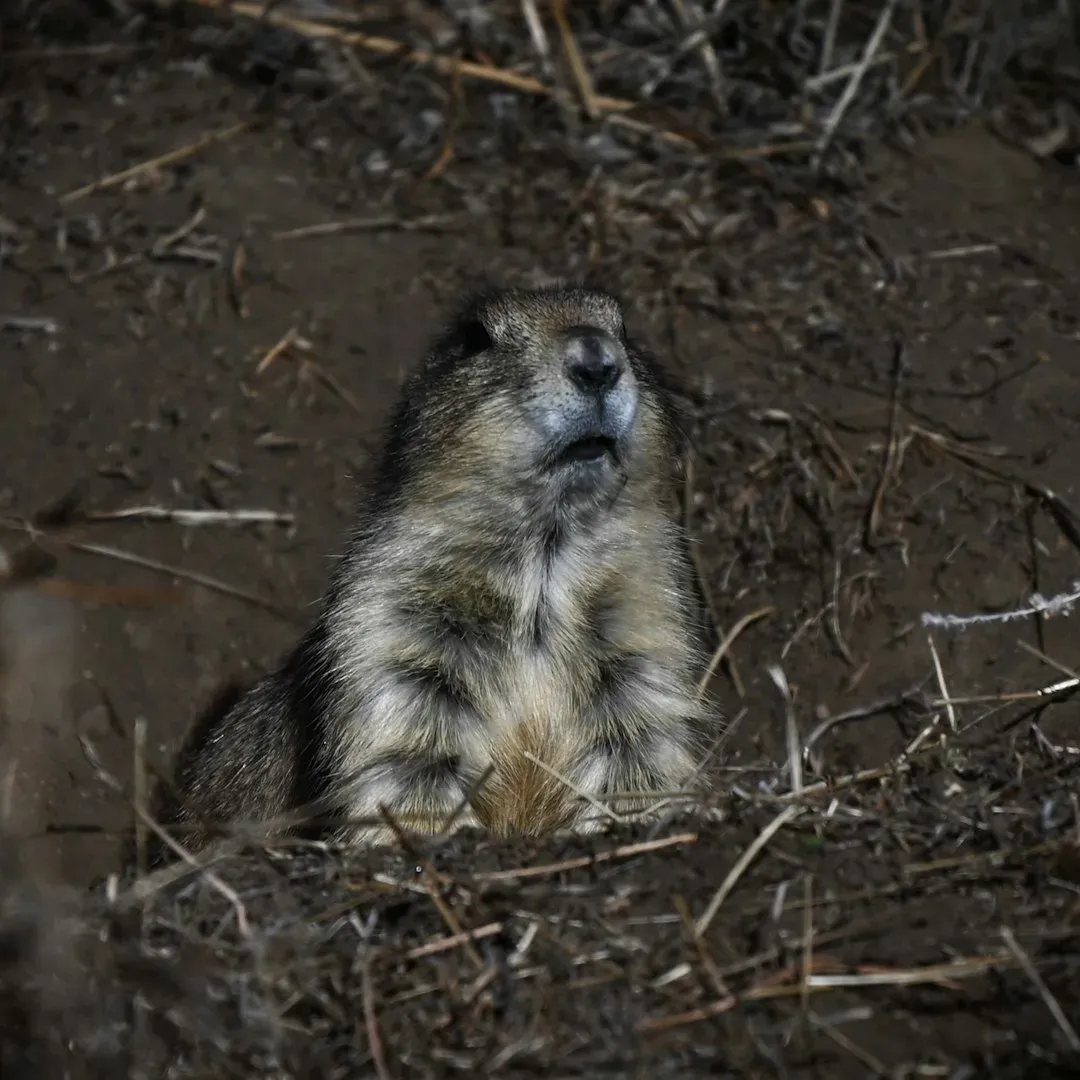
Have you ever felt a strange satisfaction from building a blanket fort, setting up a tent, or slipping into a cozy small space? Early mammals leaned hard into that instinct by heading underground, using burrows as shields against predators, temperature swings, and environmental chaos. Fossil burrows from deep time show you that small, mammal‑like creatures dug intricate tunnels, complete with chambers that acted like prehistoric panic rooms.
This underground lifestyle did more than just keep them hidden; it probably helped some of your distant relatives survive catastrophic events. When ash fell, temperatures dropped, or predators prowled, a tunnel system meant safety, stable temperatures, and a place to raise young. You can see the same strategy in modern moles, wombats, and prairie dogs, but it is rooted in behaviors that stretch back to the earliest mammals. That sense of comfort you get in sheltered places echoes a survival trick your lineage was using long before humans even existed.
8. You’re Connected to Tiny Insect Hunters With Surprisingly Complex Teeth
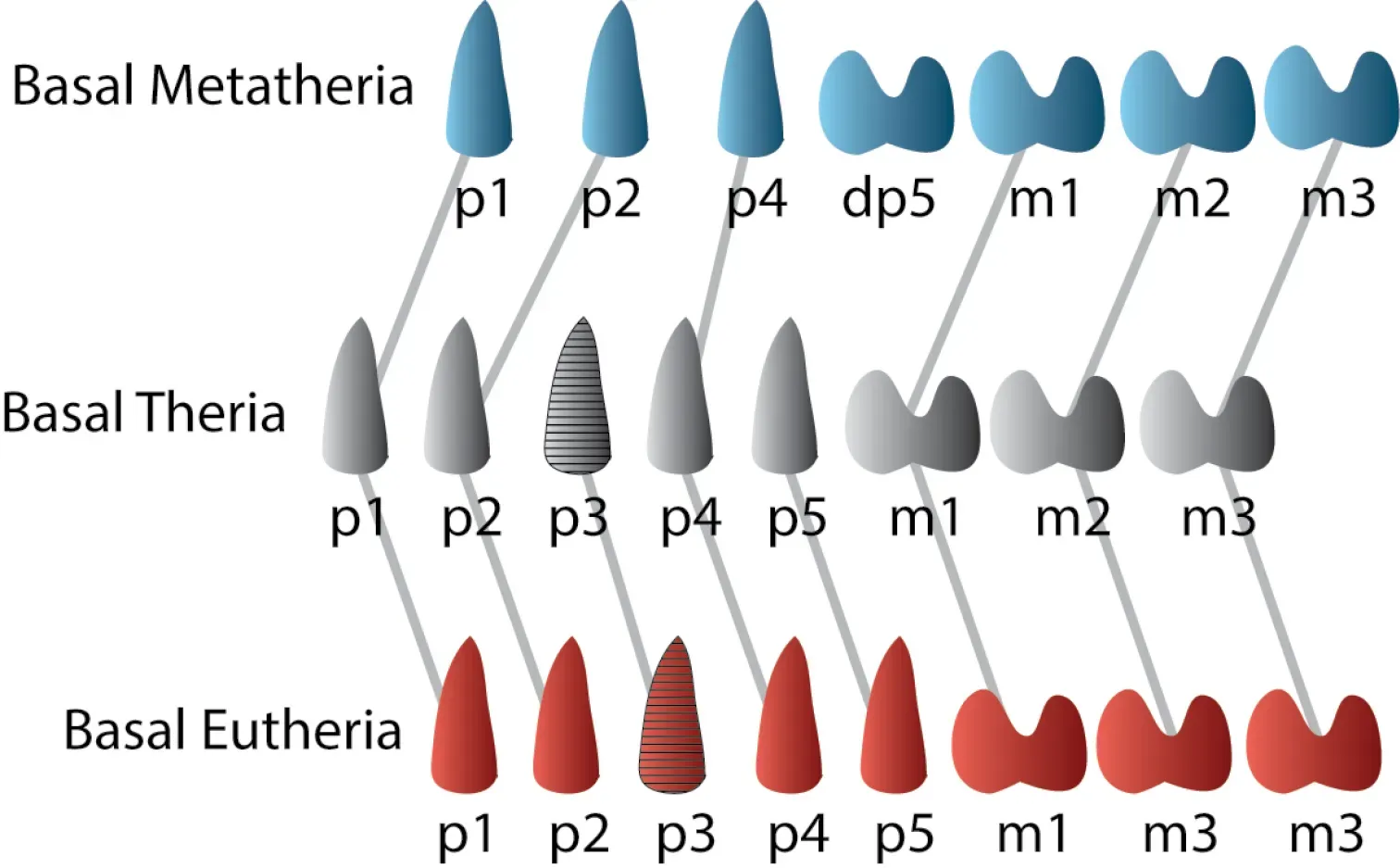
When you bite into different kinds of food, you probably do it without thinking, but your teeth are not simple tools. Early mammals evolved complex, interlocking tooth patterns that let them specialize in insect hunting, plant nibbling, or meat slicing, sometimes within a single mouth. You can imagine a creature no bigger than your hand, armed with teeth arranged in careful patterns of cusps and ridges, designed to crush beetle shells or slice tiny worms efficiently.
Your own molars, premolars, canines, and incisors are direct descendants of those experiments in dental engineering. They let you tackle a shockingly wide range of foods, from crunchy raw carrots to cooked steak. Instead of being trapped in a single feeding style, your ancestors used diverse teeth to exploit whatever food sources were available. That flexibility, starting with early mammalian tooth evolution, helped make your entire group more resilient in changing environments where a one‑trick diet could mean starvation.
9. You Survive Today Because Your Ancestors Outlasted the Dinosaur Doom

When the asteroid struck at the end of the Cretaceous, it was bad news for giant dinosaurs, but it also turned the world into a nightmare for everything else. You exist because some early mammals were able to ride out the chaos that followed: darkness, cold, wildfires, and a collapsing food web. Their small size, flexible diets, burrowing habits, and fast reproduction helped them hang on in conditions that wiped out many larger creatures.
If you picture yourself living through that extinction event, you would not want to be big, slow, or picky about what you ate. You would want to be the kind of creature that can eat seeds, insects, carrion, and anything else you could find, all while hiding in cracks, burrows, or dense vegetation. That is exactly what many early mammals did. Every breath you take now is a quiet tribute to those survivors who endured one of the worst days in Earth’s history and rebuilt the world in its aftermath.
10. You’ve Inherited Night‑Vision Tendencies From Creatures of the Dark
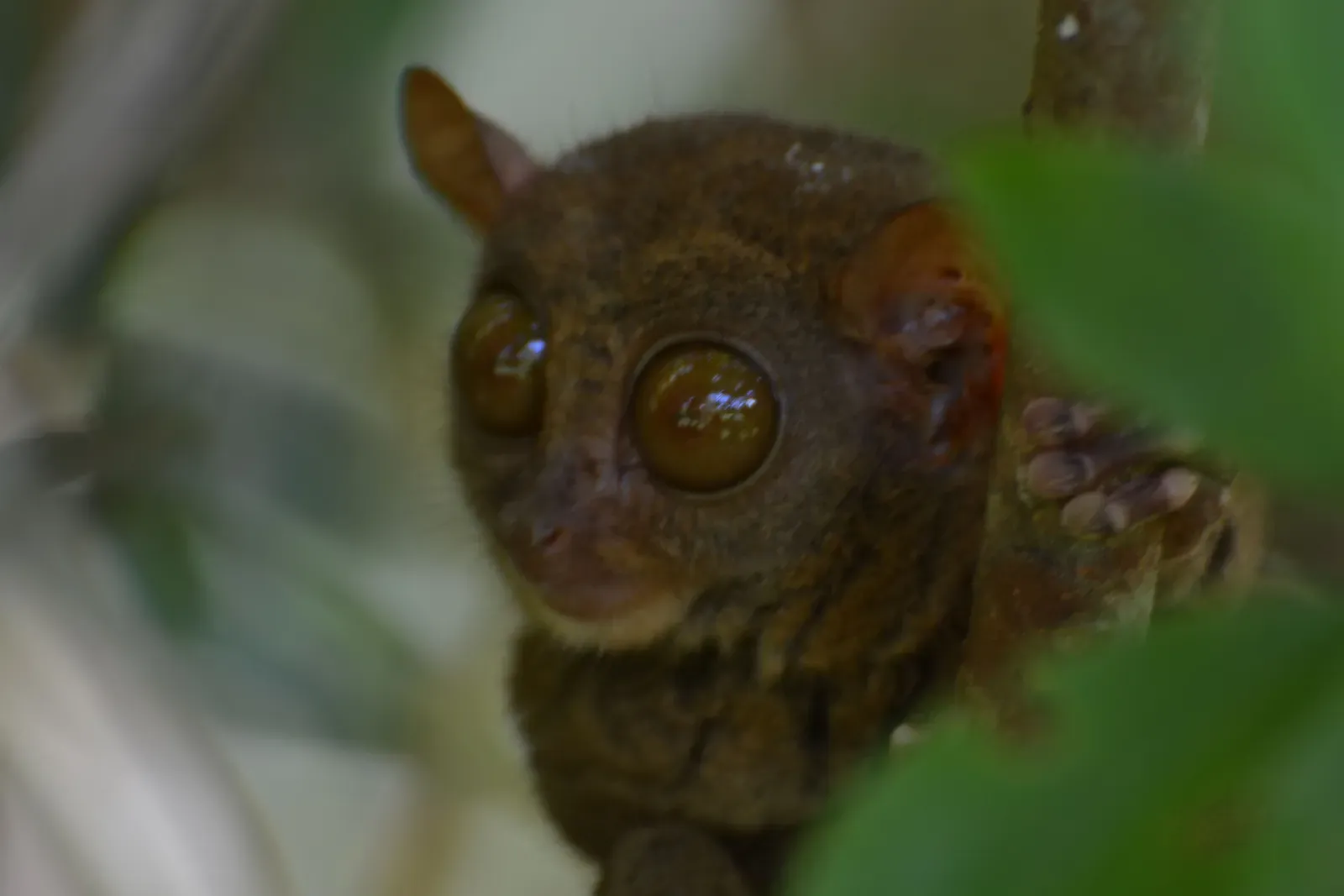
Even if you do not see perfectly in the dark, your eyes and brain still show signs of a nocturnal heritage. Many researchers think early mammals leaned heavily toward night life, partly to avoid running straight into dinosaur predators during the day. That lifestyle favored big, light‑sensitive eyes, enhanced hearing, and strong sense of smell – traits you still carry in adjusted form.
When you walk into a dim room and your vision slowly sharpens, or you recognize someone mainly by their voice or scent, you’re tapping into sensory tricks honed in ancient darkness. Early mammals explored a world lit by moon and starlight, hunting insects, foraging for seeds, and listening for danger in the gloom. You are the daytime version of those shadowy pioneers, but your senses still bear the fingerprints of that long nocturnal apprenticeship.
11. You Belong to a Group That Turned Parenting Into a Survival Strategy
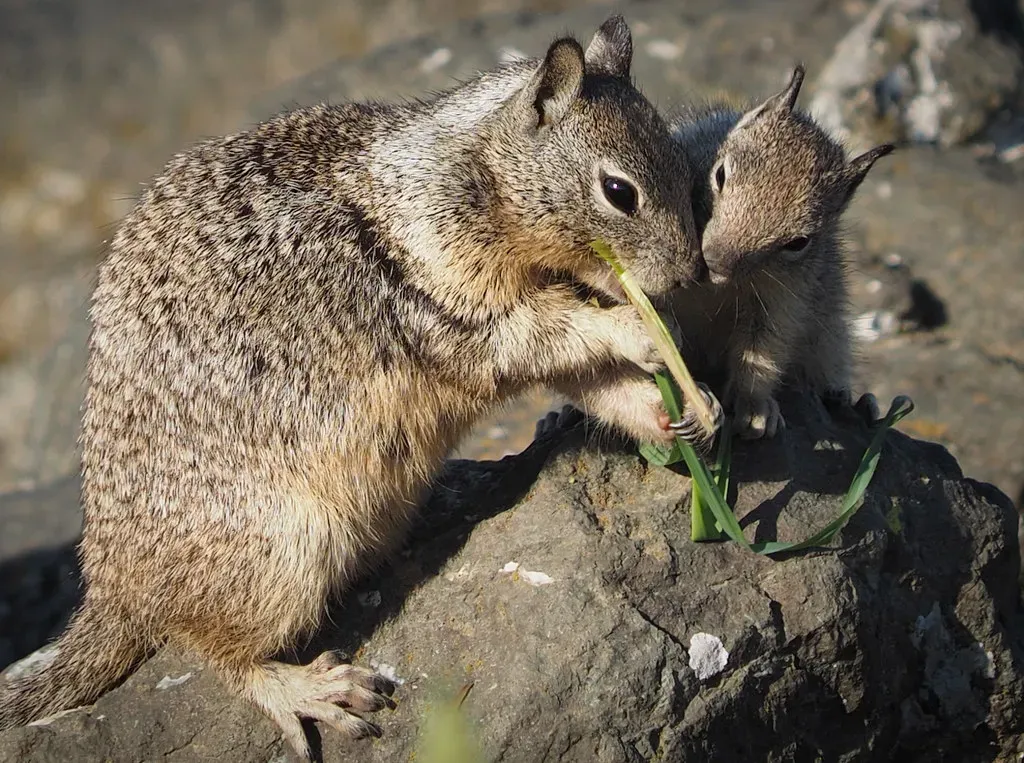
Your childhood, however it looked, likely involved long‑term care: feeding, protection, teaching, and emotional bonding. That pattern did not appear overnight in humans; it grew from a mammalian tradition of investing heavily in fewer, more dependent young. Early mammals shifted away from the reptile strategy of laying large clutches of eggs and offering little care, leaning instead into nurturing and protecting a smaller number of offspring.
When you see a mother cat nursing her kittens or a mouse carefully building a nest, you are seeing a modern reflection of behaviors that started early in mammal evolution. Longer periods of growth allowed brains to develop more fully and encouraged learning instead of sheer instinct. You benefit directly from that because your life depends on years of guidance and support before you can survive alone. That level of parental investment traces back to those first mammals that gambled on care over quantity – and won.
Modern mammals give birth to live young or lay specialized eggs in a way that reflects these ancient changes. Some early mammal relatives already showed hints of reproductive shifts that would later become the systems you see in placental mammals and marsupials. Even though scientists are still piecing together exactly how early reproduction worked, the direction is clear: more internal development, more protection, and more parental involvement. Your very start in life, from pregnancy to early nurturing, stands on foundations built by those long‑gone ancestors.
12. You Are Living Proof of Mammals’ Ability to Diversify After Crisis
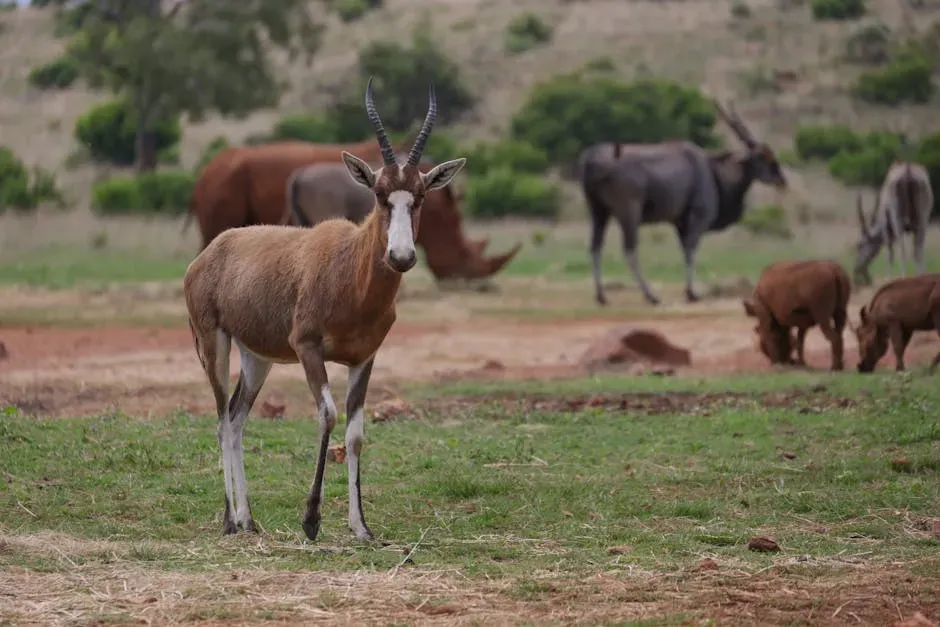
Look around your world for a moment: bats, whales, mice, primates, antelopes, dolphins, and you. That explosion of shapes, lifestyles, and habitats is not random; it’s the outcome of a massive mammalian expansion after dinosaurs lost their grip on the top of the food chain. Early mammals had already tested many basic body plans – climbers, diggers, gliders, insect‑eaters – but once the big reptiles were gone, your group finally had room to experiment on a huge scale.
Your own body is just one version of what a mammal can be: upright, two‑legged, and big‑brained. Under the surface, though, you still share the same core design with those first small creatures: a backbone, warm blood, hair, complex teeth, and a flexible brain. The unbelievable part is that such humble beginnings could lead to both a bat hanging upside down in a cave and you reading this on a screen. Every time you adapt to change in your own life, you are echoing a deeper story of mammalian adaptability that has played out for tens of millions of years.
Conclusion: You Carry Deep Time Inside You
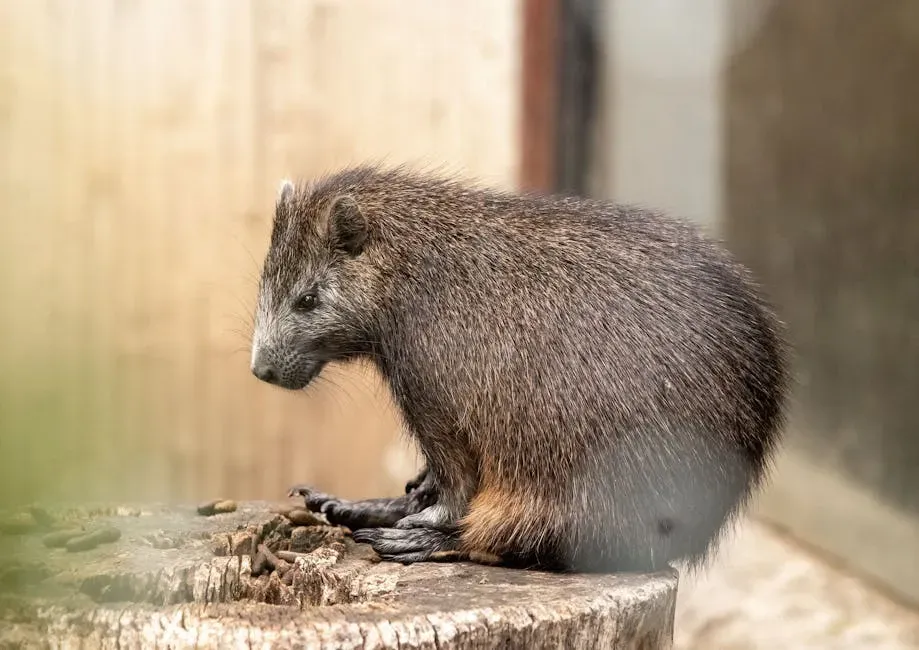
When you zoom out far enough, you stop seeing yourself as just a modern human and start seeing the layers of history built into your body. Your warm blood, your teeth, your hearing, your sense of safety in a cozy space, and even your childhood are all threads woven by early mammals quietly fighting to survive in a dinosaur‑dominated world. Those small creatures did not know they were setting up the stage for you, but their innovations in jaws, senses, fur, burrowing, parenting, and flexibility gave your lineage the tools it needed to eventually thrive.
The next time you hear a small rustle in the grass or watch a tiny mammal dart into a shadow, you can recognize a distant family resemblance. You are not just living in the present; you are carrying the victories and close calls of countless ancestors whose stories stretch back deeper than you usually imagine. Knowing that, how differently do you see yourself in Earth’s long, wild history now?