You probably think you’ve already met the scariest and strangest creatures of the past: T. rex, maybe a saber-toothed cat, a mammoth or two. But those are just the blockbuster celebrities. Lurking deeper in the fossil record are animals so bizarre, if you saw them in a sci‑fi movie, you’d assume the designers went too far. These real creatures shattered expectations of what life on Earth could look like, long before humans ever took their first steps.
In this article, you’re going to walk through a prehistoric rogue’s gallery: giant dragonflies, whale‑like reptiles that turned out to be mammals, spiny worms that confused scientists for decades, and a dinosaur with yard‑long claws it probably did not use the way you imagine. You’ll picture oceans stacked with armored fish, skies full of vast flying reptiles, and land ruled by rhino‑sized giants with no horns at all. By the end, you may never look at a “simple” fossil display the same way again.
1. Basilosaurus – The “King Lizard” That Was Actually a Whale
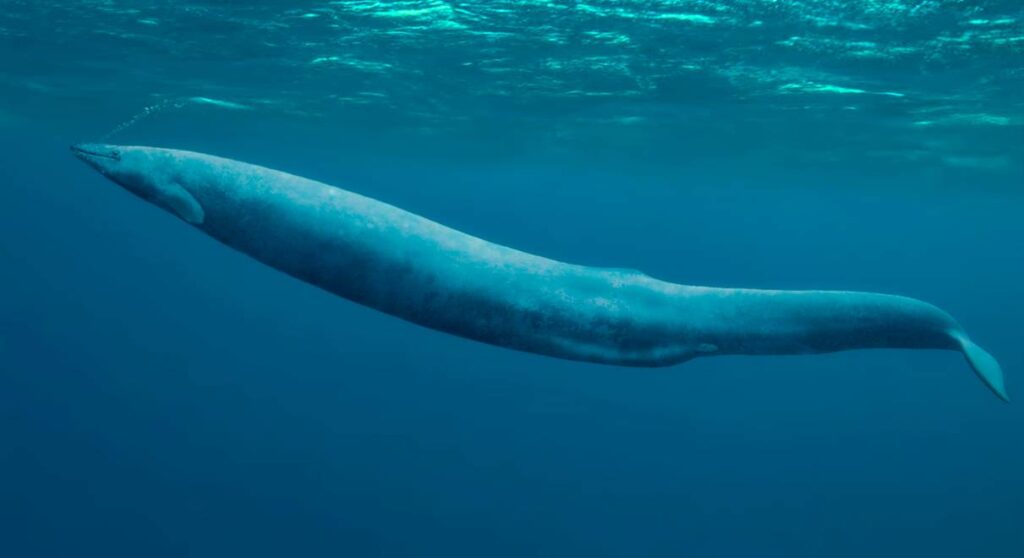
If you saw Basilosaurus in the ocean, you’d probably call it a sea serpent and start rethinking your life choices. This creature stretched roughly the length of a city bus, around fifteen to twenty meters long, with an impossibly elongated body and a mouth lined with sharp, conical teeth made for grabbing and tearing. For years, early paleontologists actually thought it was a giant marine reptile, which is why its name literally means “king lizard.” Only later did scientists realize you’re looking at one of the earliest fully marine whales, not a reptile at all. ([britannica.com](https://www.britannica.com/animal/Basilosaurus?utm_source=openai))
What makes Basilosaurus so unbelievable is how different it looks from the whales you know today. Instead of a compact, torpedo‑like body like a dolphin or orca, Basilosaurus had a long, eel‑like torso and tiny hind limbs that no longer reached the outside of its body, hinting at its land‑dwelling ancestors. You can imagine it cruising through warm Eocene seas about thirty‑five to forty million years ago, powerful tail pushing it forward as it hunted fish and other marine animals. If you’ve ever felt weird about whales being mammals, Basilosaurus is the fossil that takes that weirdness and turns it up to eleven. ([lsa.umich.edu](https://lsa.umich.edu/paleontology/resources/beyond-exhibits/basilosaurus-isis.html?utm_source=openai))
2. Dunkleosteus – The Armored Bite of Doom
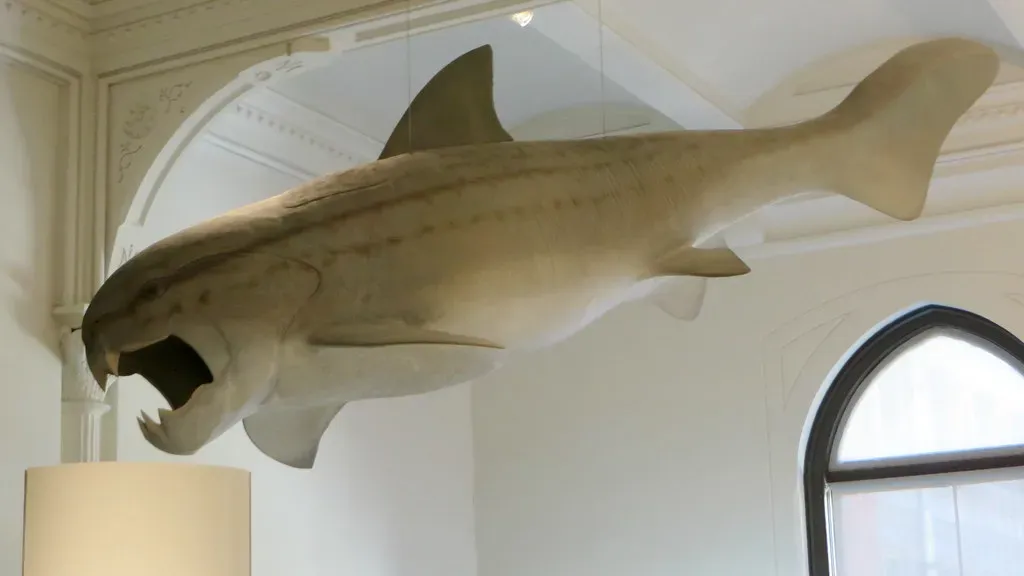
When you picture a terrifying ocean predator, you probably think of a shark, maybe the legendary megalodon. But long before sharks ruled the seas, you had Dunkleosteus, a tank with fins from about three hundred seventy million years ago. This fish did not bother with simple teeth; instead, its skull and jaw were made of massive bony plates that met in sharp, shearing edges, like a built‑in metal guillotine. Some estimates suggest it had one of the most powerful bites of any fish that has ever lived, able to crush tough armored prey in a split second. ([davidpetersstudio.com](https://davidpetersstudio.com/GIANTS-book.pdf?utm_source=openai))
You can imagine Dunkleosteus as the boss monster of Devonian oceans, patrolling reefs packed with early fish and strange invertebrates. Its body likely reached around six to eight meters in length, which, combined with that armored head, would have made it nearly untouchable. What really grabs you, though, is that this thing lived hundreds of millions of years before the age of dinosaurs, in a world that would already feel like science fiction to you. It’s a reminder that top predators have been rewriting the rules of “scary” since long before T. rex ever showed up.
3. Quetzalcoatlus – A Giraffe‑Tall Reptile That Flew
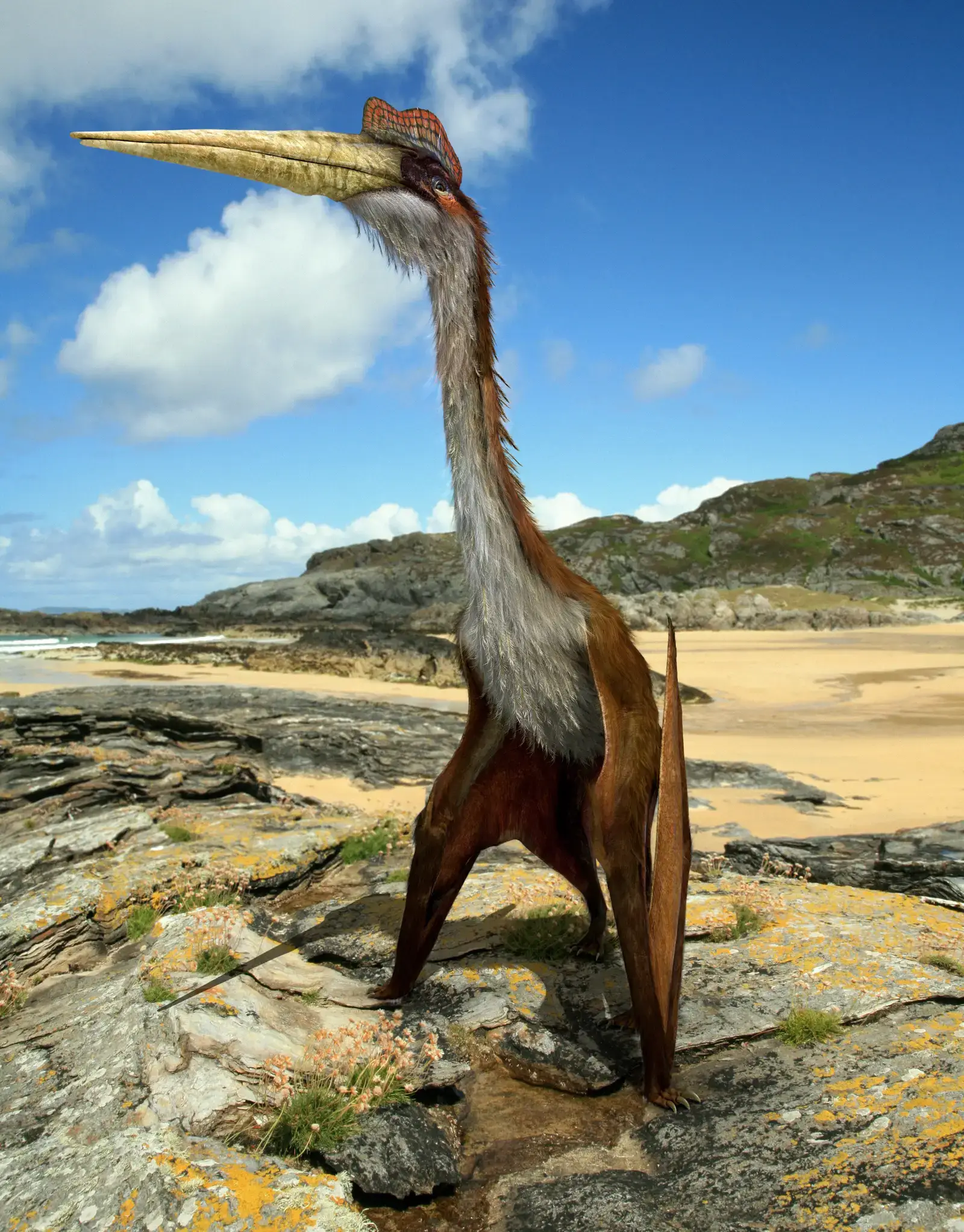
You’re used to thinking of flying animals as small and lightweight: hawks, crows, maybe a big condor if you get lucky. Quetzalcoatlus takes that comfortable idea, snaps it in half, and tosses it off a cliff. This late Cretaceous pterosaur is often estimated to have had a wingspan around ten meters or more, roughly as wide as a small airplane, and when it stood on the ground on its four limbs, it may have been about as tall as a giraffe. Picture that: a giraffe‑height animal with a beak like a spear and wings that could shadow a car. ([davidpetersstudio.com](https://davidpetersstudio.com/GIANTS-book.pdf?utm_source=openai))
You might wonder how something that big could even get off the ground. Current thinking suggests it used a powerful quad‑launch, pushing off with both wings and legs to vault into the air, like a massive, muscular pole‑vaulter. Once airborne, it probably soared for long distances, gliding over Late Cretaceous plains in search of food – maybe small dinosaurs, maybe carrion, maybe fish in shallow waters, depending on which interpretation you lean toward. No matter which angle you take, Quetzalcoatlus forces you to accept that nature once built flying creatures on a scale your modern world simply does not match.
4. Meganeura – The Dragonfly Bigger Than Your Dog
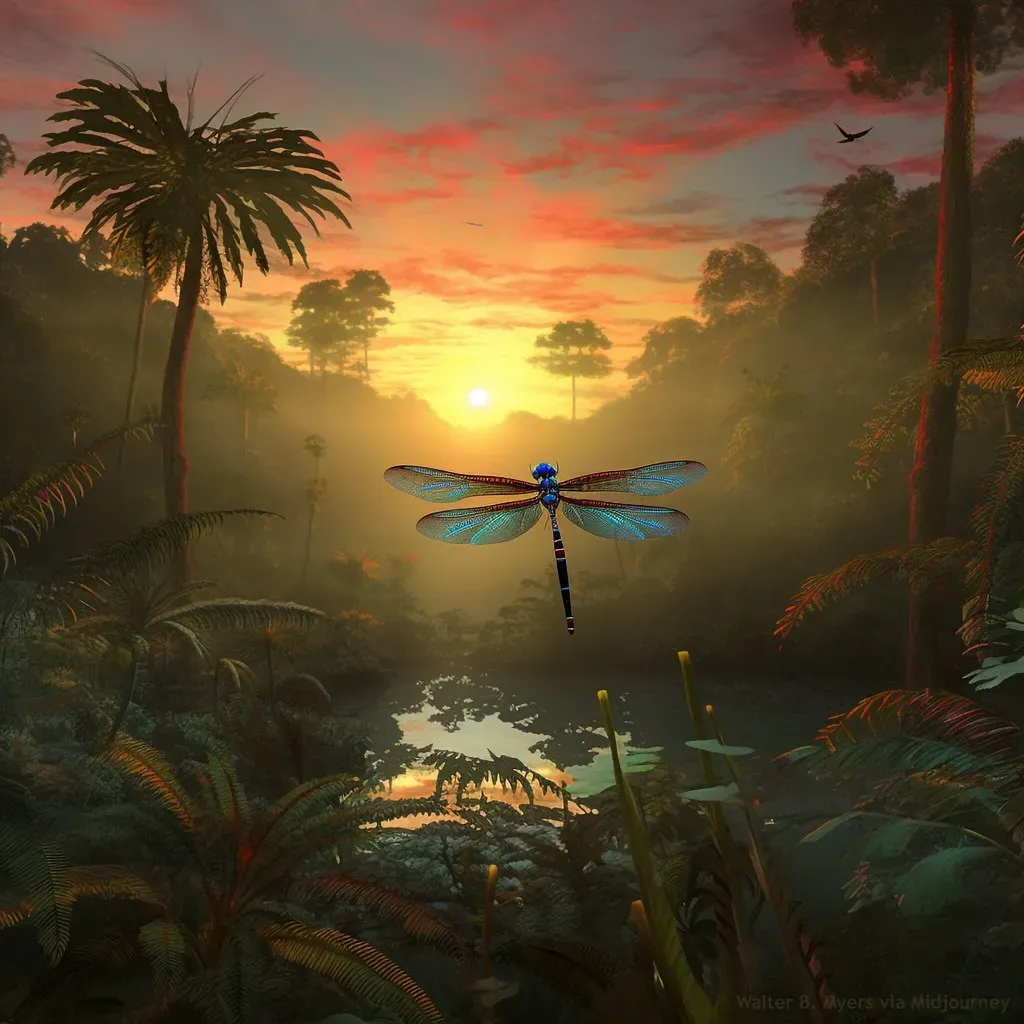
Next time a dragonfly zips past your face, imagine it with wings nearly as wide as your arm span. That’s what you’re dealing with when you look at Meganeura, a giant predatory insect that lived during the Carboniferous period, over three hundred million years ago. Its wingspan is often estimated at around seventy centimeters or more, making it one of the largest flying insects known. If you ever complain about mosquitoes now, picture a world where oversized aerial hunters like this patrolled the swamps. ([davidpetersstudio.com](https://davidpetersstudio.com/GIANTS-book.pdf?utm_source=openai))
Scientists think Meganeura’s massive size was possible because Earth’s atmosphere back then held significantly more oxygen than it does today. Insects breathe through tiny tubes in their bodies, and higher oxygen levels would have allowed those tubes to supply enough gas even for a creature this large. So when you stare at its fossils, you’re not just looking at a monster bug – you’re seeing a snapshot of a planet that literally felt different to breathe. It’s like walking into a greenhouse where the air itself helped turn everyday insects into something out of a fantasy novel.
5. Therizinosaurus – The Dinosaur With Nightmare Garden Tools
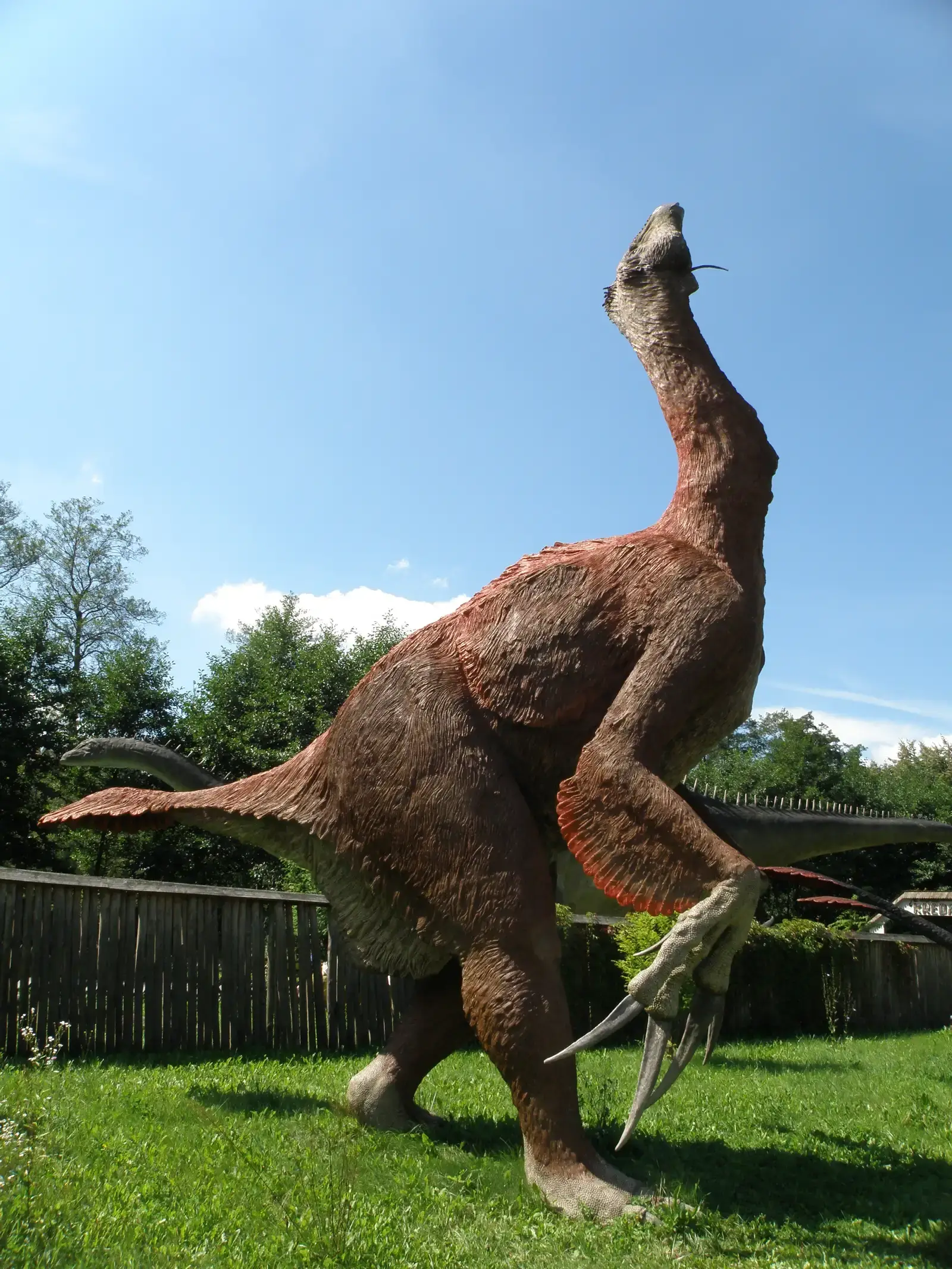
Therizinosaurus might be one of the strangest dinosaurs you ever meet. It walked on two legs like a classic theropod, but instead of a razor‑toothed head built for tearing meat, it had a small skull and long neck more suited to browsing plants. Then you notice its hands: each arm carried three claws that could reach around a meter long, some of the longest claws of any animal known. When paleontologists first found those claws, they actually thought they belonged to a giant turtle’s ribs, because who expects a dinosaur with scythe‑blades for fingers? ([smithsonianmag.com](https://www.smithsonianmag.com/science-nature/what-prehistoric-reptile-do-these-three-foot-claws-belong-to-154579791/?utm_source=openai))
What those claws were really for is still debated, but recent biomechanical studies suggest they might have been surprisingly fragile for all‑out combat, hinting that display and intimidation played a huge role. You can picture a huge, feathered dinosaur, maybe slow‑moving and plant‑eating, standing upright and spreading its arms to show off those impossible talons to rivals or predators. They may have been useful for pulling down branches or raking vegetation, but their exaggerated form almost screams: “Do not mess with me.” It’s a great reminder that in evolution, being impressive can sometimes matter just as much as being practical. ([en.wikipedia.org](https://en.wikipedia.org/wiki/Therizinosaurus?utm_source=openai))
6. Paraceratherium – The Giant Without Horns
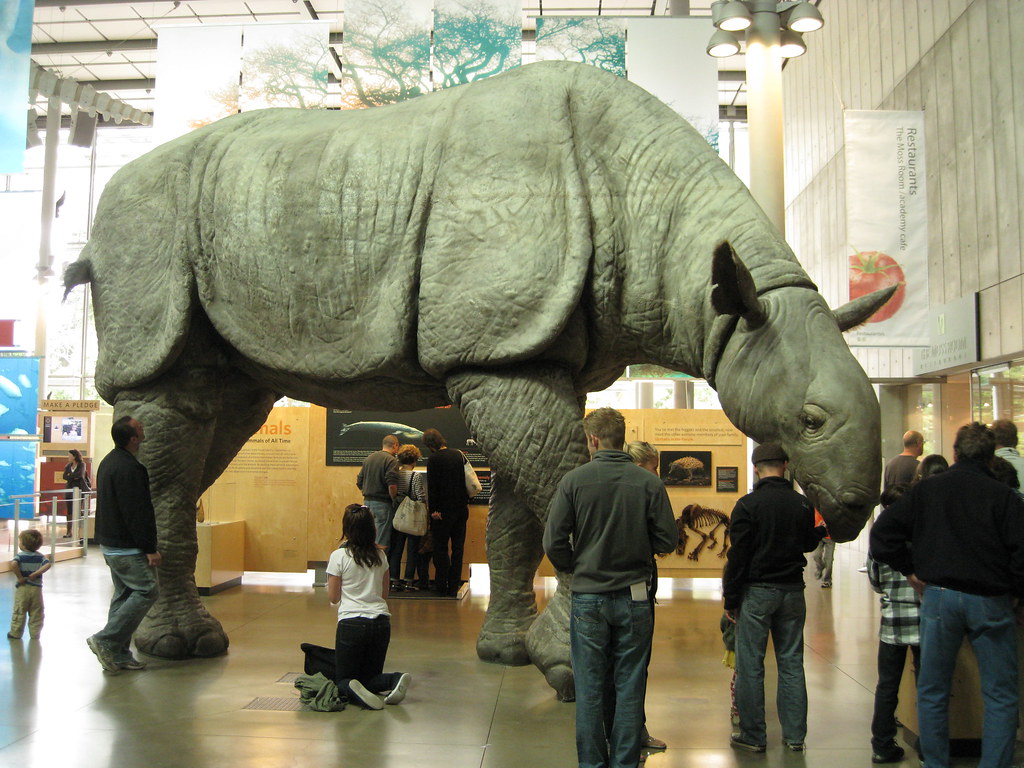
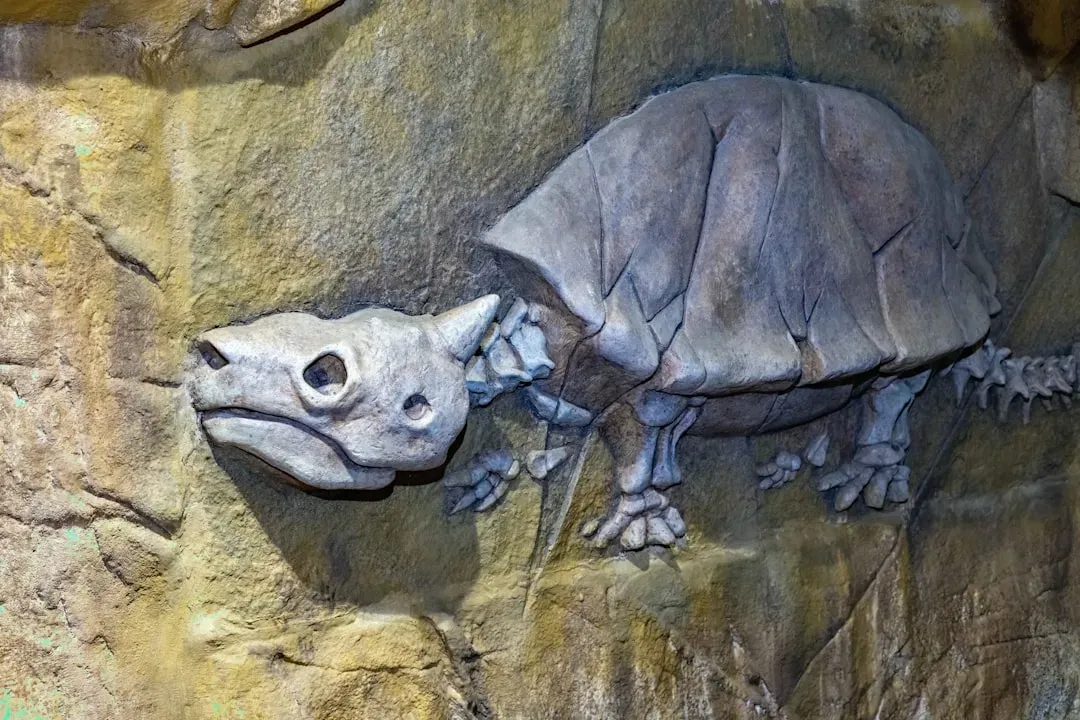
If someone asked you to picture the largest land mammal to ever walk the Earth, you might imagine some kind of super‑elephant. Instead, you meet Paraceratherium, a hornless relative of modern rhinos that roamed parts of Asia about thirty‑four to twenty‑three million years ago. This animal may have reached around seven meters in length and stood roughly as tall as a two‑story building at the shoulder, with a long neck that helped it browse treetop leaves. It looked more like a cross between a rhino and a giraffe than anything alive today. ([digitalresources.creation.com](https://digitalresources.creation.com/product_samples/pdf/10-2-654.pdf?utm_source=openai))
What stuns you about Paraceratherium is how it dominated its environment without claws, big horns, or saber‑teeth. Sheer size was its main defense: if you weigh several tons and tower over everything around you, predators have to think twice. You can imagine herds of these giants moving slowly across ancient floodplains, stripping leaves from tall trees the way giraffes do today. When you see its skeleton in a museum, your brain almost refuses to accept that mammals once took land‑giantism to such a staggering extreme.
7. Hallucigenia – The Worm That Broke Paleontology’s Brain
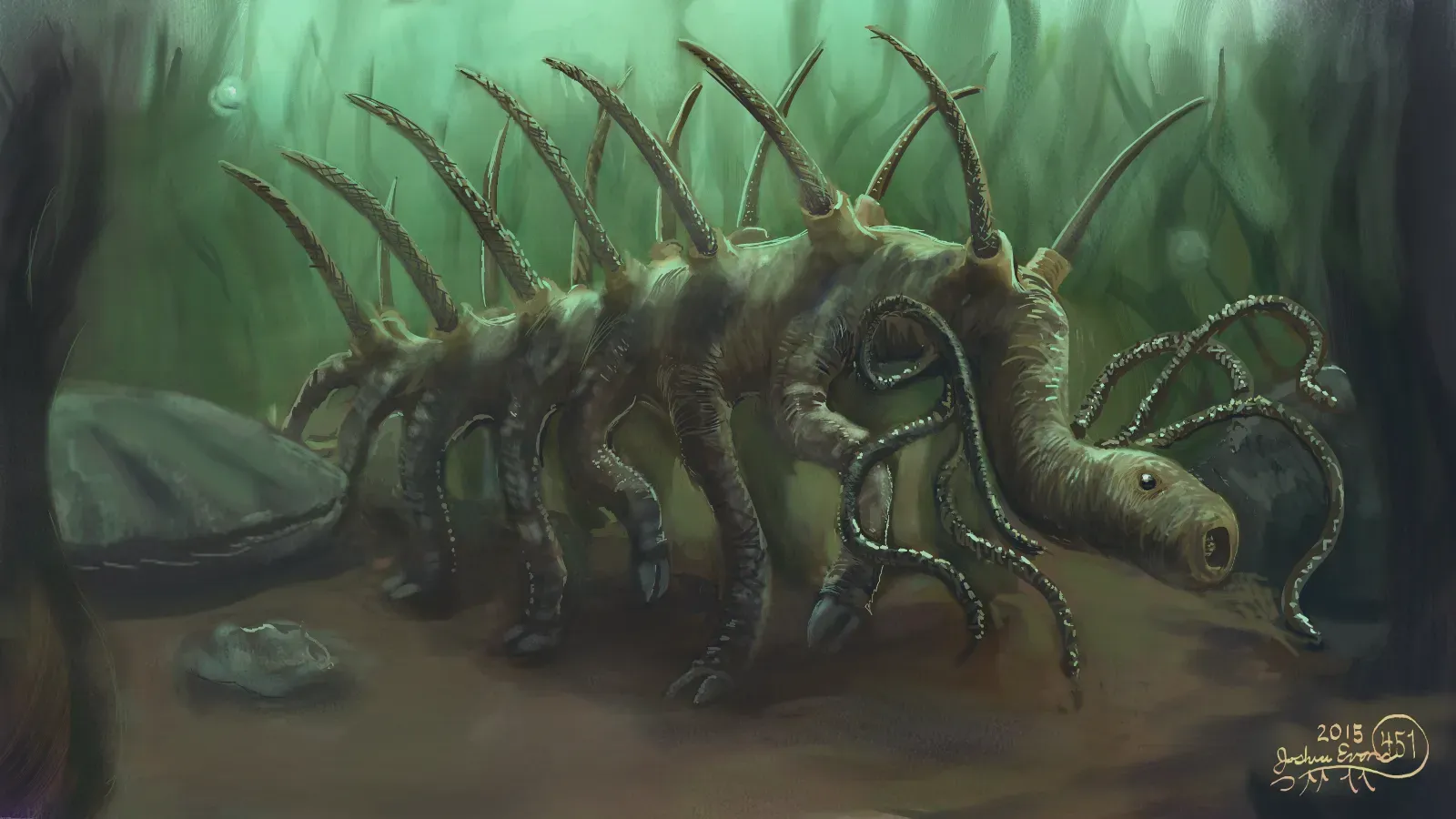
Hallucigenia is exactly what it sounds like: an animal so odd that early reconstructions looked like something out of a fever dream. This tiny creature lived about five hundred million years ago during the Cambrian explosion and was first reconstructed upside down and backward, with its spines interpreted as legs and its legs mistaken for tentacles. Only later did more fossils and careful study reveal that you’re looking at a spiky, soft‑bodied wormlike animal with stubby legs underneath and defensive spines on top. Even its name reflects how surreal it feels when you see it for the first time. ([en.wikipedia.org](https://en.wikipedia.org/wiki/Hallucigenia?utm_source=openai))
Modern research places Hallucigenia among the lobopodians, early relatives of velvet worms and arthropods, giving you a window into the deep roots of today’s insects and spiders. Its head is tiny, with simple eyes and ring‑like teeth around its mouth, turning it into a kind of walking pin cushion with a circular saw at one end. If you imagine snorkeling in a Cambrian sea, you’d see trilobites scuttling by, strange jelly‑like creatures drifting above, and then these miniature nightmares crawling along the seafloor. It’s one of those fossils that forces you to admit evolution is far more experimental – and weirder – than your imagination usually allows.
8. Anomalocaris – The Original Sea Alien
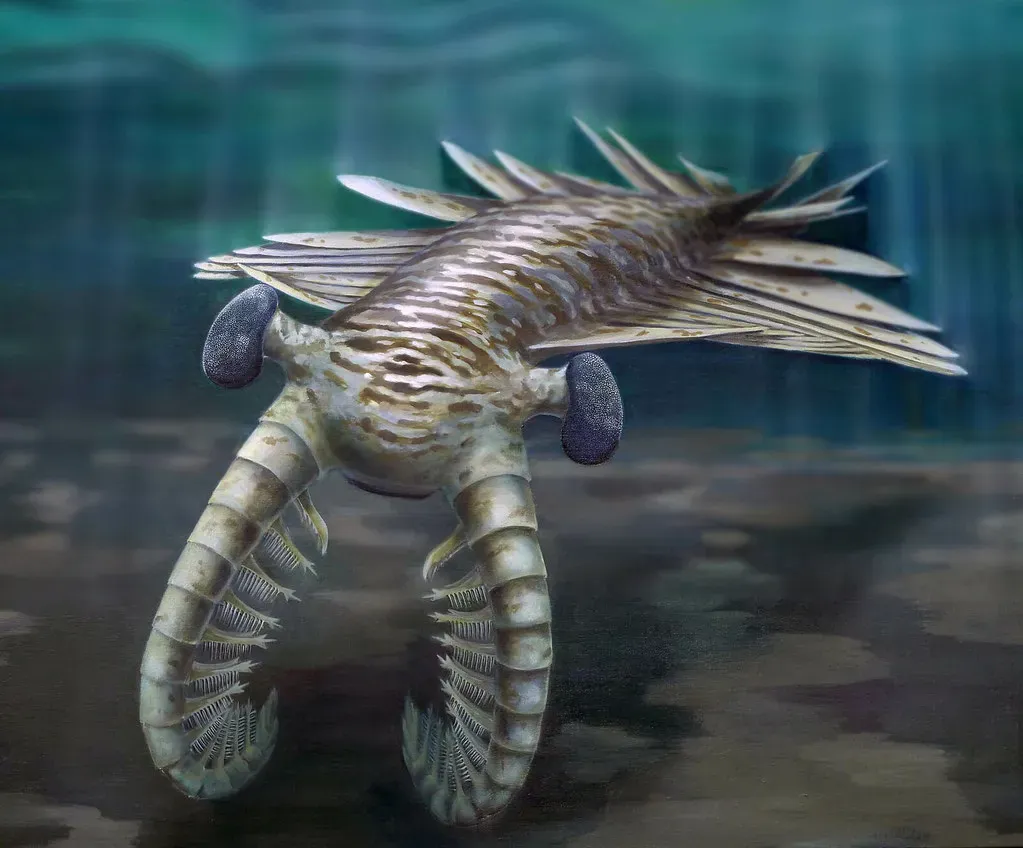
Long before sharks, long before Dunkleosteus, you had Anomalocaris, one of the earliest top predators of the oceans. Living in the Cambrian seas over five hundred million years ago, this creature looked like someone mixed a shrimp, a squid, and a turbine. It had large, grasping appendages up front to snag prey, a circular mouth lined with hard plates, and a segmented body with side flaps that let it swim with surprising agility. Early on, different parts of Anomalocaris were mistaken for separate animals, which tells you just how strange it seemed to the first scientists who studied it. ([en.wikipedia.org](https://en.wikipedia.org/wiki/Fossils_of_the_Burgess_Shale?utm_source=openai))
When you picture Anomalocaris cruising above a Cambrian reef, you’re essentially watching one of the first large predators to shape marine ecosystems. Trilobites and other soft‑bodied creatures would have been on the menu, and bite marks in some fossils match the kind of damage this animal could inflict. Its eyes were likely quite advanced for its time, giving it an edge in spotting and tracking prey. If you were shrunk down and dropped into those ancient oceans, Anomalocaris is the thing you’d fear circling just at the edge of your vision, a reminder that danger in the sea has always come in strange forms.
9. Placodus – The Reptile Built Like a Living Nutcracker
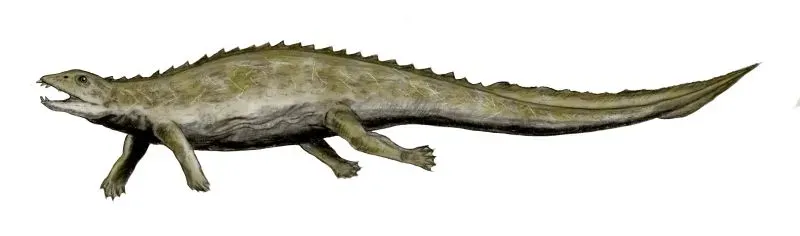
In the Triassic seas, if you were a shellfish, Placodus was your worst possible neighbor. This marine reptile had a broad, flat body and stout limbs, but what really sets it apart is its dentition. Instead of sharp fangs, Placodus carried large, flat, pavement‑like teeth in both its jaws and the roof of its mouth, perfect for crushing hard shells. You can think of it as a reptilian version of a nutcracker, sweeping along the seafloor and cracking open armored prey like clams and other shelled invertebrates. ([reptileevolution.com](https://www.reptileevolution.com/images/tetrapods/LargeReptileFamilyTree3.pdf?utm_source=openai))
Placodus probably spent much of its time close to the bottom, using its heavy body and possibly dense bones as ballast to help it stay down. When you look at its skeleton, it doesn’t have the streamlined elegance of a dolphin or an ichthyosaur; instead, it looks squat and practical, built entirely around a lifestyle of armored snacking. This kind of specialization shows you how ancient seas were already full of ecological niches you’d recognize today – predators, grazers, and shell‑crushers all working side by side in a complex food web.
10. Atopodentatus – The Reptile With a “Vacuum Cleaner” Face
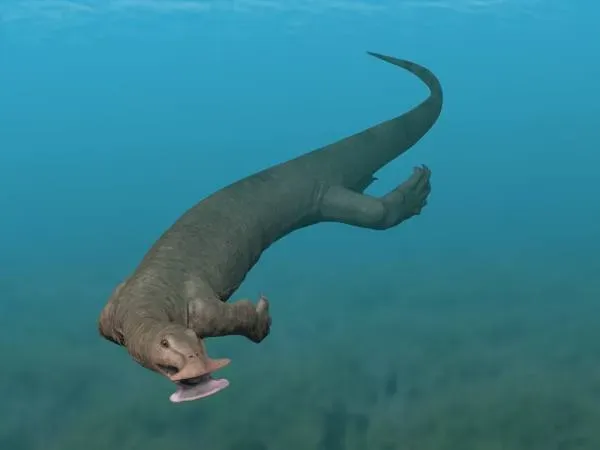
Every once in a while, evolution produces a face that makes you do a double take, and Atopodentatus is one of those. This Triassic marine reptile was first reconstructed with a strange, downturned snout full of chisel‑like teeth, but later studies of better fossils revealed something even weirder: a wide, hammer‑shaped skull and dense bundles of teeth that may have been used for scraping or filtering food from the water. When you see it drawn, it almost looks like someone pressed its nose against a window and it just stayed that way forever. ([reptileevolution.com](https://www.reptileevolution.com/images/tetrapods/LargeReptileFamilyTree3.pdf?utm_source=openai))
Researchers think Atopodentatus probably fed on algae or other plant material, using its unusual jaws to scrape surfaces or trap bits of food. Imagine a marine reptile that behaves more like a cross between a lawn mower and a baleen whale, except with hard teeth instead of flexible baleen. Its fossils come from a time when life was rebounding after Earth’s worst mass extinction, and you can almost feel evolution frantically trying out new body plans to refill empty ecosystems. Atopodentatus stands out as proof that herbivory in the oceans has never been limited to fish and turtles.
11. Palaeeudyptes – The Penguin That Could Look You in the Eye
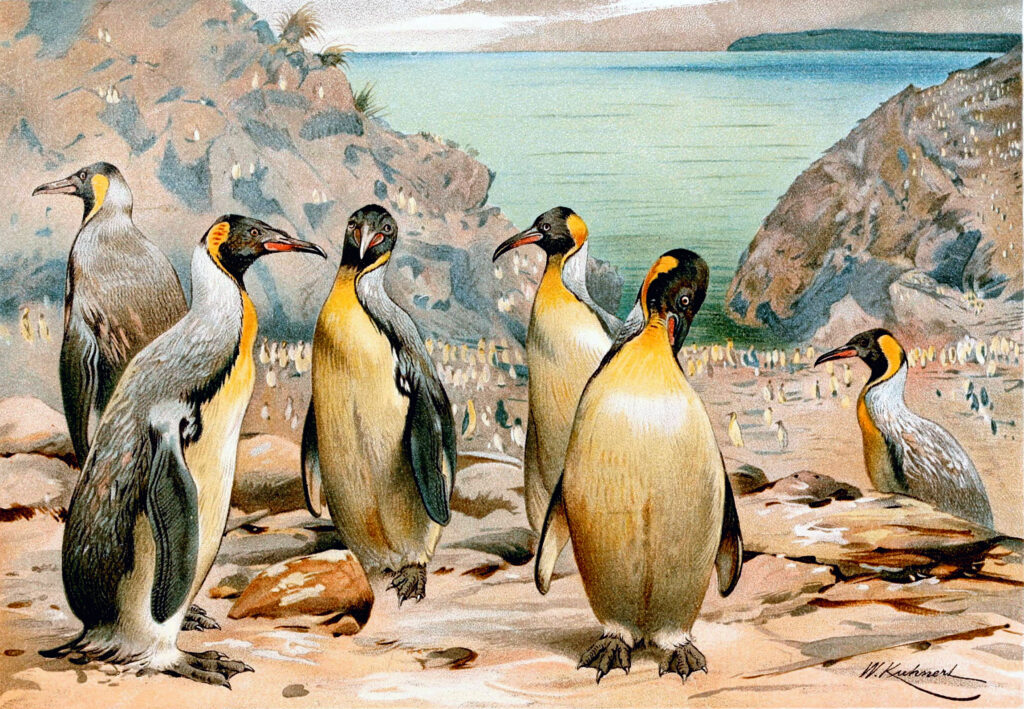
If you think modern emperor penguins are big, Palaeeudyptes will completely reset your scale. This extinct penguin from the Eocene epoch may have stood roughly as tall as a grown human or at least close enough to look you in the chest, depending on the species and specific estimates. Imagine waddling along a stony shoreline and seeing a line of penguins nearly your height, built for diving deep into chilly southern seas. Suddenly, that cute tuxedo look becomes just a bit more intimidating. ([digitalresources.creation.com](https://digitalresources.creation.com/product_samples/pdf/10-2-654.pdf?utm_source=openai))
Like modern penguins, Palaeeudyptes would have been a powerful swimmer, using its wings as flippers to chase fish and squid underwater. What surprises you is that such large penguins evolved relatively soon after the dinosaurs vanished, showing how quickly birds took advantage of open niches in marine ecosystems. You might picture flocks of these giants porpoising through the waves, while early whales and other marine mammals were still experimenting with life at sea. Standing in front of their fossil bones today, it’s hard not to feel like you missed out on a much more dramatic version of Antarctica.
12. Castoroides – The Giant Beaver of the Ice Age
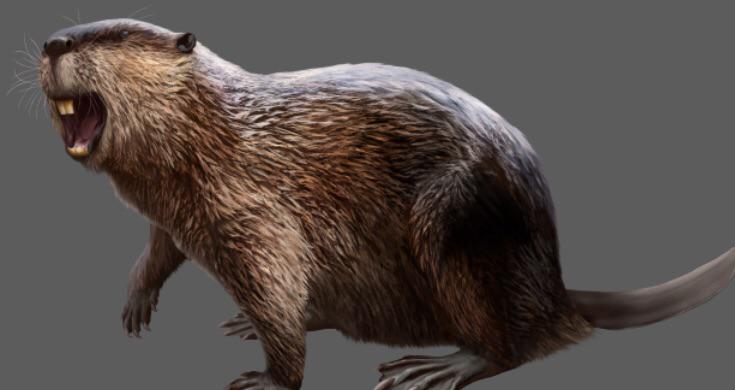
By the time you reach the Ice Age, you tend to think you know the cast of characters pretty well: mammoths, mastodons, cave lions, giant ground sloths. But hidden in those frozen landscapes was Castoroides, an oversized beaver that could grow as large as a small black bear. This North American rodent had massive incisors and a sturdy body, perfectly adapted for life in and around lakes and wetlands carved out by retreating glaciers. If you have ever watched modern beavers transform a stream, imagine what a creature this size could do to a valley. ([digitalresources.creation.com](https://digitalresources.creation.com/product_samples/pdf/10-2-654.pdf?utm_source=openai))
Scientists still debate exactly how similar its behavior was to modern beavers, but it likely spent much of its time in the water, feeding on plants and possibly shaping its environment through digging and wood‑cutting. Its fossils remind you that recent prehistory was full of giants, not just in the tropics but right in the regions many people now call home. Standing in front of a reconstructed Castoroides skull, you can almost hear the echo of teeth gnawing through thick branches under a gray Ice Age sky, proof that even familiar animals once had supersized cousins walking beside them.
Conclusion: A Stranger, Wilder Earth Than You Imagined
When you step back and look at this lineup – whale‑serpents, armored fish, dragonflies the size of hawks, giraffe‑tall flyers, and scythe‑clawed dinosaurs – you start to realize something: the world you live in is just one version of Earth’s story. Earlier chapters were packed with bodies and lifestyles that feel almost impossible, yet they are written in stone beneath your feet. Each fossil you just met tells you that life has reinvented itself again and again, testing shapes and strategies your imagination struggles to keep up with.
The really humbling part is that you are arriving very late to this party. Ninety‑nine out of a hundred species that have ever lived are gone, and you’re piecing their lives together from scattered bones and impressions in rock. The next time you walk past a dusty fossil in a museum, you might stop a little longer and ask yourself what you’re really seeing: a fragment of one of countless experiments that made your modern world possible. Which of these forgotten creatures surprised you the most – and how many more do you think are still waiting, hidden in stone, for you to uncover?