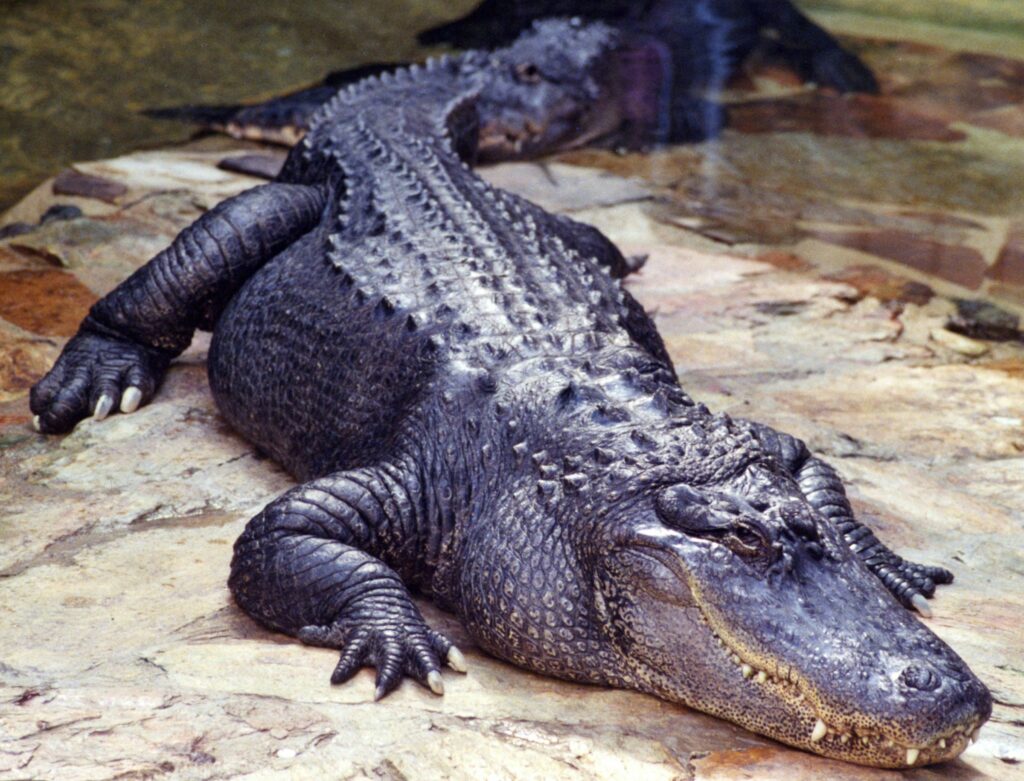
Most people scroll past alligators thinking they already know the story: dumb, slow, prehistoric leftovers that haven’t changed since the dinosaurs. Actually, that entire mental picture is wrong, and new research keeps proving it. Herpetologists studying these reptiles in labs from Louisiana to Florida have quietly overturned textbook “facts” that got repeated for decades without anyone checking the data.
Some of what you learned in school, on nature documentaries, or from a swamp tour guide has since been corrected, revised, or flatly disproven. Here’s what researchers actually say now.
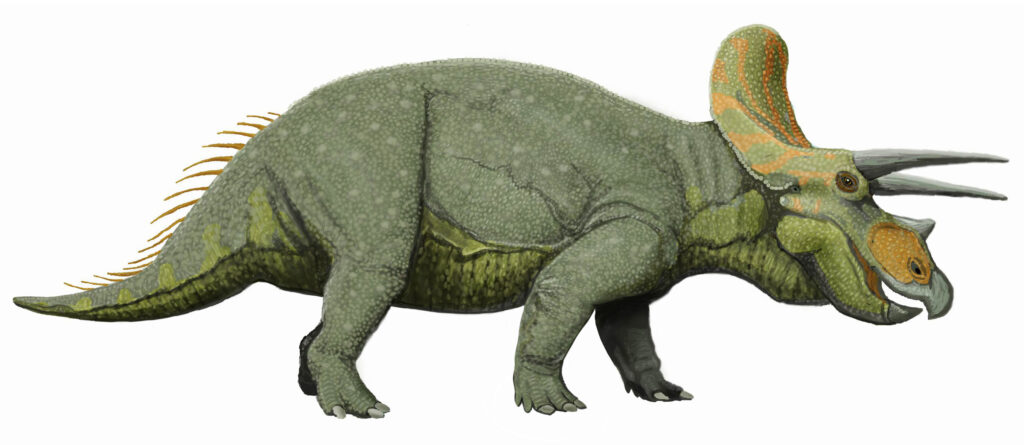
#14 – Alligators Are Not “Living Dinosaurs”
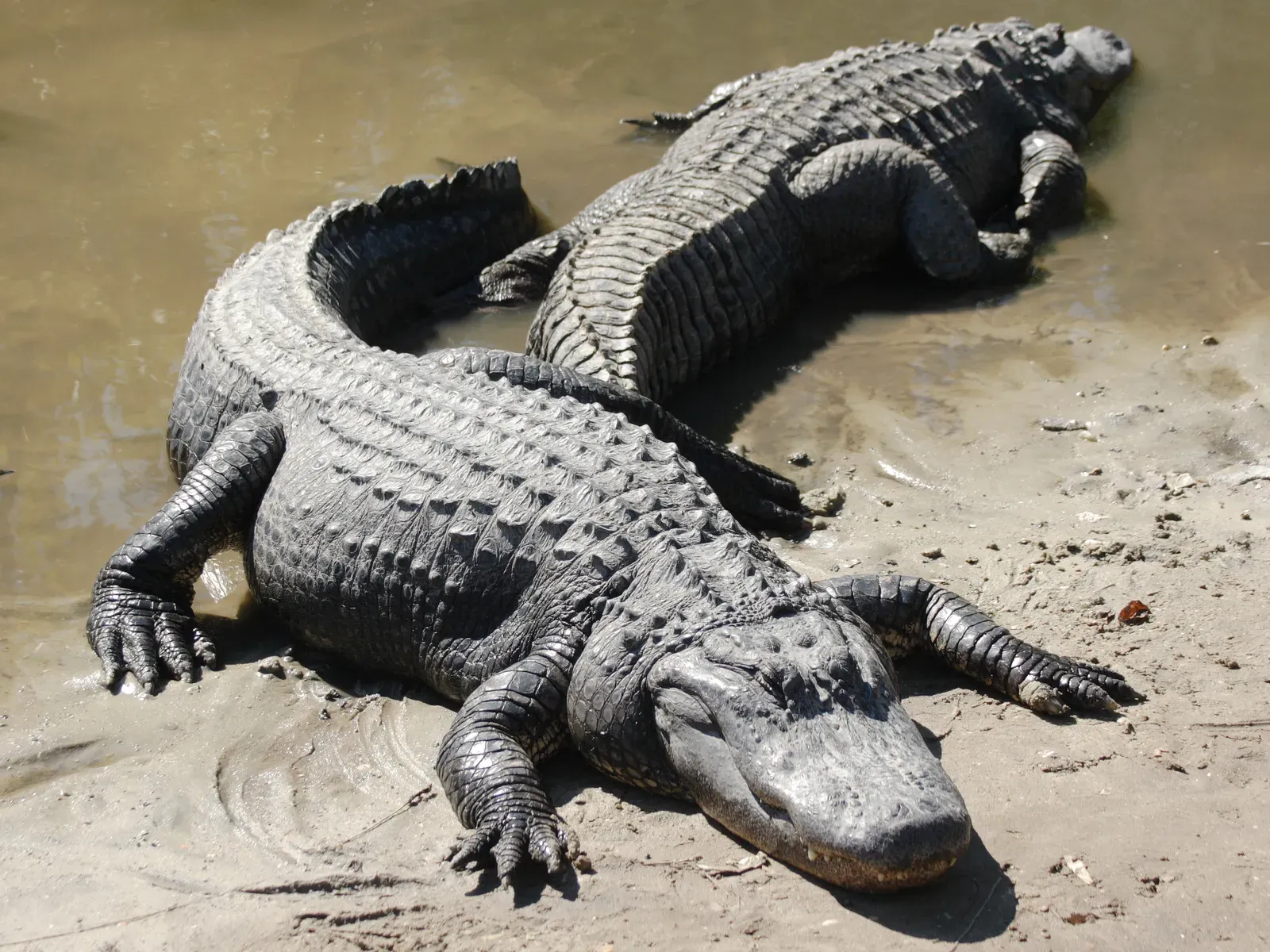
Here’s the myth almost everyone repeats without thinking twice: alligators are dinosaurs that somehow survived extinction.
That claim sounds true because alligators look ancient, but it’s scientifically incorrect. Alligators are ancient reptiles that have existed in similar forms for about 85 million years, but they aren’t dinosaurs in the scientific classification. The real twist is who actually inherited the dinosaur family tree – and it’s not the swamp creature you’re picturing.
Both dinosaurs and alligators belong to the archosaur group, making them evolutionary cousins rather than the same animal. Birds are actually the only living descendants of dinosaurs, specifically theropod dinosaurs. So technically, the pigeon outside your window has a stronger dinosaur claim than the gator basking on the riverbank.
Alligators just happened to share the neighborhood with dinosaurs for millions of years, which is where the confusion started. But that’s nothing compared to what we found about #13…
#13 – Alligators and Crocodiles Are Not Interchangeable Cousins
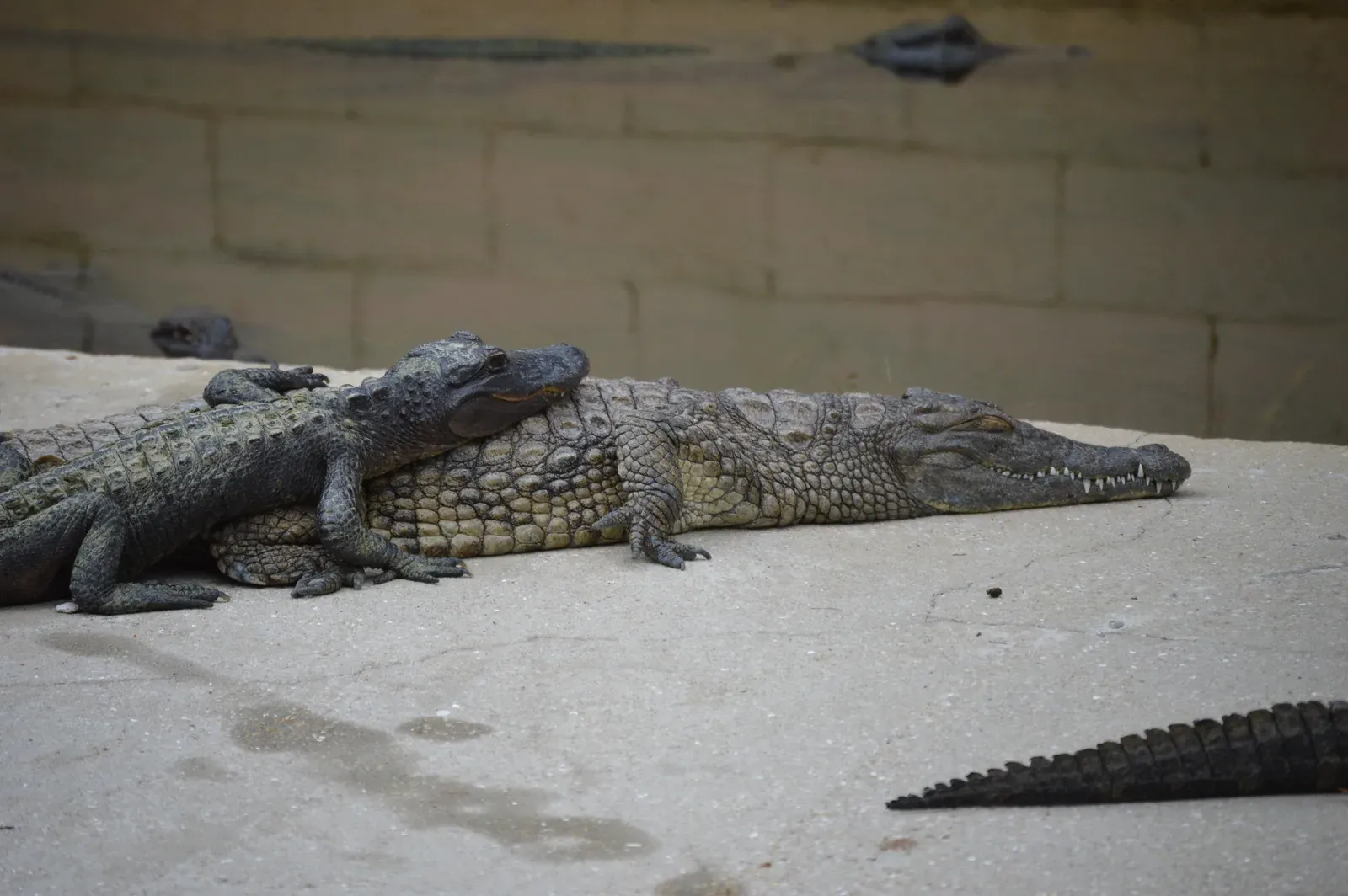
People use “alligator” and “crocodile” like they’re synonyms. Researchers who study crocodilian genetics say that’s a bigger mistake than most realize.
Crocodiles and alligators look very similar, but their last common ancestor lived 65 million years ago – about as far back in time as when primates diverged from things like bats, according to Fordham researcher Evon Hekkala. They just look alike because it’s a body plan that works incredibly well, not because they’re close relatives. That 65-million-year gap is longer than the time separating humans from bats.
The physical differences are just as stark once you know what to check. Crocs usually have a slender V-shaped snout compared to the wider U-shaped snout of alligators, and crocs can span over 19 feet as adults while adult alligators may only reach 14 feet in length.
Quick Compare
| Trait | Alligator | Crocodile |
|---|---|---|
| Snout Shape | Wide, U-shaped | Narrow, V-shaped |
| Max Adult Length | Up to 14 feet | Over 19 feet |
| Typical Habitat | Freshwater rivers & swamps | Freshwater & saltwater |
Alligators are also the slower cousin on land. Next up is a myth about their eyes that’s been repeated in nearly every swamp tour script for years.
#12 – Alligators Do Not Have Bad Eyesight
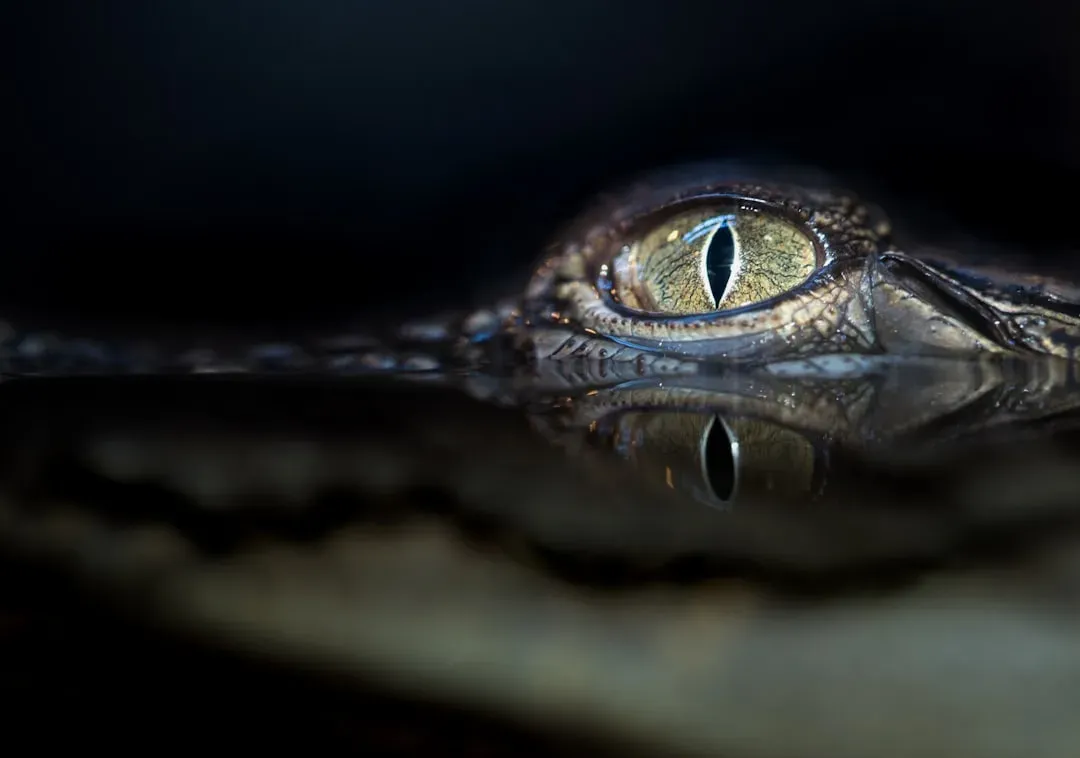
The idea that alligators are basically blind, bumbling around on instinct alone, is one of the most confidently repeated myths in every roadside gator park.
It’s simply not true, and biologists have known this for a while. The alligator’s eyes, positioned on either side of the head, actually give them a very wide field of view, so gators can lock onto prey from far away. Their night vision rivals nocturnal predators most people consider far more advanced.
The mechanism behind that night vision is genuinely impressive engineering. Their eyes rely on a layer of cells called the tapetum lucidum, which reflects light back into the retina and increases the amount of light the gator can detect – a unique ability similar to that of an owl.
So the next time someone tells you a gator can’t see you clearly across the pond, they’re the one who’s actually in the dark. But that’s nothing compared to what we found about #11…
#11 – Alligators Are Not Slow, Lumbering Animals
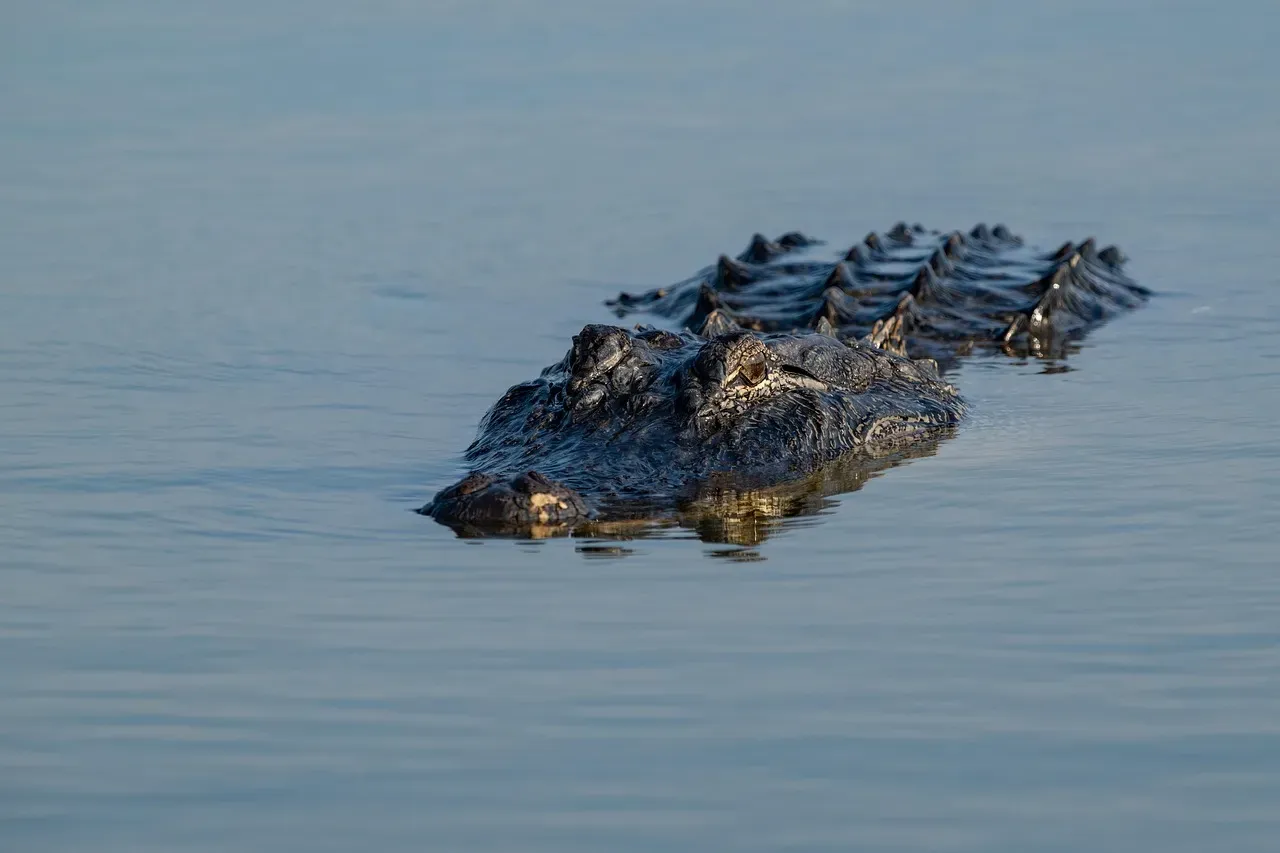
The old wives’ tale says alligators are slow, clumsy, and easy to outrun if you just zig-zag away from them. Wildlife guides say this belief has probably gotten people hurt.
There’s a common misconception that alligators can’t chase anything that doesn’t run in a straight line, but this couldn’t be further from the truth – alligators are quick animals and can chase people or prey running zig-zag. The zig-zag escape trick is essentially useless against an animal built for short, explosive bursts of speed.
Where the myth gets one detail half-right is the blind spot. If you’re confronted by an alligator, your best bet is actually to run in a straight line, since their blind spot sits directly in front of their nose. That’s not because they’re slow – it’s because their eye placement creates a narrow gap directly ahead.
Experts increasingly argue that the “outrun a gator” folklore does more harm than good, since it convinces people they have more time than they actually do. Next up is a claim about fences that surprised even wildlife park staff.
#10 – Alligators Can Climb, Despite What You’ve Heard
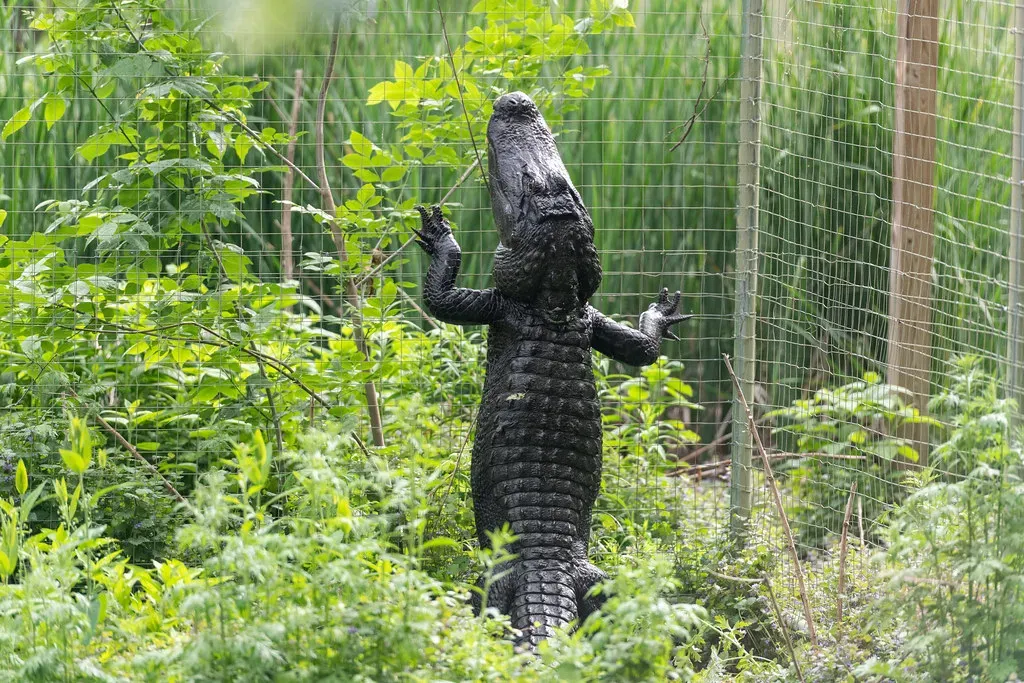
“Alligators can’t climb” sounds like a comforting fact if you live near a fenced retention pond. Florida wildlife handlers say you shouldn’t count on it.
Alligators are scaly, muscle-driven climbers – with sharp claws and powerful tails, they can push their bodies up and over fences. Young alligators are typically more agile climbers, but adults have been documented climbing fences too. A “gator-proof” fence is more of a suggestion than a guarantee once an adult is motivated enough.
This matters more than it sounds, because it changes how close people assume they can safely live near alligator habitat. A chain-link fence around a backyard pool isn’t the barrier most homeowners think it is, especially when an alligator is trying to reach water or escape a threat.
Wildlife parks now factor climbing ability directly into enclosure design instead of relying on fence height alone. But that’s nothing compared to what we found about #9…
#9 – Alligators Are Not Automatically the Apex Predator
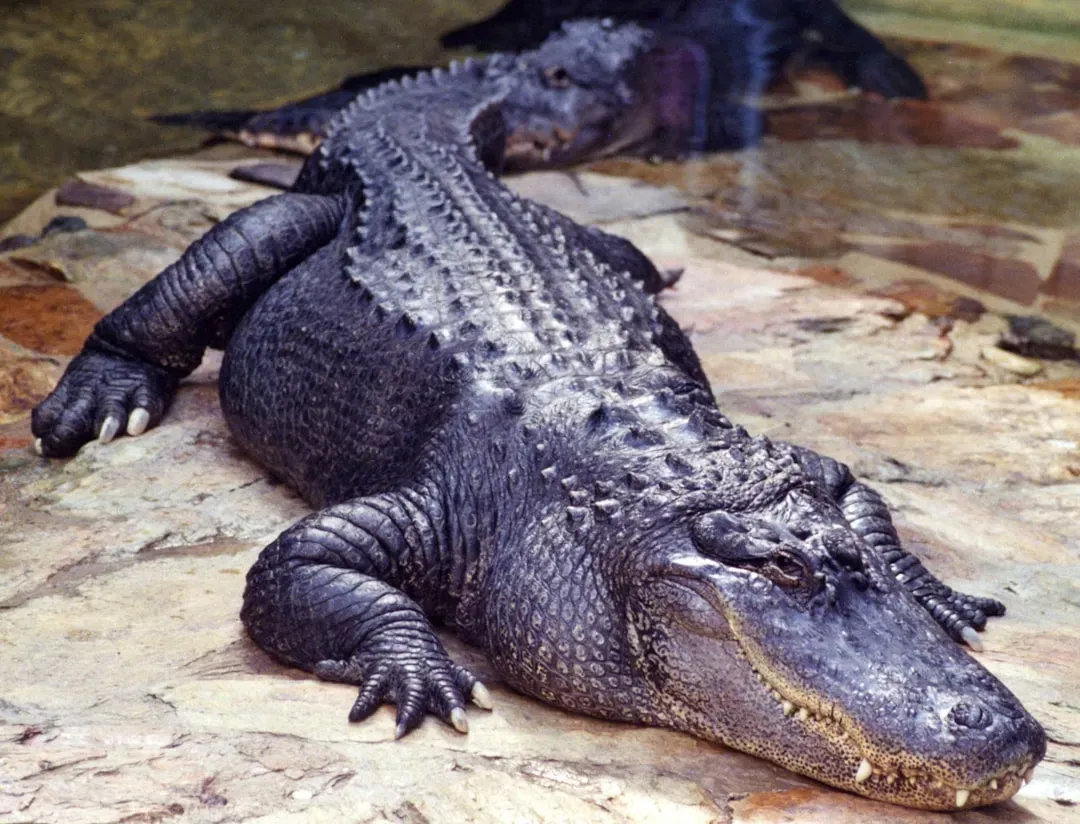
Alligators look like they should sit unchallenged at the top of their ecosystem. In parts of Florida, that’s no longer true, and the reason surprises most people.
While they come close to it, the American alligator doesn’t sit at the top of the Everglades food web anymore. The Burmese python, an exotic invasive species, is now the apex predator of the Everglades and preys on alligators. An invasive snake has quietly displaced one of the most feared reptiles in North America. That’s a controversial shift many longtime Florida residents still refuse to fully accept.
The bigger threat, though, isn’t even a predator in the traditional sense. With male alligators growing up to 13 feet, it may seem like they’re at the top of the food chain – but humans are actually an alligator’s number one “predator,” along with other alligators.
Fast Facts
- Burmese pythons, not alligators, now rule the Everglades food web
- Male alligators can top 13 feet and still fall prey to pythons or other gators
- Humans cause more alligator deaths than any single predator
- Habitat loss and vehicle strikes rank among the top threats to wild populations
Habitat loss, hunting, and vehicle strikes do more damage to gator populations than any single animal in the swamp. Next up is the myth that gets alligators killed out of pure misunderstanding.
#8 – Alligators Are Not Aggressive Man-Eaters
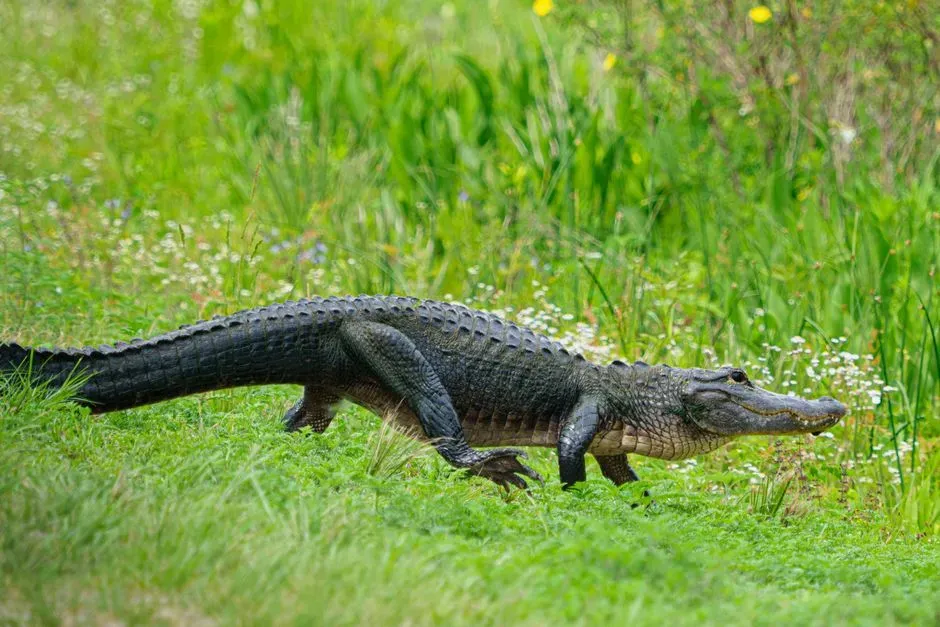
Every viral alligator video gets captioned like the animal was hunting a human on purpose. Biologists who study their actual behavior patterns say that framing is backwards.
Intimidating as they look, alligators aren’t bloodthirsty. Their cousins the crocodiles, particularly Nile crocodiles, are known as aggressive potential man-eaters, but alligators are quite shy and try to avoid humans. Alligators default to fleeing, not fighting, in nearly every human encounter on record. That’s a sharp contrast to how they’re portrayed in most B-movie plots and local news segments.
There are real exceptions worth taking seriously, though. They can become aggressive if you’re near their nest, or if they’ve been fed by people – feeding alligators makes them associate people with food, so if you encounter a wild alligator, never feed it.
Retired trapper Gator Bill Robb has gone as far as saying Floridians should be more scared of spiders, mosquitoes, and snakes than alligators, due to the higher rate of disease and illness those animals pass on each year. But that’s nothing compared to what we found about #7…
#7 – A Mother Alligator Carrying Babies in Her Mouth Isn’t Attacking Them
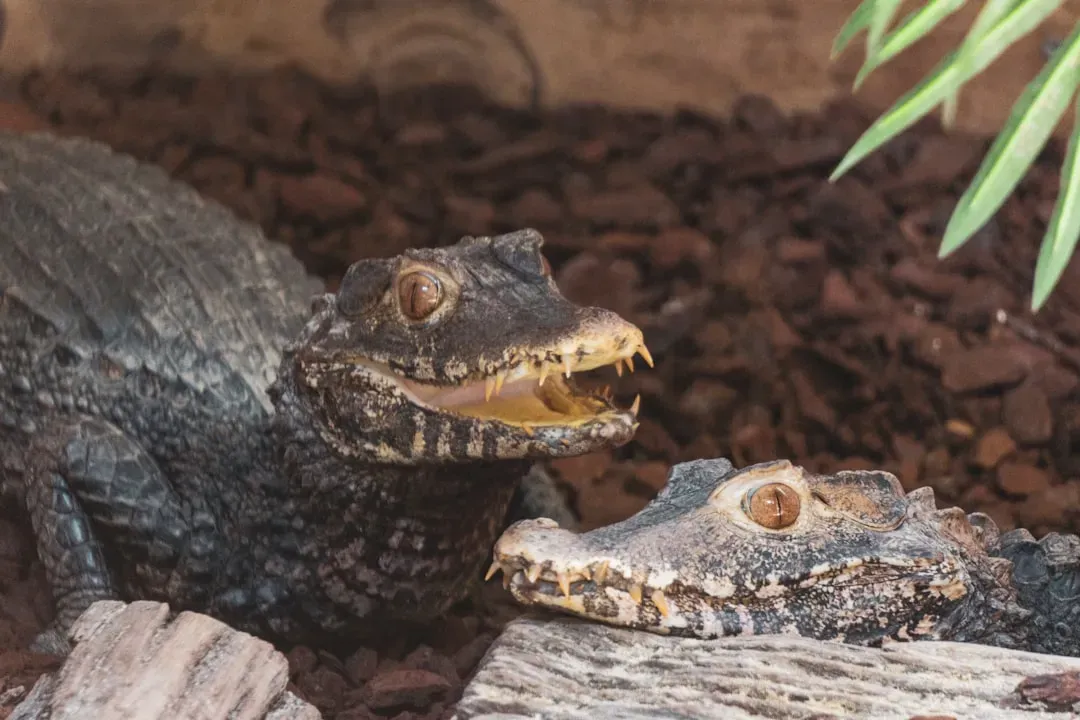
If you’ve ever seen a photo of an alligator with tiny hatchlings poking out of its jaws, your first instinct was probably horror. Researchers say that instinct is almost always wrong.
Male crocodilians will occasionally cannibalize young, but typically, when you see a crocodile or an alligator with babies in its mouth, it’s helping, not hurting. These animals can delicately carry their young thanks to pressure-sensitive pits in their skin. That same mouth capable of a bone-crushing bite can also gently ferry a hatchling to water without leaving a mark. It’s one of the more counterintuitive images in the entire animal kingdom.
This gentle-carry behavior is only possible because of specialized sensory structures in the jaw, which let the parent modulate bite pressure with extreme precision. Without that built-in feedback system, a creature with that much raw bite force simply couldn’t transport something so fragile without crushing it.
That single detail rewrites the entire “cold, uncaring reptile parent” stereotype that’s dominated pop culture for decades. Next up is a myth about disease that even some biologists once believed.
#6 – Alligators Are Not Immune to Infection
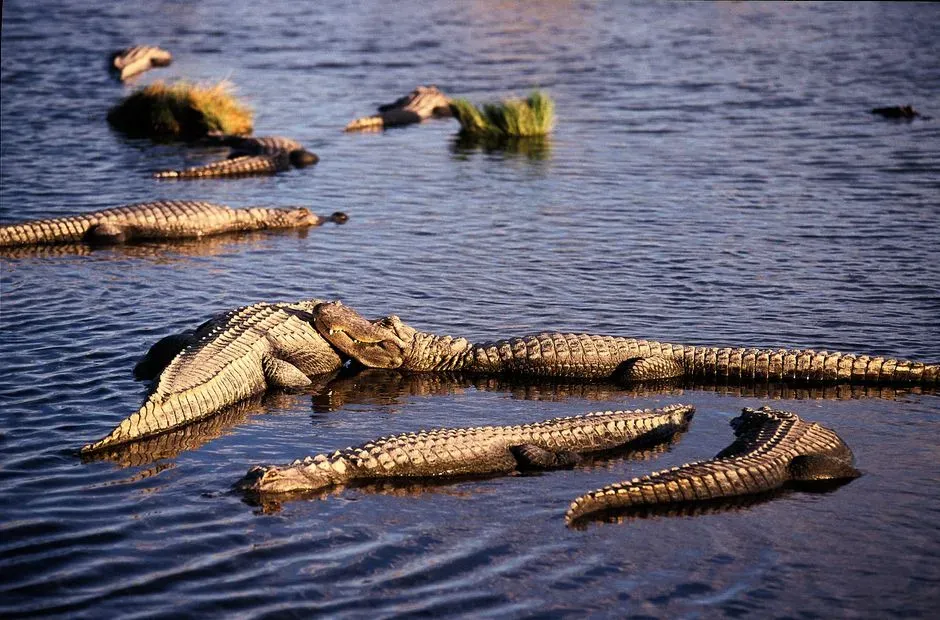
There’s a persistent internet legend that alligators can swim through bacteria-filled swamp water, get bitten in brutal territorial fights, and never get sick. It’s an exaggeration researchers now want cleared up.
The misconception likely stems from observations that alligators can survive in bacteria-laden environments and recover from serious injuries without antibiotics. Scientists are studying alligator immune compounds for potential medical applications. The real story is fascinating enough without the exaggeration – alligator blood does contain unusual antimicrobial properties that genuinely interest medical researchers.
But interest in a compound isn’t the same as total immunity, and conflating the two misleads people about how resilient these animals actually are. Alligators do get sick, develop infections, and can die from injuries just like any other animal – they just have a stronger baseline defense than most reptiles.
Next up is a survival trick that looks like a horror movie scene but is completely real.
#5 – Alligators Do Not Simply Freeze to Death in Cold Water
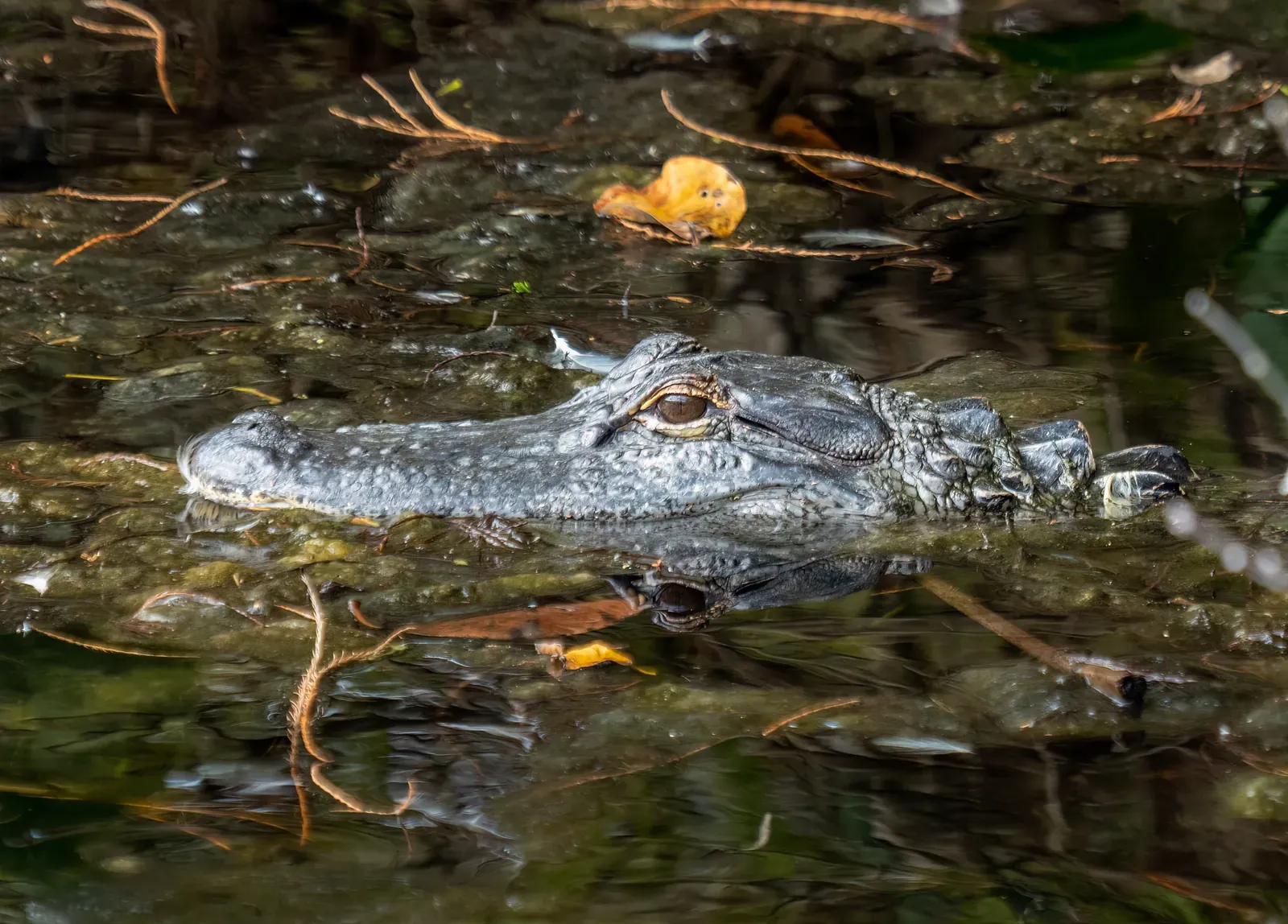
For decades, the assumption was that alligators couldn’t survive true freezing temperatures, which is part of why their range was thought to stop at a certain latitude. Wildlife park staff in the Carolinas accidentally proved otherwise.
The reptiles stick their snouts skyward to create a pocket of air from which to breathe, a behavior known as icing or snorkeling, then they go into brumation, similar to hibernation in mammals. Their snouts freeze solid into the ice while their bodies dangle motionless beneath the surface, and they survive completely unharmed. Staff who first witnessed it assumed the animals were dead until they saw the snouts moving.
One Texas park owner watched an alligator’s heart rate crash to almost nothing during the freeze. An expert from Gator Country park in Beaumont, Texas, said an alligator’s heart rate plummets to almost undetectable levels when frozen, beating at roughly three beats per minute during full hibernation.
Researchers now say the behavior disproves the long-standing belief that alligators are prevented from migrating north due to cold temperatures. But that’s nothing compared to what we found about #4…
#4 – Alligators Do Not Have a Simple Reptile Heart
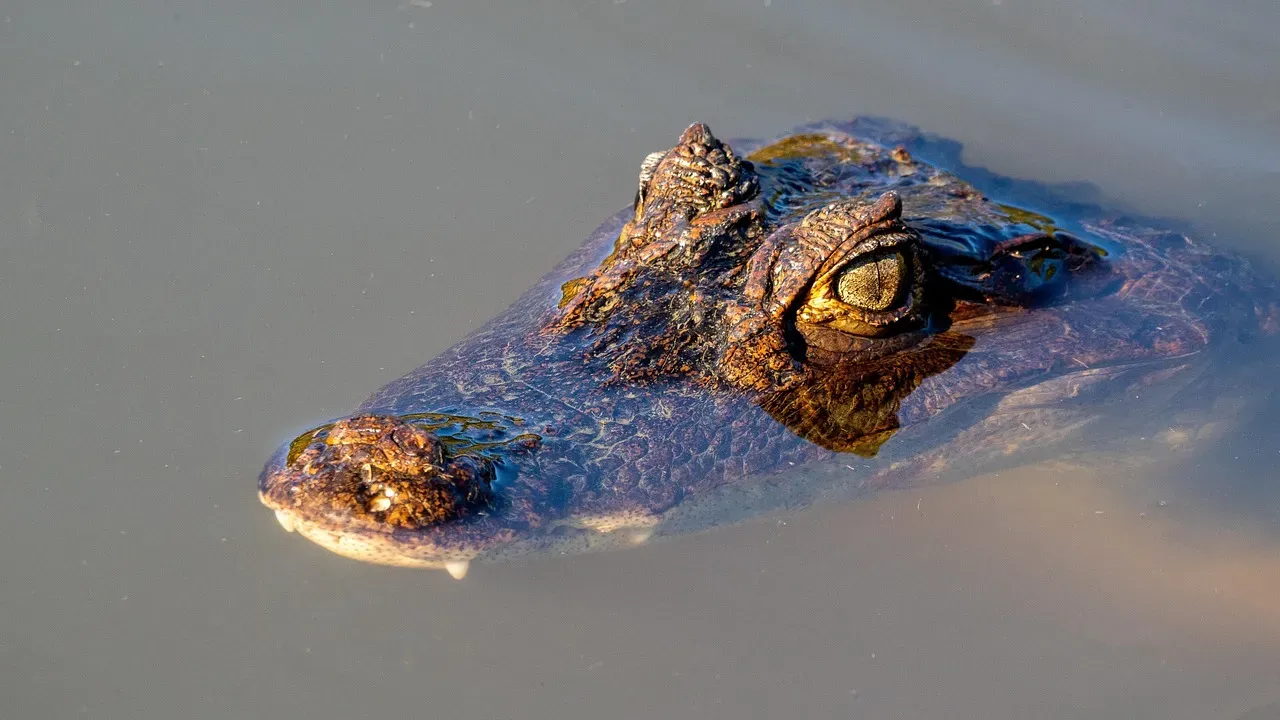
Most reptiles get lumped into one category when it comes to circulation, and people assume alligators fit that same basic mold. Cardiologists studying crocodilian anatomy say that assumption is flat-out wrong.
Most reptiles have two atria and one ventricle, but the 23 living species of crocodilians – alligators, caimans, crocodiles, and gharials – are the exception. Like birds and mammals, they have four-chambered hearts with two atria and two ventricles. That single structural detail puts an alligator’s heart closer to a human’s than to a lizard’s or a snake’s. It’s a fact that regularly stuns biology students the first time they hear it.
The heart’s resilience goes even further than anatomy alone. Georgia Tech researchers found that unlike humans and other mammals, whose hearts can fibrillate under stress, alligators have built-in antiarrhythmic protection – their hearts don’t fibrillate no matter what researchers do to test them.
Worth Knowing
- Crocodilians are the only reptiles with a four-chambered heart, matching birds and mammals
- Most other reptiles get by with two atria and just one ventricle
- Alligator hearts resist fibrillation even under extreme lab stress testing
- Wild alligator body temperatures can swing from 10 to 37 degrees Celsius without cardiac failure
That resistance holds up even as the body temperature of active, wild alligators ranges from 10 to 37 degrees Celsius, a swing that would send most mammalian hearts into crisis. Next up is a myth about communication that changes how you should think about that grunting sound near the water.
#3 – Alligators Are Not Silent, Simple Animals
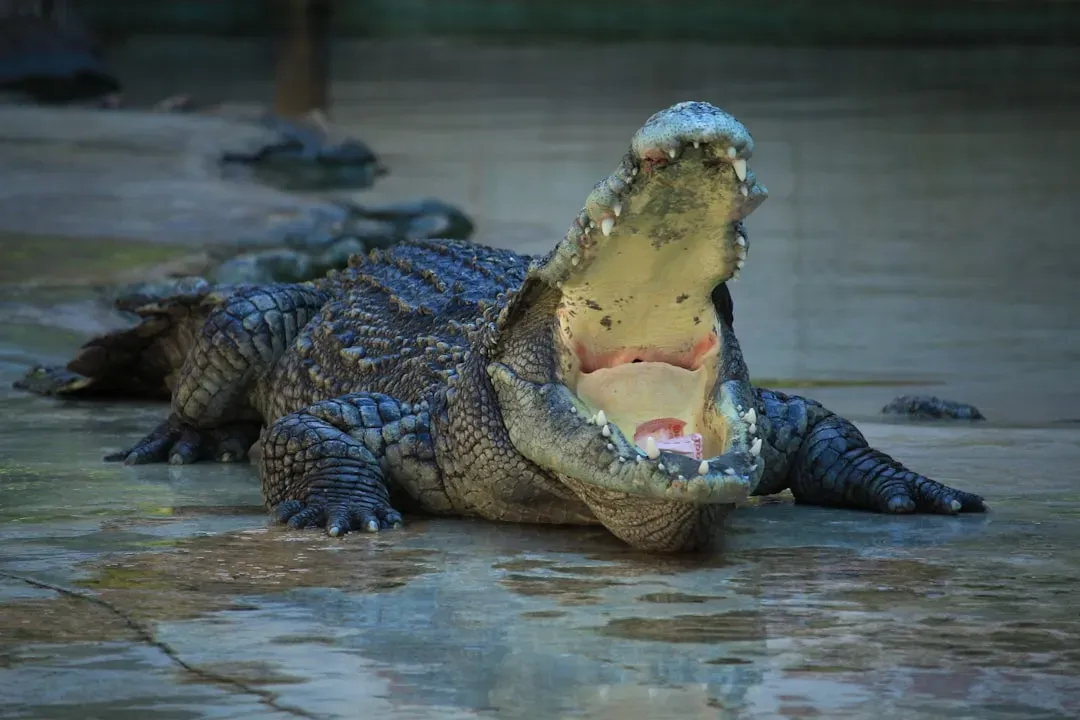
The stereotype paints alligators as mute, expressionless logs that occasionally hiss. Researchers who’ve spent years observing them in the wild say that picture badly undersells what’s actually happening.
Alligators exhibit social behaviors, particularly during mating season and while raising young. They communicate through a variety of vocalizations and body language, and seem to recognize and interact with individual members of their group. They’re tracking who’s who in their social circle, not just reacting on instinct. That level of individual recognition is rare enough among reptiles that it regularly surprises even seasoned herpetologists.
Memory plays a bigger role in this than most people assume. Contrary to popular belief, alligators possess long-term memory – they can recall the location of feeding spots, nesting sites, and even specific individuals they’ve encountered before.
That combination of vocal signaling, body language, and lasting memory adds up to something far more socially complex than the “silent swamp monster” reputation suggests. Next up is the myth that took the longest for science to fully knock down.
#2 – Alligators Do Not Have “Tiny Lizard Brains”
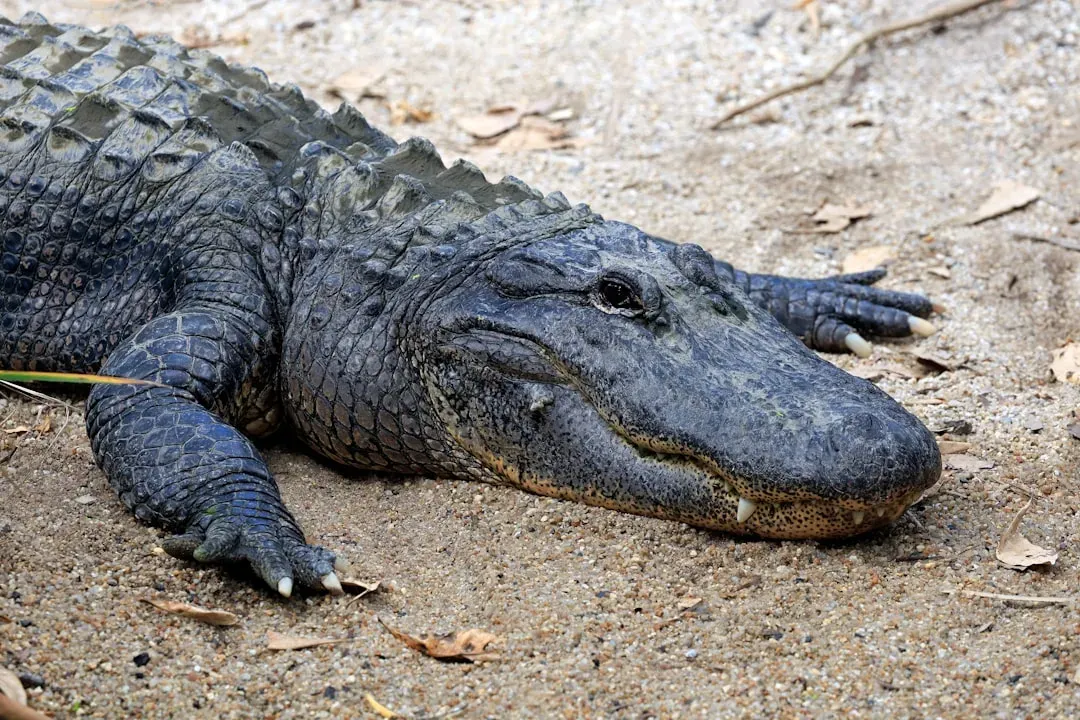
For years, the go-to insult for alligator intelligence was “tiny lizard brain,” implying pure instinct with zero real thought behind it. That phrase is now considered outdated by the researchers who actually study crocodilian cognition.
A large adult American alligator can weigh over 450 kilograms, yet its brain tips the scales at roughly 8 to 9 grams – a brain-to-body ratio that sits far below mammals and even most birds. By raw size alone, that looks damning. But raw size turned out to be almost meaningless once researchers watched what alligators actually do with that small brain.
The behavior that flipped the script was tool use, something once considered exclusive to a handful of “smart” species. Researchers observed two crocodilian species – muggers and American alligators – using twigs and sticks to lure birds, particularly during nest-building time, giving researcher Vladimir Dinets what he called a surprising insight into previously unrecognized complexity in these animals.
Why It Stands Out
- Baby alligator brains triple in size within roughly 10 months
- Muggers and American alligators are among the only reptiles documented using tools
- They lure nesting birds with twigs, timed to the birds’ seasonal building behavior
- This marked the first known case of a predator timing lure use to prey’s seasonal habits
This was the first report of tool use by any reptile, and also the first known case of predators timing the use of lures to a seasonal behavior of the prey. On top of that, baby alligator brains triple in size within about 10 months, rapid growth that lets young alligators quickly develop the complex behaviors they need to hunt and survive. But that’s nothing compared to what we found about #1…
#1 – Armored Skin Does Not Mean Numb Skin
If there’s one alligator “fact” almost nobody questions, it’s this: thick, scaly, armor-plated skin must be numb and insensitive, like wearing a suit of chainmail. Vanderbilt researchers proved that assumption spectacularly wrong.
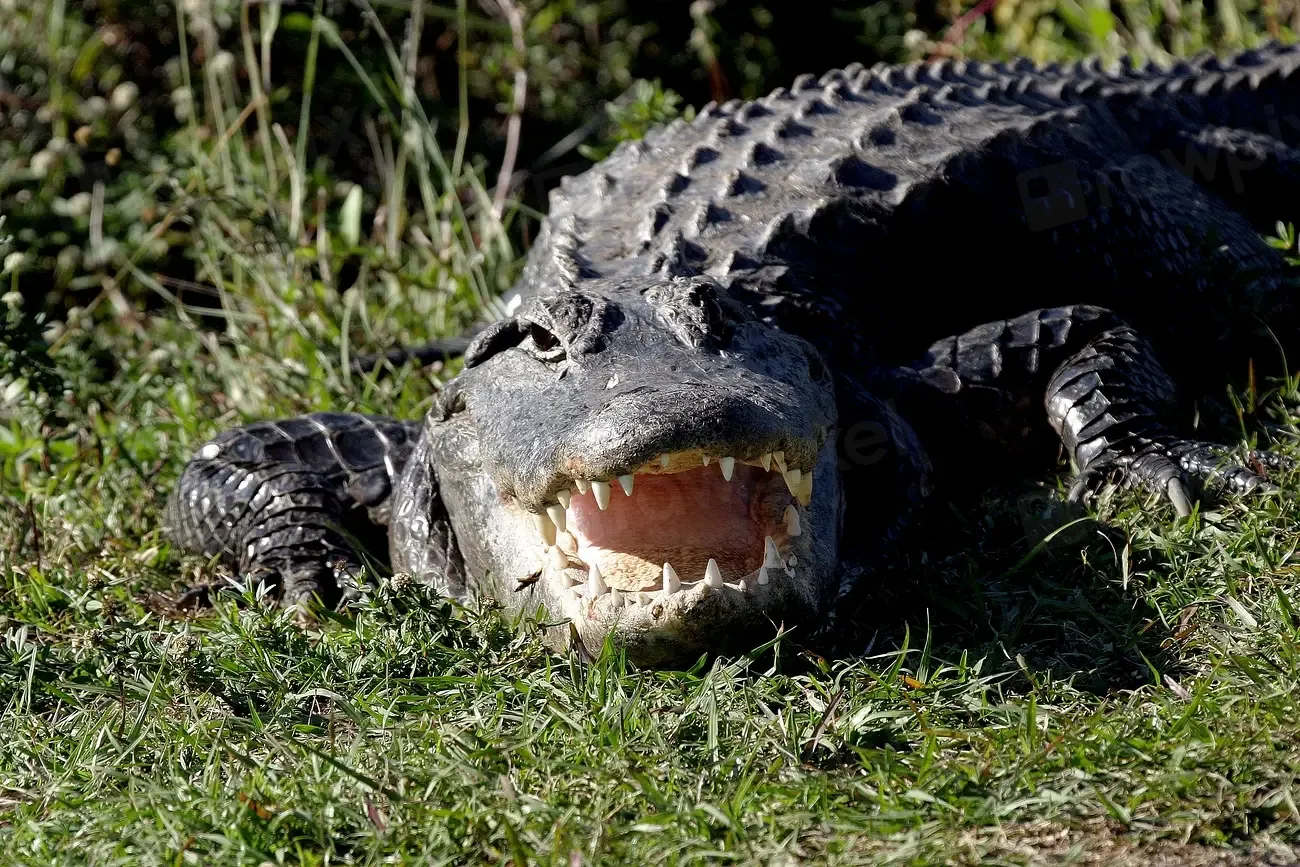
Crocodiles and alligators are notorious for their thick skin and well-armored bodies, so it comes as something of a surprise to learn their sense of touch is one of the most acute in the animal kingdom – concentrated in small, pigmented domes covering their skin, especially around the face and jaws. A new study found these spots contain a concentrated collection of touch sensors that make them even more sensitive to pressure and vibration than human fingertips. The most heavily armored predator in North American swamps has a sense of touch sharper than your own fingertips.
Researcher Duncan Leitch admitted the finding stunned even his own team, describing an experiment where he and his professor closed their eyes and tried to tickle each other’s fingertips with the same test filaments used on the alligators – and couldn’t feel a thing.
My professor and I didn’t believe at first that they could be that reactive.
Duncan Leitch
Alligators carry roughly 4,000 of these tiny raised black domes on their heads, particularly along their jaws, inside their mouths, and between their teeth, while crocodiles have a similar setup spread across their entire body. That’s not a minor footnote – it’s one of the most surprising reversals in modern crocodilian science.
The Bottom Line
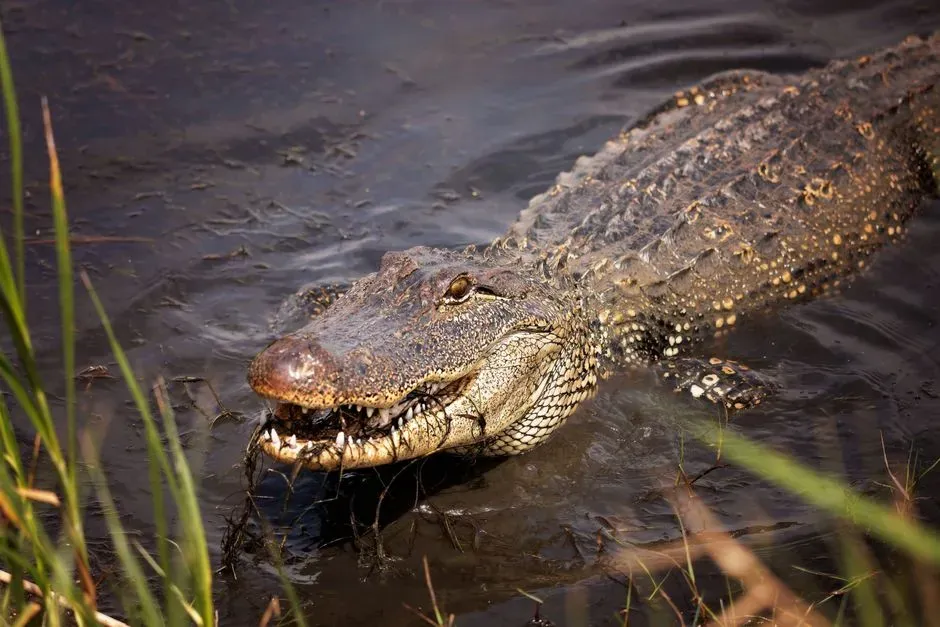
The alligator most people picture – slow, blind, brainless, and frozen in evolutionary time – simply doesn’t match what researchers have documented over the last few decades. The real animal has a four-chambered heart that resists fibrillation, fingertip-beating touch sensors, tool-using intelligence, and social memory that tracks individuals.
Frankly, the “dumb prehistoric log” reputation says more about outdated assumptions than it does about the animal itself. If you ask us, alligators are one of the most underrated thinkers in the entire reptile world, and it’s about time that got more attention. Which of these surprised you the most? Drop it in the comments.