Every time a species vanishes, it feels like a tiny light going out on our planet. But every now and then, the opposite happens: a creature the world had already mourned suddenly reappears, blinking into the flashlights of stunned scientists and stunned locals. These are the so‑called Lazarus species, animals once written off as gone forever that somehow managed to hang on in hidden corners of the Earth.
This list is not fantasy, and it is not wishful thinking. These are real animals that were formally considered extinct or widely believed to be gone, only to be rediscovered and removed from that grim list. Some are now conservation success stories, others are barely hanging on, and a few might vanish again if we get complacent. Their stories are messy, emotional, and deeply human – full of mistakes, miracles, and second chances.
Bermuda Petrel (Cahow) – The Ghost That Came Back From the Sea
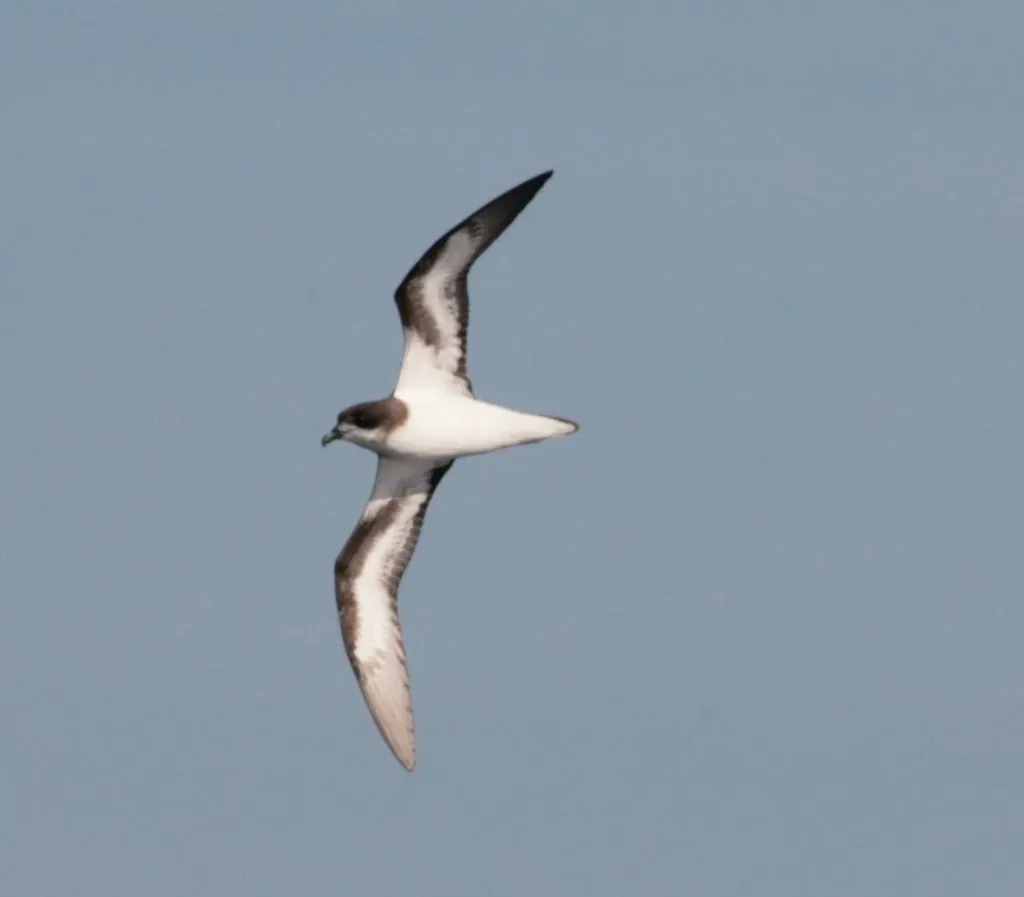
For more than three hundred years, the Bermuda petrel was thought to be gone, wiped out by sailors, rats, and cats. Then, in the middle of the twentieth century, a tiny breeding population was discovered clinging to life on remote islets, like a rumor that refused to die. Imagine believing a bird existed only in old logbooks and folklore, then suddenly hearing its eerie call echo over the Atlantic again.
Once rediscovered, the Bermuda petrel was and thrown a lifeline with intense conservation work. Artificial burrows, predator control, and even hand-rearing chicks have slowly nudged its numbers upward, though it is still critically endangered and incredibly vulnerable to storms and sea-level rise. To me, this bird is proof that “extinct” is sometimes just human shorthand for “we stopped looking properly.” Its survival is not so much a happy ending as a very fragile middle chapter.
Lord Howe Island Stick Insect – The Tree Lobster’s Cliffside Comeback
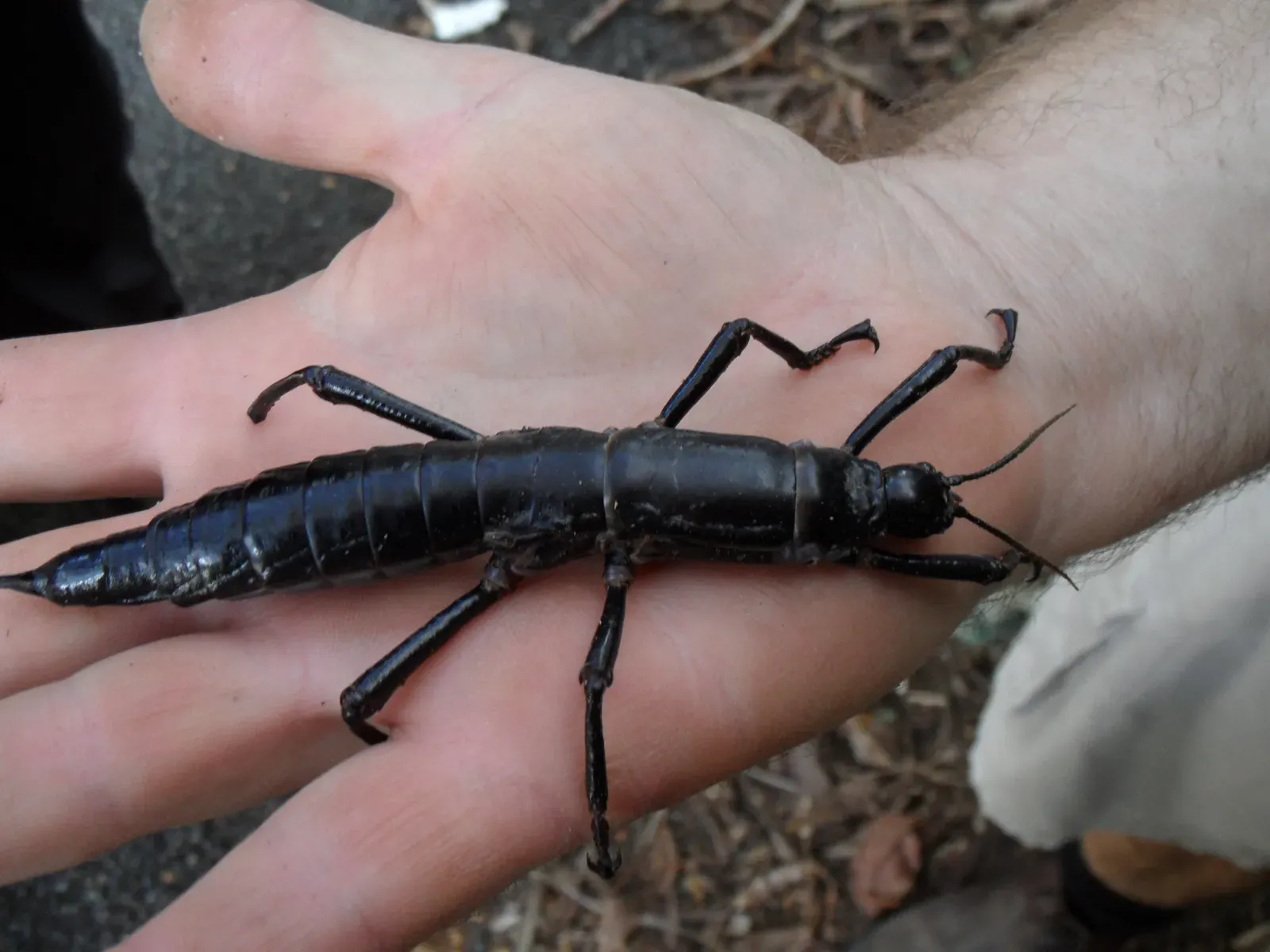
The Lord Howe Island stick insect, nicknamed the tree lobster, was declared extinct after rats invaded its home island in the early twentieth century. For decades, it lived on only in museum drawers and black-and-white photographs. Then climbers exploring a jagged volcanic outcrop called Ball’s Pyramid found a few large, glossy insects clinging to a single bush on a sheer rock in the middle of the ocean.
That tiny remnant population became the foundation of a serious captive breeding program, and the species was . Now, thousands exist in zoos and breeding centers, and there are carefully planned efforts to return them to a rat-free Lord Howe Island. I love this story because it undercuts the idea that extinction is always sudden and obvious; sometimes a species survives in the ecological equivalent of a broom closet, waiting for us to notice and fix what we broke.
Coelacanth – The “Fossil Fish” That Refused to Stay Dead
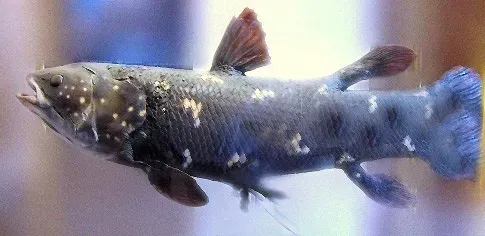
Coelacanths were long known only from ancient fossils and were thought to have disappeared about sixty‑six million years ago. Then, in the nineteen thirties, a fisherman off the coast of South Africa hauled one up in his net, leaving scientists scrambling to understand how a supposedly vanished lineage was suddenly flopping on a dock. It was one of those moments where the scientific community had to collectively swallow its pride and update the textbooks.
Although not listed as “modern extinct” like some others here, coelacanths had effectively been written out of the present-day animal world and then had to be put back in. Later, a second species was found near Indonesia, proving that this was not just a one-off relic but a surviving branch of an ancient family. They are still rare, threatened by bycatch and habitat pressures, but they are a powerful reminder that deep time and deep water can hide stories we assumed were over. To me, coelacanths feel like a direct rebuttal to human certainty.
Takahe – New Zealand’s Heavyweight Grassland Survivor
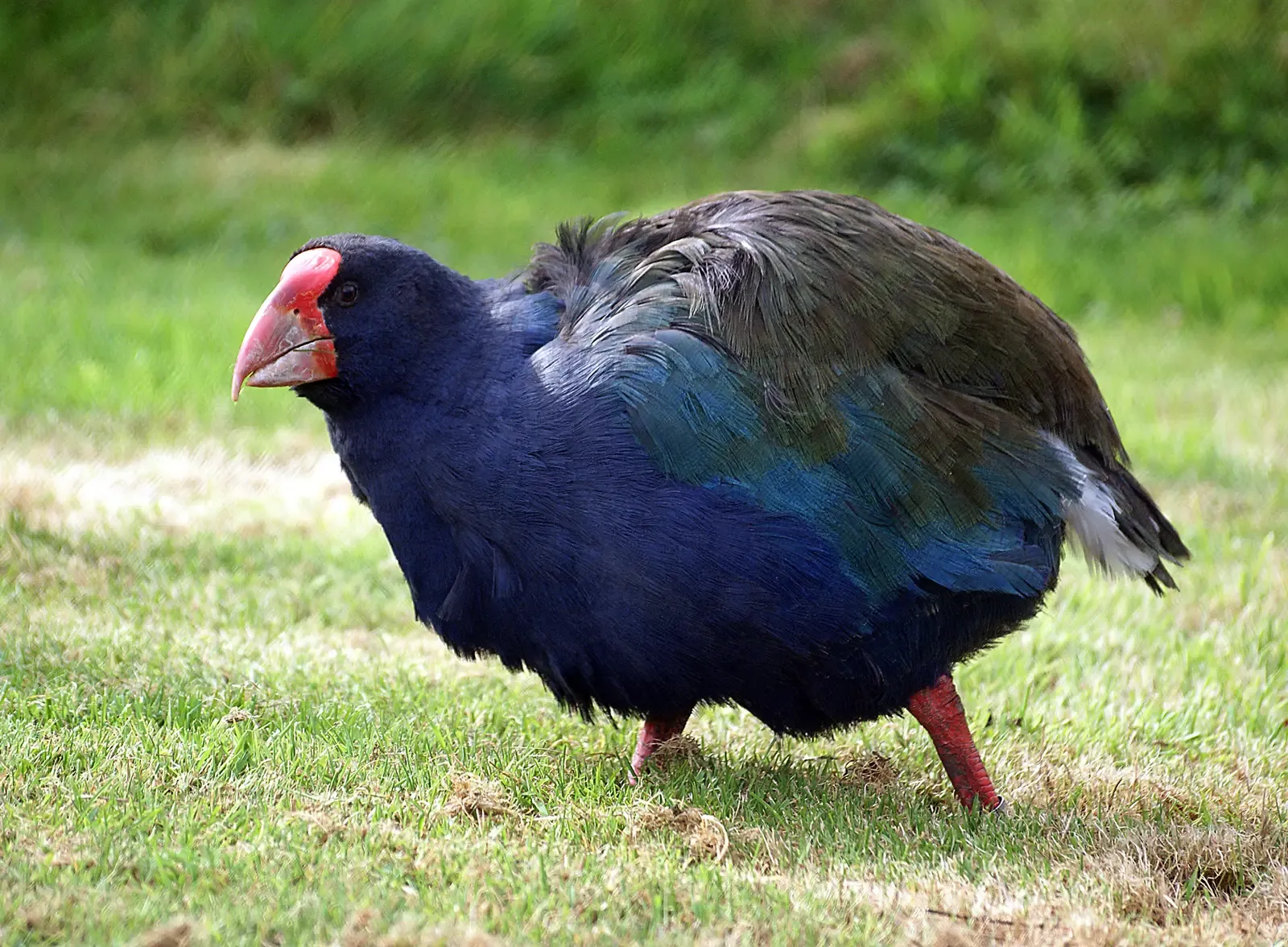
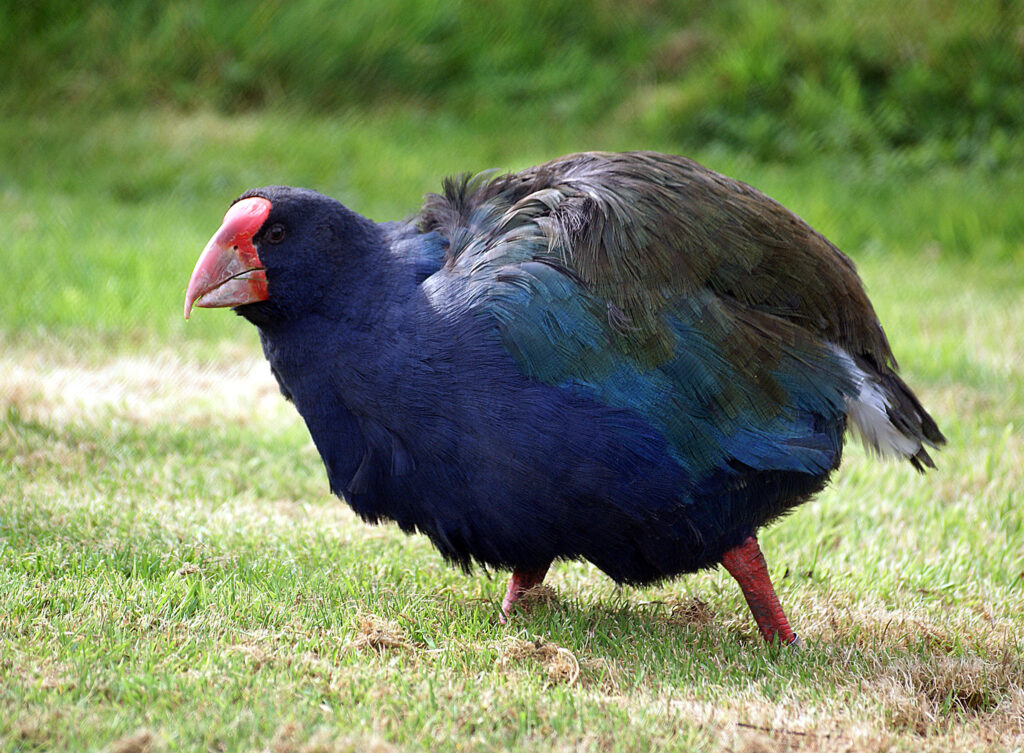
The South Island takahe, a chunky, flightless rail from New Zealand, was declared extinct in the late nineteenth century after habitat loss and introduced predators hammered its populations. Decades later, in the nineteen forties, a small group was rediscovered in a remote alpine valley, shocking even seasoned biologists. The bird’s bright blue and green plumage and heavy red bill suddenly shifted from “lost” to “endangered treasure.”
Once that discovery was made, takahe were formally and placed under intense protection, including predator control and captive breeding. Their numbers have slowly climbed from just a couple dozen to several hundred, and they have been reintroduced to carefully managed sites. I find this story both inspiring and infuriating: inspiring because a species got a genuine second chance, infuriating because it took so long for us to care enough to look in the hard places.
New Guinea Big‑Eared Bat – A Night Flier Back From Oblivion
![New Guinea Big‑Eared Bat – A Night Flier Back From Oblivion ([1], CC BY-SA 4.0)](https://nvmwebsites-budwg5g9avh3epea.z03.azurefd.net/dinoworld/da6c7ee4928e78c58f3958bb6ab446c6.webp)
The New Guinea big‑eared bat was known from just a handful of old specimens and was widely treated as extinct, simply because no one had seen it for generations. In recent years, field surveys turned up living individuals, forcing a quiet but important reclassification. The animal went from a ghost in a collection drawer to a real, breathing part of New Guinea’s forests again.
In many ways, bats like this suffer from a double invisibility: they are nocturnal, and they tend to live in remote, poorly surveyed regions. Their rediscovery shows how “extinct” can sometimes just mean “we were not paying attention at night.” I think that’s deeply uncomfortable, because it means our ignorance can literally erase animals from policy and funding decisions, even while they are still out there dodging our lights and our assumptions.
La Palma Giant Lizard – A Canary Islands Comeback
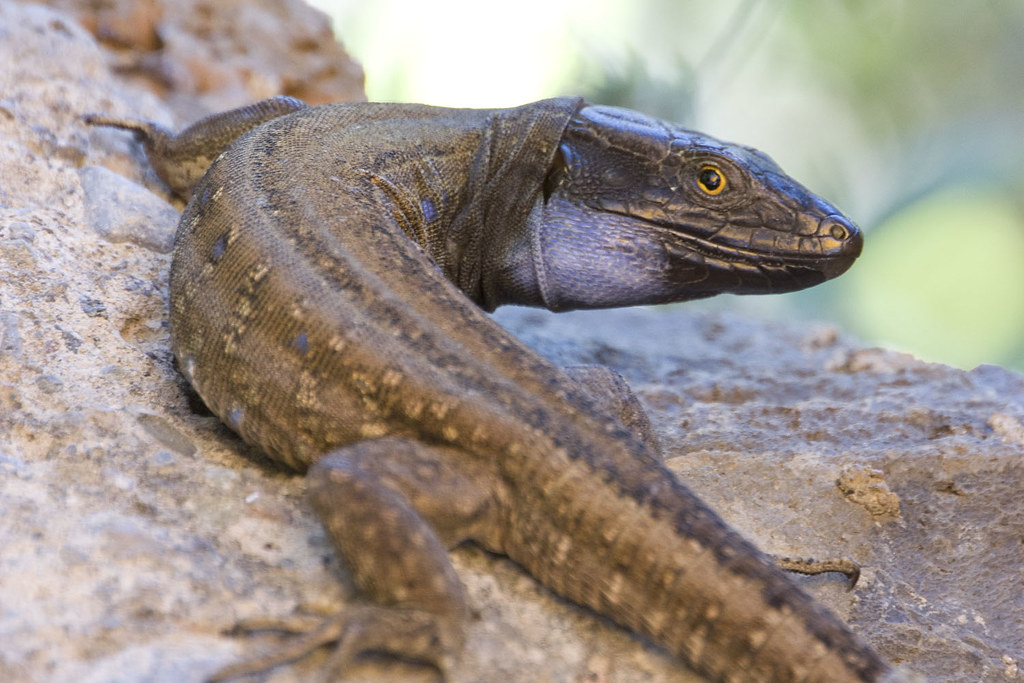
The La Palma giant lizard from Spain’s Canary Islands was believed extinct for more than a century, its disappearance blamed on hunting, habitat loss, and introduced predators. Then, in the late twentieth century, a tiny remnant population was found on inaccessible cliffs, clinging to survival in places goats and people rarely reached. It was one of those rediscoveries that instantly forces a rethink of how thorough past surveys really were.
Following the rediscovery, the species was reassessed and removed from the extinct category, becoming a focal point for intensive conservation work. Captive breeding, habitat protection, and predator control have all been used to try to build its numbers back up. Personally, I see these Canary Island lizards as a test case for how seriously we take small islands as biodiversity hotspots rather than tourist backdrops. When we choose to notice, we often find more life than we expected.
Cuban Solenodon – The Venomous Relic That Wouldn’t Quit
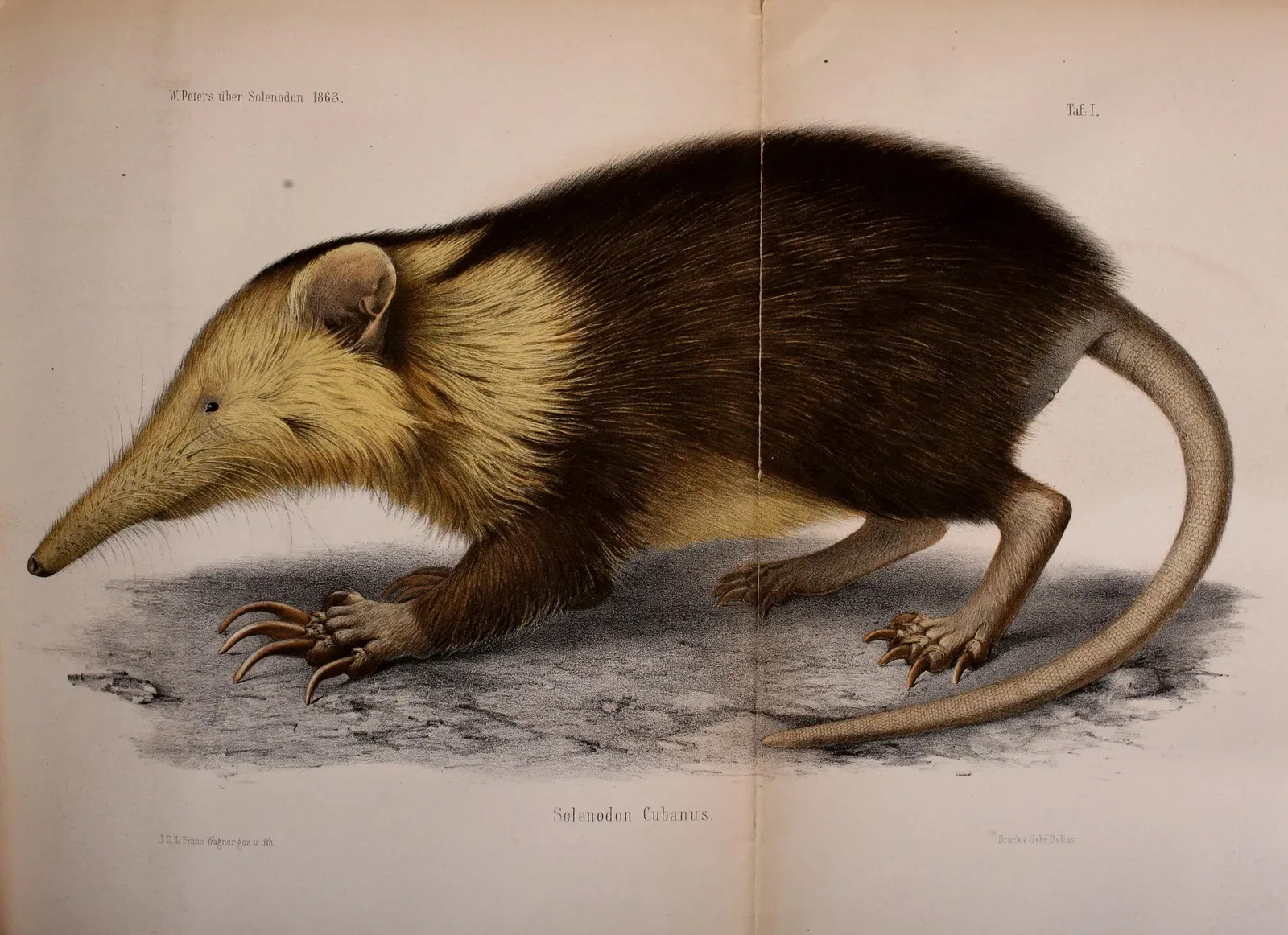
The Cuban solenodon, a strange, venomous, shrew‑like mammal, has bounced in and out of the “probably extinct” box multiple times. For long stretches, no one could find it, and many scientists quietly assumed it was gone, given the heavy pressures on Cuban forests. Then surveys turned up living individuals, forcing a reevaluation and removal from any extinct or presumed-extinct category.
This animal is a reminder that evolution sometimes produces designs so odd they feel almost prehistoric: a mammal with toxic saliva and a flexible snout, skulking around at night. Its continued existence is precarious, threatened by habitat loss and invasive predators, but the fact that it survived waves of human impact is remarkable. To me, the solenodon shows that our mental line between “ancient” and “modern” is much blurrier than we like to admit, and that we underestimate how resilient some lineages can be when given even a sliver of space.
Wallace’s Giant Bee – The Giant That Hid in a Termite Nest
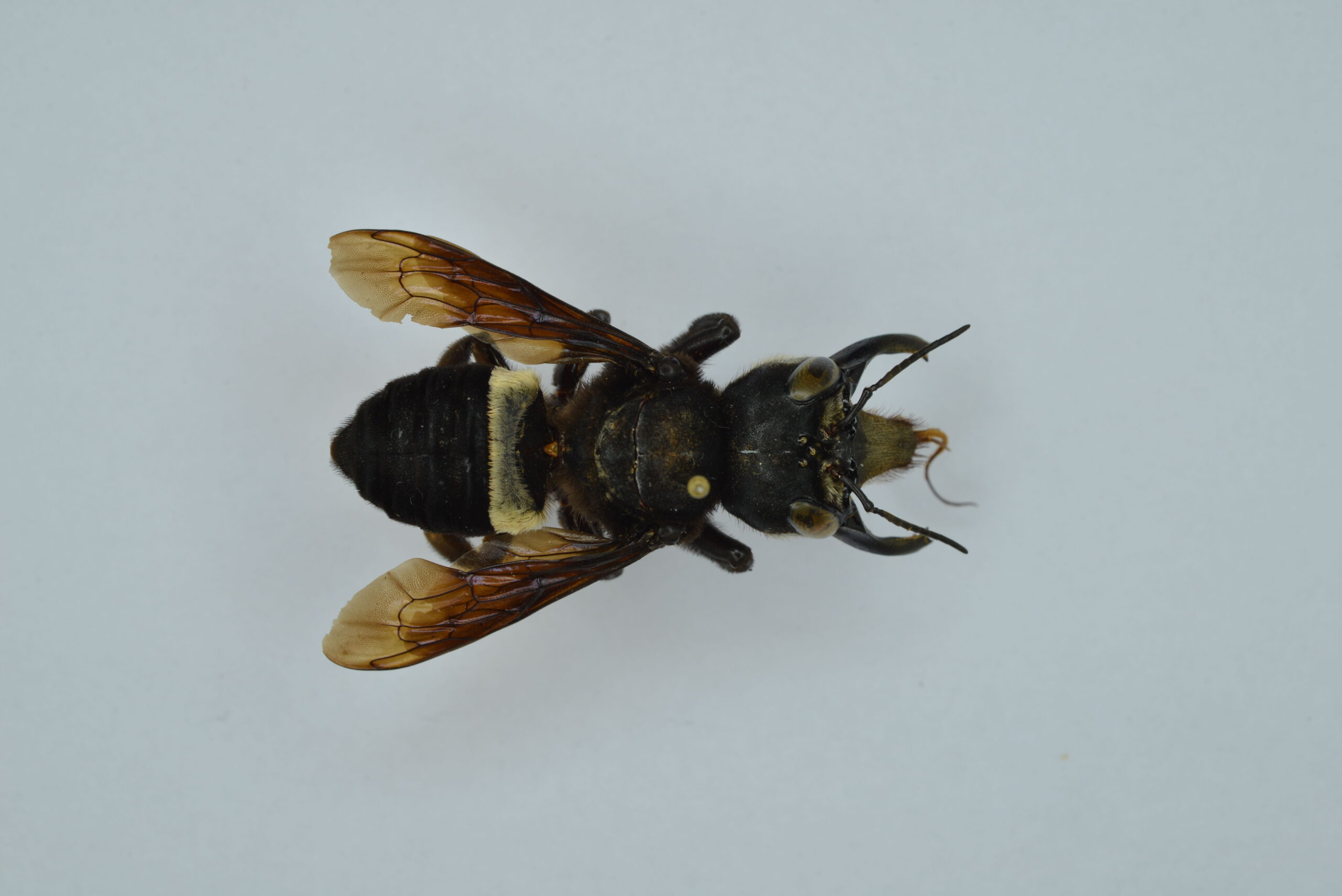
Wallace’s giant bee, the world’s largest bee, was thought to be extinct for decades, known mainly from dusty specimens and old expedition notes from Indonesia. Then, explorers and researchers started turning up live individuals again, most dramatically when one was photographed in a termite nest, its enormous jaws and size making it look almost unreal. With that, this bee was shifted out of the “possibly extinct” limbo and back into the list of living, if endangered, species.
It is hard not to feel a mix of awe and frustration about this. On one hand, we had written off a giant bee, as if something that big could just vanish without a trace. On the other hand, it took targeted searches and collaboration with local communities to finally prove it was still around. My personal take is that Wallace’s giant bee highlights how often tropical invertebrates are dismissed; we only suddenly care when a photo goes viral, even though their survival issues were urgent long before anyone snapped a close‑up.
Myanmar Jerdon’s Babbler – A Songbird Rediscovered in the Reeds
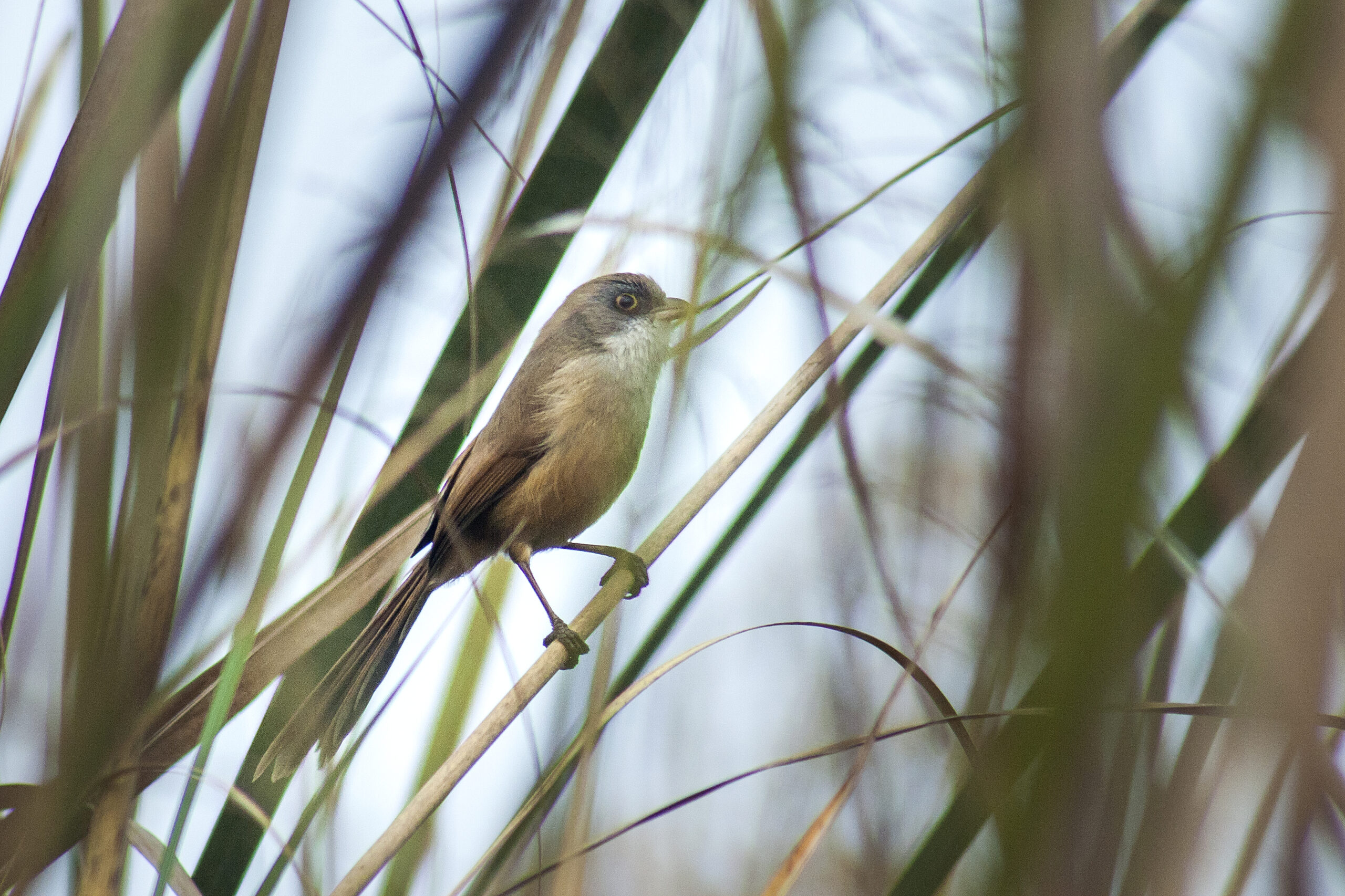
Jerdon’s babbler, a small songbird associated with wetlands and reedbeds, was long considered extinct in parts of its range, including Myanmar. For many years, it simply was not recorded, and habitat destruction made its disappearance seem inevitable. Then field teams, following up on scattered reports, found surviving populations, pushing it out of the extinct or “regionally extinct” category.
The bird’s rediscovery is especially meaningful because it shines a light on neglected wetland ecosystems in Southeast Asia. These are places that are often drained, burned, or converted, yet they still hide pockets of surprising resilience. As someone who loves birds, I see this story as a quiet argument for humility: just because our surveys are thin does not mean life has surrendered. Sometimes, the songs just moved a few reedbeds away from where we bothered to listen.
New Zealand Storm Petrel – From Phantom to Protected
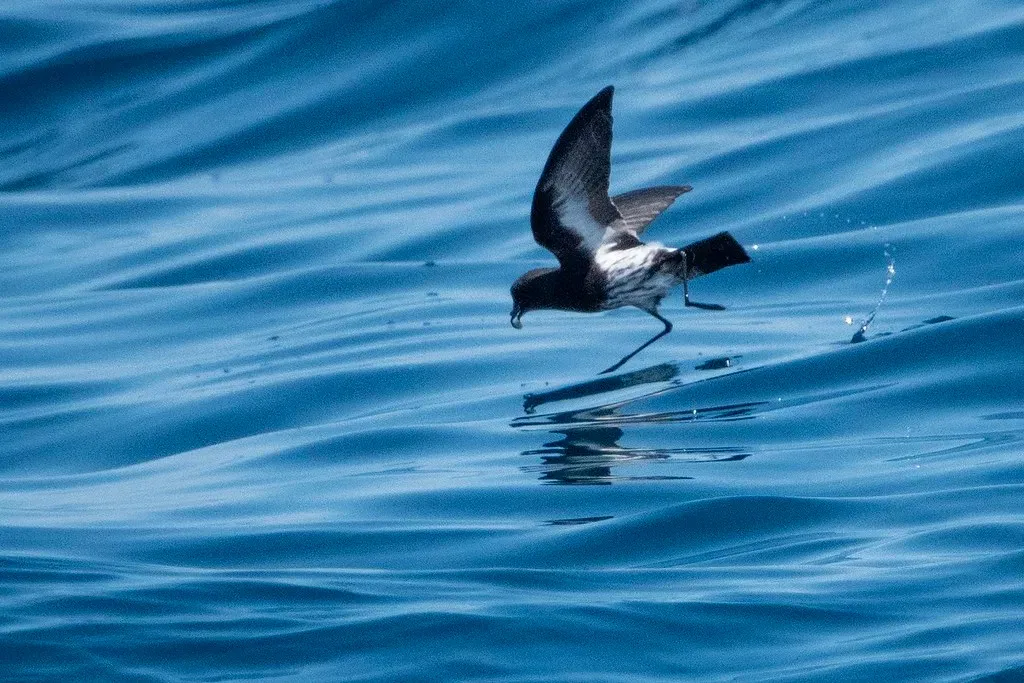
The New Zealand storm petrel was known only from nineteenth‑century specimens and was widely treated as extinct for most of the twentieth century. Then occasional sight records started to surface, followed by clearer photographic and physical evidence that the bird was actually still alive, skimming waves in the Hauraki Gulf. That evidence eventually led to it being formally recognized as extant and pulled back from the extinct list.
Since then, researchers have even located breeding sites and begun work to protect them, including controlling predators and minimizing disturbance. This bird’s story underlines how challenging it can be to confirm extinction when you are dealing with small, fast, ocean‑going species that spend most of their lives over water. To me, the storm petrel is like a reminder scribbled in the margins of the ocean: do not assume silence means absence, especially when you are barely listening.
Forest Owlet – India’s Lost Owl in a Fragmented Forest
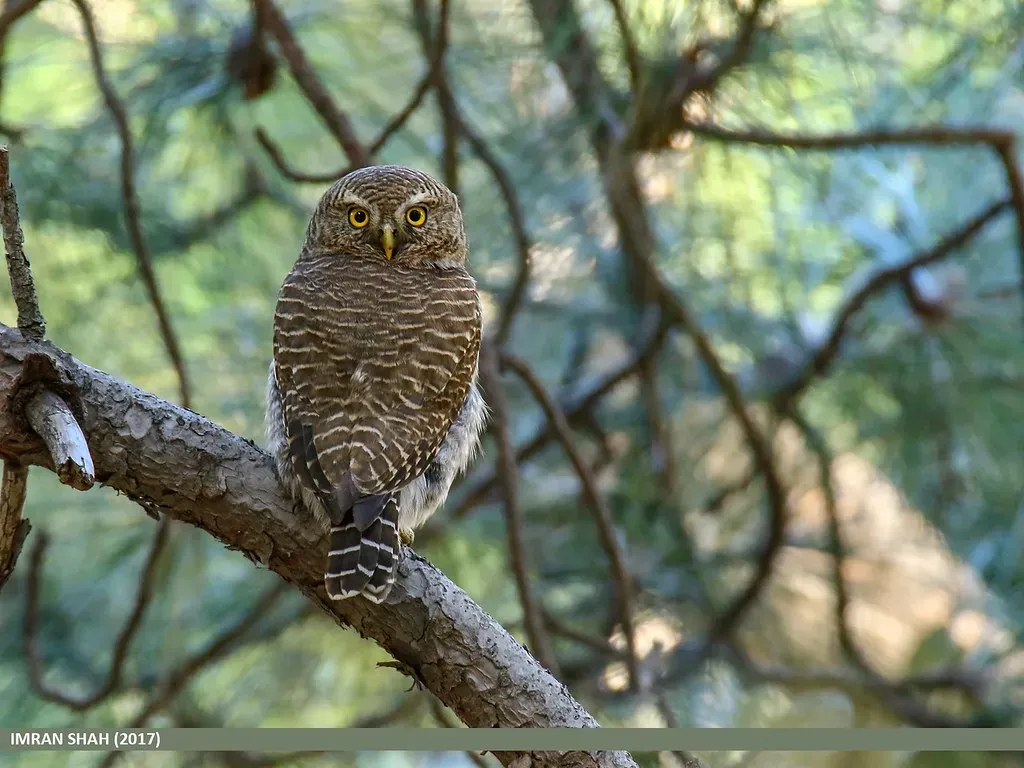
The forest owlet in India was originally described in the nineteenth century, then went unseen for more than a hundred years and was widely written off as extinct. In the nineteen nineties, researchers rediscovered it in central India, turning a chapter of ornithological history on its head and forcing its status to be updated. The owl’s comeback from “extinct” to “critically endangered” might not sound cheerful, but it is a vital difference.
The species’ rediscovery has triggered more focused conservation measures, including protection of its remaining forest habitat and research into its breeding biology. Still, the forests it depends on are heavily fragmented and under pressure from development. My own reaction is mixed: it is exciting that we found it again, but deeply frustrating that the places it needs to survive are still treated as expendable. We got a second chance, and we are already risking wasting it.
Alagoas Curassow – Clinging to Life in Captivity
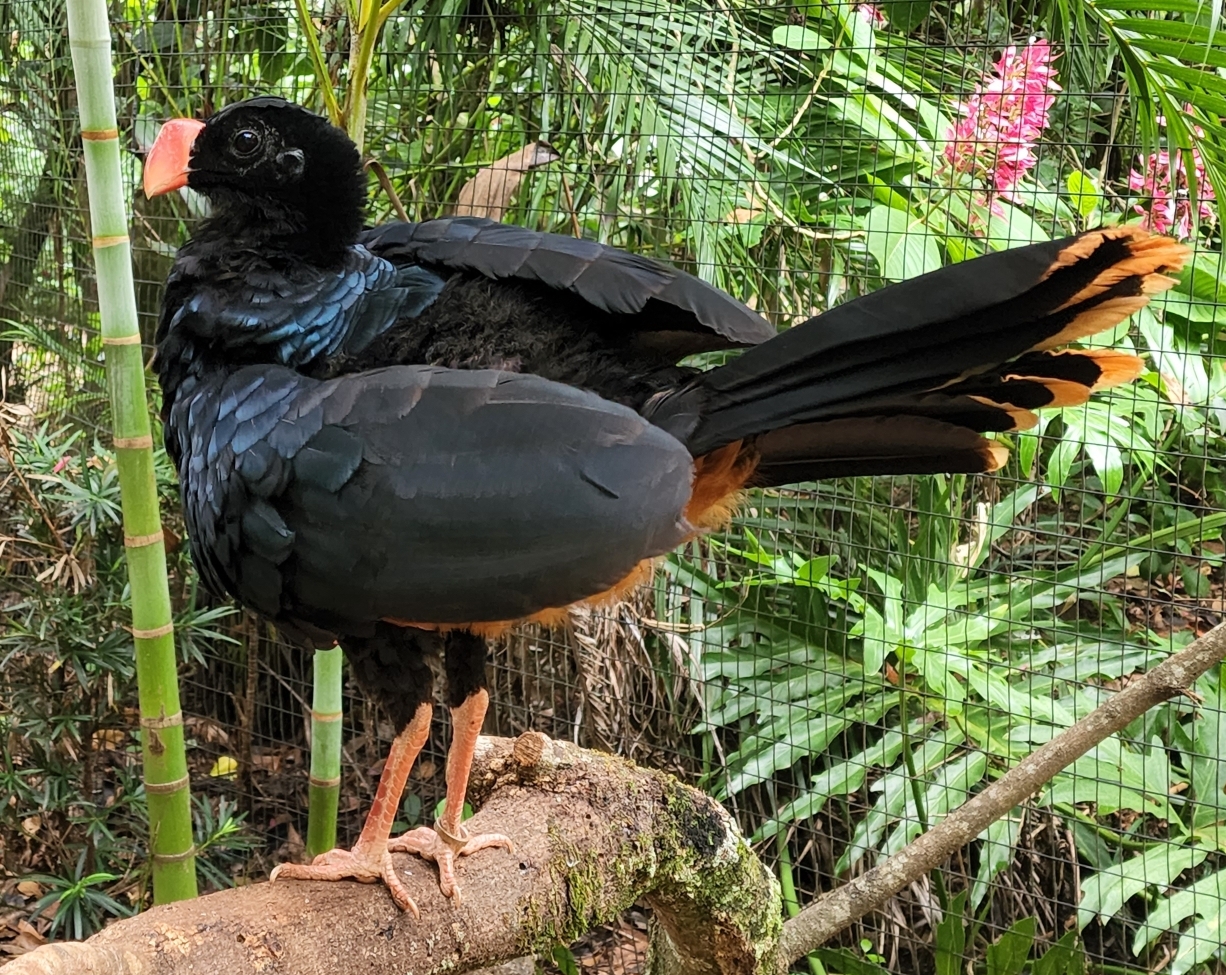
The Alagoas curassow, a large, dark bird from Brazil’s Atlantic Forest, was driven extinct in the wild by deforestation and hunting. For a long time, it was presumed fully extinct until a small captive population was recognized and managed. That captive group allowed the species to be removed from the fully extinct list and reclassified as extinct in the wild instead.
On paper, that might sound like a technicality, but it matters a lot in practice. It means there is still a genetic line to work with, and reintroduction becomes at least possible if habitat can be restored or protected. Personally, I find this one of the more painful stories on the list: we lost the wild bird, but a handful survived in aviaries. It is a reminder that sometimes the only thing standing between extinction and survival is whether someone bothered to keep a few individuals alive long enough for society to change its mind.
Hula Painted Frog – A Wetland Survivor in a Drained Lake
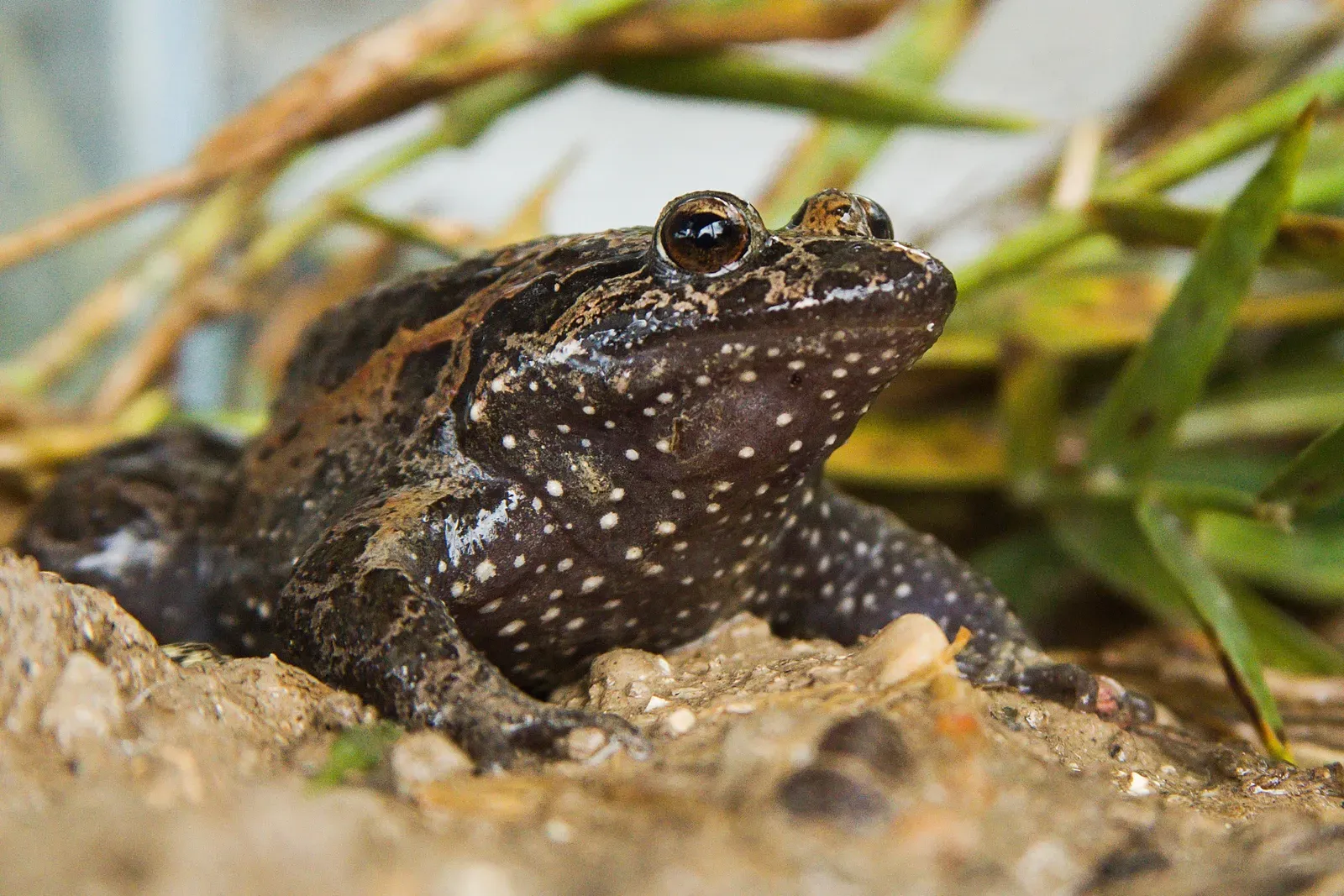
The Hula painted frog from Israel was declared extinct after its wetland home, Lake Hula, was drained in the mid‑twentieth century. For decades, it was considered a tragic example of how single, large engineering projects can erase entire species. Then, in the early twenty‑first century, individuals were found again in remnant wetland patches, leading to its removal from the extinct list.
Genetic studies later suggested that this frog represents a very ancient lineage, making its rediscovery even more significant scientifically. Conservationists have since been working to improve and expand wetland habitats in the region, both for the frog and for broader biodiversity. I think this frog is a blunt commentary on our tendency to treat wetlands as disposable until something charismatic or unique forces us to rethink. It survived our worst decisions; the least we can do is not repeat them.
Fernandina Island Galápagos Giant Tortoise – A Lone Survivor, Then Hope
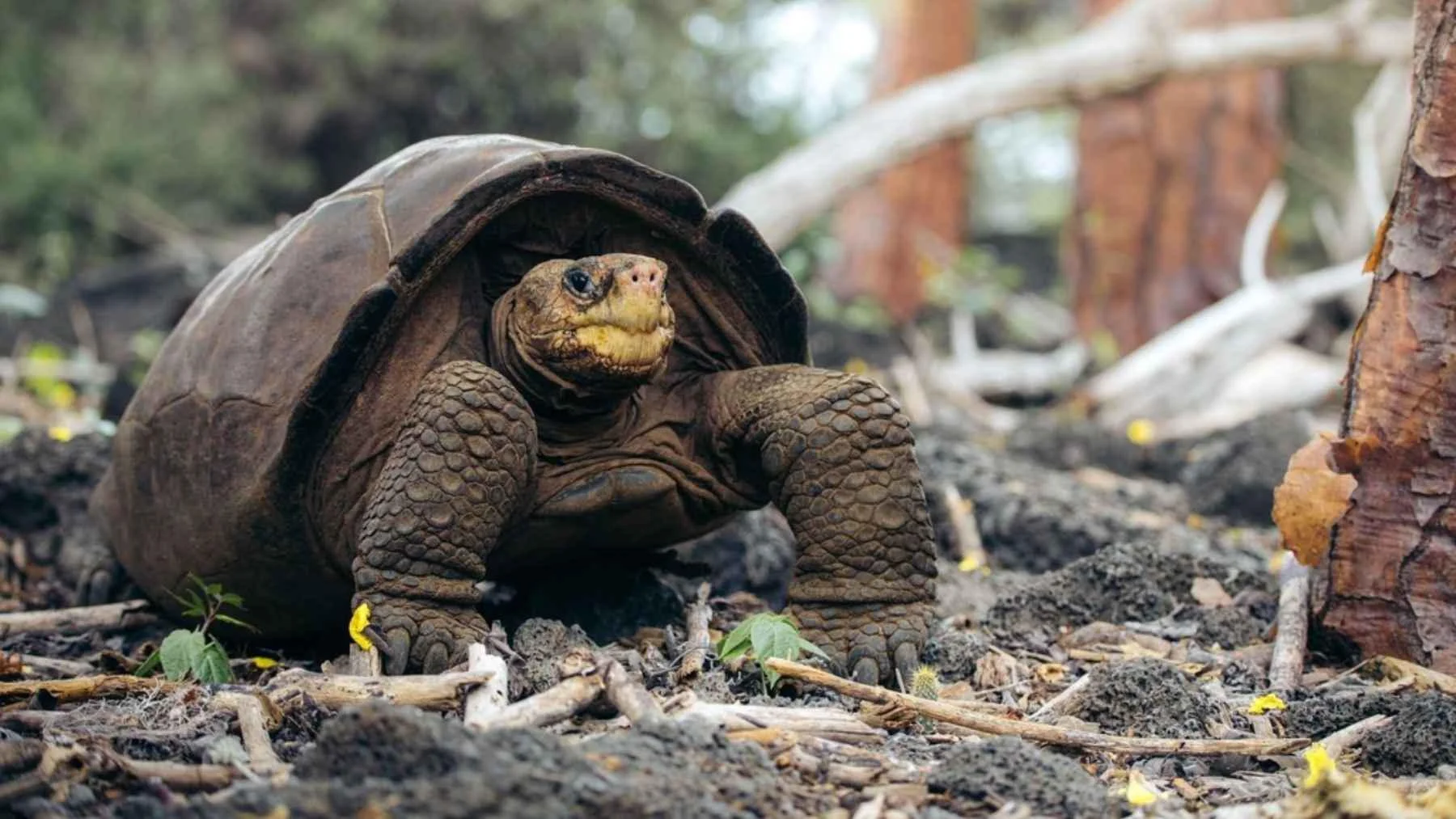
For years, the Fernandina Island giant tortoise from the Galápagos was considered extinct, with only old bones and stories to hint it ever existed. Occasional signs like tortoise droppings or tracks sparked speculation, but no live animal had been confirmed for over a century. Eventually, a live female was discovered, which pushed this lineage from “extinct” back into the realm of the living in official assessments.
Genetic work has linked her to the supposedly lost species, and there is an ongoing push to find more individuals and, if possible, start a breeding program. The situation is still precarious and filled with unknowns, but it shows how dangerous it is to declare extinction on scattered evidence and then move on. Emotionally, this one hits hard: envisioning a single aging tortoise carrying the weight of an entire evolutionary story on her shell is both inspiring and haunting.
Conclusion – Extinction Is Not Always Final, but It Is Always a Warning
Looking at these fourteen animals, it is tempting to lean into a feel‑good narrative: nature bounces back, science gets surprised, and lost creatures step back into the spotlight. But that would be too tidy, and honestly, too comforting. Most of these species are still in serious trouble, perched on a knife edge of habitat loss, climate change, and human neglect. Their removal from the extinct list is not a victory lap; it is a blunt reminder of how close we came to closing the book on them for good.
My opinion is that we should treat every rediscovery less like a miracle and more like a warning siren. If an animal we wrote off as gone can turn up again, what does that say about how casually we declare a place empty or a species hopeless? These Lazarus stories are not permission to relax; they are evidence that life is more persistent than our attention span, but not more powerful than our damage. The real question is whether we will use these second chances to change how we build, farm, fish, and live – or whether, a few decades from now, we will be telling the same stories again, only this time with no surprise comebacks. Which future do you honestly think we are choosing right now?