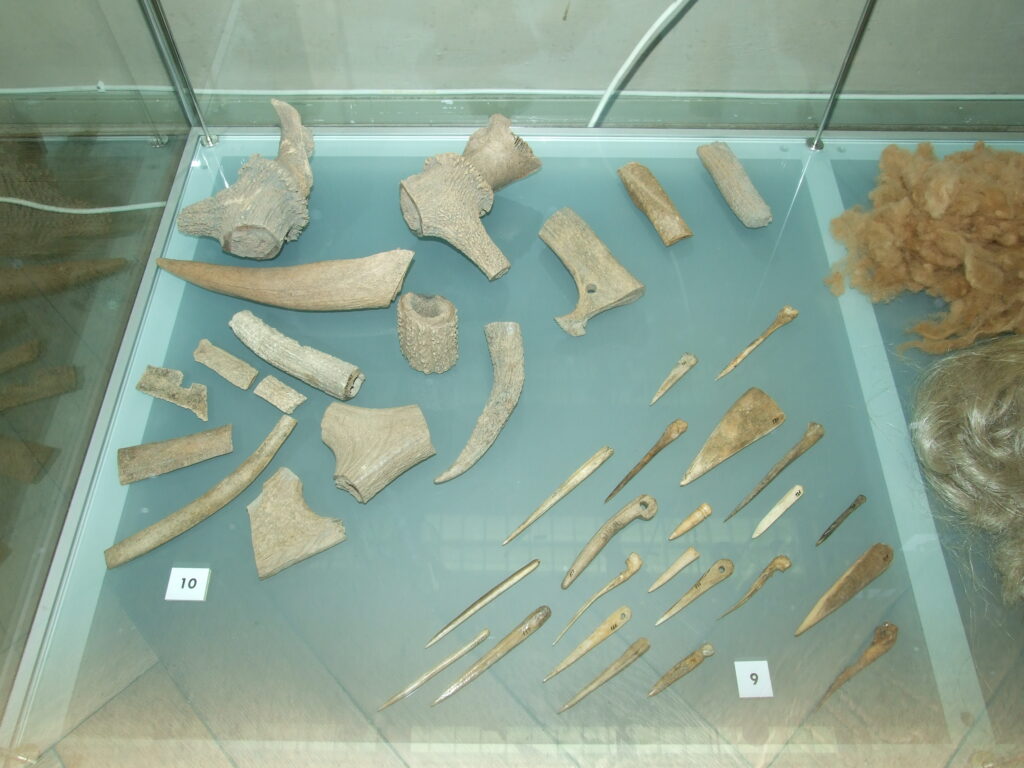
Most people assume every object that enters a museum eventually ends up under glass, lit and labeled for the public. Actually, the opposite is closer to the truth. Major institutions display roughly one percent of what they own at any given time, which means the other 99 percent – millions upon millions of items – sits in crates, drawers, and storage pods that staff may never get around to opening.
Some containers eventually get flagged, surveyed, and cracked open. Others just sit, sealed for decades, sometimes permanently. What’s inside them ranges from mundane to genuinely bizarre – a horror-movie prop bolted into its own shipping crate, a forgotten basement of stuffed birds, a time capsule too fragile to fully unpack. Here’s what museum registrars, archivists, and collections managers actually say about the boxes nobody’s touched in years.
#14 – The WWII “Panic Shipment” Crates Near Luray, Virginia
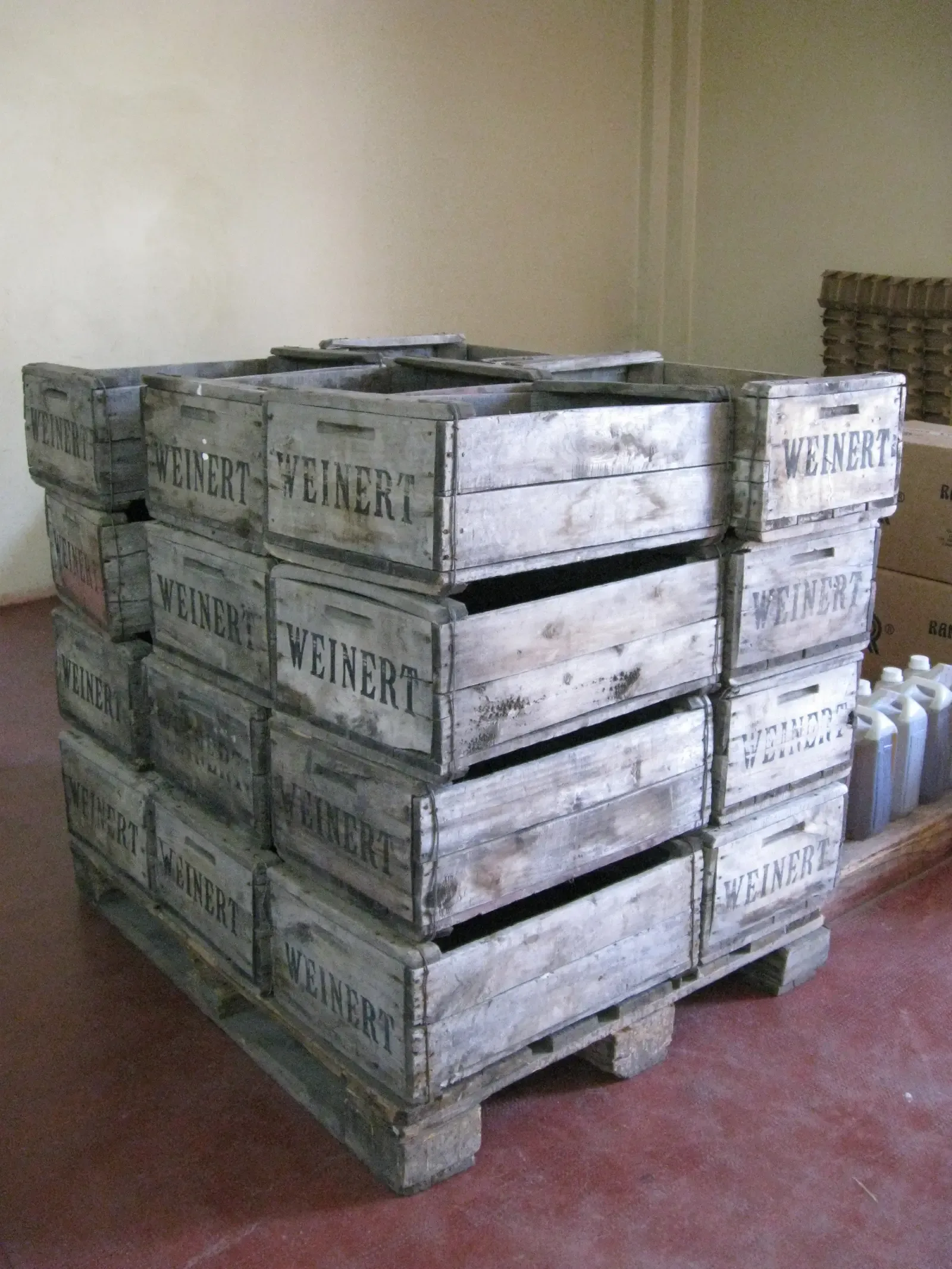
During the height of World War II, Smithsonian curators genuinely feared that Axis forces might target the National Mall, and with it, decades of American cultural memory. Their solution was drastic and quiet: load the most valuable objects onto trucks and disappear them into the Virginia countryside, far from any obvious target.
The destination, now known to be near Luray, Virginia, turned out to be a climate-controlled warehouse built specifically to keep those crates safe. Once the war ended and the danger passed, nobody rushed to unpack everything. The same secrecy that protected these objects meant many crates were simply logged, sealed, and folded into permanent storage instead of ever being reopened for public view.
“As a safeguard we have sent out of Washington a small part of our great collections.”
Alexander Wetmore, Smithsonian Assistant Secretary, 1942
#13 – The Postal Museum’s Decade-Long Mystery Crate Project
Not every unopened crate is glamorous. Some are just logistical nightmares that take a literal decade to untangle, one crate and one cage at a time.
At the Smithsonian’s National Postal Museum, staff inherited a backlog so large that crates could only be opened once a secure cage was free to hold whatever came out of them – a bottleneck that stretched the project across years. The very last crate wasn’t opened until December 2008, and museum technician Rebecca Johnson didn’t finish processing its contents until January 2009. Some of those boxes had sat sealed since long before she was even hired – an entire early career spent unpacking other people’s mysteries.
#12 – The Air and Space Crates That Rode Out a Building Collapse
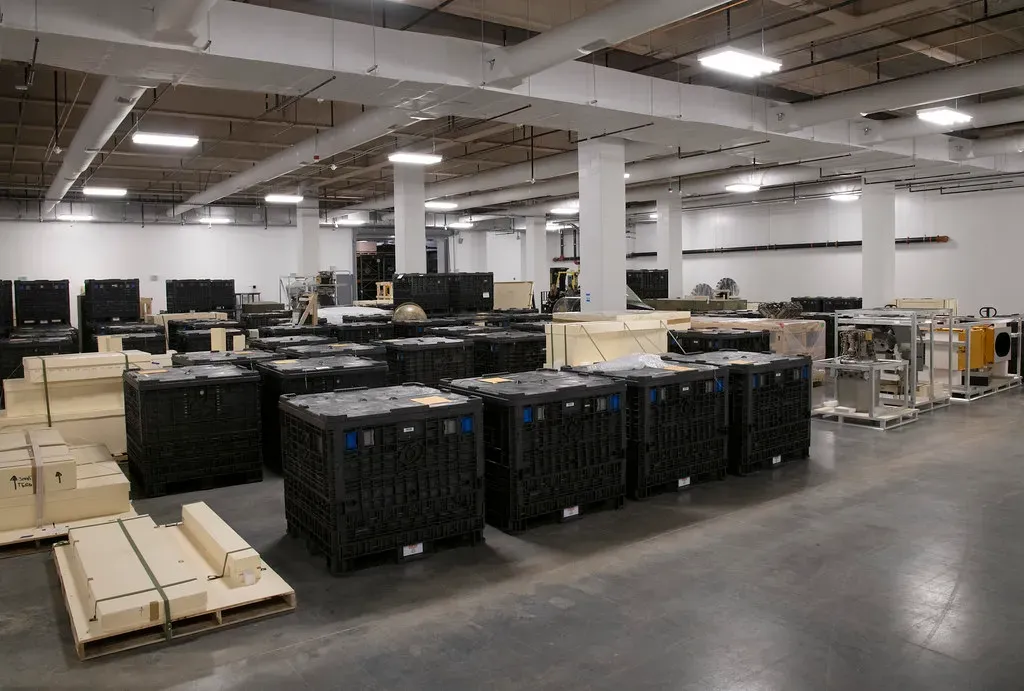
At the Smithsonian’s Paul E. Garber facility – the sprawling storage complex where aviation history goes to wait its turn – some crates have survived structural disasters without ever being cracked open.
When investigators reviewed the damage after part of a storage unit gave way, they found the historic aircraft components inside were untouched, because the protective boxes and crates were sitting on shelving that was still holding up sections of the collapsing warehouse. The crates weren’t just stored there – they were literally load-bearing, propping up the building around them while nobody had opened what was inside for years. That’s the kind of quiet permanence most museum crates settle into eventually: not lost, not forgotten exactly, just perpetually next on a list that never gets shorter.
#11 – The “Do Not Remove Screws” Crate
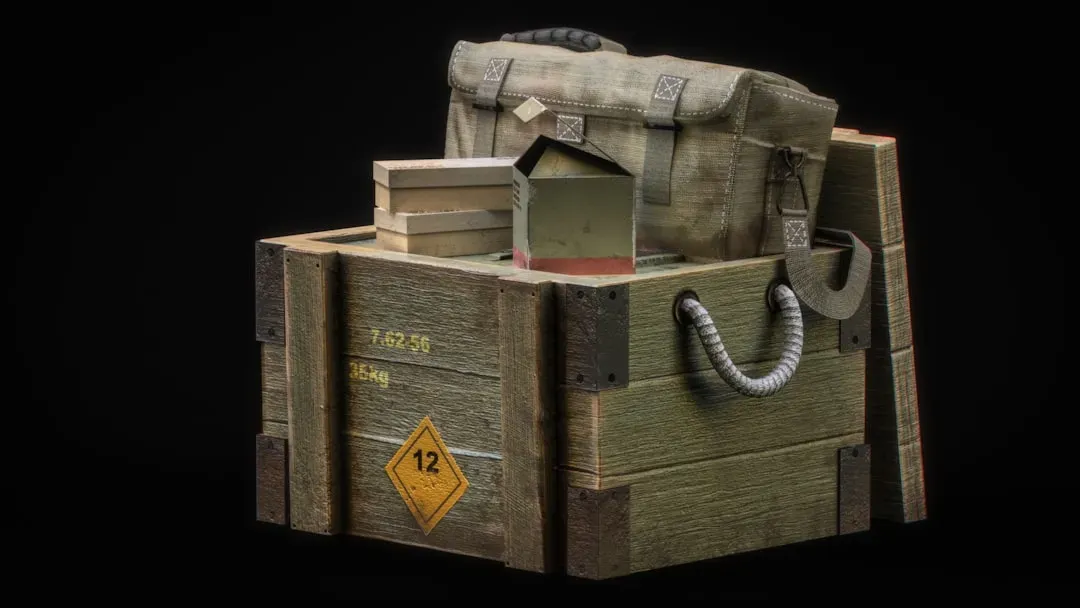
Buried in the National Museum of American History’s storage floors is a crate staff genuinely joke about, because opening it further might actually make things worse.
A curator once pried open a box marked simply “Gremlin. Fragile,” and found a perfectly preserved movie creature from Joe Dante’s 1990 film Gremlins 2: The New Batch, staring out from behind the wooden brace built to support its head. The crate itself carries a hand-printed warning – “Do not remove screws” – because the prop is essentially mounted permanently inside its own shipping container. It’s technically catalogued, technically visible, and functionally sealed forever, treated less like an artifact you unpack than a specimen you simply peer into.
#10 – The World’s Largest Sloth Moth Collection Nobody Sees
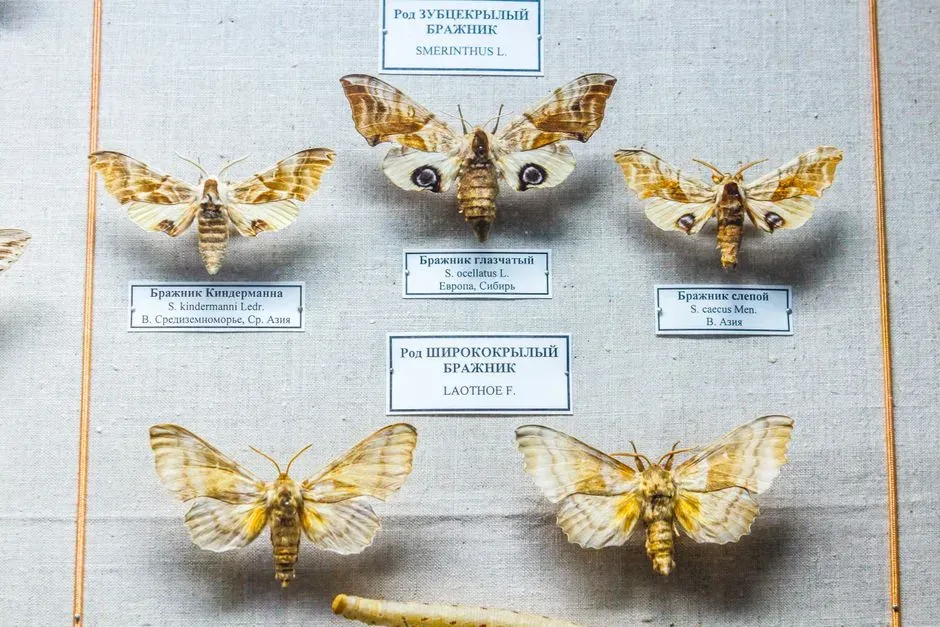
Entomology storage is where museum mysteries multiply fastest, quite literally, because insect specimens tend to arrive faster than anyone can ever sort them.
Deep inside the Smithsonian’s Entomology Archive sits the world’s largest collection of sloth moths, tucked into a tray roughly the size of a sock drawer inside storage unit U-29 – one drawer among thousands of identical cabinets. Some of those drawers haven’t been reopened since the specimens were originally pinned and filed away, possibly decades ago. Entomologists actually argue this is ideal, since undisturbed storage often preserves specimens better than repeated handling ever could – though not everyone agrees a “just leave it closed” approach is fair for a taxpayer-funded collection almost nobody ever gets to see.
#9 – The Wet Collection Nobody’s Allowed to Shake
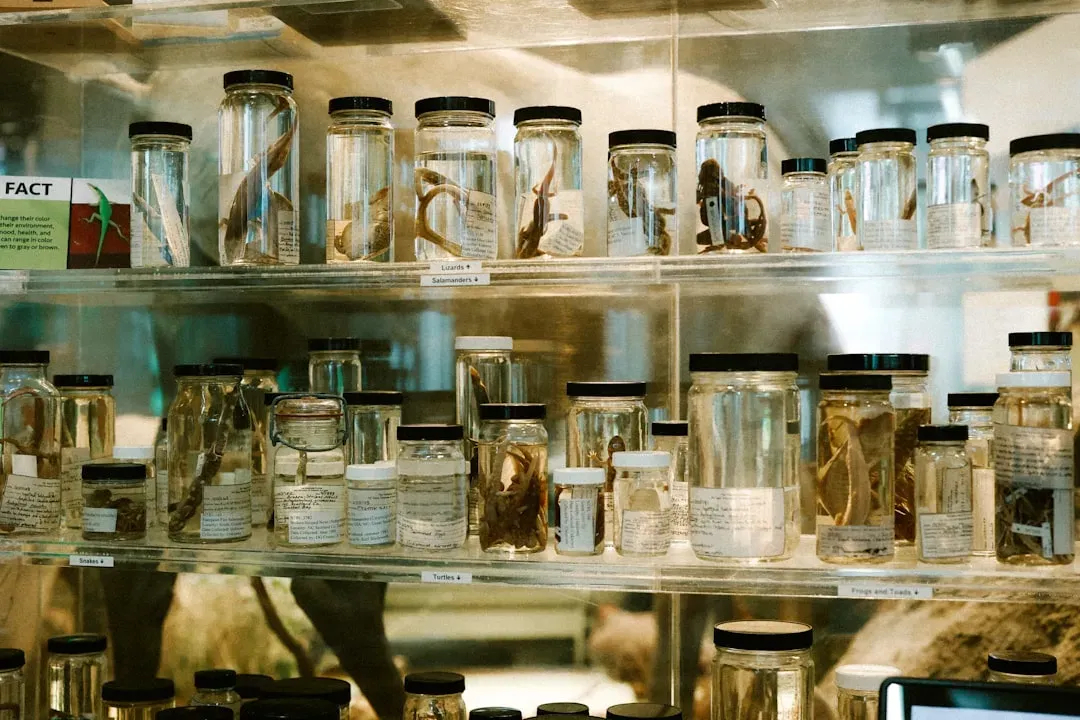
Some crates aren’t wood at all. They’re glass jars, packed by the millions, filled with liquid that becomes more dangerous the longer nobody checks on it.
The Smithsonian’s Pod 5 facility holds the National Museum of Natural History’s entire “wet collection” – roughly 25 million specimens preserved in alcohol and formalin, the largest fluid-based collection in the country. These jars need specialized handling because disturbing them risks drying out, leaking, or in rare cases, outright combustion. Twenty-five million specimens, and the overwhelming majority haven’t been opened, examined, or even glanced at since the day they were sealed – not from neglect, but because every unnecessary opening is itself a genuine risk.
Fast Facts
- Pod 5 opened in April 2007 and now holds all 25 million of the museum’s fluid-preserved specimens in one place.
- The jars stretch across roughly 72 kilometers (45 miles) of shelving – more than four times the length of a Grand Canyon rim-to-river trail.
- Nearly 2 million liters of ethanol keep the specimens submerged, and staff have to keep topping it off as it slowly evaporates.
- The collection ranges from sand dollars and shrimp to coral and octopuses, all sealed inside the same climate-controlled pod.
#8 – The Billion-Object Backlog Nobody’s Keeping Up With
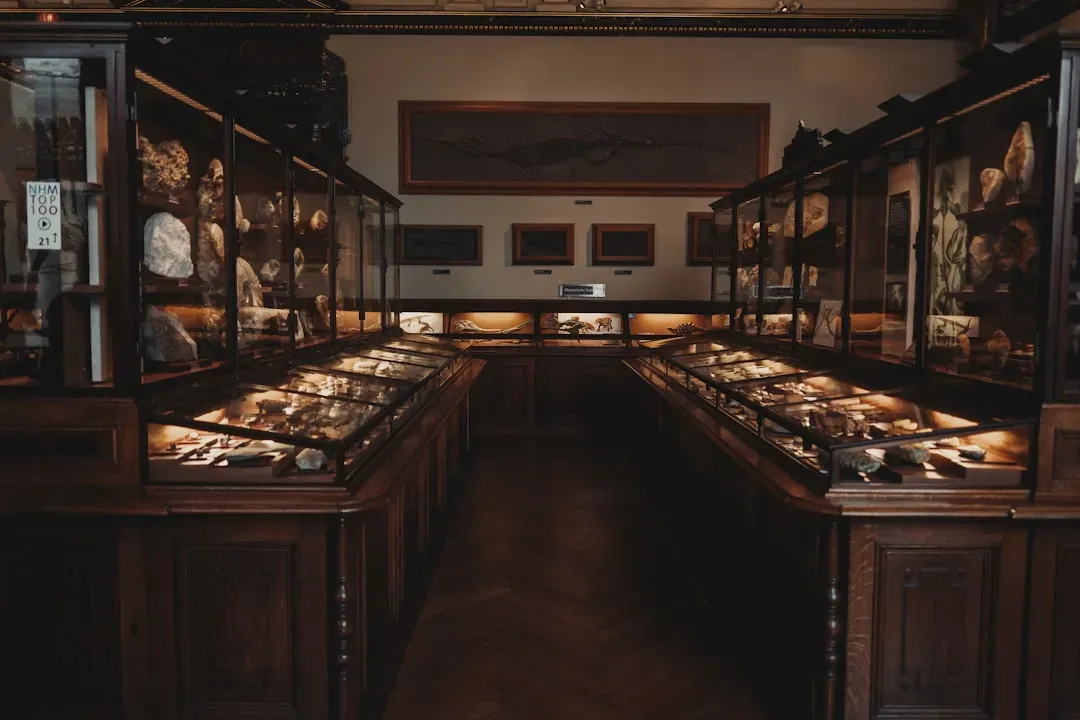
Museums love bragging about big display numbers. The real story is in the math nobody publicizes: exactly how much of any given collection has never been processed at all.
A global inventory effort mapped collections across 73 of the world’s largest natural history museums and herbaria in 28 countries and landed on a staggering total: more than 1.1 billion objects. Researchers behind the project note that limited staff and limited time guarantee there will always be specimens that are unidentified, badly identified, or never catalogued in the first place. A billion objects is an almost unimaginable pile of crates, drawers, and boxes still waiting their turn – and most of them will outlast any single curator’s entire career.
At a Glance
- 73 natural history museums and herbaria across 28 countries were included in the global survey.
- Combined holdings topped 1.1 billion cataloged objects.
- Researchers say chronic staffing and funding gaps guarantee some specimens will never be fully identified.
- At that scale, fully processing the backlog could realistically outlast several careers, not just one.
#7 – London’s 80-Million-Object Digitization Wall
Across the Atlantic, one of the world’s most famous natural history collections is running its own decades-long race against a backlog too large to ever fully clear.
The Natural History Museum in London launched an ambitious project to digitize its butterfly and moth holdings as part of a museum-wide effort covering roughly 80 million specimens and objects. Even with dedicated digitization teams working year after year, the sheer scale means huge sections of drawers and storage boxes remain functionally untouched – logged decades ago and never revisited since. Eighty million objects means some drawers are genuinely older than the staff currently assigned to catalog them. Critics call it proof that national museums are chronically underfunded for the scale of what they’ve collected; others simply say hoarding at this scale was never sustainable to begin with.
#6 – The Cabinets That Legally Can’t Be Reopened
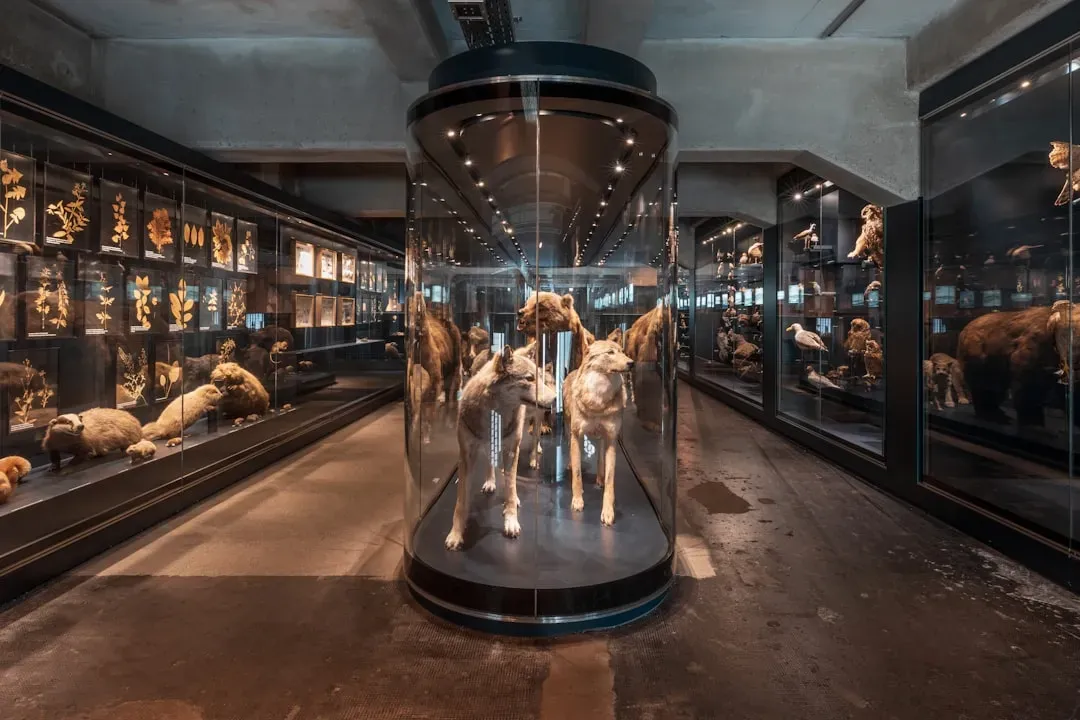
Sometimes a crate stays sealed not because nobody wants to open it, but because opening it would violate safety codes that didn’t even exist when the case was built.
One Smithsonian curator described exhibit cases in the engineering collection so old they no longer meet current safety standards – meaning staff legally cannot open them, not even to replace light bulbs that burned out years ago. Visitors wander right past these darkened displays without realizing the objects inside were sealed off by bureaucracy, not by choice. The bulbs died years ago, and nobody is legally allowed to fix them – a genuinely bizarre limbo where something can be accessioned, displayed, and simultaneously untouchable, all at once.
#5 – The Century-Old Statue Crate Nobody Dared Touch
Not every sealed container sits in a warehouse somewhere. Some are hidden in plain sight, tucked inside monuments that thousands of people walk past every day without a clue.
In Boston, a time capsule had been sealed inside a lion’s head statue since 1901, perched atop the Old State House, and its existence was only confirmed when the statue came down for refurbishing more than a century later. When historians finally cracked it open, they found papers dated 1901 and a small, unmarked red book nobody dared handle further, because it was simply too fragile. The mystery book’s contents were never even revealed – it was carefully resealed instead, making this the rare crate that got opened only to become unopened again.
#4 – The Basement Inventory Nobody Expected to Find
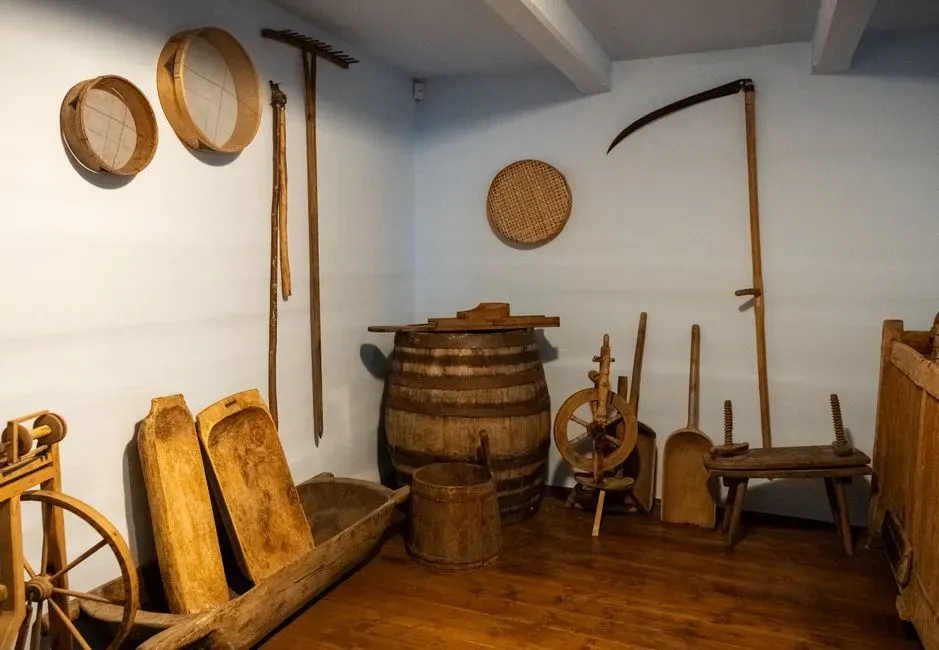
Storage rediscoveries aren’t just an American phenomenon. UK museums have their own quiet backlog of crates that staff periodically “rediscover” during routine building inventories.
At Newcastle’s Great North Museum, curators launched a routine review of the building and stumbled onto hundreds of rare exhibits, including stuffed animals and birds, that had been locked away and effectively forgotten in the basement for years. Nobody was hiding anything intentionally – the objects simply outlasted the institutional memory of where they’d been shelved in the first place. An entire basement’s worth of specimens sat forgotten until someone finally ran a proper inventory, and staff admit this happens more often than most museums are willing to publicly acknowledge.
#3 – The Bicentennial Crate That Waited for a Very Specific Expert
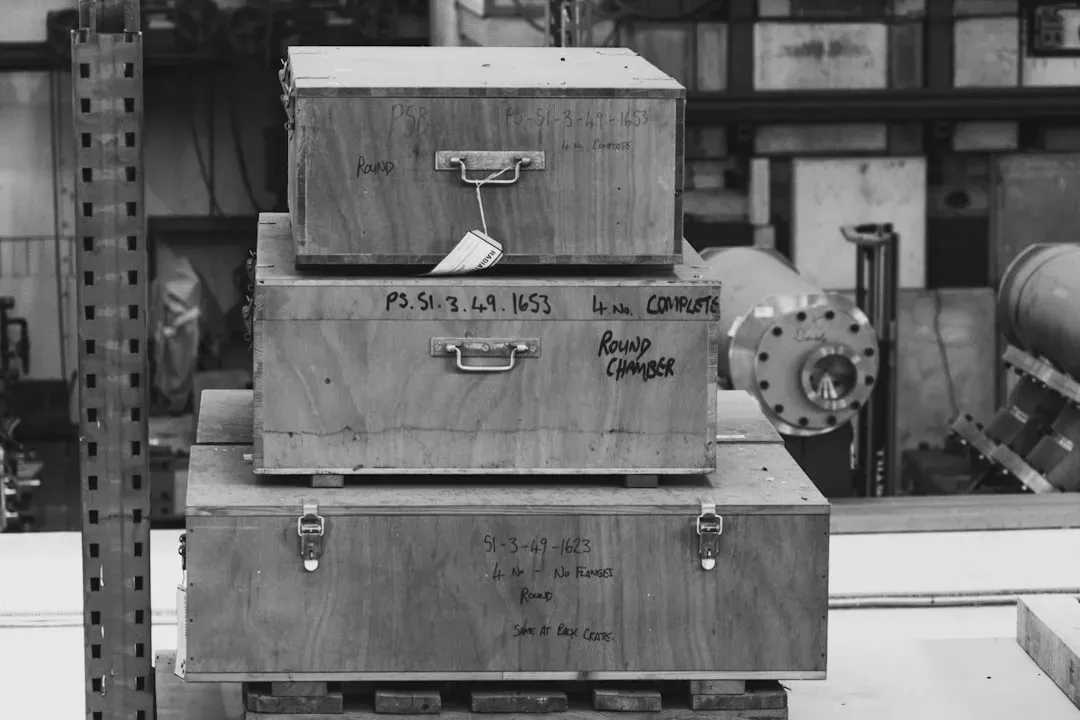
Some crates don’t stay closed out of neglect. They stay closed because opening them properly requires exactly the right specialist, and specialists aren’t always available on demand.
Smithsonian archival photos document a moment during preparations for the 1976 Bicentennial exhibition, when Jonathan King, Assistant Keeper of North American Collections at the British Museum, flew in specifically to help National Museum of History and Technology staff open a crate housing a rare African-style drum for the exhibit “A Nation of Nations.” That single crate waited for an international expert to arrive before anyone was willing to touch it, a reminder that some containers stay sealed less from carelessness and more from real caution – certain objects are simply too fragile or too poorly understood for a generalist to risk cracking open solo.
#2 – The Donations Museums Quietly Box and Never Revisit
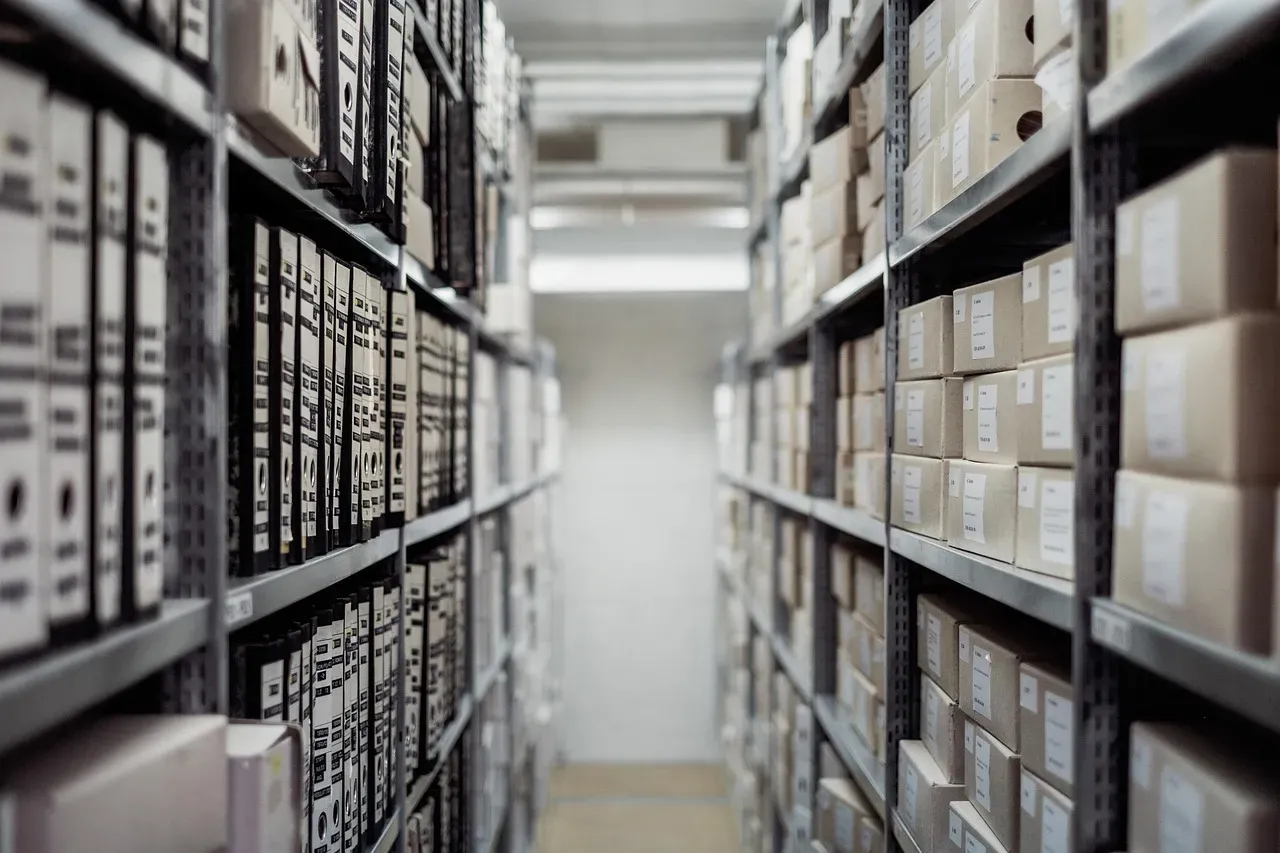
Here’s an uncomfortable truth most museums won’t put in a press release: plenty of “collections” are really just crates of donated material nobody has had time to properly evaluate.
Curators openly admit that generous offers come in daily – vintage yearbooks, classic toys, old issues of National Geographic – and most get politely declined. But plenty of accepted items still get boxed and shelved indefinitely, including genuine oddities like Phyllis Diller’s joke catalog, which sat in a cabinet largely unexamined for years. Museums routinely accept far more than they can realistically process, then quietly shelve the overflow indefinitely. This might be the most controversial item on this whole list – critics say institutions should stop accepting donations with no functional plan to catalog them, while defenders argue future researchers might find value nobody can predict today.
#1 – The Art Crates Designed to Stay Sealed Forever
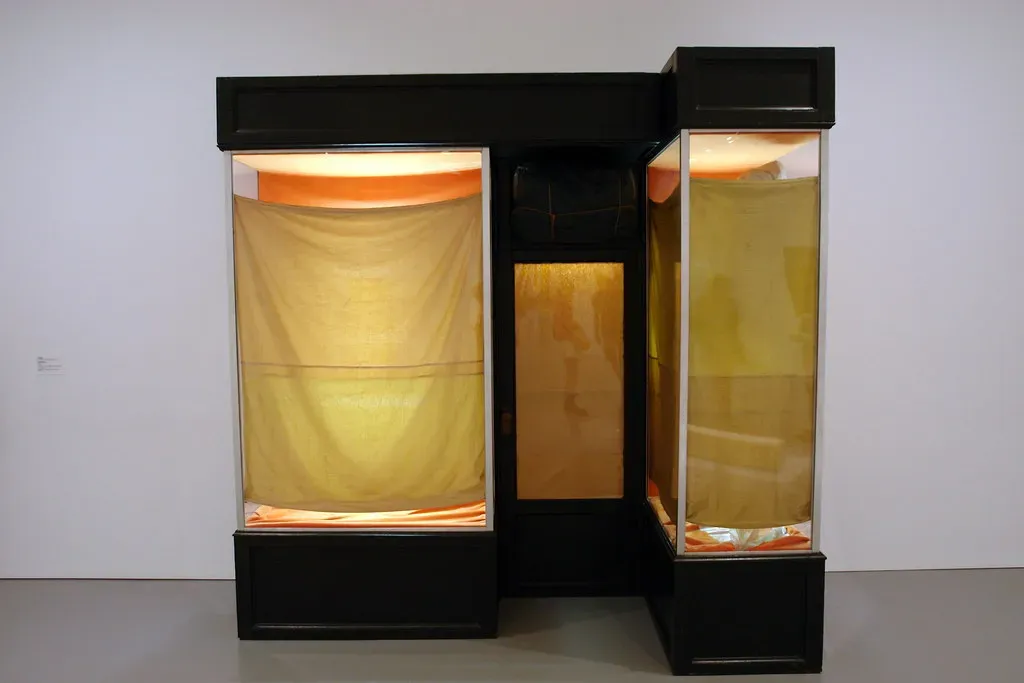
The single strangest category of unopened museum container isn’t accidental at all. It’s intentional, built directly into how contemporary art storage actually functions.
Art historians describing museum shipping crates note that once artwork enters storage, it’s often consigned to stay sealed in that same secretive state indefinitely, and over time, the crate itself effectively becomes the object worth tracking. This isn’t hypothetical: Marcel Duchamp’s Large Glass was cracked during transit back in 1926, and nobody found out until the crate was finally reopened years later. The box becomes the artifact museum staff track, monitor, and maintain – sometimes more carefully than whatever’s actually sitting inside it. That might be the most unsettling idea on this entire list: a storage system where the container has quietly become more important than the contents it was built to protect.
Worth Knowing
- The Large Glass debuted at the Brooklyn Museum in 1926 and shattered on the return trip to its owner’s home.
- Nobody realized the damage until the crate was finally reopened years later.
- Duchamp didn’t erase the damage – he spent years reassembling the shards and eventually called the cracks an improvement.
- The piece now lives permanently at the Philadelphia Museum of Art, cracks and all.
The Bottom Line
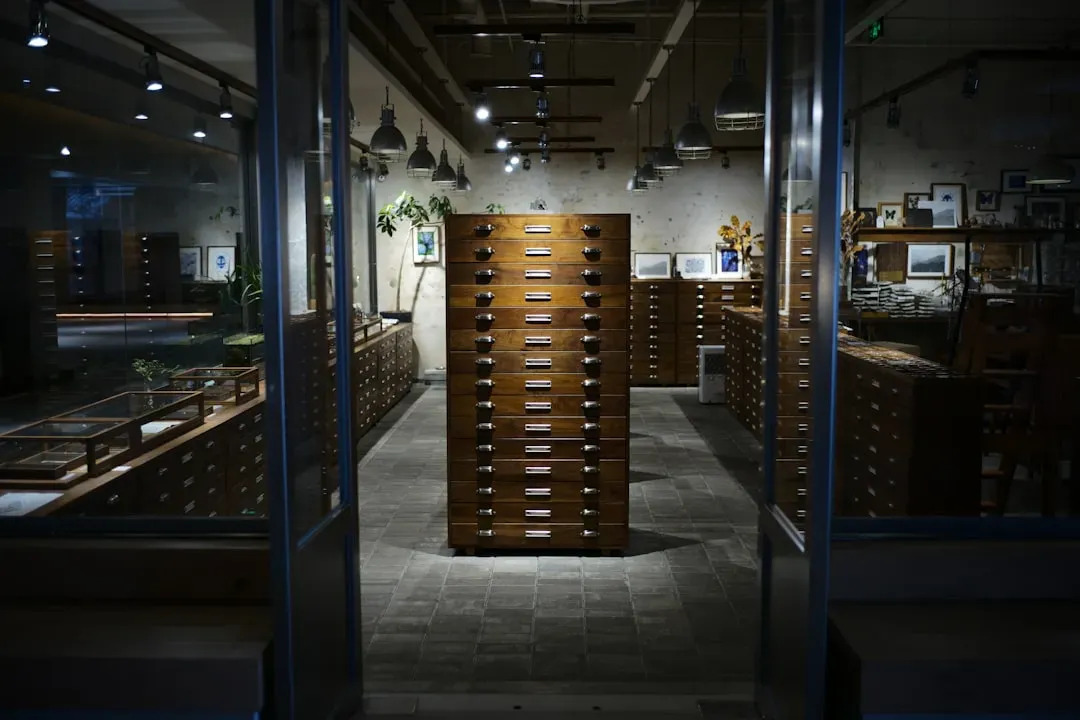
The honest takeaway here isn’t mystery for mystery’s sake – it’s scale. With over a billion cataloged objects across the world’s natural history museums alone, and roughly 99 percent of major collections never on public display, unopened crates aren’t rare exceptions. They’re the default condition of modern museum storage.
Some stay sealed for genuinely good preservation reasons. Others sit closed simply because no institution has ever had enough staff, funding, or hours in a day to open everything they’ve been given.
That second category is the one worth arguing about. Museums keep accepting donations they’ll likely never process, while underfunded digitization and cataloging teams fall further behind every year – and taxpayers rarely hear about it. If institutions can’t realistically open, study, or share what’s already sitting in their basements, maybe the problem isn’t curiosity. It’s capacity. What do you think – should museums be forced to open and catalog everything they own, or is some material genuinely better left sealed? Drop your take in the comments.