Most people picture the Ice Age as a snowy backdrop for woolly mammoths and not much else – a frozen postcard with a few big, dumb beasts lumbering around. That picture is dead wrong.
Fossil labs from the La Brea Tar Pits to Siberian permafrost caves are quietly rewriting the story of who actually ruled that world, and the real answer is scarier and smarter than anything in your old textbook. These weren’t just oversized versions of today’s animals. Many were faster, more social, more specialized, and far more resilient than anyone assumed – and the 14 reversals below prove it.
#14 – Cave Hyena: The Bone-Crushing Scavenger We Wrote Off Too Fast
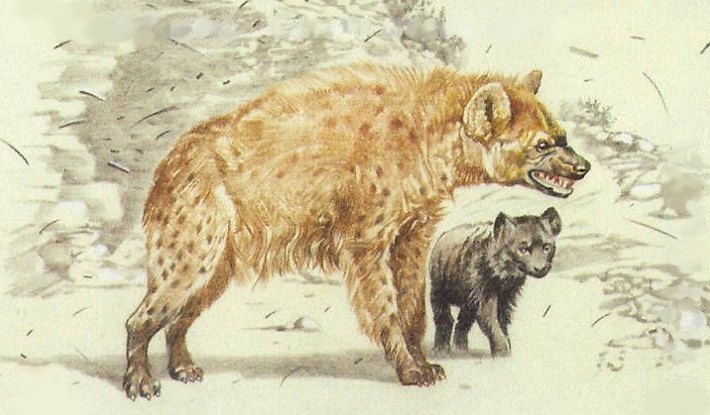
For decades, the cave hyena got filed under “Ice Age footnote” – a lesser cousin of Africa’s spotted hyena that mostly cleaned up other predators’ leftovers. That framing badly undersells what this animal actually was.
Genetically, the cave hyena wasn’t even a separate species – it was the *same* species as the modern spotted hyena, just adapted to freezing Eurasian steppe instead of African savanna. That means it carried the same bone-crushing jaw strength and complex clan-based social structure that makes spotted hyenas among the most effective hunters alive today, not passive scavengers. Cave art across Europe shows hyenas depicted alongside lions and mammoths as serious predatory threats, not background noise.
Researchers now believe cave hyena clans actively hunted young and injured megafauna in coordinated groups, competing directly with cave lions and wolves for carcasses rather than waiting timidly on the sidelines. That’s a very different animal than the scavenger stereotype. But that’s nothing compared to what we found about #13.
#13 – The American Cheetah That Wasn’t Actually a Cheetah
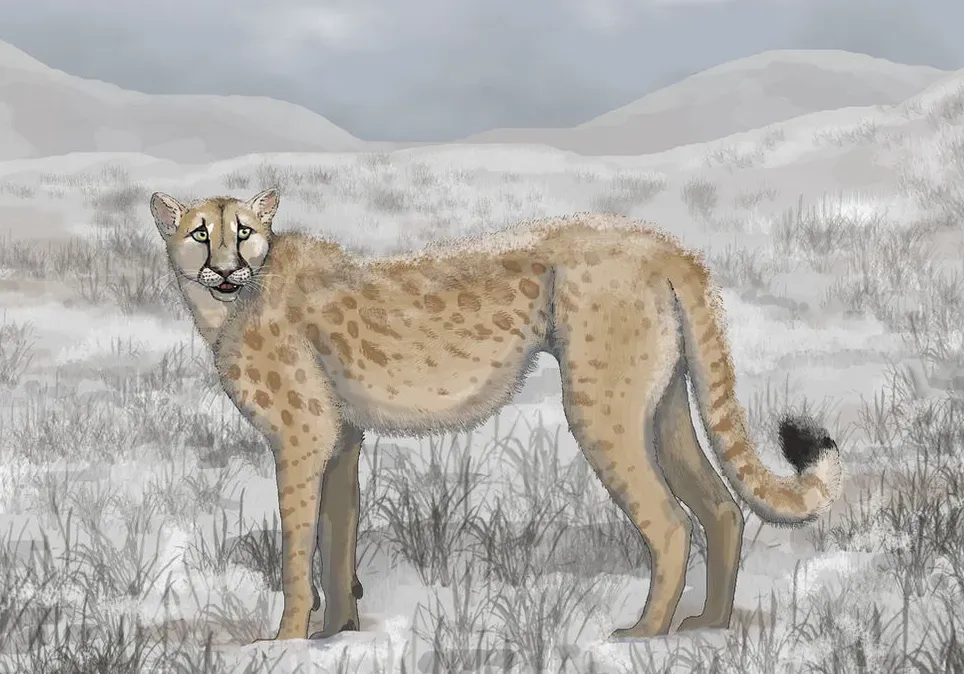
Here’s the twist that surprises even wildlife biologists: the so-called American cheetah, *Miracinonyx trumani*, wasn’t closely related to African cheetahs at all.
Genetic and anatomical work has shown this animal was actually a cousin of the modern cougar that independently evolved cheetah-like proportions – long legs, an enlarged nasal cavity for oxygen intake, and a lightweight frame built for speed. Scientists call this convergent evolution, and it’s a stunning case of two unrelated lineages arriving at nearly identical body plans an ocean apart.
This predator is also the reason modern pronghorn antelope can outrun literally every living North American predator today. Pronghorns evolved their absurd speed specifically to escape animals like Miracinonyx, and they never lost the trait even after their pursuer went extinct thousands of years ago. That’s a predator’s fingerprint still visible in a living species’ muscles right now. But wait until you hear what #12 was hiding in Australia.
Fast Facts
- Scientific name: Miracinonyx trumani, meaning “Truman’s little kin cat”
- Closest living relative is the cougar, not the cheetah
- Body plan evolved independently through convergent evolution
- Its legacy still shapes pronghorn speed today, millennia after it vanished
#12 – Megalania: The Giant Lizard Scientists Keep Underestimating
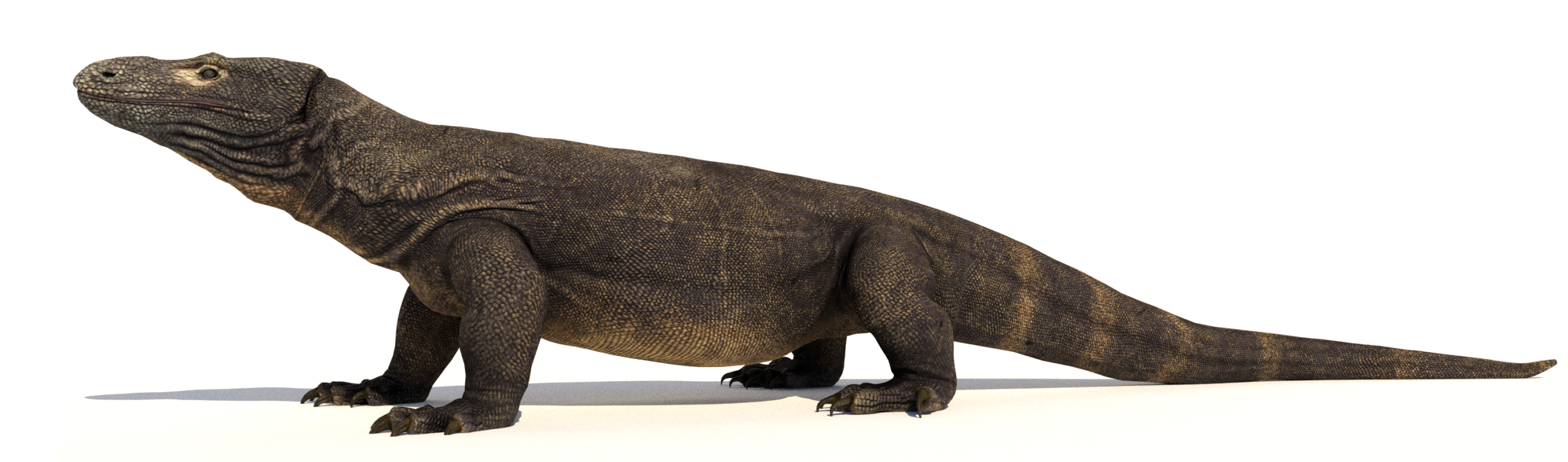
While North America had sabertooths, Ice Age Australia had something arguably more nightmarish: Megalania, a monitor lizard relative of the modern Komodo dragon, but built on a far grander scale.
Size estimates for this animal have swung wildly over the decades. Recent skeletal reassessments suggest earlier reconstructions may have inflated its length. But even the more conservative modern figures still describe an apex predator large enough to have hunted giant kangaroos and other Pleistocene megafauna with ease, likely relying on a combination of serrated teeth, powerful bite mechanics, and possibly toxic saliva compounds to bring down prey many times its own body weight.
What makes Megalania genuinely remarkable isn’t just its size – it’s that reptilian predators this large thrived in a world otherwise dominated by mammals. Australia’s isolation let cold-blooded giants rule where warm-blooded competitors ruled everywhere else. Next up, though, is a bird that terrified an entire continent.
#11 – The Terror Bird That Refused to Go Extinct on Schedule
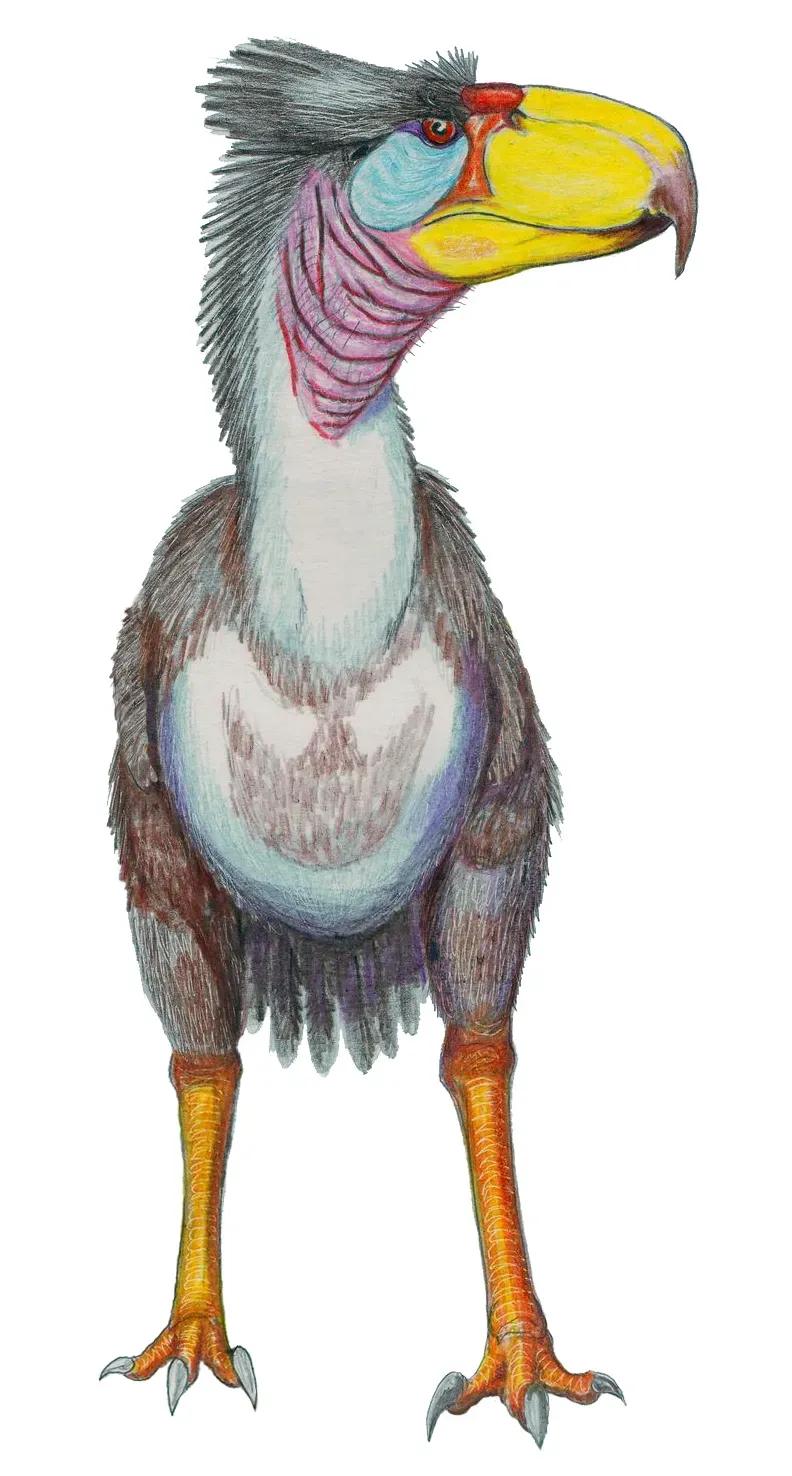
Terror birds are usually taught as a South American oddity that vanished millions of years before the Ice Age truly began. That timeline is wrong for at least one species.
*Titanis walleri*, a terror bird standing roughly human height with a massive hooked beak, actually survived into the early Pleistocene in North America – meaning it genuinely coexisted with early Ice Age megafauna rather than predating the era entirely. This flightless predator used explosive leg speed and a skull built like a hatchet to run down and dispatch prey, a strategy closer to a raptor dinosaur than any bird alive today.
Its survival into the Ice Age proper suggests these birds were far more adaptable than the “prehistoric relic” label implies. They weren’t a dying lineage limping toward extinction – they were still active, functioning apex predators competing alongside mammals for territory. But the next entry on this list challenges an even bigger assumption: that all big Ice Age carnivores were carnivores at all.
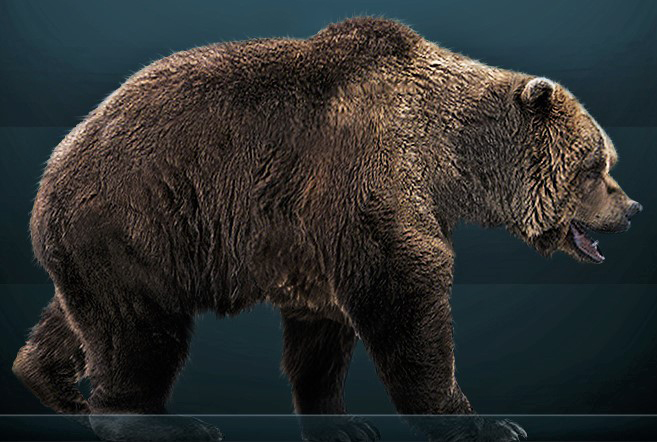
#10 – The Cave Bear’s Surprising Double Life
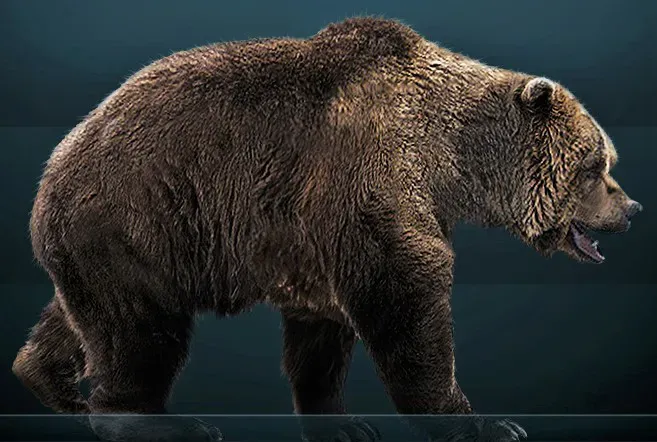
Cave bears get lumped in with cave lions and sabertooths as fearsome Ice Age hunters, and museum dioramas love to pose them mid-roar. The chemistry in their bones tells a very different story.
Isotope analysis of cave bear remains across Europe consistently shows a diet dominated by plants, not meat – these animals were closer to giant, occasionally aggressive vegetarians than active predators. Their skulls, worn down from grinding tough vegetation, look almost nothing like the shearing teeth of true carnivores such as cave lions or hyenas from the same caves.
That doesn’t mean cave bears were harmless. Cornered or defending cubs, an animal that size was lethal to nearly anything, humans included. But recasting them as primarily herbivorous flips a decades-old assumption that every giant Ice Age mammal with claws must have been hunting for a living. Coming up at #9, though, is a predator whose fossils fooled scientists for years.
#9 – The Beringian Wolf Nobody Knew Was Different
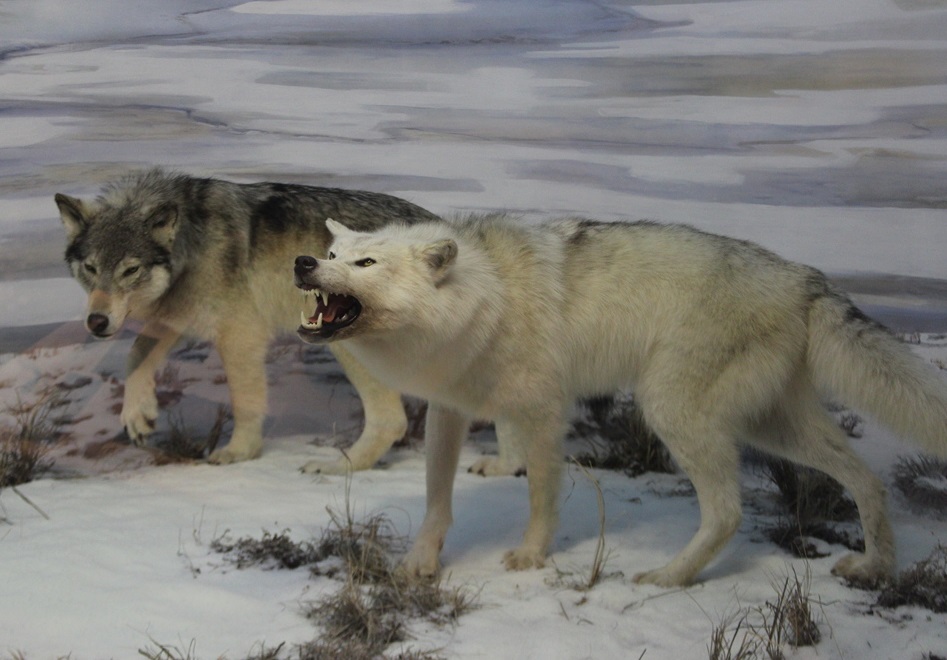
For a long time, Ice Age wolves in Alaska and the Yukon were assumed to be basically identical to modern gray wolves, just living in a colder climate. Detailed skull and isotope studies overturned that assumption.
This regional wolf population – sometimes called the Beringian ecomorph – had shorter, more robust jaws and heavier teeth built specifically for crushing bone, more similar in function to a hyena than a modern wolf. Isotope signatures from their bones show they were scavenging megafauna carcasses far more heavily than any living wolf population does today, likely because frozen carcasses stayed available longer in Arctic conditions.
This wasn’t a separate species, but it was a startlingly different ecological player – proof that Ice Age wolves weren’t one uniform template stamped across the continent. Different regions bred wolves adapted to wildly different survival strategies. That regional specialization becomes even more dramatic in our next predator, an ancestor of the most famous sabertooth of all.
#8 – Megantereon: The Overlooked Ancestor Behind the Sabertooth Dynasty
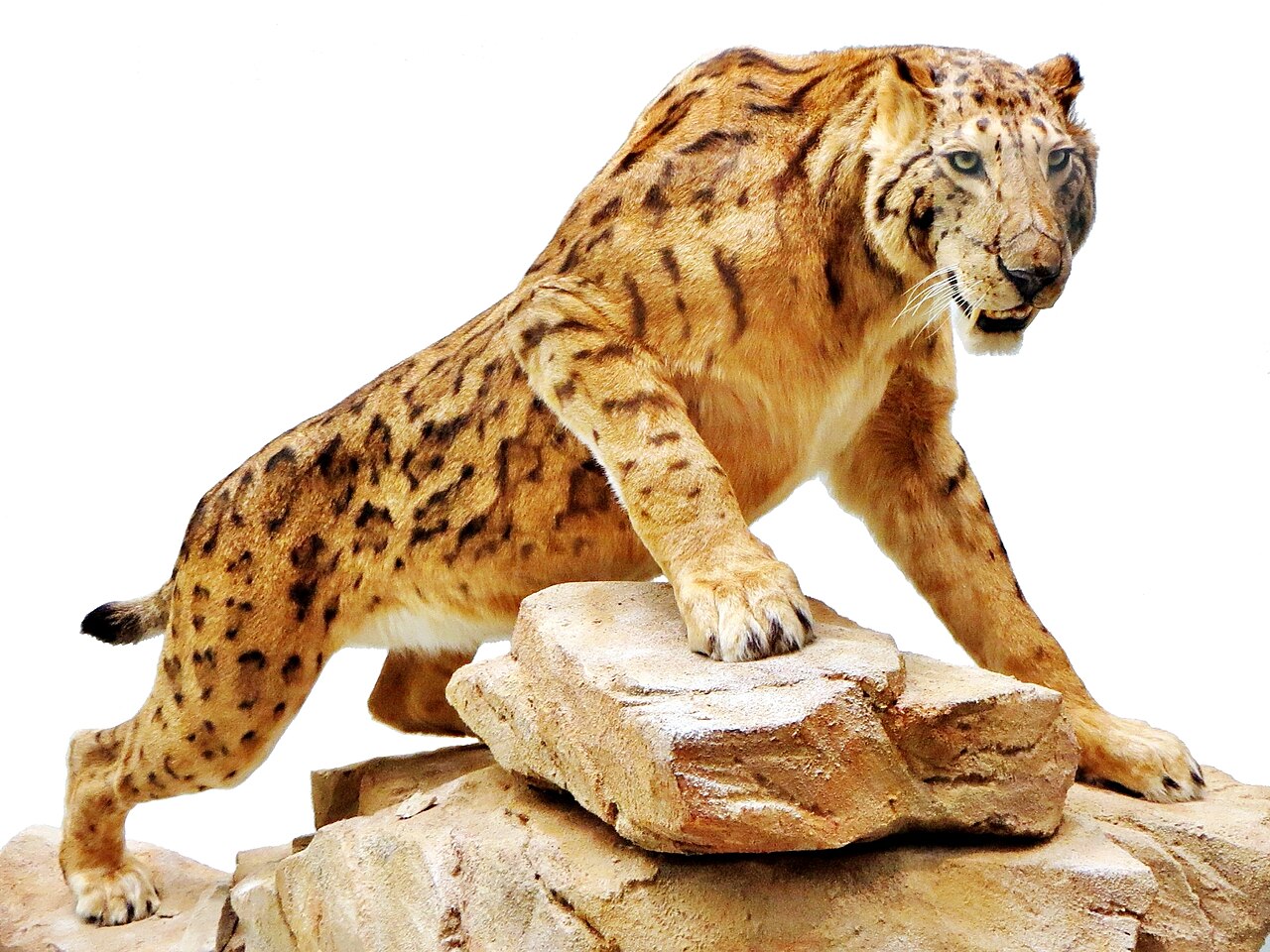
Long before Smilodon stalked the tar pits of Los Angeles, a smaller, leopard-sized sabertooth called Megantereon was quietly perfecting the blueprint that later giants would scale up.
Fossil evidence places this predator across Africa, Europe, Asia, and North America, making it one of the most geographically successful carnivores of its time – a detail routinely glossed over in favor of its flashier descendants. Its compact, muscular build combined with already-elongated saber teeth suggests it was refining ambush-and-restrain hunting tactics millions of years before Smilodon existed.
Paleontologists increasingly view Megantereon not as a footnote but as the direct evolutionary bridge connecting older saber-toothed lineages to the giants that dominated the true Ice Age. Its adaptability across continents suggests sabertooth anatomy was an extraordinarily successful design, tested and refined over an enormous span of time. Up next, a big cat whose fossils were sitting in plain sight in Europe’s caves the entire time.
#7 – Cave Lion: Bigger, Colder, and Genetically Closer to Modern Lions Than Assumed
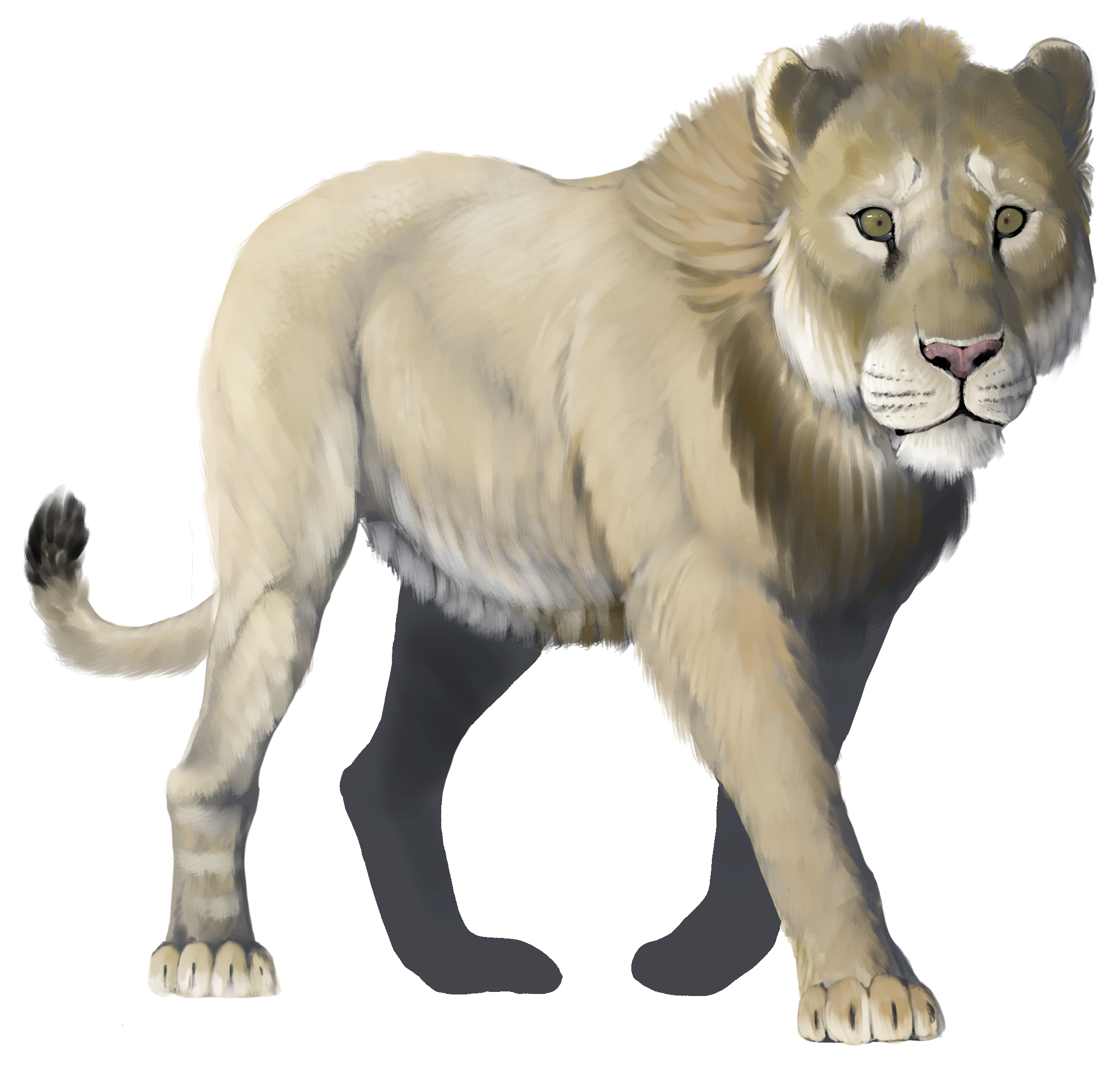
The cave lion long occupied an awkward taxonomic limbo – was it a true lion, a distinct species, or something else entirely? Genetic sequencing has now settled much of that debate, and the answer reshapes how we understand Ice Age predator relationships across two continents.
Recent DNA work has confirmed that the so-called “American lion” truly earns its name – it’s most closely related to the cave lion, and their shared closest living relative is the modern African lion. That finding matters enormously: it means Ice Age Europe and Ice Age North America were home to two distinct lion lineages that had diverged from a common ancestor, each independently growing to massive size in isolation.
Cave art depicting these animals shows them hunting in what looks like coordinated groups, and their sheer geographic range – from Britain to Alaska – suggests a level of adaptability rivaling any predator alive today. Far from a European curiosity, the cave lion was part of a lion dynasty that spanned the entire Northern Hemisphere. Its American cousin, though, had its own identity crisis. And it’s even more interesting.
Quick Compare
- Cave Lion – roamed Eurasia, tied to the American lion by common ancestry
- American Lion – North America’s giant, closest living relative is the African lion
- African Lion – the modern survivor, sharing deep roots with both extinct giants
#6 – American Lion: Bigger Than Any Living Big Cat, and Not Really a Lion
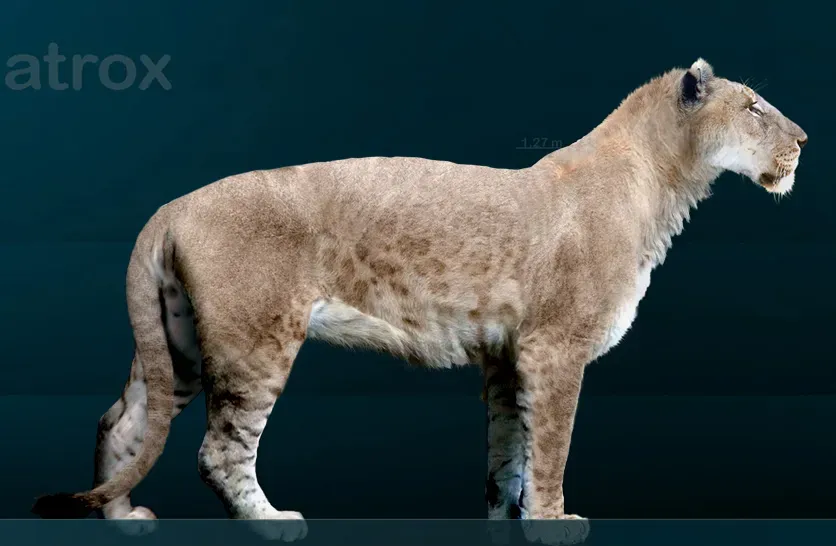
Despite the name stamped onto it by nineteenth-century naturalists, the American lion’s real identity took genetics to sort out – and the answer surprised almost everyone studying it.
Panthera atrox has confused scientists for over a century. At various points, researchers linked it to the cave lion, the jaguar, the lion, and even the tiger before DNA work finally settled the argument. This animal wasn’t hunting alone in an empty landscape either – it shared its range with other large felids including Homotherium latidens, Smilodon fatalis, and jaguars, plus gray wolves, dire wolves, and short-faced bears.
That’s a staggering amount of competition for one apex predator to survive. The American lion was larger than any modern lion or tiger, and it had to be – it was competing against arguably the most predator-dense ecosystem in mammalian history. Surviving in that environment required serious hunting sophistication, not brute size alone. Speaking of that overcrowded ecosystem, one of its biggest members turns out to have been remarkably peaceful.
#5 – Ice Age Jaguars Were Genuinely Bigger, and Genuinely Rarer Than We Assumed
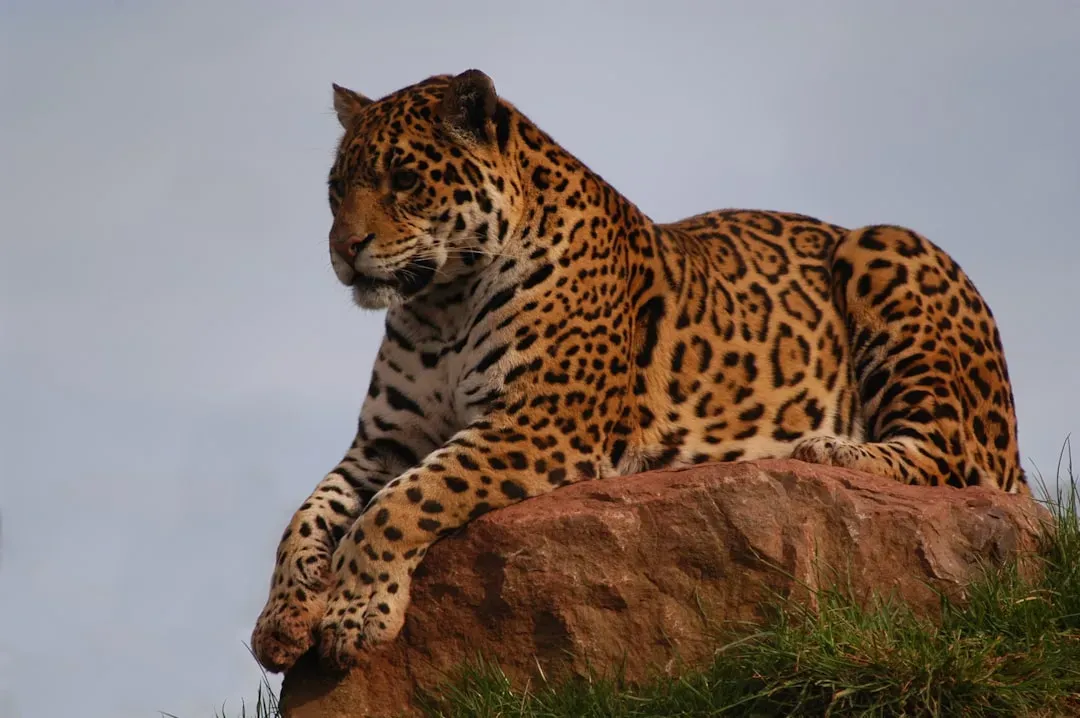
Modern jaguars are already the most powerful bite-for-body-size cat in the Americas. Their Pleistocene ancestors took that formula and scaled it up further, occupying a niche that’s almost impossible to picture today.
Fossil remains of Ice Age jaguars, found from California down through Florida, consistently show significantly larger body proportions than any living jaguar population, reflecting an ecosystem stuffed with oversized prey that rewarded bigger predators. Unlike the American lion or Smilodon, these jaguars likely leaned on the same ambush-forest-hunter strategy modern jaguars still use – stalking through denser terrain rather than open plains.
What’s easy to miss is how they survived the mass extinction that wiped out nearly every other big Ice Age cat around them. Modern jaguars are the direct descendants of that Pleistocene lineage, just smaller – a living reminder that the Ice Age’s most successful predator design wasn’t always the biggest one, but the one flexible enough to shrink and adapt when the world changed. Next, a bear that completely upends the “lumbering giant” stereotype.
#4 – The Short-Faced Bear’s Diet Was Far More Flexible Than Scientists Assumed
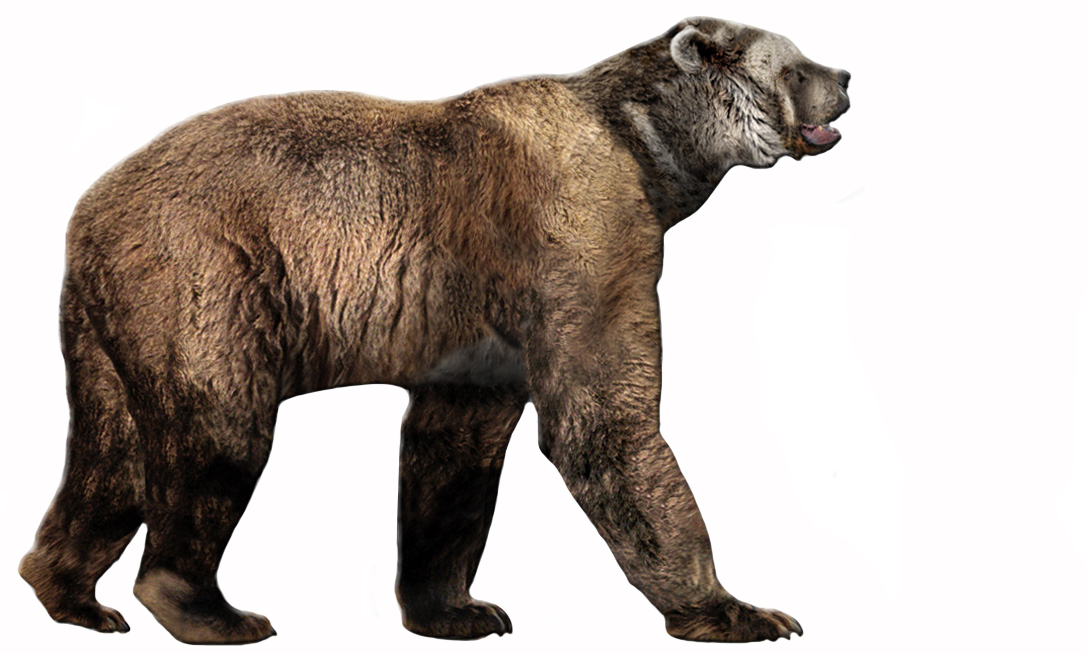
Standing among the largest land carnivorans of the entire Pleistocene, the short-faced bear used to be portrayed as a pure, terrifying meat-hunting specialist. New dental evidence complicates that picture considerably.
Fossils show Arctodus simus turning up far less often at dig sites than Smilodon or dire wolves – odd, given it was the largest land carnivore in these ecosystems. Despite its size, there’s no clear evidence it competed head-to-head with those other predators for the same prey. Instead, dental disease evidence recovered from these bears points toward remarkable dietary plasticity, suggesting they shifted between hunting, scavenging, and plant foods depending on what was available.
Genetics adds another twist. Ancient genome analysis even found signs of gene flow between the spectacled bear lineage and the ancestors of brown bears or American black bears. In plain terms: distant bear cousins may have interbred deep in the Pleistocene, despite an evolutionary split most scientists assumed was far too old to bridge. This wasn’t a single-strategy giant; it was an opportunist built on an enormous frame. But the next predator on our list may have been the single most misunderstood hunter of the entire Ice Age.
Worth Knowing
- Among the largest land carnivorans of the entire Pleistocene
- Appears less often in fossil digs than Smilodon or dire wolves
- Dental disease evidence points to a shifting diet of meat, scavenged food, and plants
- Genome data hints at ancient interbreeding with spectacled bear ancestors
#3 – Homotherium: The Scimitar Cat That Ran Instead of Ambushed
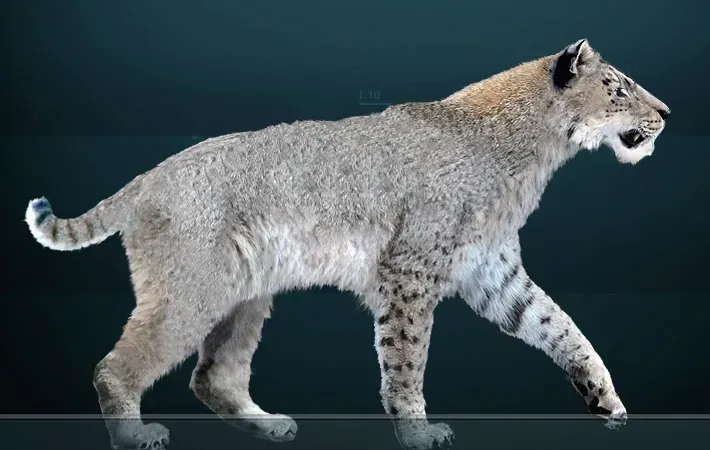
Most Ice Age sabertooths get imagined as heavyset ambush predators lurking in brush. Homotherium, the scimitar-toothed cat, broke that mold entirely, and the science confirming it is genuinely recent.
Analyses indicate that H. serum was a cursorial predator unlike any living cat and ate tough flesh of open-habitat prey – including the flesh of juvenile mammoths. That’s a fundamentally different hunting style than Smilodon’s ambush-and-restrain approach. Its body backs this up too: the limb proportions of Homotherium gave it a hyena-like appearance, with elongated forelegs and rather squat hind quarters, causing the back to slope toward a short tail.
This cat was essentially built like a cross between a big cat and a hyena, optimized for endurance chasing rather than pouncing from cover. Evidence from Friesenhahn Cave in Texas, where dozens of juvenile mammoths were found alongside scimitar cat remains, has led researchers to suspect this large prey species made it probable that Homotherium hunted in packs. A running, pack-hunting sabertooth is not the animal most people picture when they hear “Ice Age cat.” Up next, the wolf whose entire reputation just got rebuilt from the DNA up.
#2 – Dire Wolves Weren’t Just Big Wolves – They Weren’t Really Wolves at All
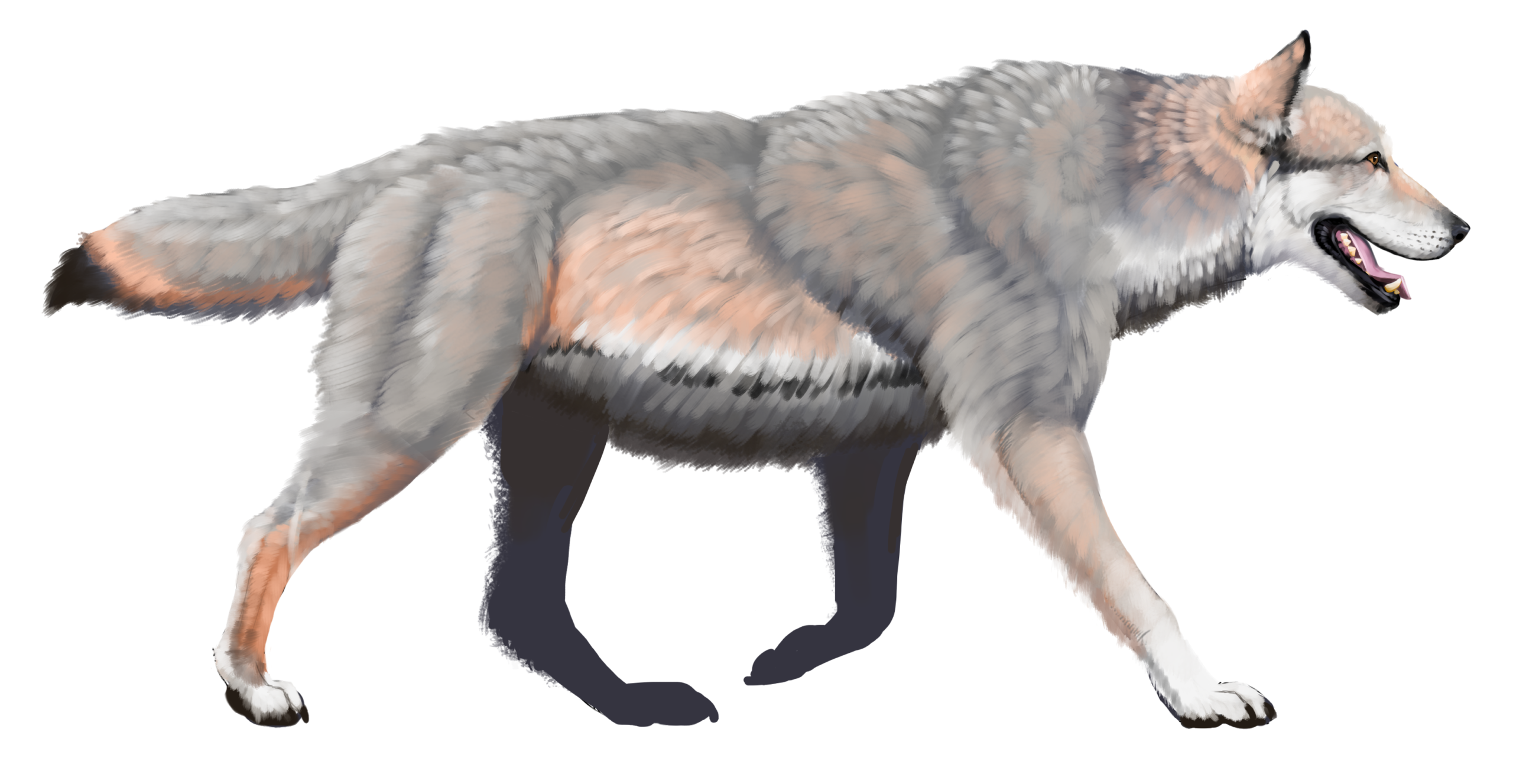
Thanks to pop culture, most people think of the dire wolf as an oversized gray wolf with a scarier name. Genetics has completely dismantled that assumption, and the real story is stranger.
Despite their appearance, dire wolves were genetically distinct from modern gray wolves, and a 2021 study revealed they diverged around 5.7 million years ago – meaning dire wolves and gray wolves are only distant cousins, not close relatives that simply grew larger. Physically, though, the size difference was real: Canis dirus had an estimated mass of 130 to 150 pounds, about 25% heavier than the modern gray wolf, with a build engineered for crushing bone rather than speed.
Fossil evidence from La Brea also shows their world wasn’t static. Studies of dire wolf skulls demonstrate significant change over time, tracking the unstable, rapidly warming and cooling climate of the late Ice Age. That’s an animal actively evolving in real time as its environment collapsed around it, not a static apex predator coasting on size alone. And that brings us to the most misunderstood predator of the entire era.
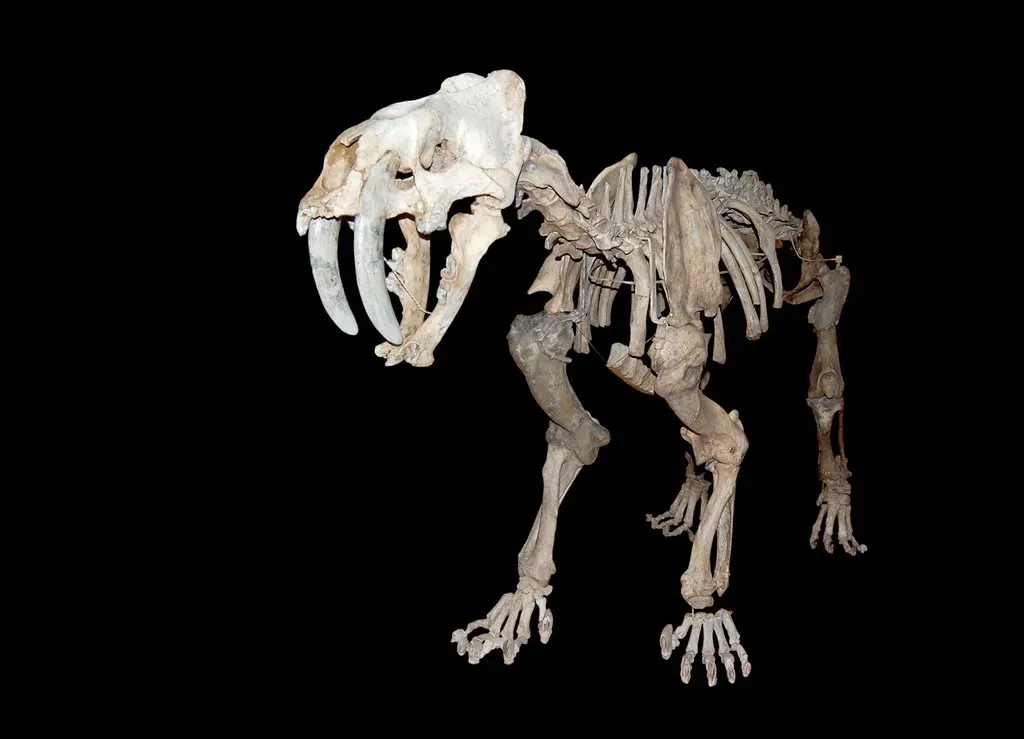
#1 – Smilodon’s “Weak” Bite Was Actually a Genius Design Nobody Predicted
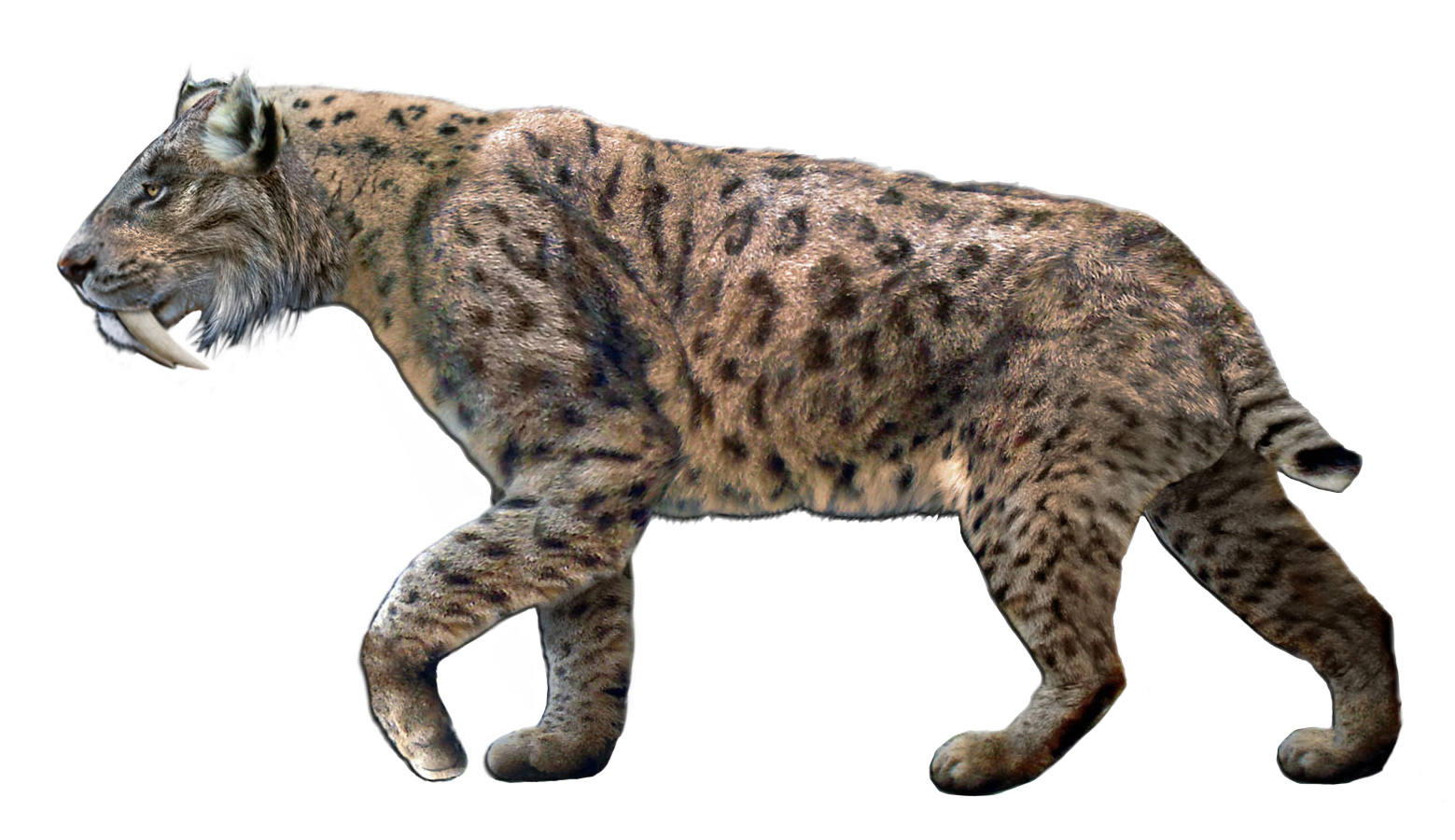
For over a century, Smilodon’s massive saber teeth were assumed to deliver a devastating, crushing bite. Then biomechanical modeling flipped that assumption completely upside down.
A study shows Smilodon had a surprisingly weak bite – it was a precision weapon used to deliver a single, final wound to an already subdued victim, the equivalent of an assassin’s stiletto rather than a swordsman’s blade. This wasn’t a design flaw – it was a specialized killing method that relied on restraining prey first, then delivering one precise, fatal strike to the throat.
Even more surprising: these cats weren’t loners. Researchers analyzing a deformed hip bone found evidence of hip dysplasia, suggesting a social structure that helped members survive to adulthood even when they couldn’t hunt for themselves due to this birth defect. Juveniles even kept their baby teeth for years to stabilize the growing permanent saber tooth, perhaps allowing adolescents to learn how to hunt without breaking them. A cooperative, injury-tolerant, precision hunter is a far cry from the mindless killing machine of pop culture – and it might be the single biggest reversal on this entire list.
At a Glance
- Bite force: surprisingly weak for an animal its size
- Hunting method: restrain first, then deliver one precise fatal strike
- Social behavior: evidence of care for injured pack members
- Juveniles kept baby teeth longer to protect the growing saber tooth
The Bottom Line
The real lesson here isn’t just that Ice Age predators were bigger – it’s that they were specialized, social, and adaptable in ways textbooks buried for decades. Dire wolves weren’t oversized gray wolves. Smilodon’s fearsome fangs came with a surprisingly gentle bite and real family care.
Scimitar cats ran down prey like hyenas, and even the mighty short-faced bear turns out to have been an opportunist, not a rigid killer. If there’s one opinion worth stating plainly: the “just bigger, dumber versions of today’s animals” narrative has held science back for years, and it’s long overdue for retirement.