Most people assume dinosaur science is a settled matter – bones dug up, skeletons mounted, case closed. Actually, that’s almost never how it worked. For over a century, paleontologists have filled in massive gaps in the fossil record with educated guesses, then quietly walked them back once better evidence turned up.
Some of those guesses became so ingrained in movies, museums, and textbooks that most of us still believe them today. Turns out, the “facts” you learned as a kid about dinosaurs were often just placeholder theories dressed up as certainty. Here’s what the fossil record actually says once you strip away the guesswork.
#14 – Dinosaurs Roared Like Jurassic Park Monsters
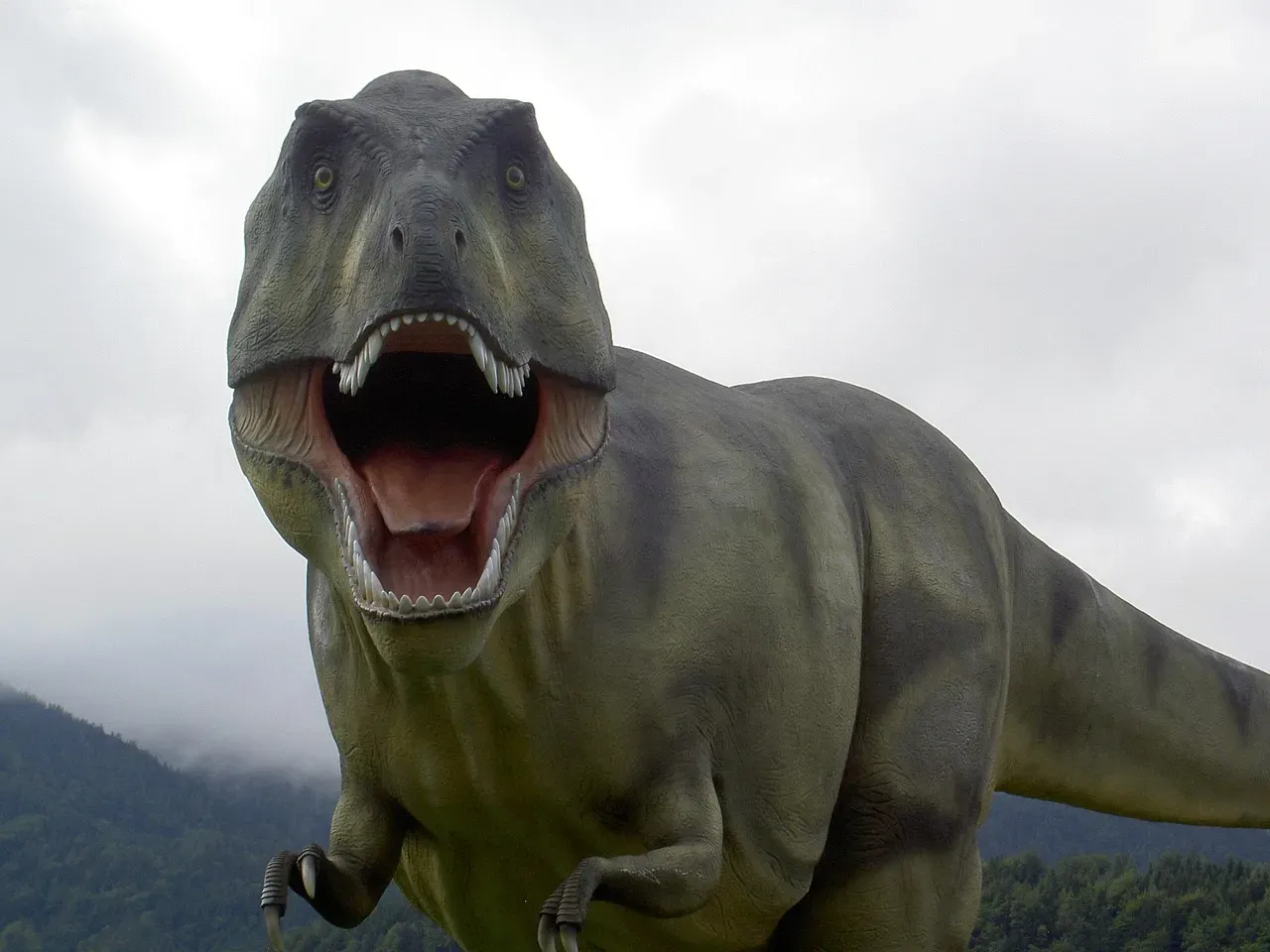
For decades, every dinosaur documentary and blockbuster film gave us the same bone-rattling roar, and almost nobody questioned it.
The truth is far stranger. New studies of bird evolution suggest that real dinosaurs didn’t roar like the ones in the movies – they were more likely to mumble with their mouths shut or coo. Researchers arrived at this by studying the two groups most closely related to dinosaurs alive today, birds and crocodilians, rather than lions and tigers, which is where Hollywood sound designers actually pulled their inspiration from.
Paleontologist Dr. Julia Clarke has explained that instead of open-mouthed roars, many dinosaurs likely produced closed-mouth vocalizations, comparable to a low-pitched swooshing, growling, or cooing sound. Some of that classic movie roar audio was literally built from elephant and tiger recordings, not anything resembling actual dinosaur biology.
Even massive predators like T. rex likely never opened their jaws to bellow the way films depict. The scariest sound in the Cretaceous may have been closer to a pigeon’s coo than a lion’s roar.
#13 – Scientists Guessed at Where Dinosaur Nostrils Even Went
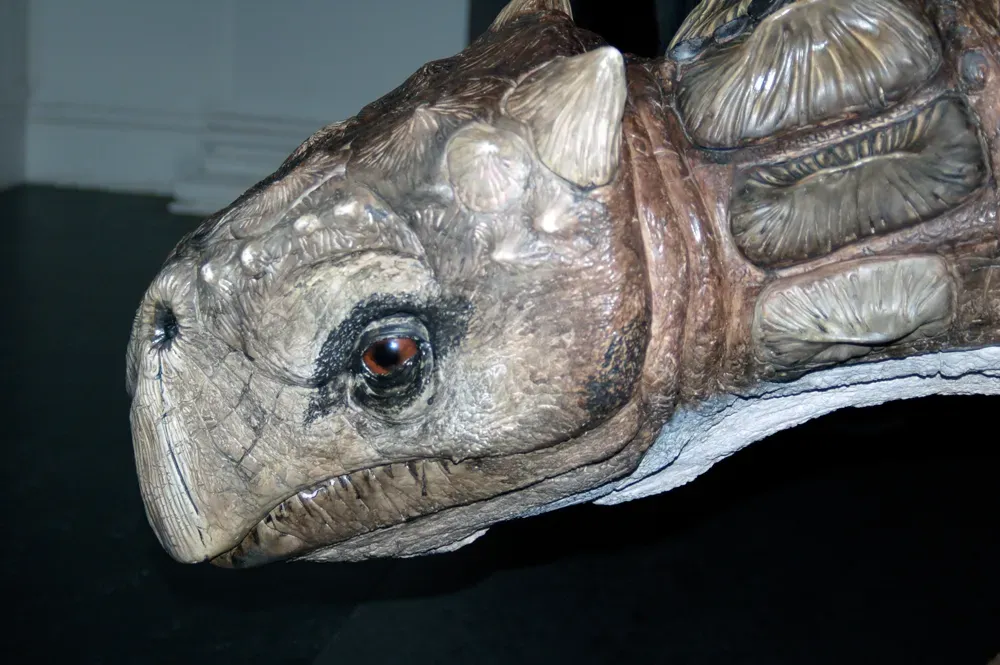
It sounds almost too basic to be true, but for generations, artists were essentially placing dinosaur nostrils wherever looked good.
Since soft tissue almost never fossilizes, the actual fleshy nostril opening had to be inferred from bony openings in the skull. For years, the default assumption placed it near the tip of the snout, similar to modern lizards. This wasn’t a minor cosmetic detail – nostril placement affects everything from how an animal breathed and smelled to how paleoartists depicted its entire face.
Later research pushed the fleshy nostril further back and higher on the skull for many species, changing the entire silhouette of dinosaur heads that had been printed in books for decades.
It’s a small detail with an outsized impact on how “wrong” classic dinosaur art actually was. One misplaced nostril, and an entire generation of illustrations needed a redo.
#12 – A Famous Sea Monster Had Its Head Stuck on the Wrong End
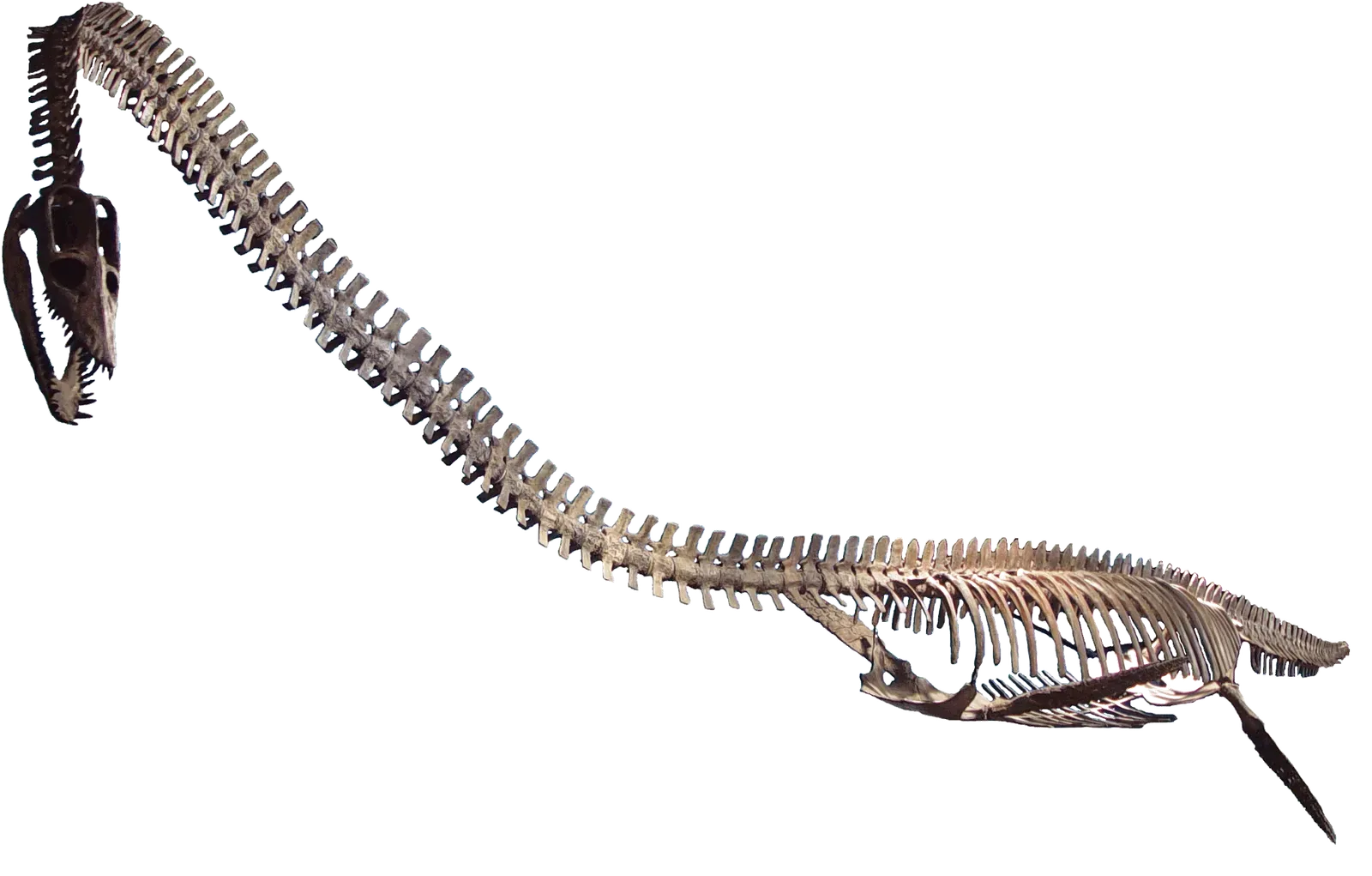
Even brilliant 19th-century scientists occasionally couldn’t tell a dinosaur’s head from its tail – literally.
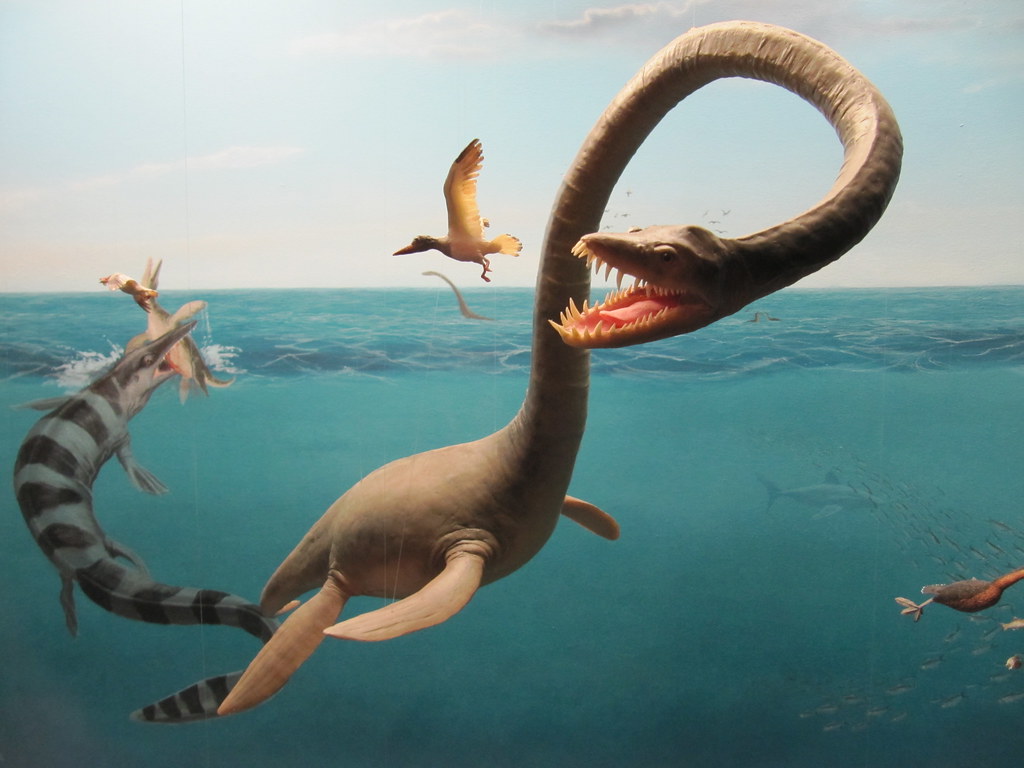
When paleontologist Edward Drinker Cope was sent crates of bones discovered on the Kansas frontier in the late 1860s, he identified them as a plesiosaur he called Elasmosaurus. Its vertebral column featured a long, sinuous series of vertebrae sticking out of one end of the body, and a shorter, stubbier set from the other. Cope assumed the long series was the tail and the short set was the neck – a completely reasonable guess based on every other reptile skeleton known at the time.
The problem was that he had it backward. The long series was actually the neck, one of the longest ever seen in a marine reptile, and the short section was the tail.
Worth Knowing
- Elasmosaurus’s neck held dozens of vertebrae – far more than any land animal ever needed
- Rival paleontologist Othniel Charles Marsh is said to have publicly pointed out Cope’s error
- The blunder became one of the early sparks in the bitter “Bone Wars” rivalry between the two men
- Cope reportedly tried to buy back copies of his original paper once the mistake surfaced
This meant early reconstructions had Elasmosaurus’s head mounted on the wrong end of its own body entirely. Debate over these bizarre proportions still lingers among scientists today.
#11 – Brontosaurus’s Head Wasn’t Even Its Own
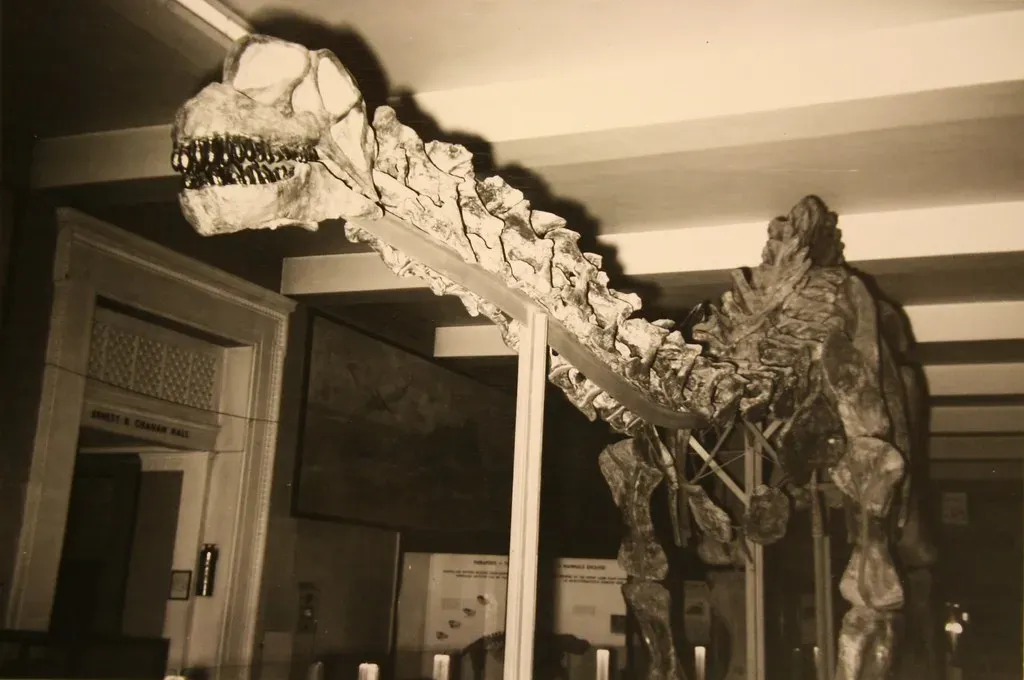
Here’s an uncomfortable truth: one of the most famous dinosaurs in pop culture history was partly built from spare parts.
Paleontologist Othniel Charles Marsh mounted a skull from a different sauropod species onto the body, creating a chimeric creature that existed in museums and textbooks for nearly a century before the error was widely acknowledged. That mismatched skeleton became the basis for the “Brontosaurus” image burned into public imagination – a long-necked giant with a specific head shape that, it turns out, never actually belonged to that body.
Fixing this required decades of painstaking comparative anatomy, since skulls from these massive sauropods are rarely preserved intact and are often found separated from their skeletons entirely.
Most people don’t realize that the “iconic” Brontosaurus head shown in old textbooks and cartoons technically belonged to a completely different animal. It’s one of paleontology’s most embarrassing, longest-running cases of mistaken identity.
#10 – Iguanodon’s “Nose Horn” Was Actually a Thumb
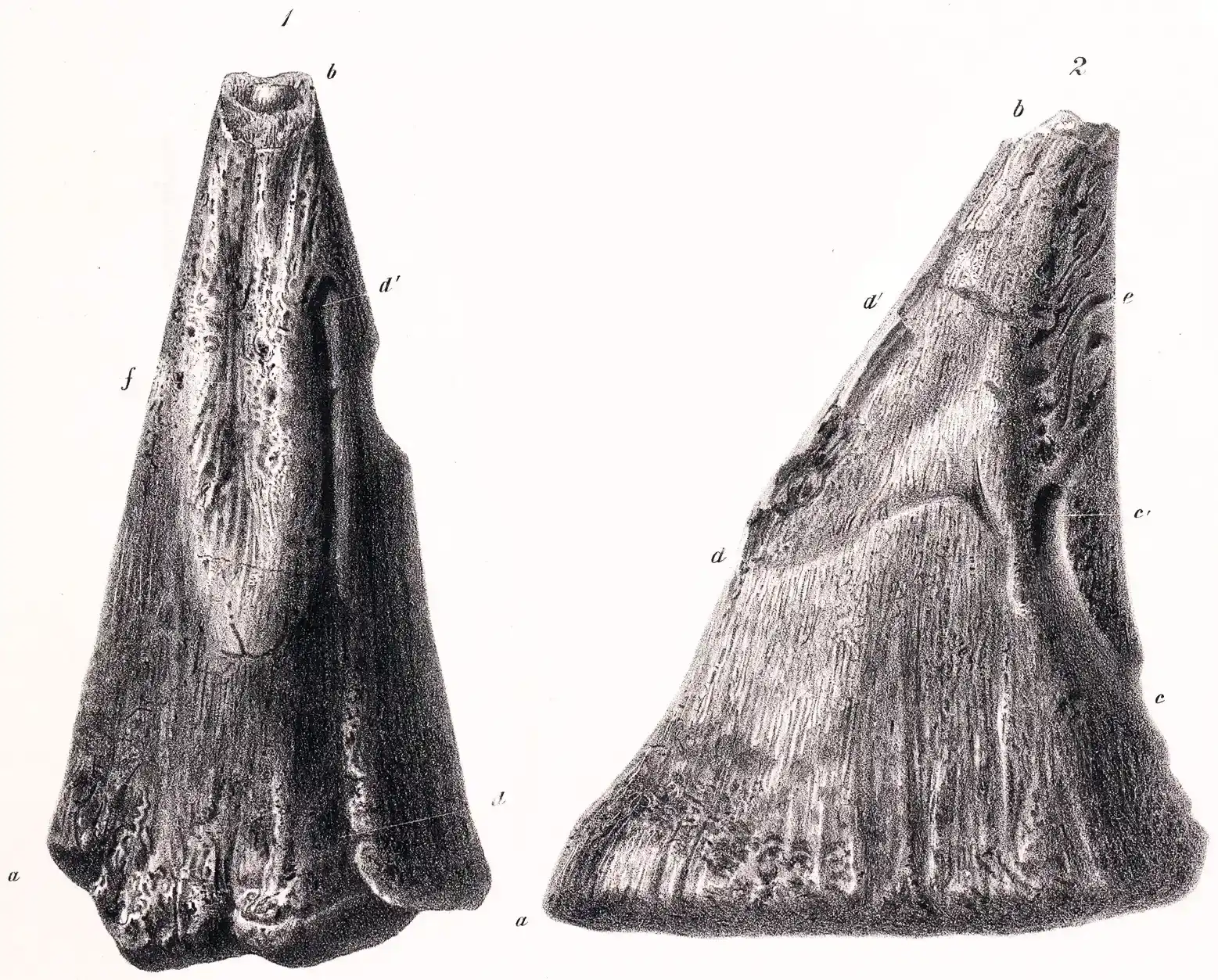
Picture a rhino-like horned dinosaur, and you’re picturing a mistake that fooled scientists for years.
Early scientists discovered a large spike among Iguanodon’s fossils and assumed it belonged on the animal’s nose, imagining a horn similar to that of modern reptiles. This wasn’t a careless error – it was a logical guess based on incomplete, jumbled remains, since isolated bones give no clues about where they connect to the rest of a skeleton.
Later discoveries of more complete skeletons revealed the truth: the spike was actually attached to the forelimb, where it formed a thumb spike rather than a nasal horn.
The genuinely surprising part is how long this mistaken nose-horn version circulated in respected scientific illustrations before anyone corrected it. A single misplaced bone completely reshaped an animal’s imagined face for generations.
#9 – Iguanodon Once “Stood” Like a Kangaroo
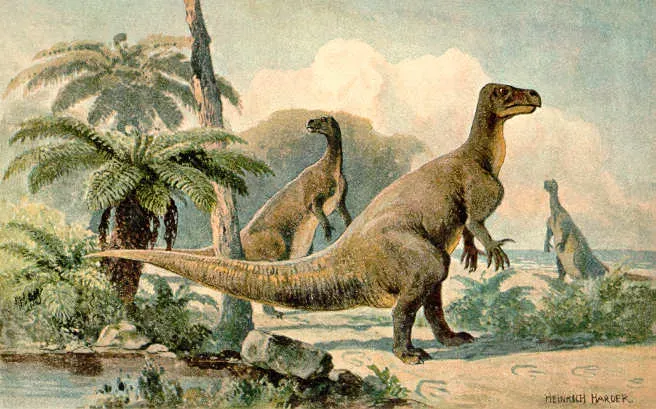
The same dinosaur that got a horn stuck on its nose also got its entire posture wrong.
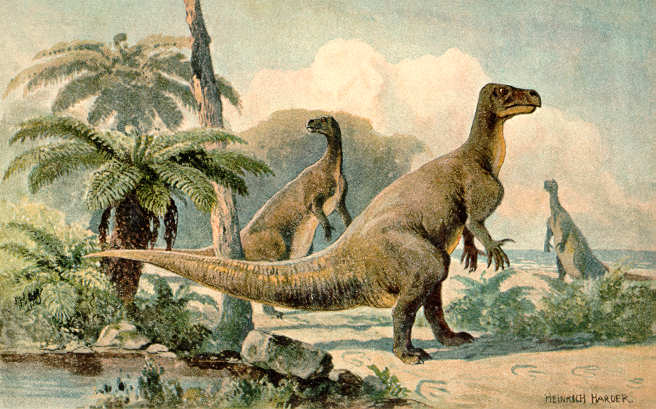
Early reconstructions positioned Iguanodon standing upright in a kangaroo-like pose, balancing on its hind legs with its tail dragging along the ground for support. This made intuitive sense to Victorian-era scientists, who were used to categorizing reptiles as either fully bipedal or fully quadrupedal, with little room for anything in between.
Scientists now know this dinosaur actually walked on all fours for much of its life, using its front limbs – including that famous misplaced thumb spike – as functional weight-bearing structures rather than just tools.
Quick Compare
- Old belief: Upright, kangaroo-style stance with the tail dragging for balance
- Now known: Primarily walked on all fours, front limbs bearing real weight
- Old belief: Thumb spike had no clear purpose in the skeleton
- Now known: Thumb spike likely used for defense or foraging while browsing
What’s genuinely wild is that entire museum displays were built around this incorrect upright pose before anyone seriously questioned the animal’s actual center of gravity. Most experts now argue the old pose actively distorted the public’s understanding of how these animals moved.
#8 – Dinosaurs Supposedly Abandoned Their Eggs Like Turtles
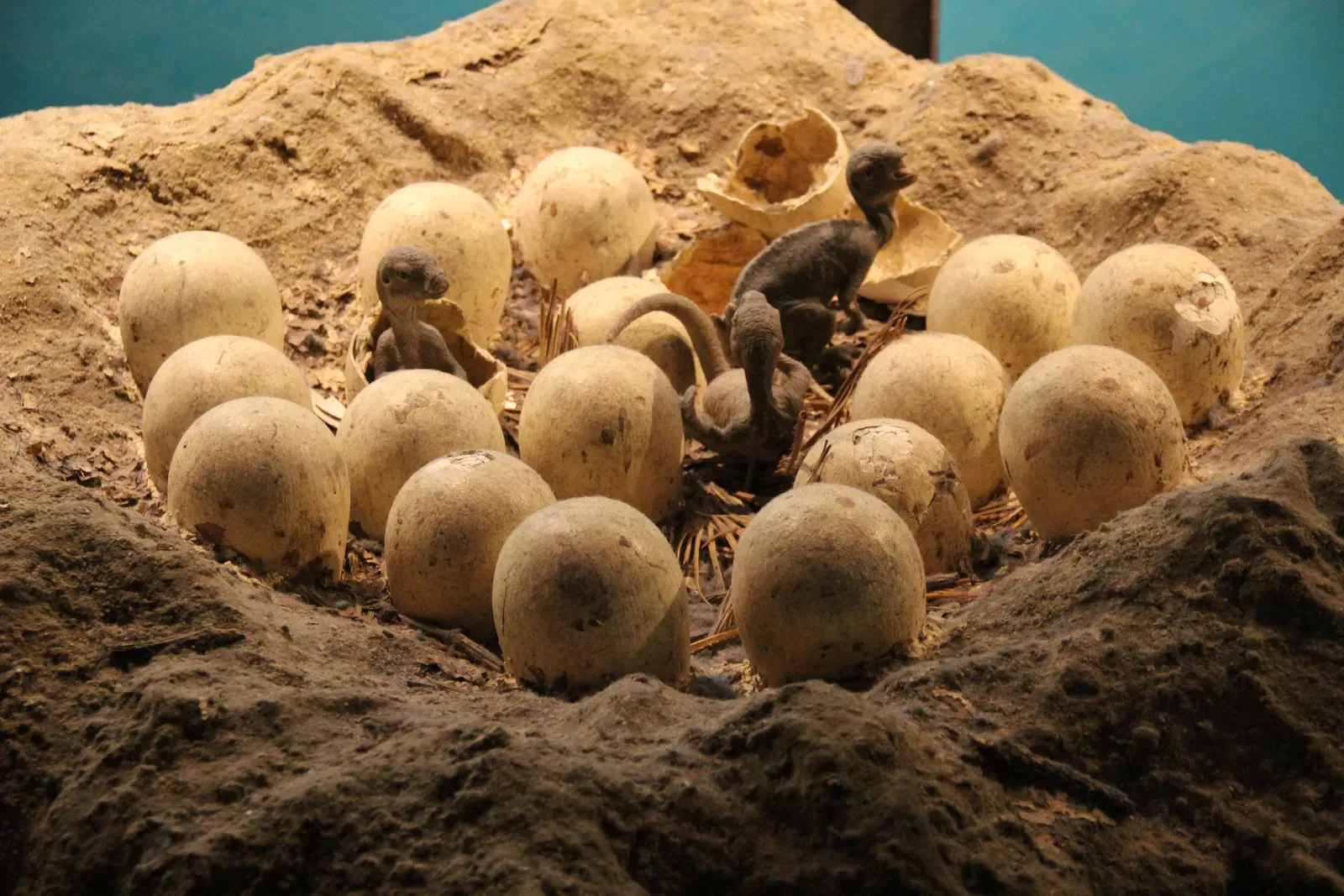
For most of paleontology’s history, dinosaur parenting was assumed to be nonexistent.
Early paleontologists had limited evidence to work with when considering dinosaur reproduction, often assuming these animals simply laid eggs and abandoned them, similar to modern reptiles like sea turtles. This guess fit the broader Victorian-era assumption that dinosaurs were sluggish, unintelligent creatures incapable of anything resembling complex behavior.
That entire narrative collapsed once paleontologist Jack Horner uncovered Maiasaura nesting grounds in Montana’s Two Medicine Formation with clear evidence of parental care. Excavations revealed nests containing hatchlings with underdeveloped leg bones but well-developed arm and shoulder features, suggesting the babies stayed in the nest while adults brought them food.
The most surprising twist is that this discovery didn’t just apply to one species – evidence of “daycare-style” group parenting has now turned up in multiple unrelated dinosaur lineages. It flipped the script from cold, careless reptiles to attentive, almost bird-like parents.
#7 – Every Dinosaur Was Assumed to Be Cold-Blooded
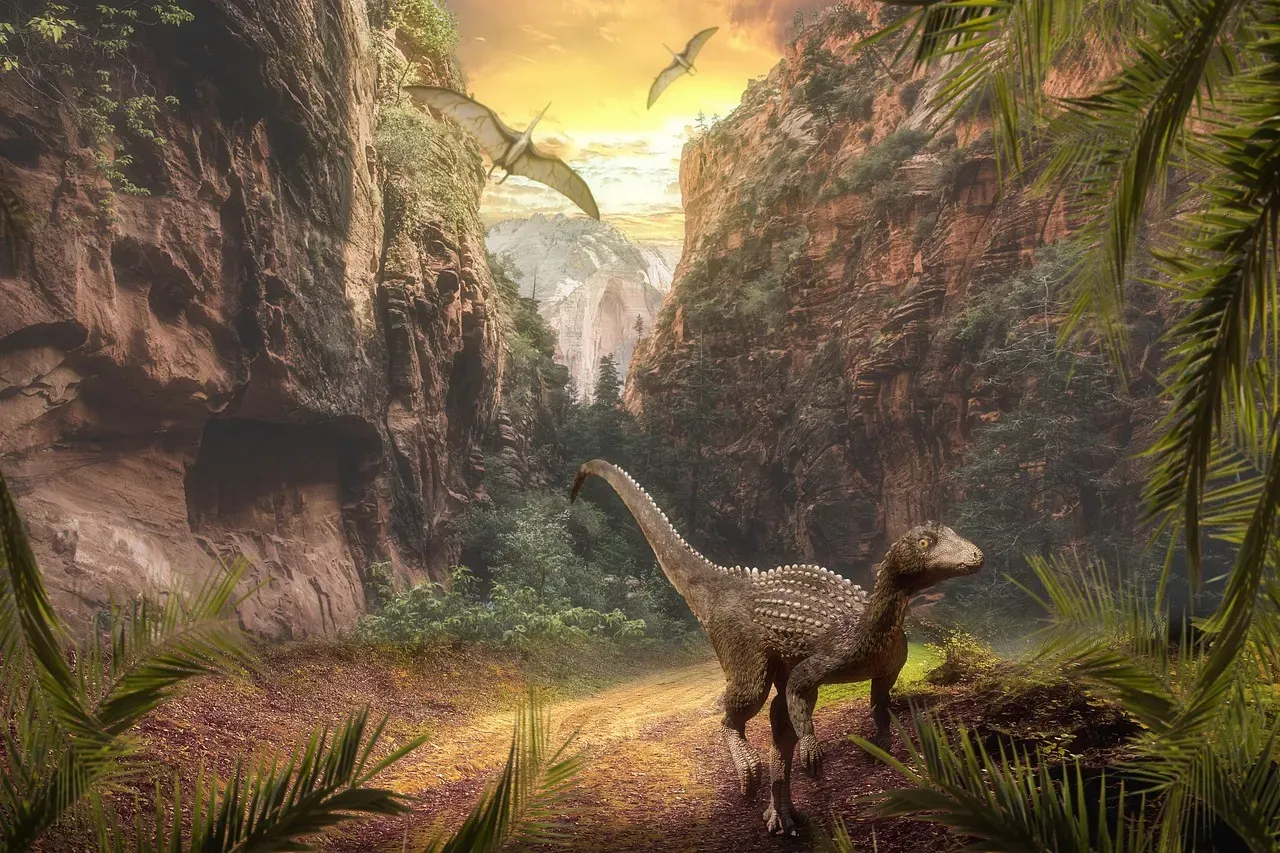
For nearly a century, “dinosaur” was basically synonymous with “giant sluggish lizard.”
Early paleontologists classified dinosaurs alongside modern reptiles and simply assumed they shared the same cold-blooded, temperature-dependent metabolism – a guess based purely on anatomical similarity, not any direct physiological evidence. This changed in the 1970s, when new evidence suggested dinosaurs were, in fact, warm-blooded, maintaining a body temperature higher than their environment rather than changing with it.
This single shift rewired how scientists imagined dinosaur behavior entirely. Warm-blooded animals need more food, move more actively, and can sustain higher energy lifestyles than cold-blooded ones ever could.
At a Glance
- Old assumption: Cold-blooded, sluggish, reptile-style metabolism
- 1970s shift: The “Dinosaur Renaissance” reframed dinosaurs as active, energetic animals
- New evidence: Bone growth patterns suggest faster growth rates than typical reptiles
- Modern view: Many species likely sat somewhere between full warm- and cold-bloodedness
What’s most jarring is realizing that the sluggish, slow-moving dinosaur stereotype most of us grew up with was built on a guess already scientifically abandoned by the time many of us were in school. Modern paleontology increasingly treats many species as closer to active, high-metabolism birds than lumbering reptiles.
#6 – Dinosaurs Dragged Their Tails Like Giant Lizards
If you grew up seeing dinosaurs depicted upright with their tails scraping the ground, you were looking at a guess that outlived its evidence for decades.
Early dinosaur reconstructions from the Victorian era portrayed these animals as lumbering, reptilian creatures aligned with 19th-century views of reptiles as evolutionary “failures.” This posture wasn’t based on trackway evidence or bone articulation studies – it was based on an assumption that dinosaurs moved like modern crocodiles or monitor lizards, dragging heavy tails behind them for balance.
Once researchers actually studied dinosaur vertebrae and fossilized trackways more carefully, it became clear that most species held their tails elevated and rigid, using them as dynamic counterbalances for a horizontal, fast-moving body posture.
The genuinely surprising part is how few fossilized dinosaur tail-drag marks have ever actually been found in trackway sites – which should have been the first clue this pose was wrong. It’s a textbook case of assumption outpacing actual physical evidence.
#5 – T. Rex Was Secretly Just a Giant Scavenger
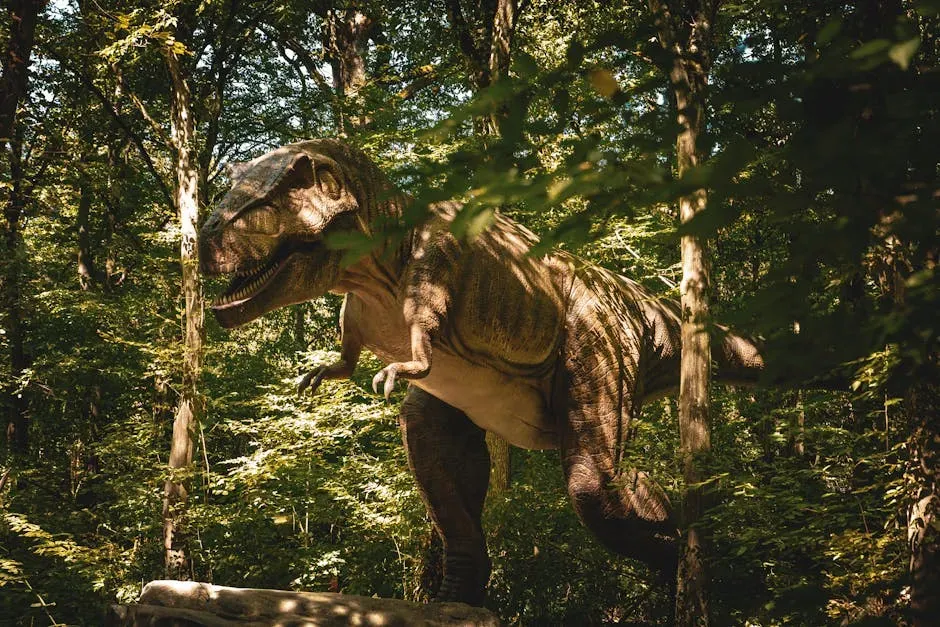
In the 1990s, one theory nearly rewrote T. rex’s entire reputation as the ultimate apex predator.
A popular theory held that T. rex wasn’t as tough as we’d long thought – that instead, it was basically a giant scavenger, roaming around eating carcasses that other predators had brought down. The idea gained traction because T. rex had a relatively large olfactory system for smelling carrion from a distance, and some researchers argued its build wasn’t ideal for chasing down fast prey.
Paleontologist Steve Brusatte later dismantled this theory bluntly.
Evolution doesn’t produce a bus-sized animal with a bathtub-sized head and 50-some railroad spike teeth that can crush bone just so that animal can walk around picking up dead carcasses.
Steve Brusatte
The most convincing evidence against the scavenger theory came from fossilized Triceratops bones bearing healed T. rex bite marks, proving the two species genuinely fought – and that some prey survived the encounter. T. rex almost certainly wouldn’t turn down free meat, but it was clearly a capable, active hunter too.
#4 – T. Rex Was Once Believed to Be Blazing Fast
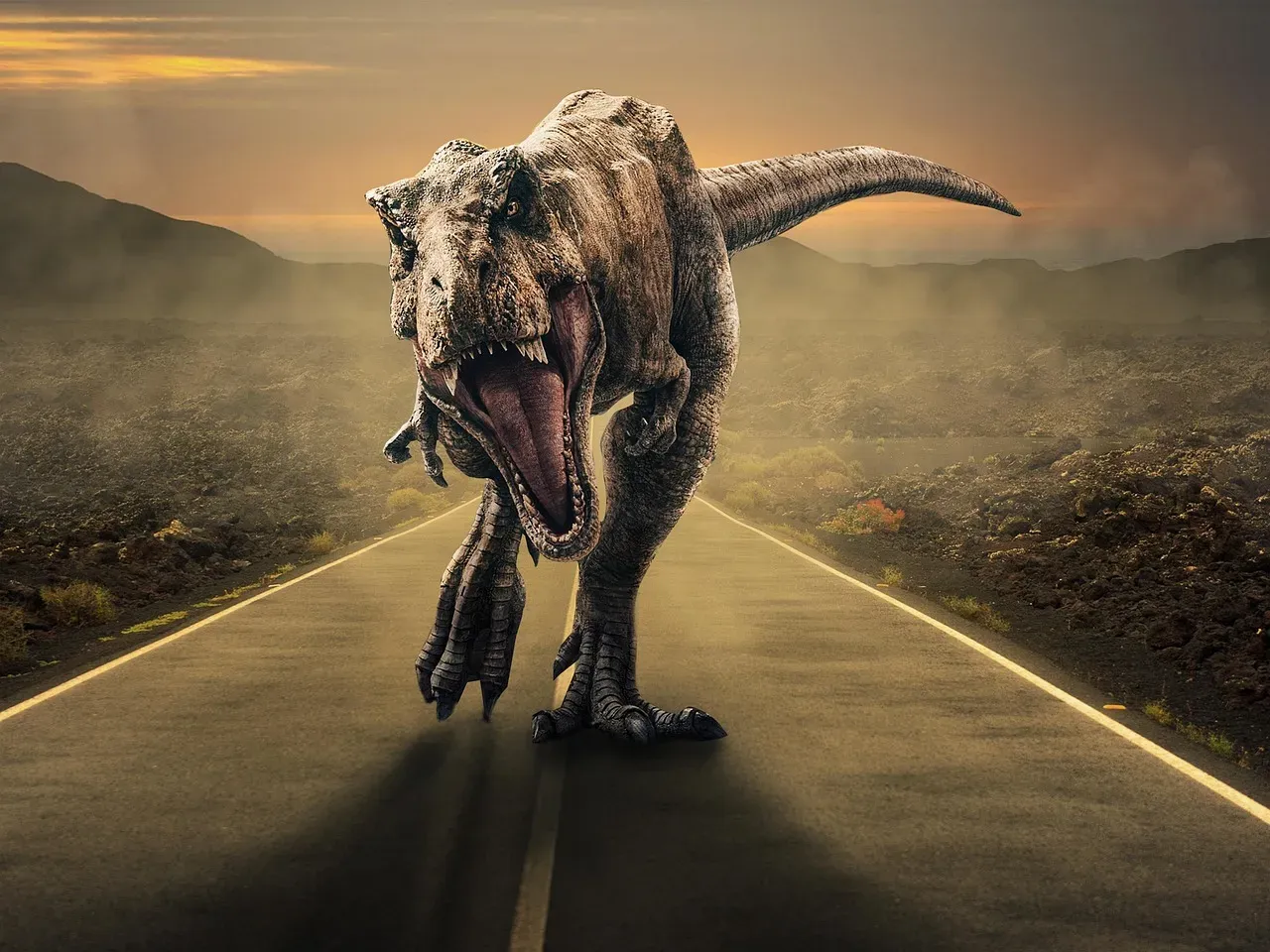
Right alongside the ferocious scavenger debate sat an equally shaky assumption: that T. rex could sprint down prey at terrifying speeds.
This belief fed into its fearsome reputation as a bloodthirsty creature reaching up to 40 feet long and 12 feet high, reinforced heavily by early films and documentaries showing it running down jeeps and fleeing prey. Today, scientists argue that T. rex was, in fact, a slow runner, about as fast as an average human, since its enormous size may have made prey quiver but also slowed the animal down considerably.
Researchers reached this conclusion by estimating walking speeds based on fossilized trackways, and by studying the muscles and bodies needed to support such enormous body mass at high speeds.
What’s genuinely surprising is that basic body mechanics – not fresh fossil evidence – is what finally debunked decades of “supersonic predator” assumptions. Turns out raw size doesn’t guarantee raw speed.
#3 – Spinosaurus Was Assumed to Stand Upright on Land
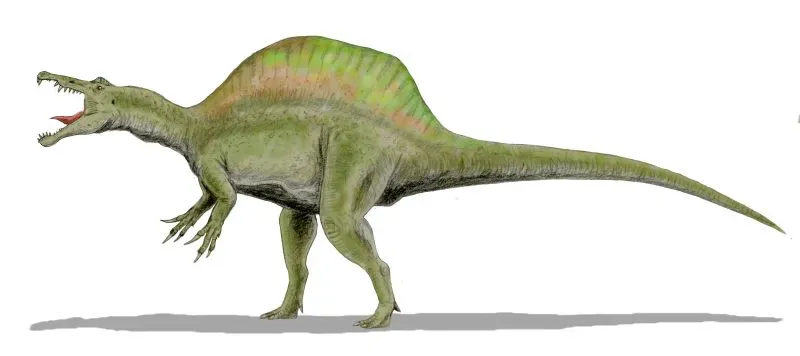
For most of the 20th century, Spinosaurus was pictured as just another towering, two-legged land predator with a sail on its back.
A 2014 paper revived the possibility of a quadrupedal Spinosaurus, finding that its hind limbs were much shorter than previously believed and that its center of mass sat in the midpoint of the torso. This meant the sleek, upright, T. rex-style hunter shown in older illustrations and even blockbuster films was likely never biologically accurate to begin with.
Not everyone accepted the new semi-aquatic quadruped model without pushback. Paleontologist John Hutchinson expressed skepticism toward the reconstruction, cautioning that mixing different specimens can result in inaccurate chimaeras, with the odd proportions possibly reflecting mismatched bones married to one another.
The most fascinating part is that Spinosaurus remains one of the only dinosaurs where paleontologists are still openly arguing about its posture in real time, rather than debating settled history. This is a live scientific fight, not a closed case.
#2 – Dinosaurs Were Assumed to Be Dull, Drab Colors
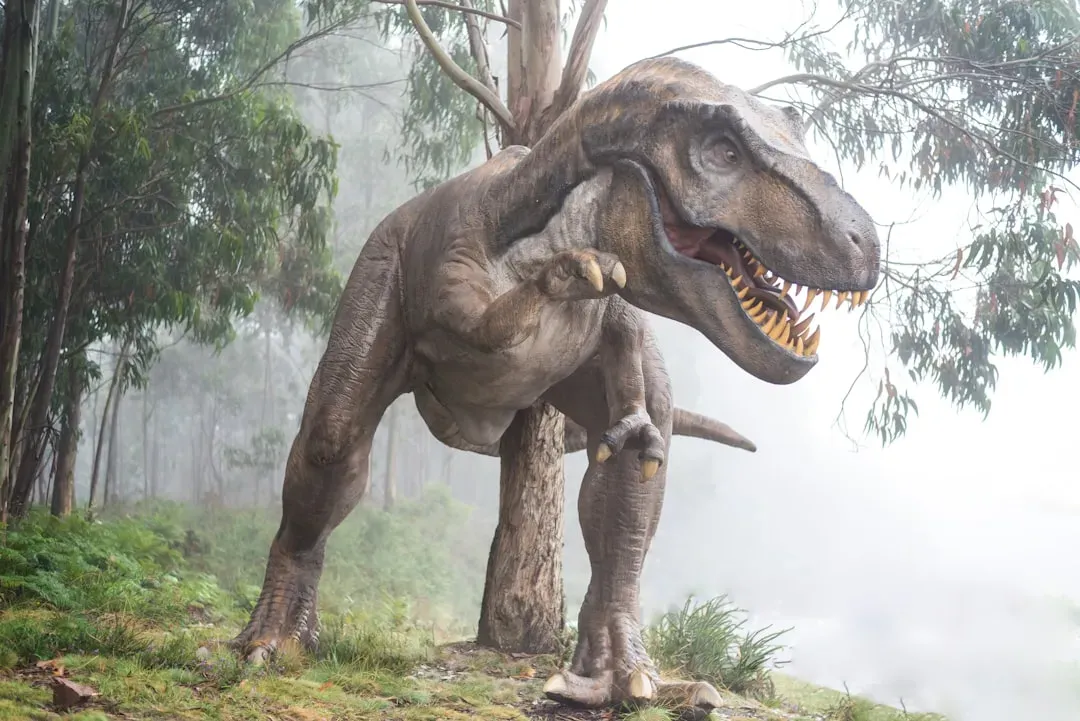
Ask most people what color dinosaurs were, and they’ll probably say gray, brown, or muddy green – and that assumption was baseless guesswork for over a century.
Because skin pigment almost never survives fossilization, scientists had no direct evidence for dinosaur coloration and simply defaulted to colors resembling modern reptiles like crocodiles and monitor lizards. Recent research has debunked this entirely, revealing dinosaurs to be far more colorful and active creatures than the gray monsters of childhood textbooks.
This breakthrough came from studying fossilized melanosomes, microscopic pigment-carrying structures preserved in exceptionally well-fossilized feathers and skin, which allowed researchers to reconstruct actual color patterns for the first time in scientific history.
The genuinely shocking part is that some feathered species have now been reconstructed with bold stripes, iridescent sheens, and countershading patterns almost identical to modern birds – a level of color confidence nobody thought possible just twenty years ago. The “drab lizard” look was never based on evidence; it was based purely on lack of imagination.
#1 – Velociraptor Was Assumed to Be Naked and Scaly
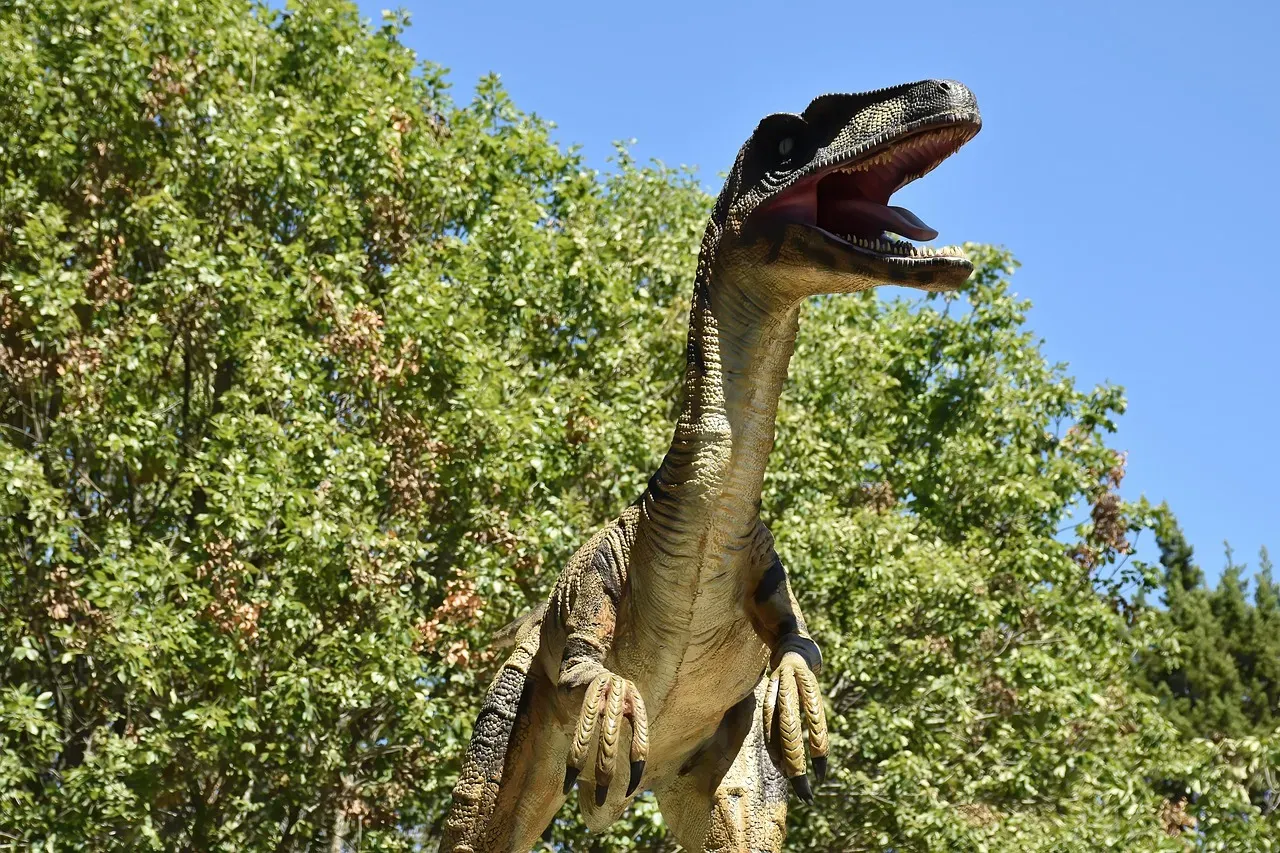
If one entry on this list defines “confidently wrong,” it’s this: the raptors that terrified an entire generation in theaters were built almost entirely on a guess that was already outdated by the time the film released.
Back in 1993, that’s how we thought Velociraptor and Deinonychus would have looked – naked and scaly. But starting in the mid-1990s, a vast number of feathered dinosaur discoveries changed everything. This wasn’t a minor stylistic choice; it fundamentally reshaped how audiences imagined an entire branch of the dinosaur family tree.
It’s now considered near-certain that these animals would have been covered in feathers, possibly with long, display-type feathers on their forearms that may have evolved for thermoregulation, since these animals may have been warm-blooded.
Fast Facts
- Real Velociraptor stood roughly knee-high, about the size of a large turkey
- Movie raptors were scaled up to nearly human height for dramatic effect
- Quill knobs found on forearm fossils in 2007 offered direct physical proof of feathers
- Feathers likely aided display, brooding, and temperature regulation rather than flight
The most jaw-dropping part is that real Velociraptor was also only about the size of a turkey, nothing close to the human-sized monsters shown on screen – meaning the pop culture version got both the skin texture and the scale catastrophically wrong at the same time. While some still argue the scaly, reptilian look is scarier and more cinematic, most paleontologists now insist the feathered, bird-like version is simply what the evidence actually shows.
The Bottom Line
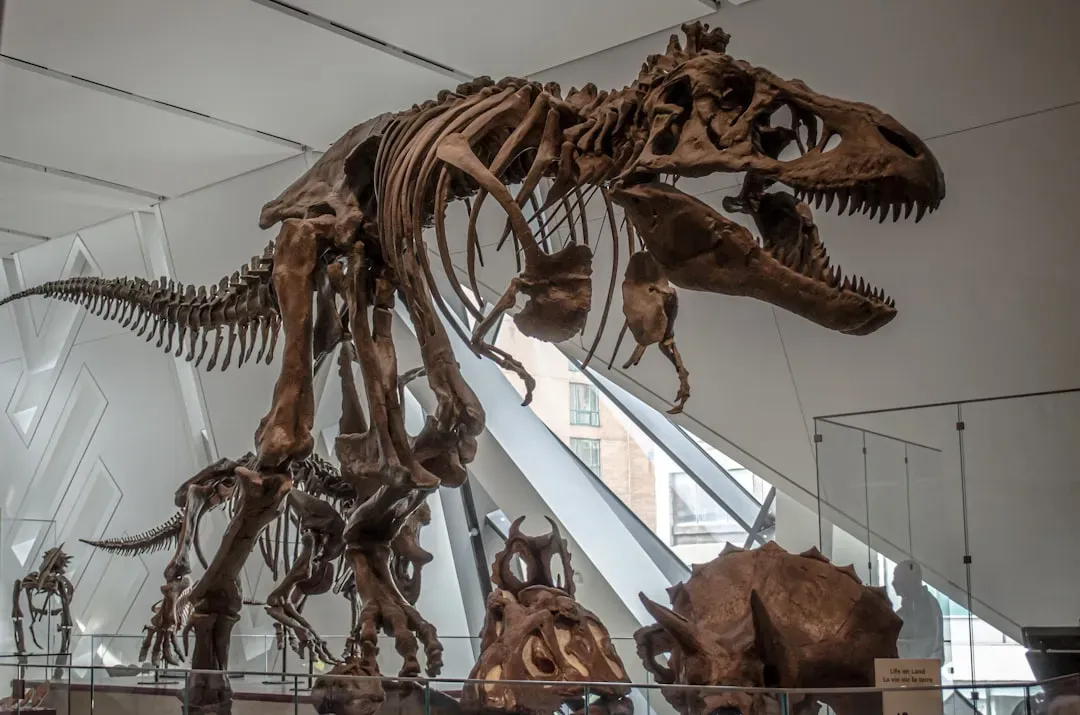
Paleontology isn’t a finished science – it’s a constantly self-correcting one, and that’s exactly what makes it fascinating. Iguanodon’s misplaced horn, Brontosaurus’s borrowed head, and Velociraptor’s phantom scales prove that some of our most “certain” dinosaur facts were educated guesses wearing the costume of settled fact.
Even T. rex’s speed and diet were debated using assumptions, not direct evidence, until trackways and bite-marked bones forced a correction. The uncomfortable truth is that today’s textbook dinosaur could easily be tomorrow’s embarrassing mistake, and frankly, that’s part of the appeal.
Which of these guesses shocked you the most – and which “fact” do you think will get debunked next? Drop it in the comments.