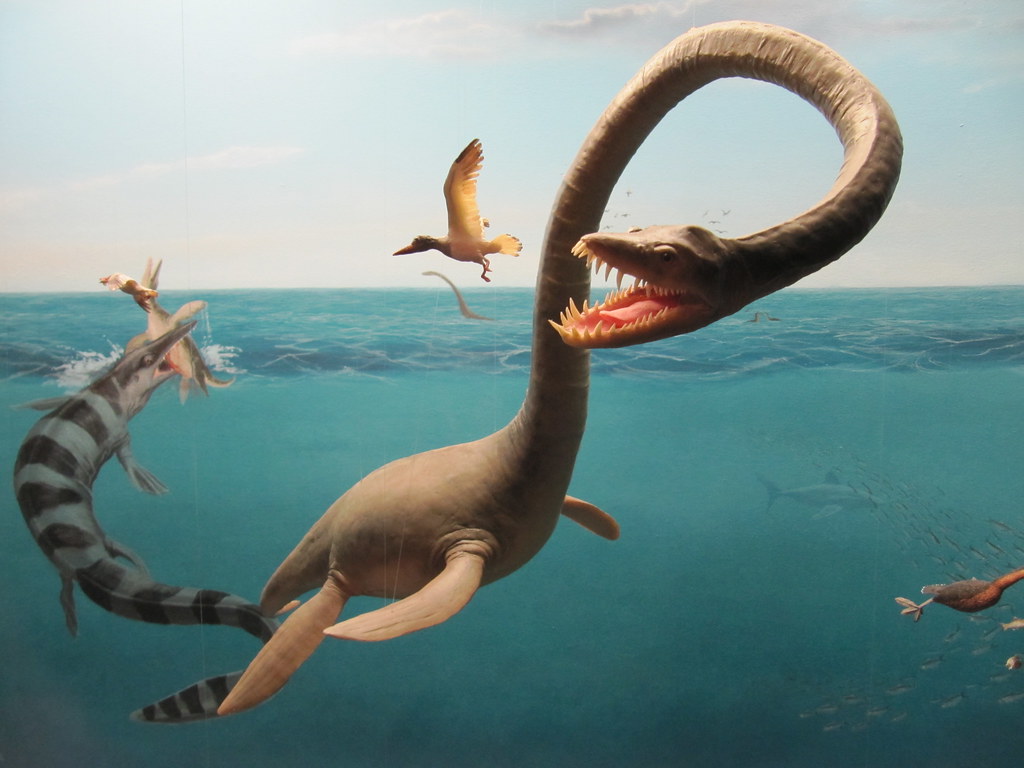
Most people assume Mesozoic oceans belonged to Mosasaurus and Megalodon. That assumption is wrong on one count immediately – Megalodon wasn’t even born yet. The real terror of these ancient seas came from a rotating cast of bizarre, half-forgotten hunters that almost every documentary conveniently skips.
Some had teeth built like steak knives. Others swallowed prey whole and lived just long enough to regret it. One may have had a bite force strong enough to put Tyrannosaurus rex to shame. These are the sea monsters history quietly erased from the highlight reel – and paleontologists have receipts.
#15 – Placodus, the Barrel-Chested Shell Crusher
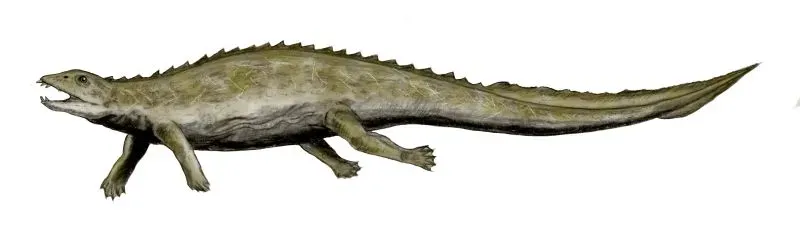
Placodus looked less like a sea monster and more like a lizard that wandered into the surf and never left. This Triassic sauropterygian resembled a barrel-chested swimming lizard rather than a sleek predator, and it didn’t need speed because its prey couldn’t run. Don’t confuse it with placoderms – those are armored fish from the Devonian, a completely different branch of the family tree.
True to the placodont name, these reptiles carried flat, peg-like teeth built for one job: crushing shellfish. At roughly six and a half feet long, Placodus used its strong belly ribs and bony knobs for protection while it cracked mollusks along the shallow Triassic coastline. It wasn’t fast, and it wasn’t scary-looking, but it was one of the very first reptiles on Earth to figure out how to make a living in the sea.
#14 – Nothosaurus, the Seal That Beat Seals to the Punch
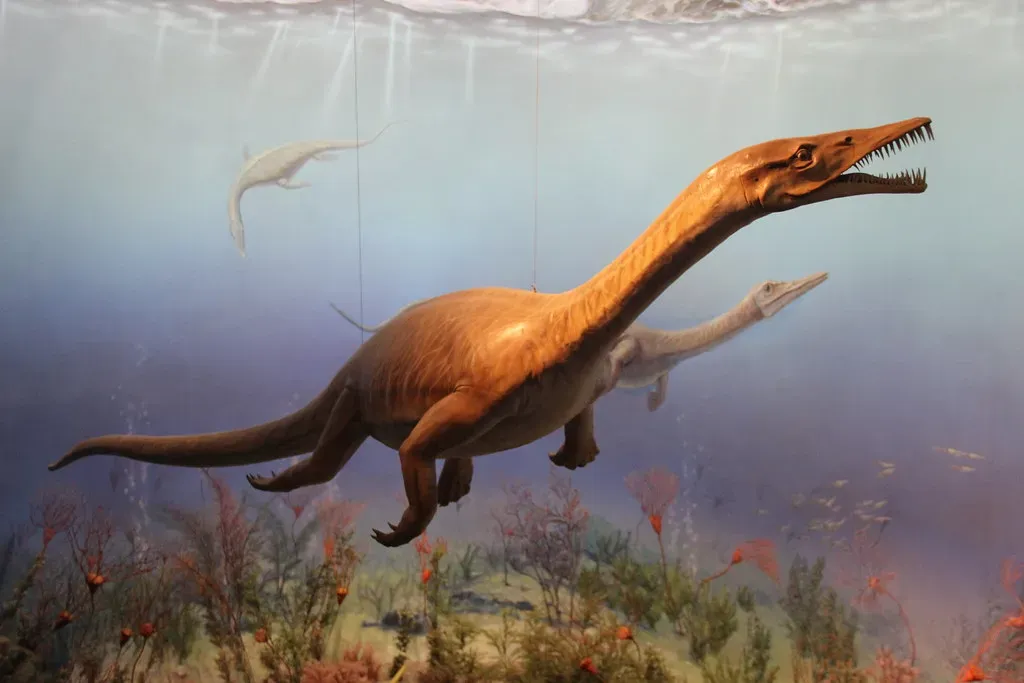
Long before seals existed, Nothosaurus was already running their exact playbook. This long-snouted predator patrolled Triassic shallows with a build eerily similar to a modern seal, snapping up fish and smaller marine reptiles with interlocking needle teeth.
Nothosaurus is known for attacking the tiny ichthyosaur Mixosaurus in the Middle Triassic of China – proof it wasn’t picky, and it wasn’t shy about punching above its weight class. Most people don’t realize it was ambushing baby ichthyosaurs 245 million years before anything resembling a seal ever evolved. Its limbs were only partially adapted for swimming, so it likely hauled itself onto rocks between hunts, much like today’s pinnipeds – a semi-aquatic lifestyle that made it one of the most successful mid-sized predators of its era.
#13 – Tanystropheus, the Reptile With a Neck Longer Than Its Body
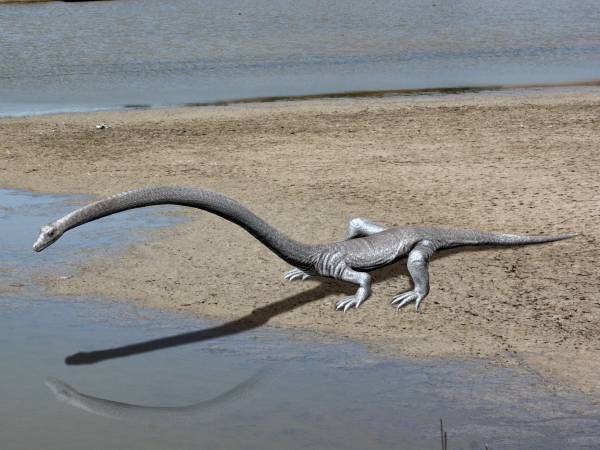
Tanystropheus looks like evolution’s rough draft, and honestly, that’s what makes it fascinating. This Triassic oddball had a neck so absurdly long that early paleontologists mistook its fossilized vertebrae for flying reptile wing bones. Standing about 1.8 meters tall and weighing around 150 kilograms, it was basically a great long neck and a great long tail with barely any body in between.
It used that impossible neck to sweep through shoals of fish while hunting the shallows, patient rather than powerful. The strangest survival trick? If a larger predator like Cymbospondylus attacked, its tail is suspected to have snapped off to buy time – the same trick some lizards still use today. This wasn’t a graceful swimmer; it was an ambush fisher that let its bizarre anatomy do all the hunting.
Fast Facts
- Stood about 1.8 meters tall and weighed around 150 kilograms
- Its neck made up the bulk of its total body length
- Early fossils were mistaken for pterosaur wing bones
- May have shed its tail as an escape trick, like modern lizards
#12 – Henodus, the Placodont Wearing a Turtle Costume
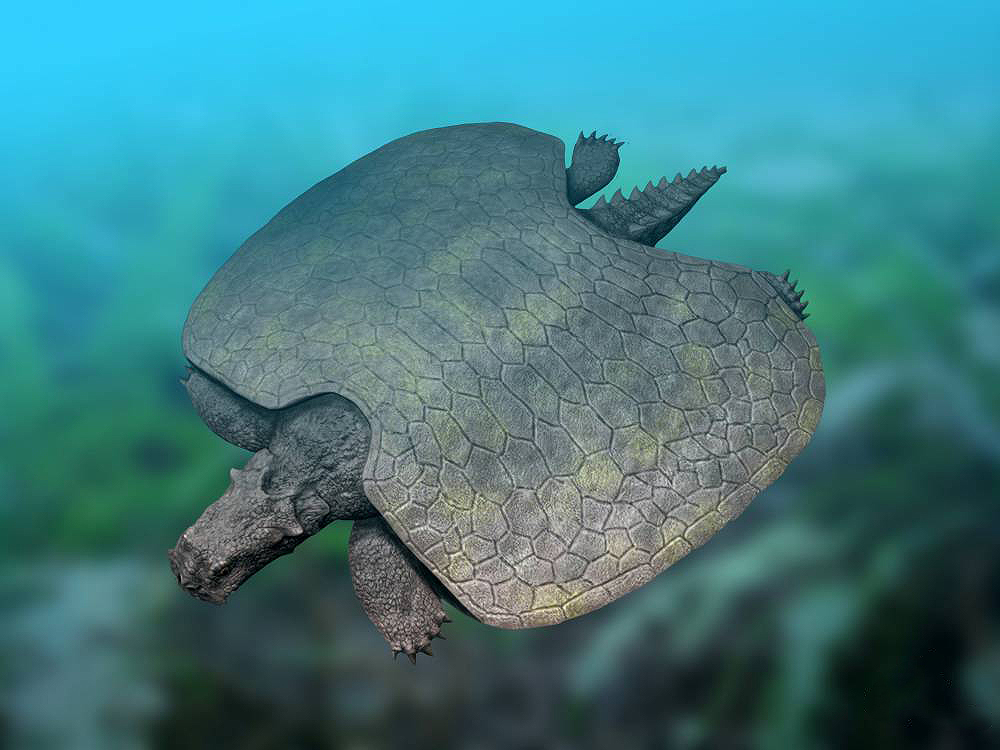
Henodus pulled off one of nature’s most convincing cases of mistaken identity – millions of years before turtles even existed. This flattened, plate-covered creature evolved a shell so convergent with modern sea turtles that casual observers assume it’s a direct ancestor. It isn’t. Henodus was actually a filter-feeding freshwater placodont from the Late Triassic.
By the Late Triassic, placodonts like Henodus and Placochelys had grown plates so extensive that they looked more like modern sea turtles than their unarmored ancestors ever did. What most articles leave out: Henodus wasn’t even chasing prey. It filtered tiny organisms out of brackish water, making it one of the earliest known filter-feeding reptiles. At only about three feet long, it wasn’t a top predator, but its bizarre body plan proves the Triassic seas were experimenting wildly with survival strategies.
#11 – Cymbospondylus, the Giant Who Rose From Mass Extinction
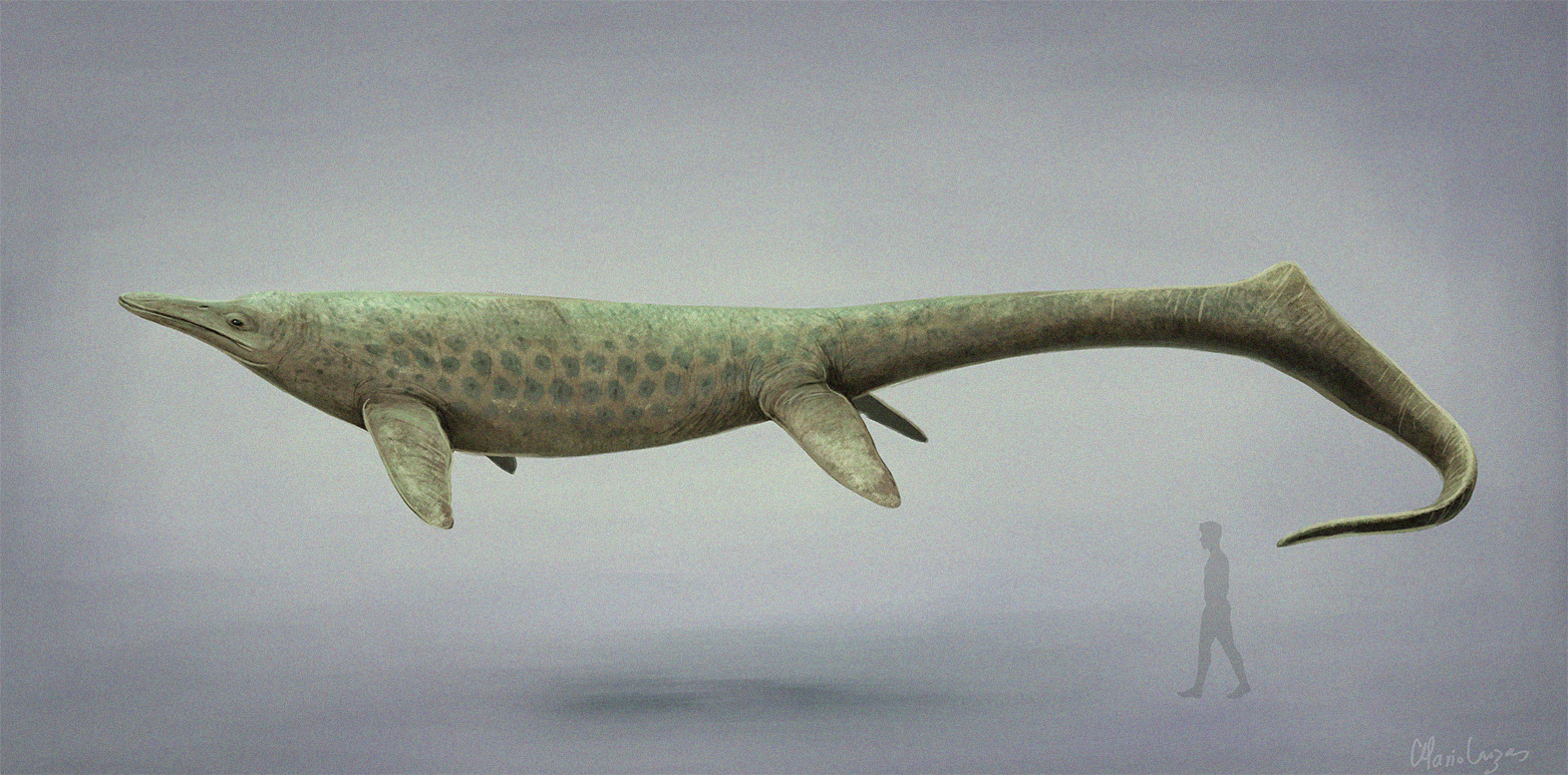
Cymbospondylus rebuilt the entire ocean food chain in the aftermath of Earth’s worst mass extinction, and almost nobody has heard its name. Prowling the oceans between 251 and 242 million years ago, it became one of the first large marine reptiles, growing quickly in the wake of the “Great Dying” to occupy the apex predator niche. That’s a staggering fact on its own: this creature turned into a giant almost immediately after 90% of life on Earth vanished.
A two-meter-long skull belonging to Cymbospondylus youngorum makes it the largest known tetrapod of its time, on land or in the sea, and the first in a long line of ocean giants to come. The species stretched roughly 33 feet, with a one-meter head lined with rows of teeth capable of tackling ammonites and other marine reptiles. Its rise proves recovery from catastrophe can produce monsters faster than anyone would expect.
#10 – Thalattoarchon, the “Shark-Toothed Lizard King” of the Triassic
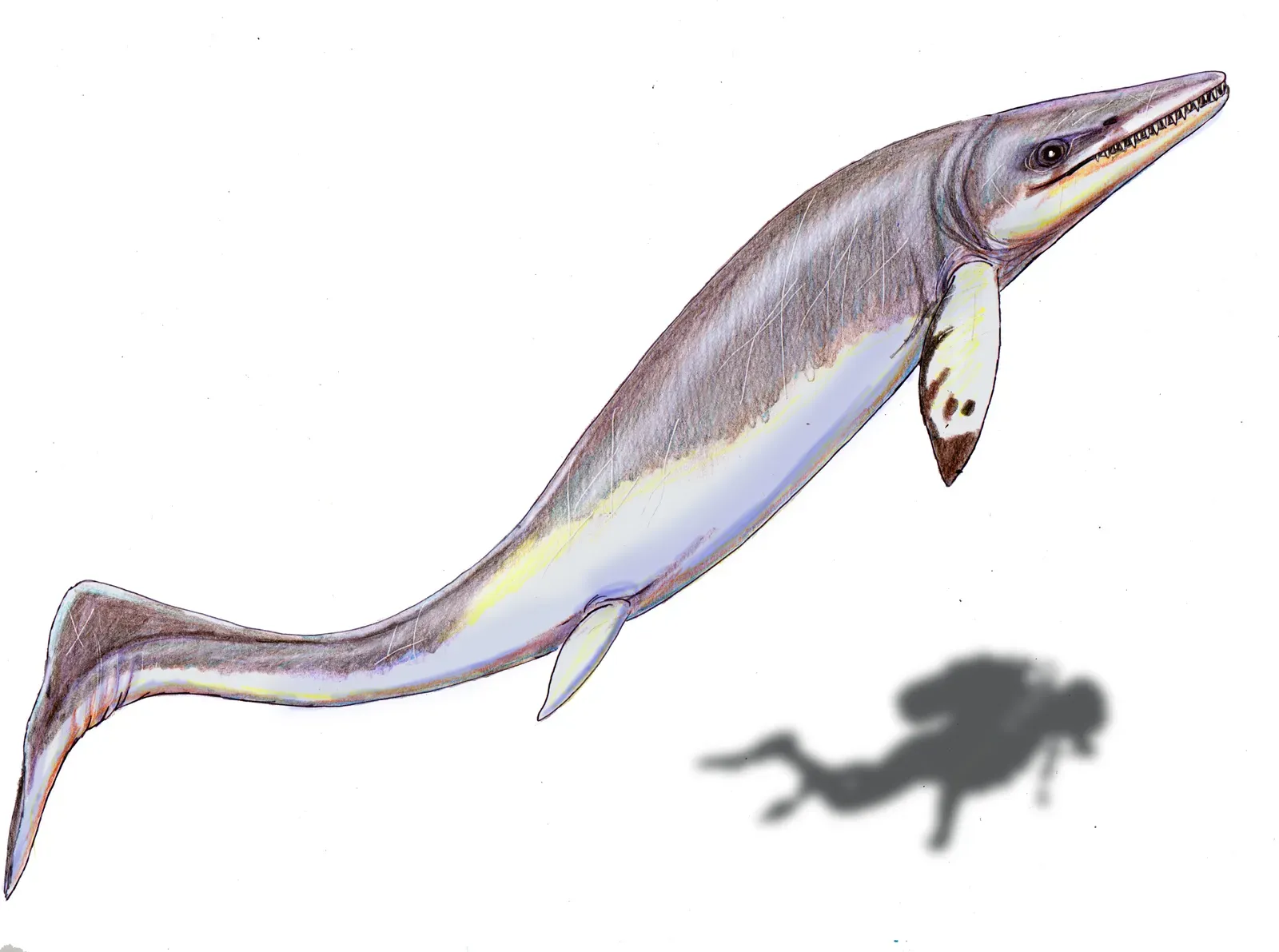
Thalattoarchon’s name literally translates to “ruler of the seas,” and it earned that title by inventing a hunting style nothing before it had used. This ichthyosaur’s jaws carried large teeth with two cutting edges up to 12 centimeters long, and the describing team estimated its total length at over 8.6 meters – roughly 30 feet of pure ambush predator.
It was once thought that Cymbospondylus held the title of most predatory marine reptile of its time, until the description of Thalattoarchon changed everything. The most surprising part: unlike earlier ichthyosaurs that swallowed prey whole, Thalattoarchon’s cutting teeth suggest it was the first marine reptile capable of slicing large animals into bite-sized chunks. That single innovation may have reshaped how every predator after it approached hunting big prey.
#9 – Shonisaurus, the Whale-Sized Ichthyosaur Everyone Forgets
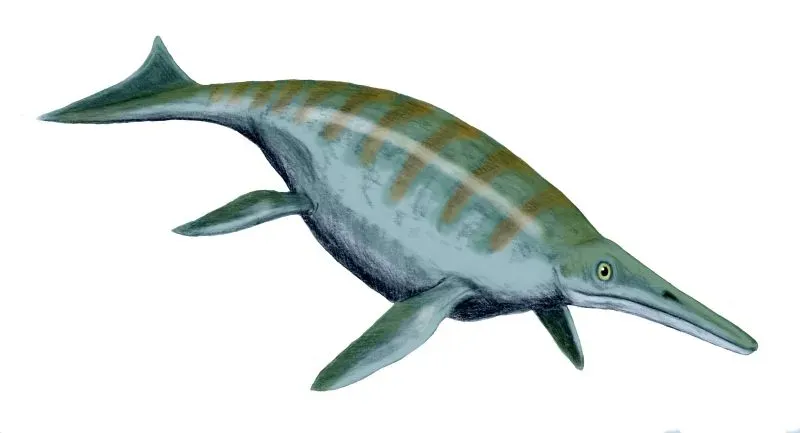
Shonisaurus rivaled modern whales in size, yet it rarely gets mentioned outside niche paleontology circles. It grew between 13.5 and 15 meters long and is estimated to have weighed 21.6 to 29.7 tonnes – similar in scale to a modern humpback whale. Related species like Shastasaurus measured between 15 and 21 meters, making these giants a defining part of life in Late Triassic oceans.
Most people assume the biggest ancient sea creatures came from the Cretaceous, but Shonisaurus proves the Triassic already had whale-sized predators more than 100 million years earlier. It likely fed on soft-bodied prey like squid and fish in deep water, using sheer bulk as a slow, relentless hunting advantage rather than speed. This was gigantism being tested long before mosasaurs or plesiosaurs ever got the chance.
At a Glance
- Length: 13.5 to 15 meters, roughly whale-sized
- Estimated weight: 21.6 to 29.7 tonnes
- Related genus Shastasaurus grew even bigger, up to 21 meters
- Predates the Cretaceous ocean giants by over 100 million years
#8 – Shastasaurus, the Toothless Giant That Broke the Rules
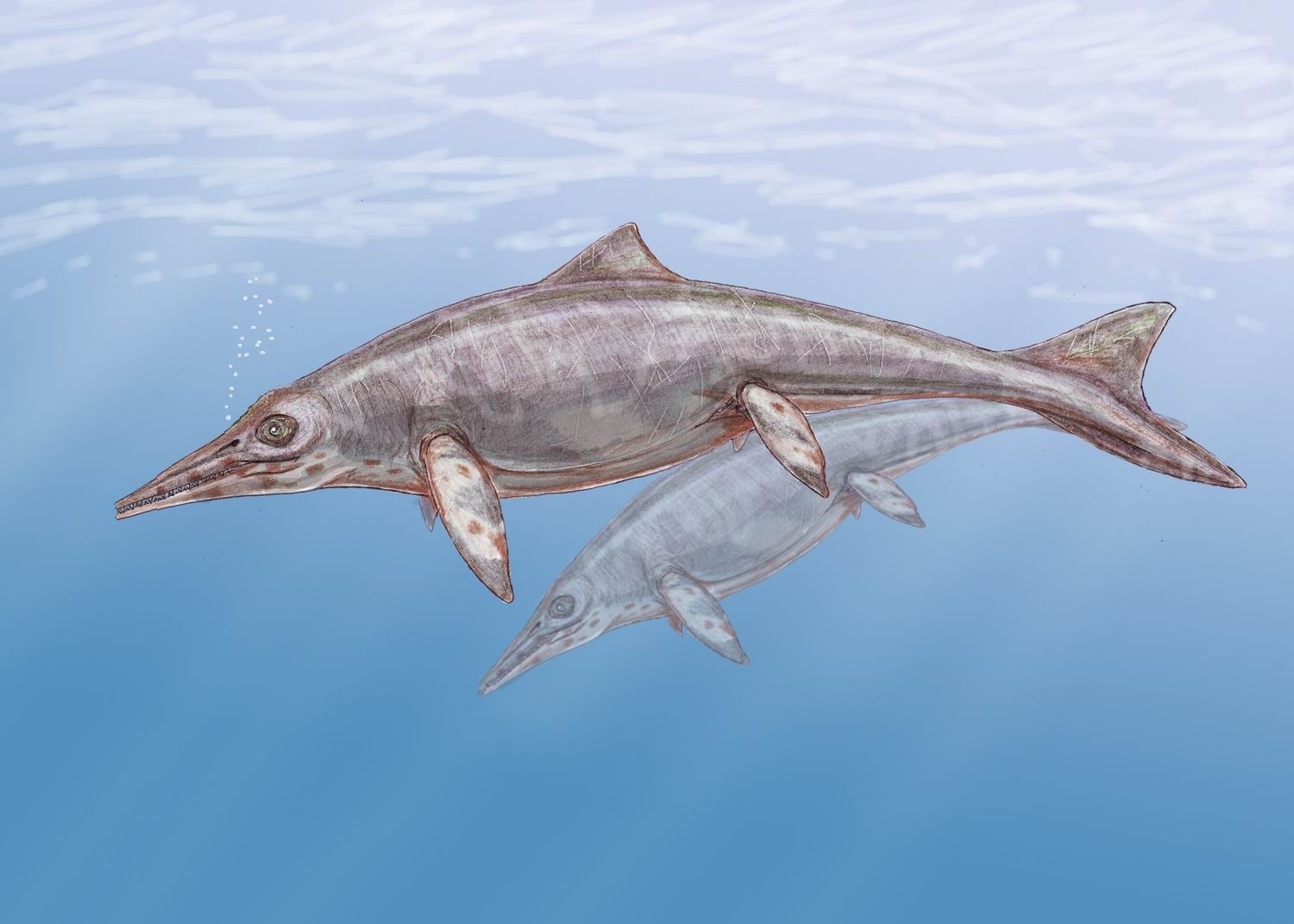
Shastasaurus did something almost no apex predator in history has managed: it got enormous while losing most of its teeth. It’s the largest known marine reptile, with the biggest individuals reaching up to 69 feet long and weighing up to 81 tons – roughly the size of a blue whale, and arguably the largest reptile to have ever lived.
Here’s the controversial part: many paleontologists now argue Shastasaurus wasn’t even a “predator” in the traditional sense. Its jaws were noticeably short and toothless, meaning it could only eat soft-bodied animals like squid, sucked in rather than bitten. That makes it less a monster and more a gentle giant, closer in behavior to a sperm whale than a shark – and one of the most underrated marine animals to ever exist.
#7 – Metriorhynchus & Dakosaurus, the Crocodiles That Forgot How to Walk
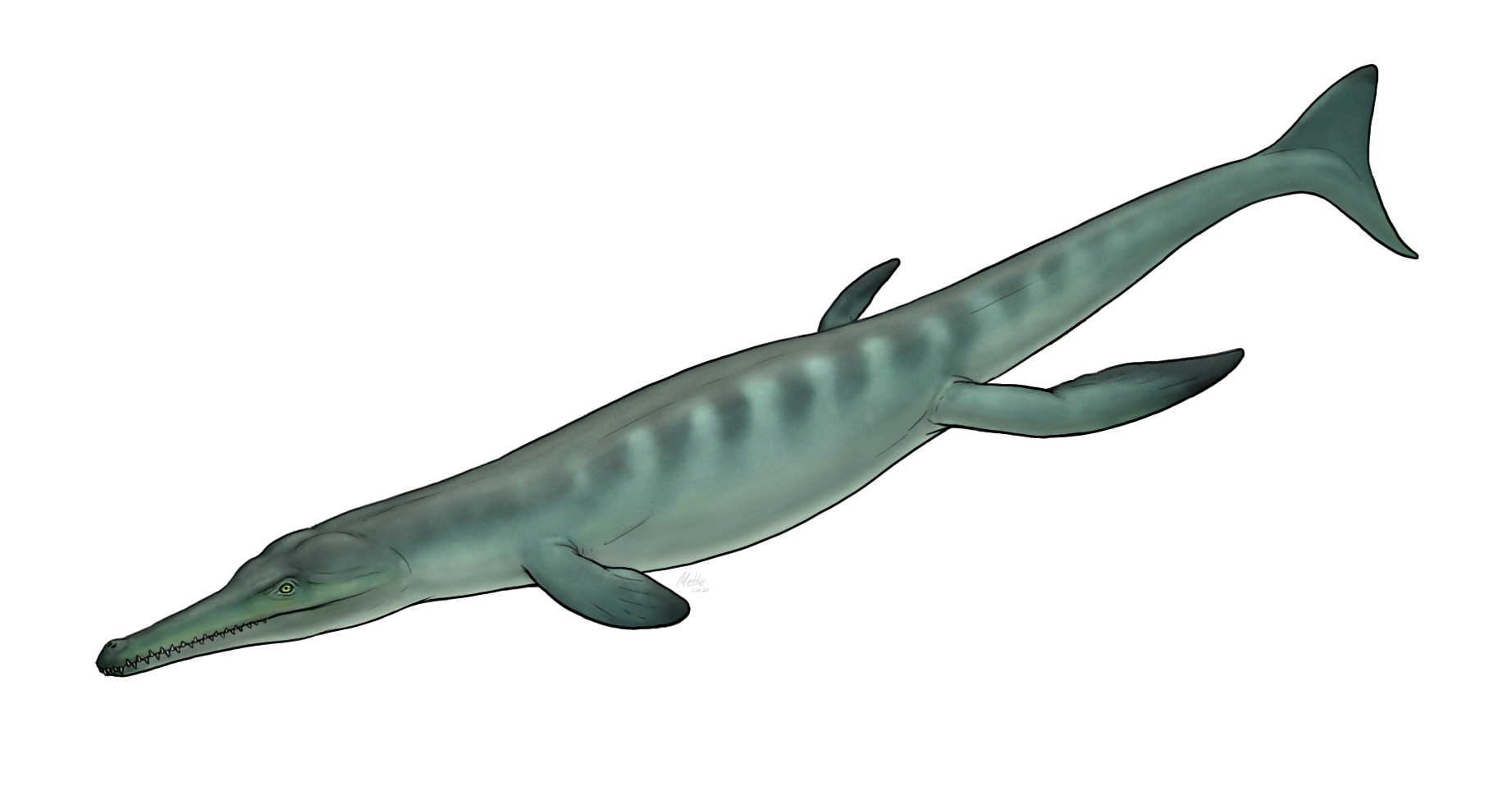
These weren’t your average crocodiles. Metriorhynchids were fully committed ocean-goers that never touched land again, evolving a complete loss of their bony armor along with hydrofoil-like forelimbs, a shark-like tail fluke, and large salt glands built for life at sea.
Recent studies show that genera like Dakosaurus were apex predators in marine ecosystems during the Late Jurassic, with robust skulls and bite forces built for tackling large prey. The wild part: these crocodiles shed their armor entirely, something almost no other croc relative in history has done. They lived alongside plesiosaurs like Kimmerosaurus and giant pliosaurs that likely hunted them right back – losing armor made them faster, but it also made them vulnerable, a trade-off that eventually cost their entire lineage.
Quick Compare
- Metriorhynchus: Shed all bony armor, built for speed and open-water swimming
- Dakosaurus: Kept a robust skull with strong bite force for tackling large prey
- Shared trait: Both evolved shark-like tail flukes and salt glands for full-time ocean life
- Trade-off: Losing armor boosted speed but left them exposed to bigger predators
#6 – Squalicorax, the Original Scavenger-Predator Hybrid
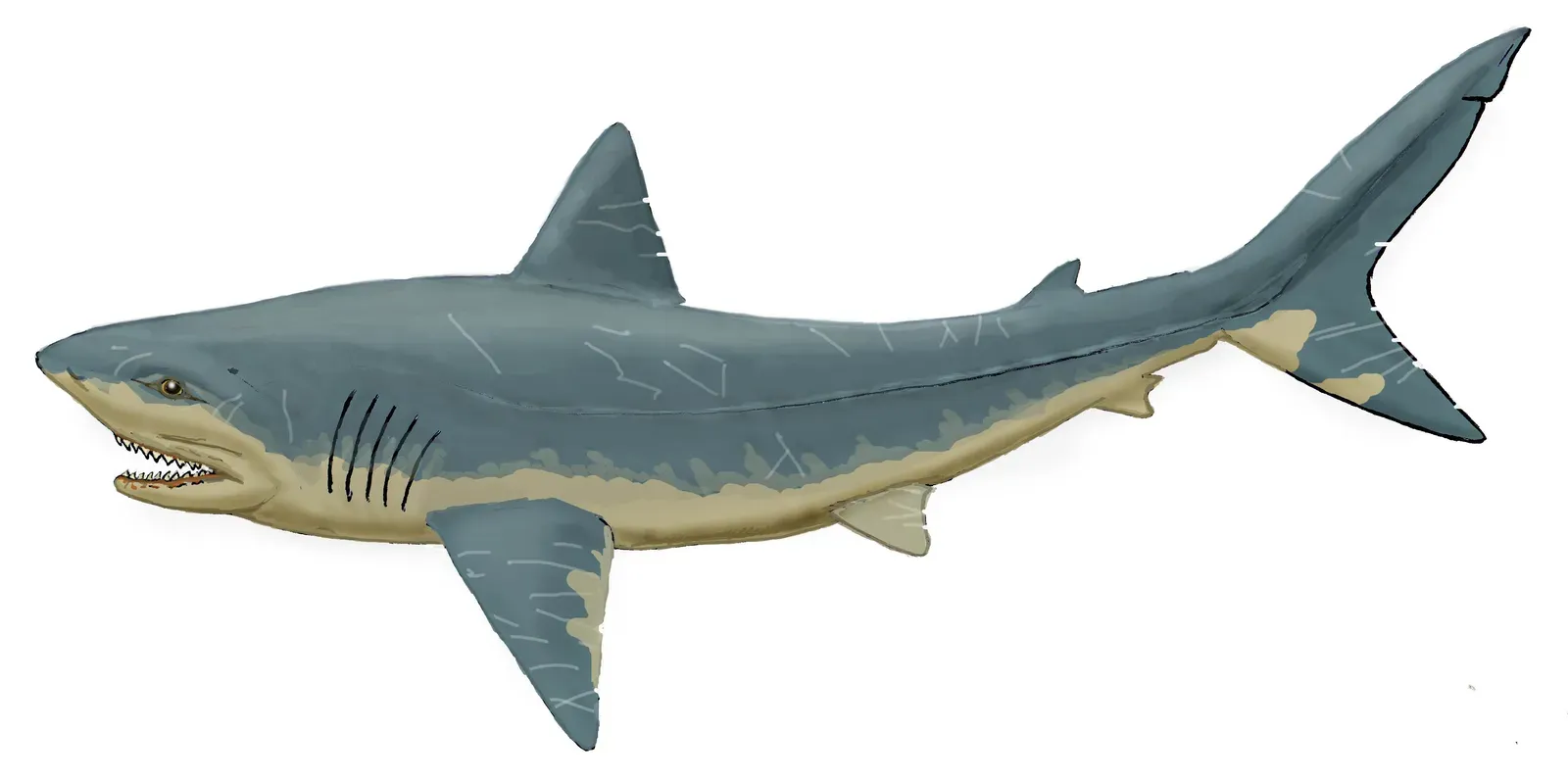
Squalicorax didn’t care if its meal was still breathing, and that flexibility made it one of the most successful sharks of the Cretaceous. Known as the crow shark, it overlapped in prey size and habitat with the biggest animals in its ecosystem, and it wasn’t picky about how a meal arrived.
There are multiple records of Squalicorax kaupi consuming the flying reptile Pteranodon, proving this shark snapped up anything unlucky enough to hit the water. Most people picture ancient sharks as pure hunters, but Squalicorax built its success on being an opportunist first. It wasn’t the biggest predator in the Western Interior Seaway, but its willingness to scavenge carcasses meant it rarely went hungry, and that adaptability kept it thriving for millions of years.
#5 – Cretoxyrhina, the “Ginsu Shark” That Feared Nothing
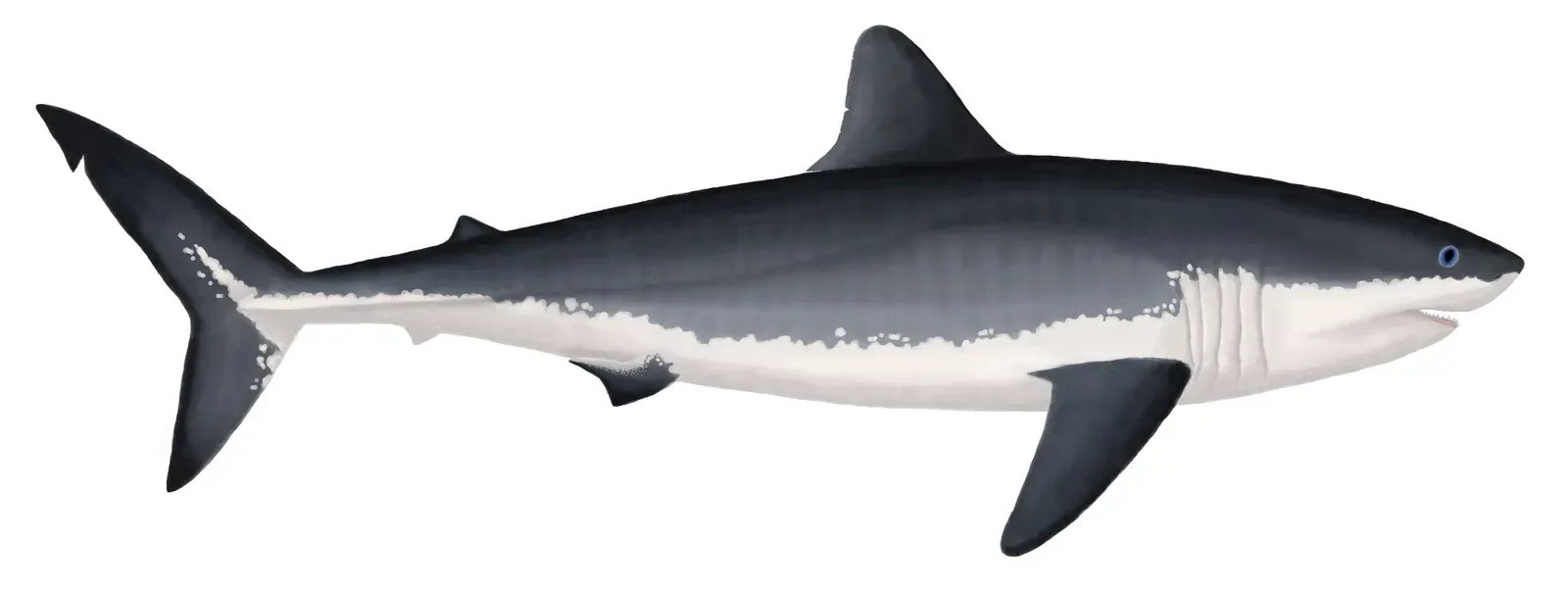
Cretoxyrhina earned the nickname “Ginsu shark” for a reason that should terrify anyone picturing a Great White. It was one of the biggest sharks of its time, with a diet that included almost anything unlucky enough to cross its path – including mosasaurs. Its teeth grew up to seven centimeters long, smooth with thick enamel, built for tearing through tough shells and bone alike.
Here’s the fact that should reframe everything: a large Cretoxyrhina specimen was discovered with actual Xiphactinus remains still sitting in its stomach. This wasn’t a scavenger picking at scraps. It was actively hunting down other apex predators, and few animals in Earth’s history have been this indiscriminately dangerous.
#4 – Xiphactinus, the Giant Fish That Swallowed Its Own Downfall
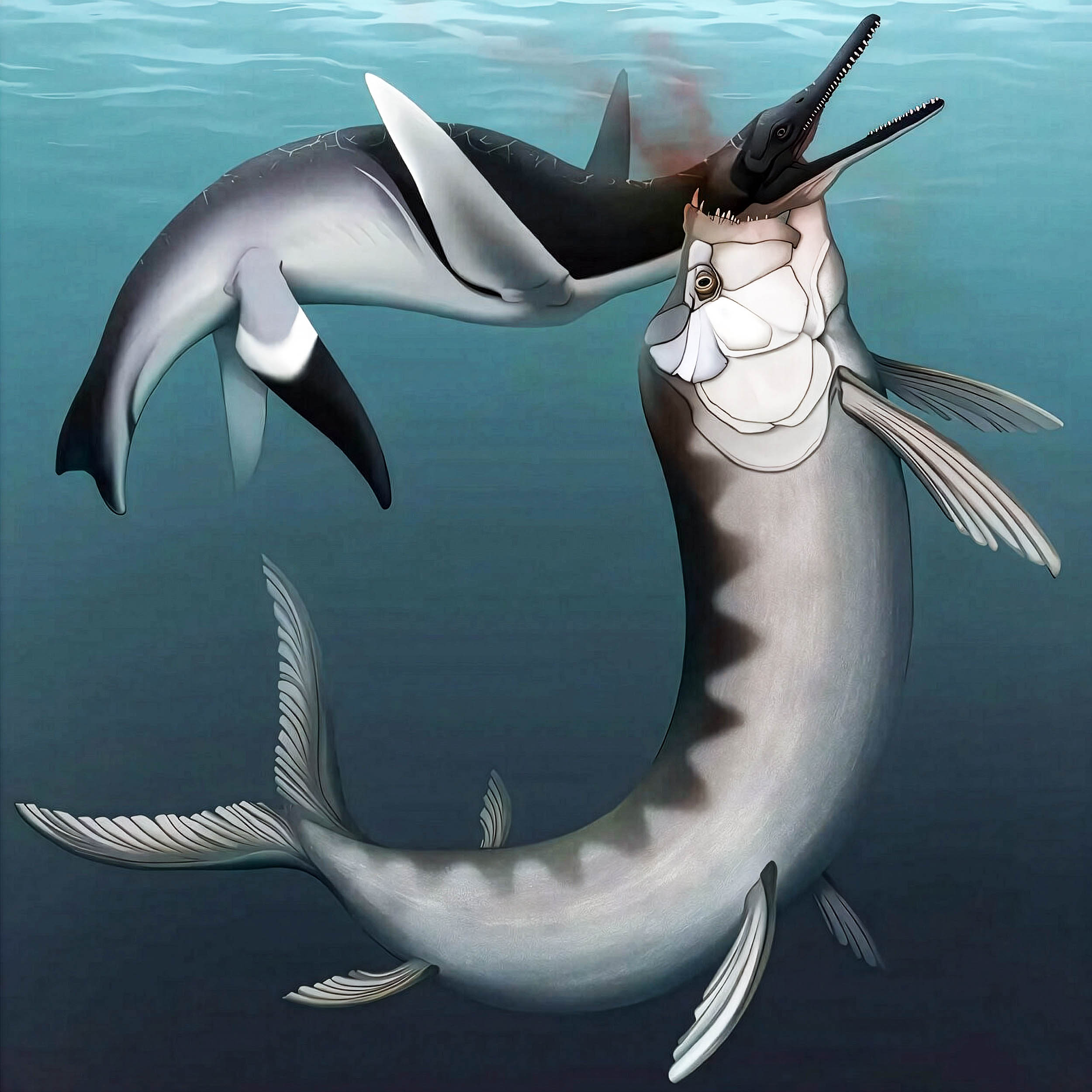
Xiphactinus had one fatal flaw: it swallowed prey whole, and sometimes that prey fought back from inside its stomach. As the largest known bony fish of the Late Cretaceous, it resembled a massive, fanged tarpon, reaching 5 to 6 meters in length and up to 1.43 metric tons.
A number of skeletons have been found with undigested prey still in their stomachs – the most famous of which sits at the Sternberg Museum of Natural History in Hays, Kansas. The most bizarre discovery: specimens have been found preserved inside one another, confirming Xiphactinus was cannibalistic, meaning smaller individuals had to worry about being eaten by their own kind. Despite its size, it still wasn’t the apex predator – mosasaurs and giant sharks outranked it.
#3 – Leedsichthys, the Gentle Giant Nobody Can Actually Measure
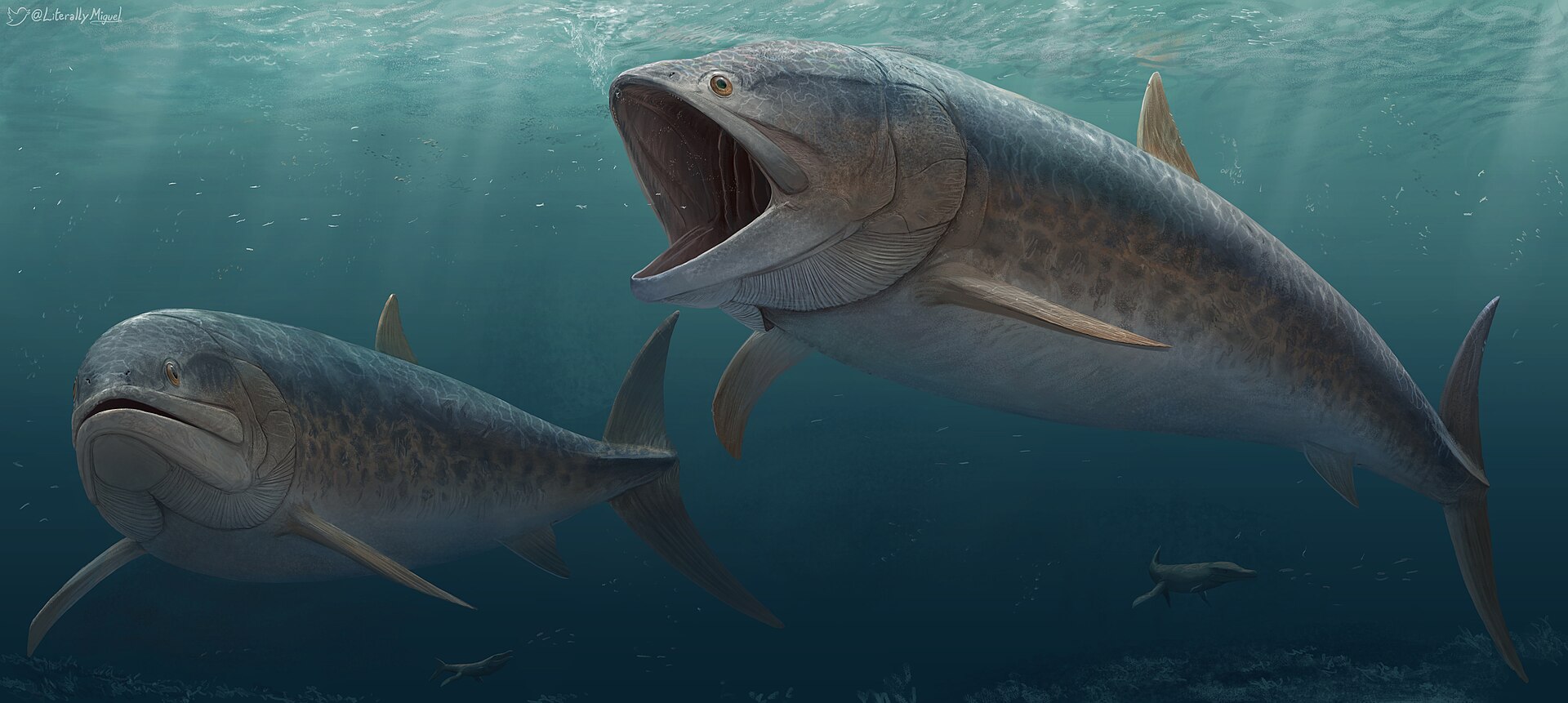
Leedsichthys might be one of the biggest bony fish that ever lived, but paleontologists genuinely can’t agree on how big. This Jurassic filter-feeder is known almost entirely from fragmentary fossils, which has turned size estimates into one of paleontology’s longest-running debates.
Some reconstructions push it toward whale shark proportions, cruising through Jurassic seas with an open mouth, straining plankton and small crustaceans instead of hunting fish. The most frustrating truth: because complete skeletons have never been found, every “record-breaking” size claim about Leedsichthys deserves heavy skepticism. Unlike the toothy predators dominating this list, it likely posed zero threat to anything larger than a shrimp, yet its sheer scale made it an ecological giant that shaped how nutrients moved through the Jurassic food web.
#2 – Temnodontosaurus, the Ichthyosaur With Eyes Built for the Abyss
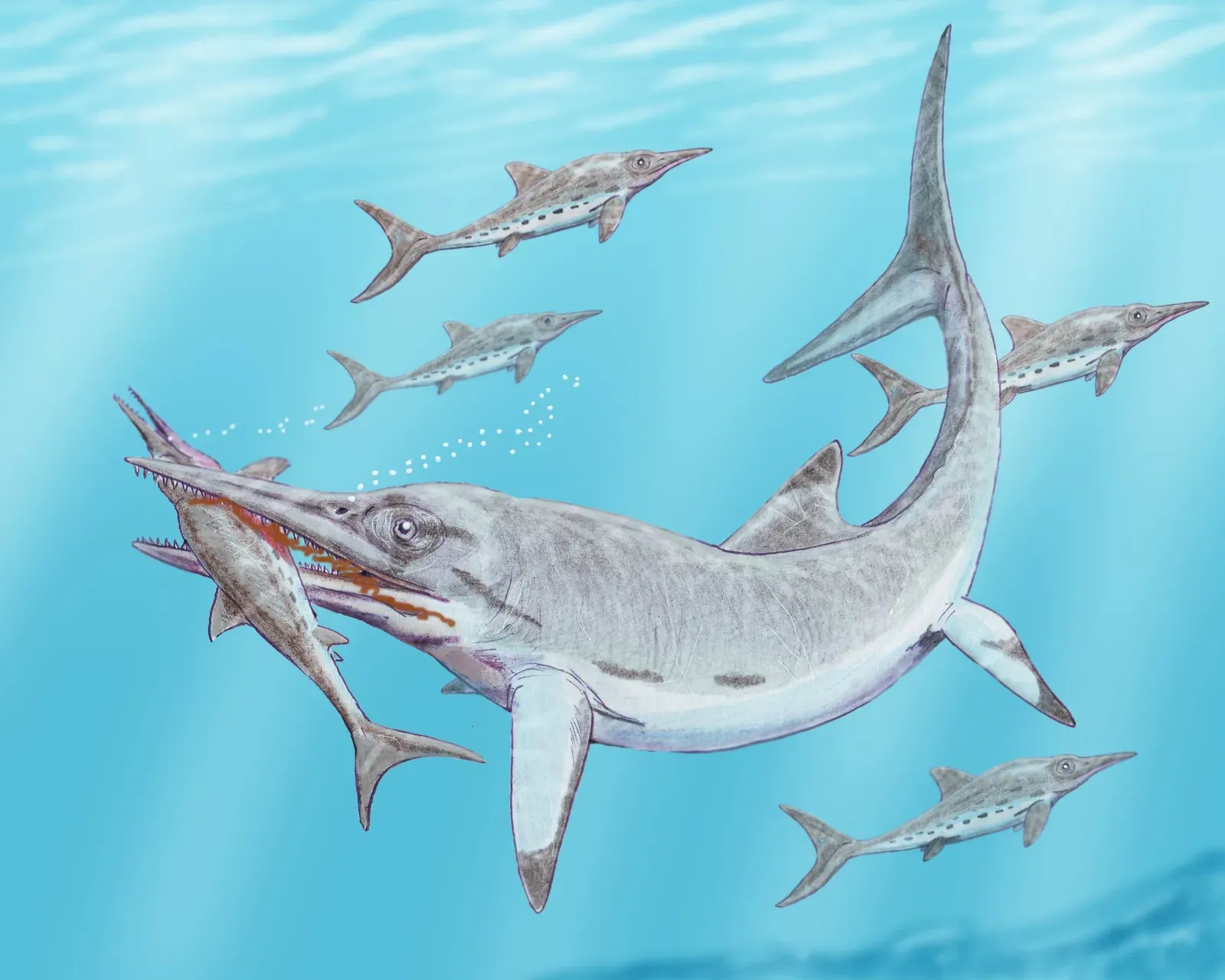
Temnodontosaurus had eyes so large that scientists still use them as a textbook example of extreme sensory adaptation. This Early Jurassic ichthyosaur is famous among paleontologists for possessing some of the largest eyes relative to body size ever documented in a vertebrate – an adaptation believed to help it hunt in deep, dark water where sunlight barely reached.
Most casual dinosaur fans have never heard its name, yet Temnodontosaurus was likely diving deeper and hunting in darker conditions than almost any other marine reptile of its era. Its long, powerful jaws and streamlined, torpedo-shaped body made it an efficient mid-water predator, snapping up squid and fish that other hunters couldn’t even see. While mosasaurs get all the documentary attention, Temnodontosaurus was quietly mastering a hunting niche most predators never touched.
#1 – Pliosaurus funkei, “Predator X” and the Bite That Broke the Internet
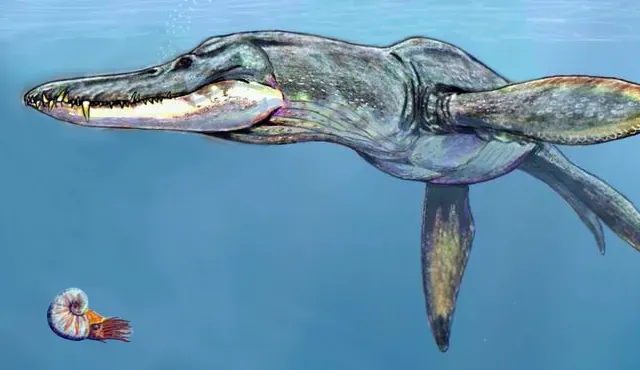
Nothing on this list generated more hype, or more scientific pushback, than the creature nicknamed Predator X. Its bite force was reportedly four times that of Tyrannosaurus rex, theoretically capable of crushing a 4×4 truck, and its four flippers could supposedly send it soaring through the water at five meters a second. That single claim turned an obscure pliosaur into a media sensation almost overnight.
Here’s the controversial twist most headlines never mention: paleontologists have since walked back the wildest numbers. Despite early claims of a bite force over 15 tonnes per square inch, those figures are suspect since we don’t even know what the pliosaur’s complete skull looked like, and no formal bite-force analysis was included in the original description. Even scaled back, at roughly 12 meters long it was shorter than the 17-meter Mosasaurus hoffmanni, but its stocky head still gave it a bite force capable of chomping through giant prey like ichthyosaurs. Exaggerated or not, this was the closest the Mesozoic oceans came to an unstoppable force.
Worth Knowing
- Initial estimate: bite force over 15 tonnes per square inch
- No formal bite-force analysis appeared in the original description
- Estimated length: roughly 12 meters, shorter than the 17-meter Mosasaurus hoffmanni
- The “Predator X” nickname stuck even after the numbers were scaled back
The Bottom Line
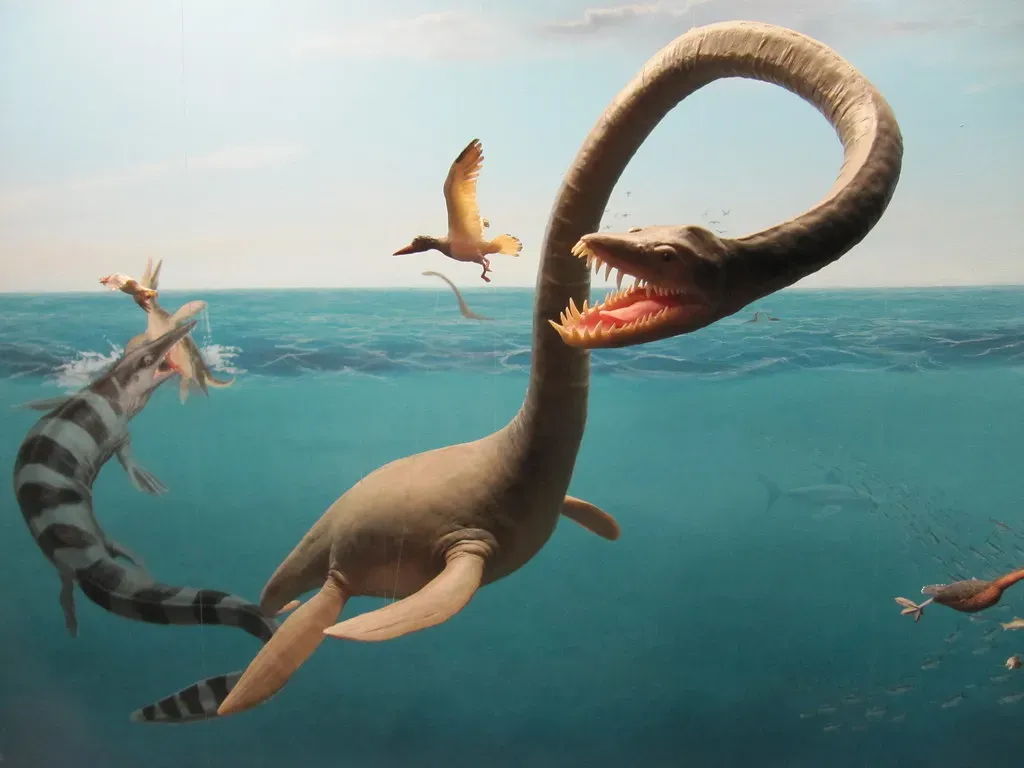
The real story of prehistoric oceans isn’t Mosasaurus and Megalodon – it’s a 250-million-year arms race full of creatures most people have never heard of. Shastasaurus rivaled blue whales in size while barely having teeth. Cretoxyrhina hunted mosasaurs for sport. Predator X’s legendary bite force may have been mostly media hype dressed up as science.
These forgotten predators reshaped ocean food chains again and again, long before anything resembling a modern shark or whale ever existed. Honestly, the fact that Leedsichthys and Temnodontosaurus barely get a mention in mainstream media feels like a genuine scientific crime – they did stranger, more impressive things than half the creatures that get blockbuster documentaries. If prehistoric oceans deserve a reputation, it shouldn’t belong to the two most famous names. It should belong to the fifteen animals that actually built the ecosystem, one bizarre adaptation at a time.