Most people assume the dinosaur-killing asteroid story wrapped up decades ago – textbook-neat, case closed, next question. It hasn’t. Behind the tidy documentaries, researchers are still trading sharp, occasionally testy arguments over what actually caused Earth’s biggest die-offs, including the one some scientists insist is happening right now, to us.
The gaps in the fossil record, the timing puzzles, and the sheer scale of these catastrophes mean certainty is often more marketing than science. Fifteen of the field’s most stubborn disagreements are still playing out in labs and journals long after the public assumed they were settled. Here’s what the researchers actually say once the cameras stop rolling.
#15 – Was There a Second, Undiscovered Asteroid Hiding This Whole Time?
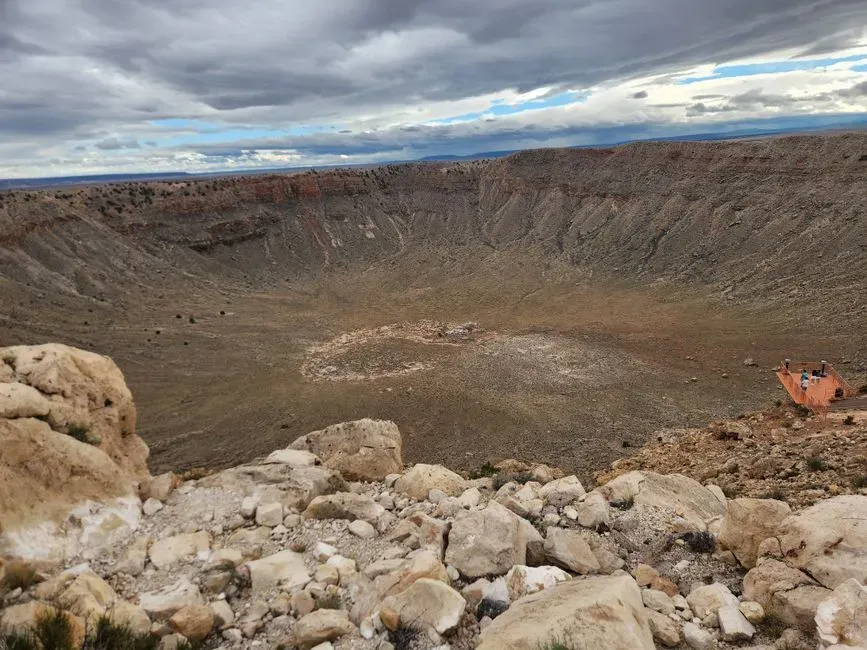
Most people think one asteroid, one crater, one clean ending. Geoscientist Gerta Keller has spent years arguing that’s not nearly enough to explain what she sees in the rock record.
Keller has argued there must have been an asteroid impact at the K-T boundary bigger than Chicxulub, because Chicxulub didn’t cause any mass extinction, and she believes the asteroid that did kill the dinosaurs probably struck Earth somewhere else and remains undiscovered. Her reasoning centers on a thick sediment layer she says separates the Chicxulub impact from the actual extinction boundary.
Critics counter that fossil records could have been shuffled around by an enormous tsunami following the impact, which would explain her anomalous fossils. A missing, undiscovered impact crater is still on the table for some researchers – even though most of the field has moved on. But that’s nothing compared to what we found about #14…
#14 – Did the Volcanoes Start Erupting Before the Asteroid Even Hit?
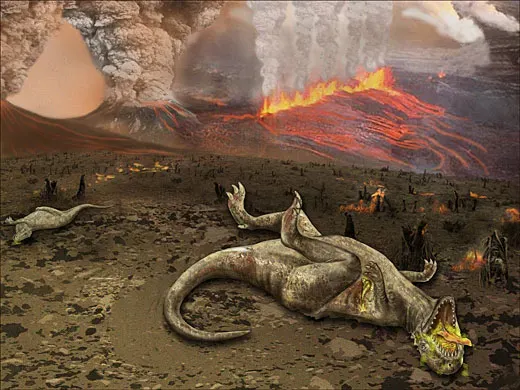
Timing is everything in a murder investigation, and this one has a genuinely messy timeline.
The main eruption phases for the Deccan Traps, which were once three times larger than France, began roughly 250,000 years before the extinction event. That single detail flips the usual asteroid-only story on its head. If volcanism was already reshaping the climate a quarter-million years before the impact, the dinosaurs may have taken the hit while already weakened.
Fast Facts
- The Deccan Traps once covered an area roughly three times the size of France
- Main eruptions began about 250,000 years before the K-Pg extinction boundary
- Total volcanic activity spanned close to one million years
- The eruptions released enormous volumes of CO2 and sulfur dioxide into the atmosphere
The results support the idea that the Deccan Traps played a role in the K-Pg extinction and challenge the theory that the meteorite impact was the sole cause, with researchers suggesting the eruptions and the impact need to be considered together. Four of the five biggest extinctions in the last 500 million years lined up with massive volcanic eruptions like this one – making the asteroid the outlier, not the rule. Wait until you see what a supercomputer had to say about it in #13…
#13 – Can a Supercomputer Out-Argue 40 Years of Paleontologists?

Scientists spent decades yelling past each other about asteroids versus volcanoes. So a team decided to remove humans from the argument entirely.
Researchers tried a new approach to resolve the debate over whether it was a giant asteroid or volcanoes that wiped out the dinosaurs by removing scientists from the debate and letting computers decide, creating a model powered by 130 interconnected processors that reverse-engineered the extinction until it matched the fossil record.
The machine didn’t split the difference politely. The model determined that while a meteorite contributed to the cataclysm, the outpouring of climate-altering gases from the nearly 1-million-year eruptions of the Deccan Traps would have been sufficient to trigger the extinction on its own. An unbiased algorithm sided with volcanoes, not the asteroid, as the sufficient cause – a result that ruffled plenty of feathers. But that’s nothing compared to what we found about #12…
#12 – Was Sulfur Actually the Real Killer, or a Red Herring?
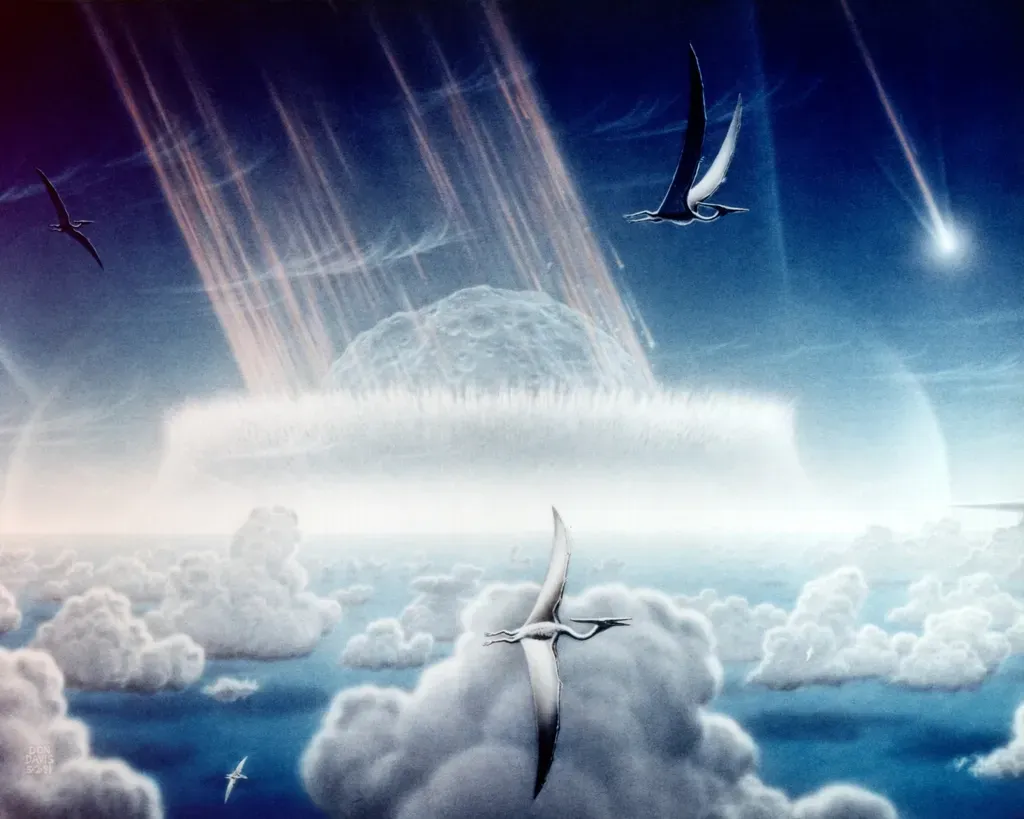
Everyone assumes the impact winter did the damage through dust and darkness. New chemistry says the story might be more complicated.
Recent research has revisited the assumption that large volumes of sulfur released from rocks within the Chicxulub impact drove the mass extinction, with newer findings suggesting the asteroid impact’s sulfur release may have been less lethal than previously believed. If sulfur wasn’t the primary weapon, something else has to fill that gap – and researchers aren’t agreed on what.
This matters because the exact killing mechanism changes how fast the extinction unfolded and which species had any chance of surviving. The specific chemical “bullet” that ended the age of dinosaurs is still being re-litigated in laboratories today. Because #11 asks an even bigger question…
#11 – Were the Dinosaurs Already Doomed Before the Sky Fell?
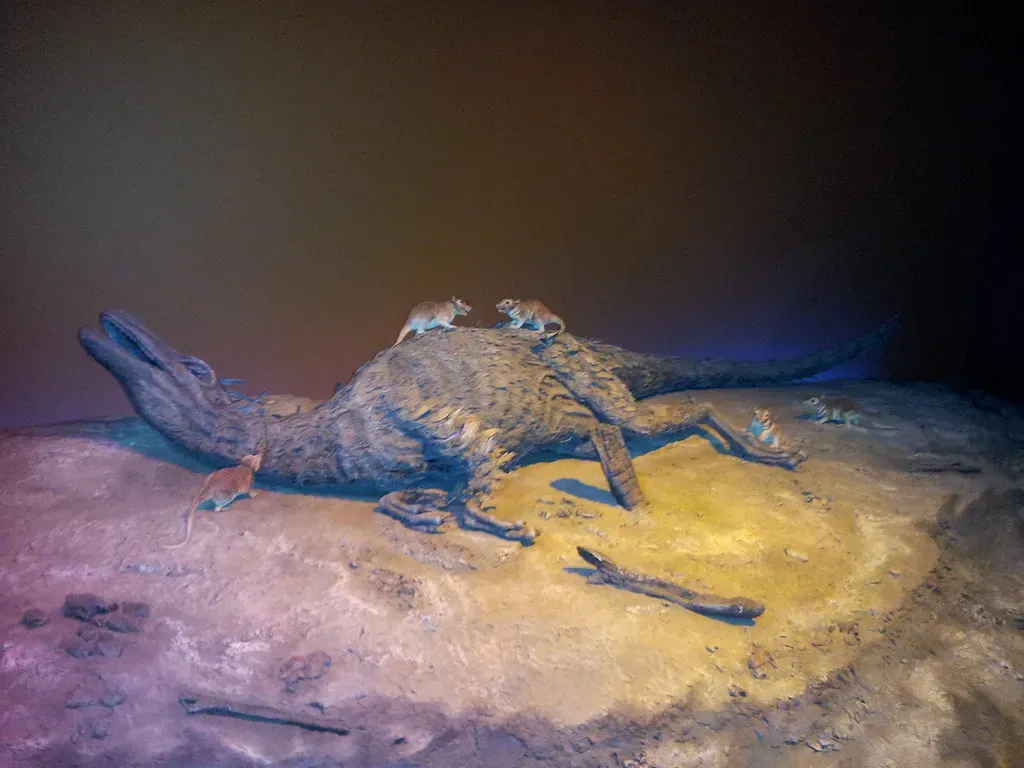
This is the debate that refuses to die, and two recent studies landed on opposite sides of it within a few years of each other.
The question of why non-avian dinosaurs went extinct 66 million years ago remains unresolved because of the coarseness of the fossil record, and one study found that six major dinosaur families were already in decline in the preceding 10 million years, possibly due to global cooling and competition among herbivores. A separate Bayesian analysis went even further, finding overwhelming support for a long-term decline across all dinosaurs and within all three dinosaurian subclades, where speciation rate slowed and was ultimately exceeded by extinction rate tens of millions of years before the K-Pg boundary.
But newer fossil-record modeling pushes back hard: a UCL-led study suggests gaps in the fossil record, not a real drop in biodiversity, might better explain the apparent decline, with researchers believing the trend is misleading. Whether dinosaurs were thriving or already crumbling the day the asteroid hit is a coin toss between two respected camps. But that’s nothing compared to what we found about #10…
#10 – What Actually Suffocated Earth’s Oceans During the “Great Dying”?
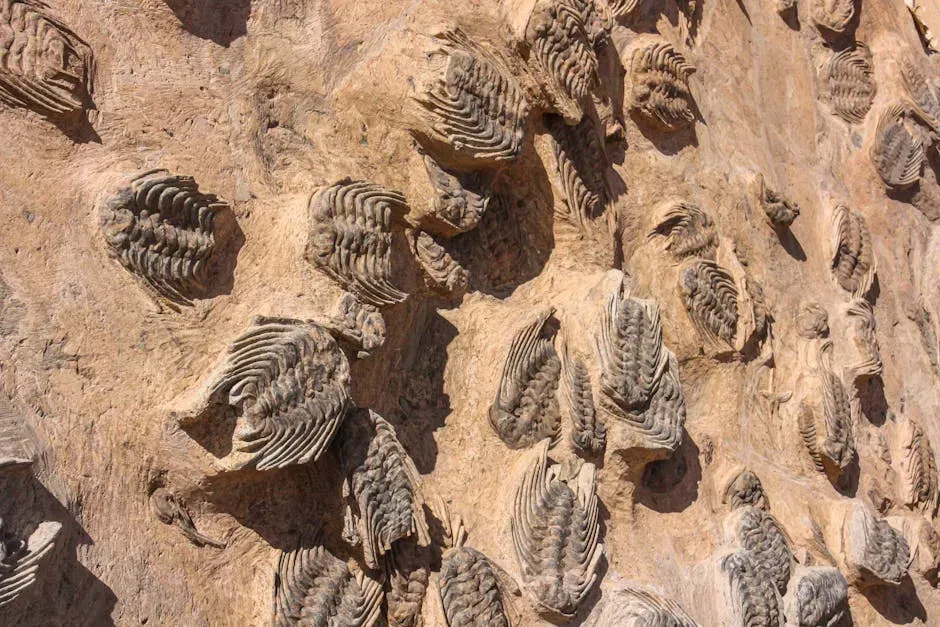
The end-Permian extinction killed more life than any event in Earth’s history, and scientists still can’t agree on the exact murder weapon that turned the oceans lethal.
What has been debated is exactly what made the oceans inhospitable to life – the high acidity of the water, metal and sulfide poisoning, a complete lack of oxygen, or simply higher temperatures – when roughly 96 percent of marine species died off. Some newer work leans toward heat itself as the primary suffocation mechanism, while other teams still point to toxic metals seeping from volcanic rock.
A different history is found in northern Boreal latitudes, including an earlier crisis that merits further study to fully understand the course and cause of the extinction. Nearly every plausible ocean-killing mechanism has its own dedicated research camp, and none has knocked out the others. And #9 gets even weirder…
#9 – Was the Permian Extinction One Knockout Punch or Two?
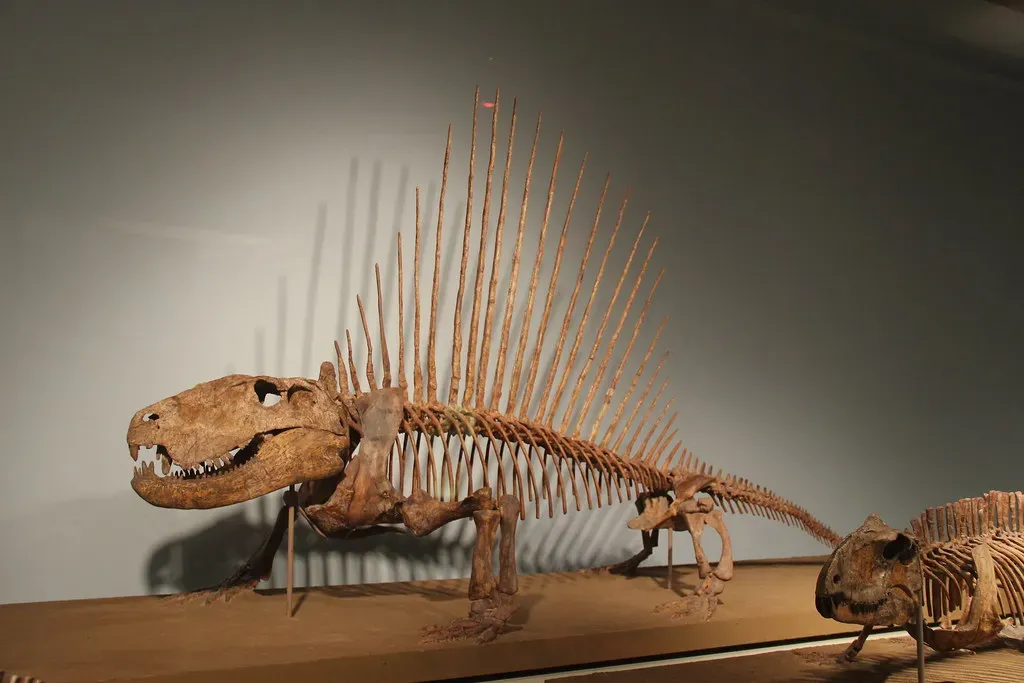
Most people picture the Great Dying as a single catastrophic event. The rock record tells a stranger story.
There was a selective extinction pulse 10 million years before the main Permian-Triassic event, at the end of the Capitanian stage, a preliminary extinction that greatly reduced ecological disparity, with environmental factors apparently responsible. Diversity and disparity fell further until the boundary, where the extinction was non-selective, consistent with a catastrophic initiator.
That means life may have been staggered by an earlier blow before the real killer arrived. Researchers still argue over whether these were genuinely separate crises or one long, uneven collapse that just looks like two events in incomplete rock layers. A “warm-up” extinction a full 10 million years early complicates the entire single-cause narrative. But that’s nothing compared to what we found about #8…
#8 – How Long Did Life Actually Take to Recover From the Worst Extinction Ever?
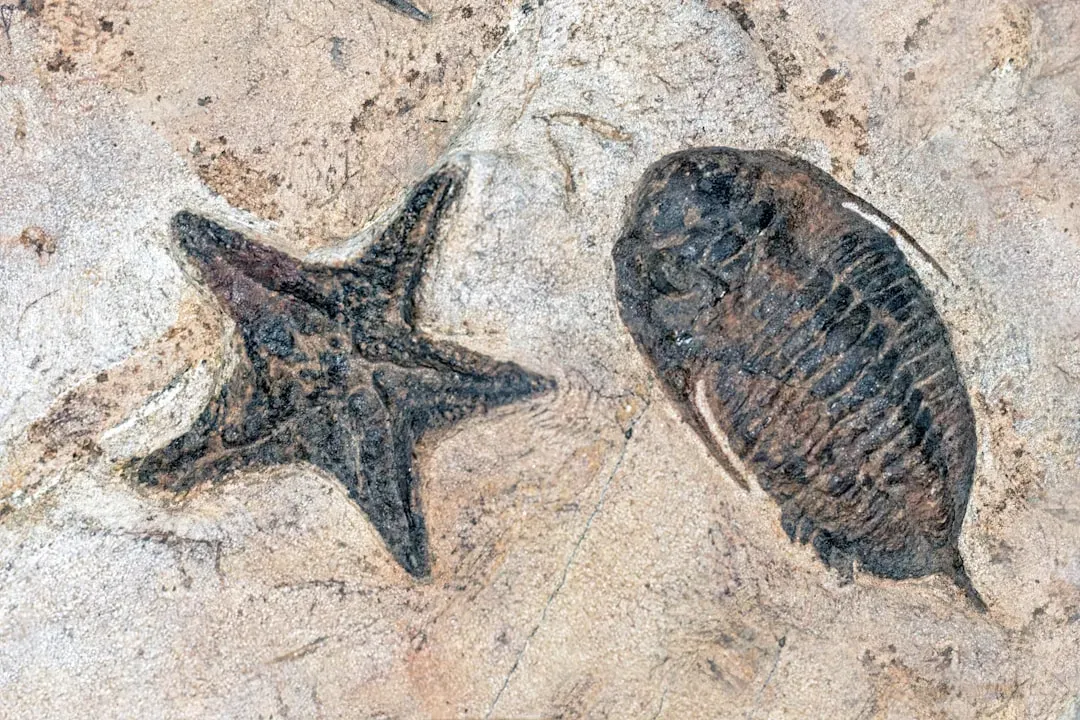
You’d think recovery time would be easier to pin down than the cause. It isn’t.
It has been traditionally postulated that the Early Triassic recovery took at least 5-6 million years, but new and abundant palaeontological data suggest that different fossil groups had strikingly different recovery patterns. Triassic ammonoids appeared during the extinction interval and then rapidly diversified, while fishes and marine reptiles show apparently explosive diversification very early in the Early Triassic.
Quick Compare
- Traditional view: full recovery took 5-6 million years across the board
- Ammonoids: appeared and rapidly diversified during the extinction interval itself
- Fish and marine reptiles: explosive diversification very early in the Early Triassic
- Brachiopods and ostracods: recovery dragged into the late Early Triassic to early Middle Triassic
Meanwhile brachiopods and ostracods took a longer time to recover, until late Early Triassic to early Middle Triassic. Some groups bounced back in a geological blink while others limped along for millions of years longer – and there’s still no agreed-upon single “recovery date” for the planet. Yet #7 breaks the rules even further…
#7 – Did Everything Really Shrink After the End-Permian Extinction?
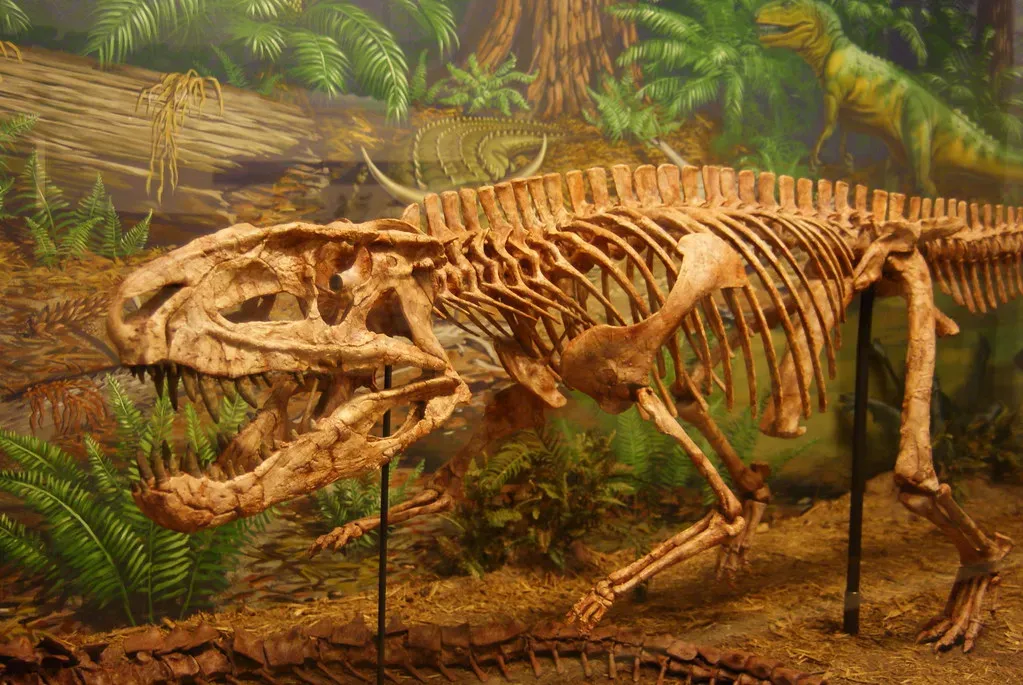
There’s a famous pattern called the Lilliput effect, where survivors of a mass extinction come out smaller. It’s not as universal as the textbooks imply.
The Lilliput effect, the phenomenon of dwarfing of species during and immediately following a mass extinction event, has been observed across the Permian-Triassic boundary, notably in foraminifera, brachiopods, bivalves, and ostracods. But though gastropods that survived were smaller than those that didn’t, it remains debated whether the Lilliput effect truly took hold among gastropods, and some gastropod taxa actually ballooned in size, exemplifying the effect’s opposite.
Some survivors got smaller while others in the exact same environment got bigger – a contradiction paleontologists still haven’t fully explained. This is a pattern too messy for a single clean rule. But that’s nothing compared to what we found about #6…
#6 – Did a Comet Really Wipe Out the Ice Age’s Giant Beasts?
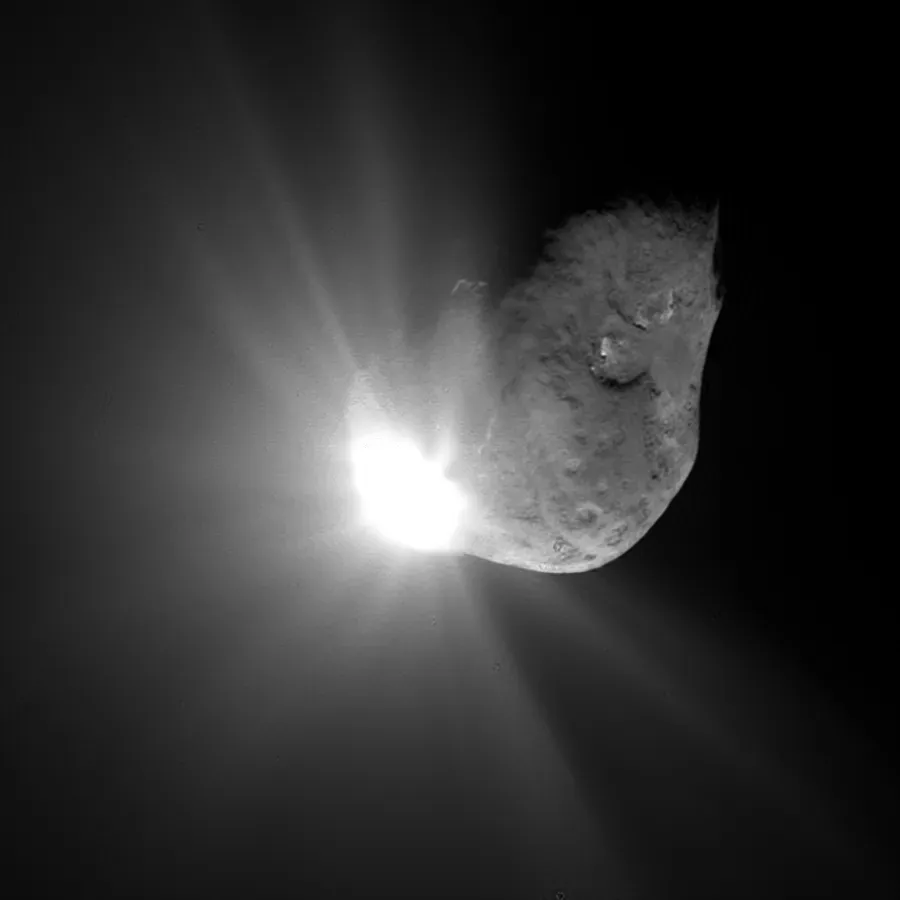
This one split the scientific community almost instantly, and it still hasn’t fully healed.
The Younger Dryas Impact Hypothesis, controversial from the time it was presented in 2007, proposes that an asteroid or comet hit Earth about 12,800 years ago, causing extreme cooling that contributed to extinctions of more than 35 species of megafauna including giant sloths, sabre-tooth cats, mastodons and mammoths. Early critics dismissed it outright, and soon after publication a few scientists reported they were unable to replicate the critical evidence, so the community largely rejected the hypothesis.
At a Glance
- Hypothesis first proposed in 2007
- Proposed impact dated to roughly 12,800 years ago
- Linked to the extinction of more than 35 megafauna species
- Early replication attempts failed, but supporting evidence has since been reported at dozens of sites
Yet by today, many independent studies have reproduced that evidence at dozens of sites. A theory once treated as fringe science is quietly clawing its way back into serious debate. Many researchers still call it overreach; others say it was dismissed too fast. And #5 is the argument that never really ended…
#5 – Humans or Climate: Who Actually Killed the Mammoths?
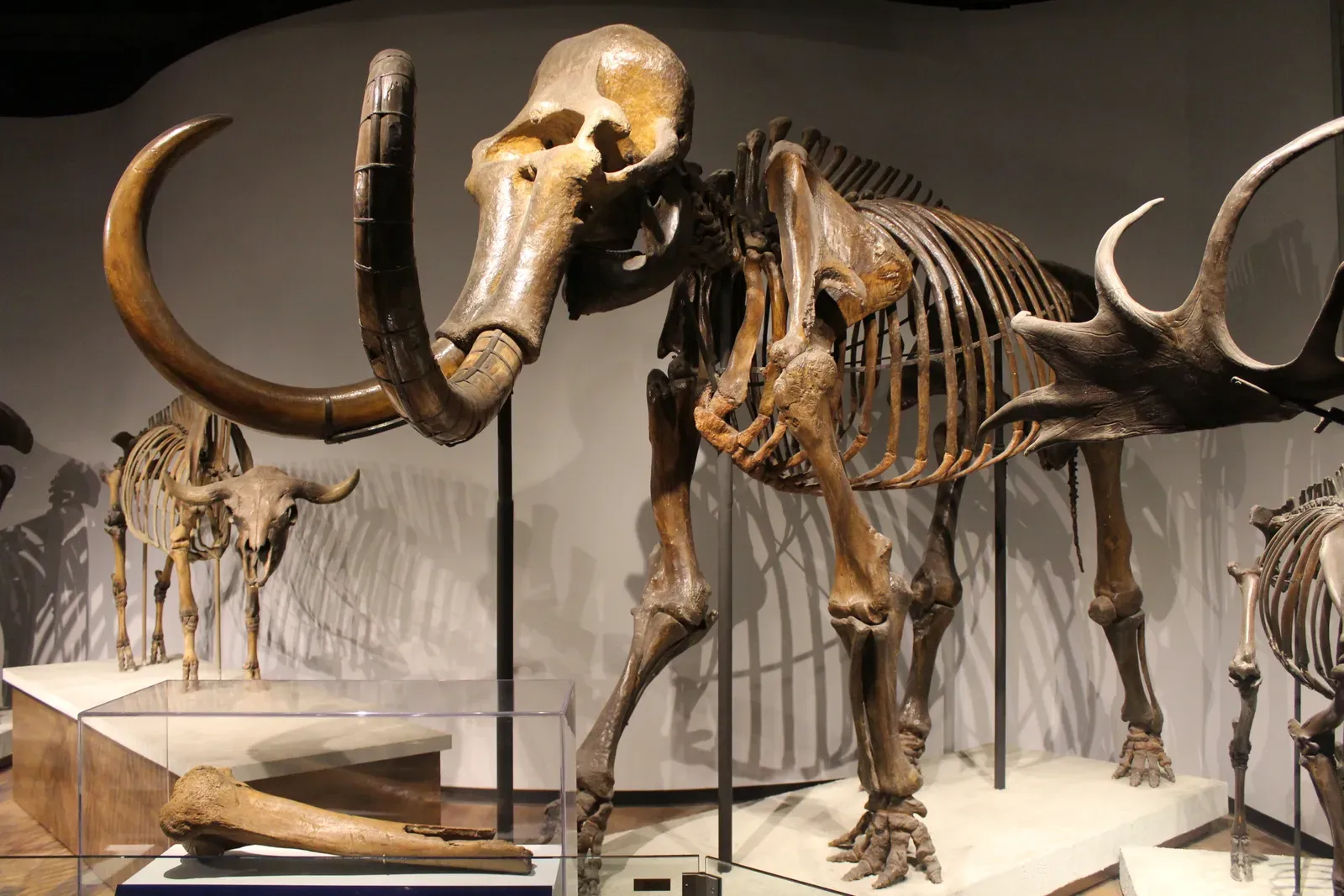
This is the granddaddy of extinction arguments, and it still divides labs down the middle.
The cause of the end-Pleistocene megafauna extinction has long been debated and remains highly controversial in part because the two major competing hypotheses, human overkill and abrupt cooling, fall short of explaining many observations. Complicating things further, humans coexisted with megafauna like mammoths for tens of thousands of years in Eurasia before their eventual disappearance, challenging the idea of a rapid human-driven extinction.
That single fact undercuts the simplest “humans hunted them all” version of the story. Neither hunting alone nor climate swings alone lines up cleanly with when different species actually vanished on different continents. Most experts now suspect a one-two combination, but nobody agrees on the ratio. But that’s nothing compared to what we found about #4…
#4 – What Even Counts as a “Mass Extinction,” Anyway?
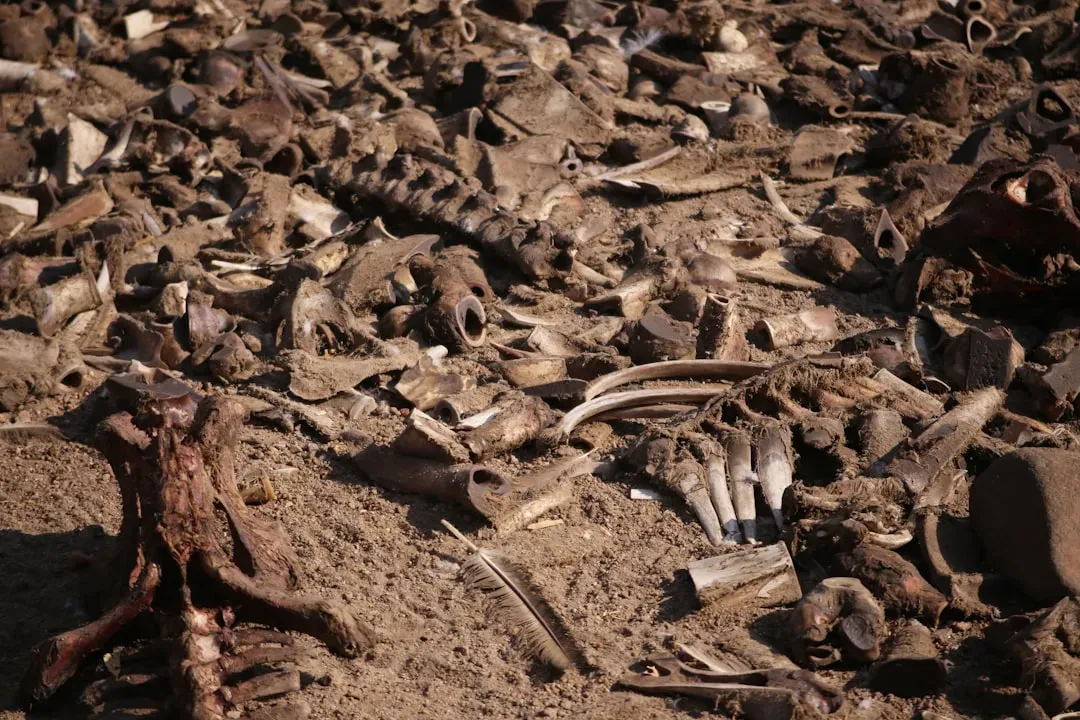
This sounds like a technicality. It is actually one of the most heated fights in the field right now.
Five mass extinction events have traditionally been recognized, initially based on marine animals across the last 541 million years, with five time intervals having extinction rates significantly above background levels. But subsequent studies have not always supported these “Big Five,” especially given the difficulty in statistically separating mass extinctions from background rates.
Worth Knowing
- The “Big Five” span roughly the last 541 million years of Earth’s history
- End-Ordovician extinction: nearly 85% of species lost
- End-Permian “Great Dying”: roughly 96% of species lost, the worst on record
- End-Cretaceous extinction: about 75% of species lost, including all non-avian dinosaurs
The definition of mass extinction is unclear, as is the number of species that will go extinct in the future. Scientists can’t even fully agree on how many mass extinctions Earth has actually had, let alone what officially qualifies as the next one. Without a shared yardstick, every headline claiming a “new mass extinction” is standing on shakier ground than it sounds. Which brings us to the debate everyone assumes is already settled…
#3 – Did an Asteroid or Volcanoes Actually End the Dinosaurs’ 170-Million-Year Reign?
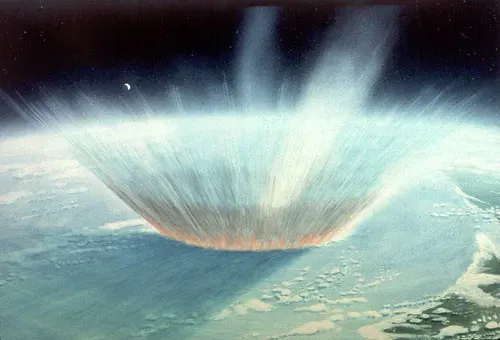
This is the debate most people assume is settled. It genuinely is not, even at the highest levels of the field.
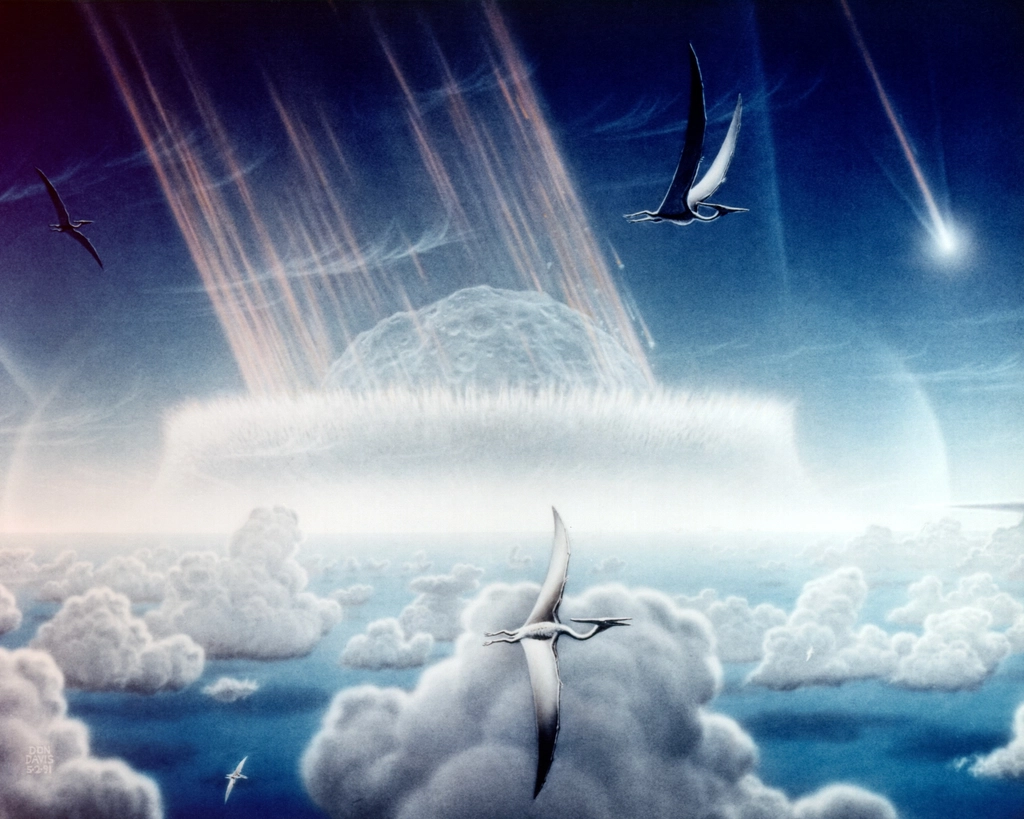
The effect is clear, but the cause of the extinction is unresolved – early theories attributing it to volcanic eruptions were eclipsed by the discovery of the Chicxulub crater, and the theories have begun to converge as fossil evidence suggests a one-two punch. But scientists still do not know, nor agree on, the extent to which each event contributed.
The longstanding debate is centered mainly around two potential triggers, with the key issue being the temporal relationships among these two catastrophic events and the biotic turnovers they caused. After more than 40 years of research, papers, and conferences, the two biggest names in extinction science still can’t agree on the split between asteroid and volcano. That’s not a minor footnote – it’s the central unresolved question of the most famous extinction on Earth. But that’s nothing compared to what we found about #2…
#2 – Is a Sixth Mass Extinction Really Happening Right Now?
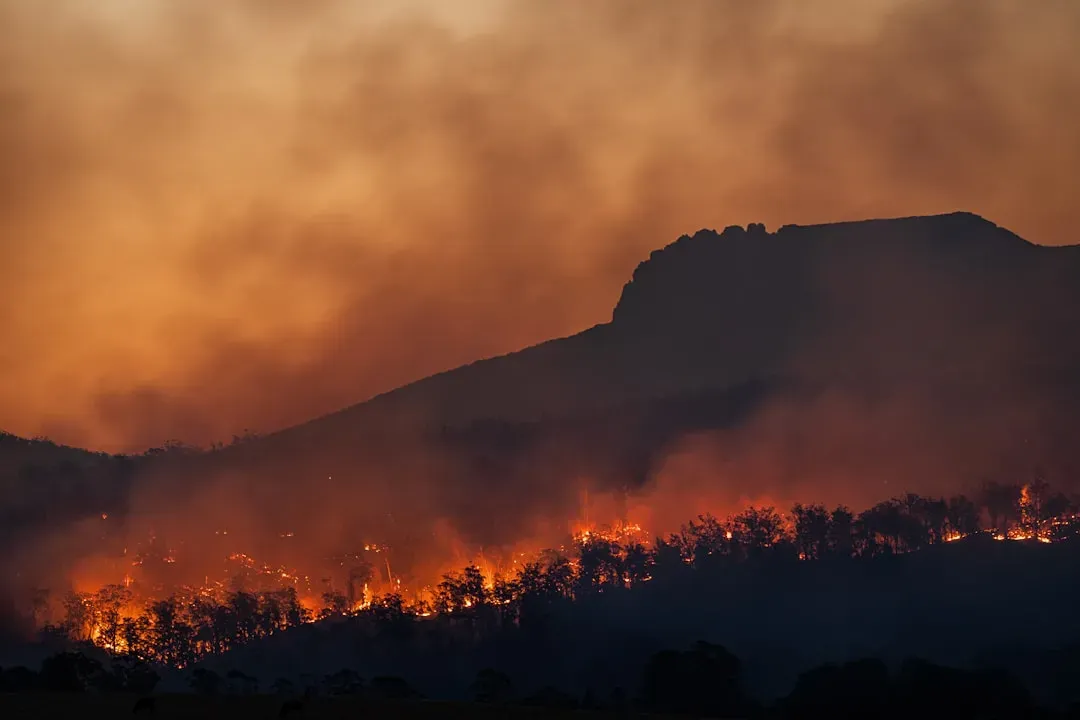
This is the one that should genuinely unsettle you, because it’s not ancient history – it’s a live argument about the present moment.
The oft-repeated claim that Earth’s biota is entering a sixth mass extinction depends on demonstrating that current rates are far above background rates, and even under extremely conservative assumptions, the average rate of vertebrate species loss over the last century is up to 100 times higher than background, indicating an exceptionally rapid loss of biodiversity. But a direct rebuttal argues otherwise: some authors have projected loss of 75% of global species diversity in hundreds of years, yet fewer than 0.1% of Earth’s known species have actually gone extinct in the last 500 years.
One prominent ecologist questions whether these claims hold up under careful scrutiny, noting that some researchers have said anything above the background extinction rate counts as a mass extinction – a bar he considers far too low. Some of the field’s own leading voices think the “sixth mass extinction” label is scientifically premature, even reckless. And #1 is the one scientists really don’t want to say out loud…
#1 – Is the Whole “Mass Extinction” Story Being Oversold to the Public?
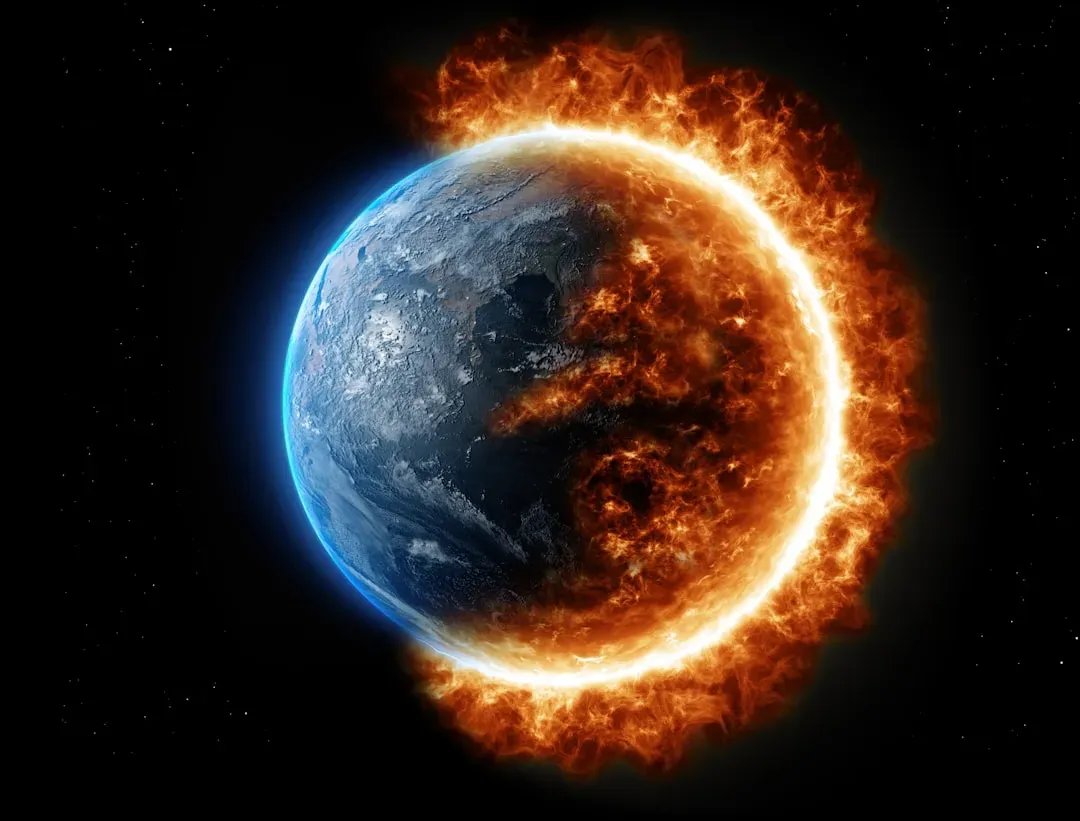
Here’s the debate underneath every other debate on this list, and it’s the most uncomfortable one for scientists to admit out loud.
One recent evaluation found that the scientific evidence for a sixth mass extinction is questionable, and argued that continuing to use the phrase risks the credibility of conservation biology and science in general – while rejecting scrutiny out of fear of media coverage is particularly inappropriate. That’s a striking statement from inside the field itself.
Meanwhile defenders counter that most scientists agree overall extinction rates are much higher now than at any time in the past several million years, and for some researchers it’s clear the current crisis already qualifies as a mass extinction. There is great debate about the exact rate at which biodiversity loss is happening and its scale, and many geologists do not believe the current crisis meets the threshold of past mass extinctions in the geological record. Even the scientists sounding the loudest alarms disagree on whether the alarm itself is scientifically accurate – and that tension isn’t going away anytime soon.
The Bottom Line

Fifteen supposedly “settled” extinction stories, and not one of them is actually closed. Scientists still argue over whether an asteroid or volcanoes finished off the dinosaurs, whether a mystery second impact is still hiding somewhere, and whether we’re currently living through history’s sixth mass extinction or a statistical exaggeration.
Here’s the uncomfortable opinion buried in all this data: the certainty sold to the public rarely matches the certainty inside the field. Extinction science runs on incomplete rock records, competing models, and researchers who read the same evidence and land on opposite conclusions – and that’s not a flaw, it’s the process working exactly as it should.
If anything should worry you, it isn’t that scientists disagree. It’s how confidently those disagreements get erased by the time they reach a textbook, a documentary, or a headline. The real story of extinction isn’t a closed case – it’s an open argument, and it’s been open a lot longer than anyone selling you a tidy ending wants to admit.