Picture the moment a species gets its official obituary. A committee reviews the evidence, the paperwork goes through, and a name is quietly moved into the “extinct” column of a database somewhere. Case closed. Except sometimes it isn’t – over 100 species previously declared extinct have since turned up alive, some after millions of years of presumed absence from the fossil record entirely.
These aren’t blurry cryptid photos or wishful misidentifications. They’re DNA-tested, museum-verified, scientifically confirmed comebacks – and some of these timelines will genuinely mess with your sense of how extinction is supposed to work. One species on this list vanished before the pyramids existed. Another was sold as dinner in a food market. Keep reading, because the last entry outlived the dinosaurs not once, but twice.
#16 – The Bermuda Petrel That Hid For 300 Years
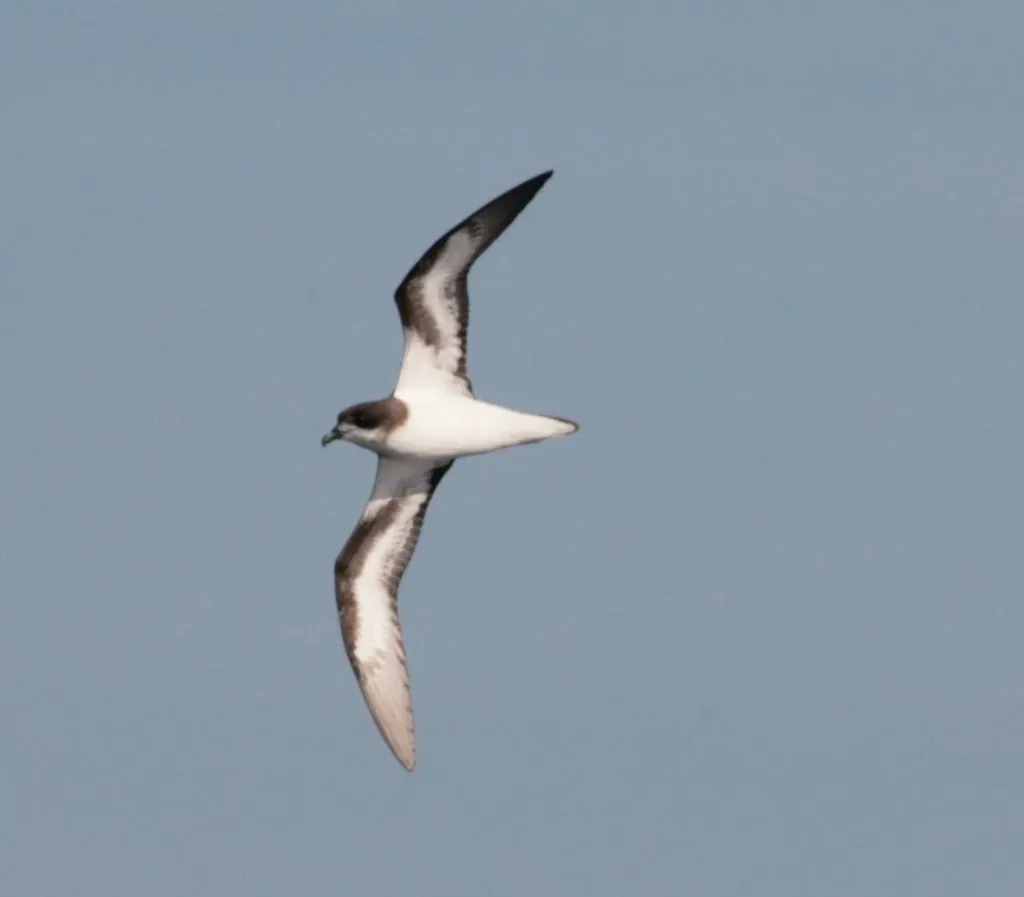
The cahow vanished from human sight for so long that most people assumed it was a myth, not a memory. The Bermuda petrel, once thought extinct since the 1620s, shocked conservationists in 1951 when 18 nesting pairs were found on remote islets in Bermuda. This seabird was presumed gone for over 300 years before anyone confirmed it was still breeding, wiped out on paper by invasive rats, pigs, and habitat loss brought on by early European settlers.
The 18 surviving pairs were clinging to existence on tiny, predator-inaccessible rock islets – terrain too hostile for most colonizers to bother with. That isolation, ironically, is exactly what saved them. Conservationists have since spent decades building artificial nesting burrows to help the population recover, and the next mammal on this list proves size has nothing to do with how well an animal can vanish.
#15 – The Mouse That Fooled Australia For 120 Years
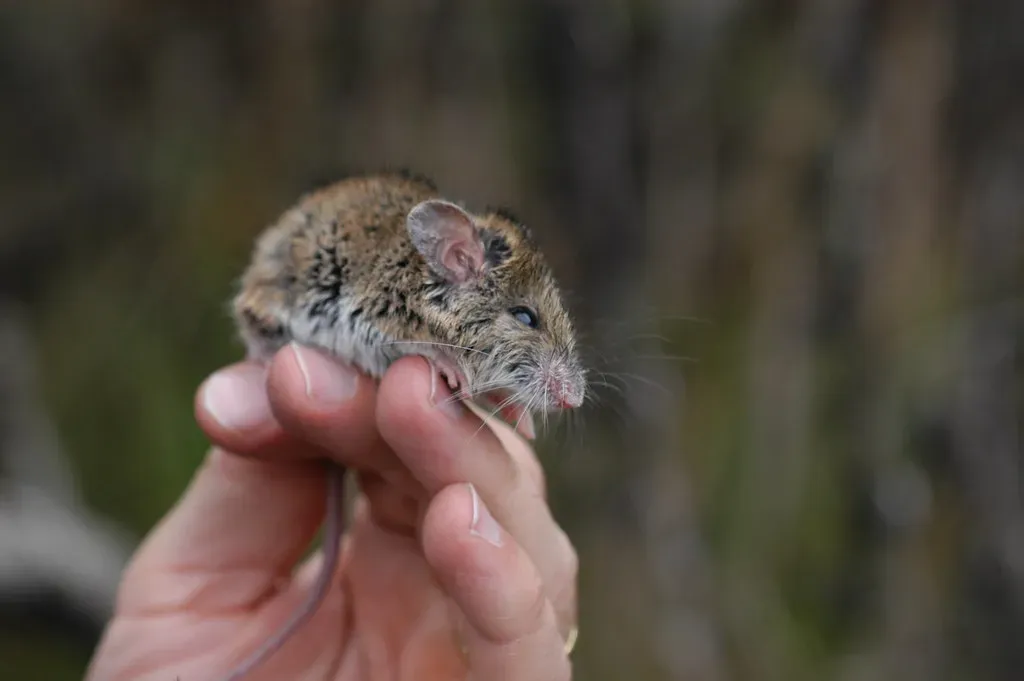
Most people assume small mammals are the easiest to track. The New Holland mouse proved otherwise. It had vanished from sight for over 120 years before it was rediscovered in Australia’s Ku-ring-gai Chase National Park in 1967. For over a century, scientists genuinely believed this rodent had been wiped off the map entirely, a casualty of introduced predators and land clearing across coastal Australia.
Its rediscovery didn’t end the danger, though. Despite ongoing conservation efforts, this small rodent is still fighting for survival, as habitat destruction and predators continue to threaten its existence. This is the uncomfortable truth about Lazarus species that headlines rarely mention: rediscovery isn’t a happy ending, it’s a second chance that can still be squandered – and the next animal on this list was named before anyone even knew it was still breathing.
#14 – The Whale Named From Corpses Before Anyone Saw It Alive
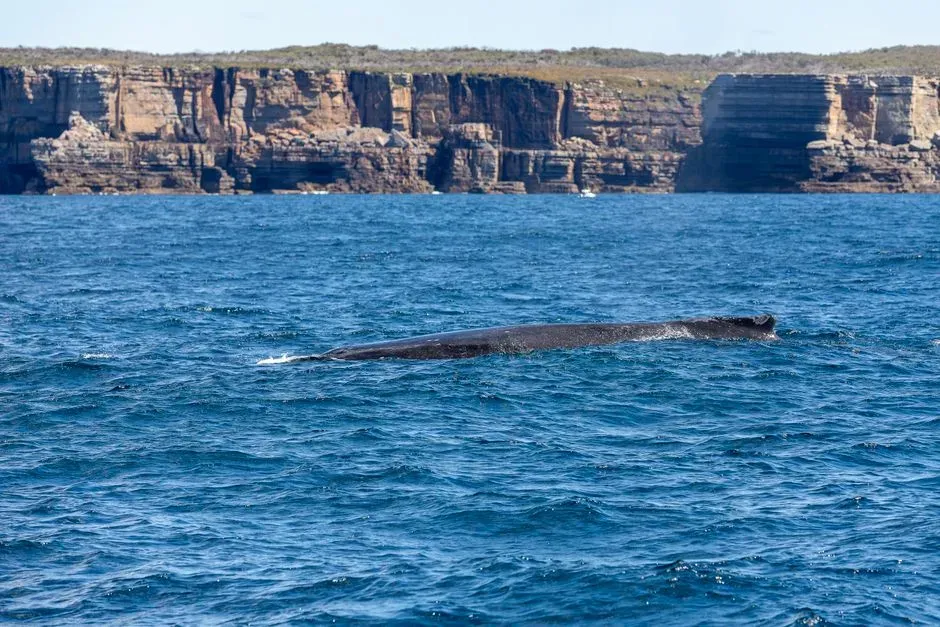
Here’s a species that was scientifically named before anyone confirmed it was still alive. Balaenoptera omurai, a whale resembling a small fin whale, was only named in 2003, and purely from dead specimens, with no confirmed sightings afterward suggesting it had already gone extinct. Researchers described an entirely new whale species using only carcasses, then watched a decade pass without a single living sighting.
Then, in 2013, everything changed. A population of small whales, pale on the right side and darker on the left, was discovered off the coast of Madagascar and later confirmed via DNA evidence to be the Omura’s whale. Scientists had essentially built an entire species profile backward, from death to life – and the next entry on this list waited out a full century in complete silence.
Fast Facts
- Named in 2003 using only dead, stranded specimens
- No confirmed live sighting for roughly a decade after naming
- Rediscovered alive off Madagascar’s coast in 2013
- Confirmed via DNA testing, with a distinctive pale-right, dark-left coloring pattern
#13 – The Gecko That Waited Out A Century In Silence
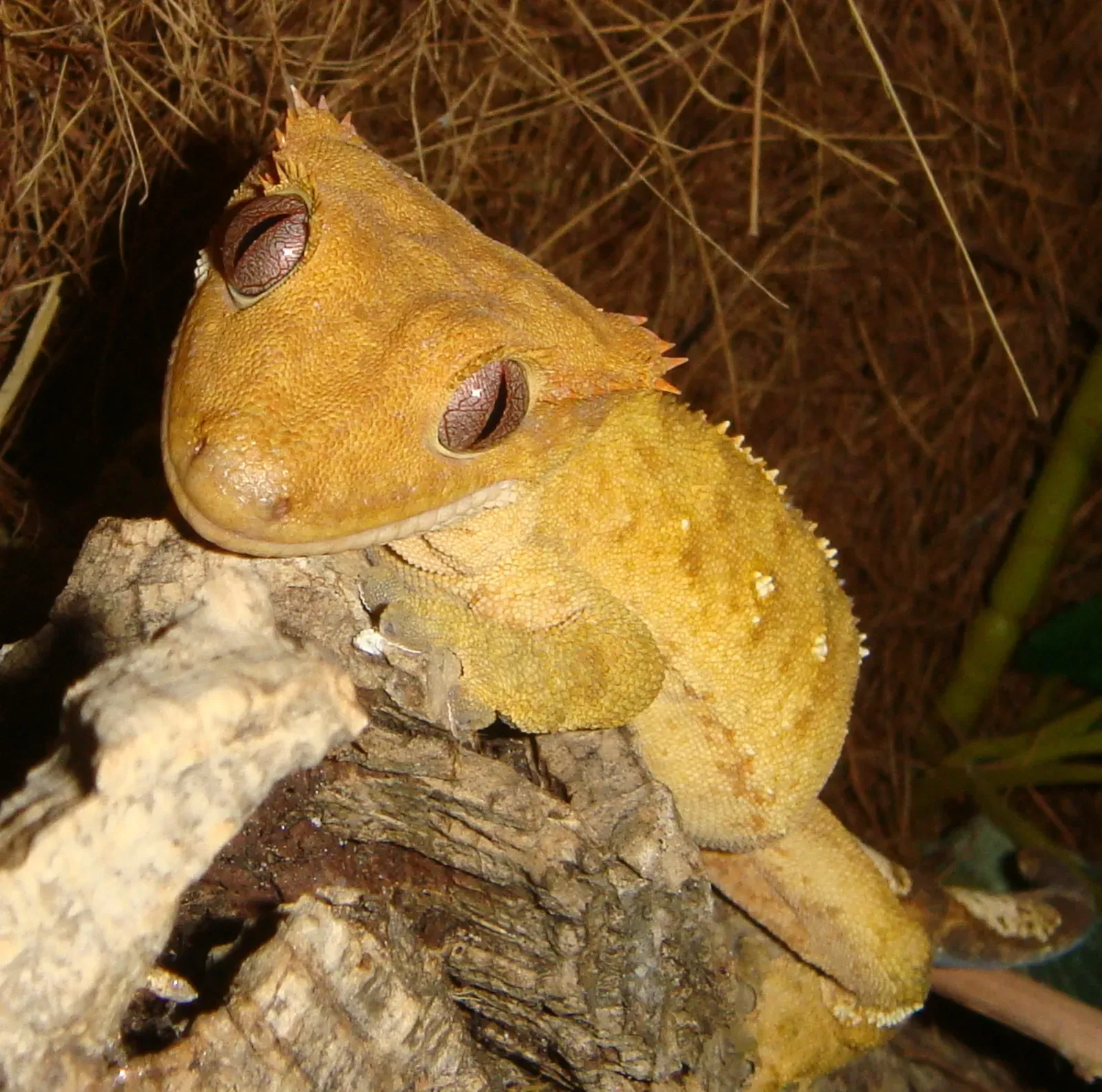
Reptiles are notoriously good at disappearing, and this gecko took that skill to an extreme. The crested gecko was rediscovered in 1994 on Isle of Pines after a century of supposed extinction. A full hundred years passed without confirmed evidence that this species even existed anymore – a staggering gap for an animal that isn’t microscopic or deep-sea.
It’s since been found crawling through rain forests on Grande Terre in New Caledonia, and the crested gecko has become one of the most popular reptiles in the exotic pet trade worldwide. Most owners have no idea their gecko’s ancestors were once considered a scientific ghost story. The next species survived by hiding on real estate almost too small to search.
#12 – The “Terror Skink” That Lived On Two Tiny Islets
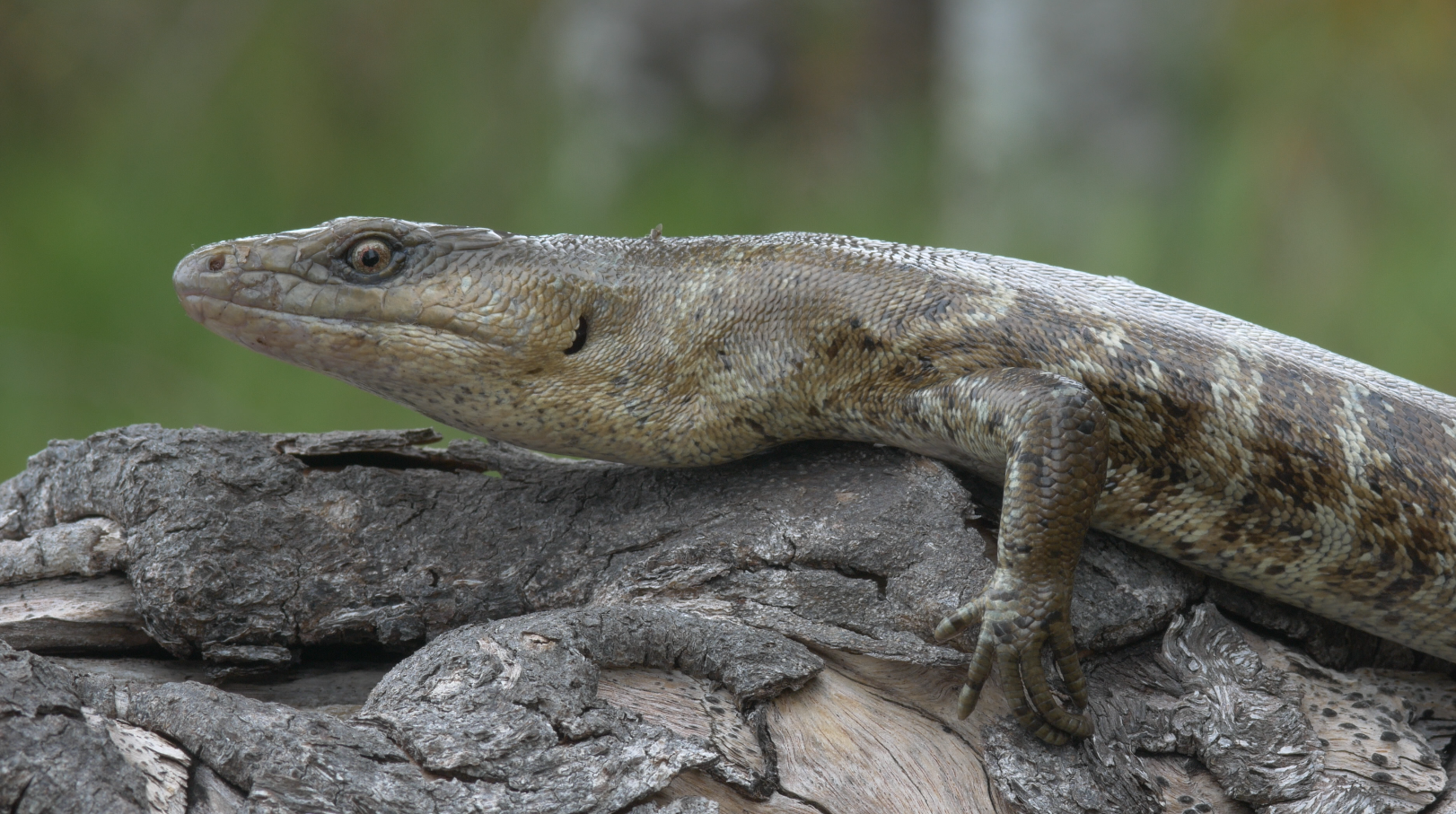
Some species survive extinction simply by hiding on land too small for anyone to bother searching. The terror skink was first captured around 1870 in New Caledonia, described in 1876, presumed extinct, then found once more in 2000. That’s a 130-year gap between capture and rediscovery – long enough for multiple human generations to live and die without ever knowing this animal still existed.
The reason it survived undetected is almost comically specific: it’s thought to occur only on two tiny islets just off the coast of New Caledonia, with a combined surface area of just 0.35 square miles – smaller than most city parks. Experts now argue this kind of extreme micro-range is one of the strongest predictors of a Lazarus species. Next up is a chameleon that kept a mating secret for nearly two decades.
#11 – The Chameleon Rediscovered After Nearly Two Decades Missing
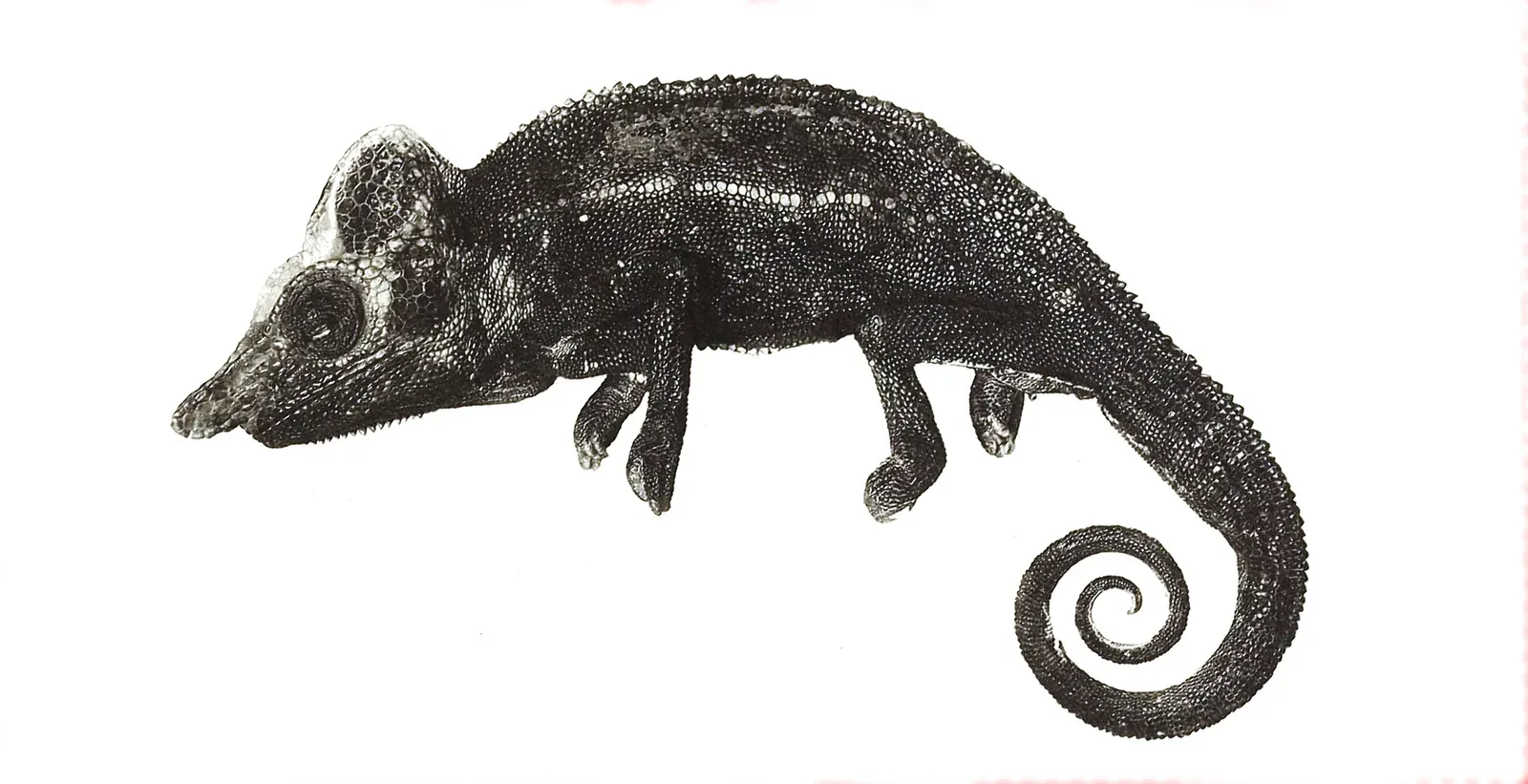
Madagascar is a goldmine for species that vanish and reappear, and this chameleon is a textbook case. Voeltzkow’s chameleon spent close to two decades without a confirmed sighting before researchers relocated it during a targeted expedition. It joined a growing list of species rediscovered through Re:wild’s Search For Lost Species program, alongside several other animals on this very list.
Female Voeltzkow’s chameleons turned out to have a dramatic, previously undocumented color-changing display during mating that scientists had never observed before. That detail reveals something most extinction narratives miss: rediscovered species often reveal entirely new behaviors science never had the chance to document the first time around. When a species disappears before it’s studied properly, its rediscovery isn’t just a survival story – it’s a research reset button. The next comeback happened on camera, and almost nobody noticed.
#10 – The Deer-Like Creature Caught On Camera After 30 Silent Years
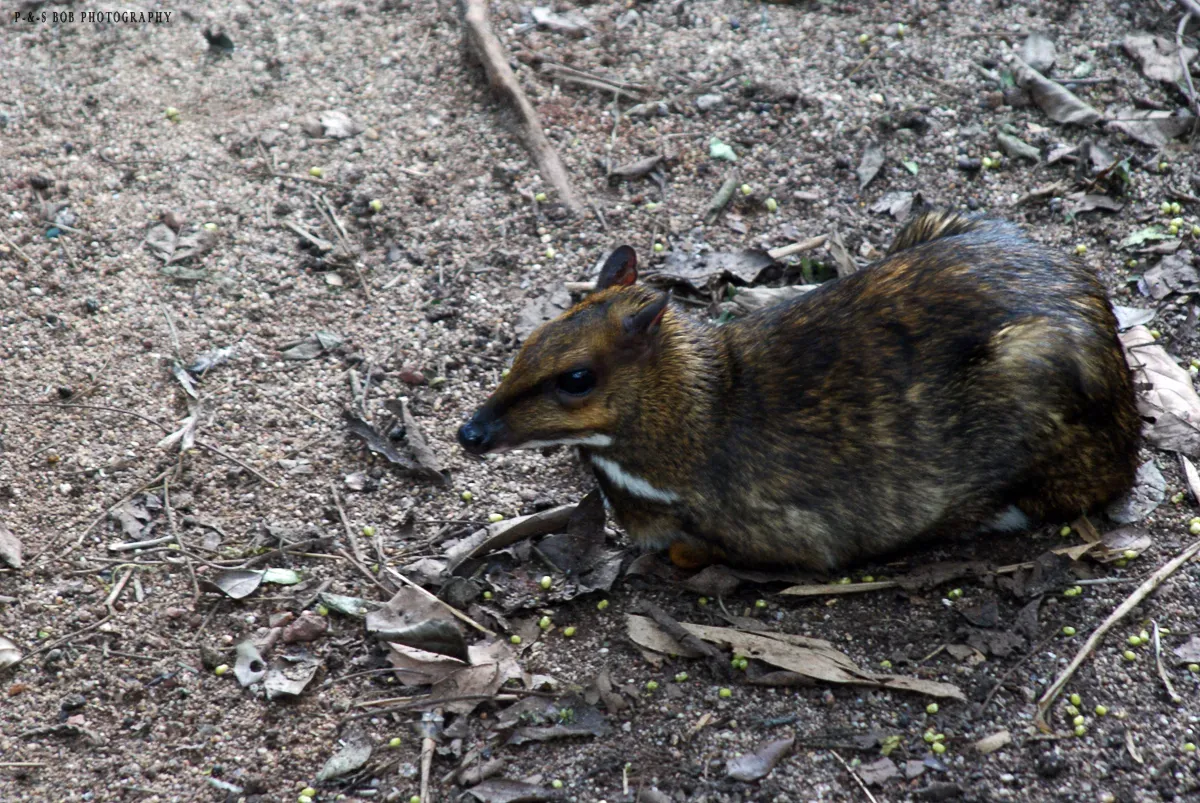
Vietnam’s forests have a reputation for swallowing animals whole, and this one nearly proved it permanently. The silver-backed chevrotain, a tiny deer-like mammal often called a mouse-deer, hadn’t been confirmed alive in the wild for roughly three decades. It became part of the same rediscovery wave as the Wallace’s giant bee and the Fernandina Giant Tortoise, all catalogued under a global “lost species” search effort.
Researchers finally captured it on camera traps in 2019, ending decades of uncertainty about whether it had quietly gone extinct in the wild. What’s striking is how ordinary the chevrotain looks – small, unassuming, nothing like the exotic megafauna people associate with extinction headlines. That’s precisely why it slipped through the cracks for so long. Up next is the rediscovery that actually broke the internet.
#9 – The “Elephant Shrew” Nobody Had Seen In 50 Years
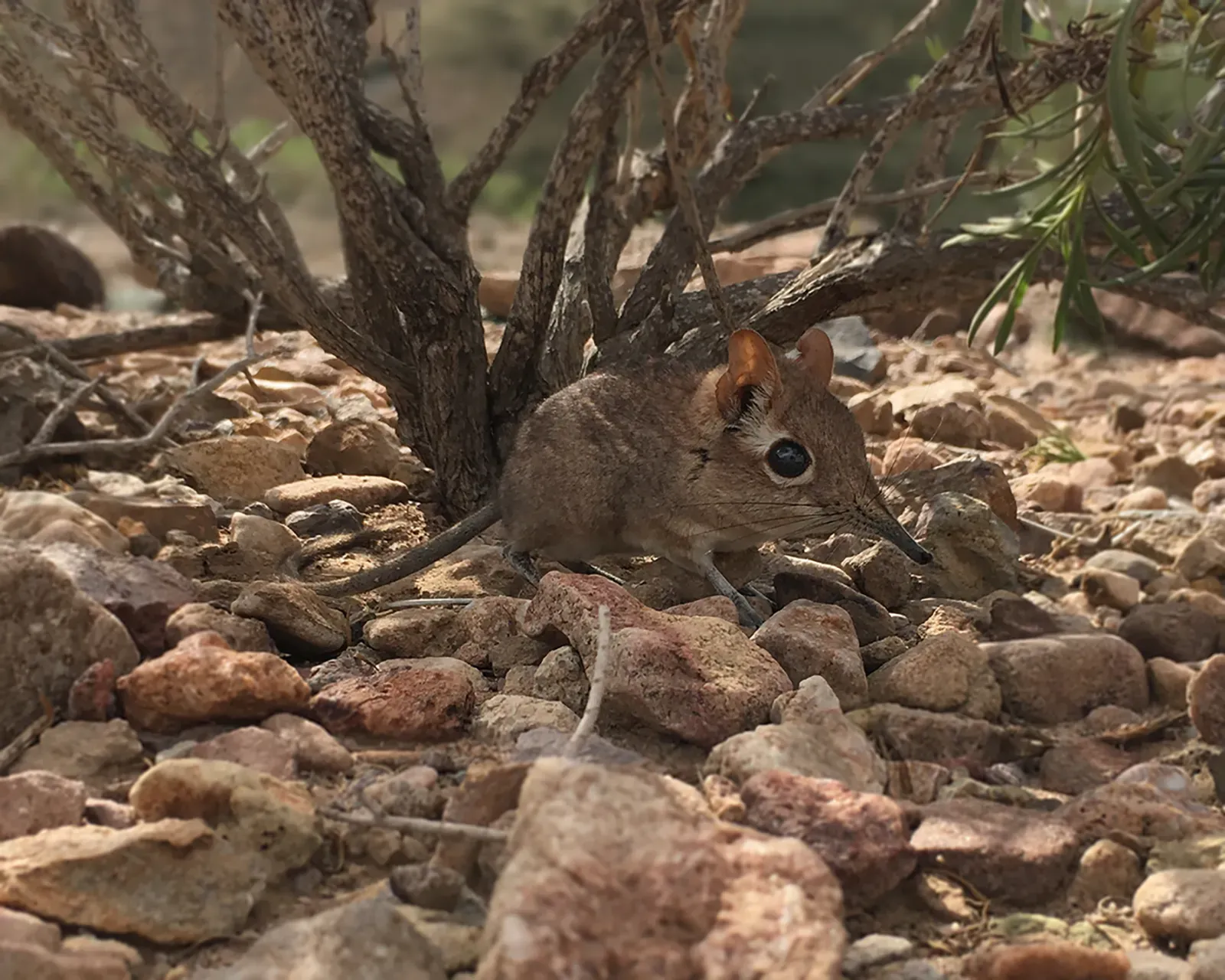
This one broke the internet in 2020, and for good reason. The Somali sengi, a tiny long-nosed mammal related more closely to elephants than to actual shrews, hadn’t been documented by scientists in roughly 50 years. It was rediscovered in Djibouti as part of the same rediscovery effort that found the Voeltzkow’s chameleon and the silver-backed chevrotain.
Local residents in the region, it turned out, had never stopped seeing them – scientists simply hadn’t asked the right people. Indigenous and local knowledge had tracked this “extinct” species the entire time, while the global scientific community had written it off. It’s a pattern that repeats across multiple animals on this list: extinction, in many cases, says more about the limits of scientific surveying than about the actual fate of the species. The next story carries the weight of an entire nation’s grief and relief.
#8 – The Flightless Bird New Zealand Buried Twice
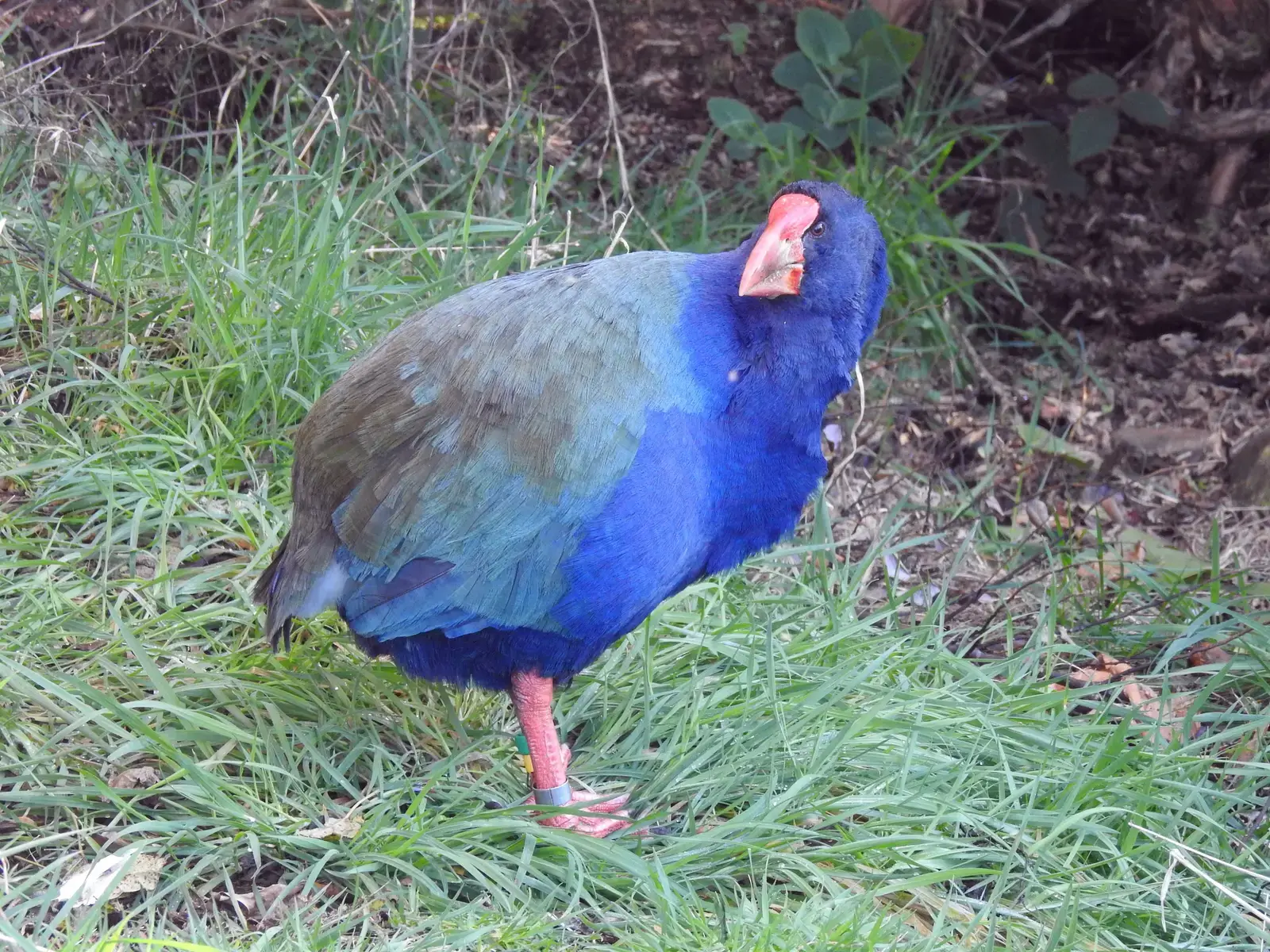
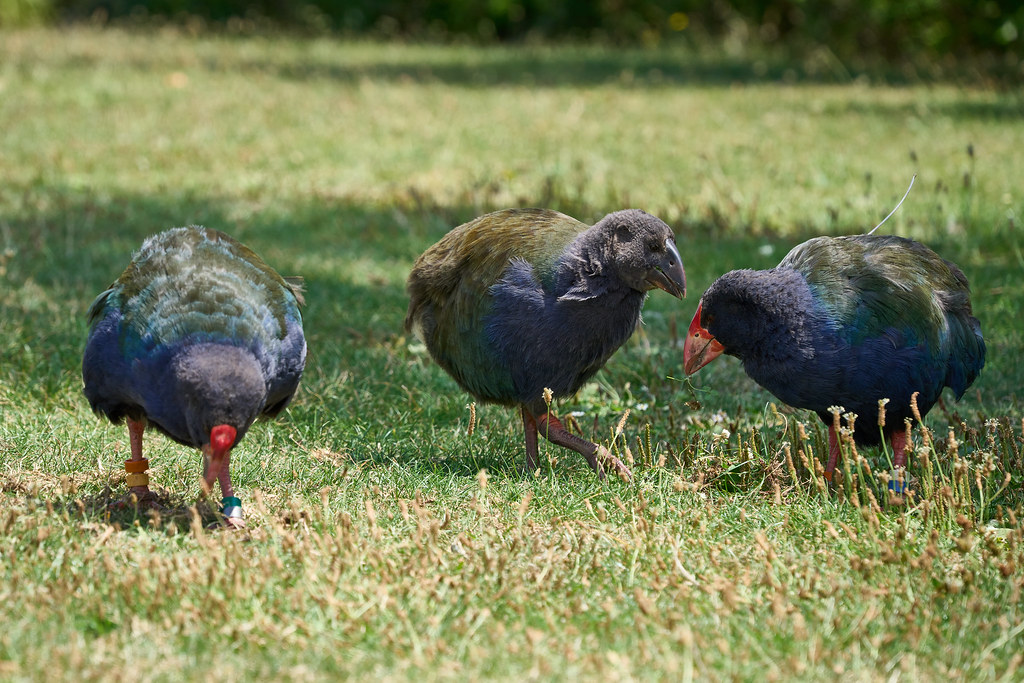
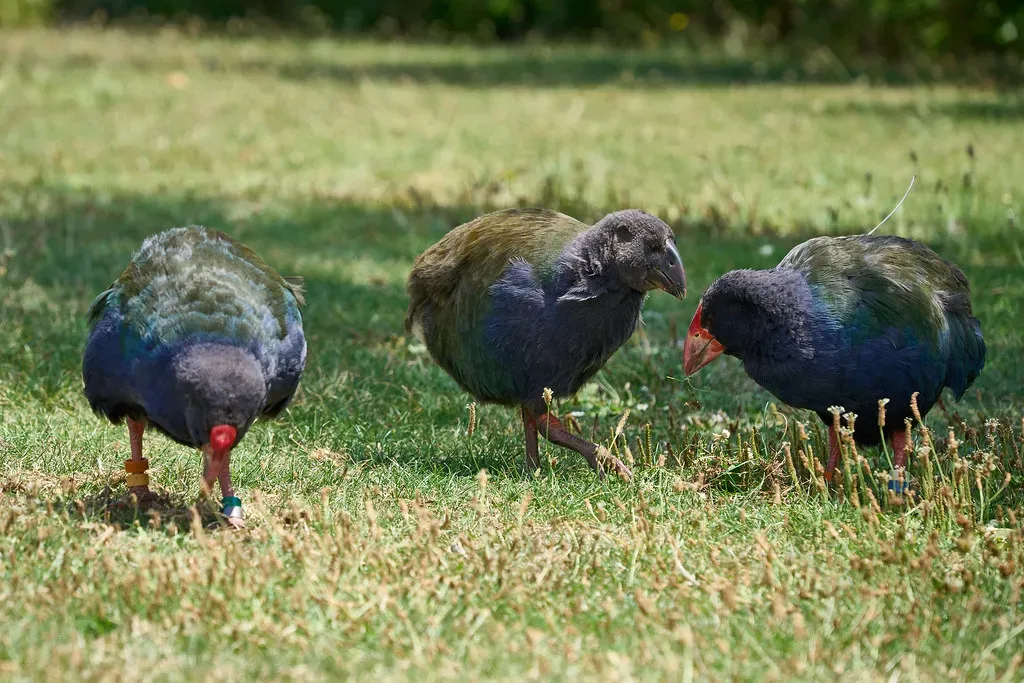
Few rediscoveries carry as much national weight as this one did for New Zealand. The colorful takahē, a flightless bird indigenous to New Zealand, was thought extinct for fifty years before being rediscovered. Fifty years is long enough that an entire generation of ornithologists worked and retired never having seen a living specimen – only stuffed museum mounts and old sketches.
Its comeback became one of the most celebrated conservation stories in the Southern Hemisphere. Today visitors can see the bird in protected sanctuaries or, more adventurously, by kayaking to observe it from a safe distance in the wild. The takahē’s survival hinged entirely on remote, difficult-to-access mountain terrain that kept both predators and people out – the same isolation that nearly erased it from history is what quietly kept it alive. Next: a rodent that rewrote 11 million years of assumptions.
#7 – The Rodent That Belonged To A Family Extinct For 11 Million Years
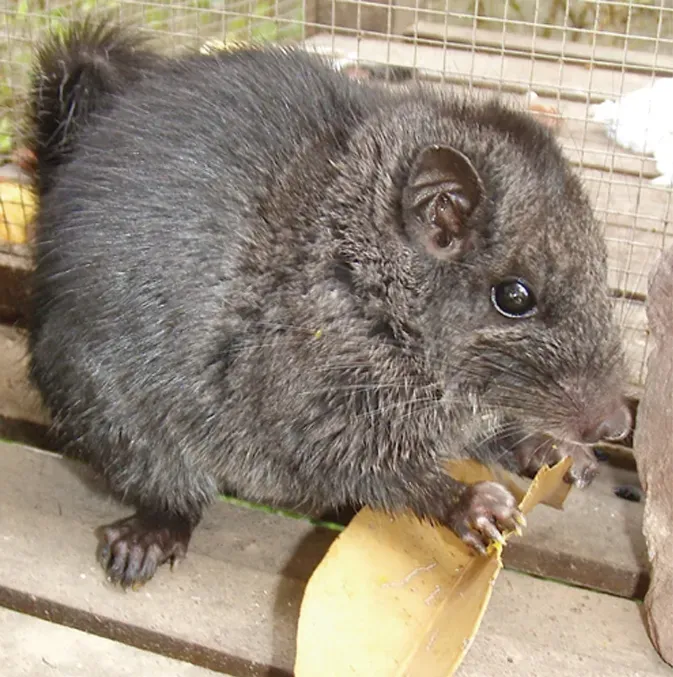
This is arguably the most scientifically shocking entry on this entire list, and most people have never heard of it. The Laotian rock rat was first discovered in a market in Laos in 1996, where it was being sold as food, and scientists were stunned to find that this rat didn’t belong to any known rodent family – it was from a family believed to have been extinct for 11 million years. Not thousands of years. Eleven million years.
This wasn’t a case of a species quietly surviving in a hidden pocket of forest – an entire taxonomic family, thought erased from the planet before early humans even existed, was sitting in a food market. This “living fossil” has since been found in the wild, and its rediscovery has baffled scientists and thrilled conservationists alike. It’s the closest thing paleontology has to finding a dinosaur at a farmer’s market. Up next, a bird that became a national obsession before it became real again.
Worth Knowing
- Locally called “kha-nyou,” which translates roughly to “rock rat”
- Belongs to the family Diatomyidae, thought extinct since the late Miocene
- Also nicknamed the “rat-squirrel” for its blend of rodent and squirrel-like features
- Restricted almost entirely to limestone karst terrain in Laos and Vietnam
#6 – The Parrot Australia Spent A Century Chasing
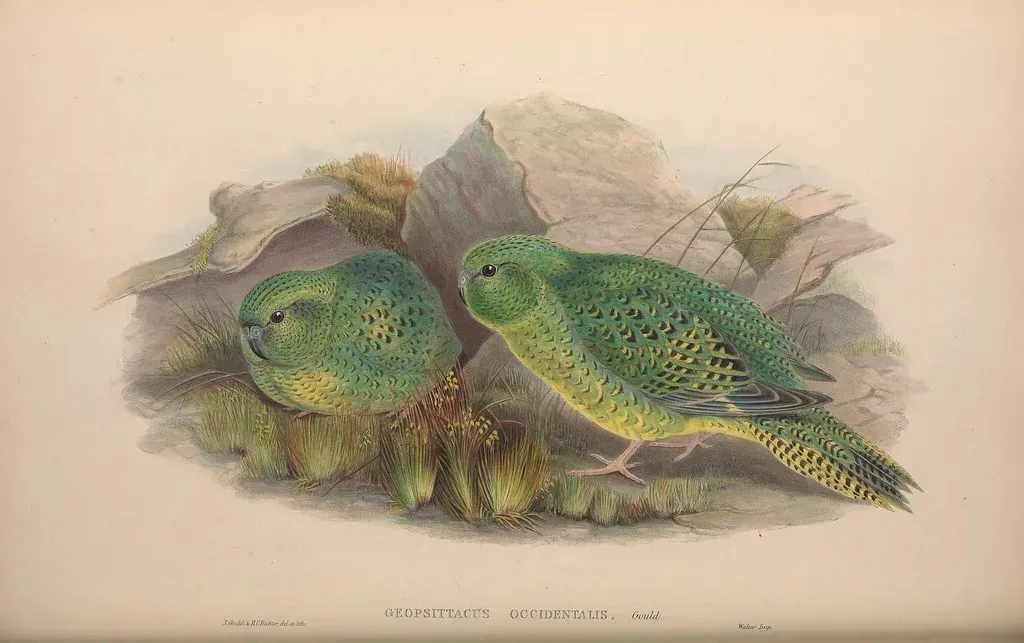
Some animals become almost mythical before they’re finally confirmed real again, and this parrot fits that mold exactly. The Australian night parrot went over a century without a confirmed live sighting, becoming something of a national obsession among birdwatchers who treated any rumor of a sighting like a cryptid report. Scientists eventually confirmed rediscovery after painstaking searches through some of the country’s most remote and inhospitable outback terrain.
What makes this rediscovery controversial in birding circles is the secrecy still surrounding exact locations – researchers deliberately withhold precise coordinates to protect the population from egg collectors and overeager tourists. Many birders argue this secrecy is overly cautious; conservationists insist it’s the only reason the species hasn’t been rediscovered and then immediately lost again. That tension alone tells you how fragile these comebacks really are. The next rediscovery required climbing a cliff nobody thought anyone could survive.
#5 – The “Rarest Insect On Earth” Found On A Cliff Nobody Could Climb
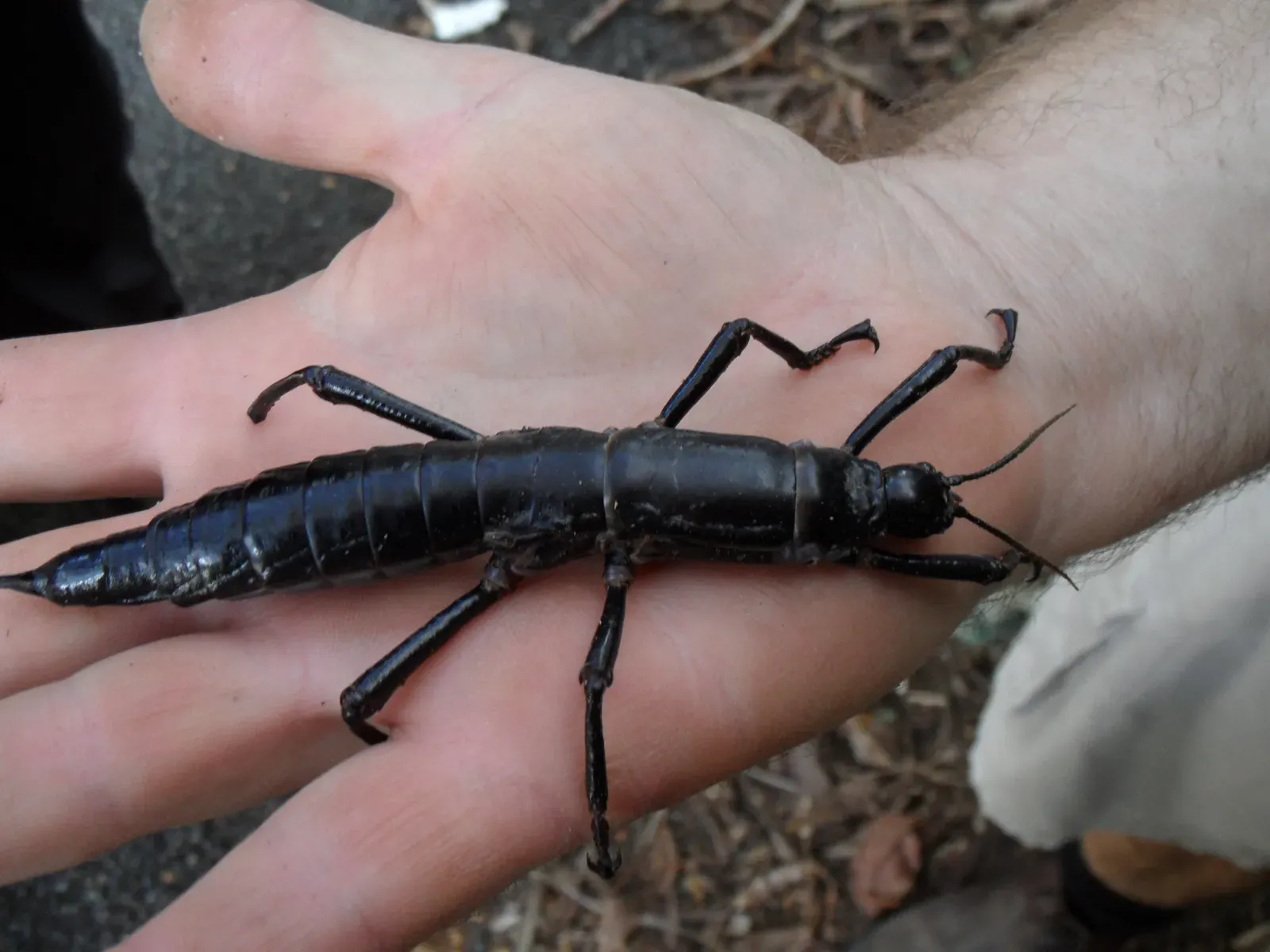
This is one of the most dramatic rediscovery stories in modern conservation, full stop. A small team of researchers scaled the near-impossible cliffs of Ball’s Pyramid, a remote volcanic spire, and on a narrow ledge beneath a shrub found a few dozen large, glossy, unmistakably living specimens of a species thought lost for nearly a century. The Lord Howe Island stick insect, nicknamed the “tree lobster,” had been wiped out on its home island by invasive rats decades earlier.
When researchers found them in 2001, only about 24 individuals remained, clinging to a single shrub on one of the most inhospitable rock formations on the planet. DNA studies later confirmed the Ball’s Pyramid population was genetically the same species that had vanished from Lord Howe Island decades earlier. This species has since become one of the world’s most celebrated captive-breeding success stories. Next, a bee big enough to make people scream.
Fast Facts
- Wiped out on Lord Howe Island after rats escaped a shipwreck in 1918
- Rediscovered on Ball’s Pyramid in 2001 with only a couple dozen individuals left
- Two breeding pairs were collected in 2003 to launch a captive program at Melbourne Zoo
- That insurance population has since grown into the thousands
#4 – The “Flying Bulldog” Bee Bigger Than A Human Thumb
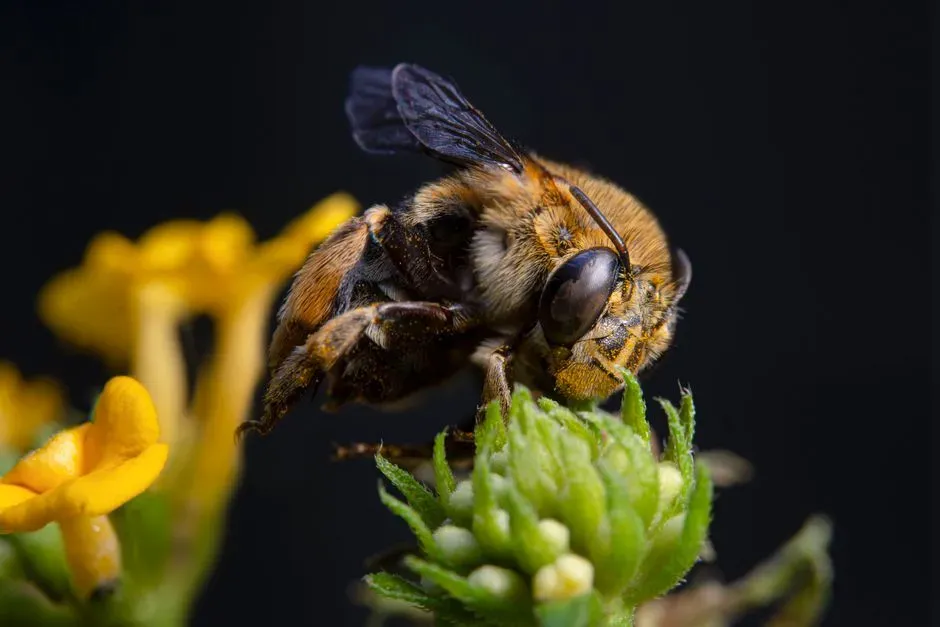
Most people picture bees as small and unremarkable. This one shattered that image entirely. In 2019, the Wallace’s Giant Bee, the world’s largest bee species, was spotted for the first time in almost forty years, with females growing up to 4.5 centimeters long and a wingspan of 6 centimeters. For nearly four decades, scientists genuinely believed this insect had gone extinct, especially amid a well-documented global decline in insect populations worldwide.
Female bees make their nests inside termite nests, and the research team found the single female giant bee in a termite nest in a tree about 8 feet off the ground. The bee earned its “flying bulldog” nickname for its sheer size and aggressive buzzing wingbeat. Its rediscovery reignited urgent conversations about how little scientists actually know about insect populations across Southeast Asia’s remote forests. Up next: a 113-year gap that finally closed.
#3 – The Tortoise Nobody Had Seen Since Teddy Roosevelt Was President
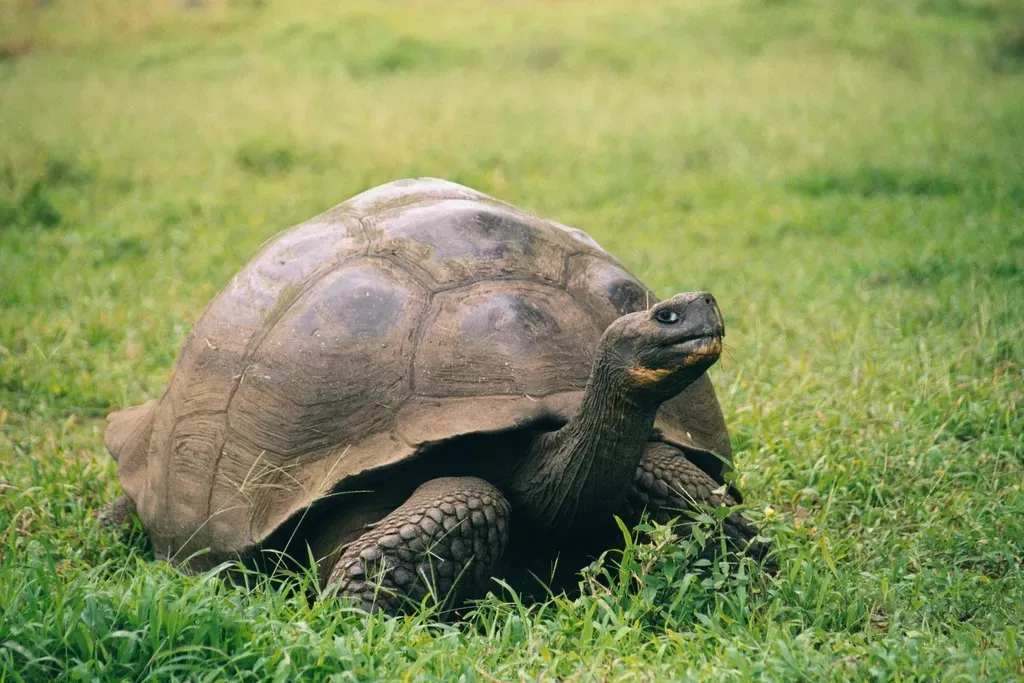
This is one of the wildest timelines on this entire list – 113 years between sightings. The most elusive Galápagos tortoise species was known by only a single specimen collected in 1906, and for over a century, that solitary museum specimen was the only proof it had ever existed at all. The last confirmed sighting of a giant tortoise from Fernandina Island was 113 years earlier, and scientists thought the species had died out entirely.
Then, in February 2019, a female tortoise was spotted alive on Fernandina Island during a targeted expedition. DNA tests confirmed the specimen found in 2019 was indeed a long-lost Fernandina Giant tortoise, matching genetically to that single 1906 sample. Named Fernanda, she may be over a century old herself, and scientists are now actively searching for more individuals, hoping she isn’t the last of her kind. The next discovery is so recent it’s still making headlines – and it involves two animals at once.
#2 – Two Animals Missing Since Before The Pyramids Were Built
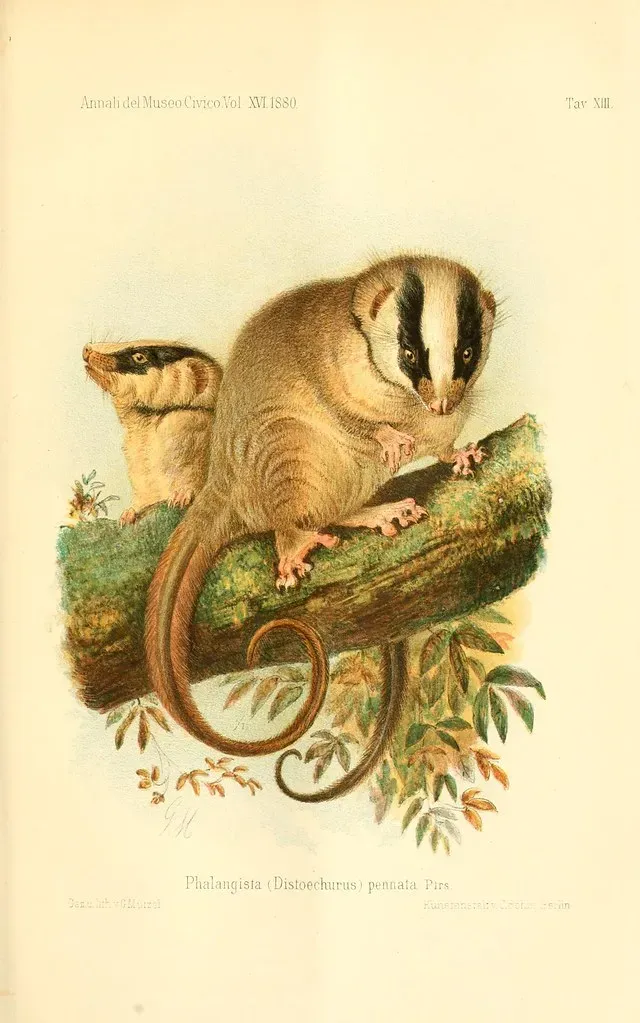
This rediscovery happened so recently it’s still sending shockwaves through the scientific community. The pygmy long-fingered possum and the ring-tailed glider, until now known only through fossils, have been rediscovered in New Guinea. The discovery marks the first confirmation of live specimens in over 7,000 years – a timeframe so vast it predates written language, the wheel, and organized agriculture entirely.
These species were first identified through fossils after their teeth were excavated in the 1990s during an archaeological dig in western New Guinea, meaning scientists knew these animals used to exist but had zero evidence any had survived into the present. Researchers called the discovery of two Lazarus species, thought extinct for millennia, “unprecedented.” And finally, the fish that started it all – the original Lazarus species.
#1 – The Fish That Outlived The Dinosaurs Twice
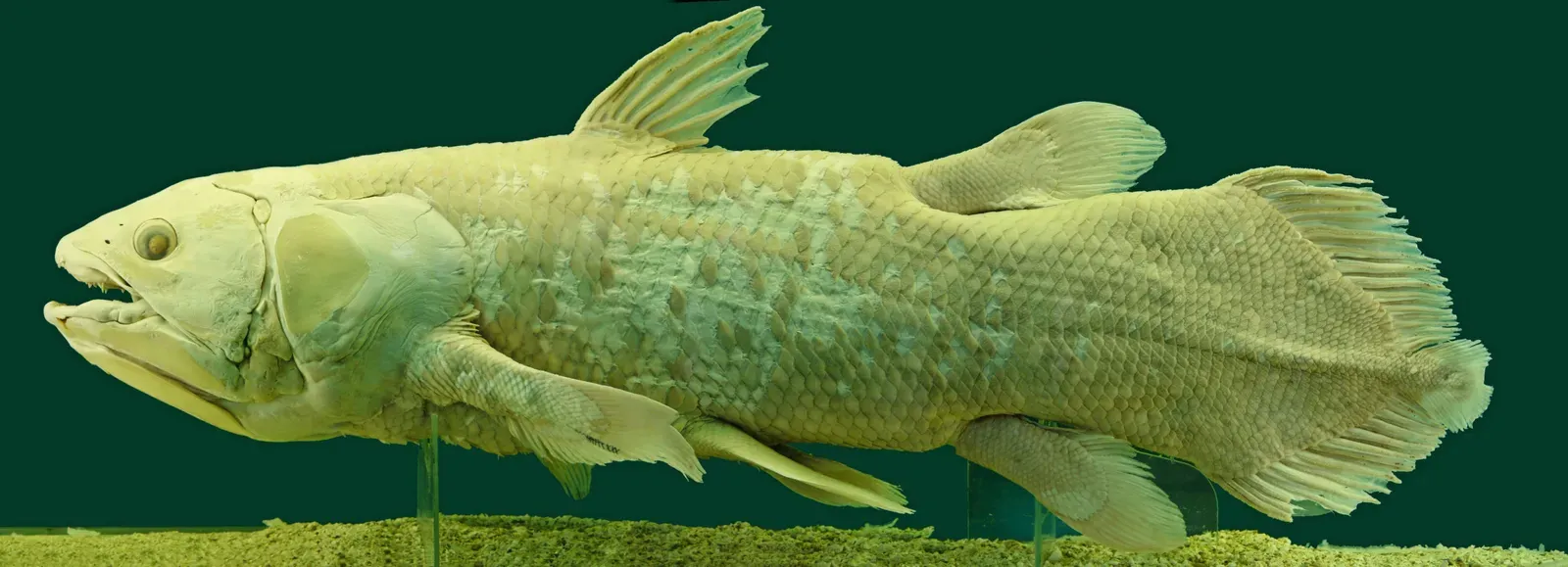
If there’s one animal that defines the entire concept of a Lazarus species, it’s this one. The coelacanth was thought to have gone extinct at the same time as the dinosaurs, but in 1938 one was discovered off the coast of South Africa. The specimen pulled from the trawling nets of a South African fishing boat was identified by Marjorie Courtenay-Latimer, curator of the East London Museum – a self-taught naturalist with no formal scientific training who happened to inspect a fisherman’s unusual catch.
The scale of this rediscovery is almost impossible to overstate. While dinosaurs ruled the Earth for 165 million years before succumbing to extinction, the coelacanth lineage has endured for over 400 million years, surviving five separate mass extinction events that wiped out the vast majority of life on the planet. For decades, living coelacanths were known only from the Comoros Islands, but in 1997 and 1998, a second population was captured in Sulawesi, Indonesia, nearly 6,000 miles away. This fish had been quietly thriving in deep ocean caves the entire time humanity assumed it was a fossil.
At A Glance
- Presumed extinct alongside the dinosaurs, roughly 66 million years ago
- Rediscovered alive off South Africa’s coast in 1938
- Lineage spans over 400 million years, surviving five mass extinction events
- A second, genetically distinct population was found in Sulawesi, Indonesia in 1997-98, nearly 6,000 miles from the first
The Bottom Line
The truth is uncomfortable but important: “extinct” is often a guess dressed up as a fact. Scientists don’t watch every square mile of ocean, forest, or cliff face – they extrapolate from absence, and absence isn’t always the same as death.
From a fish that outlasted the dinosaurs to two marsupials missing since before the pyramids, these 16 stories prove that written obituaries for entire species should come with an asterisk. I’d argue the real lesson here isn’t hope – it’s humility. We know far less about what’s still breathing on this planet than we like to pretend, and every one of these animals is proof that “gone forever” is sometimes just a failure of looking hard enough. Which of these surprised you the most? Drop it in the comments.