Most people assume a “discovered dinosaur” stays discovered forever. The fossil record doesn’t work that way. Roughly a third of all named dinosaur species may eventually get tossed out, according to paleontologists studying growth patterns, chimeric skeletons, and century-old naming mistakes made in the rush to publish first.
Bones once celebrated as brand-new creatures are quietly being reclassified as juveniles, subadults, or accidental mashups of two totally different animals. Some of these “species” showed up in your childhood dinosaur books. A few still stand in museum halls today, labeled with names science has already moved past. Here’s what paleontologists actually say about the dinosaurs that never should have gotten their own names in the first place – and just how shaky some of the most famous ones really are.
#16 – Atlantosaurus montanus
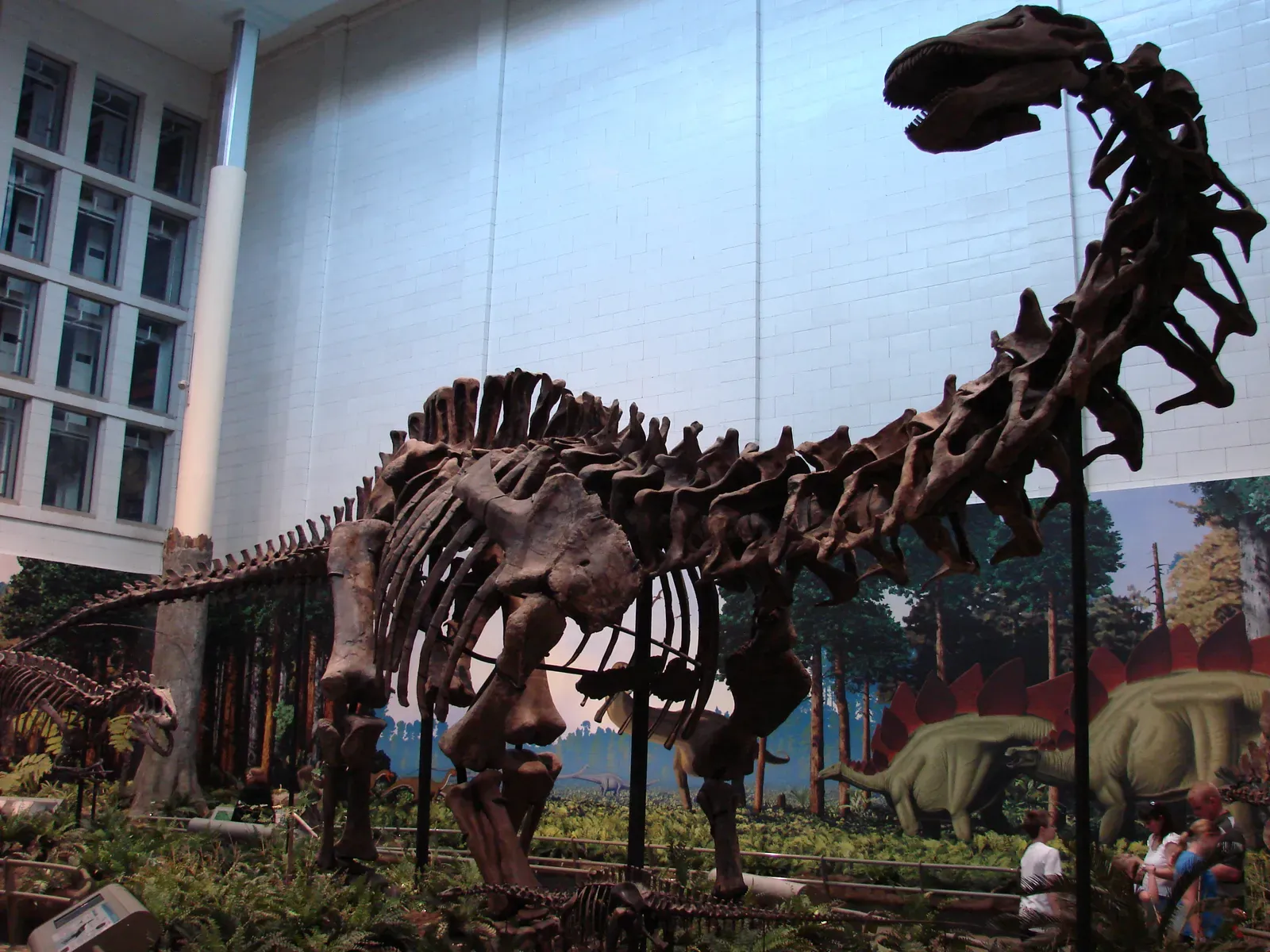
Before Brontosaurus, there was Atlantosaurus – and it barely existed at all.
Named during the frantic Bone Wars of the 1870s, Atlantosaurus was based on almost nothing: a couple of sacral vertebrae fused to hip bones. Paleontologist O.C. Marsh thought the massive, air-pocketed vertebrae were unique enough to warrant a new genus. Turns out those “unique” air pockets are common across almost every sauropod, making the specimen impossible to tell apart from its giant relatives.
Today, researchers openly admit they can’t confirm Atlantosaurus was ever its own animal. Since it’s unclear whether Atlantosaurus montanus represents a distinct species at all, it’s considered a nomen dubium, though some researchers treat it as a likely synonym of Apatosaurus ajax. That means one of the very first giant sauropods ever named might just be an early Apatosaurus wearing a different label. But #15 is even shakier than this one.
#15 – Ornatotholus browni
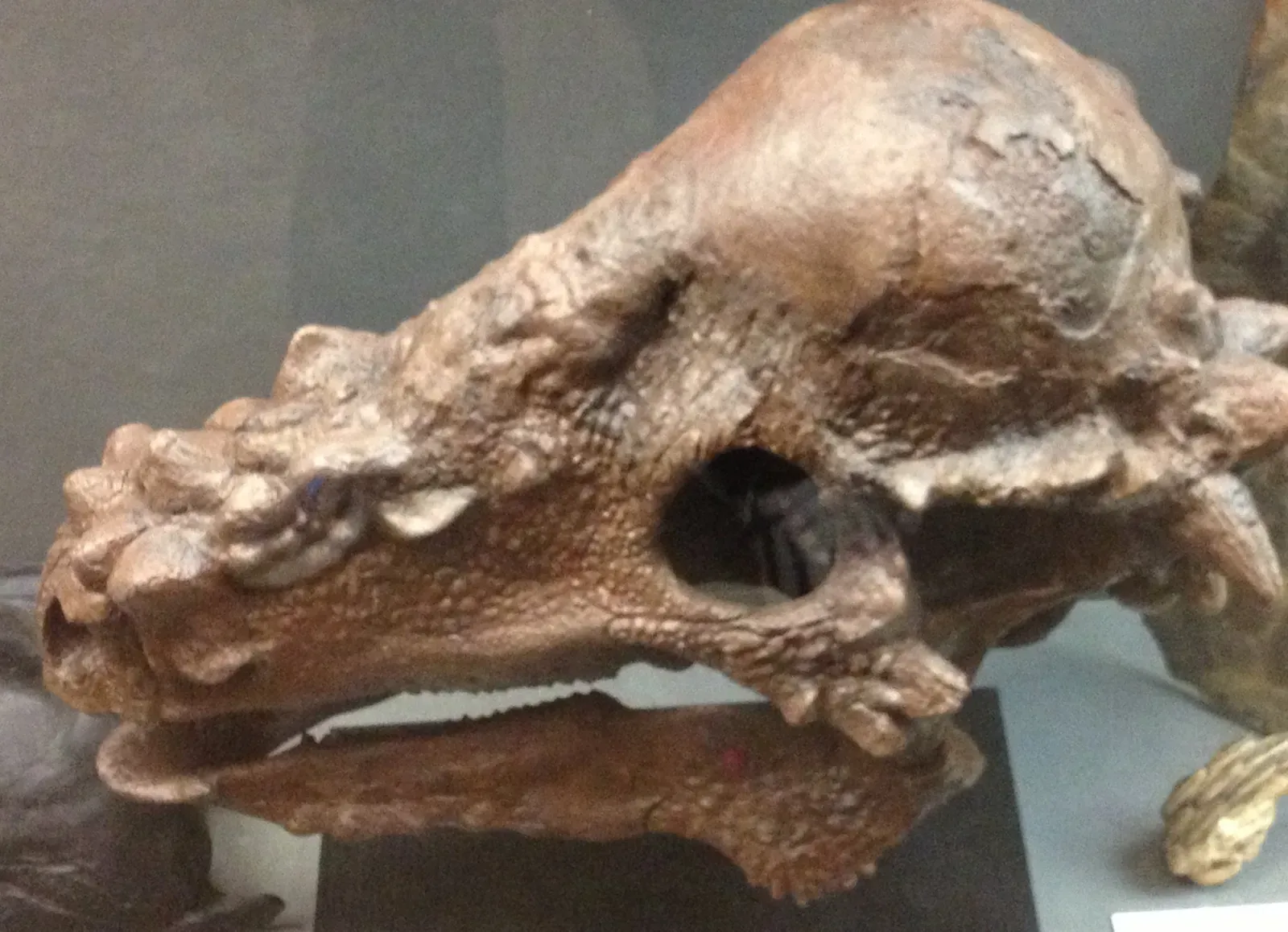
Here’s a dome-headed dinosaur that might just be a teenager in disguise.
Ornatotholus browni was named from a skull with a notably flatter dome than its relative, Stegoceras validum. For years, scientists debated whether that flat dome was a real anatomical difference or simply a sign of youth. The diagnostic dome features that define adult Stegoceras don’t even develop until later in life, which throws the whole “separate species” idea into doubt.
Researchers eventually ran the numbers. Allometry and histology studies confirmed the holotype of O. browni was actually a juvenile, and that it likely represents an early growth stage of S. validum rather than its own species. Not every scientist has fully accepted the merger, but the bone evidence is hard to argue with. Many experts now consider Ornatotholus a growth stage, not a genus. Yet #14 takes “identity crisis” to a whole new level.
#14 – Dianchungosaurus lufengensis
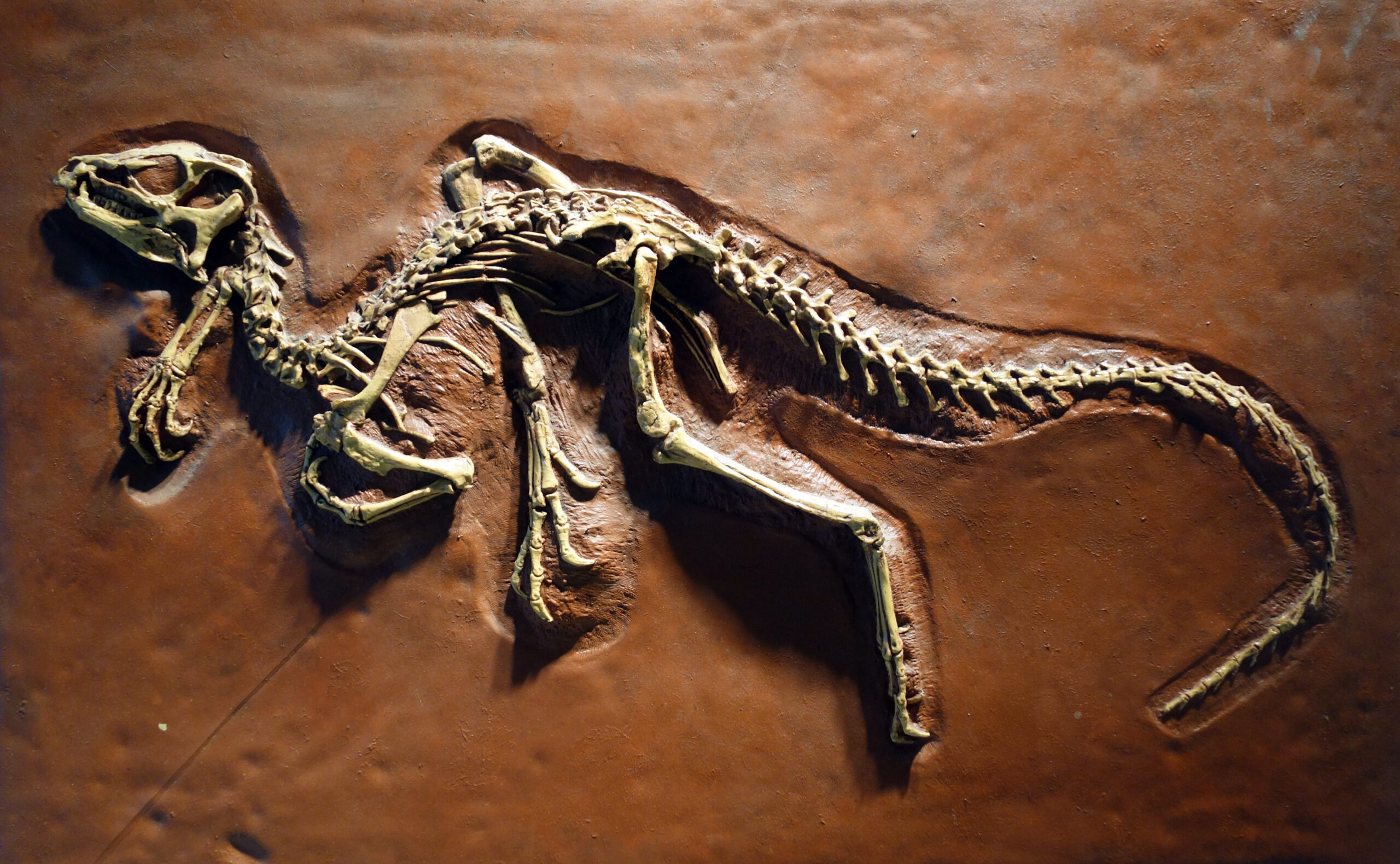
This one isn’t just a duplicate species – it’s not even one animal.
Dianchungosaurus was described in 1982 as a heterodontosaurid, a small early dinosaur group. For over two decades it sat quietly in textbooks as a legitimate genus. Then researchers took a closer look at the original bones and found something stranger than a simple misidentification.
The specimens turned out to be two completely different creatures accidentally bundled together. A 2005 paper found the taxon’s specimens formed a chimera: the holotype was reclassified as a mesoeucrocodylian, while the paratype turned out to be an indeterminate sauropodomorph. One “dinosaur” was secretly a crocodile relative wearing dinosaur bones, mixed in with parts of an actual, unrelated dinosaur. The name survives on paper, but the animal it once described never existed as described. Still, #13 might be an even bigger stretch of a “species.”
Worth Knowing
- A taxonomic “chimera” forms when bones from two different animals get catalogued as a single specimen.
- Early 20th-century digs often lacked precise site mapping, making accidental mix-ups far more likely.
- Modern CT scanning and bone histology can now catch these errors decades after the original description.
- Dianchungosaurus isn’t alone – another chimera is hiding in plain sight later on this very list.
#13 – Hongshanosaurus houi
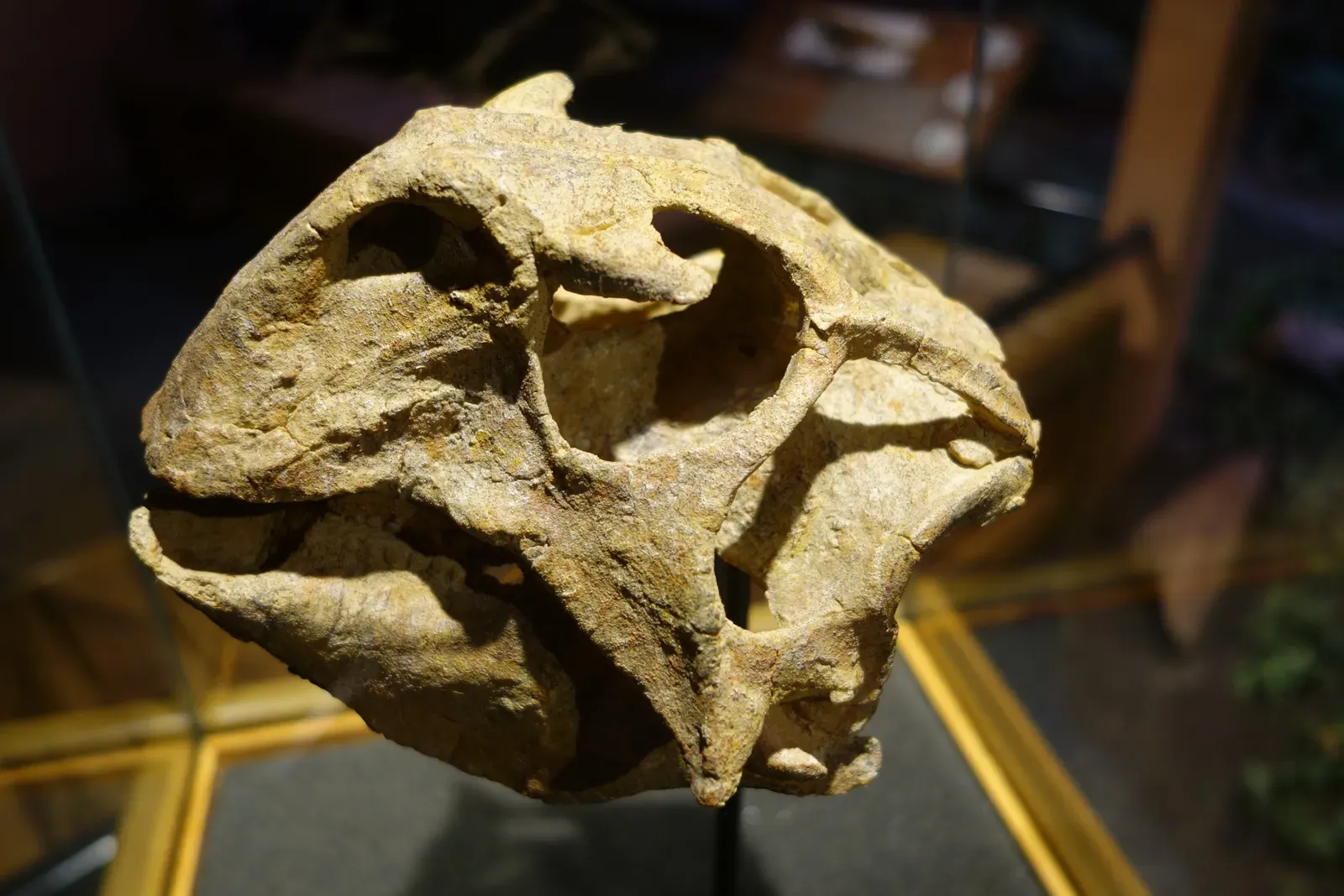
Sometimes a “new” dinosaur is just an old one with a slightly different skull shape.
Hongshanosaurus was carved out as its own genus within the parrot-beaked Psittacosauridae family, distinguished by an oval-shaped snout opening and a longer rostrum. For a while, that seemed like enough to justify a separate genus. But Psittacosaurus is already famous for having a confusing number of overlapping species.
Modern CT-scan analysis changed the picture. Researchers found no definitive morphological differences between Hongshanosaurus and Psittacosaurus, leading to multiple proposals that the former may simply be a junior synonym of the latter. The supposedly unique snout shape shows up in other confirmed Psittacosaurus specimens too, undercutting the case for a standalone genus. The debate isn’t fully settled, but momentum is clearly against Hongshanosaurus surviving as valid. But wait until you see how #12 fell apart.
#12 – Australotitan cooperensis
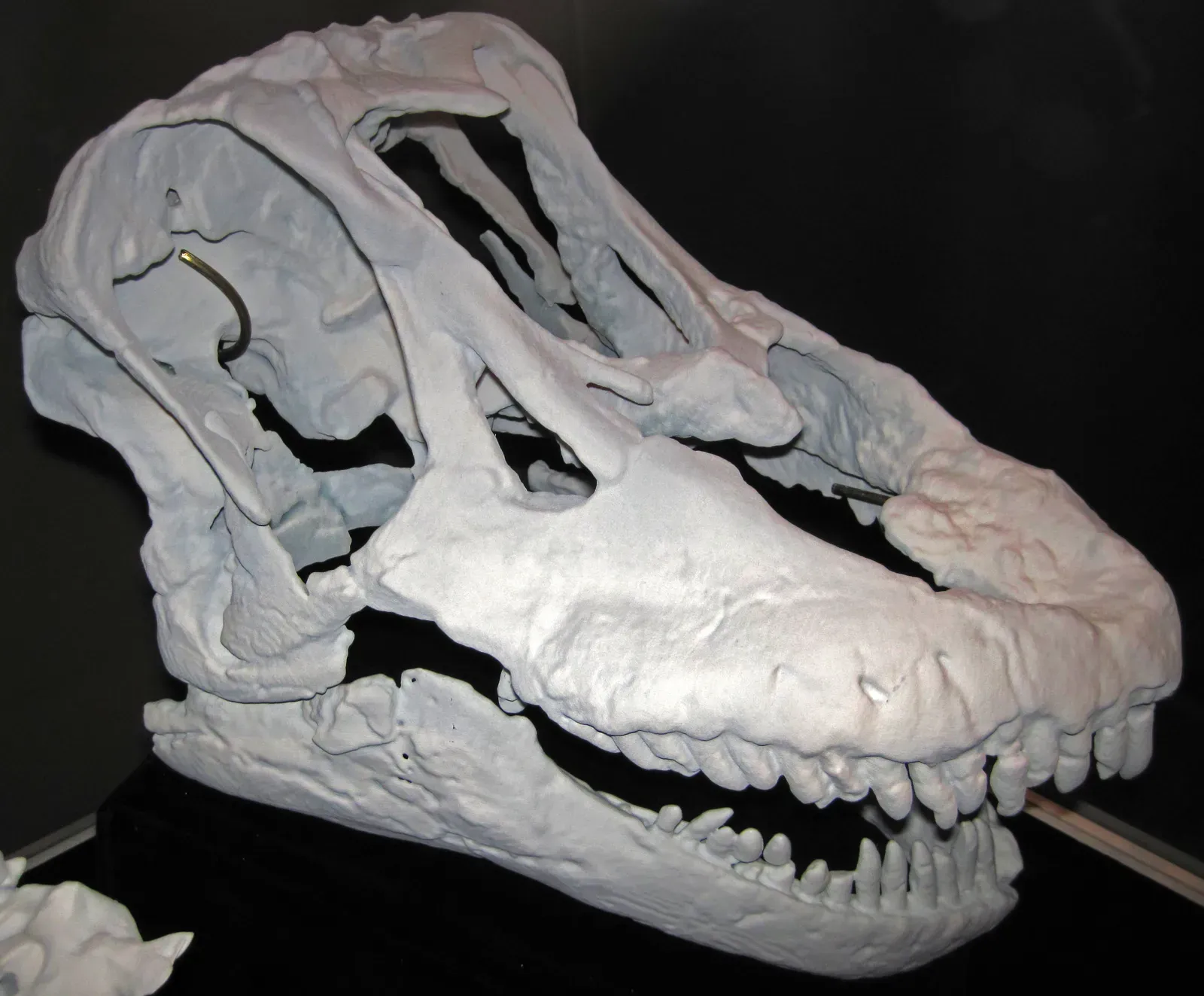
Australia’s celebrated “largest dinosaur ever found in the country” might not be its own species at all.
Australotitan cooperensis made headlines as a record-breaking titanosaur from Queensland’s Winton Formation. It was marketed as a genuinely new giant, distinct from other sauropods discovered in the same rock layers. That headline may not survive close scrutiny.
A detailed 2024 digitization and re-description project reached an uncomfortable conclusion. Backed by a specimen-level phylogenetic analysis, researchers now suggest that Australotitan cooperensis is probably a junior synonym of Diamantinasaurus matildae, though they conservatively regard it as an indeterminate diamantinasaurian for now. The “record-breaking new species” may simply be a large individual of a dinosaur that already had a name. That’s a controversial finding for anyone who visited the museum expecting a brand-new giant, but the anatomy doesn’t lie. And #11 threatens something far bigger than a random genus.
#11 – Manospondylus gigas
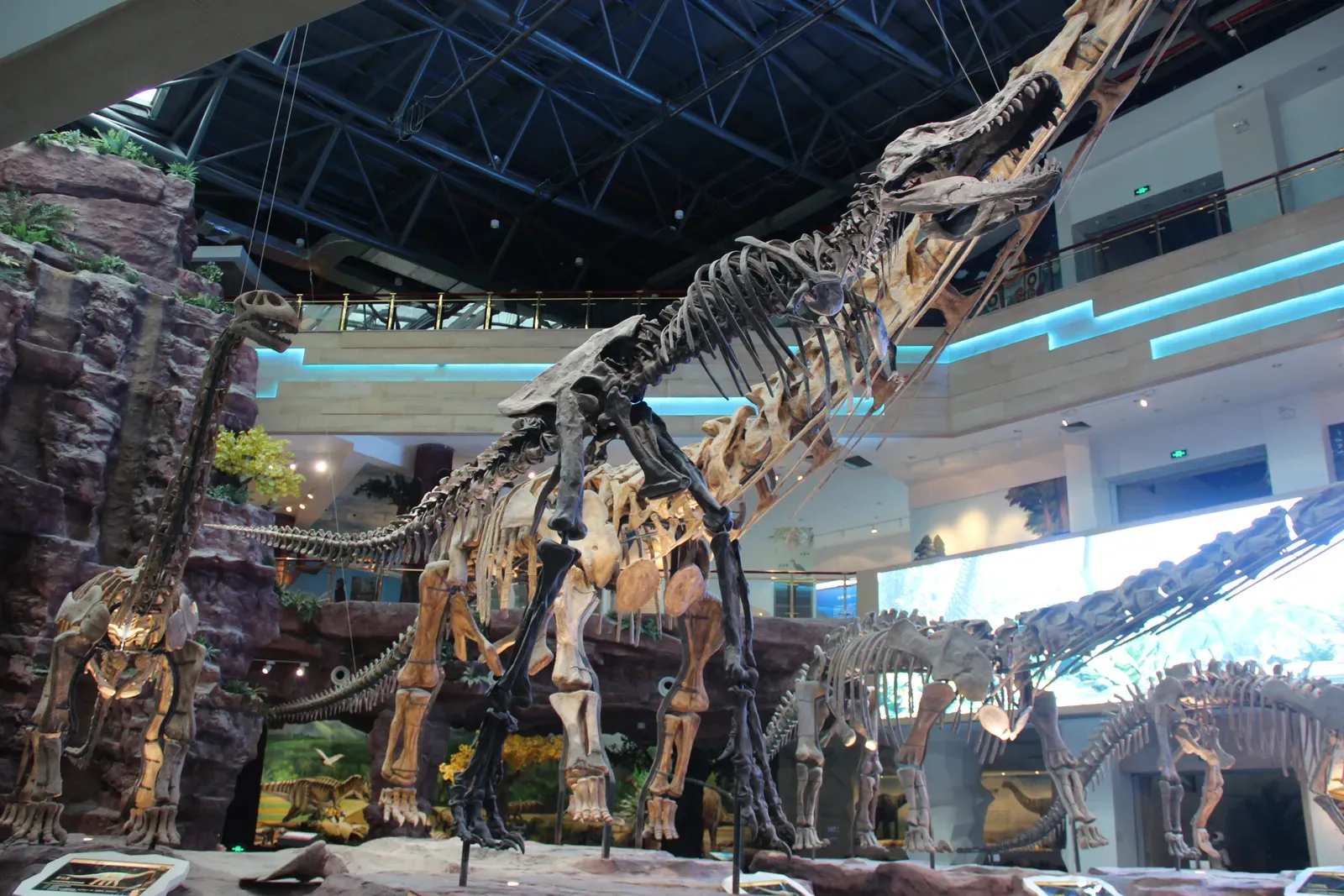
This might be the most quietly explosive naming controversy in all of paleontology – because it threatens Tyrannosaurus rex itself.
Manospondylus gigas was named decades before Tyrannosaurus rex, based on fragmentary vertebrae described by Edward Cope. Under the strict rules of zoological naming, whichever name gets published first should technically win, forever. If Manospondylus and T. rex turn out to be the same animal, the older name has priority.
Most experts have simply agreed to treat Manospondylus as a “forgotten name” that shouldn’t override T. rex’s cultural dominance. Researchers have tried to confirm whether Manospondylus truly qualifies as a nomen oblitum like everybody assumes, because the alternative is almost unthinkable for fans of the name Tyrannosaurus. Technically, “Tyrannosaurus rex” might be the wrong name for the world’s most famous dinosaur. Scientists have largely chosen tradition over technical priority, but the fragile compromise could still be challenged. Meanwhile, #10 was built on evidence flimsier than you’d believe.
#10 – Trachodon mirabilis
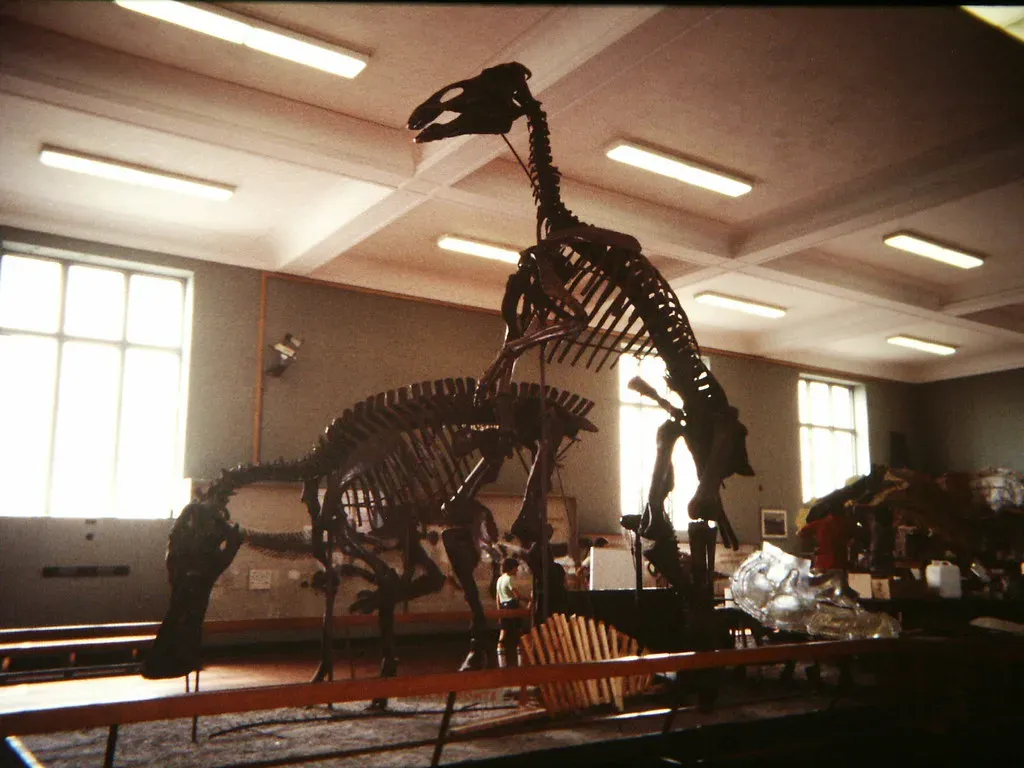
Trachodon was once one of the most famous dinosaurs in the world – built almost entirely on a handful of teeth.
Named by Joseph Leidy in 1858 from isolated teeth, Trachodon became a catch-all name for duck-billed dinosaurs across North America for decades. Museums displayed “Trachodon” skeletons made from bones that had nothing to do with the original teeth specimen. It was less a species and more a placeholder.
Paleontologists eventually realized teeth alone couldn’t distinguish one hadrosaur from another. Some of the teeth originally attributed to the animal may not even belong to Trachodon mirabilis at all. An entire generation of dinosaur books featured a species that was essentially guesswork stitched onto a few teeth. The name has since been abandoned by serious researchers, replaced by better-documented genera like Edmontosaurus. But #9’s case is even harder to defend.
#9 – Anatotitan copei
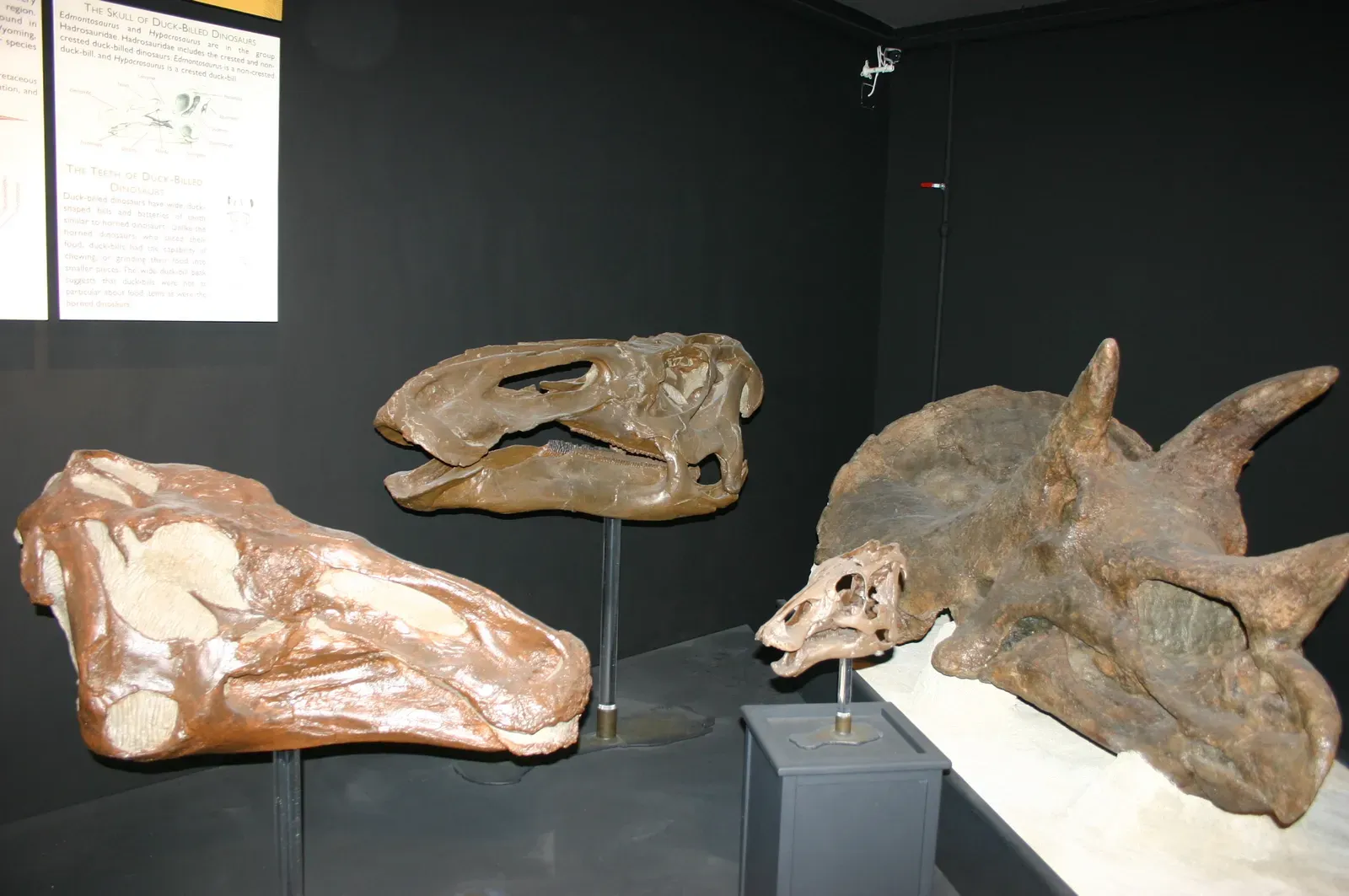
This “distinctive duck-billed dinosaur” might just be the same animal as its more famous cousin, wearing an older face.
Anatotitan copei was defined largely by its long, flattened, duck-like snout – a feature that seemed different enough from Edmontosaurus to earn its own genus. For years, museum placards treated the two as clearly separate species from the same era and region.
Closer study started poking holes in that distinction. Researchers now argue there’s only one species of late Maastrichtian edmontosaur, with the long, flat-billed skulls simply representing the mature growth stage. The pattern fits growth trends seen in earlier populations, which also developed the duckbill shape as they aged. The signature duckbill snout may simply be what old age looks like on an Edmontosaurus skull. One paleoblogger even predicted the name was “about to go the way of Torosaurus” – a comparison that turned out to be prophetic. Then there’s #8, which somehow got even messier.
#8 – Ultrasauros macintoshi
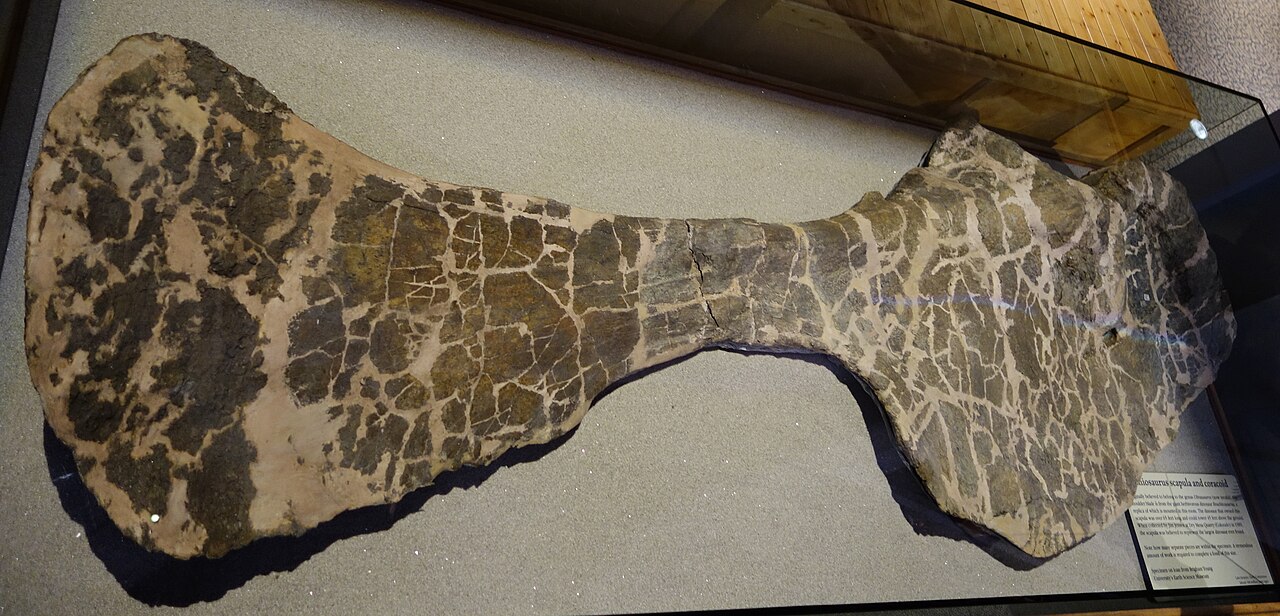
Ultrasauros sounds like it should be one of the biggest dinosaurs ever discovered. Instead, it’s a cautionary tale about mixing up bones from different animals.
The story starts with Jim Jensen, who informally used the name “Ultrasaurus” for giant bones found in Colorado. A Korean researcher then published an unrelated “Ultrasaurus” first, forcing a rename to Ultrasauros. But the bigger problem wasn’t the naming race – it was what the bones actually were.
Scientists eventually determined the specimen combined pieces from more than one animal. Jensen’s giant sauropod was later found to be a chimera, and the type remains are now assigned to Supersaurus. A dinosaur once hyped as one of the largest land animals ever was secretly parts of two different sauropods glued together in the fossil record. The name Ultrasauros is now considered invalid entirely. And #7 raises a question nobody’s fully answered.
#7 – Brachyceratops montanensis
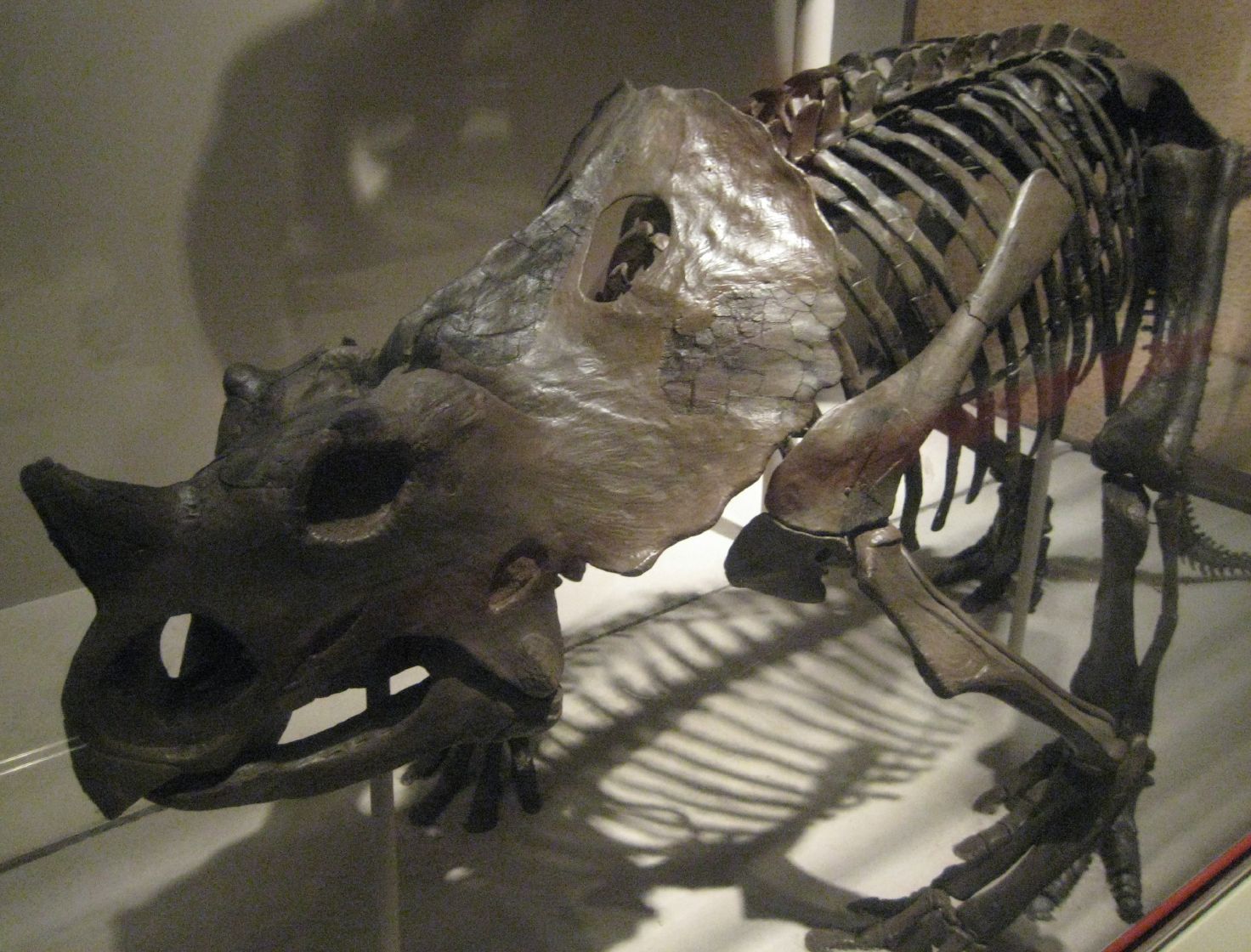
Five baby skeletons found in the same quarry once convinced scientists they’d found a whole new species of horned dinosaur. They may have simply found five toddlers.
Brachyceratops montanensis was named in 1914 from young, incomplete ceratopsian specimens. Because ceratopsian identity depends heavily on adult horn and frill shape – features that don’t develop until maturity – nobody could confirm what species these babies would have grown into.
Decades of re-examination haven’t solved the mystery, only deepened it. Brachyceratops belonged to Centrosaurinae, but its placement was difficult to pin down because it’s known only from juvenile specimens. Researchers in 1997 concluded it’s almost certainly the juvenile form of an already known centrosaurine, though exactly which one remains unknown – which is why it’s now classified as a nomen dubium. A dinosaur named from five actual skeletons still can’t be confirmed as its own species, because juvenile bones simply don’t show the traits that matter. But #6’s fall from fame was even more dramatic.
#6 – Seismosaurus hallorum
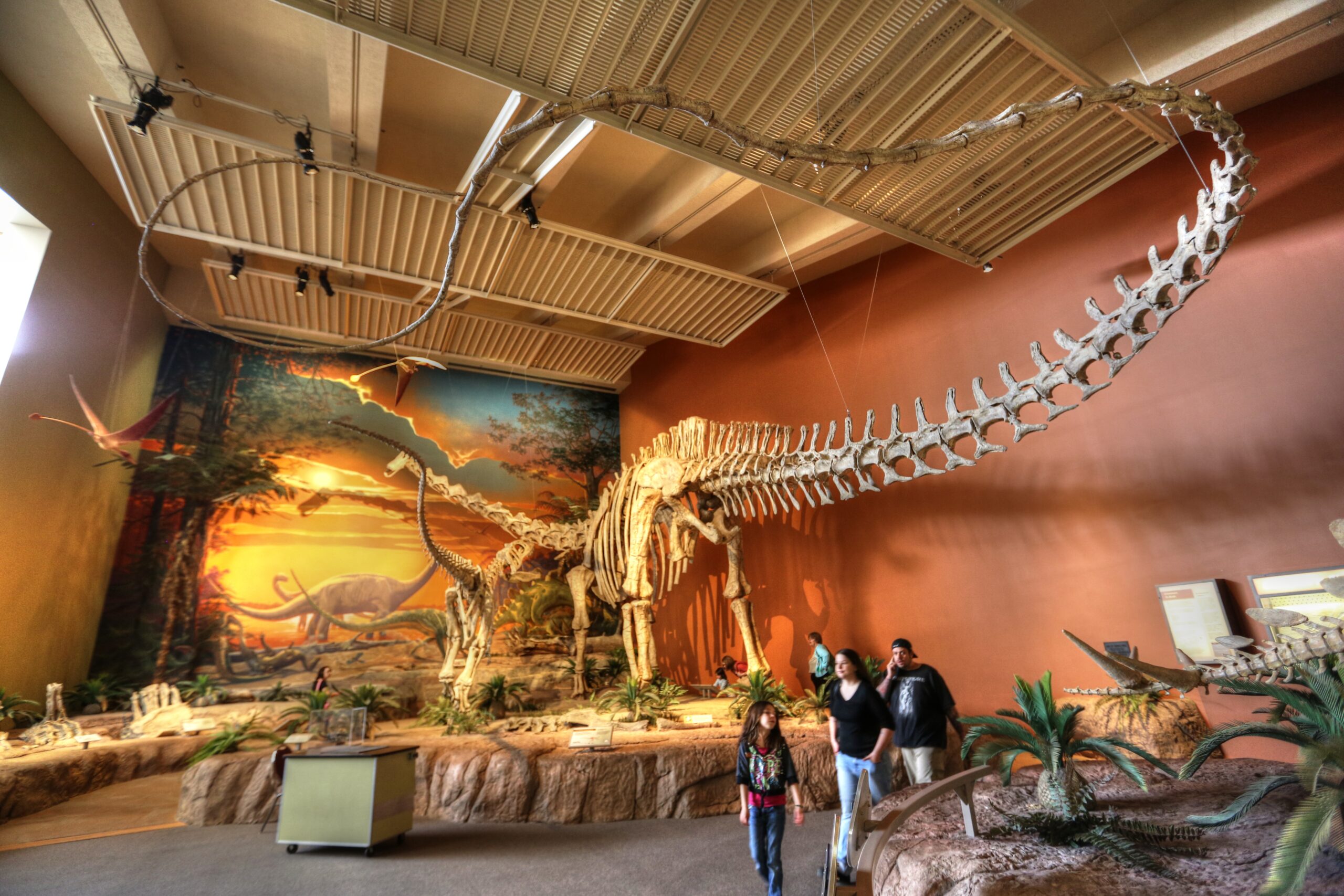
Seismosaurus was marketed as one of the longest animals to ever walk the Earth. That title didn’t survive contact with more sauropod fossils.
Named in 1991, “Seismosaurus” translates to “earthquake lizard” – a name meant to reflect its jaw-dropping estimated size. Early calculations put it at a staggering length, instantly making it a fan favorite in dinosaur documentaries and books throughout the 1990s.
Then paleontologists compared it more carefully to Diplodocus. Seismosaurus turned out to be a species of Diplodocus, and its genus has been considered invalid since 2006. Its size estimate was scaled down drastically too, from an early guess of roughly 52 meters to a more modest 30 to 35 meters. The “earthquake lizard” shrank by nearly half once scientists realized it wasn’t a new giant – just an unusually large Diplodocus. The species survives only as Diplodocus hallorum, its former glory quietly erased. Then #5 turns out to be even weirder.
Quick Compare
- Trachodon → folded into Edmontosaurus
- Anatotitan → reclassified as a mature Edmontosaurus
- Ultrasauros → bones reassigned to Supersaurus
- Seismosaurus → downgraded to Diplodocus hallorum
#5 – Stygimoloch spinifer
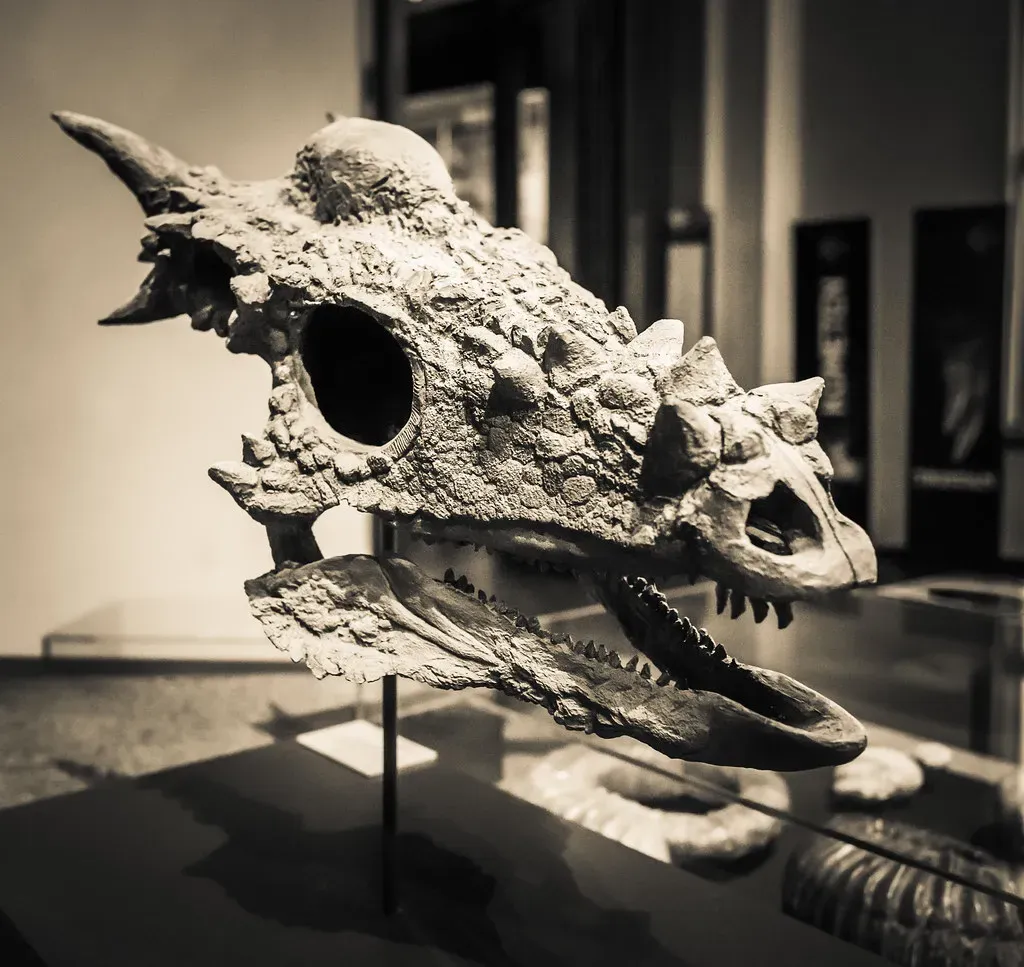
This spiky, horn-studded dinosaur looks like it belongs in a monster movie. Turns out it might just be an awkward teenager.
Stygimoloch spinifer was known for its dramatic array of bony spikes and horns radiating from its skull – dramatic enough that it became a fan-favorite “demon” dinosaur in pop culture. Paleontologists assumed those spikes marked a distinct, fully mature species.
Then histological studies of the skull bone told a different story. CT scans revealed an open suture in the skull indicating a subadult stage of development, not a fully grown adult. Researchers also found these dinosaurs used a process called metaplasia to rapidly reshape their horns and domes as they aged, leading many to propose that Dracorex hogwartsia, Stygimoloch spinifer, and Pachycephalosaurus wyomingensis are actually one and the same animal at different life stages. Those intimidating spikes may simply be a phase – dome-headed dinosaur puberty, essentially. Not everyone in paleontology has accepted the merger, but the bone evidence keeps piling up against Stygimoloch’s independence. And #4’s story might be the most famous mix-up of all.
#4 – Dracorex hogwartsia
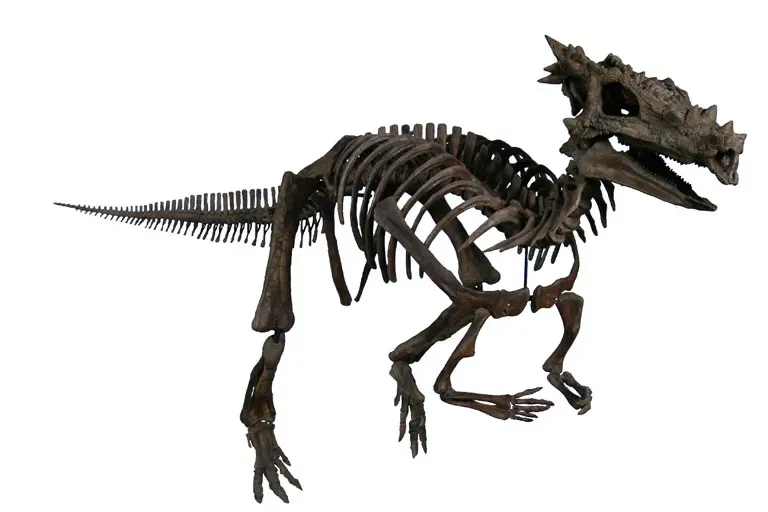
Named after Hogwarts itself, this dragon-skulled dinosaur captured public imagination almost instantly. It may never have been anything more than a baby Pachycephalosaurus.
Dracorex hogwartsia debuted in 2006 with a flat, spiky skull unlike anything else in the pachycephalosaur family. Its dramatic name and unusual look made it an instant media sensation, complete with toy figures and documentary cameos.
The excitement didn’t survive rigorous bone analysis. Dracorex hogwartsia, classified as a juvenile, and Stygimoloch spinifer, classified as a subadult, are now reinterpreted as younger growth stages of Pachycephalosaurus wyomingensis – a synonymy that shrinks the number of pachycephalosaurid species known from the Upper Cretaceous of North America. A dinosaur that got its own Hollywood-style name might just be a young Pachycephalosaurus before its dome fully grew in. Many museums still display Dracorex separately, but the science increasingly treats it as a growth stage, not a genus. But #3 is where paleontologists start yelling at each other.
At a Glance
- Dracorex hogwartsia – youngest stage, flat spiky skull, no dome
- Stygimoloch spinifer – subadult stage, longer horns, partial dome
- Pachycephalosaurus wyomingensis – fully mature adult, thick solid dome
- One life cycle, three separate “species” names still used in some museums today
#3 – Nanotyrannus lancensis
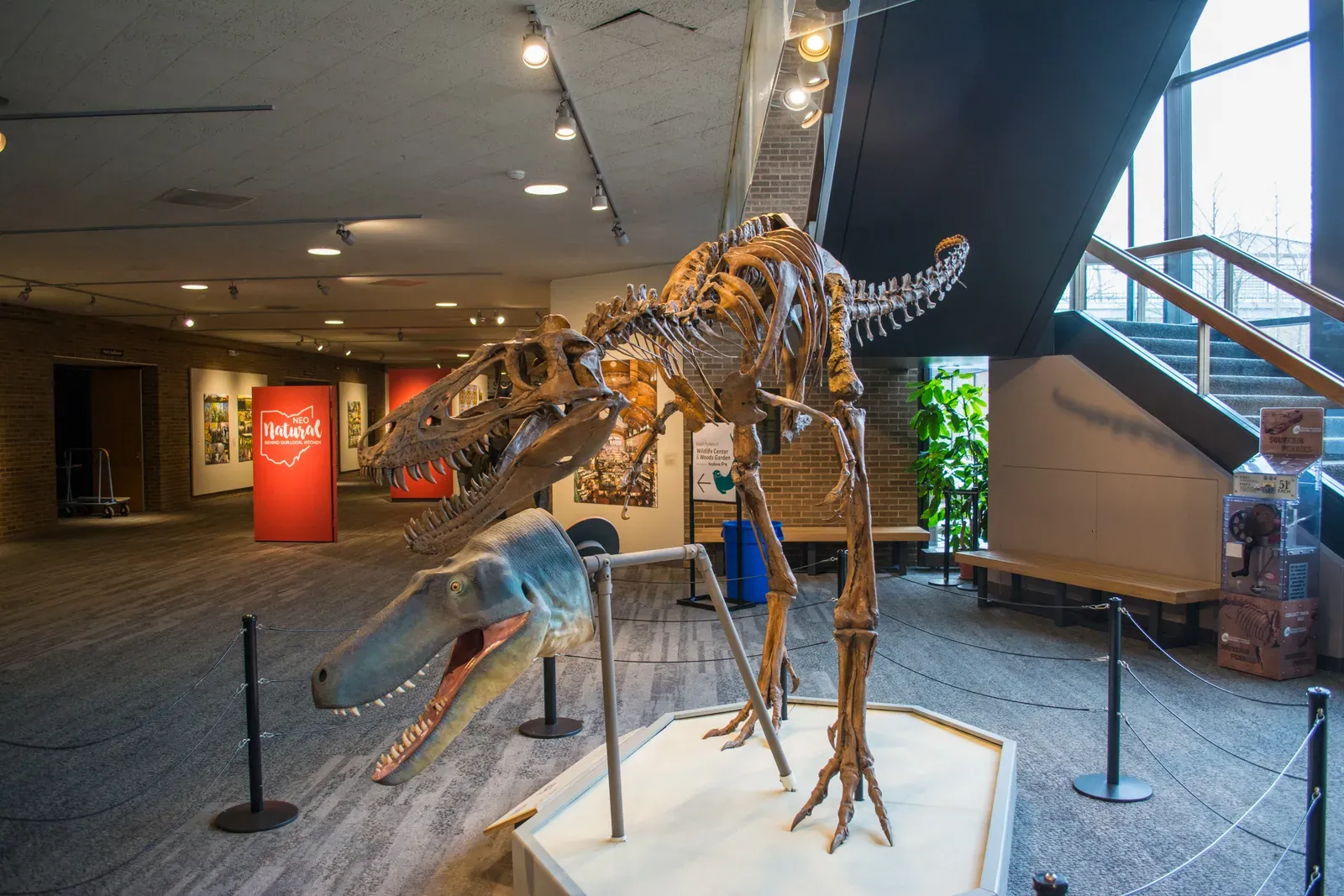
Few dinosaur debates get more heated than this one – because it questions whether an entire “mini tyrant” species ever existed.
Nanotyrannus lancensis was named from a skull that looked like a smaller, distinct tyrannosaur relative. For years it captured attention as a scrappy, fast little cousin of T. rex, distinct enough to earn its own genus and fan base.
Then researchers looked closer at bone growth patterns. Analysis of the specimen in 1999 indicated it was actually immature, leading paleontologist Thomas Carr and many others to consider it a juvenile T. rex rather than its own species. A more complete juvenile specimen, nicknamed “Jane,” only intensified the argument. Most experts now suspect Nanotyrannus was never its own species – just a T. rex that hadn’t finished growing up. The debate remains genuinely unresolved among specialists, making it one of the most contested “species” on this entire list. But #2 might be the most shocking reversal of all.
#2 – Torosaurus latus
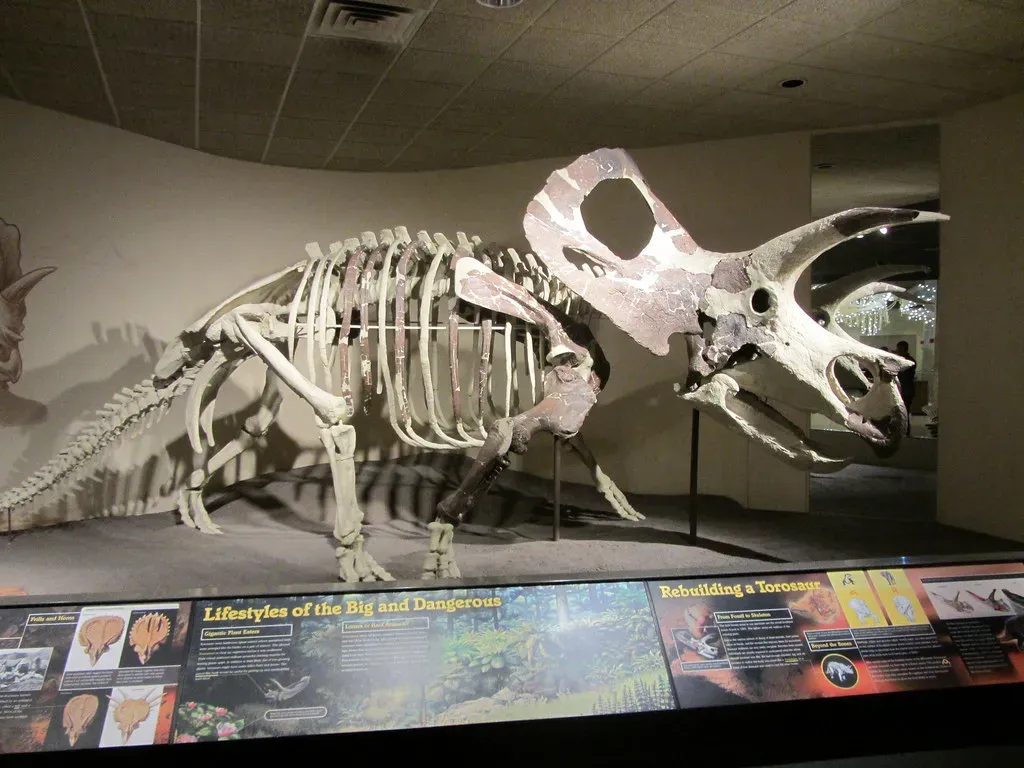
Here’s a genuinely shocking claim: one of the most recognizable ceratopsian names in the world may have never described a real, distinct animal.
Starting in 2009, researchers proposed that Torosaurus – known for its enormous, hole-punched frill – was simply the fully mature adult form of Triceratops. The idea overturned more than a century of belief that the two were separate dinosaurs distinguished by frill shape and holes, suggesting instead that Triceratops’ frill grew thinner with age until it eventually opened into holes.
The idea sparked immediate pushback. Researchers pointed to physically mature adult Triceratops specimens existing alongside relatively immature juvenile Torosaurus specimens – a pattern that would be impossible if Torosaurus were simply an older version of Triceratops. The consensus has now shifted back toward Torosaurus being real, but the fact that this debate happened at all shows how shaky “settled” dinosaur species really are. But none of that compares to #1.
#1 – Brontosaurus excelsus
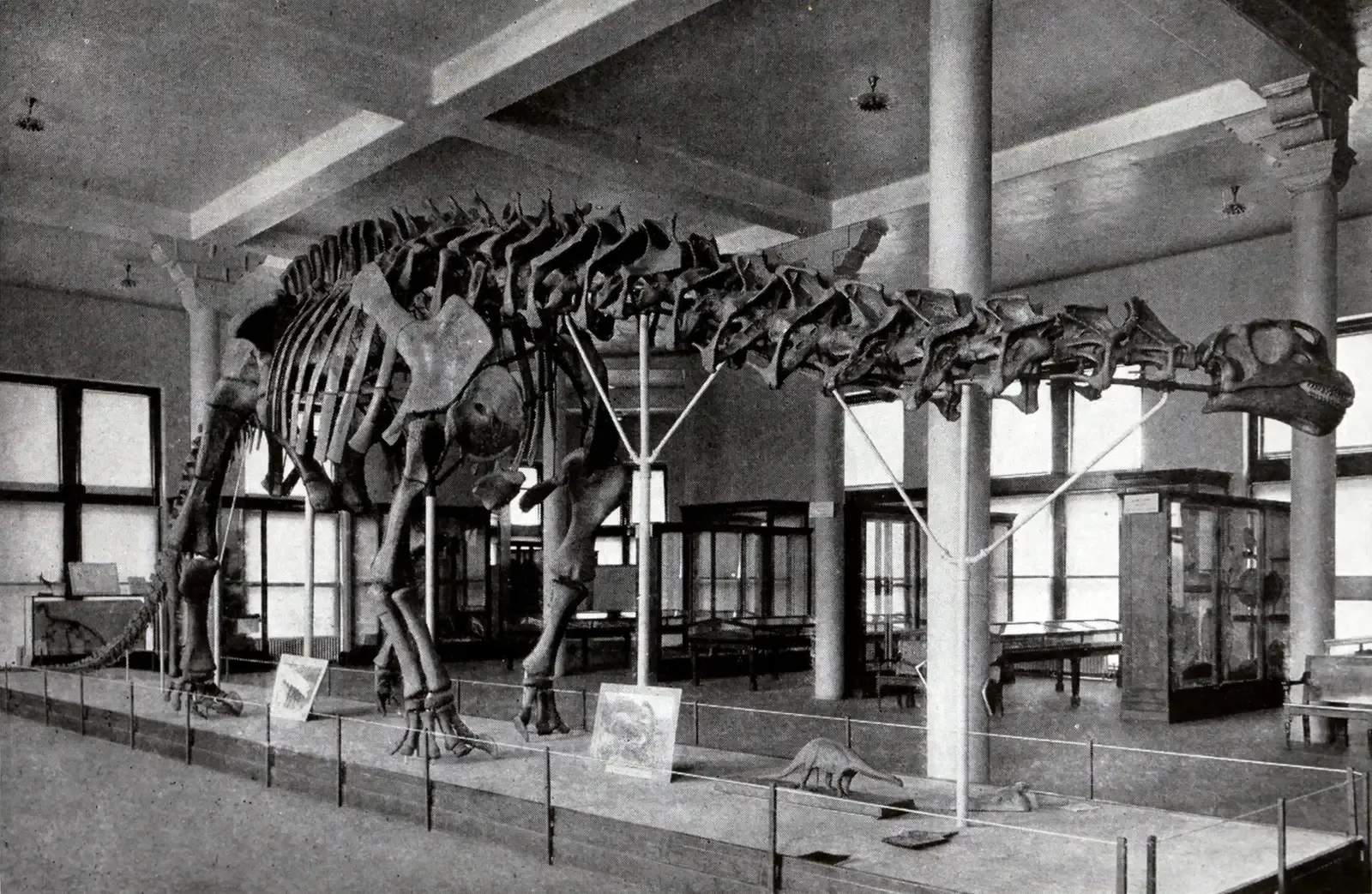
This is the granddaddy of dinosaur identity crises, and it’s the reason paleontologists get nervous every time a beloved species comes up in conversation.
Brontosaurus was named in 1879, only to be quietly folded into the earlier-named Apatosaurus decades later under strict naming-priority rules. For most of the 20th century, “Brontosaurus” was treated by scientists as a mistake – a duplicate name that popular culture simply refused to let go of, no matter how many textbooks corrected it.
Then, in a genuinely rare reversal, detailed skeletal comparisons found real anatomical differences after all. Researchers decided to resurrect the Brontosaurus name for a distinct genus, and while not all paleontologists agree, the study may have solved a decades-long argument over one of the most beloved – and most doubted – names in dinosaur history. The dinosaur every kid drew in crayon, the one scientists insisted didn’t exist for generations, was partially vindicated after all – proof that even the most confidently debunked species can come roaring back.
The Bottom Line
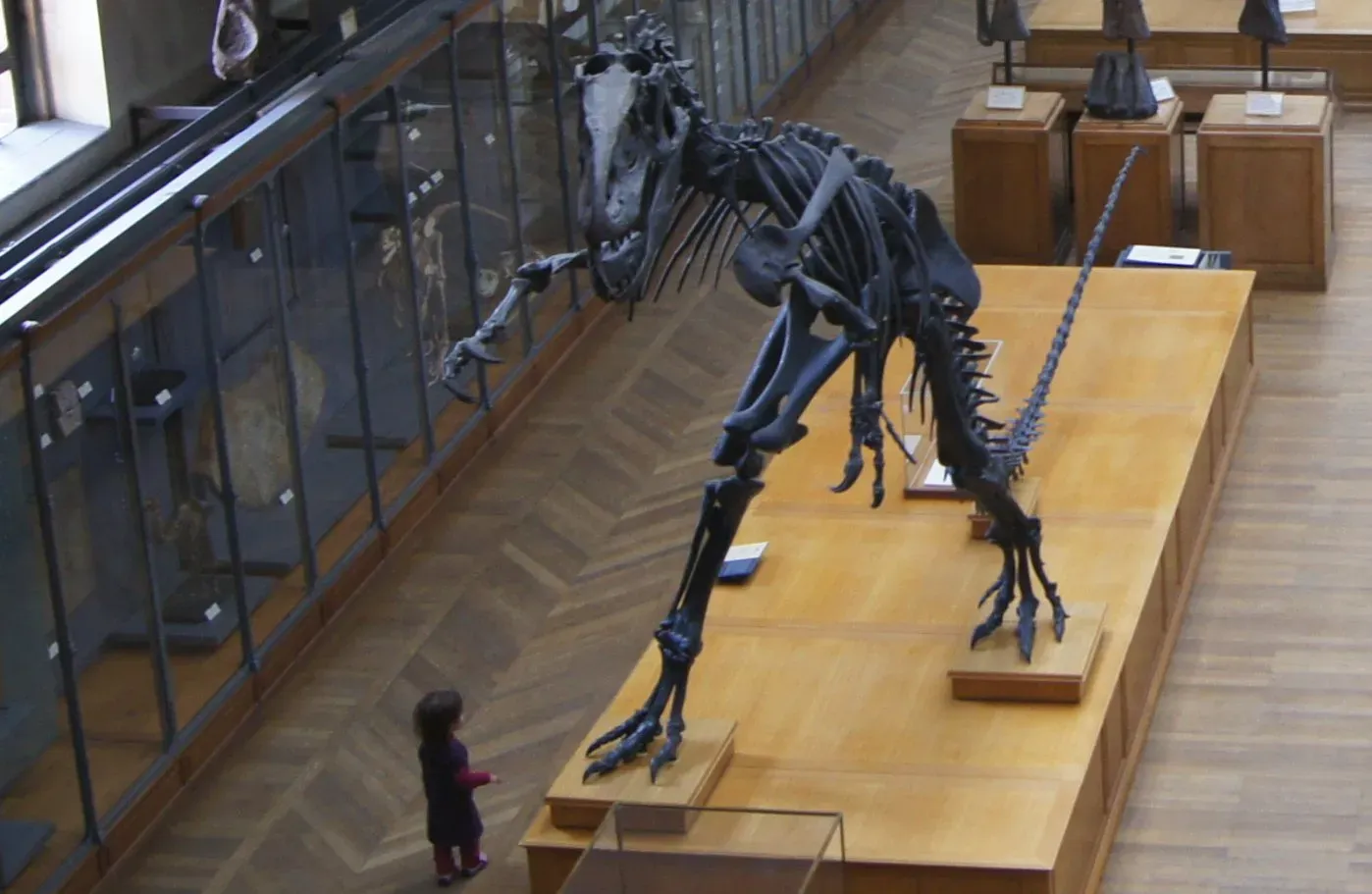
The honest truth is that dinosaur taxonomy is far messier than museum plaques let on. Growth changes bones dramatically, single skeletons get mistaken for entire species, and Bone Wars-era scientists often named animals from fragments too flimsy to hold up today.
Nanotyrannus and Torosaurus remain genuinely contested, not settled – and that’s arguably a good thing, because it means paleontology is still doing its job. A science that never revises itself isn’t a science at all; it’s a museum plaque frozen in time.
So the next time you stand in front of a skeleton with a confident little name placard, remember Brontosaurus – debunked for generations, then dragged back from the dead by better bones. Half of what we think we know about dinosaur species is probably still up for negotiation, and honestly, that’s what makes this field worth watching.