You probably think of fossils as a few bones behind glass, labeled in tiny print and forgotten after a school trip. But scattered across North America, there are a handful of fossil sites so rich, so strange, and so revealing that they completely rewrite how you see the continent beneath your feet. When you stand in these places, you are not just looking at old bones; you are standing in the middle of vanished worlds that once covered the ground you walk on today.
In each of these five sites, you can trace a different chapter of deep time: seas that covered mountain ranges, swampy forests drowned by volcanic ash, floodplains packed with dinosaurs, and Ice Age predators trapped in sticky asphalt. As you move from one to another, you are really traveling across hundreds of millions of years, watching North America assemble itself layer by layer. Think of this as your time‑traveler’s roadmap to the continent’s most mind‑bending fossil windows.
1. Burgess Shale (British Columbia, Canada): When Animals First Got Weird
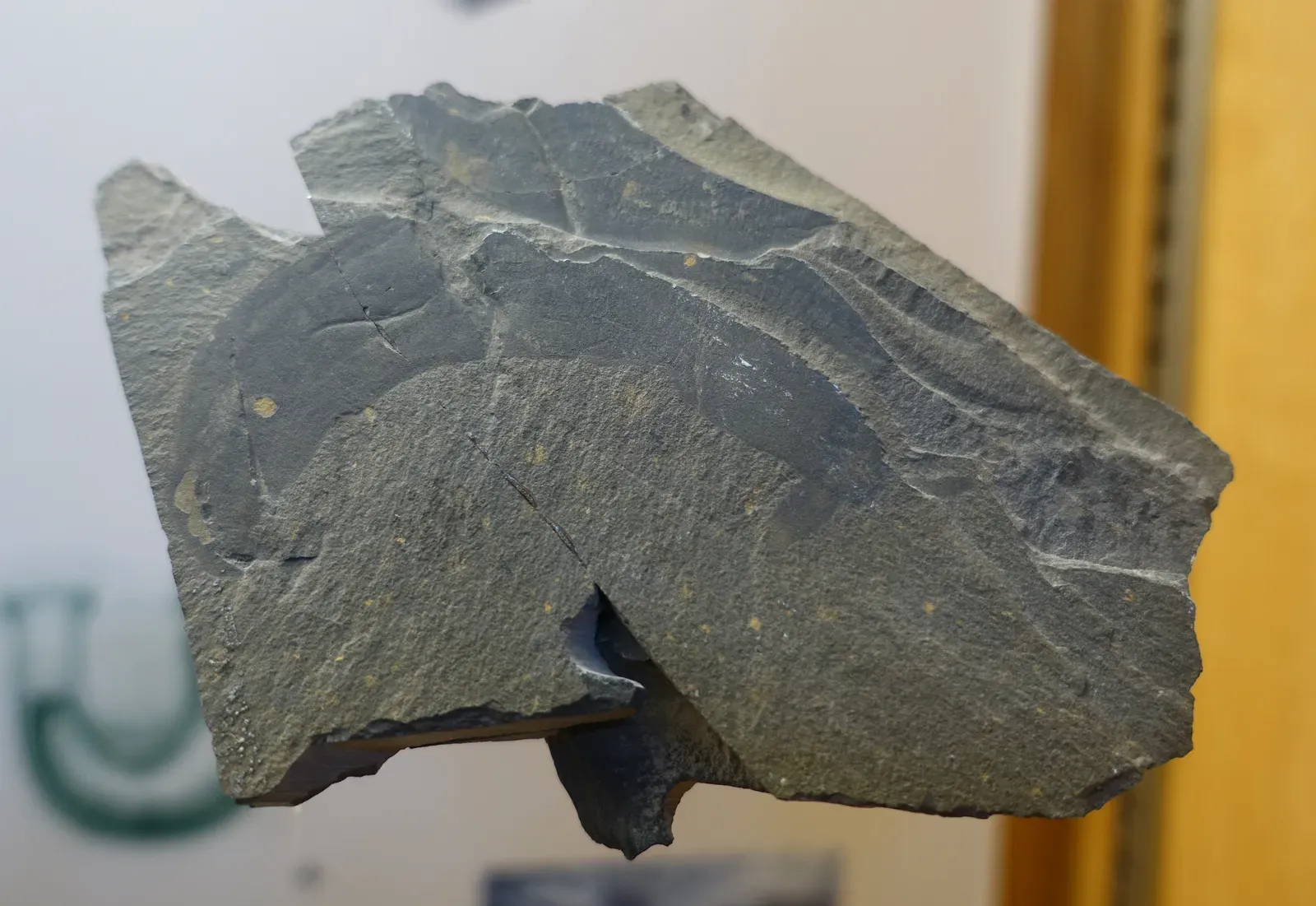
If you want to see where complex animal life truly explodes onto the scene, you head up into the Canadian Rockies to the Burgess Shale. Here, in rocks from the middle of the Cambrian Period, you are looking at creatures that lived more than half a billion years ago, preserved in astonishing detail. Unlike most fossil sites, which mainly keep hard bits like shells and bones, this place holds impressions of soft tissues – tentacles, digestive tracts, even delicate body flaps – giving you an almost unsettlingly intimate look at some of the earliest animal communities.
As you imagine walking those high ridges above Yoho National Park, you are effectively standing on an ancient seafloor where bizarre, alien‑looking creatures crawled, swam, and floated. Many of them do not fit neatly into any modern group, which means you get a front‑row seat to evolution experimenting wildly with body plans. You are not just seeing ancestors of familiar groups like arthropods and vertebrates; you are also seeing evolutionary dead ends, entire ways of being an animal that came and went long before trees, dinosaurs, or mammals ever appeared.
2. Dinosaur Provincial Park (Alberta, Canada): A Dinosaur Graveyard in the Badlands
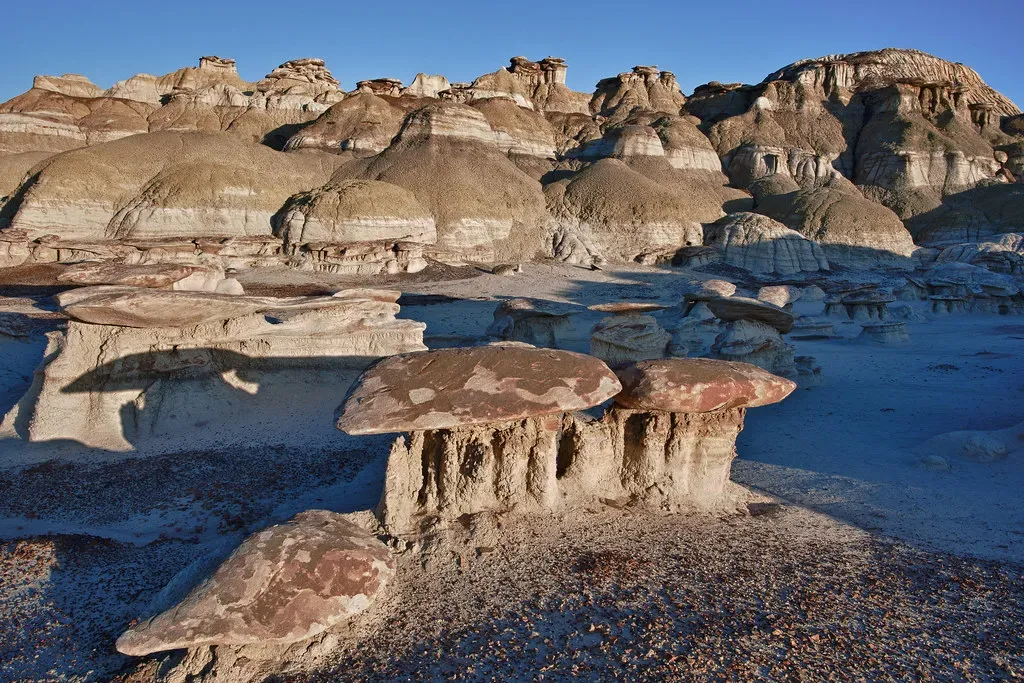
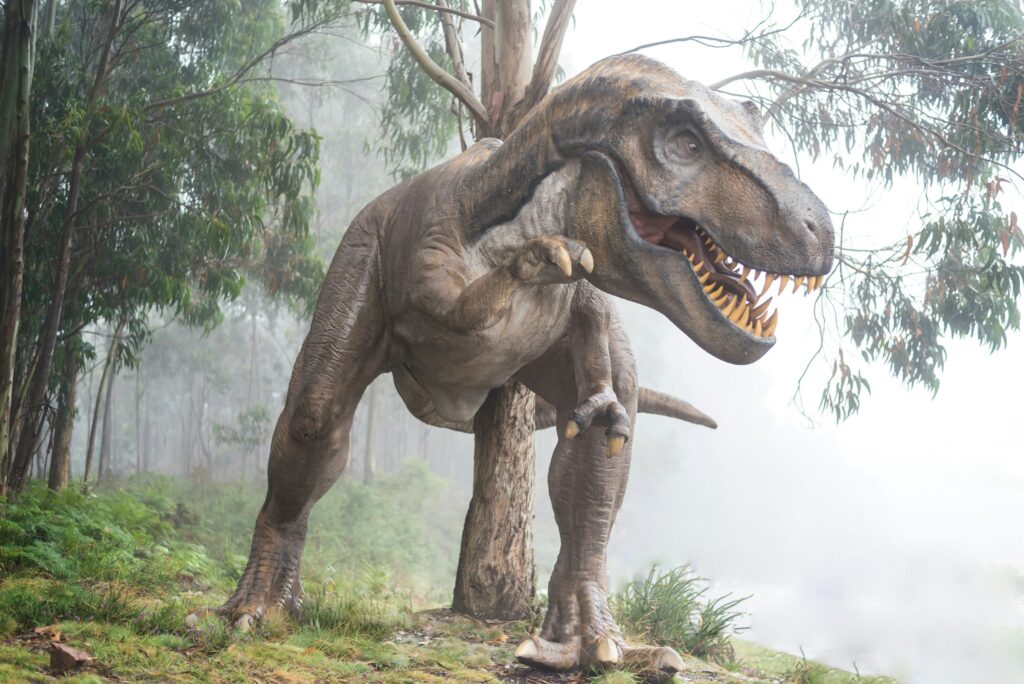
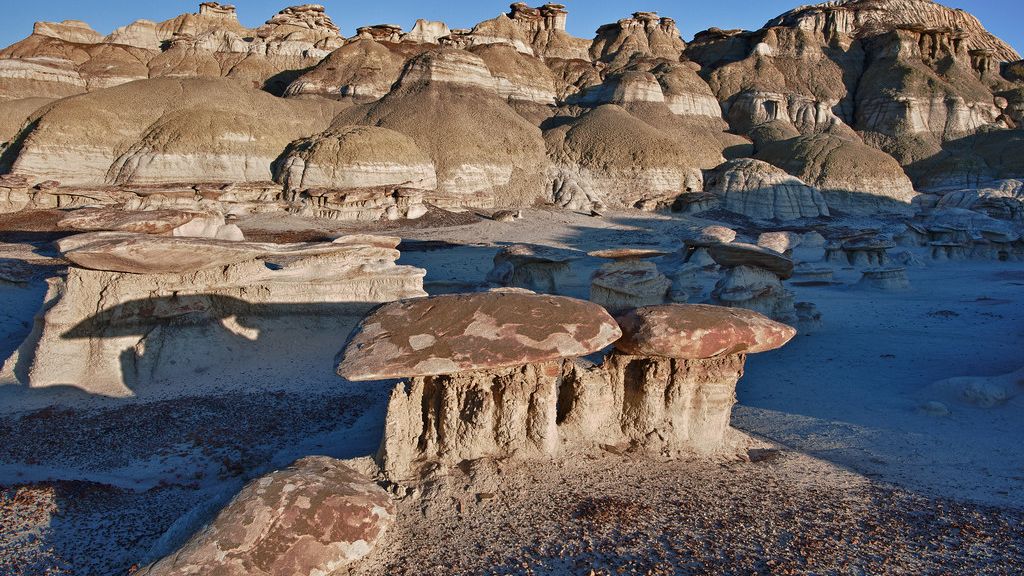
When you step into the eroded badlands of Dinosaur Provincial Park in Alberta, it feels like you have walked into the bones of a lost world. The hills and gullies here are packed with Late Cretaceous fossils – hundreds of skeletons and thousands of specimens from dozens of dinosaur species that lived roughly seventy‑five million years ago. You are not just looking at isolated bones; you are seeing an entire ecosystem frozen in stone: horned dinosaurs, duck‑bills, tyrannosaurs, along with turtles, crocodiles, and ancient plant life that filled the floodplains of a warm, river‑laced landscape.
As you look across the hoodoos and cliffs, you can picture rivers meandering through lush lowlands where herds of dinosaurs browsed and predators prowled the margins. Many skeletons here are articulated – bones still in life position – so you can tell these animals were buried quickly, often by sudden floods dumping sand and mud over their bodies. When you explore the park, you are effectively walking along the edges of those ancient river channels, where erosion has peeled back the surface like a book cover and left the pages of Earth’s dinosaur story open for you to read.
3. The Morrison Formation (Western United States): Jurassic Giants on Ancient Floodplains
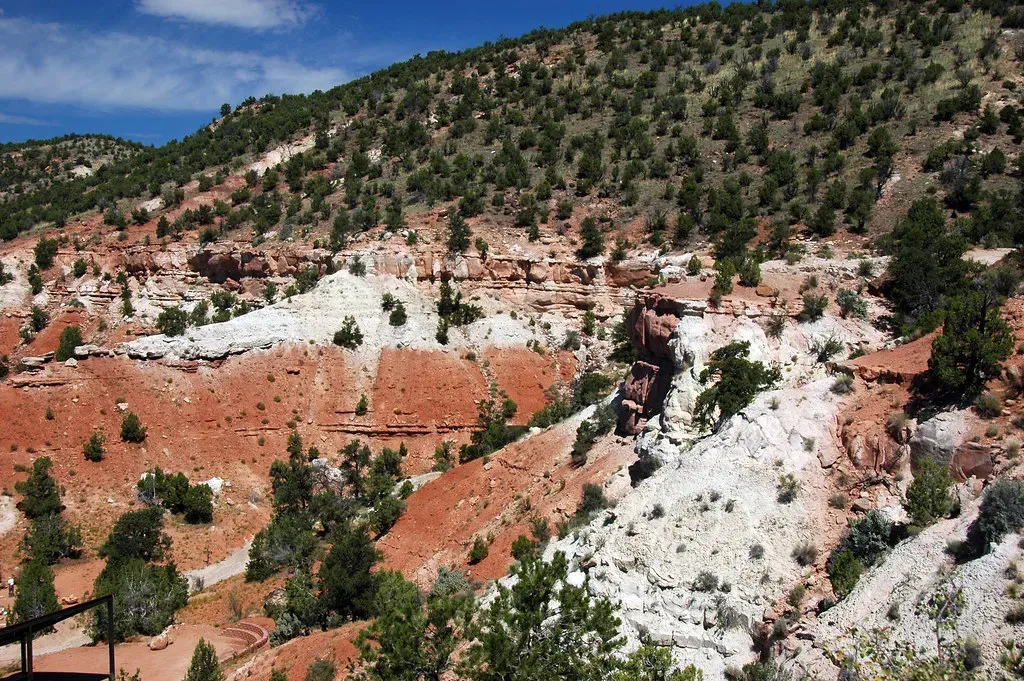
If your mental image of the Jurassic is a landscape filled with long‑necked giants and predatory theropods, the Morrison Formation is where that picture comes from. Stretching across much of the western United States, this rock formation has produced more dinosaur fossils than any other in North America. At sites like Dinosaur National Monument on the Colorado–Utah border, you can stand in front of a quarry wall where enormous bones still protrude from the rock – neck vertebrae, limb bones, and skull fragments all stacked together as if a river dumped them in a bend and left them to fossilize.
When you trace those layers with your eyes, you are really following the channels, sandbars, and floodplains of a Late Jurassic river system that wound through a warm, seasonal landscape. You can picture herds of sauropods like Apatosaurus lumbering through shallow water, smaller herbivores feeding in the undergrowth, and carnivores cruising the edges like big cats at a watering hole. The Morrison Formation is not just about size; it also lets you compare different sites across many states, so you can see how communities changed from one basin to another. In a very real sense, you are using the rocks as a continental‑scale time‑lapse of Jurassic life.
4. Florissant Fossil Beds (Colorado, USA): A Drowned Forest Frozen in Fine Detail
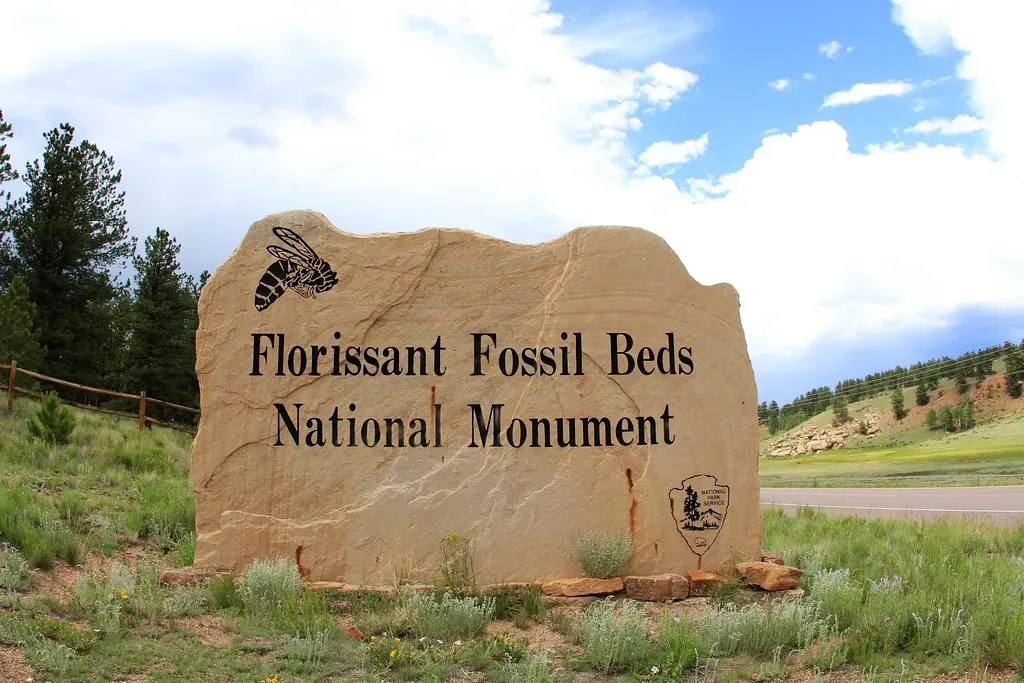
At Florissant Fossil Beds in Colorado, the drama is quieter at first glance: you see rolling meadows, scattered trees, and stumps of ancient redwoods that look like weather‑worn stone. But when you look closer, especially at the paper‑thin layers of shale, you discover one of the finest fossil windows into a past temperate ecosystem anywhere in North America. Here, a lake once filled a mountain valley, and repeated volcanic ashfalls buried leaves, flowers, seeds, insects, and small creatures with almost photographic precision as they settled into the mud.
When you split those shale layers in your mind’s eye, you can imagine revealing delicate wings of insects, fine veins of leaves, and outlines of tiny fish – details so sharp you can sometimes distinguish patterns and textures. You are looking at a late Eocene world, tens of millions of years old, that still feels surprisingly familiar: forests, lakes, and a climate that once supported redwood‑like trees far inland. Instead of giant dinosaur skeletons, Florissant shows you the everyday fabric of life: the pollinators, the fallen leaves, and the understory plants that usually vanish from the fossil record. It is like finding not just the main characters of a story, but all the background details that make the scene feel real.
5. La Brea Tar Pits (California, USA): Trapped in an Ice Age Time Capsule
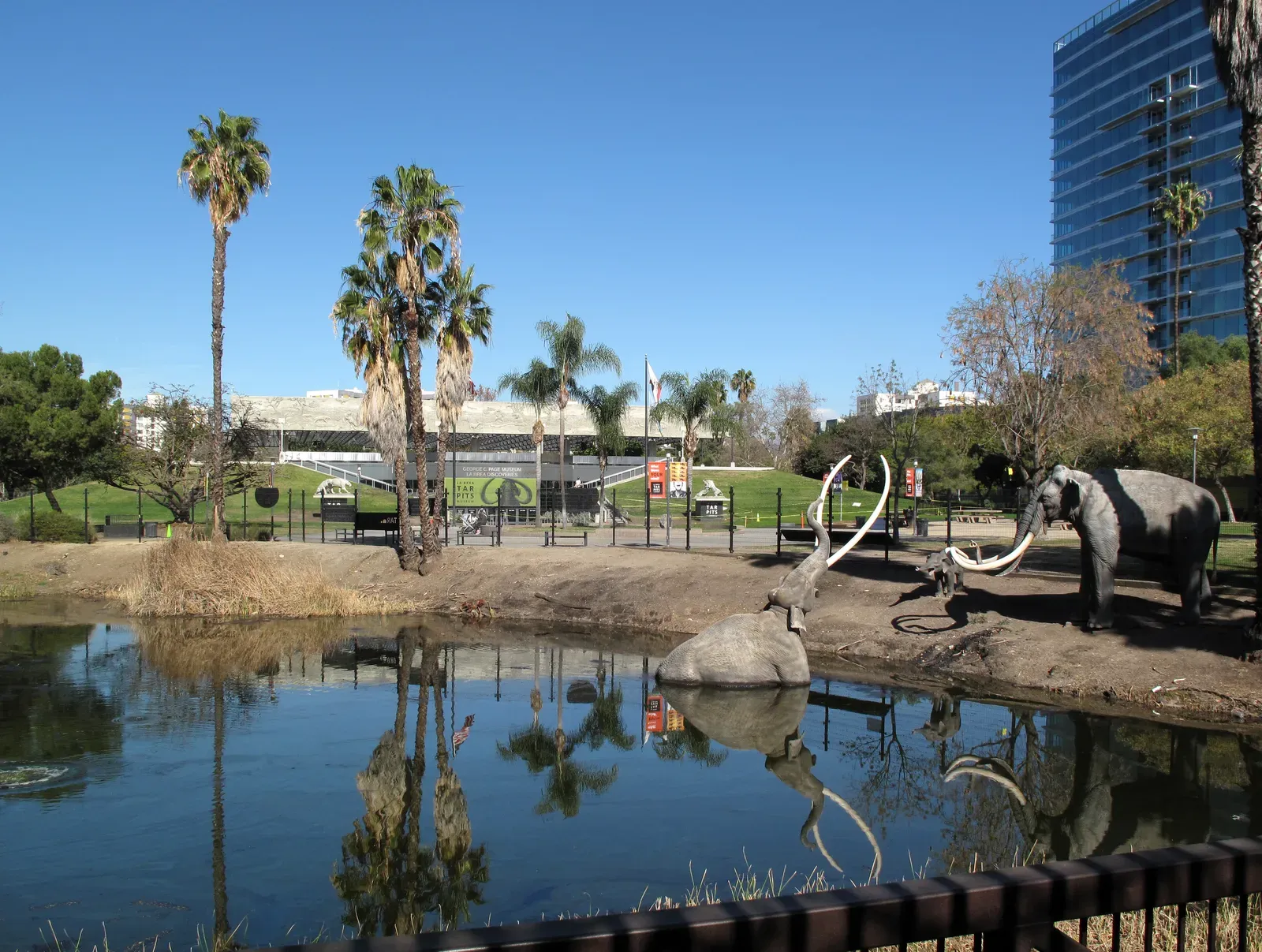
Right in the middle of modern Los Angeles, you can watch bubbles of gas rising from black, sticky pools and realize you are standing on one of the most extraordinary Ice Age fossil sites on Earth. For tens of thousands of years, natural asphalt seeps at La Brea trapped animals that mistook the shiny surface for solid ground or water. Large herbivores wandered in and got stuck; predators pounced on the struggling victims and were trapped in turn, creating dense bone accumulations that capture a remarkably rich slice of late Pleistocene life.
When you look at the skeletons from this site – saber‑toothed cats, dire wolves, American lions, mammoths, ground sloths – you are seeing entire food webs preserved almost in place. The tar has kept bones in extraordinary condition, and ongoing excavations mean you can still watch fossils being prepared and studied today. You also get a direct sense of how recently this vanished world existed; many of these animals roamed what is now urban Southern California only a geologic moment ago, overlapping with early humans in the region. Standing on the sidewalk near those pits, you are literally walking over a stack of Ice Age tragedies that, together, form one of the clearest windows into a recent but utterly transformed North American ecosystem.
Taken together, these five sites let you follow North America from its earliest complex seas to its dinosaur‑drenched floodplains, ash‑buried forests, and predator‑haunted Ice Age valleys. Each place you visit peels back another layer of time, showing you that the continent you know has been assembled, erased, and rebuilt again and again. The rocks under your feet are not just background scenery; they are an archive of experiments, extinctions, and recoveries that stretch farther back than human imagination naturally wants to go.
When you start to see these landscapes as chapters in a single story, your sense of place changes: your own lifetime feels like a brief flicker, but also part of a much bigger, ongoing tale. The next time you hike a ridge, drive across a plain, or stand in a city park, you might catch yourself wondering what worlds are buried just a few meters below you. If you could split the ground like a page of rock, what part of North America’s deep past would you hope to read first?