Monarch butterflies embark on one of nature’s most remarkable journeys each year, traveling thousands of miles between their overwintering grounds in Mexico and breeding habitats across North America. Yet declining populations due to habitat loss, pesticides, and climate change have raised alarms among conservationists. Cities enrolled in the National Wildlife Federation’s Mayors’ Monarch Pledge program stepped up in 2025 by organizing community science events to monitor this migration. These initiatives engaged residents in hands-on data collection, providing scientists with vital insights into butterfly movements and health.
The Epic Scale of Monarch Migration
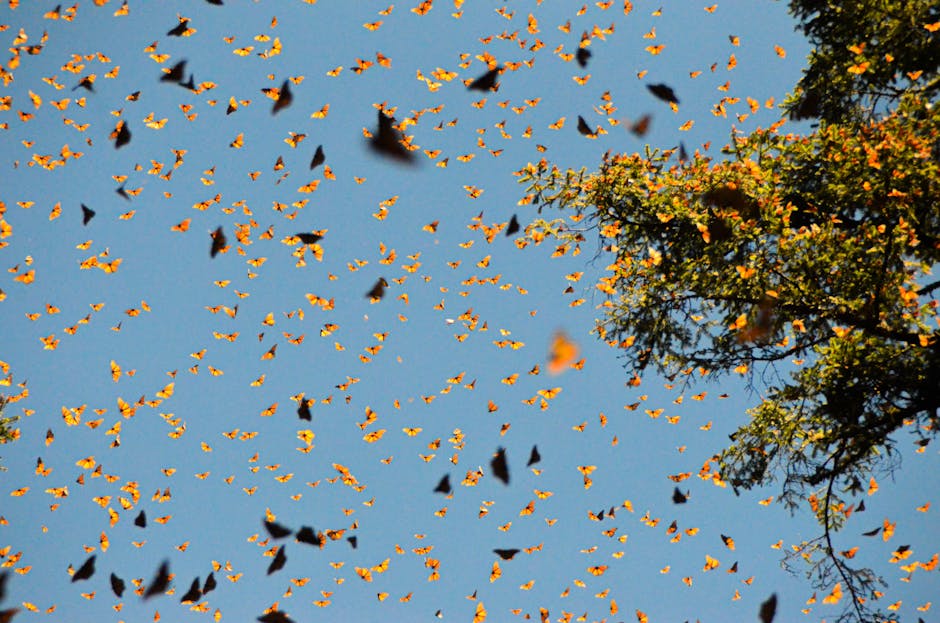
The Epic Scale of Monarch Migration (Image Credits: Pexels)
Each spring, monarchs depart from forests in south-central Mexico and Michoacán, heading north to lay eggs on milkweed plants. Successive generations continue this northward push through the United States and into Canada over the summer. The final generation of the year then reverses course, flying up to 3,000 miles back to Mexico in the fall. This multi-generational cycle demands precise tracking to understand shifts in timing, routes, and survival rates.
Professional researchers alone cannot cover the vast distances involved. Community science fills this gap by recruiting everyday observers to report sightings, tag butterflies, and measure physical conditions. Such efforts reveal patterns in geographic distribution, mortality rates, and migration speed that inform habitat protection strategies.
Citizen Scientists Take the Lead
In 2025, the Mayors’ Monarch Pledge drew 275 communities and reached 2.3 million participants, many through targeted migration monitoring events. These gatherings taught volunteers techniques like butterfly tagging and health assessments, including checks for weight, wing measurements, and parasites such as Ophryocystis elektroscirrha. Data flowed into shared databases, enabling real-time analysis of population trends.
Local governments coordinated with partners like Monarch Watch and zoos to host these activities. Participants not only contributed observations but also learned about monarch ecology and conservation needs. By April 2026, the program anticipated surpassing 300 pledged cities, amplifying this grassroots network even further.
Spotlight on Innovative City Efforts
Aurora, Colorado, organized fall and spring events where residents documented monarch distribution, mortality, and pace through the region. Year-round sightings in parks fed into the city’s Open Space and Natural Resource Division, guiding land-use decisions for better habitat protection.
Oklahoma City, Oklahoma, focused on fall tagging drives, collecting detailed health metrics. The local zoo teamed up with scientists to equip six monarchs with radio transmitters, tracking their precise paths southward.
Des Moines, Iowa, sustained a decade-long tradition through its Parks and Recreation department. In September, nine public events via Monarch Watch resulted in 200 tagged and released butterflies headed for Mexico.
Cape May Point, New Jersey, hosted an educational festival featuring a speaker from Mexico’s Monarch Butterfly Biosphere Reserve. Attendees practiced tagging and used apps to log locations, blending cultural stories with practical science.
| City | Key Activities | Partners |
|---|---|---|
| Aurora, CO | Sightings, distribution tracking | Open Space Division |
| Oklahoma City, OK | Tagging, radio tracking, health data | OKC Zoo |
| Des Moines, IA | Annual tagging events | Monarch Watch |
| Cape May Point, NJ | Educational tagging, app training | Arts & Science Center |
Real-World Impact and Next Steps
These community-driven projects expanded data collection far beyond what small research teams could achieve. Insights from tags and sightings helped pinpoint bottlenecks in migration routes and advocate for policy changes, such as reduced pesticide use and more milkweed plantings. Participants gained a deeper connection to nature, often inspiring personal actions like garden certifications.
The National Wildlife Federation supports ongoing involvement through resources like the Mayors’ Monarch Pledge site and the International Monarch Monitoring Bioblitz. Individuals can certify habitats via NWF’s program or send quick alerts to leaders at NWF’s action page. The 2025 impact report details these successes in full.
Key Takeaways
- Community science events in 2025 engaged 2.3 million people across 275 cities, tagging hundreds of monarchs.
- Advanced tools like radio transmitters provide unprecedented migration data.
- Local efforts influence broader conservation, from park protections to international awareness.
As monarch migration unfolds again in 2026, these city-led initiatives offer hope for the species’ recovery. Collective action proves that ordinary citizens can drive extraordinary change. What steps will your community take to join the effort? Share your thoughts in the comments.