If you grew up picturing dinosaurs as cold-blooded monsters that laid their eggs and walked away, you’re in for a surprise. Over the last few decades, fossils, nests, and cutting-edge imaging have quietly rewritten that old story, and what you see now is something far more familiar: parents, families, and even what looks a lot like devotion.
When you look closely at the latest evidence, you start to see behavior that reminds you of birds building nests, crocodiles guarding hatchlings, or even mammals caring for helpless young. None of this is nailed down in the way a math problem is, but the picture that’s emerging is rich, emotional, and sometimes a bit unsettling, because it forces you to rethink who you assume is capable of tenderness. Let’s walk through five of the most eye-opening ideas about how dinosaur parents may have raised their young – and how close that might bring them to you.
1. You Might Be Looking At “Helicopter” Dinosaurs, Not Neglectful Reptiles
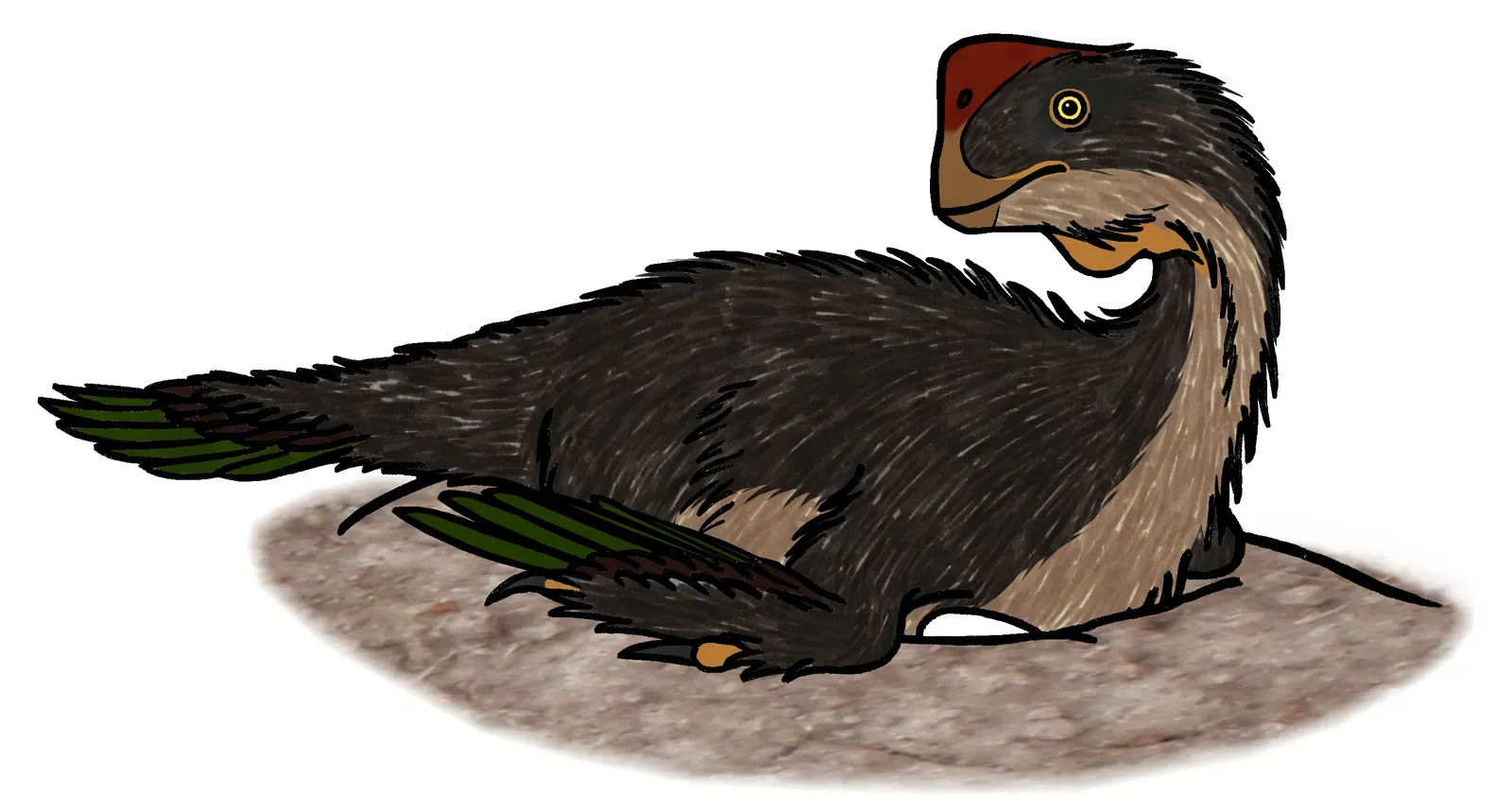
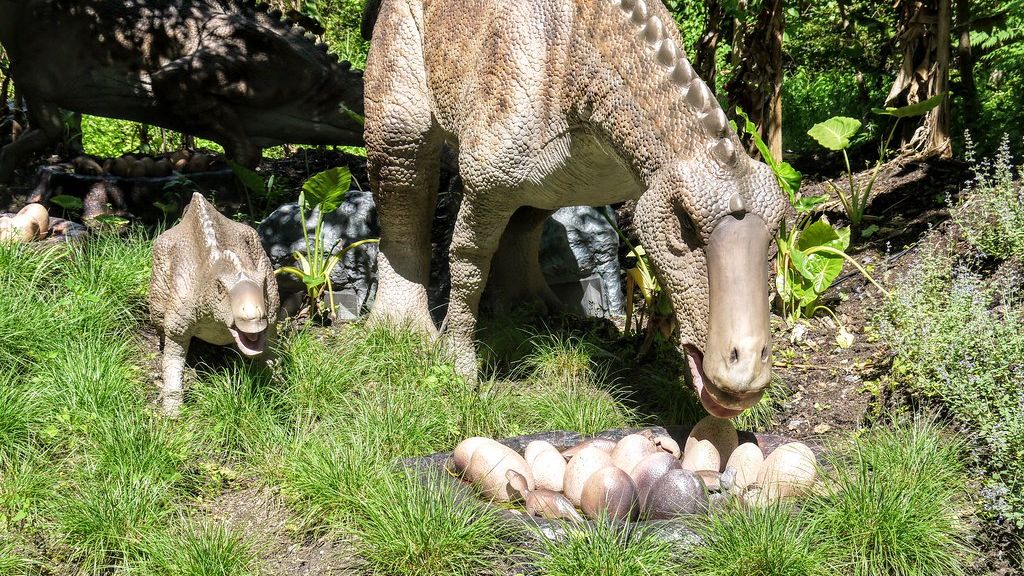
You’ve probably heard the stereotype: reptiles lay their eggs and move on, leaving the hatchlings to figure out life alone. When you look at some dinosaur nesting sites, though, that story suddenly feels outdated. You find organized clusters of eggs, nests built in layers, and sometimes the bones of adults preserved right on top of those nests, as if they stayed put instead of wandering off. That kind of pattern suggests that at least some dinosaurs did not treat their offspring as an afterthought.
If you imagine yourself as one of those parents sitting over a clutch of eggs, you’re not just dropping them in the sand and calling it a day. You’re coming back, defending that nest, maybe even adjusting the eggs or settling down over them to keep them safe. When you see repeated nesting at the same spot over time, it starts to look a lot like loyalty to a chosen “home base,” the way birds return to the same nesting grounds year after year. In that light, the old idea of dinosaurs as cold, uncaring reptiles feels too simple for what the fossils are hinting at.
2. You May Be Seeing Evidence Of “Stay-At-Home” Dino Parents
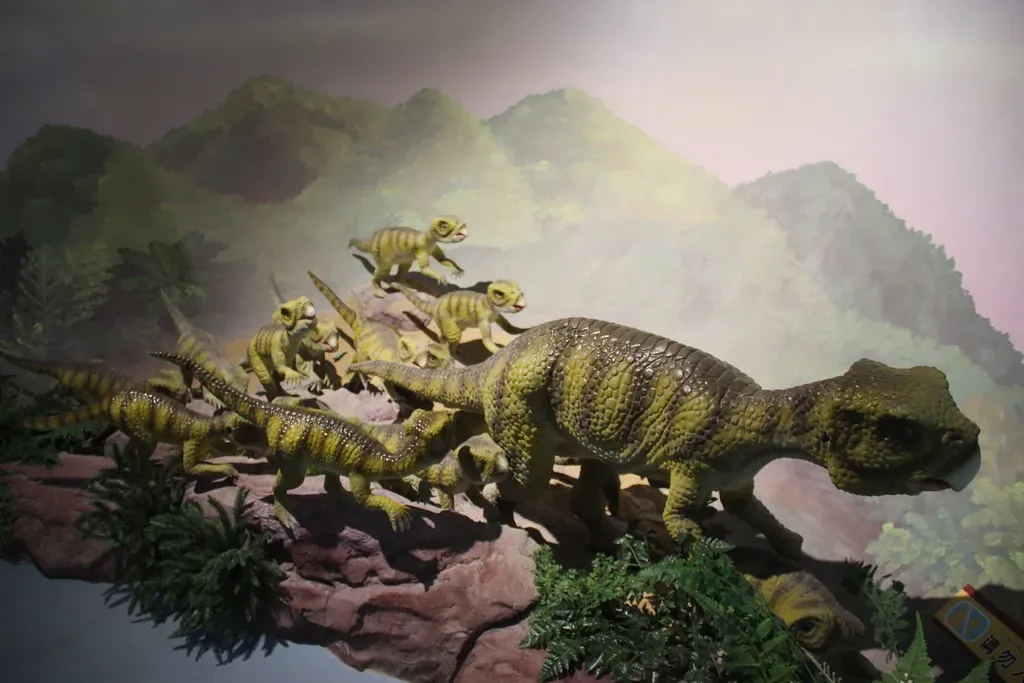
In some dinosaur bone beds, you notice something striking: groups of juveniles clustered together, sometimes with signs that they died at the same time. That might sound grim, but it also hints that young dinosaurs didn’t immediately scatter after hatching. Instead, they may have stayed close to a parent or to a family group for a significant part of their early lives, much like many bird species do today. That means you should picture more of a “stay-at-home” phase than a quick goodbye at the nest edge.
When you think about how risky prehistoric environments were, staying near a protective adult actually makes a lot of sense. You can imagine yourself as a youngster sheltering inside a circle of legs and tails, moving as a unit rather than running alone into a world of predators. The bones of different growth stages found together suggest that some of these groups might have resembled mixed-age “families,” where older siblings and parents shared space and maybe even shared duties like watching or herding the youngest. It turns dinosaur parenting from a one-time event into an ongoing relationship.
3. You Could Be Looking At Dinosaurs As Early “Child-Care Planners”
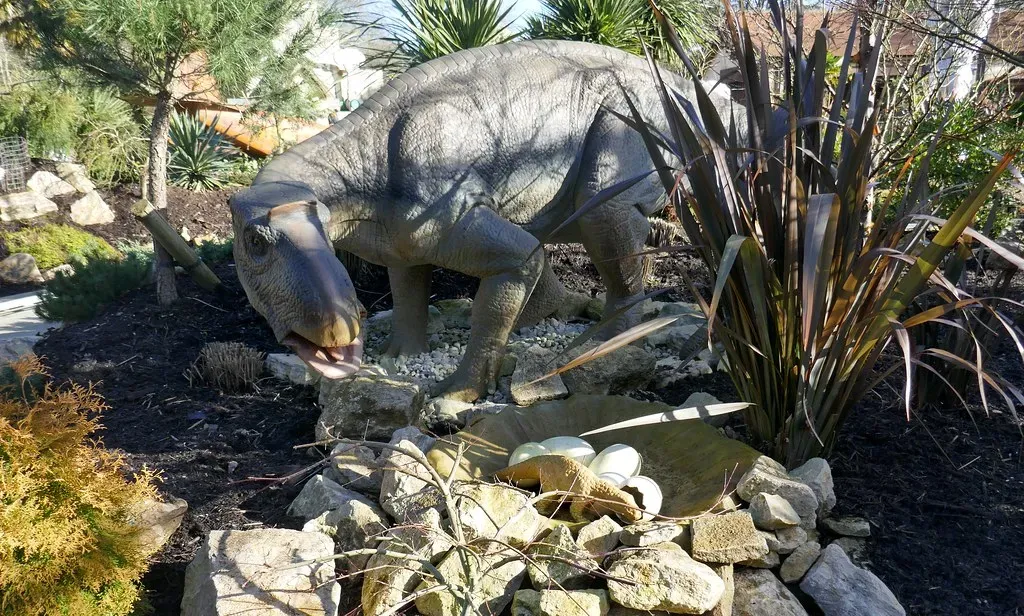
When you study some fossil nests, you don’t just see a random pile of eggs, you see design. Eggs are arranged in circles or spirals, stacked in layers, or placed in carefully dug pits, sometimes with signs that vegetation or soil was used as a covering. If you’ve ever watched birds fuss over how they arrange their eggs, you recognize that same instinct here. It points to dinosaurs thinking ahead about warmth, safety, and maybe even air flow for those developing embryos.
Picture yourself deliberately positioning each egg, leaving space so heat and moisture can circulate, or placing the nest in a particular spot on a slope to avoid flooding. Some dinosaurs may have used strategies similar to modern reptiles and birds, relying on rotting vegetation or warm ground to incubate their eggs, while others may have used their own bodies as living heaters. Either way, you’re looking at more than instinctive egg-laying; you’re seeing the beginnings of what you might call child-care planning, where a parent invests time and energy before the hatchlings even exist as active, moving animals.
4. You May Be Seeing Teenage Dinosaurs Acting As Babysitters
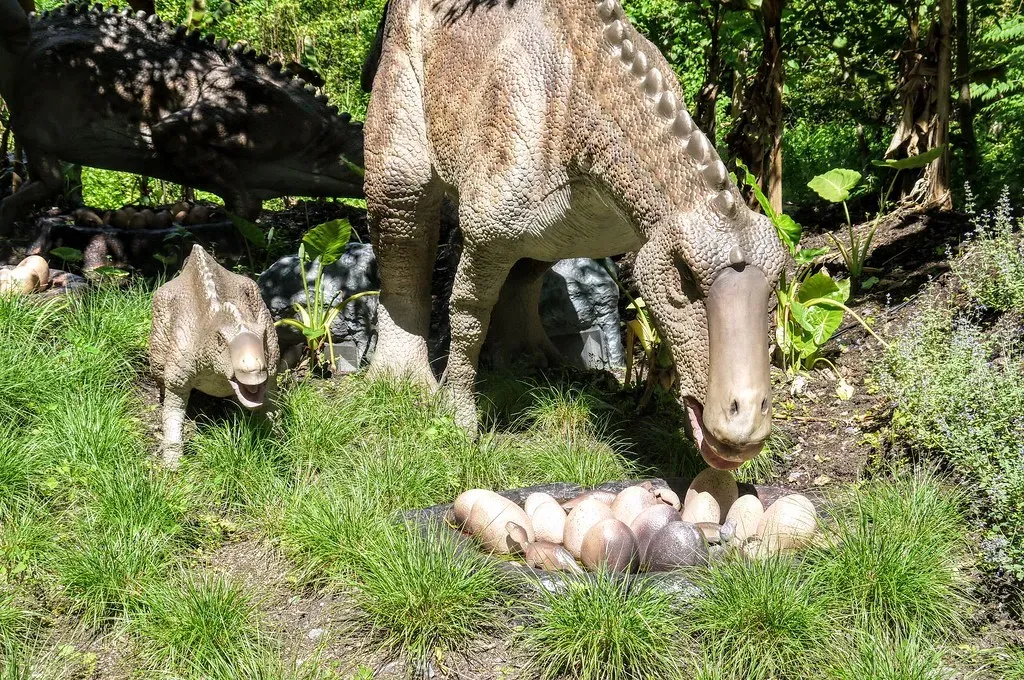
One of the more surprising ideas to come out of dinosaur research is that not every caregiver had to be a full-grown adult. In a few fossil sites, you find groups of young dinosaurs together without any clear adult in the mix, which raises a fascinating possibility: older juveniles might have been watching over younger siblings or cousins. That would mean you’re looking at something closer to a babysitting system than a strictly parent-only model of care.
If you think about how many modern animals work, this idea starts to feel less far-fetched. In some bird and mammal species, older offspring help raise the next batch, learning parenting skills while lightening the load on the adults. You can imagine yourself as a half-grown dinosaur, big enough to warn, herd, or even defend little ones, but still not fully independent. That kind of shared responsibility would make dinosaur families more like loose, flexible communities, where care is a group investment instead of a solo project.
5. You Might Be Watching The Dawn Of Emotional Bonds In Deep Time
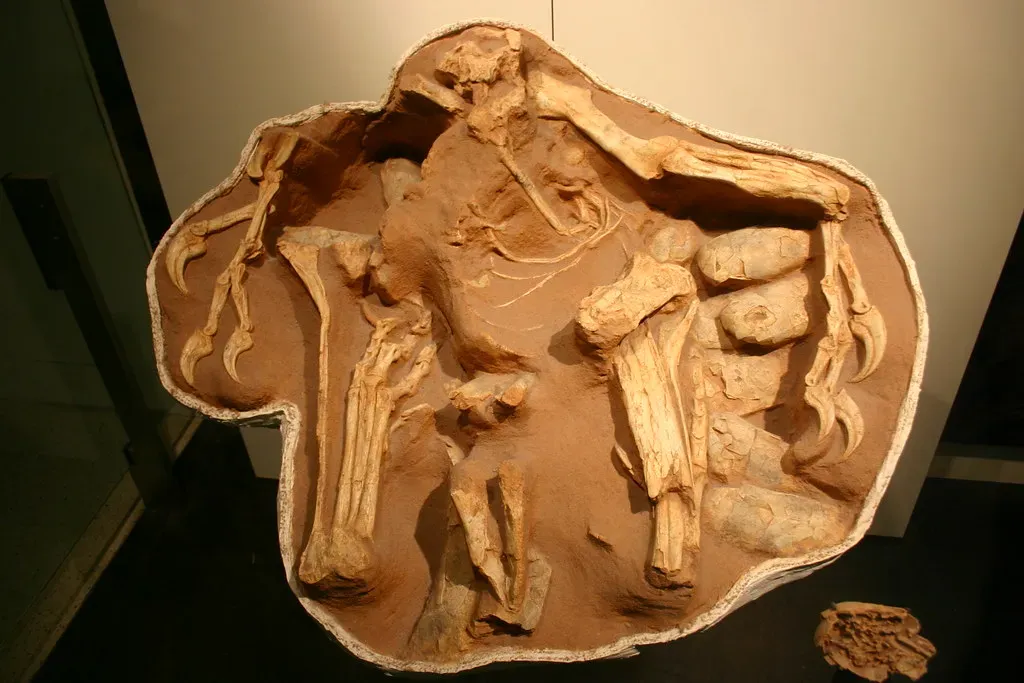
When you see an adult dinosaur fossilized in a position that suggests it was covering a nest or closely associated with juveniles, it’s hard not to read emotion into it. You obviously can’t prove exactly what that animal felt, but you can say that it behaved in ways that cost time, energy, and probably risk. Staying put over eggs makes you more vulnerable to predators and harsh weather, yet these animals apparently did it anyway. That persistence suggests a powerful drive to protect, something that feels very familiar if you’ve ever cared about a child, a pet, or even a fragile project.
You can also see signs that young dinosaurs grew at different rates and may have relied on parents for food, guidance, or protection for more than just a few hours or days. That kind of extended dependence naturally creates opportunities for bonds to form, even if those bonds were very different from what you know in humans. When you step back, the emerging picture is that parental care did not suddenly appear with birds or mammals, but stretches far back into the age of dinosaurs. In a way, when you feel tenderness toward your own young, you’re echoing a pattern that may have been playing out for tens of millions of years before you ever existed.
Conclusion: You And Dinosaurs Might Not Be So Different After All
When you put all these threads together – guarded nests, lingering juveniles, carefully arranged eggs, possible babysitting teenagers, and long-term protection – you end up with a picture of dinosaurs that is far less alien than the old monster-movie image. You start to see animals making trade-offs, balancing survival with investment in their young, and repeating those choices across generations. That is not just brute instinct; it looks a lot like strategy, and in some cases, something that feels close to care.
If you imagine yourself standing at the edge of a dinosaur nesting ground, watching parents shift their weight over eggs or juveniles huddling for safety, the distance between your world and theirs suddenly shrinks. You may never know exactly how it felt to be a dinosaur parent, but the evidence suggests that protecting the next generation has been a deep, enduring theme of life on Earth for far longer than your species has existed. Knowing that, does it change the way you picture those ancient giants when you hear the word dinosaur?