If you grew up picturing dinosaurs as slow, swamp-dwelling brutes, you’re in for a shock. Over the last few decades, scientists have torn up that old picture and replaced it with something far stranger, faster, and more dynamic. You now live in a time when each new fossil or scan can rewrite what you thought you knew about T. rex, Triceratops, and the very origin of birds.
What makes this even more thrilling is that many of the boldest ideas are still being tested, argued over, and refined. You’re not looking at a closed book; you’re watching the plot twist in real time. In this article, you’ll dive into five big, genuinely revolutionary theories that are forcing you to rethink how dinosaurs lived, evolved, and ultimately survived through their feathered descendants.
1. Dinosaurs Were Not Cold-Blooded or Warm-Blooded… but Something In-Between
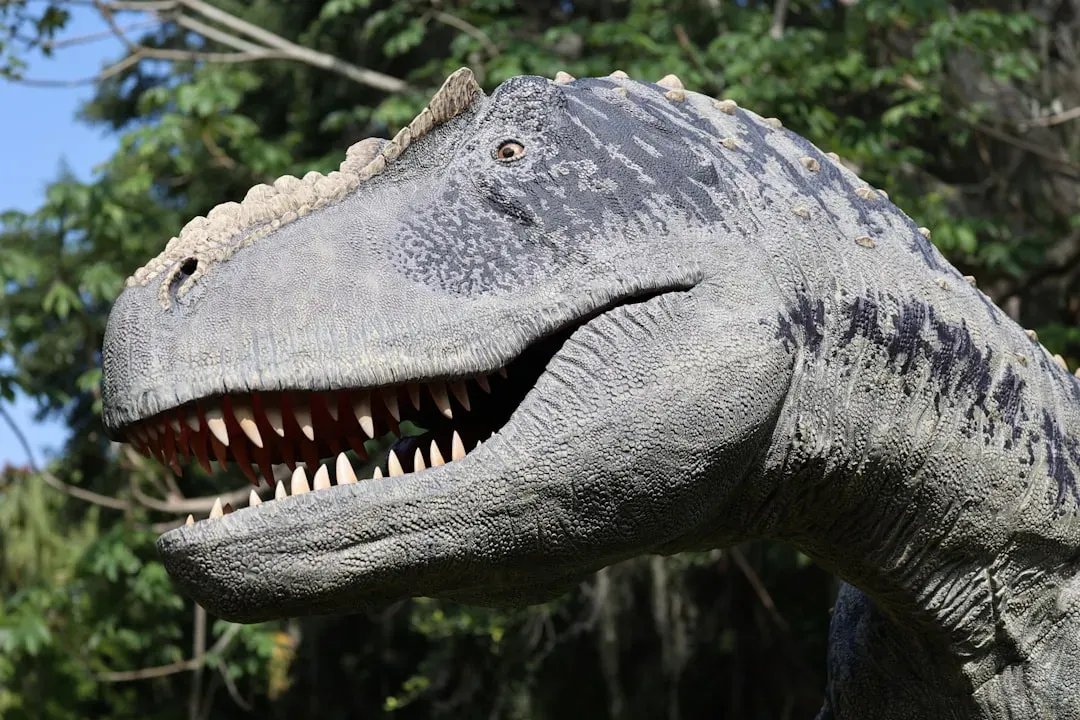
You were probably taught there are only two options: cold-blooded reptiles that bask in the sun and warm-blooded mammals and birds that run on internal “furnaces.” Dinosaurs, for a long time, were dumped into the first category by default. But when you look at their bone growth rings and chemical signatures, you find growth rates and energy demands that sit awkwardly between typical reptiles and typical mammals. That in-between state has led researchers to argue that many dinosaurs used a mixed strategy now called “mesothermy,” where they produced some internal heat but did not maintain the strict, high body temperatures birds and mammals do.
When you think about it, this in-between metabolism makes surprising sense for an animal that needed to be active and fast, but might also have had to cope with seasonal changes and scarce food. Studies comparing growth in dinosaur bones to modern animals suggest that many species grew faster than crocodiles but slower than most birds, landing you right in that middle metabolic zone. You can picture a big predator like a tyrannosaur not as a sluggish reptile, but also not as constantly “revved up” as a sparrow – more like a hybrid engine that shifts gears depending on climate, size, and life stage.
2. Warm-Bloodedness May Have Evolved Early and Differently in Separate Dinosaur Lineages
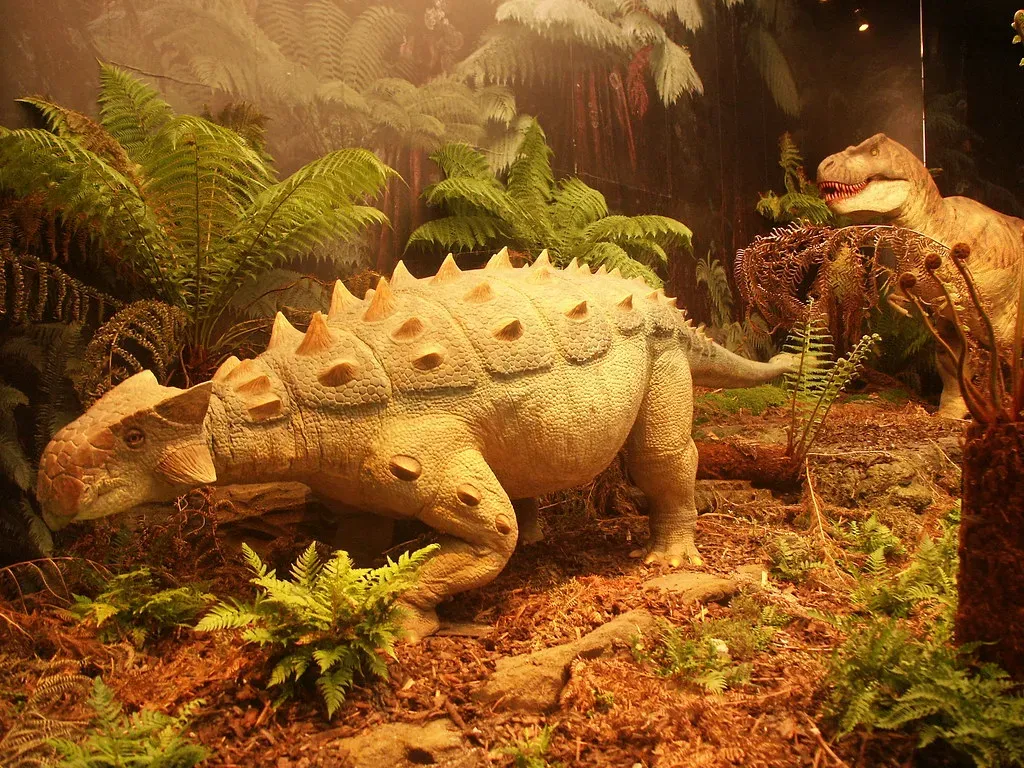
If you imagine warm-bloodedness as a single switch flipped once in dinosaur history, recent research nudges you toward a more complex story. When scientists map dinosaur fossils onto ancient climate models, they see certain groups suddenly comfortable in colder, high-latitude environments while others stay mostly in warmer regions. That pattern suggests that some lineages, especially the ones on the bird side of the family tree and some of their relatives, may have evolved efficient temperature regulation surprisingly early, possibly in the Early Jurassic, while other groups never fully followed.
For you, this means you should stop thinking of “dinosaurs” as one unified type of body biology. Instead, you’re looking at a spectrum where some lineages had near-birdlike, high-powered metabolisms, others ran on slower, more reptile-like systems, and some may have cooled down or changed strategies over time. There is even evidence that the classic split between the main dinosaur groups lines up with different temperature and climate preferences. So rather than a straight, simple march toward warm-blooded birds, you’re watching parallel metabolic experiments play out across millions of years, with different winners in different environments.
3. Feathers Were Not Just for Flight – They May Have Started as Insulation and Display
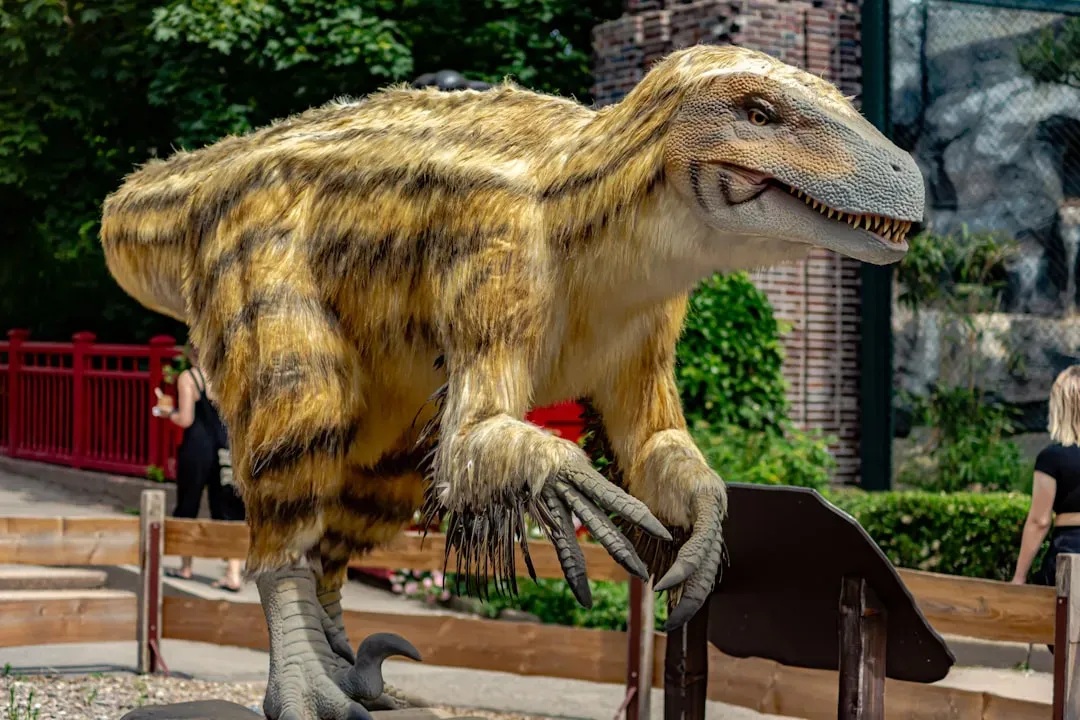
At some point you probably heard that birds evolved from feathered dinosaurs, but the deeper story is wilder than just “feathers equal flying.” When you look at early feathered fossils, you find simple, hair-like filaments and fuzzy coverings on species that clearly could not fly at all. That pushes you to consider feathers first as insulation, helping small-bodied dinosaurs keep their internal temperature stable, and second as tools for communication – showy crests, patterns, and colors used to attract mates, signal rivals, or camouflage against predators.
Once you accept that feathers began as insulation and visual signals, flight starts to look like a later, almost opportunistic upgrade. You can imagine a small, tree-climbing dinosaur extending feathered arms to stabilize jumps, then gradually turning gliding into powered flight as muscles and feathers became more specialized. Even today’s birds still use feathers for warmth, courtship, and signaling at least as much as for flying. So when you picture a feathered dinosaur, you should not only see a “proto-bird,” but also a highly expressive, thermally protected animal using a single remarkable structure to solve several evolutionary problems at once.
4. Birds Are Living Dinosaurs – and That Changes How You Read the Whole Fossil Record
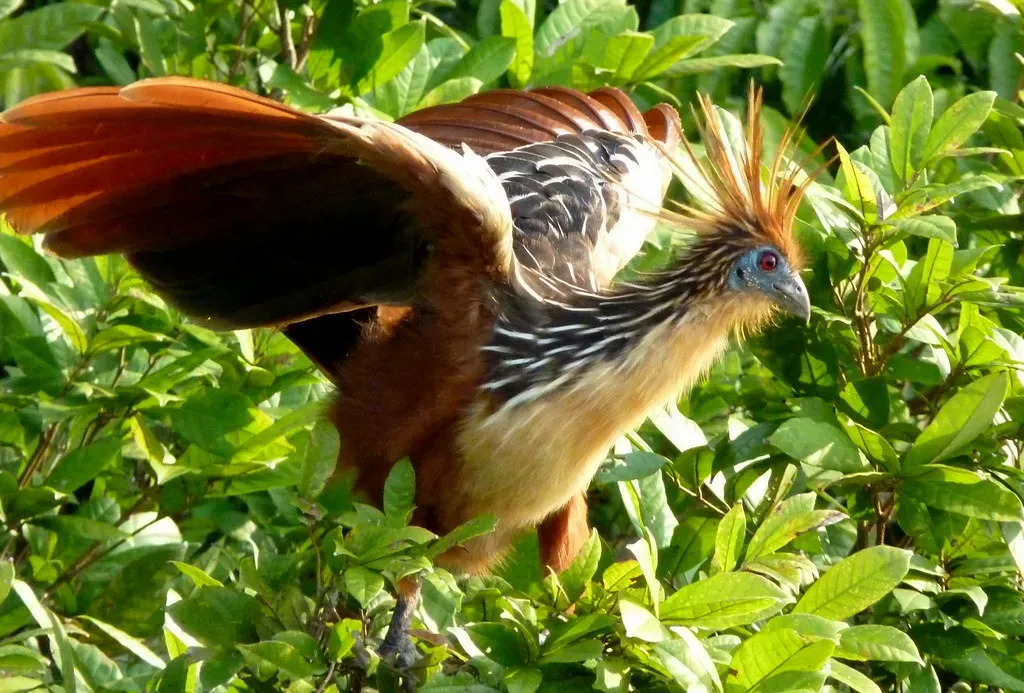
You’ve probably heard the phrase that birds are “descended from” dinosaurs, but the modern view goes further: birds are dinosaurs in a strict evolutionary sense. When you trace the family tree, you learn that birds nest deep inside the theropod branch, alongside famous names like Velociraptor. That means you are surrounded by tiny, airborne dinosaurs every time you step outside and hear a robin, pigeon, or crow. This is not a cute metaphor; it is a literal statement about shared ancestry and anatomy, from the arrangement of the hips and wrists to the structure of the lungs and feathers.
Once you accept this, you have to flip your mental picture of extinction and survival. Instead of asking why all dinosaurs died out, you start asking why one particular dinosaur lineage – the early birds – made it through the end-Cretaceous catastrophe while their relatives vanished. You’re encouraged to look for traits that might have given them an edge: small size, fast reproduction, flexible diets, or their already-evolved warm-blooded physiology. Every sparrow you see becomes a data point in a story that never really ended, and every fossil of a feathered, non-flying dinosaur becomes a chapter in the gradual transformation from ground-running hunter to flier perched on a branch in your backyard.
5. Dinosaurs Were Ecologically Diverse, Not Just Giant Land Lizards Filling a Few Roles
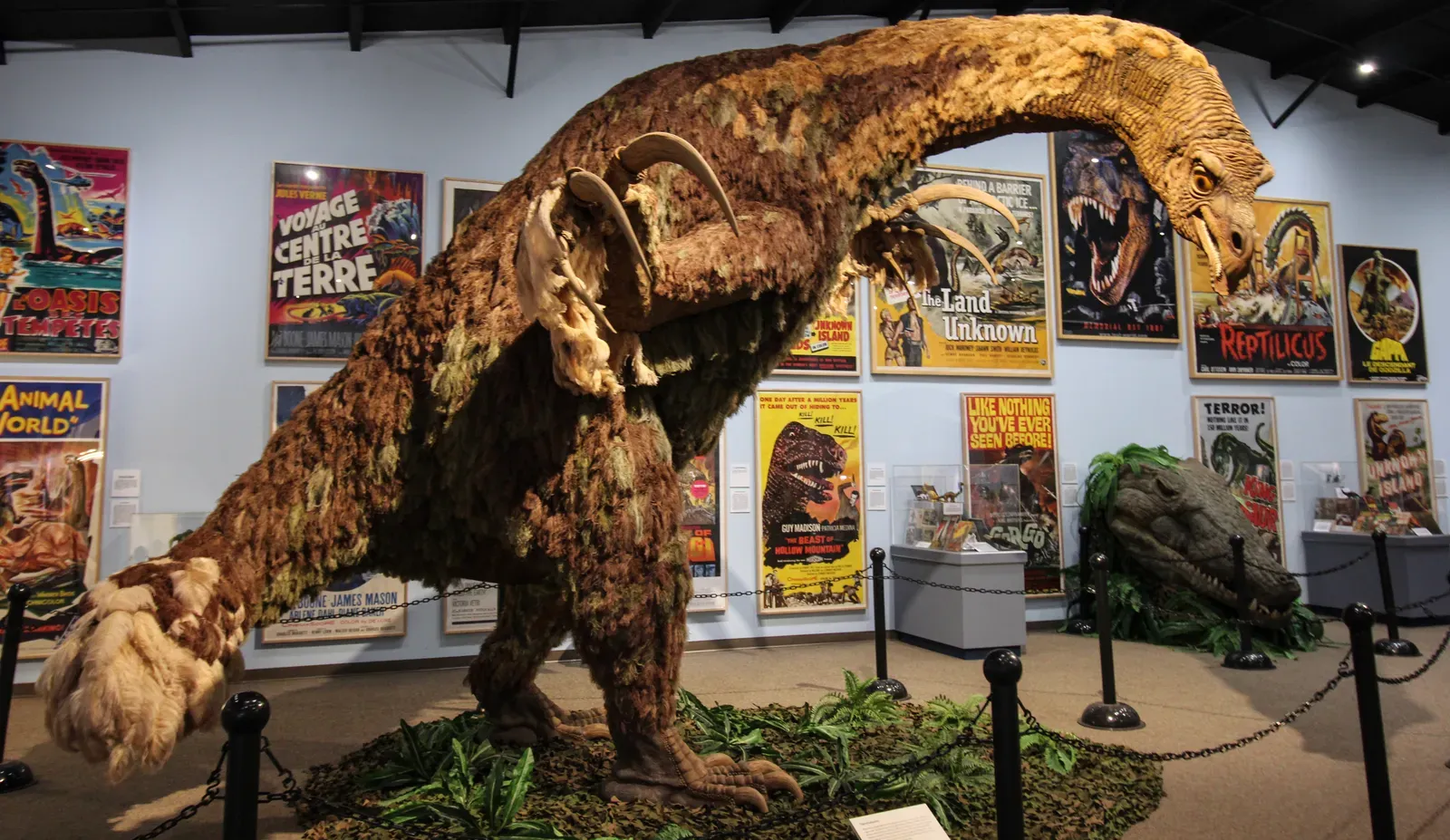
If you still picture dinosaur ecosystems as a few giant predators chasing a few giant plant-eaters across open plains, you’re missing the scale of variety that recent discoveries reveal. When researchers tally up body sizes, tooth shapes, trackways, and bone microstructure, they find that dinosaurs occupied a huge range of ecological niches. Some were tiny insect hunters; others were mid-sized omnivores; still others were long-necked high browsers, armored tank-like grazers, or fast, cursorial predators specialized for different prey. Their metabolic diversity, from mesothermic strategies to more bird-like endothermy, only adds more variety to how they could live and compete.
This ecological richness forces you to abandon the idea of dinosaurs as a failed experiment overshadowed by later mammals. Instead, you’re looking at a group that managed to dominate land ecosystems for well over a hundred million years by constantly splitting into new forms and testing new lifestyles. When you picture a Late Jurassic landscape, you should fill it not just with iconic giants, but with a layered community of small, medium, and large dinosaurs, each tuned to its own diet, climate, and behavior. That level of complexity helps explain why, even after a devastating extinction, one branch of this dynasty still thrives above your head today.
When you step back from these five theories, you start to see dinosaur evolution less as a simple ladder and more as a tangled, experimental web. You now have mixed metabolisms instead of a neat warm versus cold divide, early and multiple pathways toward warm-bloodedness, feathers doing triple duty long before flight, living birds reframing extinction, and a kaleidoscope of ecological roles that makes dinosaurs feel less like monsters and more like a sprawling, inventive family. The more you learn, the harder it becomes to keep dinosaurs in the past; they feel uncomfortably close, almost familiar.
If anything, the biggest shift for you is emotional: you stop seeing dinosaurs as static museum skeletons and start seeing them as dynamic, problem-solving animals that changed with their world. That change makes your own place in Earth’s story feel different, too, because your ancestors did not rise from a vacuum but from ecosystems ruled by these extraordinary creatures. Next time you hear a bird call or see a fossil reconstruction, will you be able to shake the feeling that you’re looking at the latest chapter of a dinosaur saga that never truly ended?