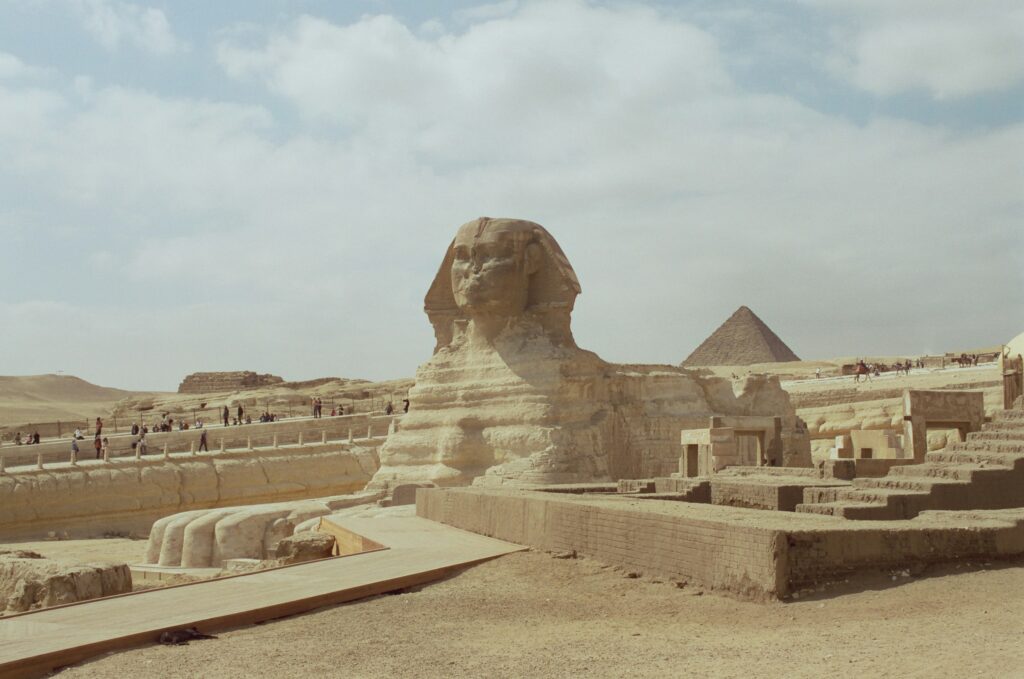
Walk up to the Great Sphinx of Giza, and it does something strange to your sense of time. You know the official story: carved about four and a half thousand years ago in the reign of Pharaoh Khafre. Yet when you look closely, the stone tells a rougher, older story, full of scars that do not seem to match the desert we see today. That tension between the textbook date and the physical clues in the rock is exactly where a quiet scientific controversy has been simmering for decades.
In that debate, the Sphinx has become a kind of geological Rorschach test. Mainstream Egyptologists see a monument firmly rooted in Old Kingdom history, while a minority of geologists argue the weathering patterns might point to a monument that started its life much earlier, in a wetter climate. I remember the first time I saw close-up photos of those deep vertical grooves on the enclosure walls and thought, almost involuntarily: this looks like something carved by rain, not sand. Let’s walk through five of the most talked‑about weathering clues and why they’ve made some scientists cautious about accepting the official age as the last word.
1. Deep Vertical Grooves That Look More Like Rain Than Desert Sand
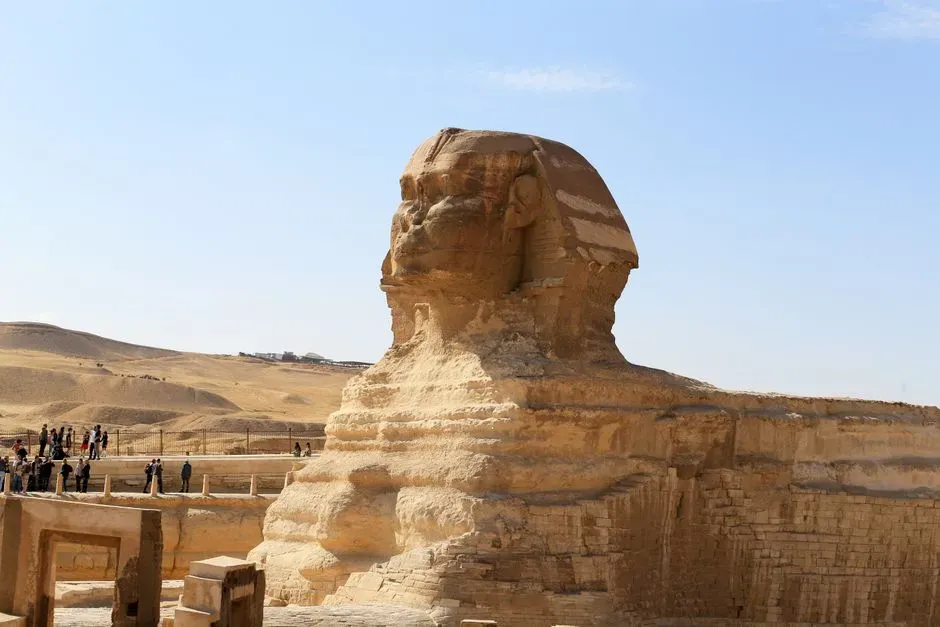
The most cited clue is right in the walls of the Sphinx enclosure: long, undulating vertical channels cut into the limestone. To geologists who question the conventional date, these channels look remarkably similar to features formed when water repeatedly sheets down a rock face, as in long periods of heavy rainfall or runoff. Instead of the crisp, wind‑carved ripples many people imagine from desert erosion, you see rounded, scooped profiles, almost as if the stone has sagged and melted under years of flowing water.
Critics point out that typical desert wind‑blown sand tends to abrade surfaces more horizontally, smoothing corners and leaving sharp edges and undercut niches. By contrast, the Sphinx enclosure walls often show a softened, “scalloped” look that is hard to reconcile with purely aeolian erosion. For those geologists, the simplest explanation is that the Sphinx was exposed to a much wetter climate than historic Egypt is known for, a climate more like the one that existed thousands of years earlier when the Sahara was greener. If that is right, the weathering could suggest the core of the monument predates the Old Kingdom by a very long stretch, even if its famous head and casing were reworked later.
2. Differential Erosion Between the Sphinx Body and Its Head
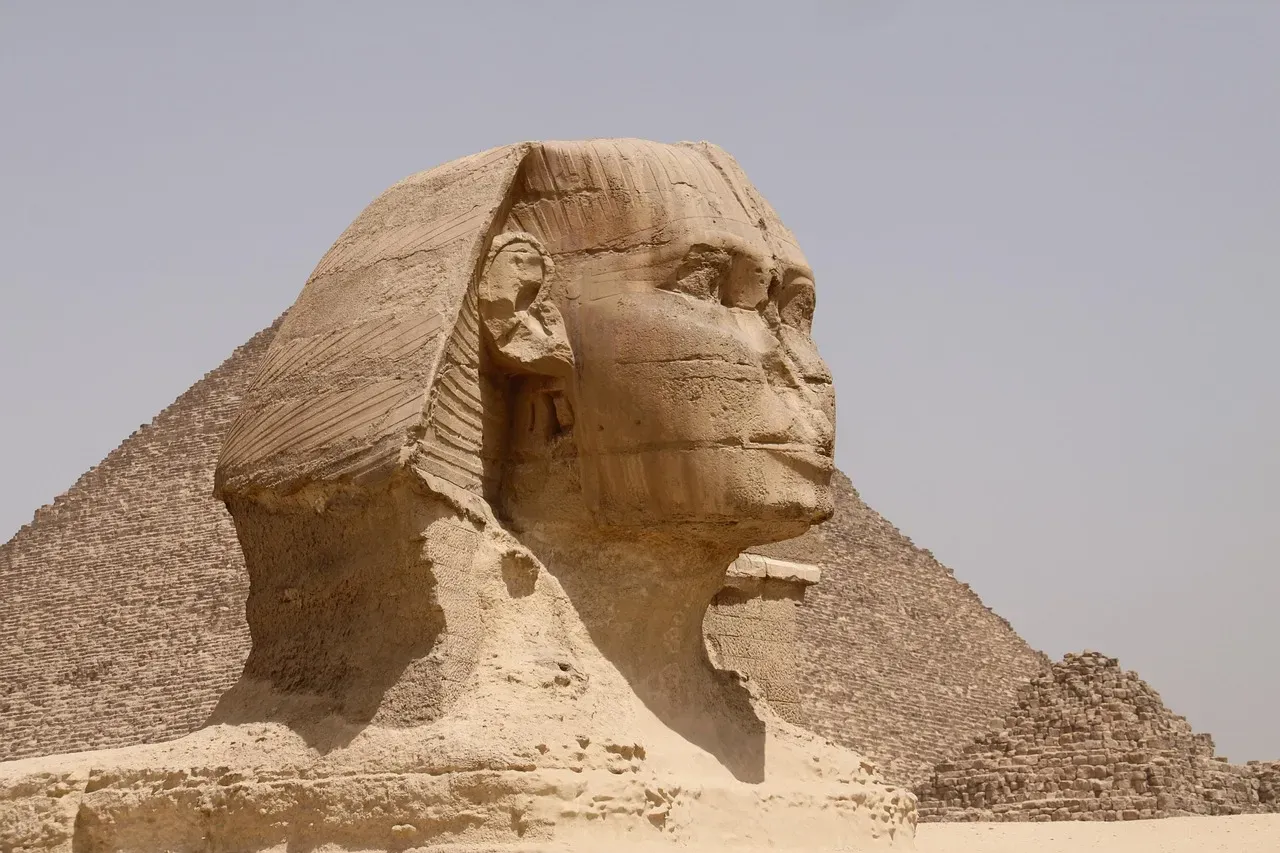
Stand back and compare the Sphinx’s head to its body, and another curious detail jumps out: the body is far more eroded than the face. The head has plenty of damage, of course, but its stone still appears comparatively sharper and better preserved than the deeply weathered flanks and the enclosure walls. This uneven wear has led some to argue that the bulk of the body has been taking a geological beating far longer than the head has, hinting at multiple phases of carving and recarving over a very long timescale.
The mainstream explanation is that the head is carved from a slightly harder, more resistant limestone layer than the softer strata of the body, so it is naturally better preserved. Skeptical geologists accept that rock quality matters, but argue that the contrast still looks too dramatic to be explained by lithology alone. From their perspective, the body and the walls bear the hallmarks of sustained, intense weathering, while the head looks like a relative latecomer. That discrepancy is one of the reasons you will find engineers and geologists quietly wondering whether an older, perhaps featureless or different‑looking proto‑Sphinx once stood there long before the current pharaonic visage was sculpted.
3. The Sphinx Enclosure Acting Like a Natural Rain Collector
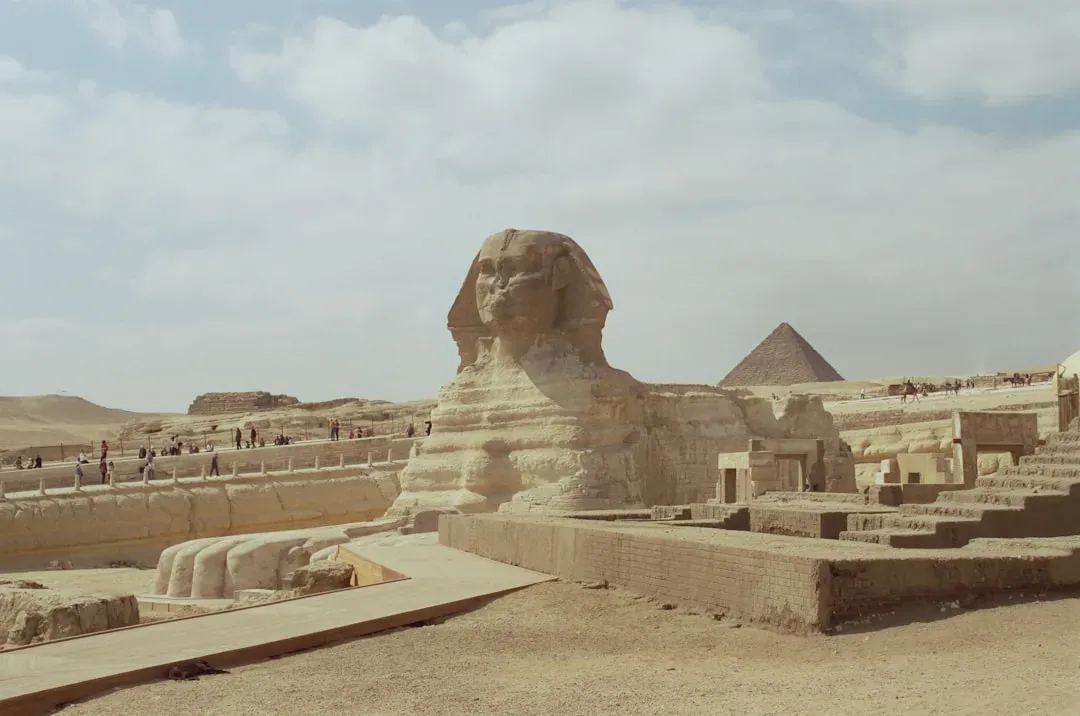
Another subtle but important clue comes from the shape of the Sphinx enclosure itself. The monument is carved into a pit quarried out of the bedrock plateau, with walls that rise above the surrounding ground. When you have a sunken courtyard like that, any significant rainfall tends to funnel into it, pooling and running down the walls over and over again. That geometry makes the enclosure especially sensitive to water erosion compared with nearby exposed surfaces.
Geologists who favor a wetter‑climate explanation argue that, during past periods of heavier rainfall, the enclosure would have acted like a giant stone bathtub, collecting and channeling water. In that scenario, the deep vertical grooves and rounded profiles make sense as the legacy of countless storms long before historic times. Those more cautious about revising the age counter that even rare but intense rain events in a generally arid environment, combined with pooling groundwater and salt weathering, could produce a similar effect over thousands of years. The truth may lie somewhere in between, but the enclosure’s role as a natural rain trap is central to the entire age‑questioning argument.
4. Rounded, “Melted” Profiles Compared With Nearby Structures
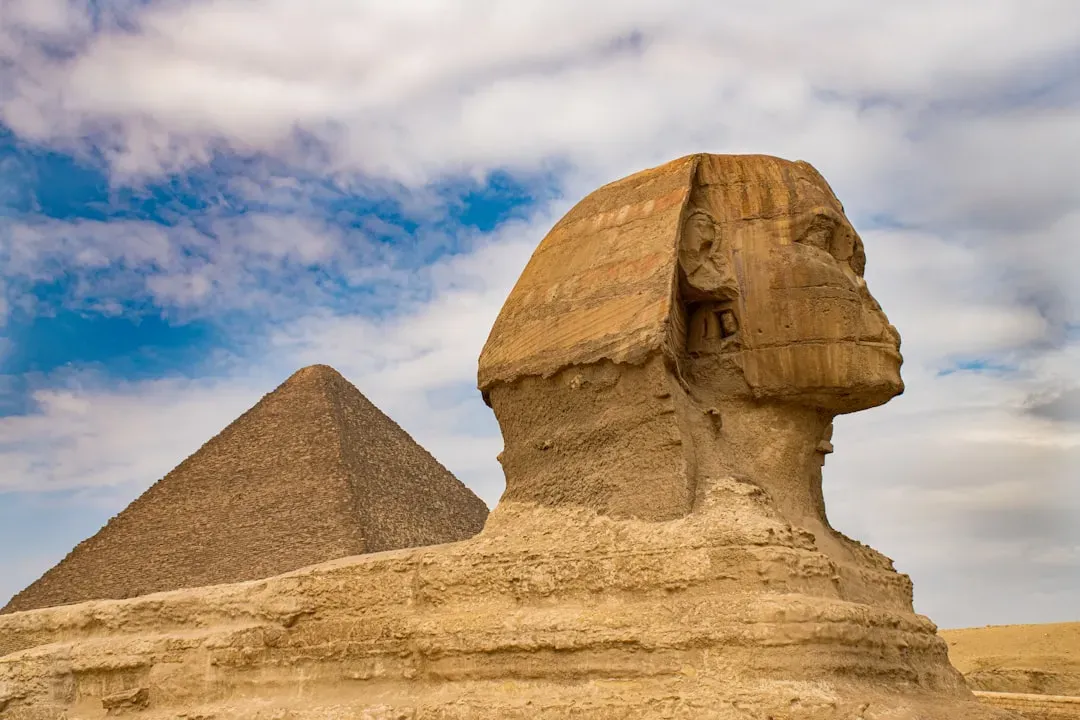
When you compare the Sphinx enclosure walls to other Old Kingdom structures on the Giza Plateau, an interesting contrast appears. Many nearby tombs and retaining walls from the same general era show weathering, but their edges and faces often remain relatively angular and blocky. By contrast, parts of the Sphinx enclosure and body display heavily rounded, almost “melted” contours, like cliffs along a coast that have been softened by waves and rain over ages. For some observers, that difference in character is hard to ignore.
Supporters of the official chronology argue that differences in quarrying methods, later restoration work, stone quality, and patterns of burial and exposure can explain a lot of this variation. Those who lean toward an older core see a broader pattern: where the Sphinx stone looks more like something sculpted by water in a temperate climate, the other Giza structures look more like what you would expect from normal desert aging. When I look at side‑by‑side photos, I understand why the debate refuses to die; the Sphinx really does feel like a weathered elder in a neighborhood of somewhat younger, sharper‑edged monuments.
5. Evidence for Ancient, Much Wetter Climate Phases in the Region
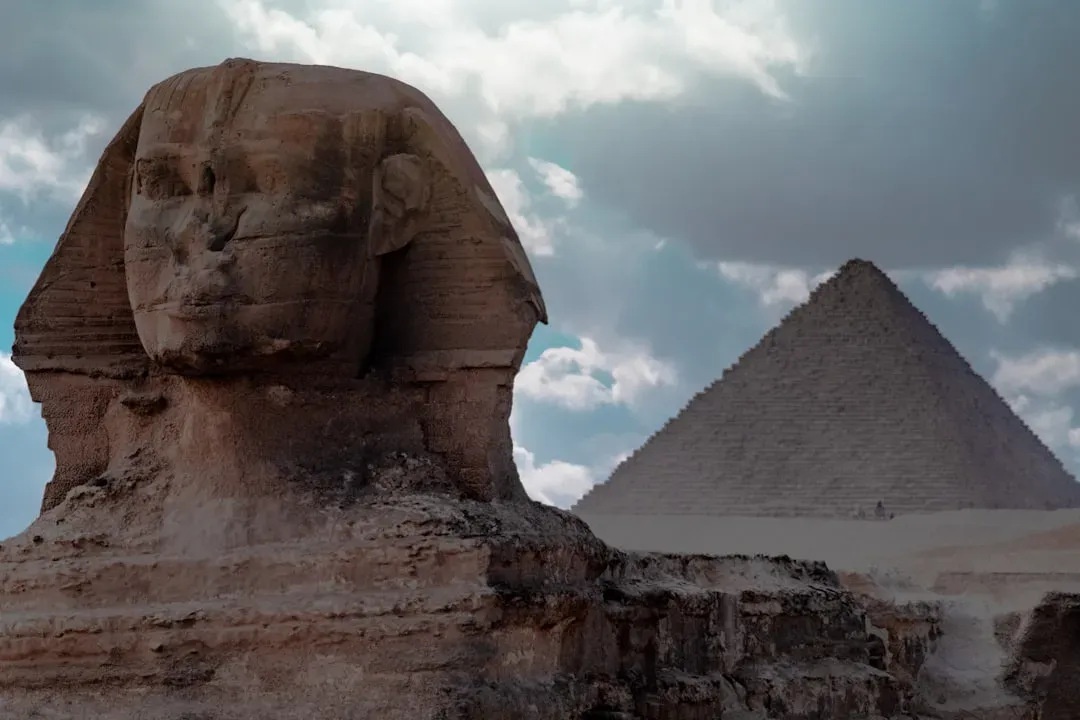
No discussion of the Sphinx’s weathering makes sense without talking about climate history. Geological and paleo‑climatic studies show that North Africa has gone through dramatic swings between lush, rainy “Green Sahara” phases and the hyper‑arid desert we know today. There were long intervals, thousands of years before the Old Kingdom, when the region experienced much more rainfall, with lakes, rivers, and vegetation stretching across what is now mostly sand. In other words, the kind of climate that could plausibly carve those rain‑like channels into limestone actually did exist here, just not at the officially accepted time of the Sphinx’s construction.
This is the knife‑edge of the controversy. The minority camp argues that the Sphinx’s weathering lines up more naturally with those older wet phases, which could push its initial carving far back into pre‑dynastic or even earlier prehistoric times, with later Egyptians adopting and reworking an already ancient monument. The mainstream response is that aligning erosion patterns with broad climate phases is far from straightforward, and that archaeological context, inscriptions, and architectural relationships still firmly locate the Sphinx in Khafre’s era. As a result, the climate evidence does not settle the age question, but it keeps the conversation open just enough for geologists who feel the rock itself is whispering a different story.
Conclusion: A Monument Caught Between Rock Evidence and Human Story
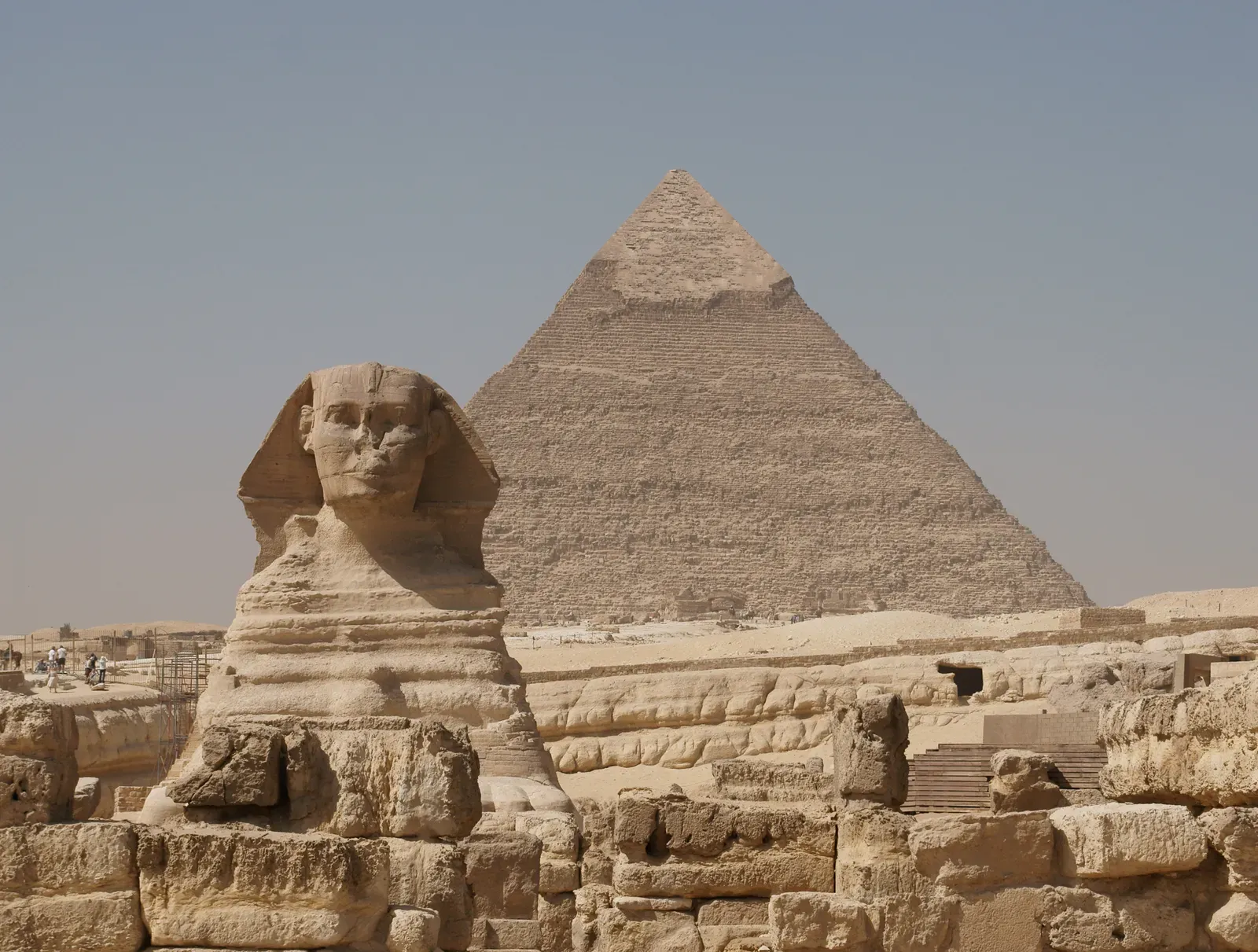
In the end, the Sphinx sits in a tug‑of‑war between two kinds of evidence: the narrative built from inscriptions, statues, and temple alignments on one side, and the rough, unpolished testimony of eroded limestone on the other. Personally, I lean toward a middle view: the official age is probably broadly right for the famous face and much of what we see today, but the weathering patterns feel like a red flag that our story might still be missing a few chapters. It would not be the first time in history that human timelines turned out to be a bit too tidy once geology had its say.
What makes the whole debate compelling is that nobody can win it by clever argument alone; the rock, the sediment, and future fieldwork will have to decide. Until then, the Sphinx remains what it has always been: a riddle, not just in ancient myth, but in modern science. Maybe the most honest stance is to admit that its weathered flanks could be older than our current comfort level allows, while resisting the temptation to spin that into wild, unfounded claims. In a world that loves quick answers, there is something quietly thrilling about a monument that still refuses to tell us exactly how long it has been watching the desert sky, don’t you think?