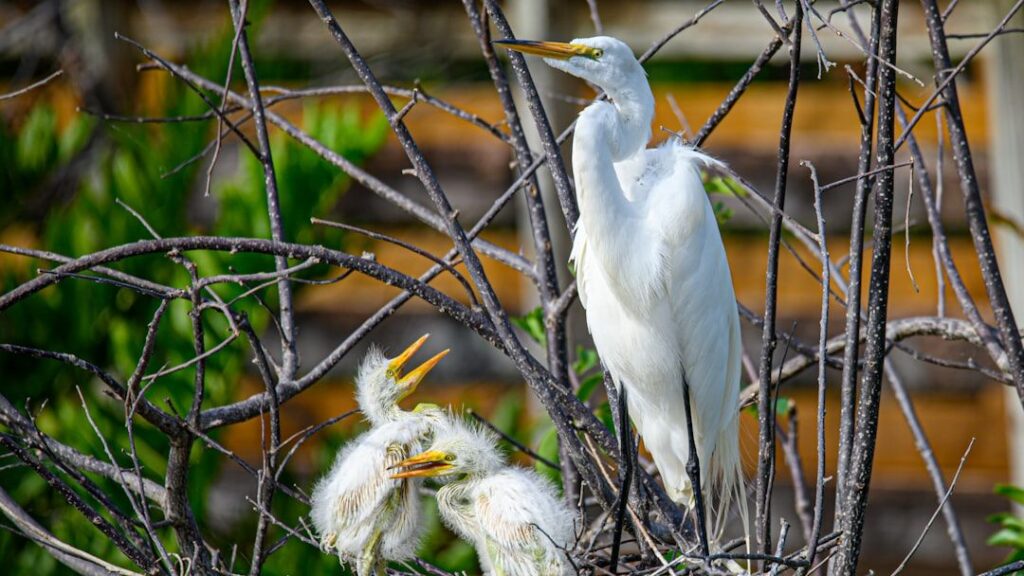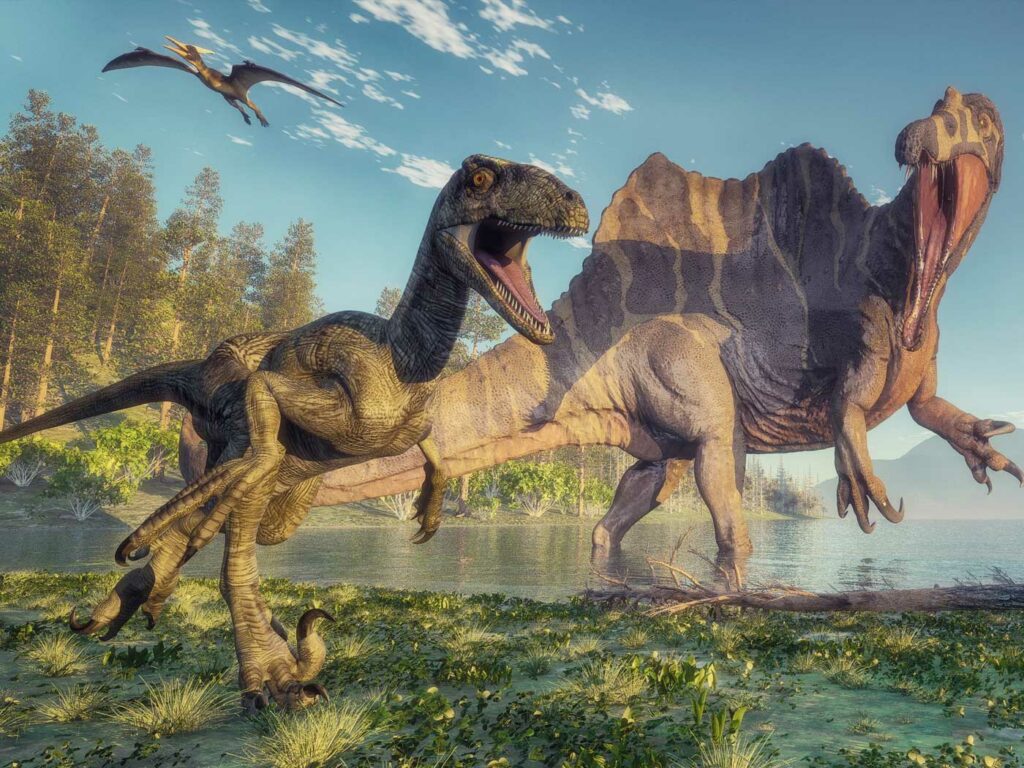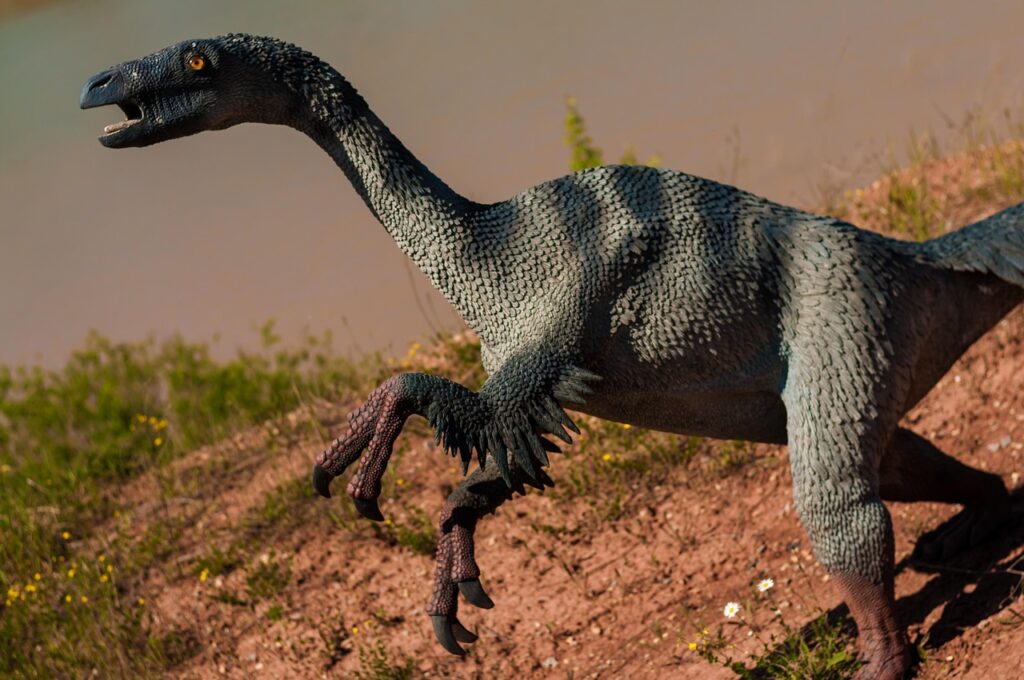
Half a century ago, a quiet shift in scientific thinking ignited fresh excitement about dinosaurs. Researchers began applying rigorous methods from living animals to fossil evidence, revealing theropods as dynamic predators rather than sluggish relics. These meat-eaters, ancestors to modern birds, emerged from the shadows through discoveries of feathers, vibrant hues, and brutal feeding habits.
A Scientific Spark in the 1970s
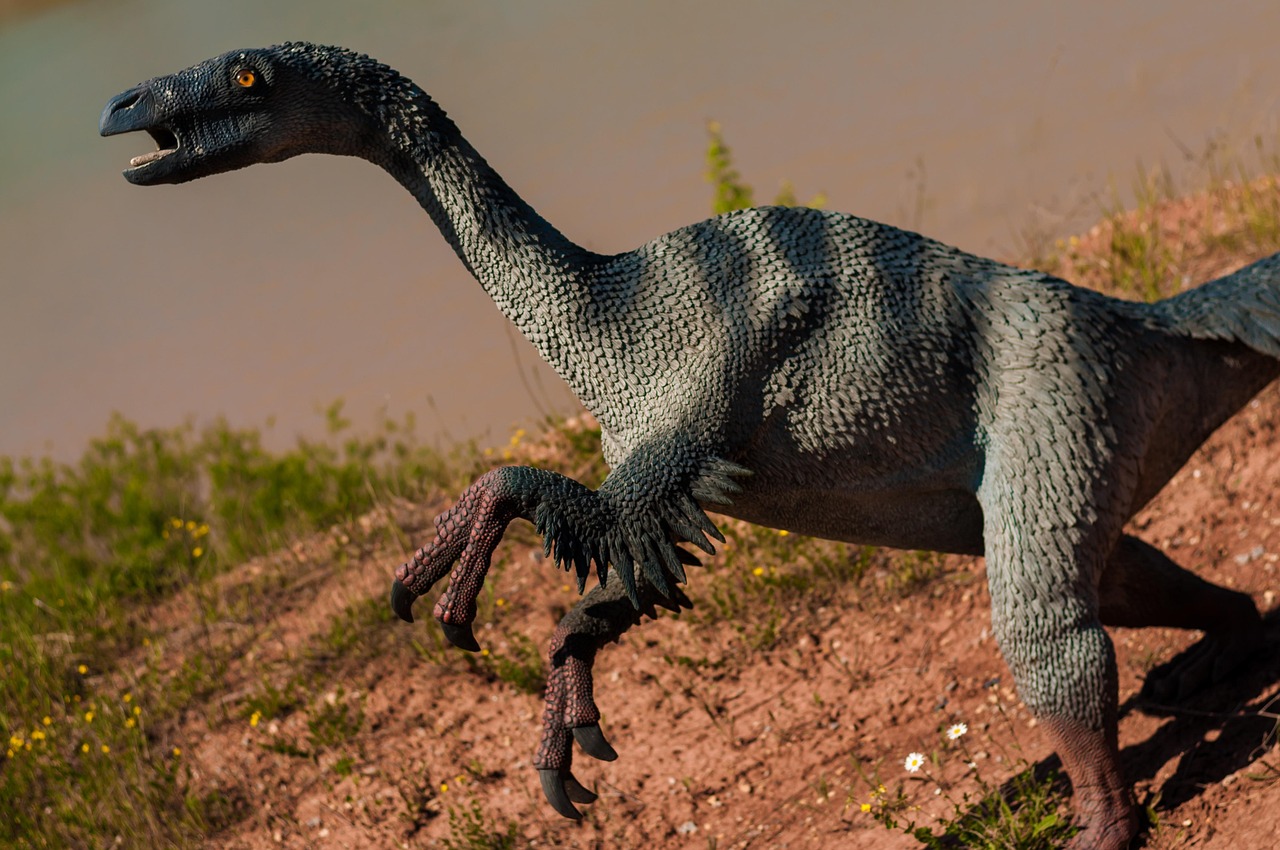
A Scientific Spark in the 1970s (Image Credits: Pixabay)
Researchers once imagined dinosaurs as slow-moving giants mired in swamps. That view crumbled starting around 1976, when biologist Robert McNeill Alexander analyzed fossil trackways. He measured stride lengths and combined them with formulas derived from modern animals to estimate speeds of 1 to 3.6 meters per second – modest paces, far from the galloping herds of popular lore.
This approach marked the dawn of a “dinosaur renaissance.” Paleontologists like John Ostrom and Robert Bakker championed theropods as agile, warm-blooded creatures closely linked to birds. Feathered fossils from China, unearthed from 1996 onward, sealed the connection and opened doors to even more intimate details.
Theropods Burst into Color
Microscopic clues in fossil feathers stunned scientists in 2010. Structures called melanosomes, preserved in specimens of small theropods like Sinosauropteryx and Anchiornis, matched those in today’s birds. These pigments revealed ginger tones and white stripes on Sinosauropteryx tails, while Anchiornis sported black-and-white patterns on wings and a reddish crest.
Such vivid displays likely served mating or territorial purposes, much like in living birds. Paleontologists compared melanosome shapes – spherical for ginger shades, elongated for darker hues – to reconstruct these patterns accurately. This breakthrough humanized these ancient hunters, showing them as colorful show-offs amid Jurassic forests.
T. rex: The Apex Predator’s Table Manners
Tyrannosaurus rex embodied theropod ferocity. Computational models of its skull demonstrated a bite force near 50,000 newtons – powerful enough to crush bone or shear massive flesh chunks. Unlike some kin that punctured prey, T. rex yanked meat with serrated teeth designed for scavenging or hunting.
Recent finds bolstered these insights. Tooth marks on hadrosaur bones and embedded fragments in fossils confirmed active predation. Juveniles targeted similar large prey as adults, defying notions of small-game diets early on. Engineers borrowed techniques from aerospace to simulate jaw motions, proving theropods varied their strategies by species and size.
From Eggs to Giants: Growth and Beyond
Bone tissue rings offered another window into theropod lives. T. rex grew to 6-8 tonnes over roughly 30 years, packing on 1-2 tonnes annually during peaks. This rapid scaling demanded immense caloric intake, likely from scavenging battlefields or ambushing herds.
- Trackway analysis gauged speeds and gaits.
- Melanosome studies unlocked plumage palettes.
- 3D modeling quantified bite forces and movements.
- Growth rings tracked life spans and maturity.
- Nasal cavity scans hinted at vocalizations like honks.
These tools, dubbed the “neontological toolkit,” bridged fossils and modern biology. Theropods no longer loomed as mysteries; they strode as relatable, feathered killers.
| Theropod Feature | Discovery Method | Key Insight |
|---|---|---|
| Colors | Melanosomes | Ginger stripes, display roles |
| Feeding | Bite simulations | 50,000N force, flesh-yanking |
| Growth | Bone rings | 30-year adulthood |
Key Takeaways
- Theropods used colors for social signals, not just camouflage.
- T. rex wielded unmatched bite power among land animals.
- Modern methods turned speculation into measurable science.
Five decades of ingenuity recast theropods from monochrome monsters to feathered marvels with fierce appetites. This ongoing quest reminds us how fossils, paired with living analogs, breathe life into prehistory. What theropod trait fascinates you most? Share in the comments.