You rarely picture humans and giant beasts sharing the same landscape, but for most of your species’ history, that was normal life. Imagine walking out of camp and seeing mammoths on the horizon, hearing the distant calls of giant ground sloths, or knowing that somewhere in the forest, a lion larger than any alive today might be watching you. The line between you as hunter and you as potential prey was razor thin.
When you zoom out and look at the last few hundred thousand years, you see that early humans did not live in a quiet, empty world. They were surrounded by megafauna: large animals weighing as much as or more than you and often many times heavier. These animals shaped your ancestors’ tools, myths, movements, and even their survival strategies. As you explore these six ancient civilizations and cultures, you start to realize that the story of humanity is also the story of how you lived with giants – and what happened when they disappeared.
Paleolithic Europe: You, Neanderthals, and the Mammoth Steppe
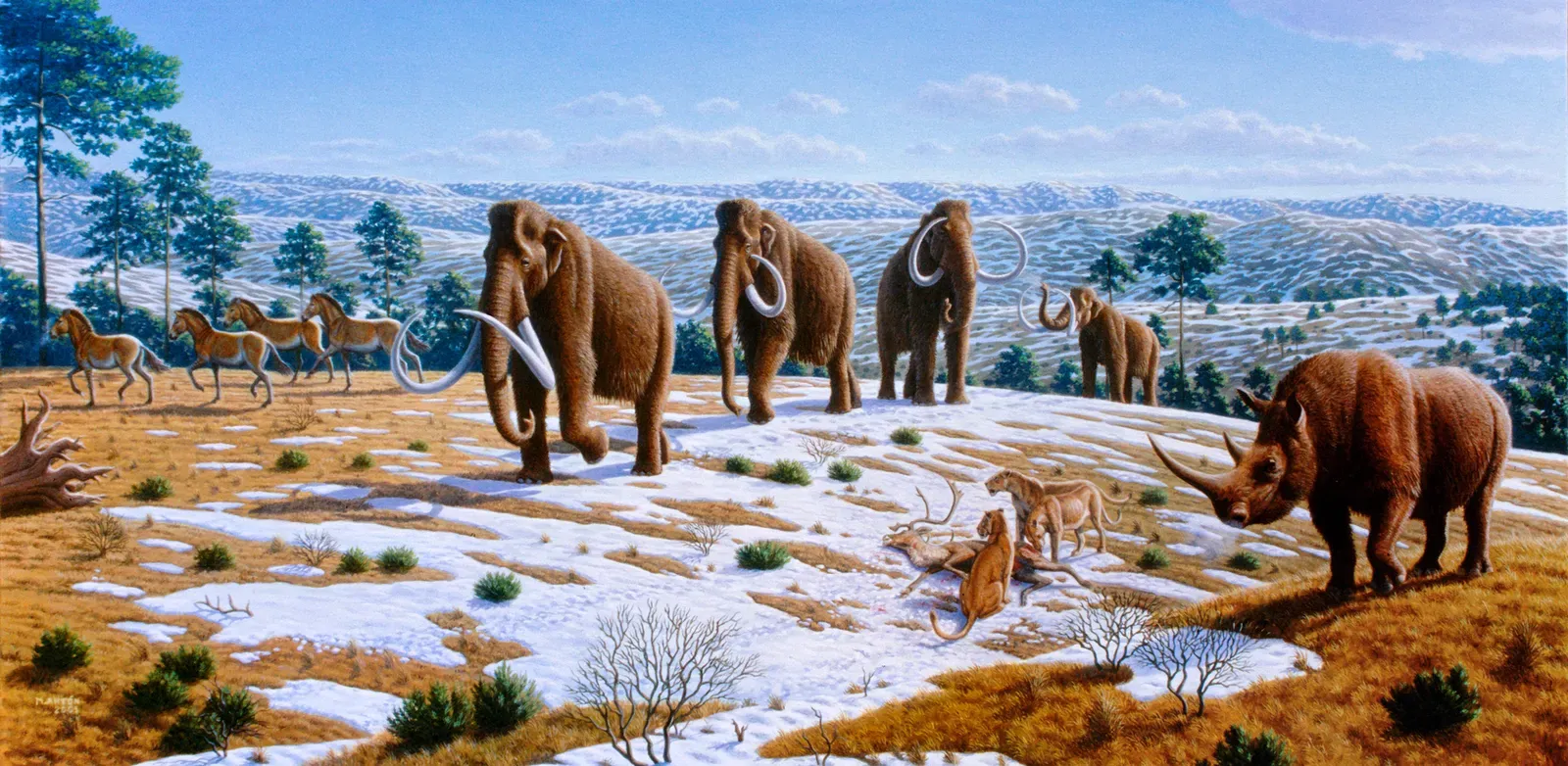
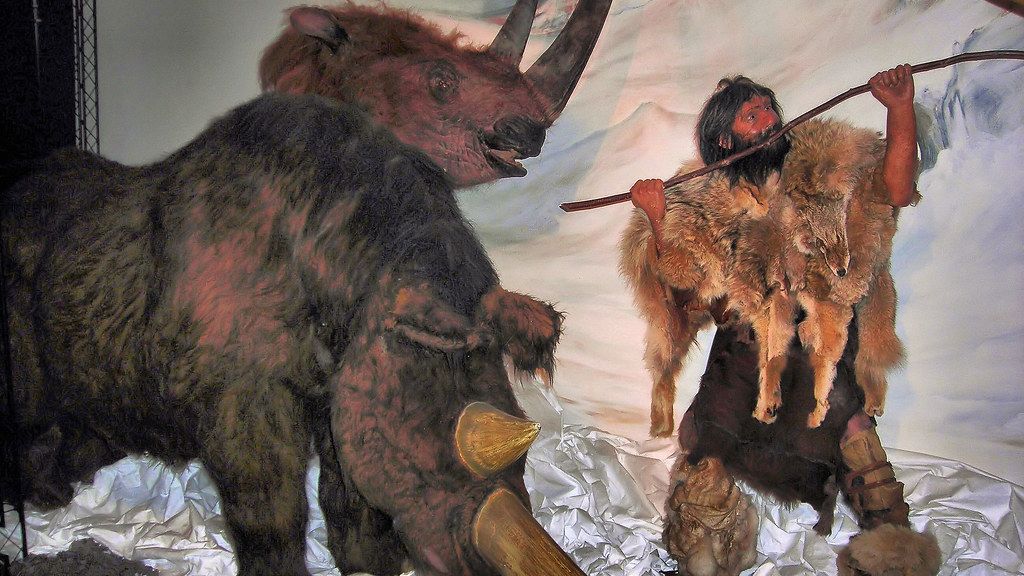
If you stood in Ice Age Europe around forty thousand years ago, you’d be stepping onto what scientists call the mammoth steppe: an endless, cold grassland stretching from Western Europe across Siberia. You’d see woolly mammoths, woolly rhinoceroses, reindeer, wild horses, and bison sharing the same open plains as early Homo sapiens and Neanderthals. You would not see cities or farms, just scattered camps, firelight in the distance, and people who moved with the herds rather than trying to fence them in.
In this world, you relied on the big animals for almost everything. Mammoth bones became your building material, tusks turned into tools and artwork, and hides became clothing and shelter. Cave art in places like France and Spain shows you how carefully ancient people watched these animals, capturing their shapes and movements with surprising accuracy. When you picture yourself there, you realize that coexistence was not optional; if you wanted to survive, you had to understand the rhythms, migrations, and behavior of these massive neighbors.
The Clovis Culture of North America: Hunters on a Land of Giants
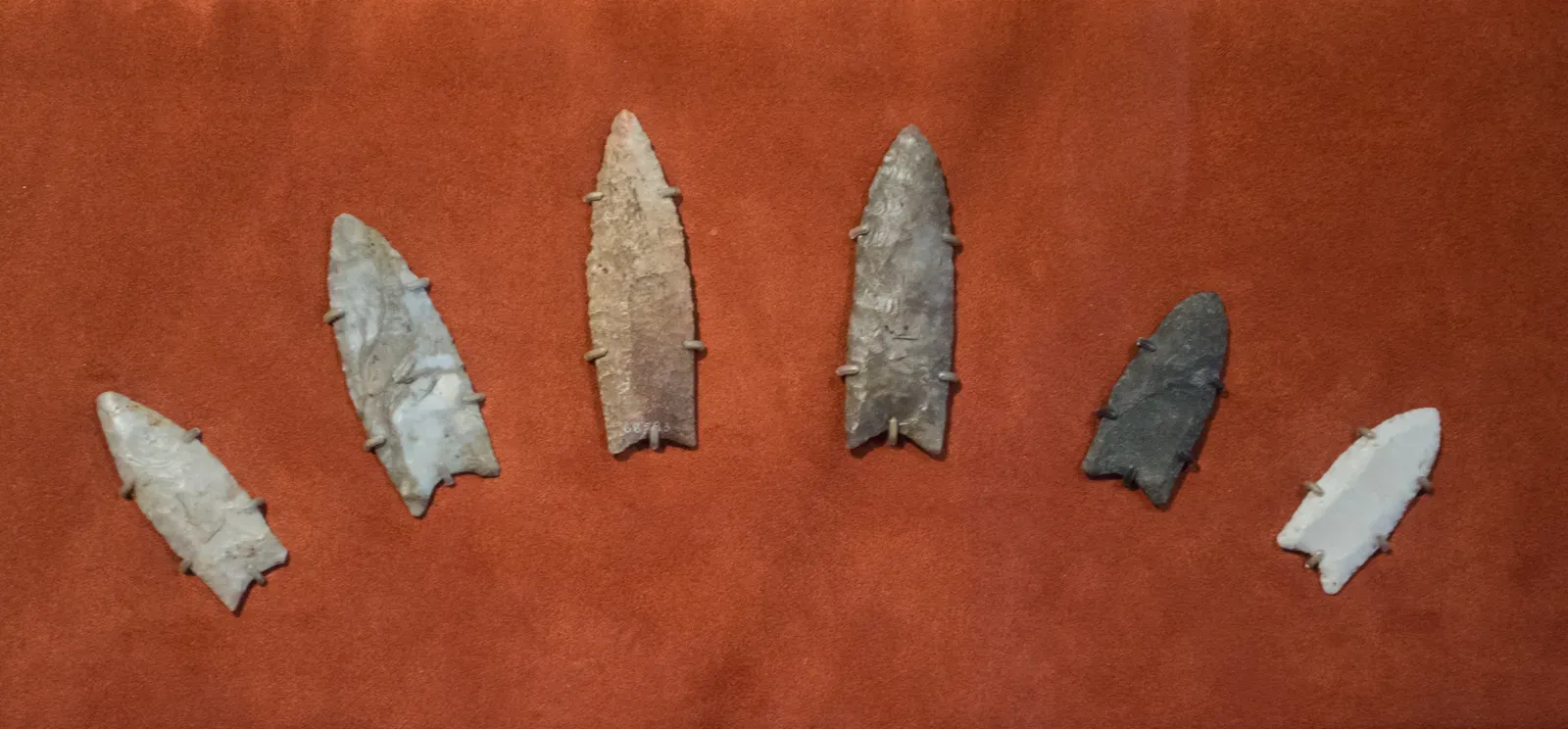
Now shift your imagination to North America about thirteen thousand years ago, right after humans first spread widely across the continent. If you belonged to what archaeologists call the Clovis culture, your toolkit would include distinctive stone spearpoints, carefully fluted to attach securely to wooden shafts. You’d be stepping into a land already filled with megafauna: mammoths, mastodons, giant ground sloths taller than you when they reared up, American camels, and huge bison.
As part of that world, you would have followed herds, tracked their routes, and learned which landscapes gave you the best chance to corner and kill something that could crush you with one misstep. Evidence from kill sites suggests that groups like yours sometimes took down enormous animals using coordinated teamwork and clever use of terrain. At the same time, climate was warming and ecosystems were shifting, so you’d feel the tension of a changing world: landscapes drying in some regions, ice retreating in others, and the large animals you depended on slowly becoming less predictable and, eventually, less common.
Late Pleistocene Siberia: Life Beside the Last Woolly Mammoths
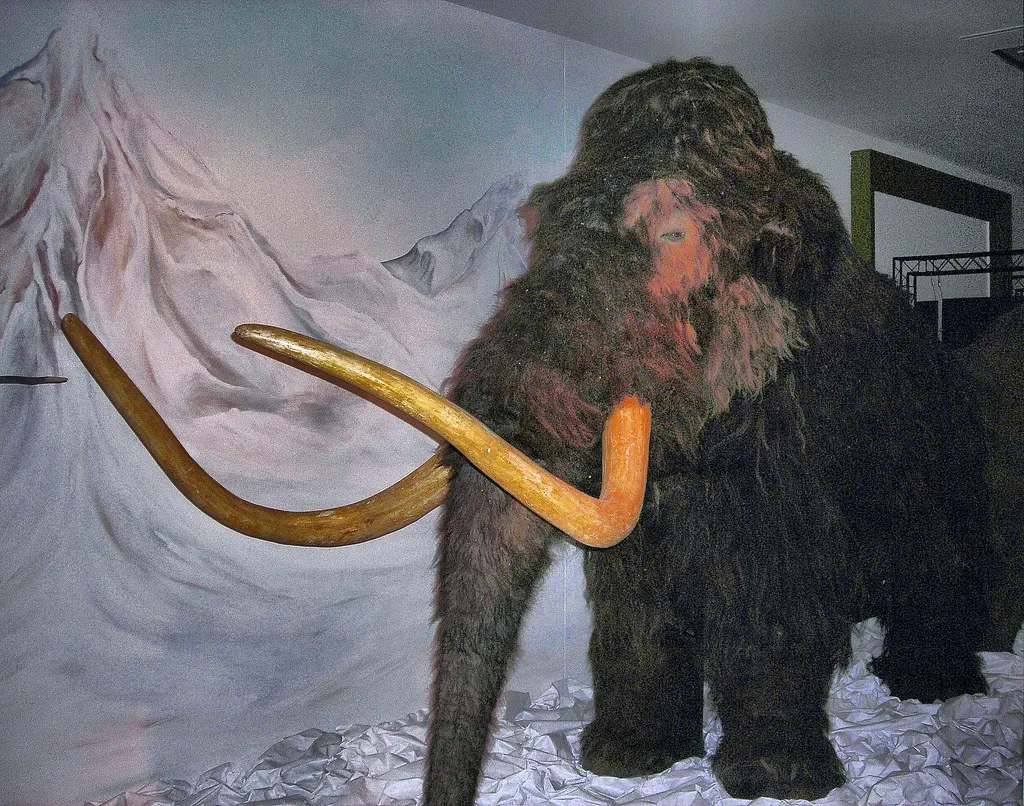
If you traveled back to Late Pleistocene Siberia, you’d find one of the last strongholds of woolly mammoths. The environment would feel harsh and raw: short summers, long brutal winters, and wide treeless expanses where the wind never really stops. Yet humans thrived there for tens of thousands of years, following herds of reindeer, horses, and mammoths, and sometimes even using mammoth bones to build semi-permanent structures.
In this setting, you would not think of yourself as separate from the megafauna; your survival would be intimately tied to their movements. Archaeological discoveries show that people crafted tools, ornaments, and even symbolic objects from mammoth ivory, suggesting that these animals mattered not just for meat but for identity and meaning. Some of the very last mammoths survived on arctic islands long after most populations vanished from the mainland, so if you lived in that transitional moment, you’d be among the last humans to see them alive, watching a chapter of natural history close in real time.
Early Aboriginal Australia: Sharing the Land with Marsupial Giants
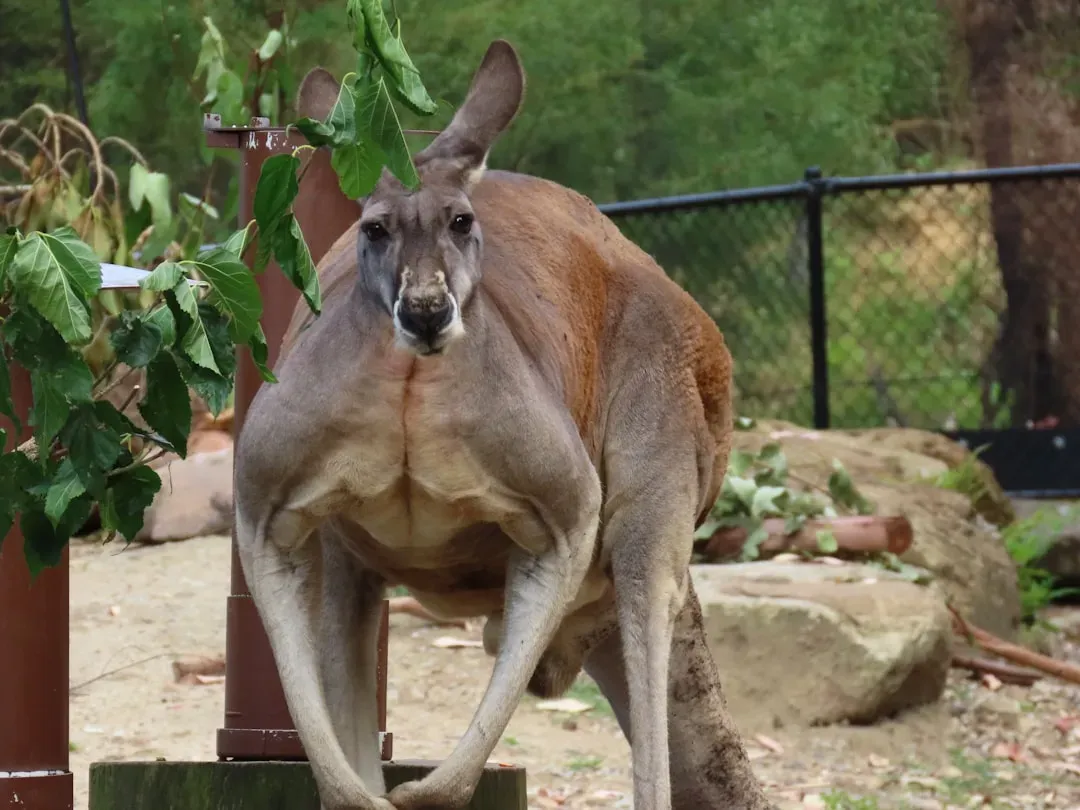
When humans first reached Australia more than forty thousand years ago, you would have stepped into a completely different cast of giants. Instead of mammoths or rhinos, you’d find enormous marsupials: massive diprotodons that looked like oversized wombats, kangaroos larger and more robust than modern species, and giant flightless birds. This was a continent where almost everything familiar to you today felt like a scaled-down version of what once had been.
As an early Aboriginal hunter-gatherer, you would have had to adapt quickly to these new animals and to the unique Australian climate, which swung between wetter and drier periods. Fire would be one of your main tools, used to shape the landscape, encourage certain plants, and influence where animals moved. The stories and songlines that later Aboriginal cultures carried through the millennia may echo distant memories of these vanished giants, so when you listen to those rich oral traditions, you might be hearing faint traces of an era when humans and megafauna truly shared the same tracks in the dust.
Early South American Societies: Humans Among Giant Sloths and Terror Birds
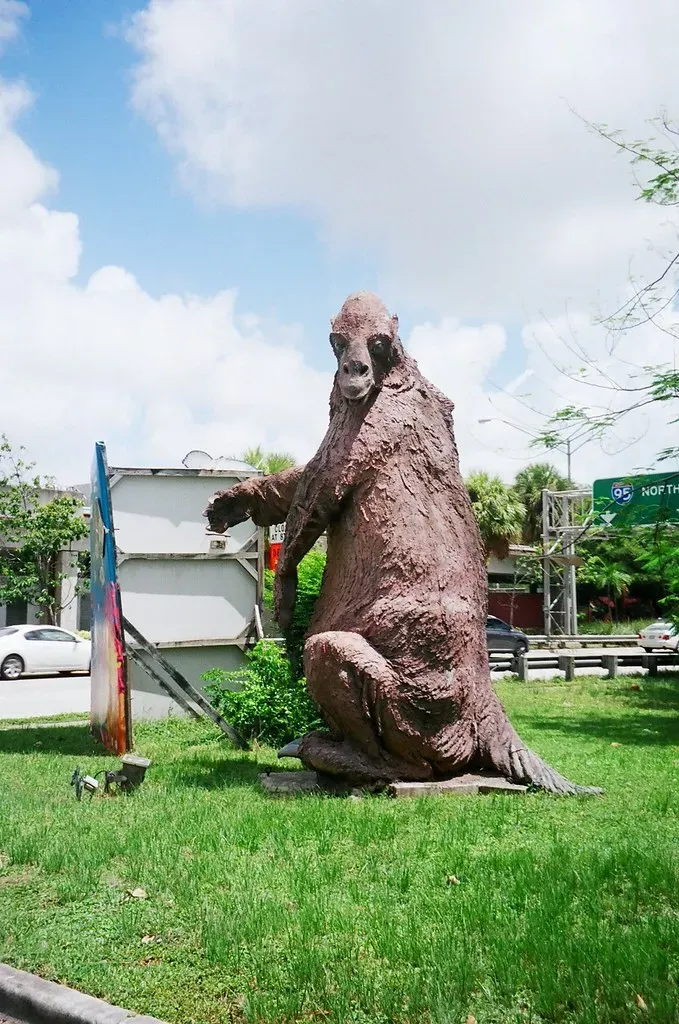
If you arrived in South America during the Late Pleistocene, you’d be surrounded by some of the strangest megafauna on Earth. You would encounter giant ground sloths so large they could reach tree branches you could never touch, armored glyptodons shaped like living tanks, and powerful predators, including big cats and, in earlier periods, enormous flightless predatory birds. This was a continent where evolution had gone in bold directions, and your species was the newcomer.
As one of the early human groups moving down through the continent, you would have had to learn fast. You would experiment with hunting different animals, figure out how to butcher something the size of a small car, and manage the risks of facing predators that might see you as an easy target. Over time, as climates shifted and ecosystems changed, the largest animals dwindled and disappeared, and your descendants adjusted again, focusing on smaller game, plants, and eventually, agriculture. When you look at the archaeological record today, you can see that early South American societies were not just passive observers of these giants; they were active participants in a rapidly changing ecological drama.
Early Holocene Eurasian Cultures: The Last Echoes of the Ice Age Giants
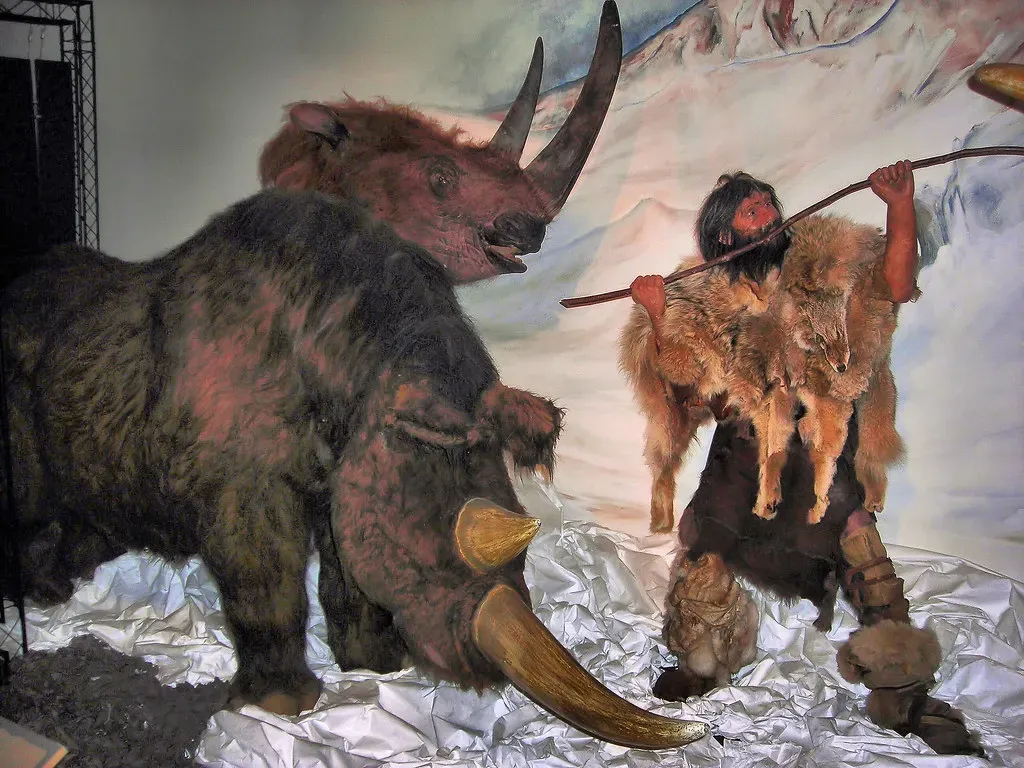
Fast-forward into the early Holocene, roughly the last ten thousand years, and you’d find that many of the classic Ice Age megafauna were already gone. But that does not mean the age of giants had ended completely. In parts of Eurasia, you would still find very large wild cattle, impressive wild horses, and bears and big cats that might be larger and more widespread than anything you’d usually see today. The human world, however, was shifting toward farming, herding, and permanent settlements, especially in regions like the Near East and southeastern Europe.
As someone living through that transition, you’d be at a crossroads. On one hand, you would still carry the traditions and knowledge of hunter-gatherer life, with memories – sometimes literal, sometimes mythologized – of mammoths, great herds, and long seasonal migrations. On the other hand, you’d be learning how to fence animals, plant crops, and reshape landscapes more aggressively. The megafauna that remained were no longer just neighbors; some became rivals for pasture or threats to your fields, while others were slowly pulled into domestication. In that moment, you can feel the world tilting from a shared landscape of giants to a human-dominated environment where large wild animals became the exception, not the rule.
When you step back and look at all these worlds together, you start to see a pattern. Across Europe, Asia, the Americas, and Australia, your ancestors lived shoulder to shoulder with megafauna, adapting their tools, beliefs, and movements to the demands of huge animals and shifting climates. Sometimes humans clearly hunted these giants; other times, environmental change played a huge role in their decline. Either way, by the time you reach the present, the age of routine coexistence with such animals is almost entirely gone.
Understanding these six ancient civilizations and cultures is not just about marveling at what once was. It forces you to ask how your species fits into ecosystems and what happens when you become powerful enough to reshape or destroy them. You are one of the few animals that remembers, records, and studies the losses it helped cause. When you think about that, and about the giants your ancestors once watched walk across the horizon, you have to wonder: if you had been there, how differently would you have lived with them?