
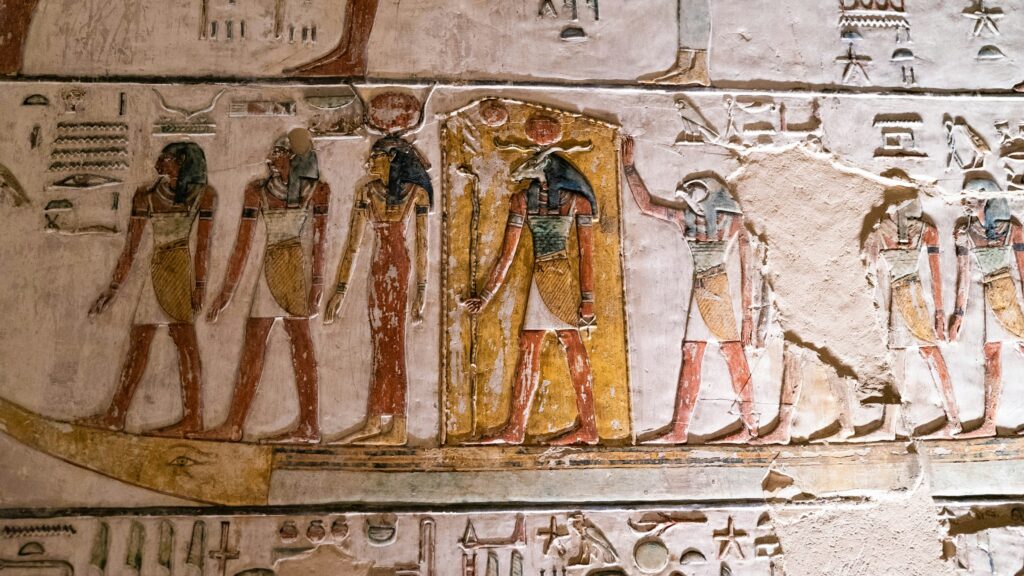
There’s something both thrilling and slightly unsettling about realizing how much we still do not know about our own past. We can land probes on comets and edit genes, yet some of the biggest questions about where we came from, how we lived, and what we believed thousands of years ago remain stubbornly out of reach. The dirt under our feet is full of clues, but it rarely hands over a complete story.
What makes these mysteries so gripping is not just the missing facts, but the way they tug at identity and meaning. Were there entire cultures we barely remember? Did our ancestors understand things we’ve since forgotten? As you go through these six puzzles, you might find your picture of “ancient humans” quietly shifting from simple and primitive to complex, emotional, and eerily familiar.
The Origins Of Modern Humans: One Story Or Many?
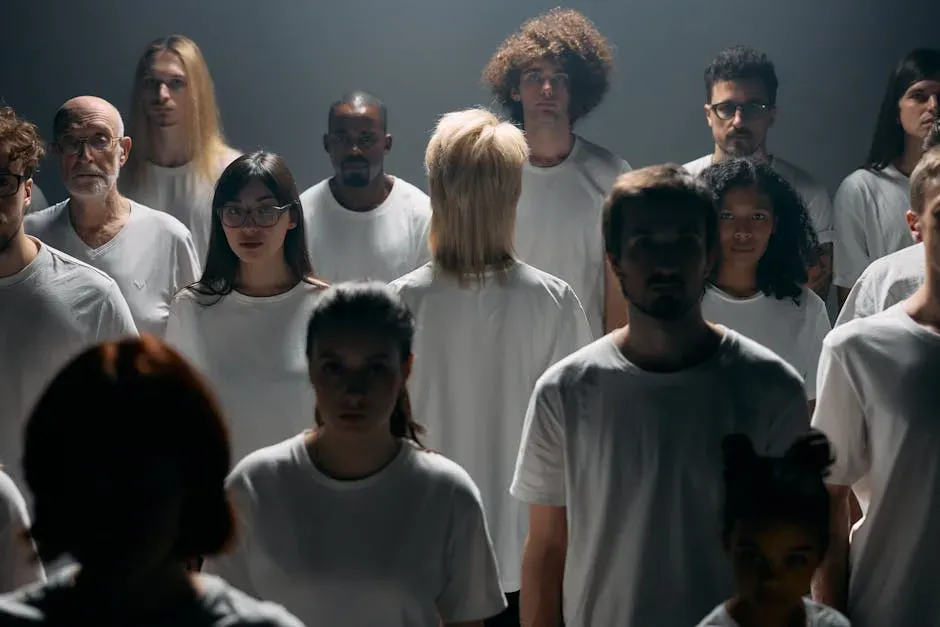
Here’s a wild thought: the story of “modern humans” may be less a straight line and more a tangled web. For years, the common picture was that our species arose in one corner of Africa and then radiated out like spokes from a wheel; now, many researchers think the reality could be a patchwork of populations mixing and separating over long stretches of time. Ancient DNA has confirmed that our ancestors interbred with Neanderthals and Denisovans, but it has also raised new questions about other, more mysterious lineages that may have existed.
Fossil discoveries across Africa and Eurasia show a mix of ancient and modern traits that do not fit neatly into a single family tree. Some skulls look almost modern but are surprisingly old, while others look more archaic but appear in relatively recent layers. When I first dug into this research, it felt like trying to assemble a jigsaw puzzle where half the pieces are from a different box; just when you think the picture is clear, a new fossil bends the edges of the frame. The unresolved question is whether there was one main cradle of modern humans or a loose network of interconnected groups that collectively gave rise to us.
Neanderthals: Why Did Our Closest Cousins Vanish?
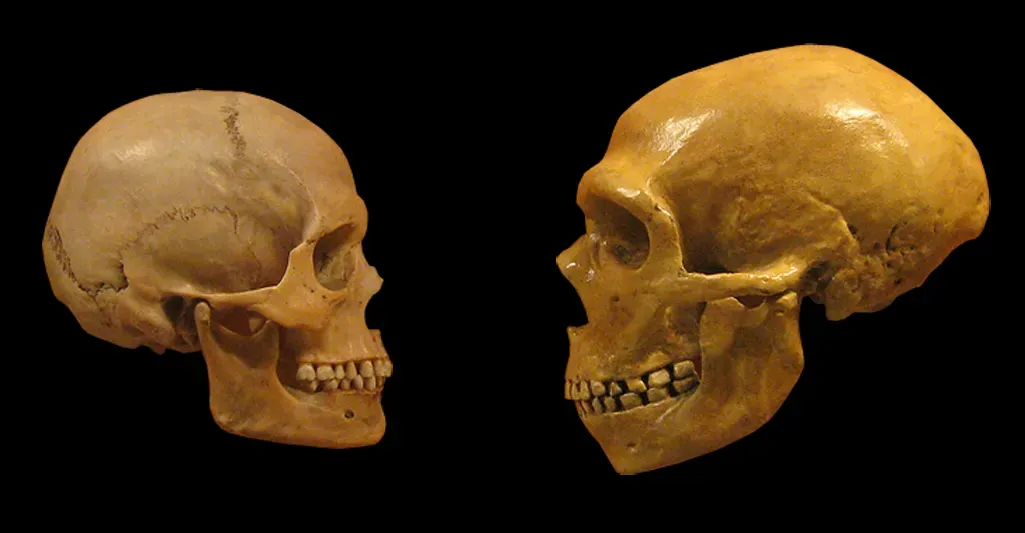
Neanderthals were not the dim, brutish cave-dwellers people once imagined; they buried their dead, made tools, used fire, and likely had some form of language. Yet around forty thousand years ago, they disappeared, leaving only traces of their DNA in many people alive today. The overlap in time and territory between Neanderthals and early modern humans is striking, and it is hard not to wonder if their story ended because ours began to dominate.
Scientists have floated a mix of explanations: climate swings that hit Neanderthals harder, diseases introduced by incoming humans, direct conflict, or simply being outcompeted for resources over many generations. The uncomfortable possibility is that multiple factors piled on at once, like a slow-motion disaster with no single villain. My opinion, based on the current evidence, is that we should stop thinking in terms of a clean “replacement” and instead picture a long, messy overlap where Neanderthals were gradually absorbed, sidelined, and eventually pushed past a tipping point they could not recover from.
The Enigma Of Göbekli Tepe: Who Built The World’s First Mega-Temple?
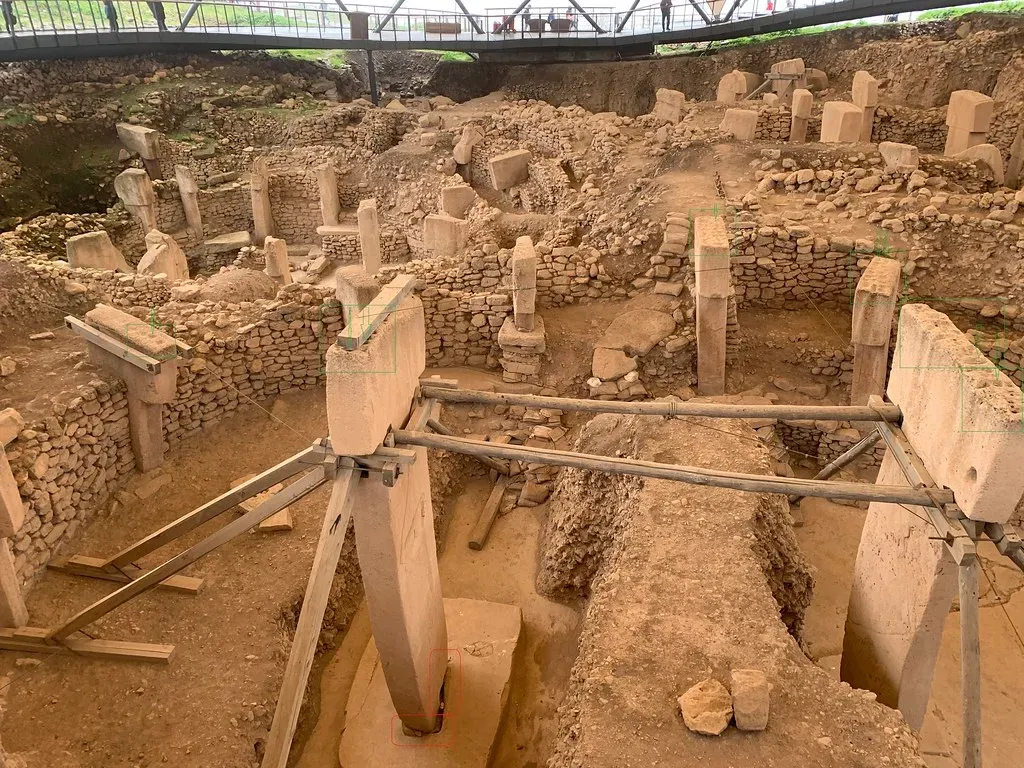
Göbekli Tepe, in modern-day Türkiye, turns the usual timeline of civilization on its head. Massive stone pillars carved with animals and abstract symbols were erected there roughly eleven thousand years ago, long before cities, writing, or even widespread farming. The site suggests that groups of hunter-gatherers could organize complex building projects that we once assumed required settled, agricultural societies.
We still do not know who exactly built it, what language they spoke, or the full meaning of the carved symbols that cover the stones. The idea that religion or shared ritual might have come first, pulling people together so strongly that agriculture became a practical necessity, is both controversial and incredibly compelling. When I first saw photos of the pillars, they reminded me of a social media feed carved in stone: animals, scenes, recurring motifs, all hinting at stories everyone there probably understood. Today, we are left squinting at those same images, trying to reverse-engineer a belief system without the benefit of a single recorded word.
The Indus Valley Script: A Silent Civilization
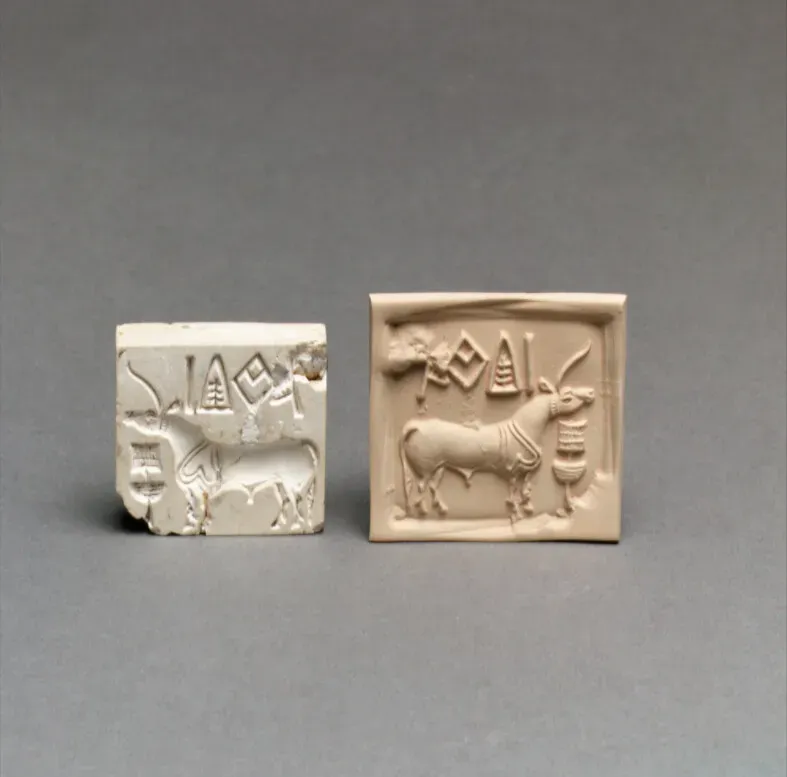
The Indus Valley Civilization built carefully planned cities, intricate drainage systems, and standardized weights and measures, yet their writing remains unread. Small seals and inscriptions show a tight series of symbols that look like a script, but there are no long texts, bilingual inscriptions, or obvious “Rosetta stone” moments to unlock their language. It is like having dozens of screenshots from a lost messaging app but no way to understand the code behind them.
Debate rages over whether these symbols represent a full writing system or a more limited set of signs tied to names, titles, or religious ideas. Without the ability to read what they carved and stamped, we are largely guessing at how they arranged their society, what they believed, and how they saw themselves in relation to neighboring cultures. Personally, I find it amazing that a civilization this advanced can still feel so quiet; the streets and houses are there in the archaeological record, but the voices are muted. Until someone finds a longer text or a key link to a known language, the Indus people will remain one of humanity’s most intriguing chapters.
Ancient Megaliths And Lost Engineering Know-How
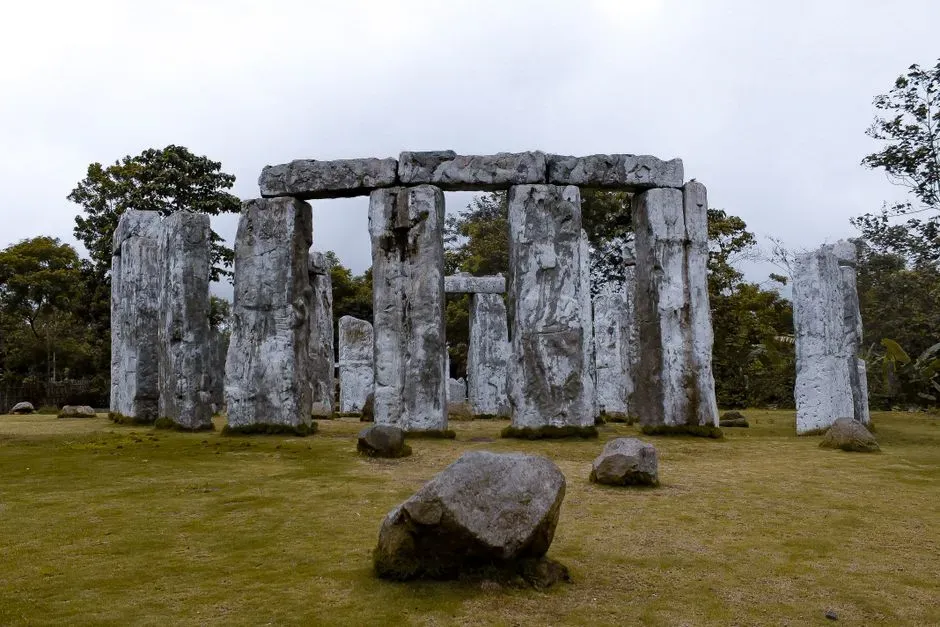
From the moai statues on Easter Island to the stone blocks at Baalbek and the precise stonework in parts of Peru, ancient megaliths have fueled endless speculation. The stones are huge, the transport routes look difficult, and some of the joints between blocks are so tight that even a thin blade cannot easily slip between them. There is an almost irresistible urge to reach for exotic explanations, but the more grounded mystery is about the specific techniques our ancestors used and then somehow stopped passing down.
Experimental archaeologists have shown that people with basic tools, ropes, and lots of cooperation can move and raise surprisingly massive stones. Still, the exact workflows, tools, and social systems that made these feats practical in real time are often missing from the record. To me, the most plausible story is not lost alien technology but lost everyday know-how, the way older relatives sometimes had practical tricks that never got written down. Once those methods are no longer needed, they can evaporate in just a few generations, leaving later observers staring at the results and wondering how on earth it was done.
The Sudden Collapse Of Several Bronze Age Civilizations
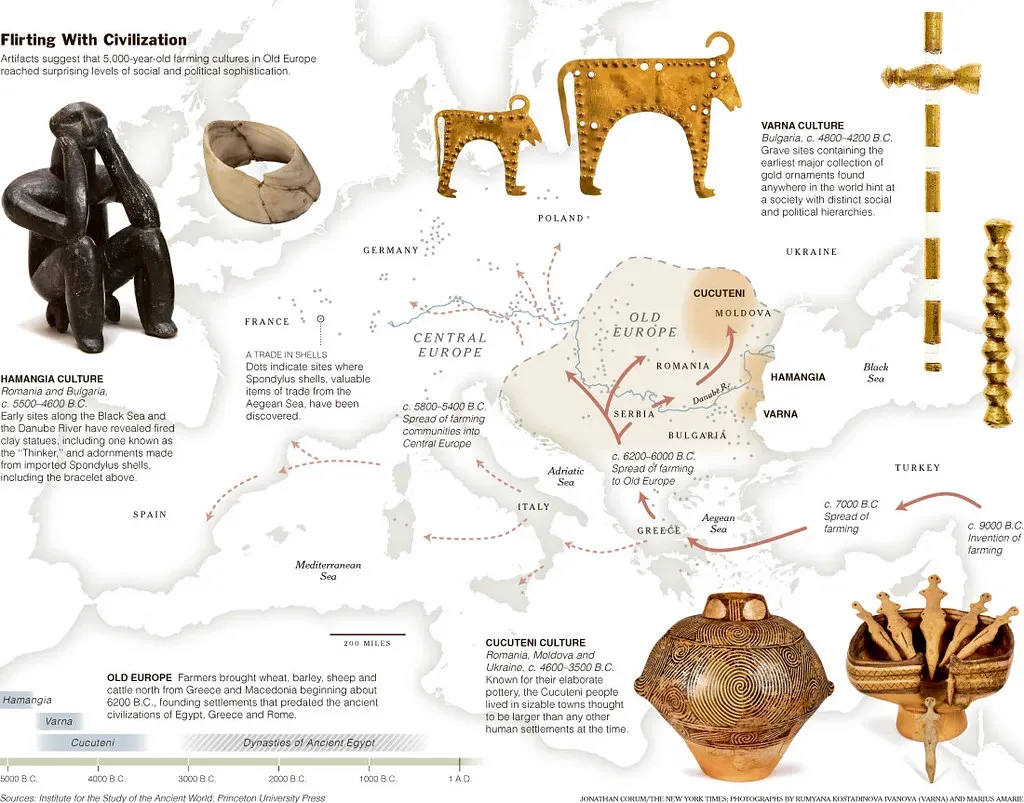
Roughly three thousand two hundred years ago, a cluster of powerful societies around the eastern Mediterranean faltered within a relatively short window. Palaces burned, trade routes broke down, and written records thin out just when we most want them to speak. Modern research points to a messy combination of factors: climate change causing crop failures, internal rebellions, shifting trade patterns, invasions, and maybe even pandemics. It reads less like a single catastrophe and more like a long, painful unravelling.
What remains hotly debated is which dominoes fell first and which ones mattered most. Some scholars emphasize raiders and migrating groups, others point to drought and social fragility as the underlying problem that made everything else more destructive. The unsettling lesson, and the reason this mystery still feels fresh, is how familiar the pattern looks: complex societies, stretched across long supply chains, become deeply vulnerable when several crises hit at once. Standing in our own complicated, interconnected world, it is hard not to see their collapse as both a warning and a puzzle we still have not fully solved.
Conclusion: Why These Mysteries Refuse To Die
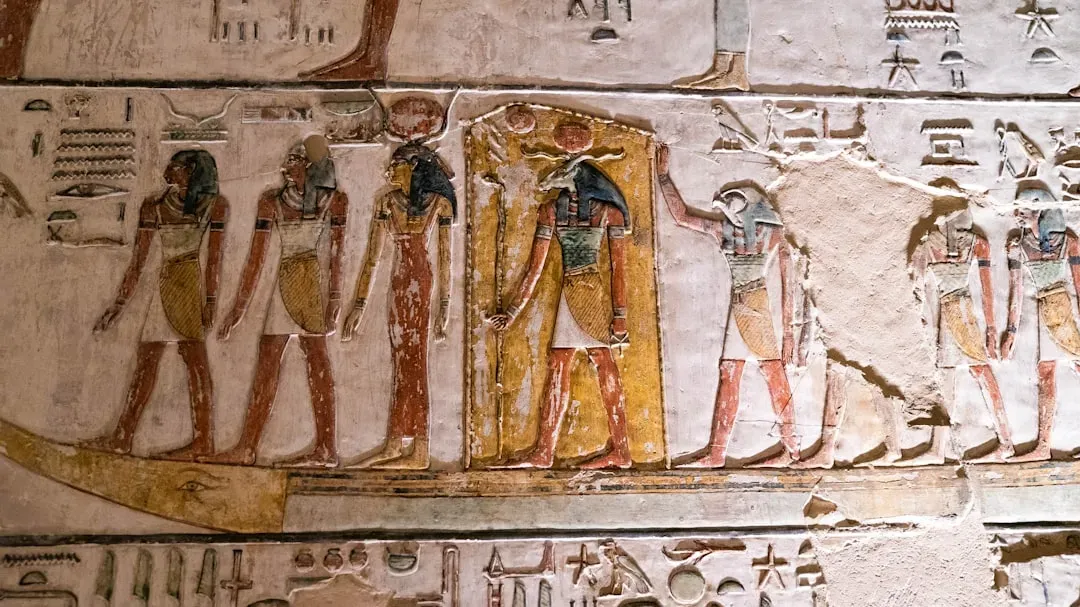
These six mysteries stay alive partly because we care so much about what they say about us. The questions behind them are not just academic: Were our ancestors more sophisticated than we gave them credit for? Are we as stable and secure as we like to think, or are we just another chapter in a pattern of rises and collapses? My opinion is that clinging to overly simple answers does more harm than good; it underestimates both the brilliance and the fragility woven through human history.
In a way, the unresolved parts are a gift. They keep scientists digging, debating, and updating our story instead of letting it ossify into something too neat to be true. The past is not a finished book sitting on a shelf; it is a draft with missing pages we are constantly trying to reconstruct from smudged notes and half-burned fragments. As we keep uncovering new clues, the real challenge is to stay honest about what we know, blunt about what we do not, and open to being surprised. Which of these ancient puzzles would you most want an answer to, if you could pick just one?