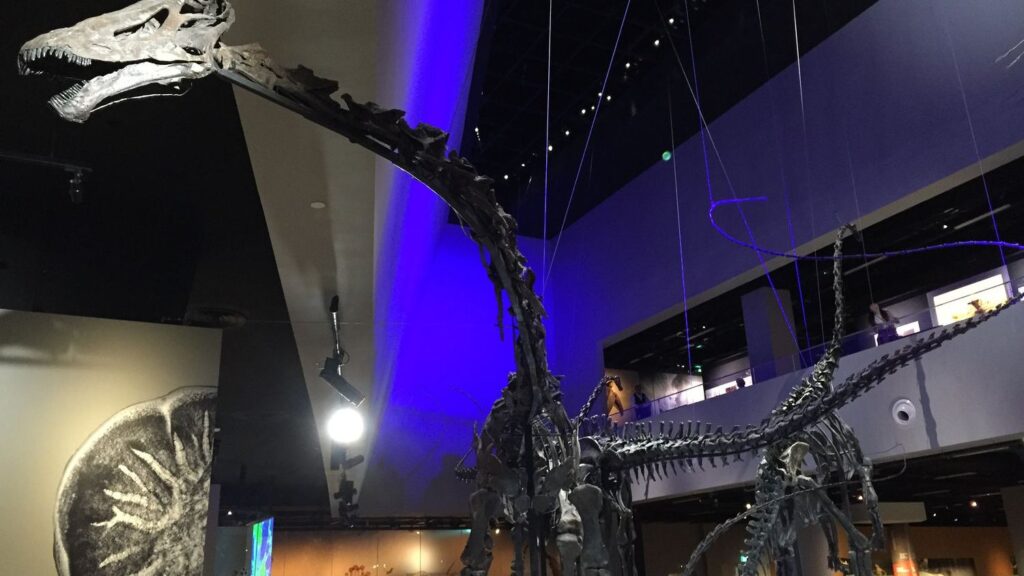
If you have ever stared at a skeleton of a long‑necked sauropod and thought, “How on Earth did anything get that big?”, you’re not alone. Some dinosaurs were so enormous that your brain almost refuses to believe they were real animals and not special effects brought to life. Yet they walked, breathed, ate, and raised young on the same planet you live on now.
Scientists have spent decades trying to figure out how and why a handful of dinosaur groups pushed body size to such extreme limits. There isn’t one simple answer, and that’s part of what makes this topic so gripping. Instead, you find a web of overlapping ideas about bones, lungs, eggs, climate, food, and even how dinosaurs grew up. As you explore these six big theories, you’ll see how each one adds another piece to the puzzle of dinosaur gigantism – and you might find yourself seeing your own body and environment a little differently too.
1. Supercharged Dinosaur Growth: How You Reached Elephant Size… Then Kept Going
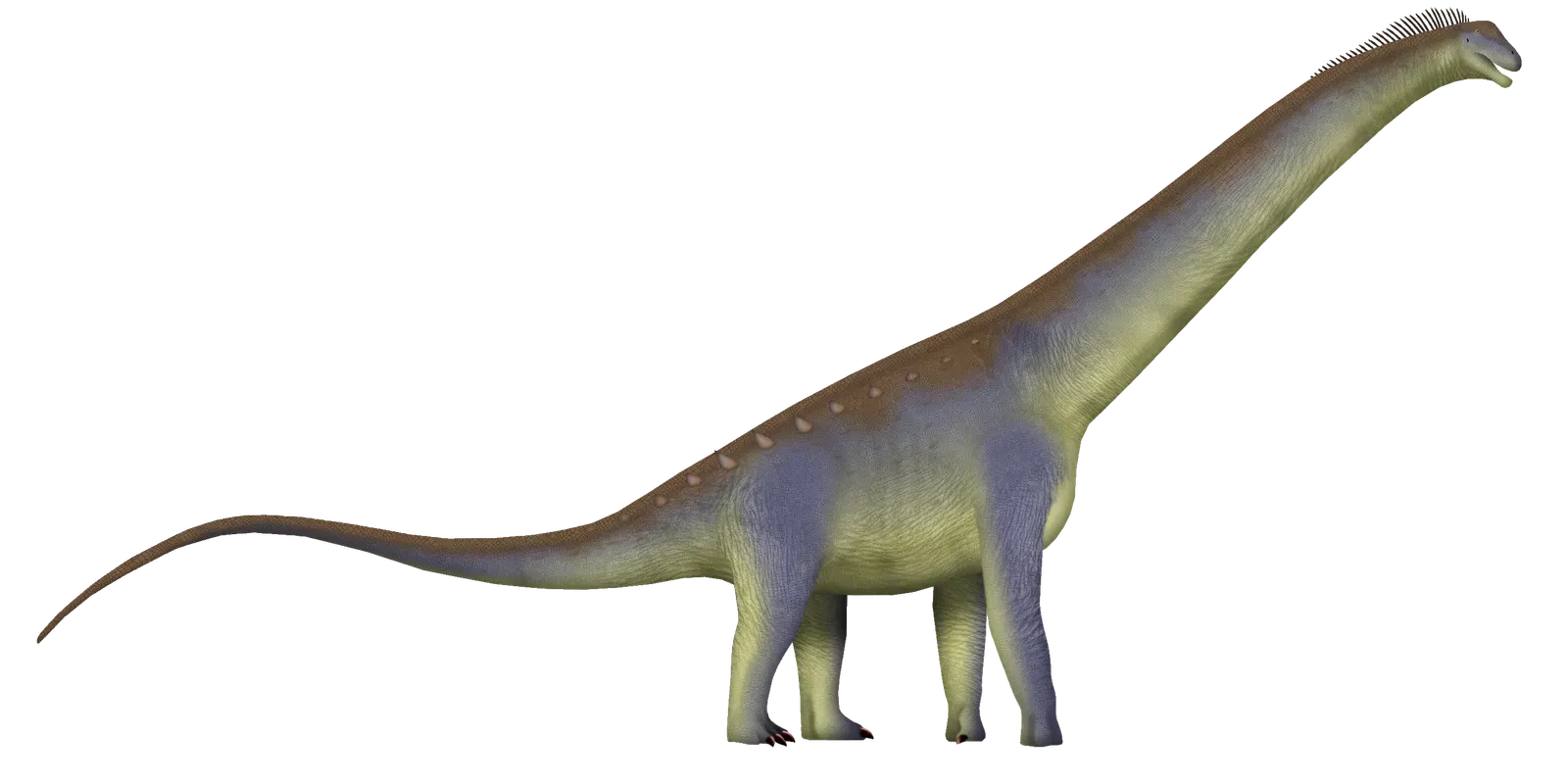
Imagine if you grew from baby to adult faster than a horse, but then just kept on growing year after year while staying surprisingly active. That, in a nutshell, is what many giant dinosaurs seem to have done. When you look at thin slices of their bones under a microscope, you see growth rings and tissue patterns that tell you they packed on mass at a blistering pace during their teenage years, more like giant birds or mammals than sluggish reptiles.
But here’s the twist: instead of stopping at a set “adult” size like you do, many dinosaurs appear to have kept growing slowly late into life. That kind of extended growth, layered on top of an early growth spurt, is a powerful recipe for reaching staggering sizes over a few decades. If you picture yourself adding a small but steady amount of weight every year after your twenties, you can glimpse how time alone, paired with high growth rates, lets a body snowball into true giant status.
2. A Hyper-Efficient Body: Light Bones, Air Sacs, And High-Powered Lungs
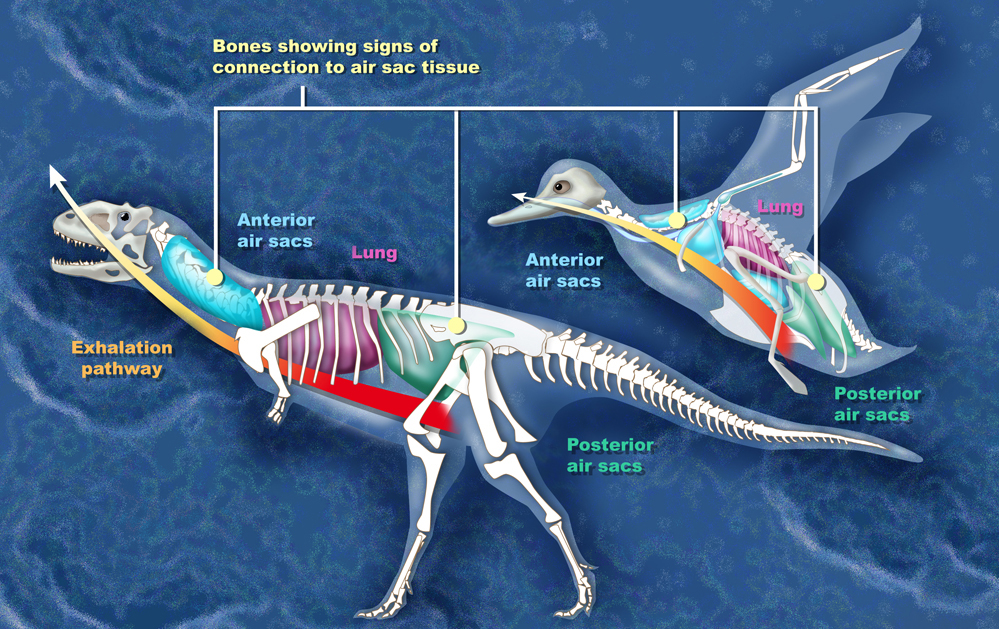
If you try to imagine a 70‑ton animal built like a rhino, you run into a problem: it would probably collapse under its own weight or suffocate trying to move. Giant dinosaurs solved this by building bodies that were huge but not solid. When you look inside their vertebrae and other bones, you often find a honeycomb of air-filled spaces, a bit like the internal structure of a modern bird’s bones. That makes the skeleton strong but significantly lighter than it looks.
On top of that, many dinosaurs seem to have had bird‑style respiratory systems, with air sacs in the body and a flow‑through lung that moves air efficiently in one direction. That kind of system lets you pull far more oxygen out of each breath than your own lungs can. For a giant animal, this matters: you need to fuel massive muscles and keep your body cooled without overheating. By combining lightweight bones with high‑performance lungs, large dinosaurs could stay active enough to feed, migrate, and escape danger, rather than being clumsy, wheezing hulks.
3. Warm-Blooded (Or Almost): The Metabolism That Let You Rule The Landscape
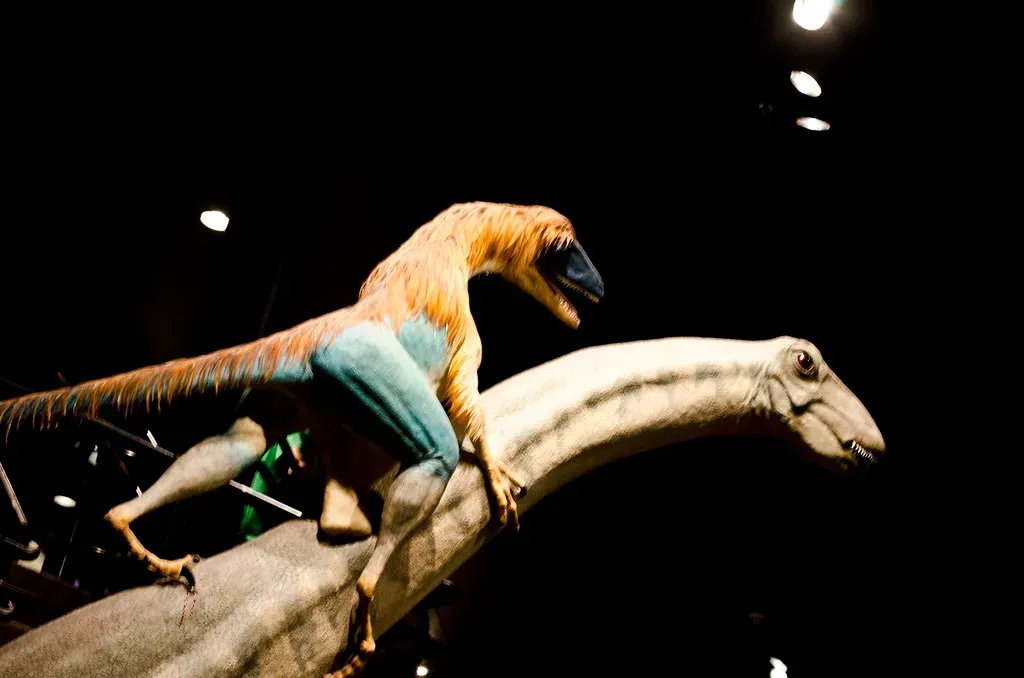
For a long time, you were probably taught that dinosaurs were basically giant lizards, cold‑blooded and slow. But when researchers examined growth rates, bone structure, and clues from blood vessel patterns, a different picture started to emerge. Many dinosaurs seem to land in a metabolic “sweet spot” between modern reptiles and birds or mammals – often called something like “fast‑running reptiles” or “intermediate warm‑bloodedness.” That means they probably could keep body temperature and activity levels high enough to grow fast and stay on the move.
If your metabolism runs hotter, you can eat more, move farther, and recover from injuries more quickly. Over evolutionary time, that kind of energetic lifestyle can favor bigger bodies because larger animals can travel long distances to find food, outcompete smaller rivals, and better survive lean seasons. At the same time, being huge helps you hold heat like a thermal battery, smoothing out temperature swings between day and night. So you get a feedback loop: a more active metabolism allows larger size, and larger size helps stabilize that metabolism in a changing environment.
4. Food, Climate, And Oxygen: A World That Let You Grow Colossal
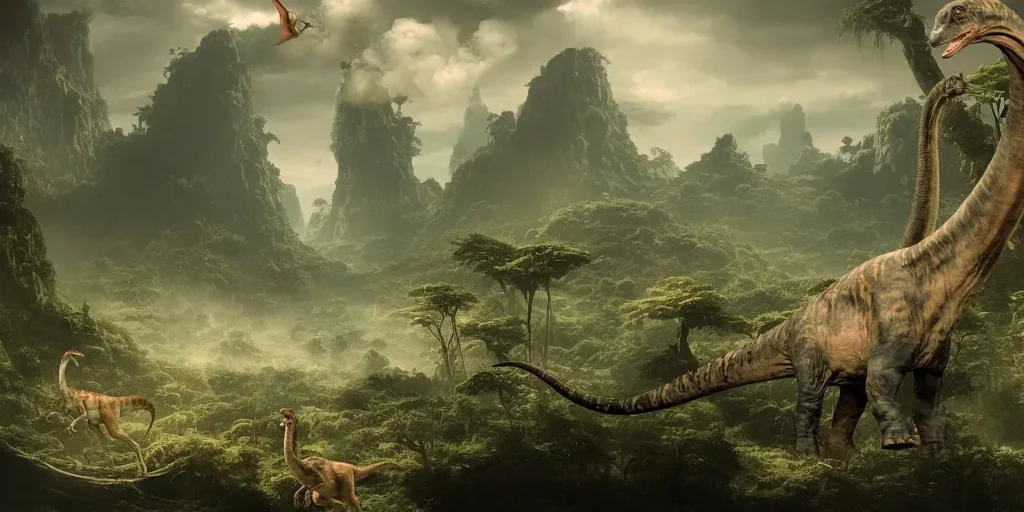
You cannot grow a skyscraper-sized body if your world cannot feed it. When you step back and look at the Mesozoic world, you see sprawling forests of fast‑growing plants like conifers, ferns, and later flowering plants. Vast herds of herbivorous dinosaurs could have roamed through these plant “factories,” eating almost constantly. Some studies suggest that the way dinosaur teeth and jaws worked let them strip plants quickly without chewing as thoroughly as mammals, which may have sped up how fast they could process food.
On top of all that greenery, the atmosphere and climate were different from what you experience today. At various times, global temperatures were warmer, polar regions were ice‑free, and sea levels were higher. There is evidence that oxygen and carbon dioxide levels fluctuated over the age of dinosaurs, and some researchers argue that slightly higher oxygen or robust plant productivity made it easier to fuel large bodies. You can think of it like a rich, all‑you‑can‑eat buffet combined with a climate that rarely slammed animals with deep freezes – conditions that, over millions of years, opened the door to creatures that kept pushing upper limits of size.
5. Safety In Size: How Being Huge Helped You Survive And Have More Offspring
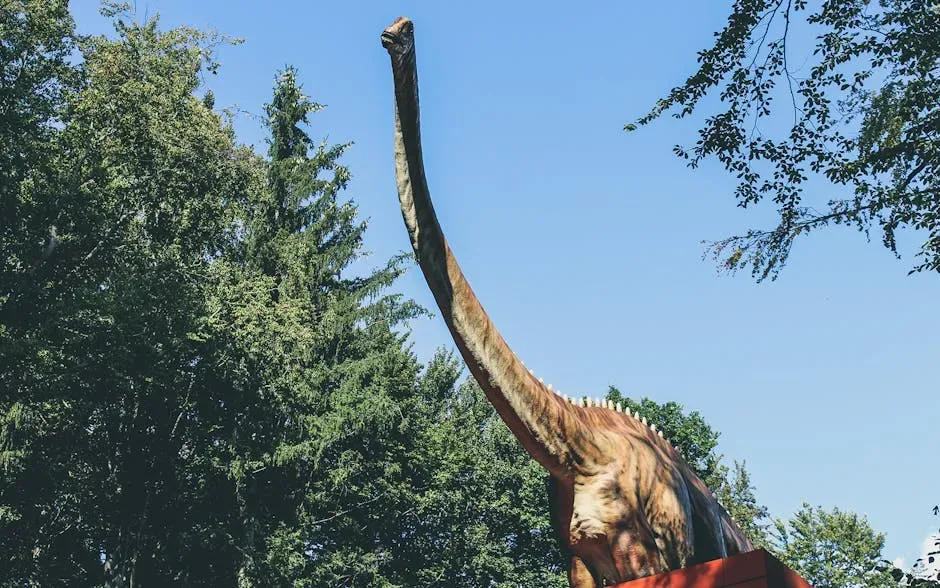
If you picture yourself as a young dinosaur in a predator‑packed landscape, you quickly see one obvious benefit of being enormous: most things stop trying to eat you. Once you reach a certain size, only the very largest carnivores can even attempt an attack, and the risk for them is high. A kick or tail swipe from a many‑ton herbivore could break bones or kill a predator outright. That makes adulthood safer if you can just survive the vulnerable early years.
There is another payoff that is easy to overlook: large animals often live longer and can have more breeding seasons across their lives. If you combine long lifespan with the ability to produce many eggs, you create a strategy where even if a huge number of your offspring die young, enough still survive to adulthood to keep your line going. In that kind of evolutionary arms race, natural selection can favor lineages that grow bigger and bigger, especially if predators are also evolving to become larger and more formidable. You end up with a size spiral, where being enormous becomes both a shield and a long-term reproductive investment.
6. Starting Tiny: Eggs, Babies, And Filling Every Niche Around You
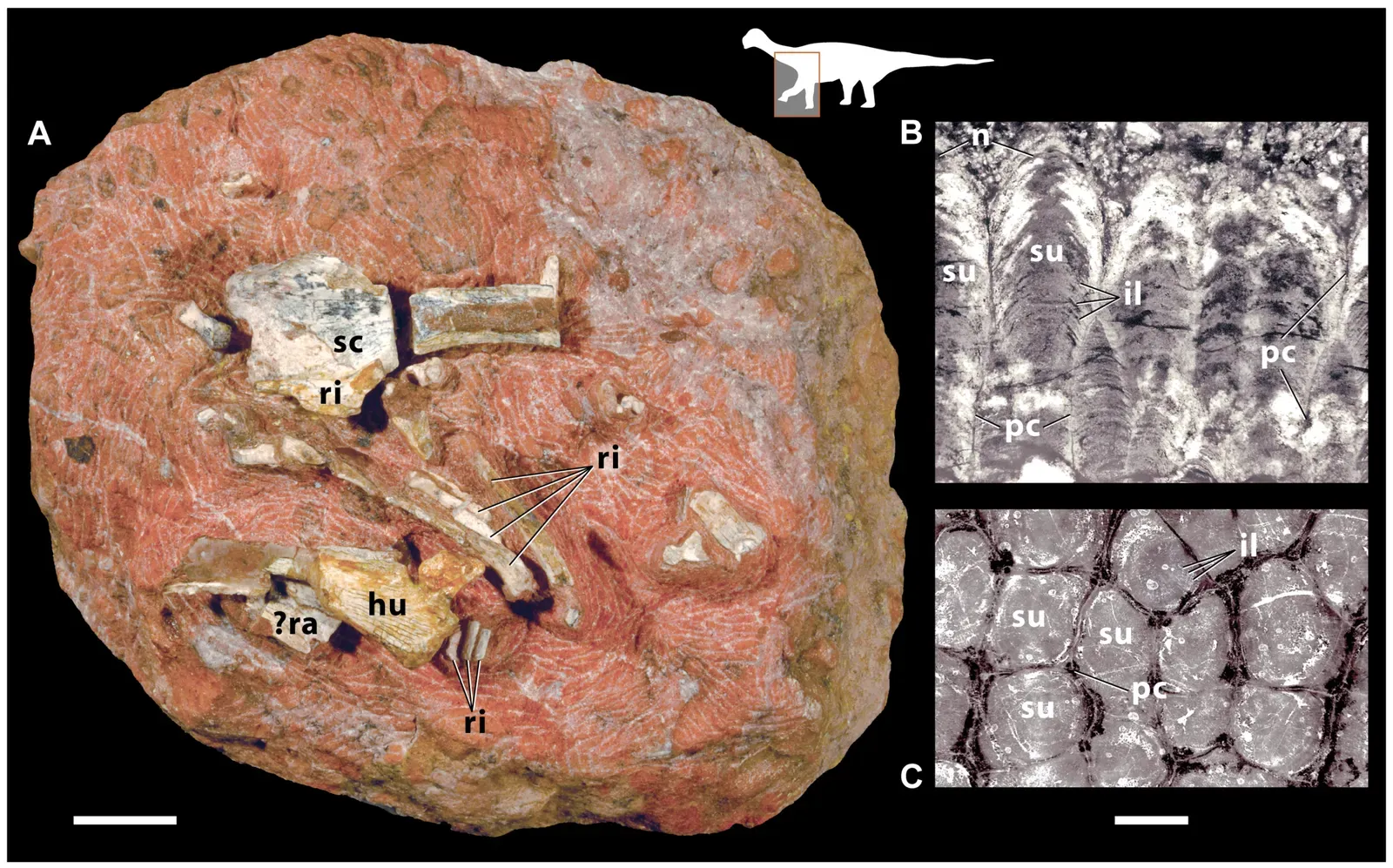
Here’s a paradox you might not expect: some of the biggest dinosaurs began life small enough to hold in your two hands. Because dinosaurs laid eggs, there was an upper limit to how big each egg could get before the shell would fail under its own weight or oxygen could not get in properly. That meant every sauropod, no matter how gigantic as an adult, started out as a relatively small hatchling. From there, it had to grow through many size categories on the way to adulthood.
This life history opened up an unusual opportunity: as a single species, you and your peers could occupy different ecological roles at different ages. Hatchlings might feed on small plants and hide from predators, juveniles might graze on shrubs and move in groups, and adults might tower over trees and strip high foliage. Instead of one body size competing for one food source, your population could spread across a range of diets and habitats simply by growing. Over evolutionary time, that flexibility may have encouraged lineages to stretch adult size to extremes, because the younger stages were still able to exploit the lower rungs of the ecosystem ladder.
7. Bones Built Like Bridges: How Your Skeleton Carried So Much Weight
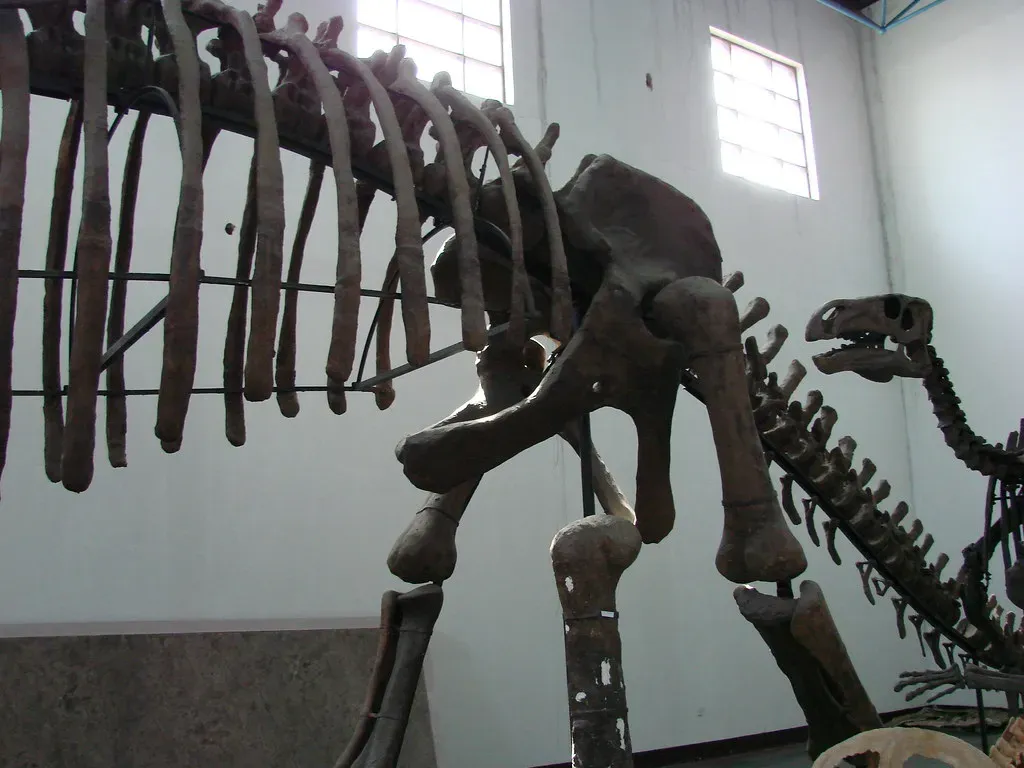
Even if you have air‑filled bones and a good metabolism, you still need a skeleton that does not buckle under a multi‑ton load. When you study the limb bones and vertebrae of giant dinosaurs, you see a kind of natural engineering that mirrors human bridges and skyscrapers. Leg bones are thick and column‑like, with shapes that spread stress efficiently, and joints are arranged to keep loads moving straight down rather than twisting. In many sauropods, the vertebrae are full of intricate struts and arches that look more like architecture than anatomy.
You can think of your own skeleton as a personal scaffolding; now imagine that scaled up many times, but adapted to keep material where it is needed and trim it away where it is not. That smart balancing act let giant dinosaurs save weight while maintaining enormous strength. It also may have limited how they moved: instead of sprinting like cheetahs, the biggest species likely walked with steady, energy‑saving strides. Those compromises between mobility and strength are the quiet, physical rules that made giant bodies possible without constant catastrophic injuries.
8. No Single Magic Answer: How All These Forces Worked Together
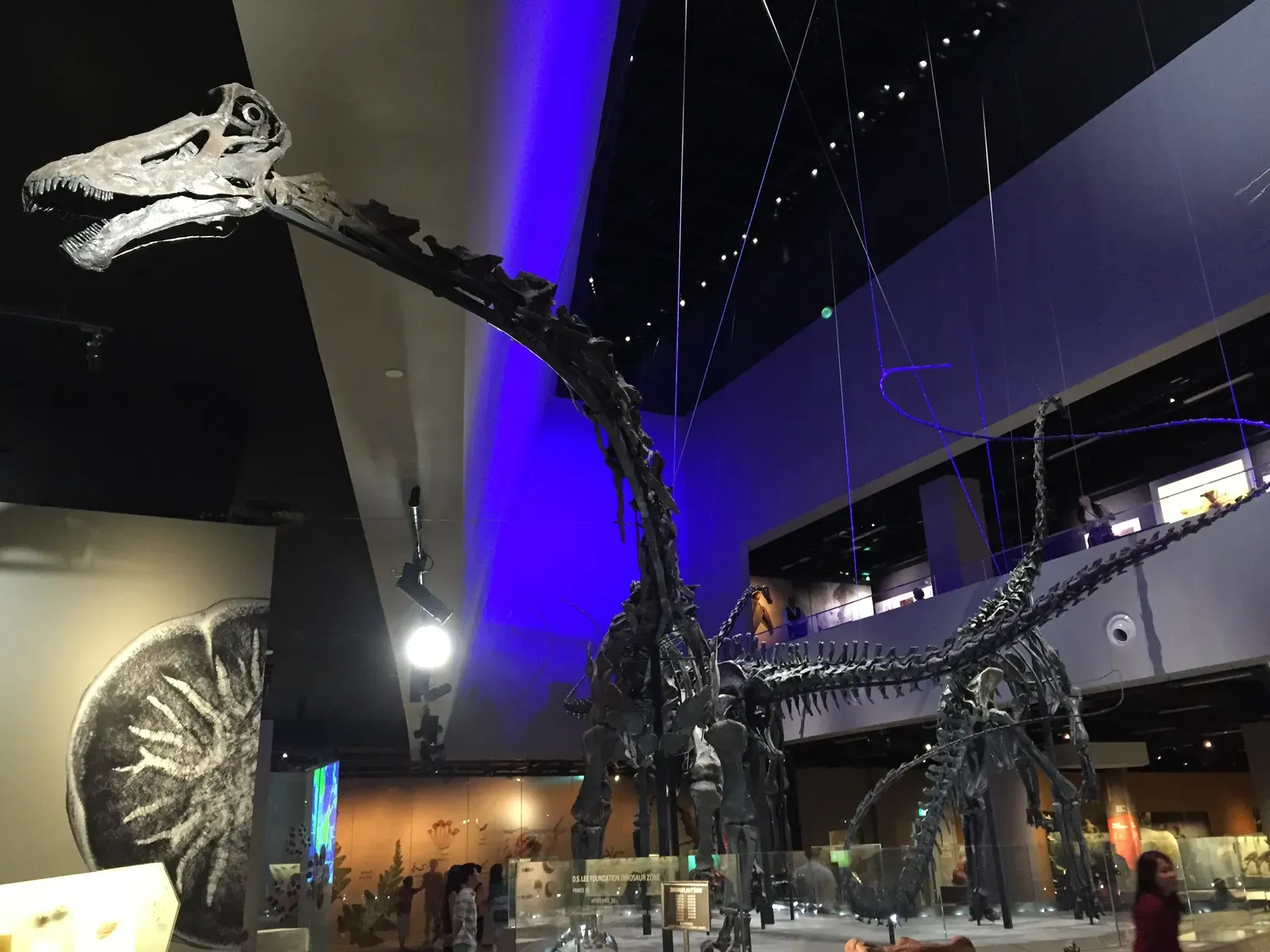
As tempting as it is to look for one neat explanation, you probably see by now that dinosaur gigantism is more like a symphony than a solo. High growth rates, efficient lungs, air‑filled bones, a favorable climate, abundant plants, safer lives for large adults, and egg‑based life cycles all intertwine. If you removed any one of these ingredients, dinosaurs might still have grown large, but perhaps not to the same mind‑bending extremes you see in the fossil record. It is the combination that really unlocked the upper limits of size.
In a way, you can read this story as a reminder of how your own world works. Your body, your health, even your height are shaped by overlapping factors: genetics, food, environment, and chance. Dinosaurs just took that interplay to a dramatic level that leaves you standing in a museum, neck craned back, trying to grasp what it means to share a planet with something that gigantic. The next time you look up at one of those skeletons, you might not just be thinking “how big,” but also “how many things had to go right, all at once, for this to exist at all.” Did you ever imagine that growing gigantic could be such a delicate balancing act?