
When we picture prehistoric danger, we usually think of teeth, claws, and thunderous footsteps. But the most ruthless killers of deep time were often rooted to the spot. Long before humans showed up, some plants evolved toxins, spines, and chemical tricks so effective that even huge animals had to treat them with respect. Compared to these silent assassins, many dinosaurs were almost polite.
What makes this so wild is that plants could not run, yet they still managed to win the arms race against giants. Their weapons were invisible poisons, tearing thorns, and defensive shields that turned them into living fortresses. As you read through these prehistoric plants, you may start to suspect a slightly uncomfortable truth: if you had to pick a neighbor, a medium sized carnivorous dinosaur might have been safer than a mouthful of the wrong leaf.
1. Cycads: The Slow-Growing Poison Factories
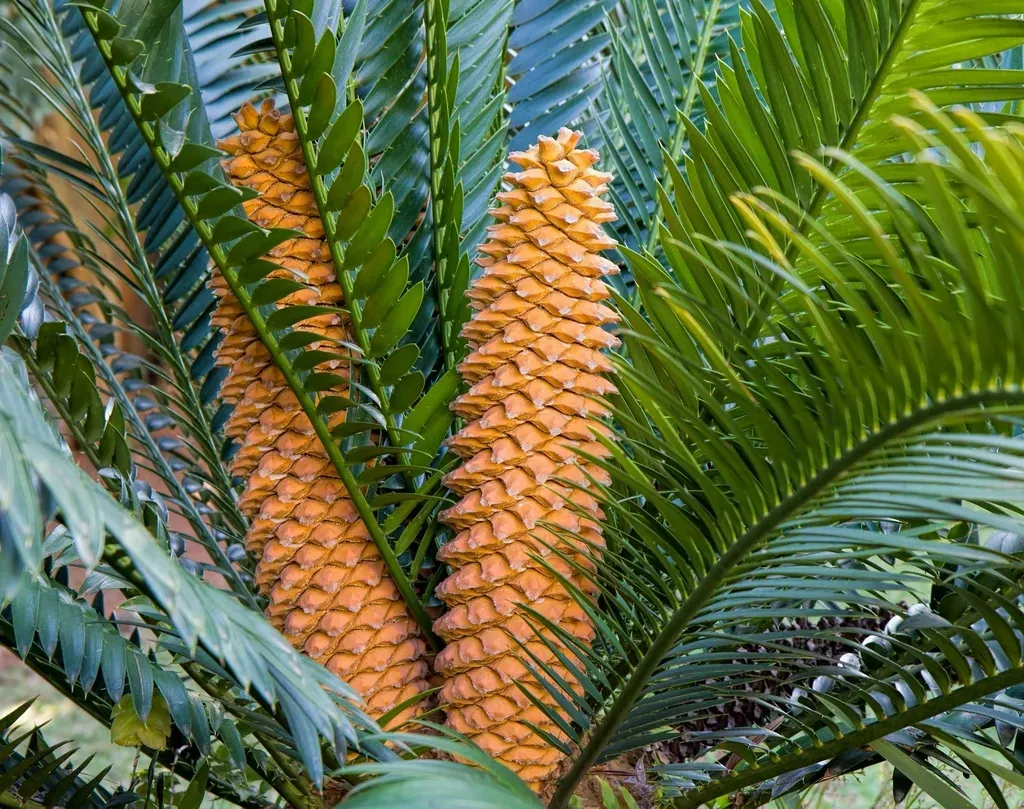
Cycads look like harmless palm trees, but they are some of the oldest and most treacherous plants on Earth. They were already widespread in the Mesozoic, carpeting Jurassic and Cretaceous landscapes while dinosaurs wandered through. Many modern cycads produce powerful neurotoxins and carcinogenic compounds that can damage nerves, paralyze muscles, and slowly destroy internal organs if eaten over time. Even today, animals that graze on cycads can suffer tremors, paralysis, or fatal nervous system diseases.
What makes cycads truly chilling is how sneaky their danger is. Unlike a snapping jaw, their harm often builds gradually, through repeated low-level poisoning rather than one dramatic attack. Some species store toxins in their seeds and leaves, tempting hungry herbivores with high-energy food that doubles as a biochemical trap. If you or a dinosaur made a habit of eating cycads, you would not just risk a bad stomach ache, you would be gambling with your brain and nerves. In terms of long-term, invisible damage, many predators look almost merciful by comparison.
2. Bennettitales: Tough, Armored, and Possibly Toxic
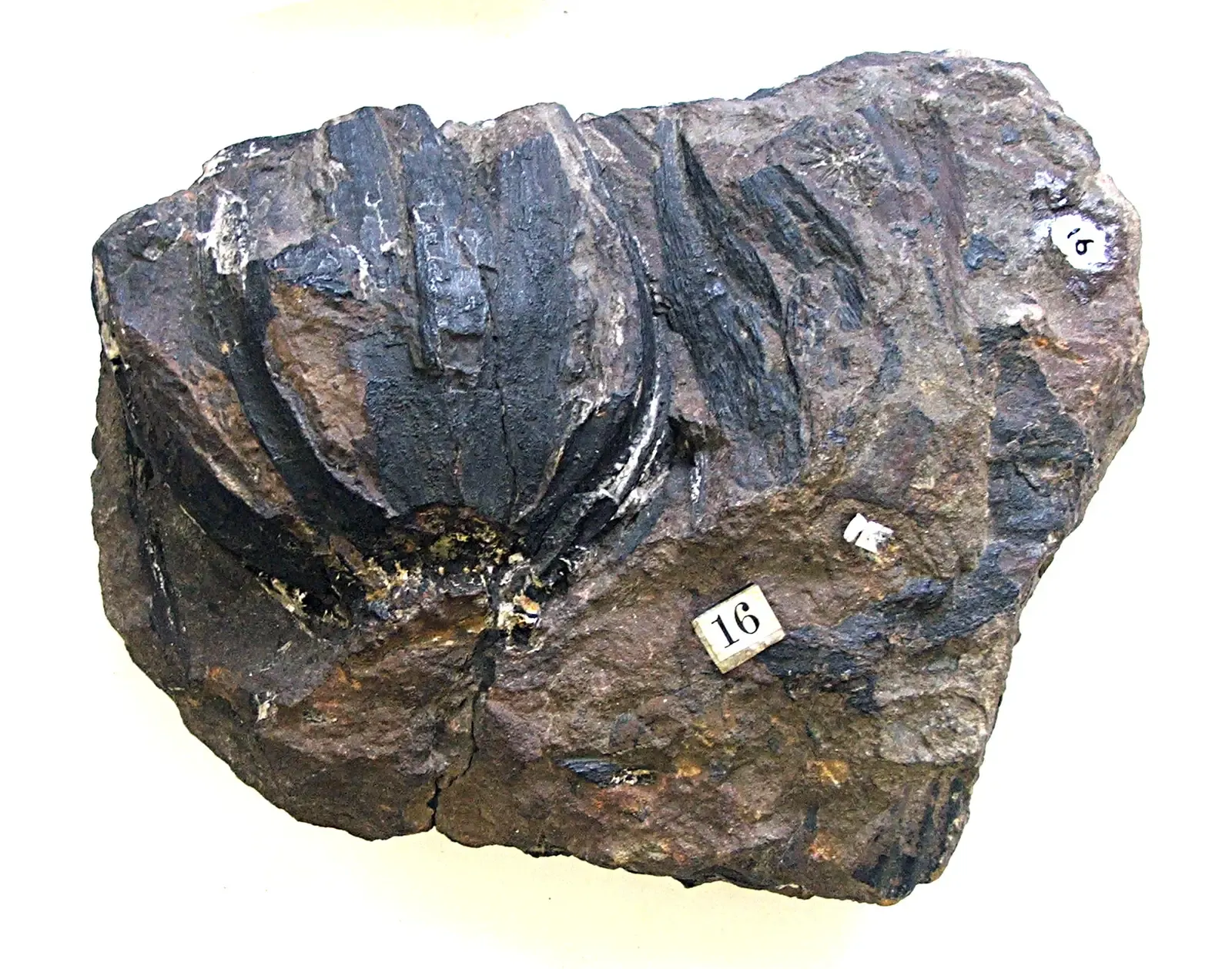
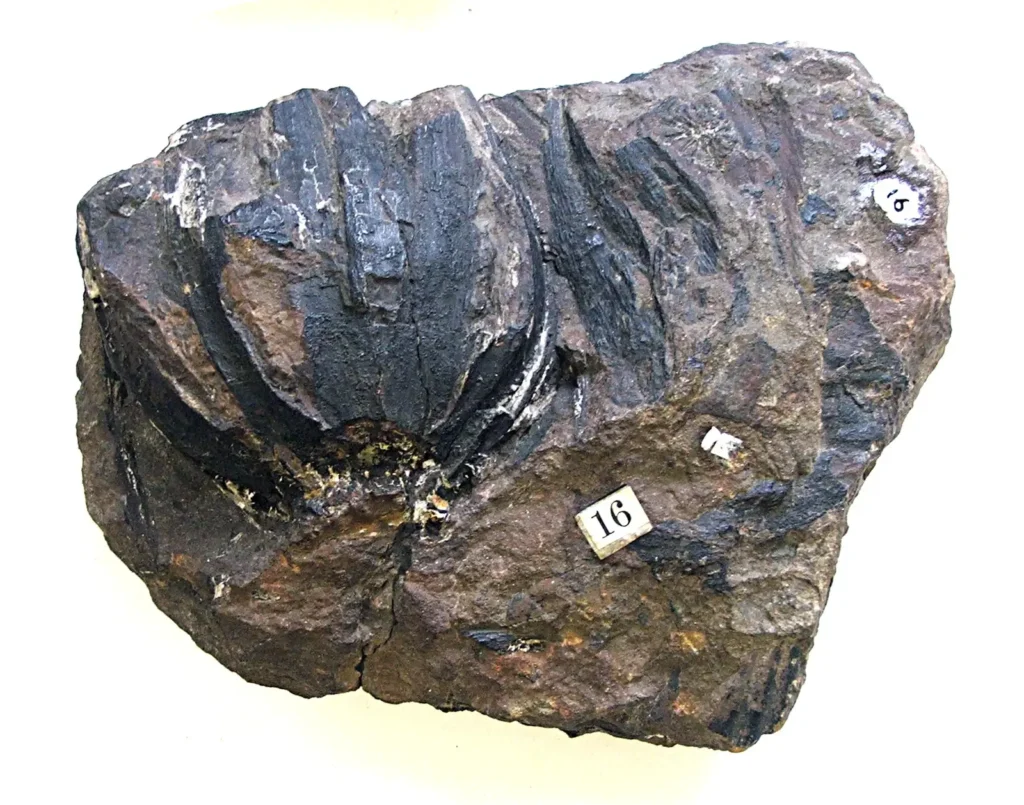
Bennettitales were strange, shrub-like or tree-like plants that thrived alongside dinosaurs, with thick, tough leaves and elaborate cone-like reproductive structures. Their leaves were often stiff, leathery, and heavily veined, suggesting a plant built for defense in a world of hungry herbivores. While direct chemical evidence is scarce, the combination of rugged foliage and slow growth points toward a plant that almost certainly invested in chemical defenses, just like many tough-leaved plants do today. Imagine biting into something like a cross between sandpaper and a bitter pill, and you get the idea.
There’s a good chance that for smaller dinosaurs, these plants were more than just unpleasant; they were dangerous to chew without care. In ecosystems where everything wants to eat you, an animal might risk a toxic snack simply to survive, and Bennettitales likely made that gamble costly. Their leaves could shred soft mouth tissues, and any chemical arsenal they carried would only amplify the damage. Compared with a quick bite from a mid-sized predator, a steady diet of these plants might have led to slow starvation, internal injury, or poisoning – an arguably crueler fate than a single dramatic attack.
Conifers are easy to overlook because modern humans mostly know them as Christmas trees, lumber, or quiet forest giants. But many ancient conifers produced resins and secondary chemicals that were deeply unfriendly to soft tissues and internal organs. Sticky resins could trap insects and smaller creatures and, over time, even preserve them in amber. For herbivores, chewing resin-rich needles and bark meant exposing their digestive systems to compounds that could irritate, inflame, or outright poison. A predator might hunt you for minutes; a toxic conifer could sabotage you for days.
The sheer abundance of conifers in many Mesozoic forests turned them into a subtle, landscape-level hazard. Young dinosaurs and smaller reptiles that did not yet “know better” could be especially at risk if they browsed on the wrong species or on heavily resinous parts. Even large animals had to learn which conifers to avoid, much like modern deer and livestock quickly learn that certain evergreens are trouble. Measured in terms of total suffering caused across millions of years, these trees probably outperformed many dinosaur predators in making life painful, short, or both.
4. Horsetails (Equisetales): The Abrasive, Mineral-Loaded Gut Wreckers
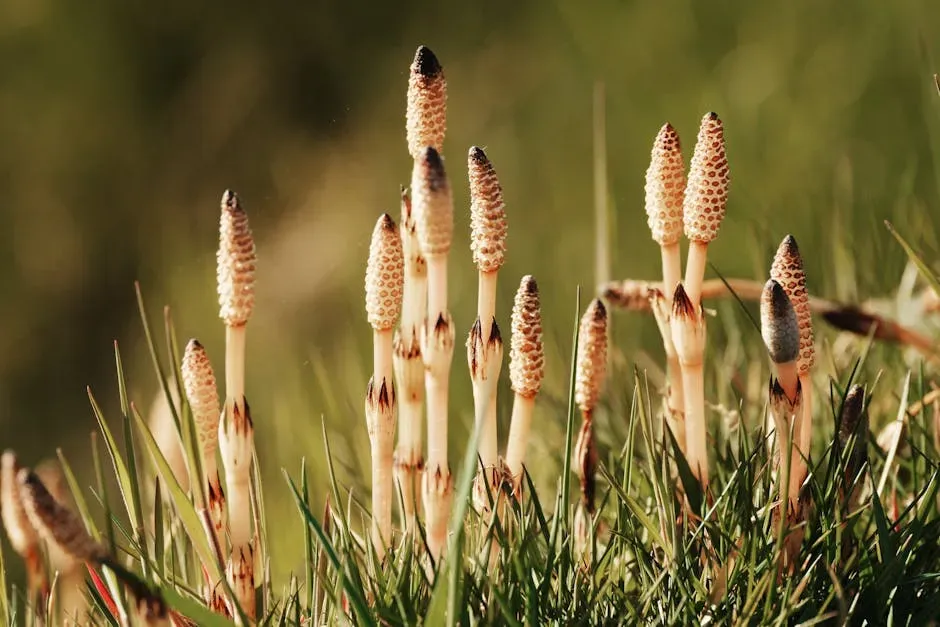
Horsetails are living fossils: thin, jointed stems that look almost harmless, like decorative reeds along a stream. Yet they hide one of the nastiest tricks in the plant world. Their tissues are packed with tiny particles of silica – the same core mineral in glass and sandpaper. For any herbivore, munching through horsetails was a bit like chewing on subtly gritty scouring pads. Over time, this mineral load could grind down teeth and damage delicate digestive linings, turning a simple meal into a long-term health problem.
Modern animals that overgraze horsetails can suffer vitamin deficiencies and other metabolic issues, and it is hard not to imagine similar or worse consequences for smaller dinosaurs and early mammals. A predator could only kill what it could catch, but horsetails grew in dense masses along rivers and wetlands, inviting constant nibbling. That meant more opportunities for chronic tooth wear, malnutrition, and digestive stress. In a quiet, stubborn way, these plants could push animals toward starvation or weakness, making them easy pickings for carnivores that just finished the dirty work horsetails began.
5. Poisonous Seed Fern Relatives (Pteridosperms and Allies)
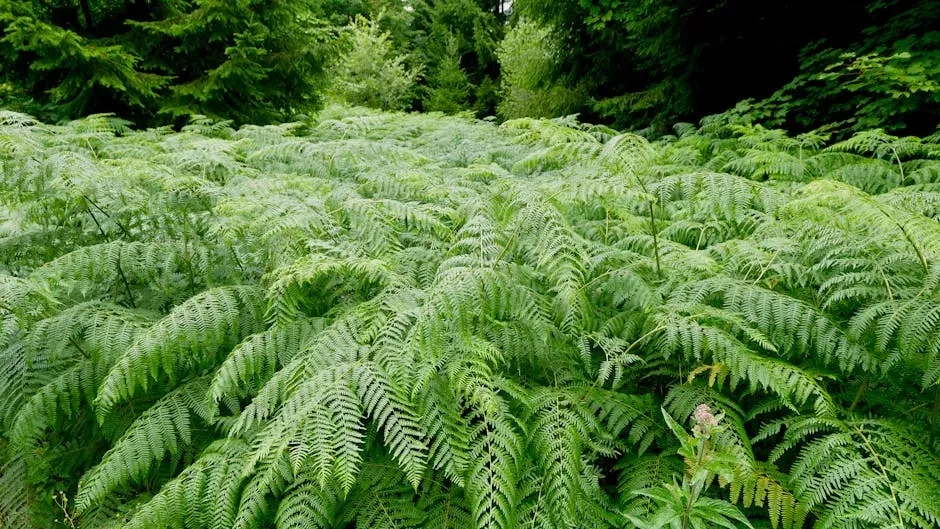
Many prehistoric landscapes were dominated by seed ferns and their relatives, an odd group that combined fern-like leaves with seed-based reproduction. While not all were dangerous, a number of their closest modern analogues and likely descendants are notoriously toxic. Some produce compounds that attack the liver, others that disrupt the nervous system or blood chemistry. The pattern across plant evolution is clear: large, long-lived, slow-growing plants with tender-looking foliage often pack the strongest poisons, and seed fern relatives fit that bill remarkably well.
Imagine a small dinosaur or early mammal pushing into a lush understory full of tempting fronds, unaware that a few mouthfuls could overload its detox systems. Unlike a raptor attack, the damage from these plants would not be dramatic or cinematic. Instead, it might show up as sudden weakness, difficulty breathing, or organ failure hours or days later, long after the plant had been digested and forgotten. That delayed strike is exactly why I’d argue these plants were, in many ways, more sinister than most meat-eaters. At least with a predator, you usually know when the fight starts.
6. Early Flowering Plants (Angiosperms) and Their Chemical Arms Race
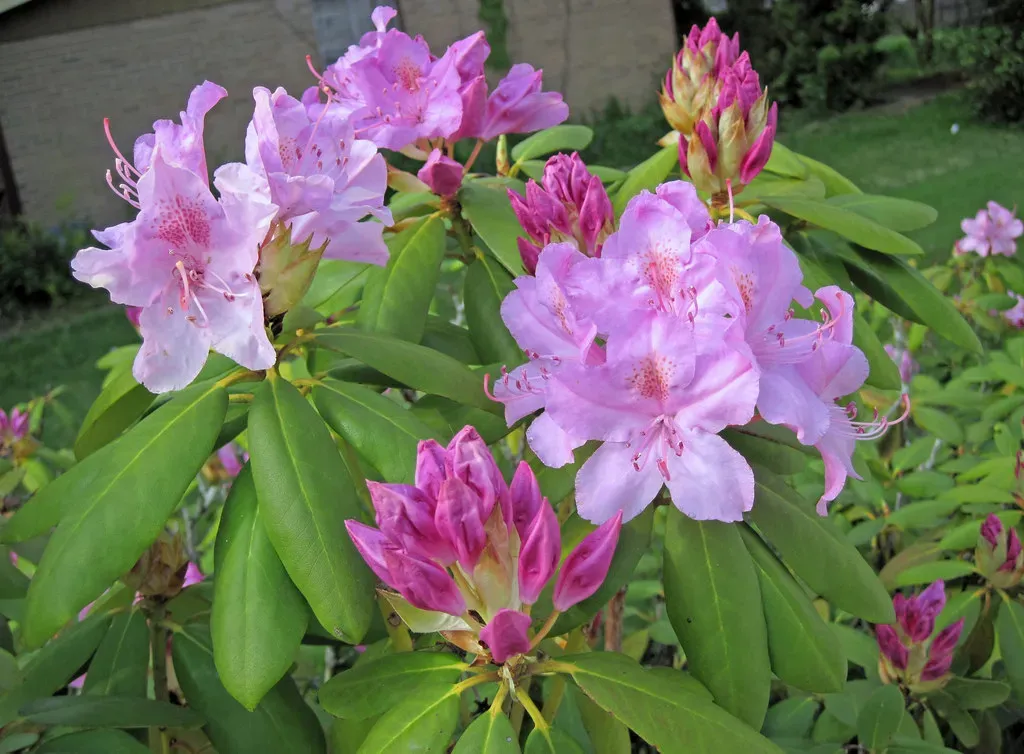
By the mid to late Cretaceous, early flowering plants exploded onto the scene, and with them came an aggressive chemical arms race. Many modern descendants – like foxglove, deadly nightshade, yew relatives, and oleander – produce heart-stopping, nerve-disrupting, or organ-destroying toxins. It is extremely likely that some of their Cretaceous ancestors were already experimenting with similar compounds to defend against insect herbivores and small vertebrates. When you think about it, a tiny plant that can shut down your heart from the inside is considerably more terrifying than many dinosaurs that could only harm you if they physically caught you.
These early angiosperms changed entire ecosystems by forcing animals to learn, adapt, or die. Pollinators and herbivores were drawn in by colorful flowers and energy-rich seeds, only to discover that some species demanded strict respect. In my view, this is where plant danger becomes almost elegant: instead of sheer force, flowering plants used chemistry, timing, and temptation to manipulate life around them. Compared to that level of subtle control, most dinosaur attacks feel almost old-fashioned, more like a brute-force attempt in a world where plants were quietly writing the rules.
When you zoom out and compare these plants to dinosaurs, the contrast is almost unfair. Dinosaurs were dramatic, loud, and obvious; their threat came with teeth, claws, and a lot of noise. Dangerous plants, on the other hand, attacked from the inside out, in silence. A dinosaur had to catch you once. A toxic or abrasive plant could hurt you every time you were hungry or desperate, chipping away at your health until you slipped out of the gene pool without a single cinematic battle.
My opinion is that if you were somehow dropped into the Mesozoic with no knowledge of the flora, the plants would be a greater long-term threat than most carnivores. You might dodge a predator with luck and quick thinking, but you cannot negotiate with a seed, a leaf, or a stem that looks safe and is not. That quiet, relentless, everyday danger is what makes these prehistoric plants so unsettling – and why, if I had to choose, I’d rather take my chances running from one big hunter than guessing wrong about what to eat for dinner. Would you?