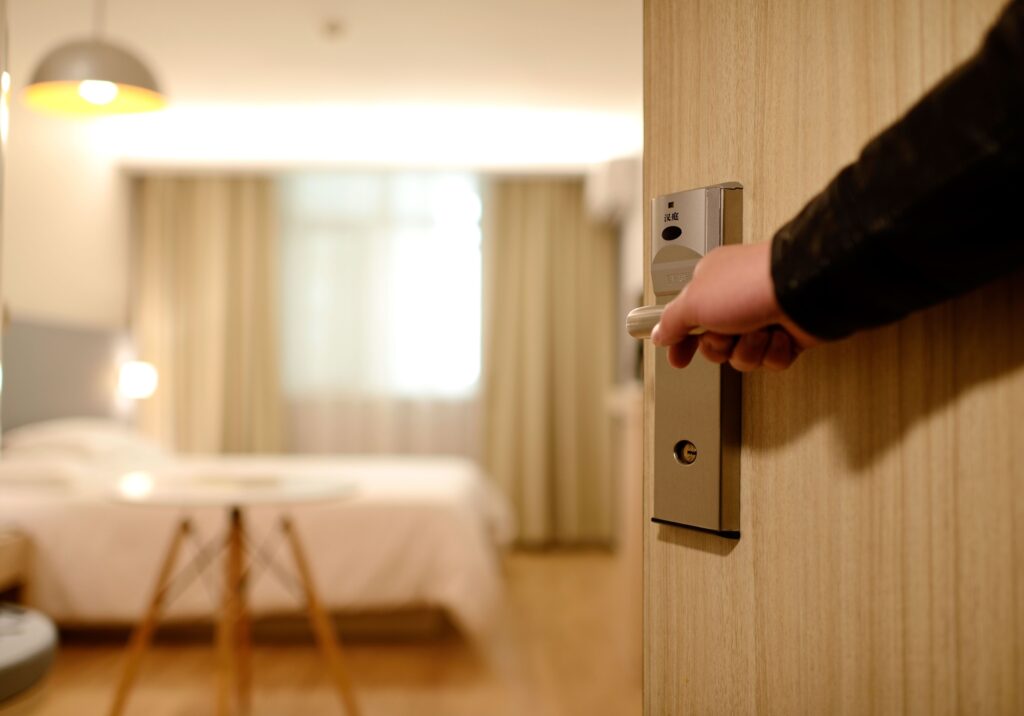
You walk into a café you have never seen before. Before you even decide what to order, your eyes have already swept the room, tagged the exits, and clocked the mood. You do not plan this. It just happens, like a background app in your brain that never really shuts off.
That quiet, automatic sweep is not a personality quirk; it is a survival legacy. Our brains are wired by millions of years of having to avoid teeth, claws, cliffs, and hostile strangers. The modern world has swapped saber-toothed cats for crowded subways and office buildings, but the circuitry humming underneath is largely the same. Once you start noticing this reflex, it is hard to un-see how often it drives what feels like your “free” choices.
The brain’s silent security scan: what happens in the first three seconds
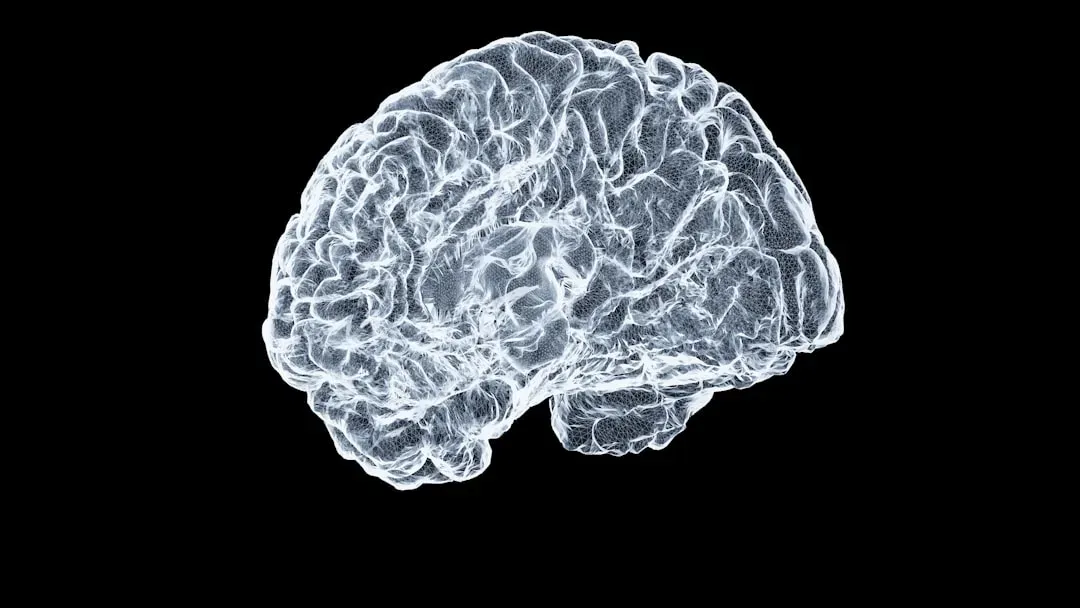
The moment you cross a threshold, your eyes do something called a visual sweep: rapid, jerky movements that sample the scene for anything unusual, threatening, or simply important. Long before you consciously think about it, your midbrain and visual system have already sorted shapes, movements, and shadows into rough categories of safe, ambiguous, or suspicious. It feels like nothing, but it is actually a lightning-fast negotiation between raw sensory data and deeply stored templates of danger.
Neuroscientists often point to regions like the amygdala and superior colliculus as early warning hubs, constantly asking a primitive question: “Is there something here that can hurt me?” This is why sudden motion in your peripheral vision yanks your attention, even when you are exhausted or lost in thought. The room scan you do at a party, a cinema, or a subway car is essentially that same system, expanded and trained over a lifetime to include exits, crowds, and social vibes as part of the threat map.
From predators to panic doors: how ancient dangers shaped modern habits

Our ancestors did not have building codes, but they understood one rule perfectly: survive or you do not pass on your genes. In open savannas, forests, or cramped caves, knowing where to run or hide when a predator appeared was often the difference between life and death. A human who naturally oriented to escape paths, hiding spots, and vantage points had a built‑in edge over someone who casually wandered without scanning.
Fast forward to now, and that same reflex has migrated into urban settings. Instead of eyeing bushes and rocky overhangs, we glance at emergency exit signs, stairwells, and open doors. Airport terminals, malls, and concert venues are engineered by humans, but your nervous system still treats them like landscapes where something bad could erupt without warning. You might think you are just “checking out the room,” but evolution would argue you are quietly making sure you could still get out alive if the vibe turns dangerous.
Below the radar: why you rarely notice you are doing it
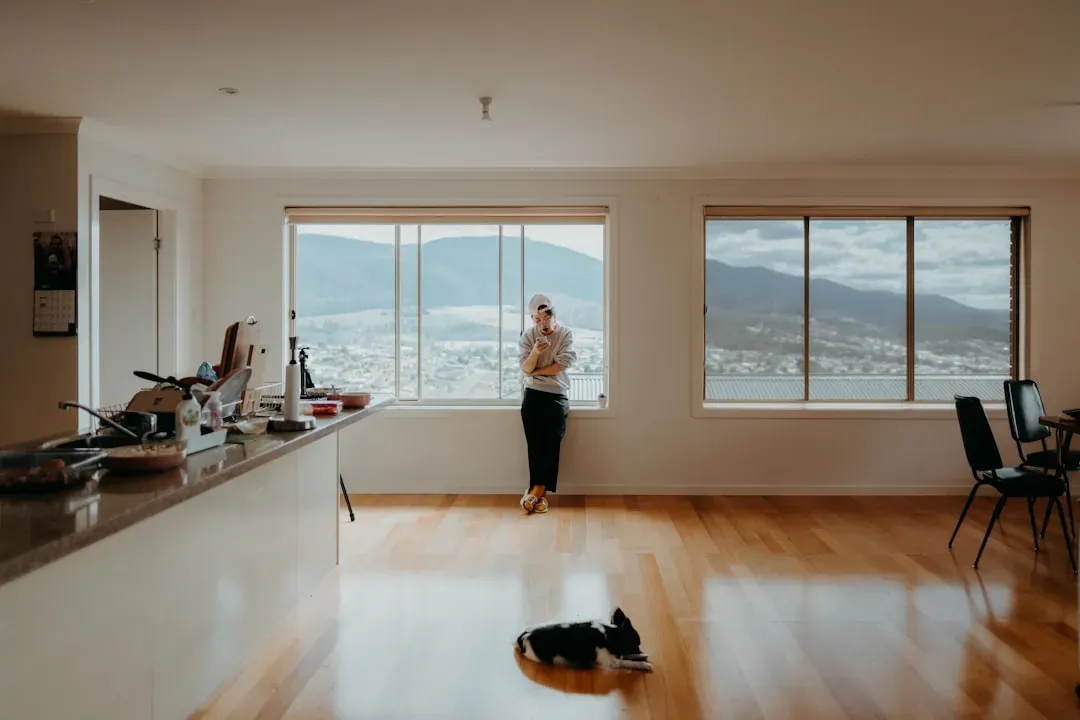
One of the strangest things about this behavior is how invisible it feels while it is happening. The brain is ruthless about pushing routine survival checks below conscious awareness, because your limited attention is better spent on specific tasks. So the scanning, exit-marking, and threat-filtering mostly run on what psychologists call automatic processing, quietly sipping neural energy in the background.
This is the same reason you can drive a familiar route while daydreaming, yet still slam the brakes instantly when a child runs into the street. The system in charge of these rapid safety assessments does not ask for your permission. It reacts first, and only after the fact does your conscious mind build a tidy story about what “you” decided to do. When you finally notice yourself counting exits or picking the seat with your back to the wall, that is usually just the small part that leaked into awareness.
The seat you choose says more about your nervous system than your personality

People love to label themselves as introverts, extroverts, anxious, or confident based on where they choose to sit. In reality, a lot of those seating decisions are dictated less by personality labels and more by ancient risk calculations running under the hood. Sitting where you can see the door, facing the crowd instead of turning your back, or avoiding tight corners are all ways of lowering the potential “surprise factor” in a space.
Think about how uncomfortable it can feel to sit with your back to a busy restaurant entrance. You might justify it as a preference or a “weird quirk,” but that uneasy hum is your brain protesting that it cannot monitor possible incoming threats effectively. There is a reason many people reflexively gravitate to corner tables, wall seats, or spots with clear lines of sight: from an evolutionary perspective, that is where the odds are slightly more in your favor if something goes wrong.
Anxiety, trauma, and when the reflex goes into overdrive

For some people, this scanning reflex is barely noticeable, like low background noise. For others, especially those with a history of trauma, it can be turned up so loud that it dominates almost every social or public situation. Constantly checking doors, planning escape routes, and mentally rehearsing worst‑case scenarios can shift from adaptive caution to exhausting hypervigilance that drains energy and joy from daily life.
What is important to recognize is that even when it feels overwhelming, this is still the same ancient safety system trying – too hard – to keep you alive. The volume knob may be stuck on high because past experiences taught your nervous system that danger can appear out of nowhere. That does not mean you are “broken”; it means your survival hardware has become overly sensitive. Learning to dial that response down, through therapy, breathing work, or gradual exposure, is less about erasing the reflex and more about retraining it so it stops treating every room like a battlefield.
Training your inner sentinel: awareness without obsession
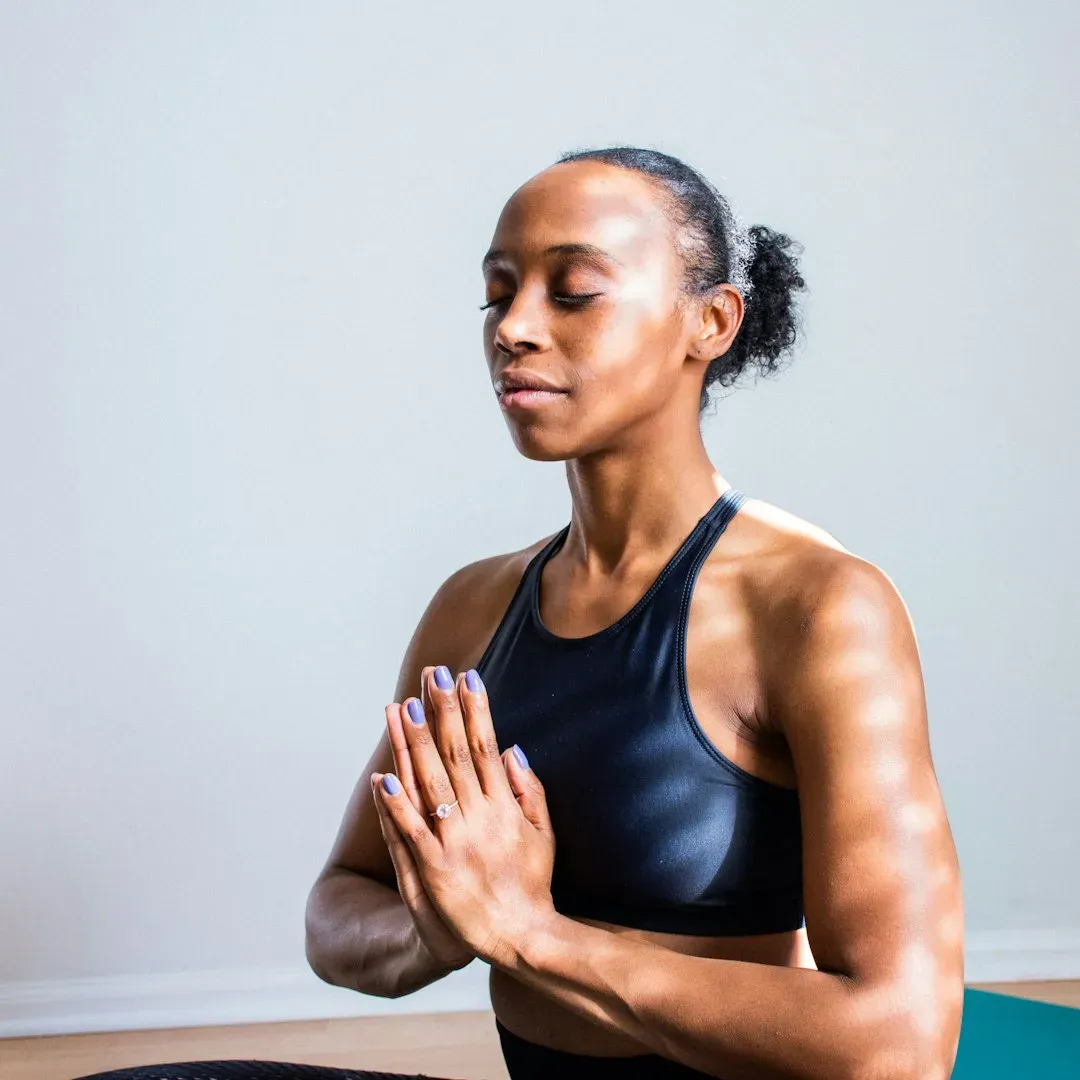
You cannot – and should not – turn off your brain’s built‑in security guard, but you can change how you relate to it. One surprisingly helpful step is simply to catch yourself in the act: notice when you scan a room, count exits, or pick the “safer” seat, and mentally label it as a protection routine rather than a personal failing. That tiny shift reframes the habit from “I am paranoid” to “my nervous system is doing exactly what it evolved to do.”
From there, you can experiment with deliberately softening the response in low‑risk situations. Maybe you try sitting one row closer to the center of a cinema or allowing yourself not to check every single exit in a familiar café. This is like teaching a guard dog that the mail carrier is not an intruder. You acknowledge the instinct, thank it for its service, and then gently prove – over and over – that not every new room is a threat that needs a full tactical plan.
Are we still wired for predators in a world of passwords and push alerts?

Humans now worry more about data breaches, social humiliation, and economic shocks than prowling big cats, yet the underlying machinery for detecting danger has not had time to fully catch up. Evolution moves slowly; smartphones and skyscrapers arrived almost yesterday in biological terms. So the same circuitry that once scanned for rustling in the grass now reacts to sudden loud arguments, crowded train stations, or a stranger behaving oddly at the edge of your vision.
In my view, this mismatch is one of the reasons modern life feels so strangely exhausting. Our ancient threat detectors are constantly being pinged by noise, crowds, notifications, and news headlines that make the world feel perpetually on edge. That old predator-awareness reflex is not useless in this environment – it still spots real danger – but it also gets tricked into sounding the alarm for situations that are merely uncomfortable or unfamiliar. Learning to live well now means respecting the evolutionary logic of that reflex while also questioning whether every twinge of unease deserves to steer the entire ship.
Conclusion: a survival gift that deserves some gratitude – and boundaries
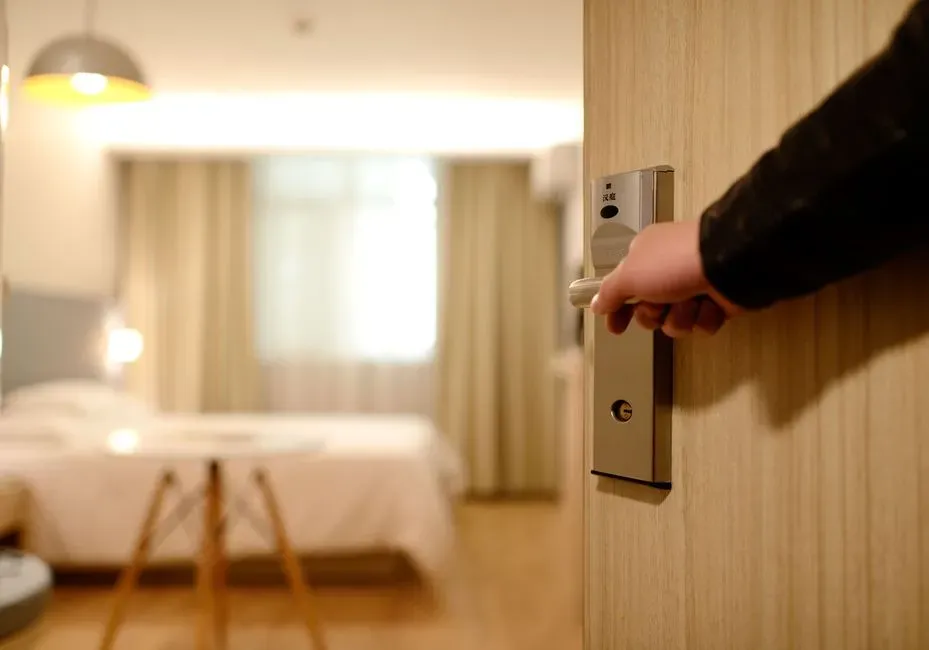
I think we underestimate how much we owe to this quiet, relentless scanning habit. Without ancestors who automatically checked their surroundings, we would not be here reading or debating any of this. That instinct to locate exits and assess a room is not paranoia by default; it is the reason countless humans survived wild landscapes, violent conflicts, and chaotic social change long enough to raise children and build cultures. In that sense, your urge to map a room the second you walk in is a love letter from everyone who survived before you.
At the same time, treating that reflex as unquestionable truth in every situation is a fast route to living small and tense. The trick, at least as I see it, is to respect the sentinel without letting it run your life – to say yes to its help when real risk is on the table, and gently push back when it tries to turn a coffee shop into a war zone. The next time you walk into a new space and feel your eyes snapping to the exits, you might quietly thank your nervous system, then ask it a follow‑up question: is this a room I need to escape from, or is it finally one I get to inhabit?