Movies have given us some unforgettable dinosaurs: thundering footsteps, shaking water glasses, teeth the size of kitchen knives. Those scenes stick with you. But the awkward truth is that the animals on screen are often closer to movie monsters than to the real creatures that once walked the planet. The gap between Hollywood dinosaur and actual dinosaur is wider than most people realize. Once you start digging into what paleontologists actually know, the movie illusions begin to crack. Feathers appear where scales used to be. Colors get weird. Behaviors change from relentless killing machines to something more like giant, dangerous birds just trying to survive. After the first time I read about how wrong my favorite childhood dinosaur movie probably was, I felt oddly betrayed and weirdly fascinated at the same time. Ready for that feeling? Let’s pull the curtain back.
1. Dinosaurs Were Probably Fluffier, Brighter, and Weirder Than You’ve Been Shown
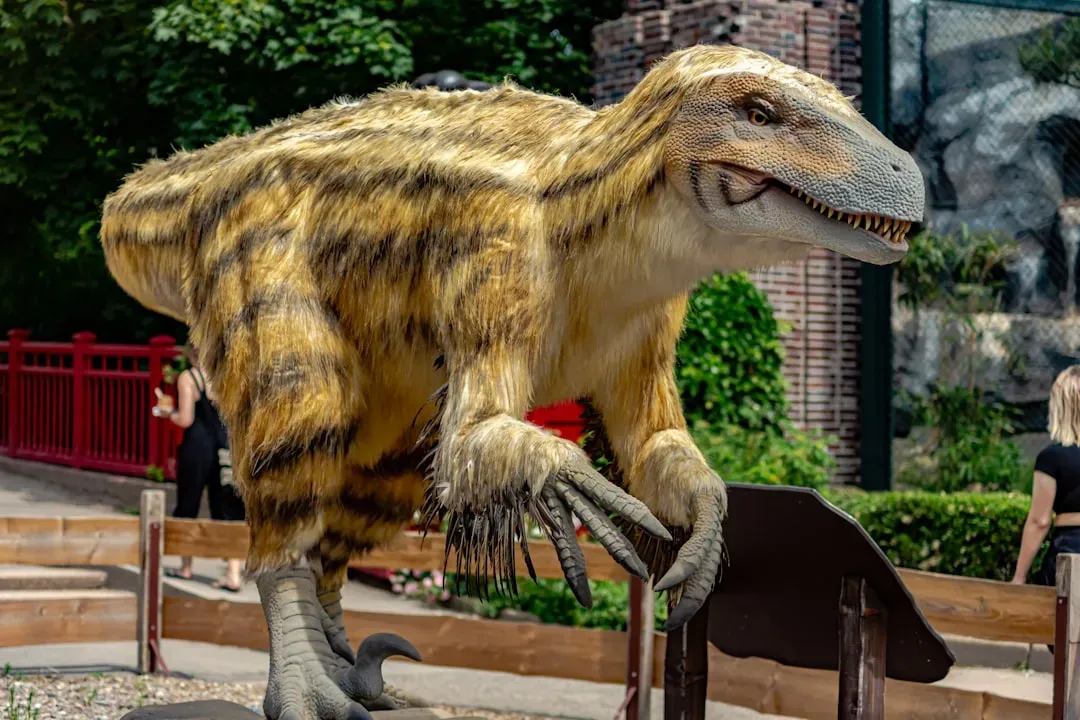
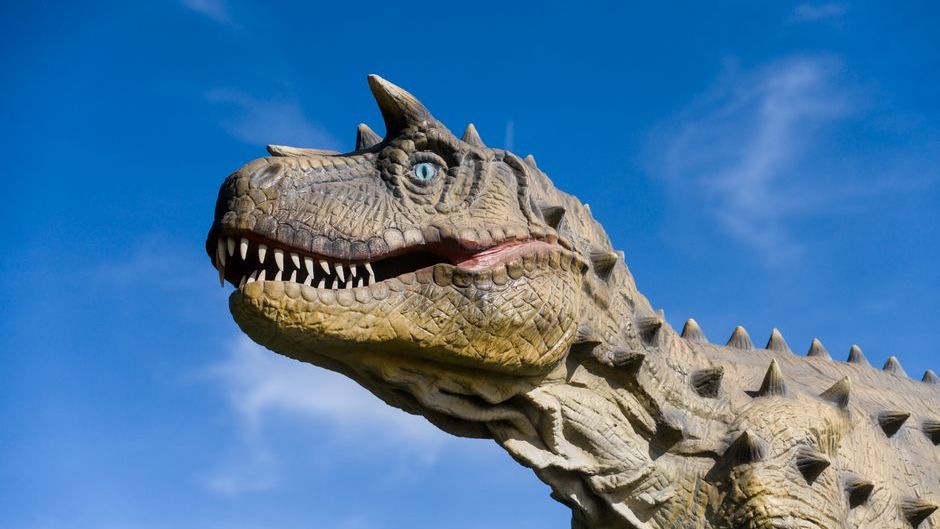
The biggest shock for a lot of people is simple: many dinosaurs likely had feathers, fuzz, or at least some kind of filament-like covering, not just lizard‑style scales. Fossils from places like China have preserved delicate feather impressions on a range of species, especially among the group that includes Velociraptor and its cousins. That sleek, scaly raptor you know from the big screen? In life, it was probably more like a murder‑turkey with a fancy tail fan than a mini T. rex. Movies rarely lean into just how strange these animals might have looked. Bright colors, display crests, patterned feathers, and flashes of iridescence are all very plausible, because birds use those exact tricks today. But filmmakers usually tone all that way down, sticking to browns, greens, and grays so the creatures still “feel” like traditional reptiles. The real Mesozoic world might have looked more like a chaotic mashup of parrots, cassowaries, and crocodiles than the drab, olive‑green theme-park lineups we’re used to.
2. Scale and Speed Get Supercharged for Drama
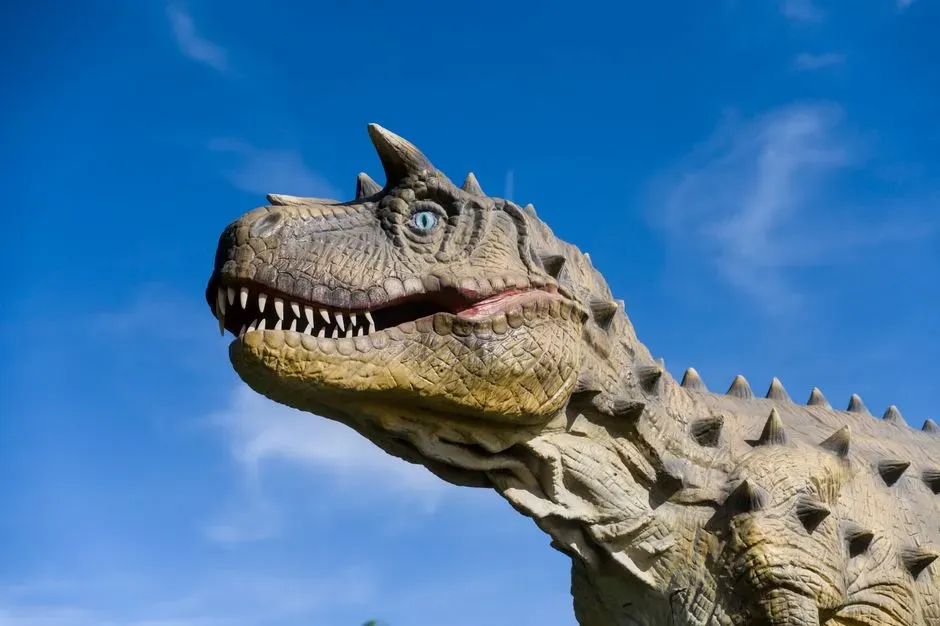
If you’ve ever watched a T. rex sprint through a rainstorm in a movie and thought, “Can something that big really move that fast?” your instincts are on point. There’s a lot of debate, but many scientists think a full‑grown Tyrannosaurus probably couldn’t run the way it does on screen without risking broken bones. Its sheer size and weight put limits on what was physically possible, even with powerful leg muscles. It almost certainly could move quickly, but the cheetah‑like bursts we see in films are likely exaggerated. The same thing happens on the smaller end of the spectrum: some dinosaurs get scaled up so they feel scarier. Real Velociraptor, for instance, was closer to the size of a big dog, not a man‑sized, door‑opening nightmare. Movies quietly inflate or deflate sizes to fill the frame better, fit actors in the shot, or simply match what audiences expect. When you watch a dinosaur chase scene, you’re usually seeing a carefully tuned illusion: just big enough, just fast enough, and just wrong enough to look perfect on screen.
3. Behavior Is Written for Plot, Not for Biology

On screen, dinosaurs exist to chase, roar, and kill. In reality, most of their lives were probably spent doing very ordinary animal things: looking for food, avoiding injury, caring for young, and resting. There is good fossil evidence of nesting sites and possible parental care in some species, suggesting behaviors that feel a lot closer to modern birds than to movie monsters. You almost never see a film spend time on that, because a tender moment of sand‑covered eggs does not sell tickets like a screaming chase through a jungle corridor. Movies also love the idea of the dinosaur as a relentless, single‑minded predator that will follow a specific human for miles. Real predators, ancient and modern, are risk‑calculating machines: they give up on dangerous prey, avoid injuries, and often prefer easy meals like carrion. We know from tooth marks and bonebeds that many dinosaurs scavenged, fought each other, and likely had complex social dynamics. Screenwriters strip all that nuance away because a thinking, cautious dinosaur feels less scary than a creature that will smash through walls like a prehistoric horror villain.
4. Roars, Growls, and Soundscapes Are Largely Invented
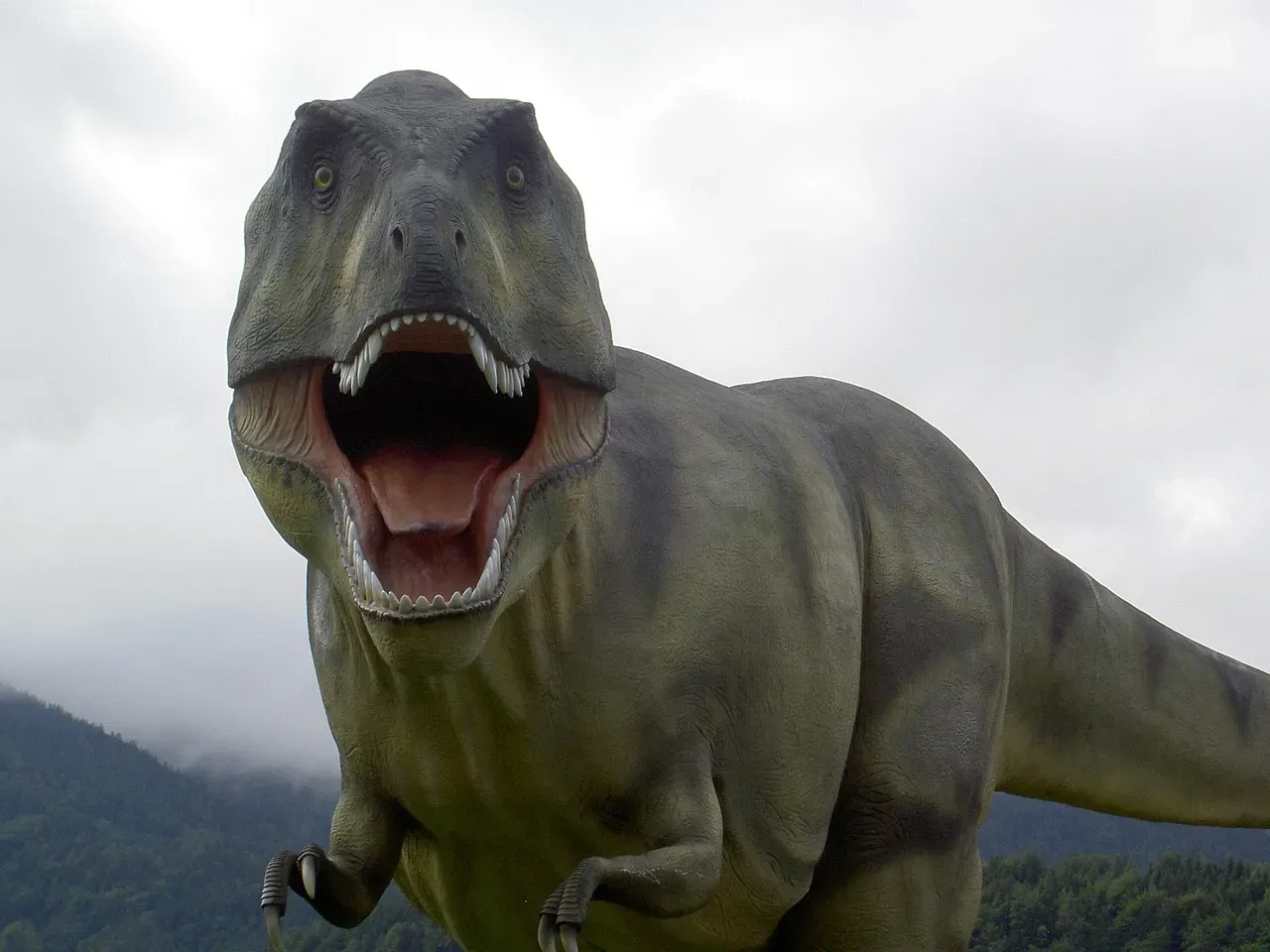
The iconic dinosaur roar you can hear in your head right now is a total fabrication. Fossils preserve a lot of information, but they don’t record sound. We can infer some things from skull shape and comparisons with living relatives, yet the exact noises dinosaurs made are still a mystery. Filmmakers solve that by layering sounds from lions, tigers, elephants, crocodiles, birds, and even slowed‑down recordings of everyday objects into something that feels primal and terrifying. Ironically, there’s a decent chance some big dinosaurs did not sound “big” in the way we expect. Modern large animals often make low‑frequency sounds, booms, or rumbles rather than that classic Hollywood shriek. Some birds and crocodilians produce strange hisses, grunts, or deep calls that you feel more in your chest than in your ears. But a low, chest‑rumbling boom does not play as clearly in a crowded theater as a sky‑splitting roar, so the audio gets turned up to eleven and divorced from what these animals might actually have sounded like.
5. Evolutionary Relationships Get Simplified (or Ignored) for Easy Labels
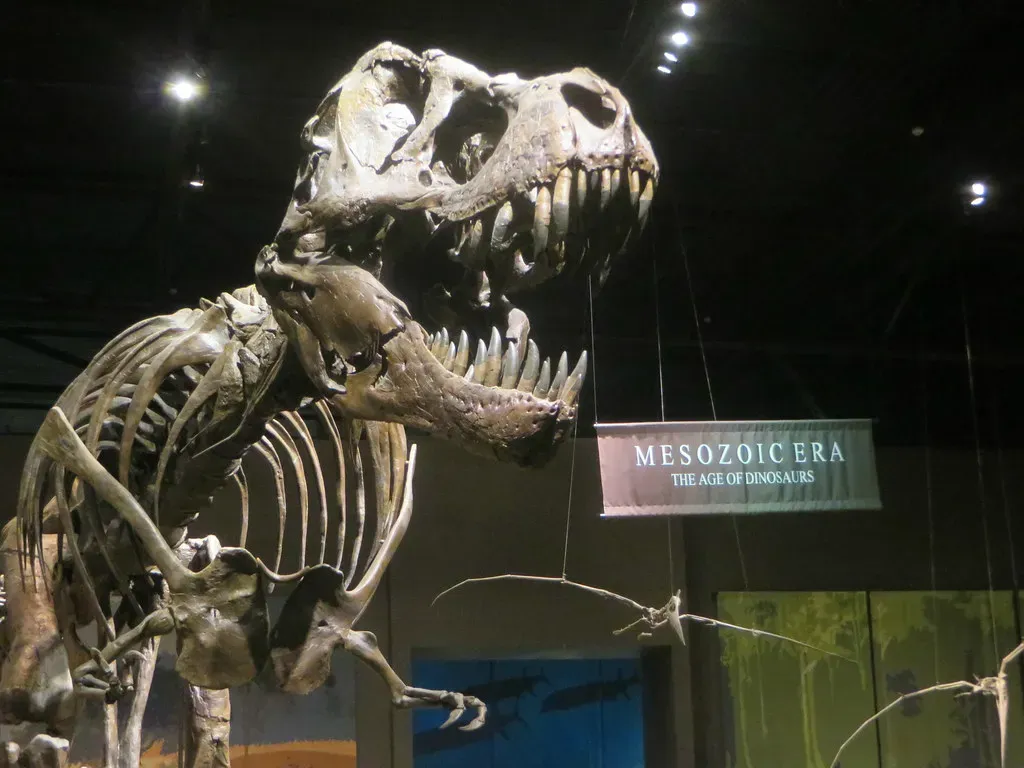
Dinosaurs in movies tend to be sorted into simple buckets: meat‑eaters, plant‑eaters, big, small, dangerous, harmless. The real evolutionary tree is a chaotic, branching mess full of surprises. Birds are technically living dinosaurs, but films almost never frame them that way, even though that fact alone changes how you see every fossil on screen. Once you accept that a pigeon is closer to a T. rex than a crocodile is, those old reptile stereotypes start to fall apart. Filmmakers often mash traits from multiple species into a single “best of” dinosaur that never actually existed. Features get borrowed from distant relatives, time periods are jumbled, and animals that lived millions of years apart end up sharing screen time. It’s like making a movie about early humans hanging out with smartphones and woolly mammoths because it looks cool. The result is fun but deeply misleading, and it bakes a very distorted family tree into our collective imagination.
6. Hollywood Design Rules Beat Scientific Accuracy Almost Every Time
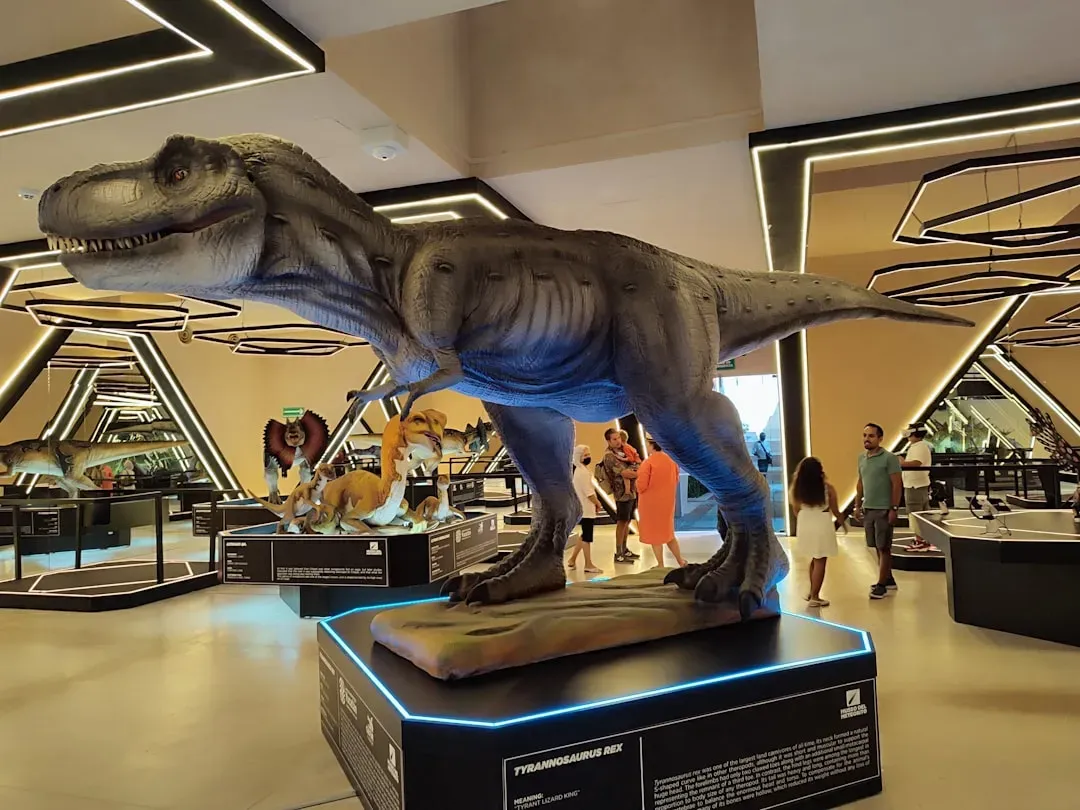
At the end of the day, most dinosaur designs are built to hit emotional buttons, not peer‑review standards. Directors want silhouettes that read instantly, eyes that feel expressive, and skin textures that look good under dramatic lighting. If the scientifically accurate version of an animal looks “too birdlike,” “too fluffy,” or “not scary enough,” it often gets quietly redesigned. Studios also worry about messing with established looks; if they suddenly gave a famous movie dinosaur full body feathers, half the audience would assume it was a mistake. There’s also the nostalgia trap. Many of us formed our first mental picture of dinosaurs from older movies, toys, and books, and we subconsciously judge new designs against that template. When science moves on – as it constantly does – it creates tension between what is accurate and what feels right to us. Personally, I think we’re just starting to see the tide turn, with more creators willing to show weird, feathery, scientifically informed dinosaurs. But the classic scaly movie monster is so culturally baked in that it will probably keep stomping through blockbusters for years.
Conclusion: The Dinosaurs in Your Head Are Movie Monsters, and That’s Okay (As Long as You Know It)
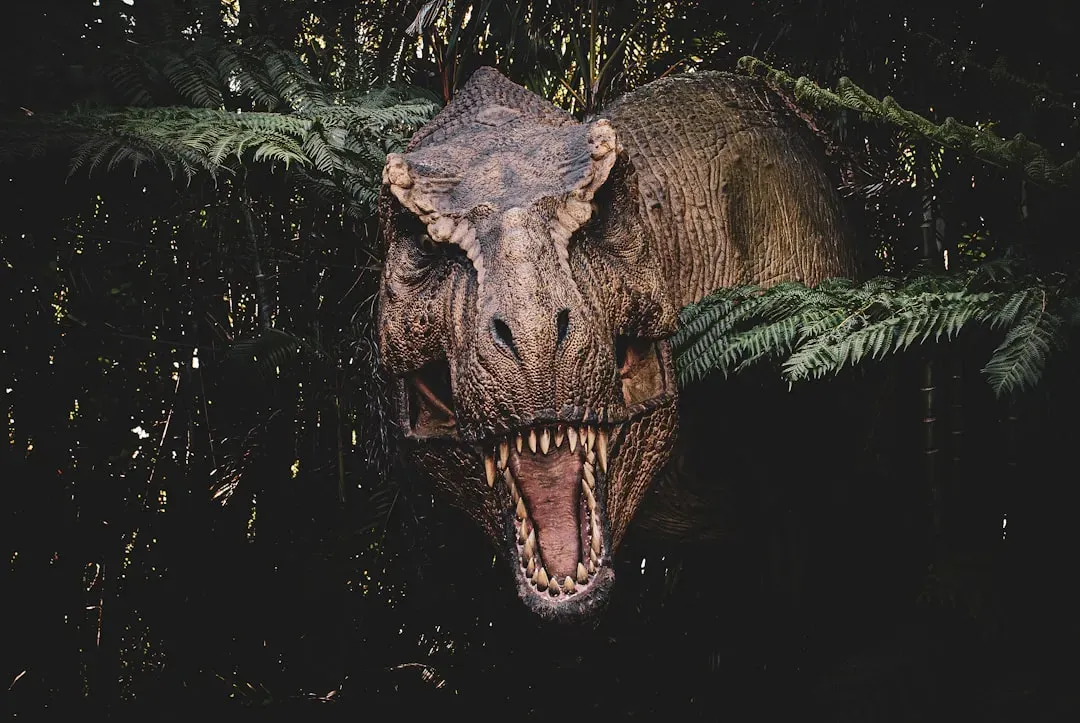
If you compare what paleontologists currently think dinosaurs were like to what you see on screen, the differences are almost comical: fluff turned to scales, cautious predators turned into unstoppable villains, bird relatives turned into dragon‑lizards. That gap can be frustrating if you care about science, but it can also be weirdly liberating. It means we get to enjoy dinosaur movies as stylish, adrenaline‑soaked fan fiction about the past, rather than as documentaries that quietly miseducate us. My own take is blunt: entertainment should be allowed to be wrong on purpose, but we should stop pretending that the movie versions are even close to reality. The more we talk openly about how wild, bright, and strange real dinosaurs probably were, the more space there is for both better films and better understanding. Next time a CGI T. rex roars across the screen, you can cheer, have fun, and still quietly picture the real animal: heavier, maybe a bit fluffier, probably less dramatic – and somehow, even more interesting. Knowing that, which version feels more alive to you?