There’s something strangely comforting about dinosaur movies: no matter how advanced the CGI gets, you can almost bet they’re going to mess up the same things over and over. The roars, the feathers (or lack of them), the way every predator apparently wakes up each morning and chooses chaos and human snacks above all else. It makes for thrilling cinema, sure, but it quietly rewrites what we know about some of the strangest animals that ever lived.
I still remember walking out of a big-budget dinosaur blockbuster, buzzing from the action, and then chatting with a paleontologist friend who basically said: fun movie, scientifically disastrous. Once you start to notice the patterns, it’s hard to unsee them. Let’s pull back the curtain and walk through six big ways the movies keep getting dinosaurs wrong, and what the fossils actually suggest instead.
1. Dinosaurs Were Not All Scaly, Naked Monsters
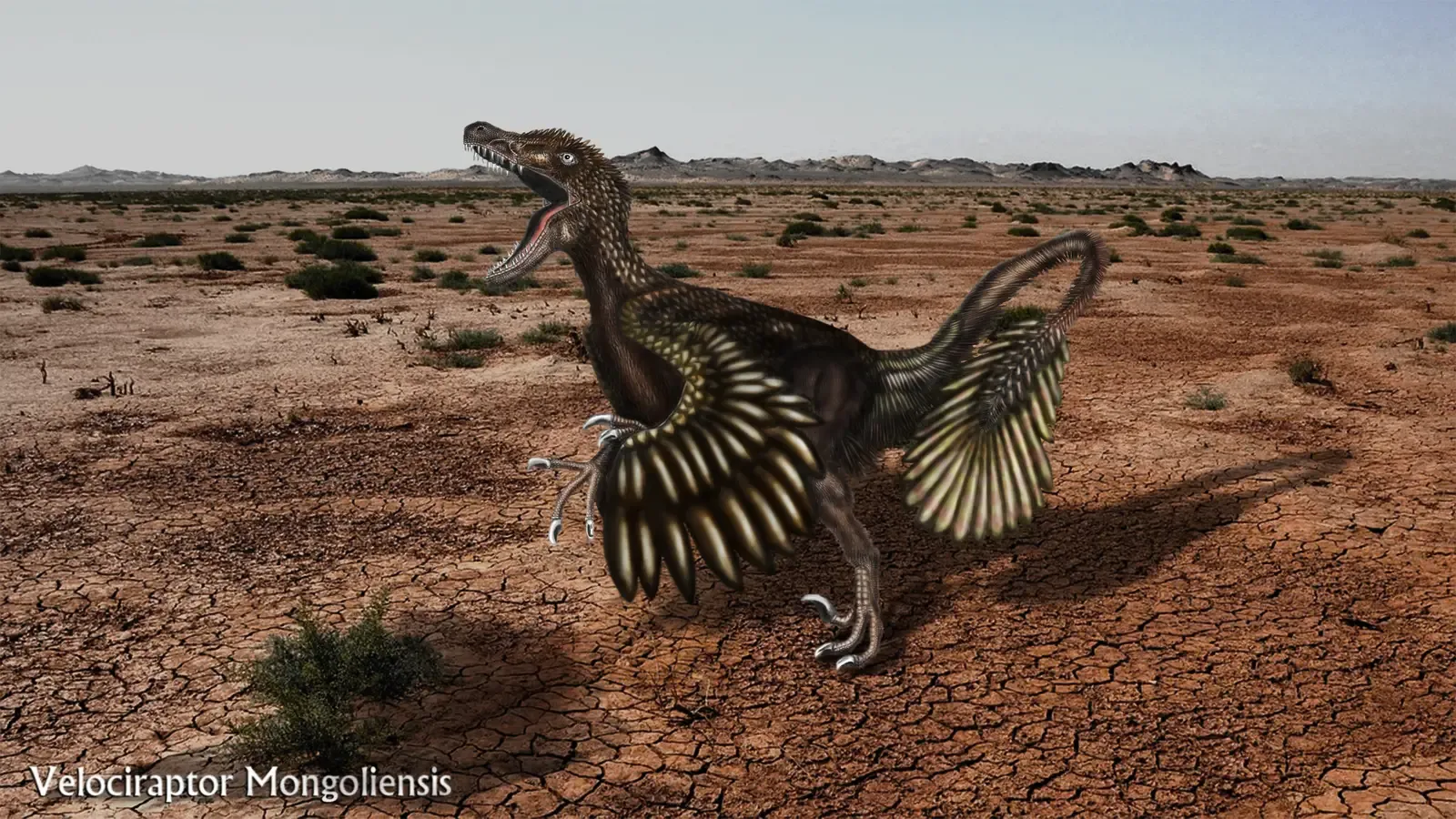
One of the most stubborn myths on screen is the idea that dinosaurs were universally reptilian in the modern sense: smooth, scaly, cold and slick like oversized crocodiles. In reality, a growing pile of fossil evidence shows that many dinosaurs, especially among the theropods (the group that includes Velociraptor and eventually birds), had feathers or at least feather-like filaments. Some likely looked more like murder-chickens in winter jackets than bare-skinned horror beasts. The image of a sleek, lizard-like Velociraptor is basically a 1980s guess that movies have refused to let die.
To be fair, not every dinosaur was fluffy. Large sauropods and many other lineages probably had more traditional scales, maybe with small spikes or armor-like structures. But the idea that feathered dinosaurs somehow look “less scary” has kept filmmakers stuck on old designs rather than updating to fit what we now know. Ironically, a tiger is fully covered in fur and still terrifying; a feathered, sickle-clawed predator sprinting toward you at full speed would not suddenly become cute just because it looks a bit more like a bird. Films cling to a reptilian aesthetic because it’s familiar, not because it’s accurate.
2. Velociraptors Were Not Smart, Human-Sized Super Ninjas
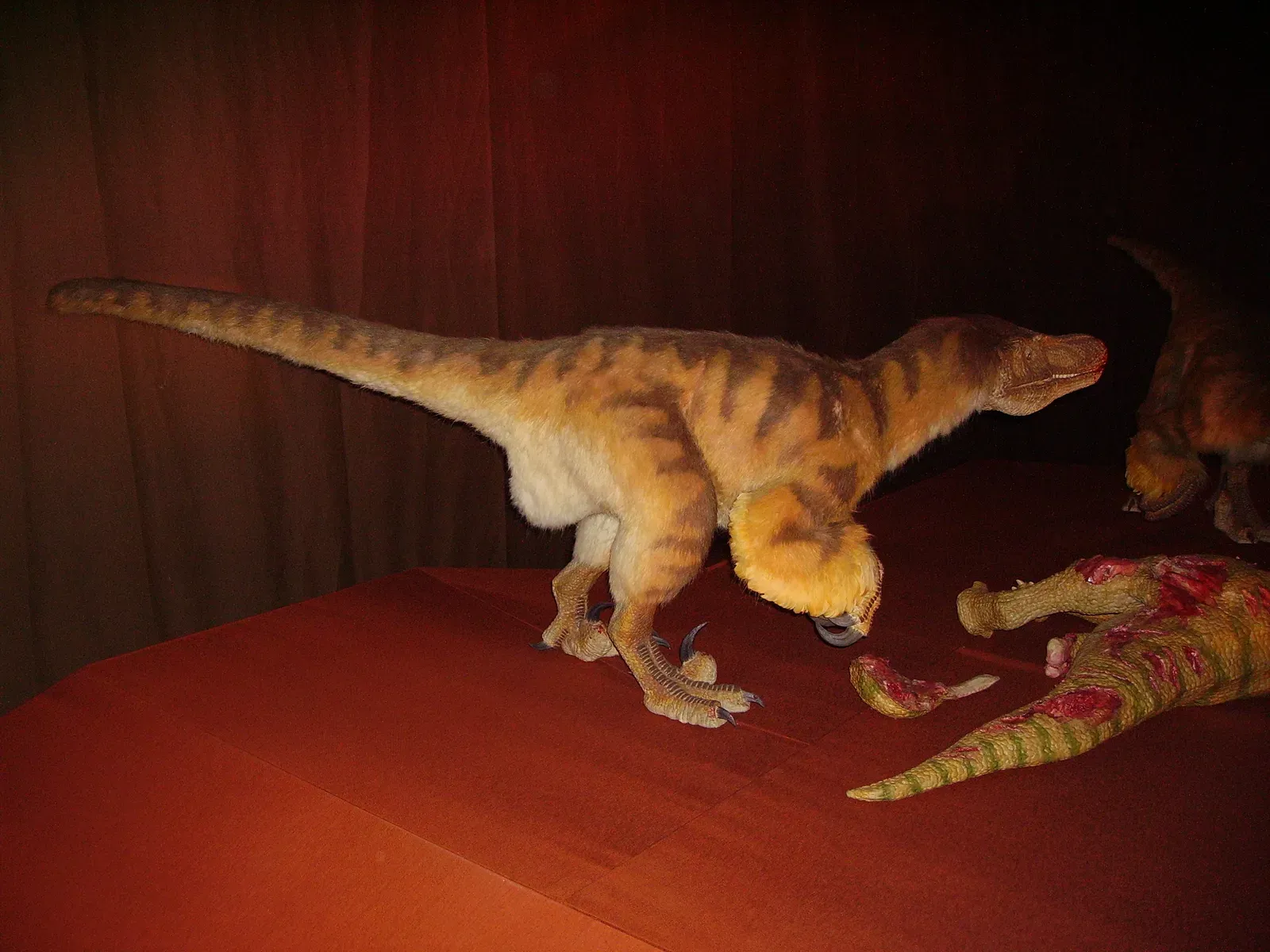
Movie raptors are basically slasher-movie villains: human-tall, door-opening, strategy-planning, laser-focused on hunting people. The real Velociraptor was closer in size to a large turkey, with a long tail and feathers, and it almost certainly did not spend its time inventing elaborate kitchen ambushes. Its brain was reasonably large for a dinosaur, but the bar there is not exactly human-level cunning. Intelligence comparisons in dinosaur movies are often wildly exaggerated, turning real animals into near-sentient masterminds because it makes the story more intense.
On top of that, the famous sickle claw on the second toe was probably used in a very different way than the cinematic “gut-ripping” attacks suggest. Studies of foot structure and biomechanics point toward raptors pinning or gripping prey, somewhat similar to how modern birds of prey subdue their meals, rather than dramatically slashing open bellies in one theatrical move. The truth is, a pack of turkey-sized, feathered predators would still be hugely dangerous to anything their size, but the human-hunting, puzzle-solving “super raptors” are more science fiction than science. Movies tend to scale them up and dial their behavior to eleven because “clever girl” sells tickets a lot better than “reasonably smart bird-like predator.”
3. Dinosaurs Did Not All Live Together in One Giant Prehistoric Neighborhood
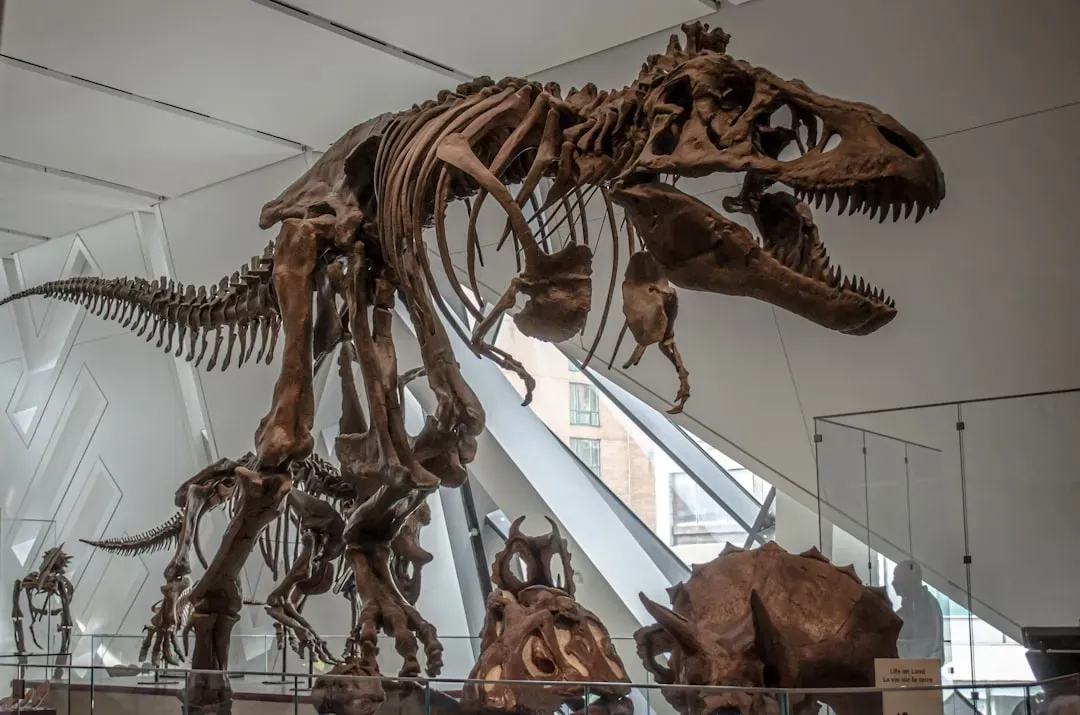
If you only watched movies, you’d think a T. rex, a Stegosaurus, a Triceratops, and a pack of raptors could all just bump into each other during one bad afternoon. In reality, many of these animals were separated by millions and millions of years. Stegosaurus, for example, lived in the Late Jurassic, while Tyrannosaurus rex lived in the Late Cretaceous, closer in time to us than to Stegosaurus. The Mesozoic era spans a vast timescale, and lumping all dinosaurs into one shared moment is like putting woolly mammoths, lions, and early whales on the same African savanna and calling it a day.
Geography gets mangled too. Different dinosaur species lived on different landmasses with different climates, separated by ancient oceans and shifting continents. A predator from what is now Asia would not casually share a hunting ground with a species that evolved only in what is now South America. But from a filmmaker’s perspective, mixing them all together is like making a greatest-hits playlist: recognizable stars in one frame, scientific accuracy sacrificed for spectacle. The downside is that people walk out with a mental picture of “dinosaur times” as a single, cramped, chaotic era instead of a slow, ever-changing world that lasted well over a hundred million years.
4. Dinosaurs Were Not Constantly Roaring, Hunting, and Bloodthirsty
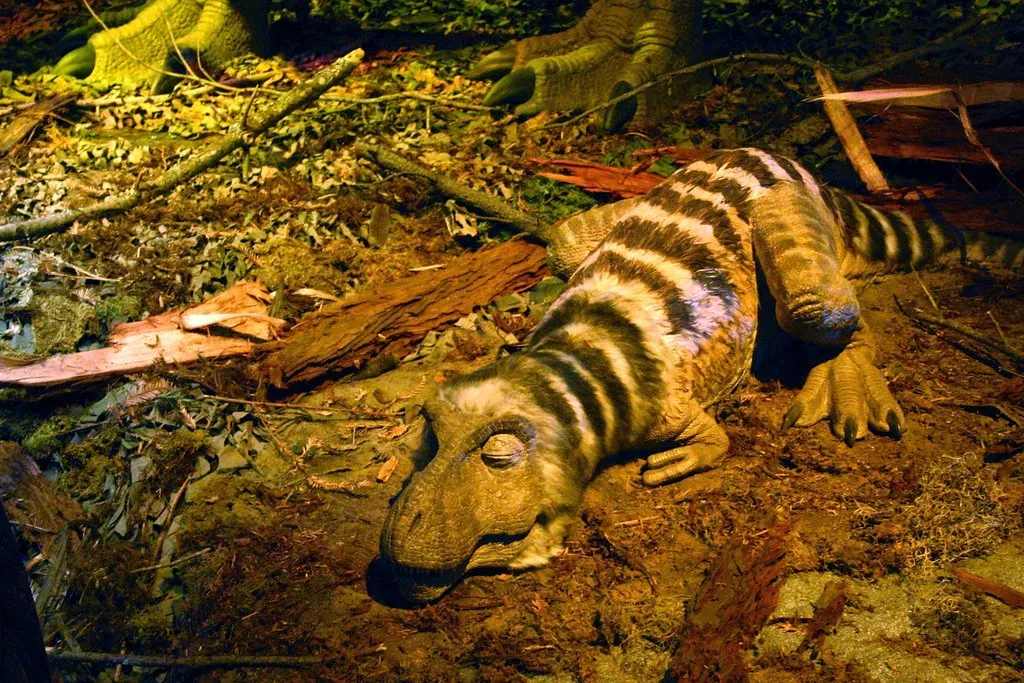
Movies love the idea that every dinosaur is either chasing something, being chased, or about to explode through the trees in a jump scare. The fossil record suggests a much more boring reality: most of the time, dinosaurs were doing what animals do today – eating, resting, looking for mates, raising young, and generally trying not to die. Predators spent a lot of energy just surviving, not sprinting full-tilt all day after anything that moved. An apex predator that chases nonstop would quickly starve or collapse, yet screen dinosaurs seem powered by endless rage and cardio.
Even the way they sound is almost certainly off. Those earth-shaking roars we love are stitched together from modern animal noises, and there’s no evidence that most dinosaurs routinely screamed like that. Some may have made low rumbles, hisses, or even bird-like calls, and their communication could have relied heavily on body language, coloration, or displays instead of endless roaring. But that kind of subtle social behavior doesn’t cut well into a trailer. Films paint dinosaurs as one-dimensional monsters because it’s easy shorthand, while real dinosaurs were more like complex, varied animals – dangerous, yes, but not constantly in attack mode like a broken alarm system that never shuts off.
5. T. rex Was Not a Blind, Mindless Killing Machine
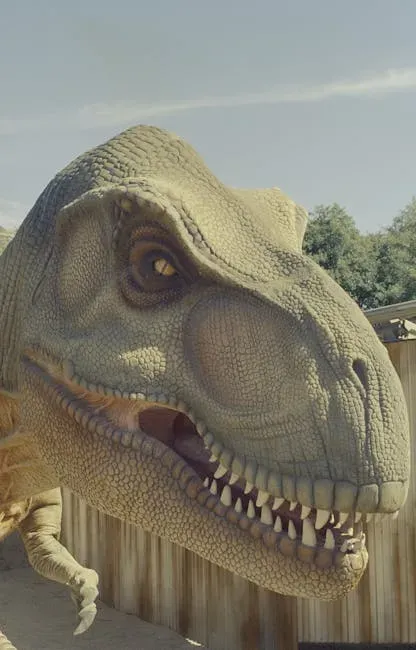
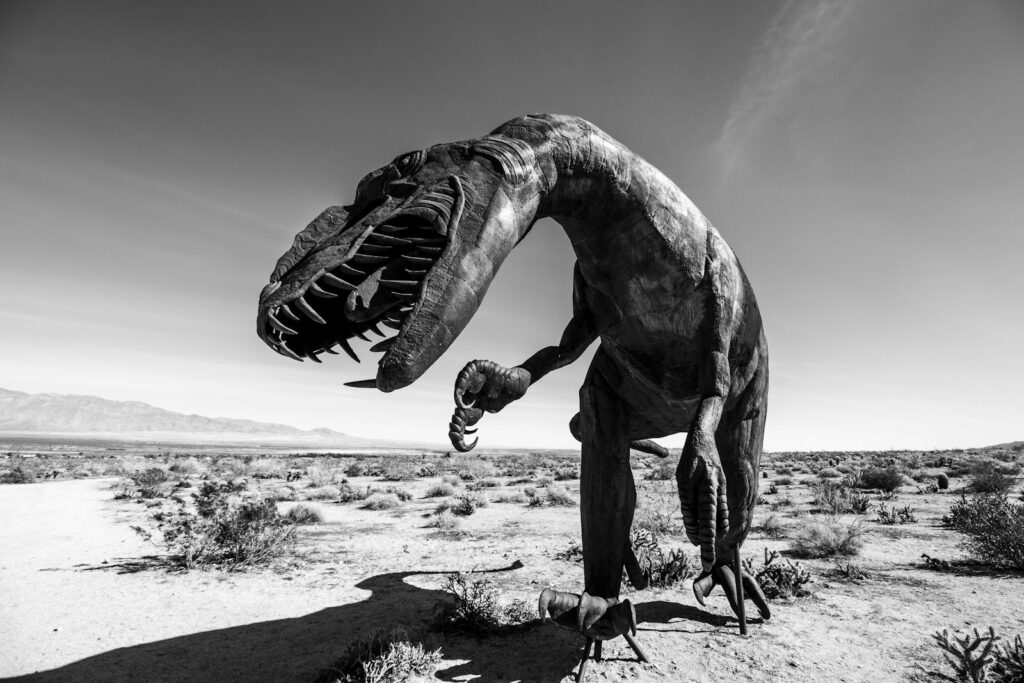
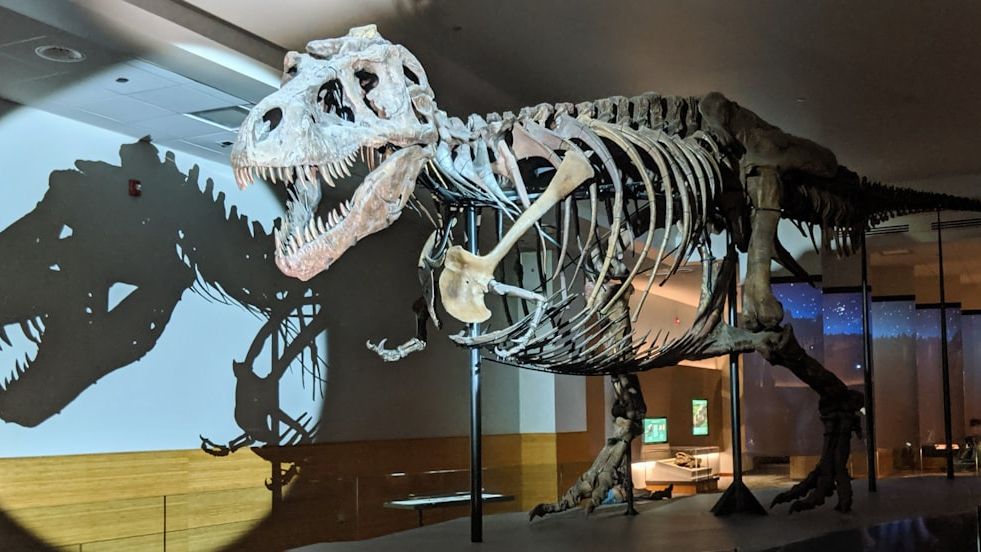
One of the most persistent myths is that Tyrannosaurus rex could only detect moving objects, or that it was some kind of lumbering, near-blind brute. Skull studies and reconstructions of its eye placement suggest it actually had strong binocular vision, closer to a modern predator with good depth perception. Its sense of smell seems to have been particularly powerful, giving it a serious advantage both as a hunter and as a scavenger. The image of a T. rex failing to see someone just because they froze in place is pure Hollywood invention, not supported by what we know about its sensory systems.
There’s also an outdated caricature that T. rex was either a pure hunter or a pure scavenger, depending on which decade of pop-science you grew up with. The more nuanced view is that it likely did both, just like big carnivores today: hunting when it could, stealing kills, and grabbing carcasses when the opportunity arose. In other words, it was probably extremely good at staying fed. The short arms get mocked relentlessly on screen, but they were still muscular, functional limbs, not useless decorations. When you strip away the movie tropes, T. rex looks less like a clumsy movie monster and more like a highly adapted, efficient predator-scavenger hybrid that owned its ecosystem.
Movies also tend to turn T. rex into an unstoppable tank that ignores pain, exhaustion, or injuries until the plot requires a dramatic fall. Real animals, even the most fearsome ones, operate with risk in mind. A broken leg or serious wound can be fatal, so charging after large, dangerous prey every five minutes would be a terrible long-term strategy. That nuance rarely makes it into the script because a cautious, calculating T. rex does not deliver the same pure adrenaline as one that crashes through buildings on a whim.
6. Dinosaur Behavior Was Probably Way More Bird-Like Than Films Admit
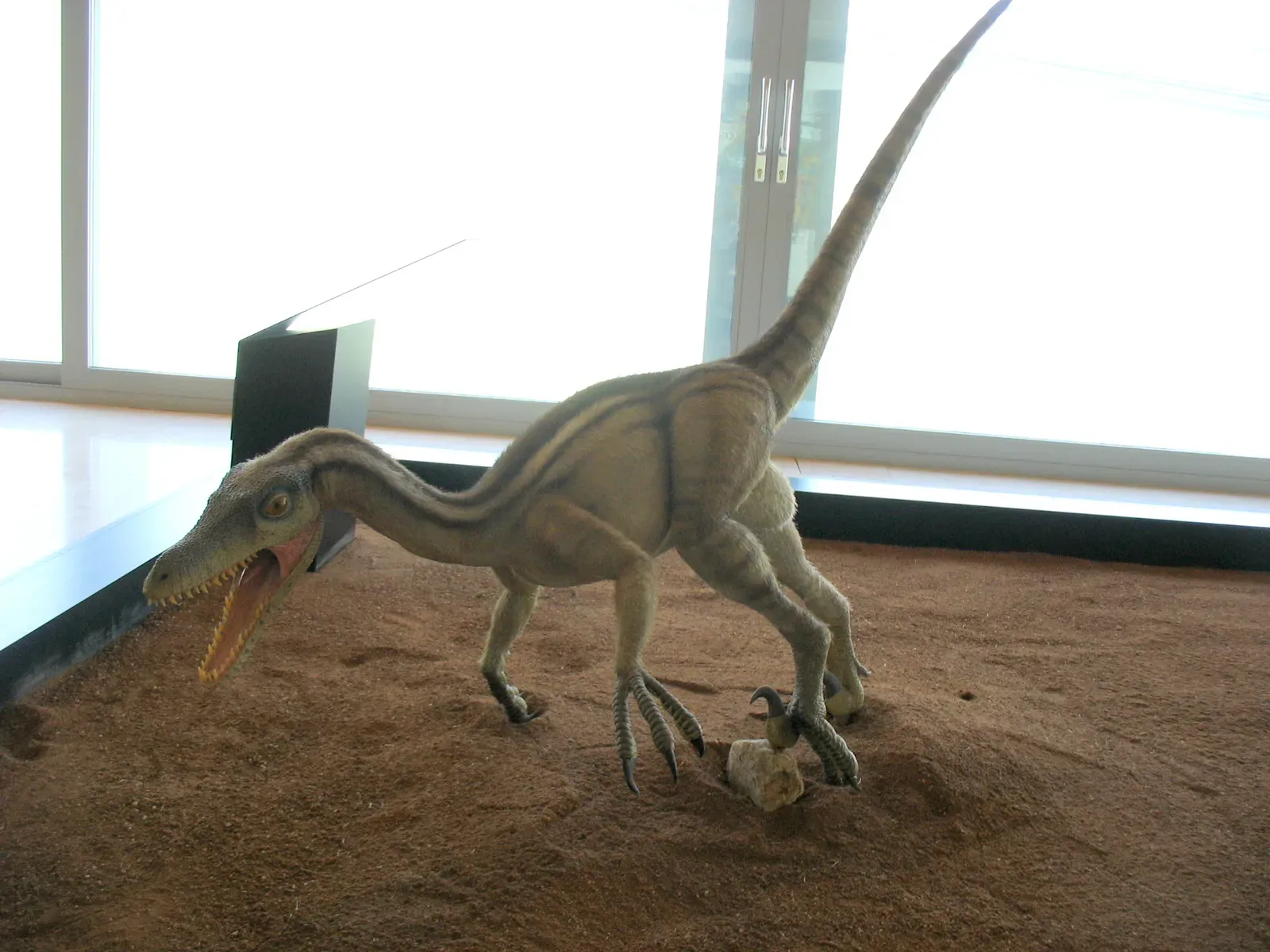
Movies usually treat dinosaurs as oversized reptiles with simple, almost robotic behaviors. But modern paleontology has increasingly emphasized the deep connection between theropod dinosaurs and birds, and even broader parallels between dinosaur social life and what we see in many birds and mammals today. Nesting sites, fossilized brooding postures, and possible herd behavior all hint that some species cared for their young, traveled together, and had complex social interactions. That is a far cry from the lone, mindless stalkers that stomp through most blockbusters.
It’s not hard to imagine at least some dinosaurs engaging in elaborate courtship displays, using feathers, crests, or color patterns the way birds do now. They may have had seasonal behaviors, migration routes, territorial disputes, and even individual personalities to some extent. But films almost never lean into this because it complicates the simple predator–prey caricature and risks making them feel too familiar or too relatable. Personally, I think that’s a missed opportunity. A dinosaur doing a ridiculous mating dance or carefully guarding a nest while a storm rolls in could be every bit as compelling on screen as another chase scene – and far closer to the world the fossils quietly describe.
Conclusion: Dinosaurs Deserve Better Than Lazy Movie Myths
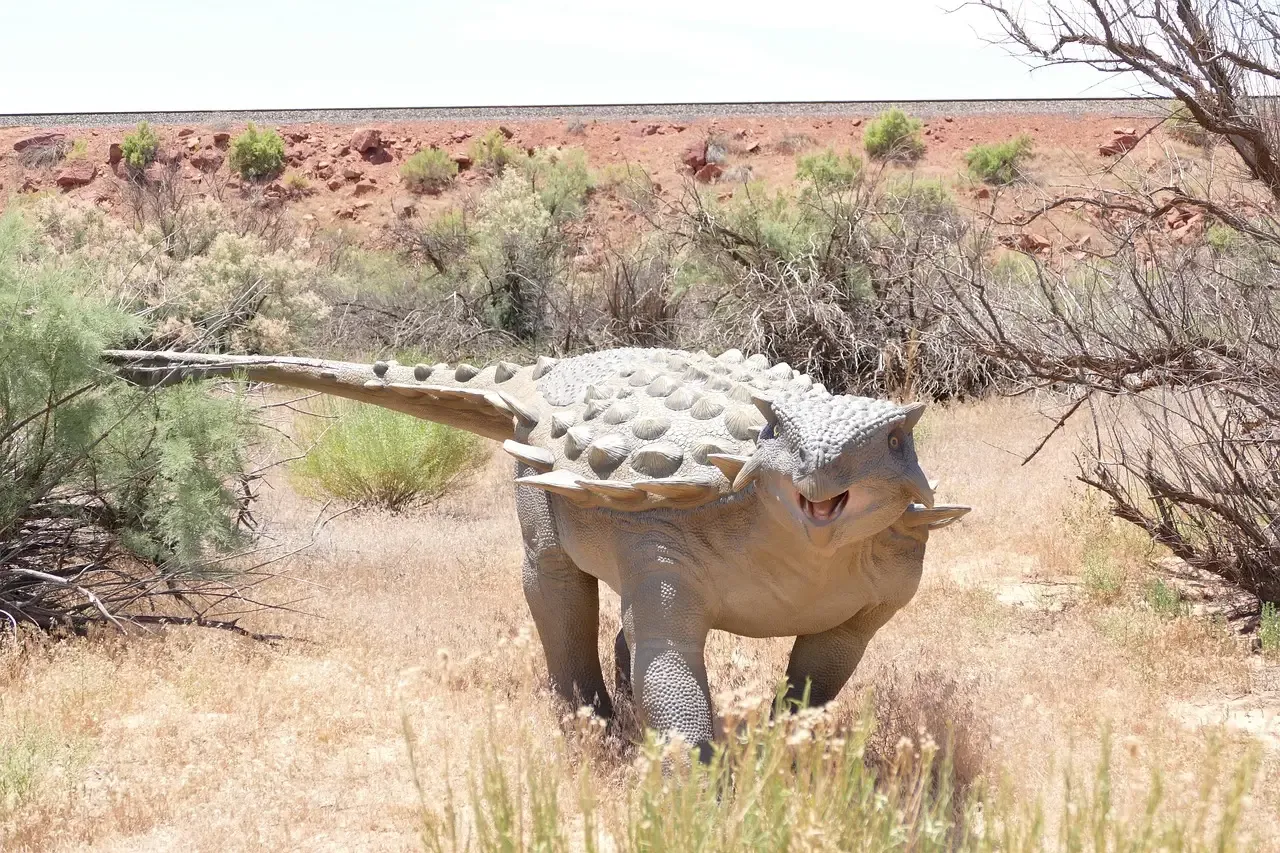
The irony is that the real science of dinosaurs is now more exciting, weird, and surprising than the cardboard monsters that keep stomping across our screens. Feathers, complex social lives, huge spans of time, and strange, bird-like behaviors should make filmmakers drool with storytelling possibilities, yet big-budget movies often cling to decades-old designs and myths. I get it: I still enjoy a good dinosaur rampage as much as anyone, and sometimes you just want to watch a T. rex chase a jeep without pausing to fact-check. But when the same inaccuracies get recycled again and again, it starts to feel less like creative license and more like a stubborn refusal to let go of comfortable clichés.
In my view, the next truly great dinosaur movie will be the one that leans into what we actually know, instead of fighting it. Show the feathers. Respect the timelines. Let dinosaurs be animals, not just monsters. Science has already handed Hollywood a script full of drama, strangeness, and beauty; it just needs someone brave enough to film it. When you picture a dinosaur now, are you seeing a movie myth – or something a little closer to the real, bizarre creatures that once ruled our planet?