If you have even a passing interest in real dinosaurs, watching big-budget dino movies can feel a bit like watching someone pour soda into a fine vintage wine: loud, fizzy, and absolutely not what the experts ordered. Paleontologists are often hired as consultants, they send long notes, diagrams, and emails… and then the final cut hits theaters and it looks as if the director filed all that science under “optional.” The result? Dinosaurs that roar like dragons, run like motorcycles, and explode like action figures dipped in gasoline.
I still remember walking out of one of these movies with a friend who works in a museum. She didn’t even make it to the parking lot before she started reenacting what the dinosaur actually would’ve done, complete with feathered arms and awkward, birdlike head tilts. It was hilarious, but also a little sad, because you realize how often the cool, weird, real animal gets shoved aside so the louder, shinier, more explodey version can take center stage. Let’s dig into six moments where you can almost feel the dinosaur consultant’s eye twitch from across the theater.
1. When Velociraptors Were Turned into Scaly, Person-Sized Supervillains
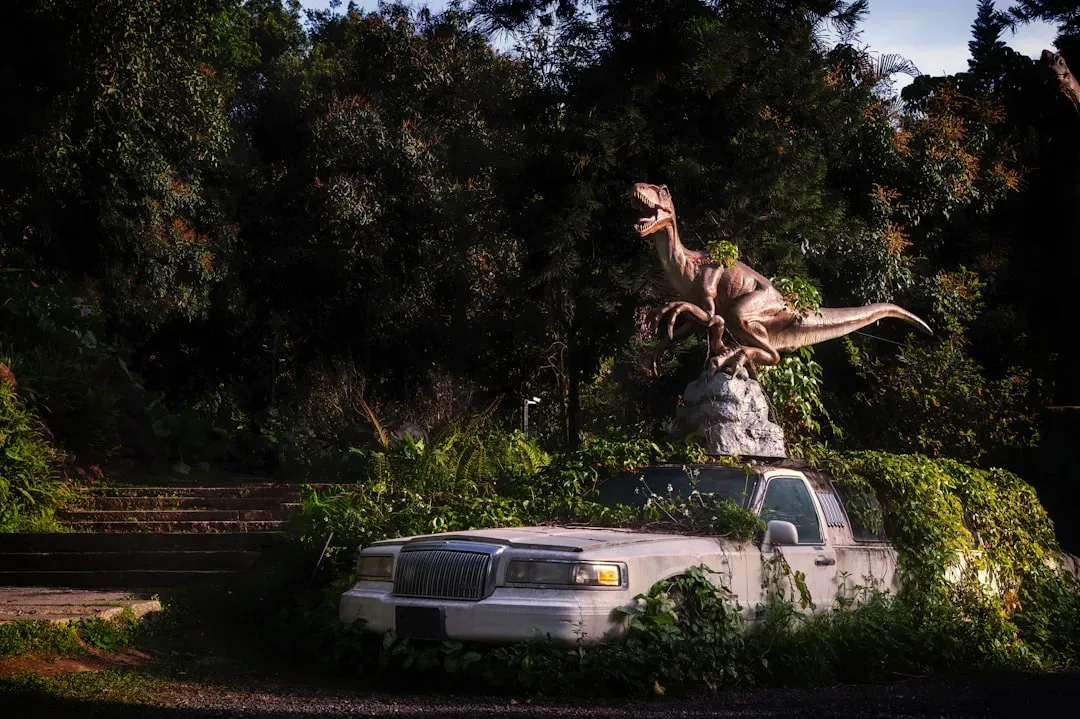
How do you know the consultant was ignored? Start with the fact that real Velociraptors were closer in size to a large turkey than a six-foot-tall sprinter with murder-hands. Fossils from Mongolia show an animal roughly two meters long including the tail, with hips barely up to a human’s thigh, lightweight and built more like a lanky bird than a bodybuilder in a lizard suit. Add in the overwhelming evidence that dromaeosaurs like Velociraptor had feathers, not smooth crocodile skin, and you already see just how far the movies stepped away from the fossil record for the sake of menace and sleekness.
Instead of a small, clever ambush predator, cinema gave us a nightmare hybrid: human-height, hyper-coordinated pack hunters that open doors, tap their claws for dramatic effect, and communicate like a tactical SWAT team. It is pure adrenaline candy, and I get why audiences love it, but there’s no way the paleontology notes said “please scale them up, shave off the feathers, and make them act like Navy SEALs with tails.” If anything, the real animal is even stranger: more bird-like, probably covered in plumage, likely using that sickle claw more for pinning than slashing. But feathered, dog-sized hunters do not test as well with focus groups as velociraptors that stalk kids in kitchens, so realism quietly lost the vote.
2. When T. rex Was Turned into a Night-Vision-Challenged, Roaring Monster Truck
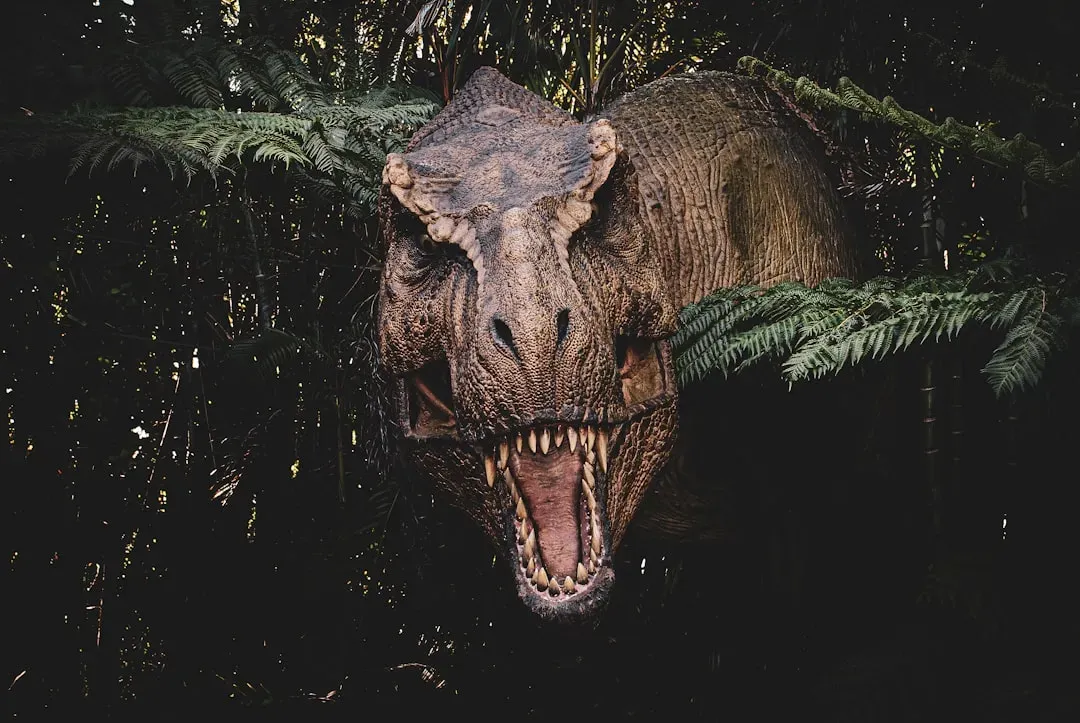
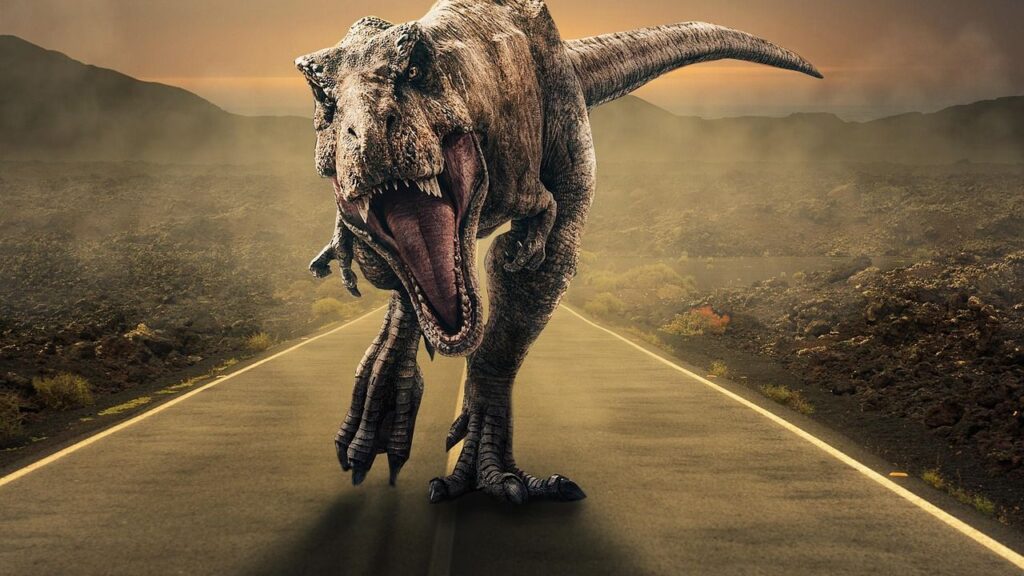
The Tyrannosaurus rex of pop culture is basically a living demolition derby car: it roars constantly, smashes through anything, and apparently cannot see you as long as you stand very, very still. That last part, the idea that T. rex vision was based on movement, has no support in the scientific literature. Studies of its skull and the position of its eye sockets suggest forward-facing eyes and decent depth perception, probably better than many modern reptiles. The animal was a top predator in its ecosystem, and evolution does not usually hand a hunter that much power and then sabotage its basic visual hardware.
Then there’s the iconic roar, which has become the sonic logo of dinosaur movies. In reality, we do not know exactly what T. rex sounded like, but based on modern birds and crocodilians, it may have been more of a low, resonant booming or huffing sound than a drawn-out lion-elephant-jaguar mix blasted at jet-engine volume. But cinematic T. rex does not exist to be plausible; it exists to vibrate your seat. Subtle low-frequency communication and a predator that can see stationary humans is scary in a quiet, realistic way, while the on-screen version is about jump scares, shaking water glasses, and an animal that conveniently can or cannot see you depending on what the plot requires. Somewhere, a consultant’s carefully worded memo about sensory biology probably died on the cutting-room floor.
3. When Indestructible Dino Armor Replaced Fragile, Hollow-Boned Reality
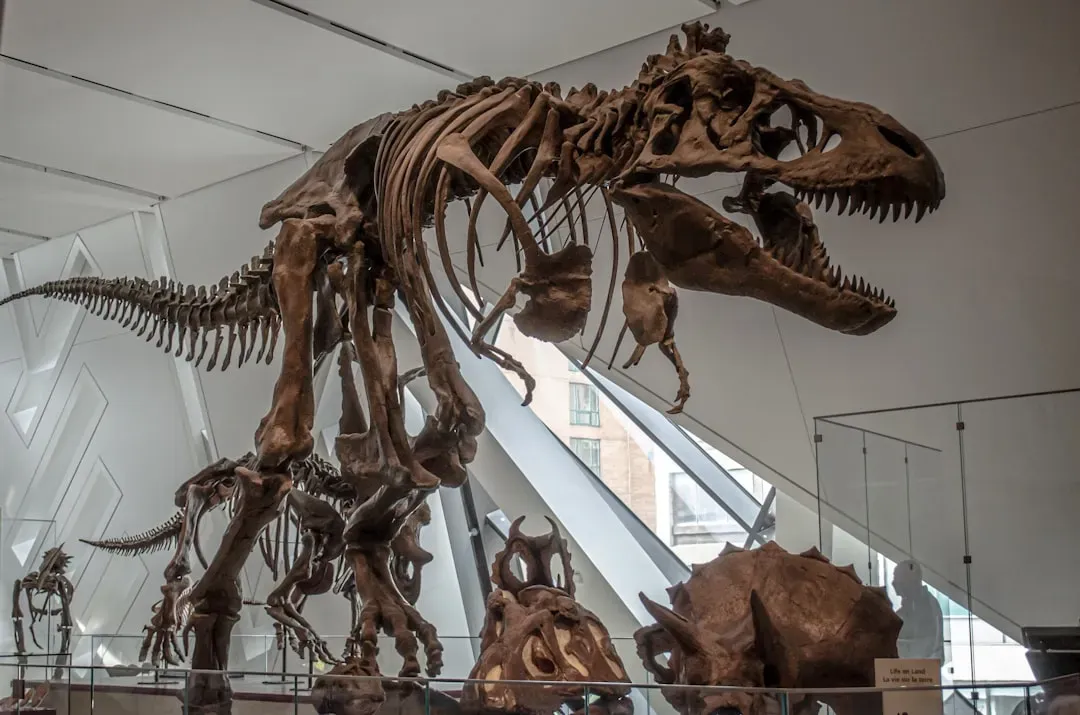
In many films, dinosaurs are treated like living tanks. They crash through vehicles, smash masonry, take direct hits from heavy weapons, and keep going as if their skeletons are made of reinforced steel. The reality, especially for many theropods and large herbivores, is quite different: lots of hollow or partially hollow bones, thin cortical walls, and complex air sacs running through the skeleton. These adaptations made them lighter and more efficient, but they also mean that tossing one through a concrete wall would be more like throwing a giant, awkward bird than launching a missile.
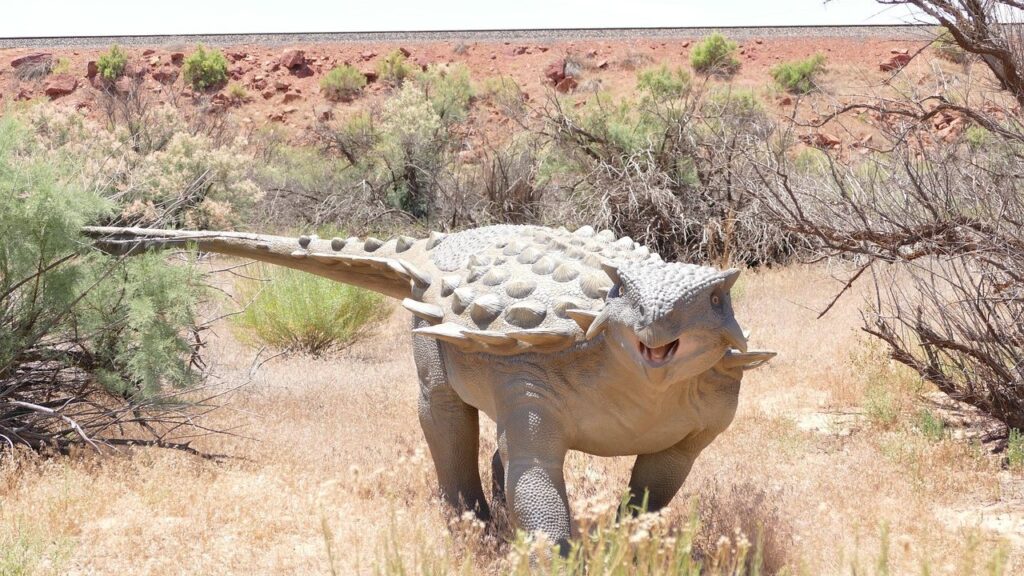
Even heavily built dinosaurs, like ankylosaurs with their bony armor, were not designed to shrug off explosions or high-velocity projectiles. Their defenses evolved for a very specific set of threats: bites from predators, intraspecies combat, and the general rough-and-tumble of Cretaceous life, not modern firearms and blockbuster-scale blasts. Yet on screen, dinosaurs often behave like superhero characters whose bones barely matter. The consultant’s notes on bone histology and biomechanical limits almost certainly did not say, “Yes, it can effortlessly shoulder-slam a truck and just shake it off.” That is the action department talking, not the fossil record, and it shows every time a multi-ton animal does parkour through reinforced structures without crumpling.
4. When Pack Behavior Was Dialed Up to “Military Strategy” Levels
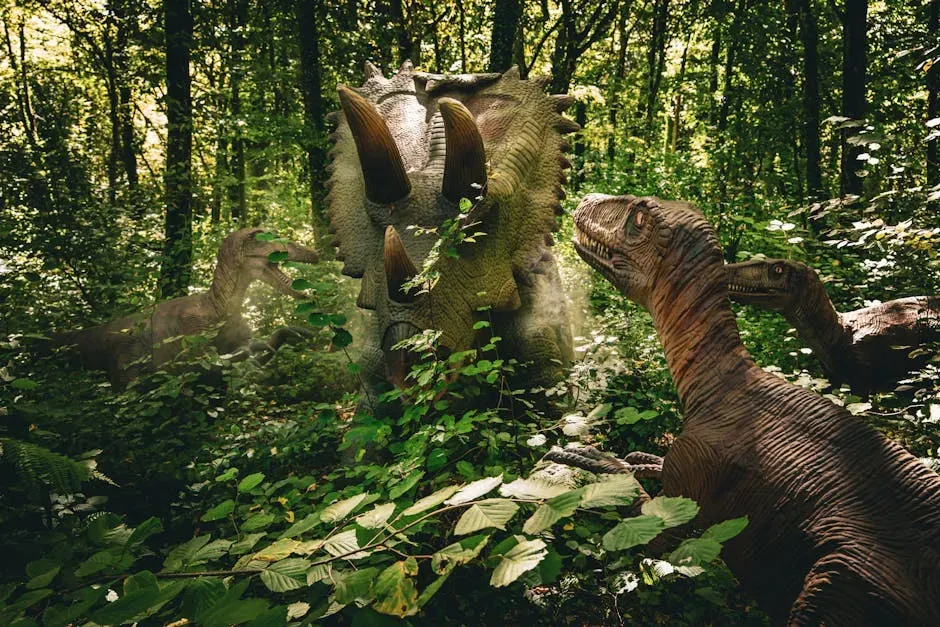
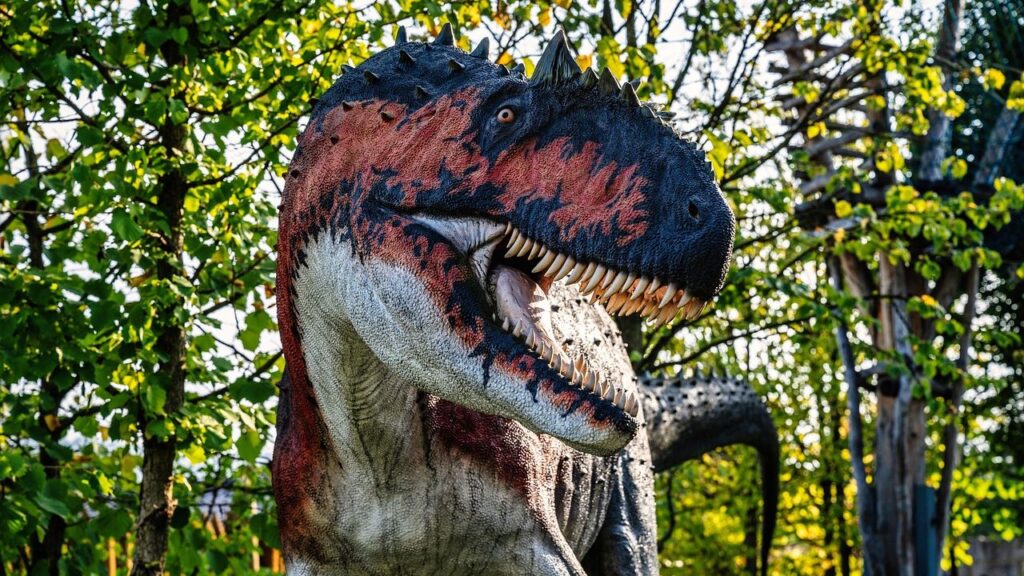
Many movies adore the idea of perfectly synchronized dinosaur packs, coordinating like trained soldiers. You see flanking maneuvers, deliberate distraction tactics, and a clear chain of command, all mapped directly onto pack hunting concepts borrowed from wolves and human military strategy. The catch is that the fossil evidence for complex, cooperative pack hunting in most dinosaur groups is extremely thin and heavily debated. Trackways and bonebeds can suggest group movement or even sociality, but jumping from that to cinematic commando tactics is a massive leap powered mostly by storytelling needs.
It is absolutely possible that some theropods hunted in groups or at least tolerated each other while feeding, but the way films portray them – executing perfect ambushes, reading each other’s eye-lines, improvising traps – says far more about human brains than dinosaur ones. Paleontologists tend to be careful here: you will usually hear words like “may have” and “possibly” when discussing social hunting in non-avian dinosaurs. On screen, those cautious phrases evaporate. The result is dino squads that feel like villain teams from a superhero franchise, and while it makes for great tension, it almost certainly does not line up with the more limited, messy, and opportunistic behavior real animals tend to show. If a consultant raised a flag, it was likely waved away with a simple argument: it just looks cooler this way.
5. When Speed and Agility Were Turned Up Way Past Anatomical Reality
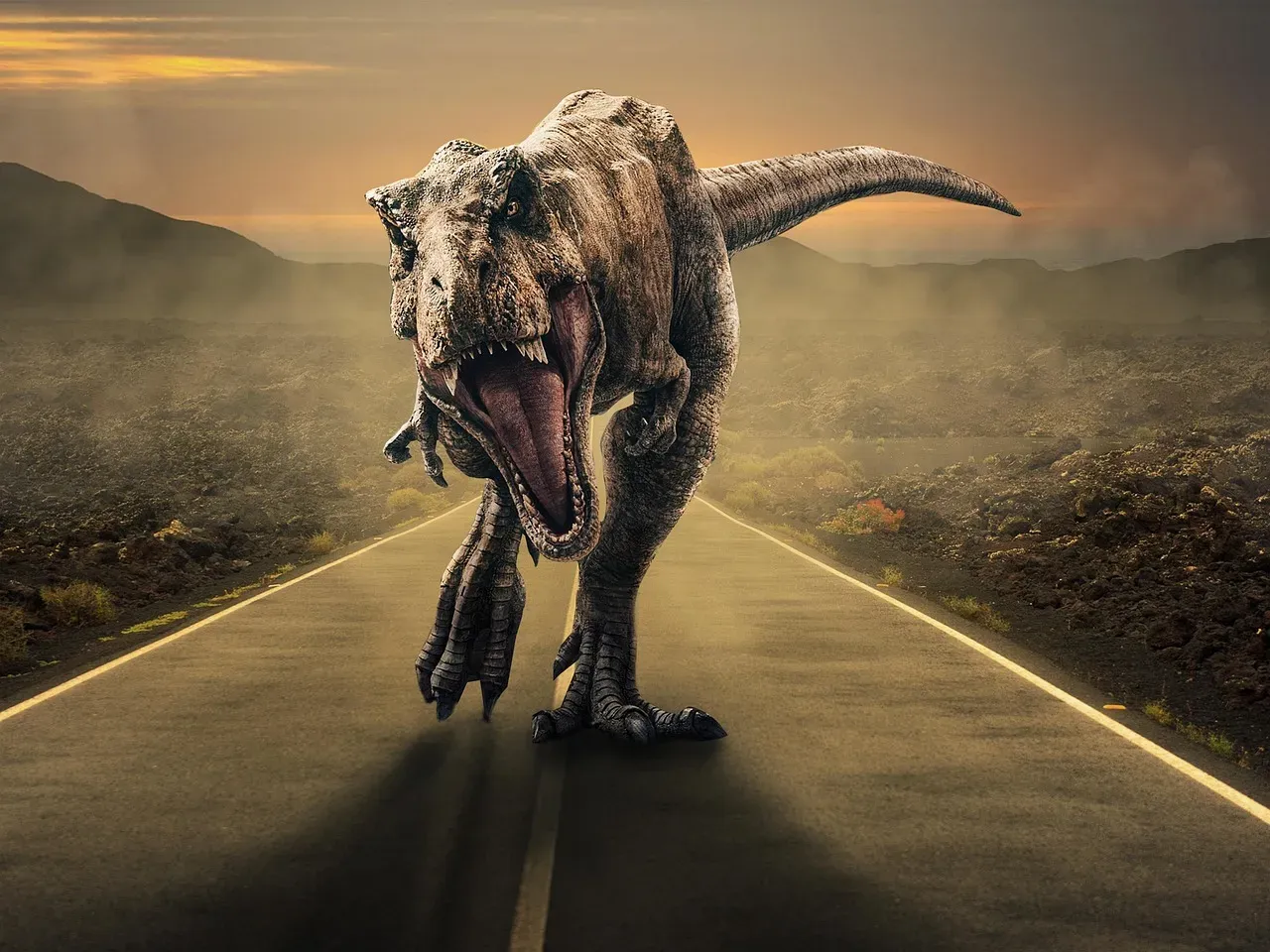
Another dead giveaway that science took a backseat is when enormous dinosaurs sprint, leap, and pivot like stunt motorcycles. Biomechanical modeling of large theropods and sauropods suggests upper speed limits that are impressive but not ridiculous, constrained by bone strength, muscle mass, and the risks of falling with that much weight. Falling is not a minor mishap when you weigh several tons; it is a catastrophe. Yet in many films, you see huge carnivores changing direction on a dime, launching over obstacles, or outrunning vehicles in situations that would almost certainly shatter joints and end badly for any real animal.
Smaller dinosaurs may well have been nimble, and some could have reached surprisingly high speeds for short bursts, but there is a world of difference between realistic agility and supercharged action-movie physics. Digital effects teams often prioritize what “feels” fast and threatening on screen over what the skeletal structure and muscle attachments would allow. Consultants can and do build detailed models showing likely speed ranges and gait patterns, but once those numbers collide with the need for a high-octane chase scene, the science usually loses. As a viewer, you might not notice every anatomical sin, but any paleontologist in the audience probably clocked several scenes where tendon and bone would have cried uncle long before the camera cut away.
6. When Feathers and Color Were Sacrificed for Grimdark, Scaly Aesthetics
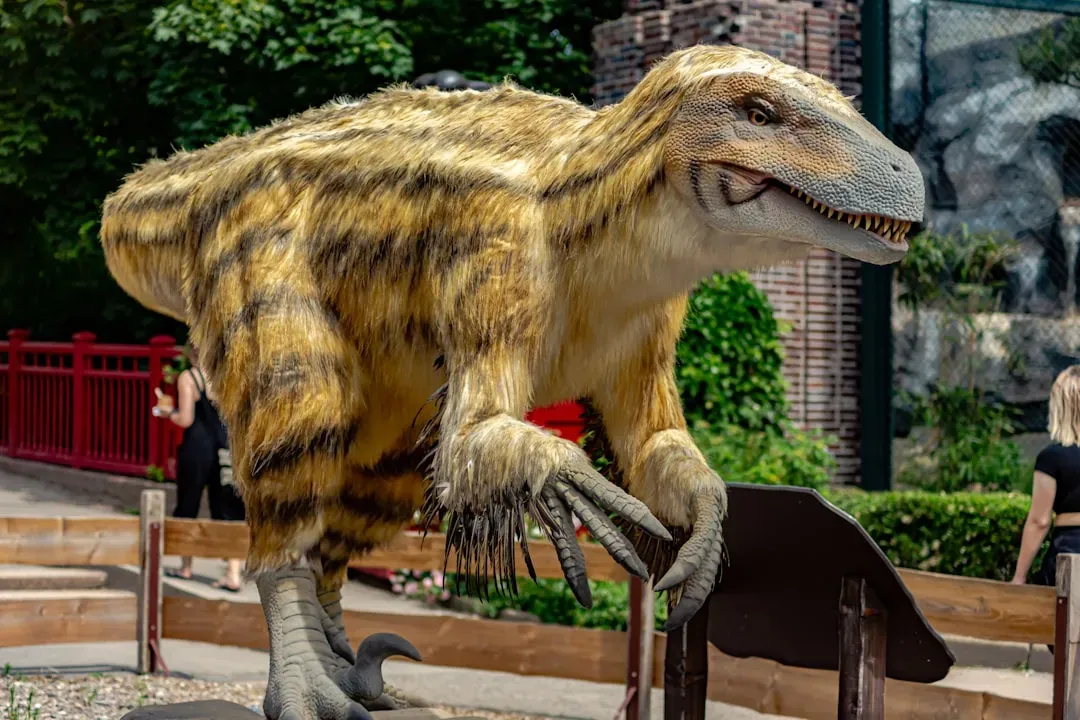
By now, the evidence for feathers in many dinosaur groups – especially smaller theropods – is overwhelming. We have exquisite fossils preserving fine filaments, complex feathers, and even hints of coloration in some specimens. The emerging picture is a world where many dinosaurs were fuzzy, flamboyant, and more birdlike than lizardlike, with possible displays of color used for communication, mating, or camouflage. Despite that, a lot of mainstream films continue to serve up a parade of dark, scaly, uniformly drab dinosaurs because it fits a certain gritty, dangerous aesthetic that marketers believe will play well with global audiences.
This is one of those areas where you can almost feel the consultants pushing hard, because the data are strong and getting stronger every year. Yet feathers are often minimized, stylized into small token quills, or ignored entirely, and color palettes stay stuck in muted greens, browns, and grays. It is a creative choice that flattens the strangeness and beauty of real Mesozoic life into something more familiar: generic monsters. The irony is that embracing the full, weird spectrum of dino plumage and pigment would probably make them even more memorable on screen. Instead, the note from the science side to “add more fluff and color” repeatedly loses out to the impulse to keep things dark, sleek, and, frankly, more explodey-looking.
Conclusion: When Spectacle Wins, Dinosaurs Lose Their Weirdness
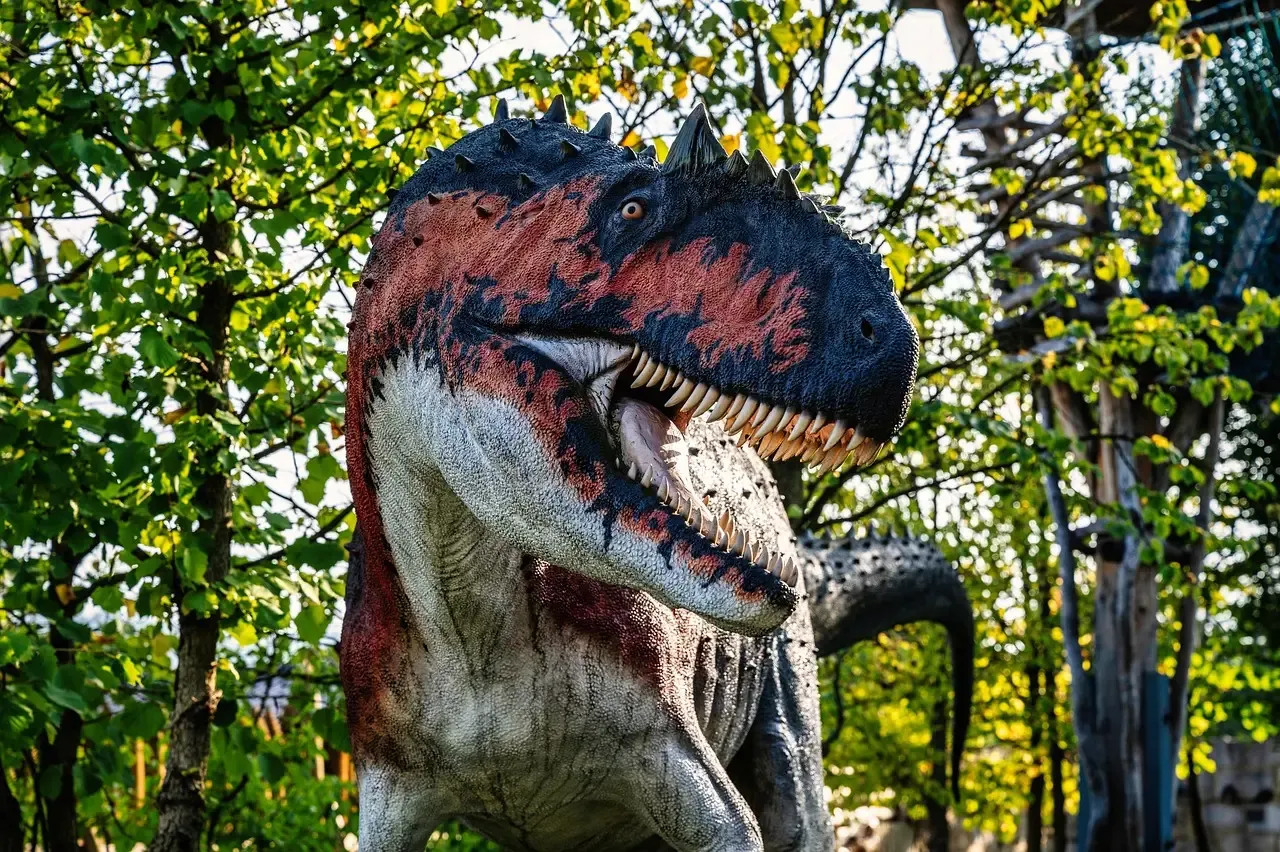
There is a pattern running through all these examples: whenever there is a choice between what the fossils suggest and what makes the trailer more intense, the latter tends to win. The dinosaur consultant can point to bone structure, soft tissue evidence, and comparisons with modern animals, but that quiet stack of data is no match for the gravitational pull of bigger, faster, louder. Personally, I get the appeal of those ramped-up versions – I have absolutely enjoyed a ridiculous dino chase while knowing full well it would destroy the animal’s knees – but it is hard not to feel a little cheated when you realize how much real-life weirdness we are losing.
Real dinosaurs were already astonishing: feathered predators that blurred the line with birds, massive herbivores that moved with precarious grace, ecosystems full of color, sound, and behavior we are only beginning to decode. When movies ignore that in favor of turning every creature into a scaly, explosion-proof supervillain, it flattens a truly alien world into yet another action backdrop. Maybe the next generation of filmmakers will trust that audiences can handle a T. rex that does not roar every five seconds or a raptor that looks more like a murder-chicken than a sleek movie monster. Until then, every time you see a dinosaur shrug off an explosion, it is worth asking yourself: what incredible, real animal did we trade away for that moment of extra boom?