
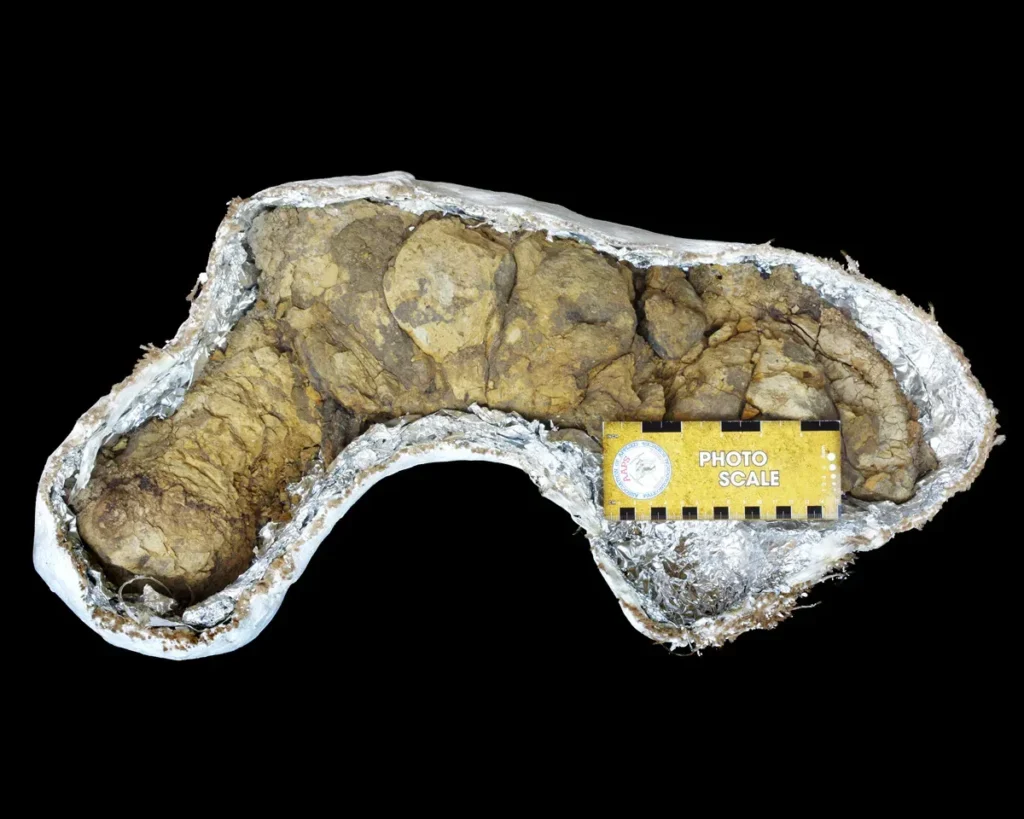
Imagine an archaeologist getting more excited about a crumbling brown lump than a glittering piece of gold. It sounds ridiculous, almost like the setup to a bad joke. But that lumpy, fossilized poop – politely called coprolite – can hold more information about an ancient person’s life than a pile of jewelry ever could. Inside those tiny time capsules are traces of meals, microbes, parasites, and even environmental clues that no broken pot or stone tool can fully reveal.
I still remember the first time I saw images of a coprolite sliced like a cake and examined under a microscope. It was strangely intimate, almost like peeking directly into a day in the life of someone who lived thousands of years ago. And that’s the wild thing: by studying prehistoric poop, scientists are not just guessing what people might have eaten; they’re getting real, direct evidence of what actually went through ancient guts. Once you see that, you never look at the past – or the toilet – in quite the same way.
The Unlikely Superstar of Archaeology: What Exactly Is a Coprolite?
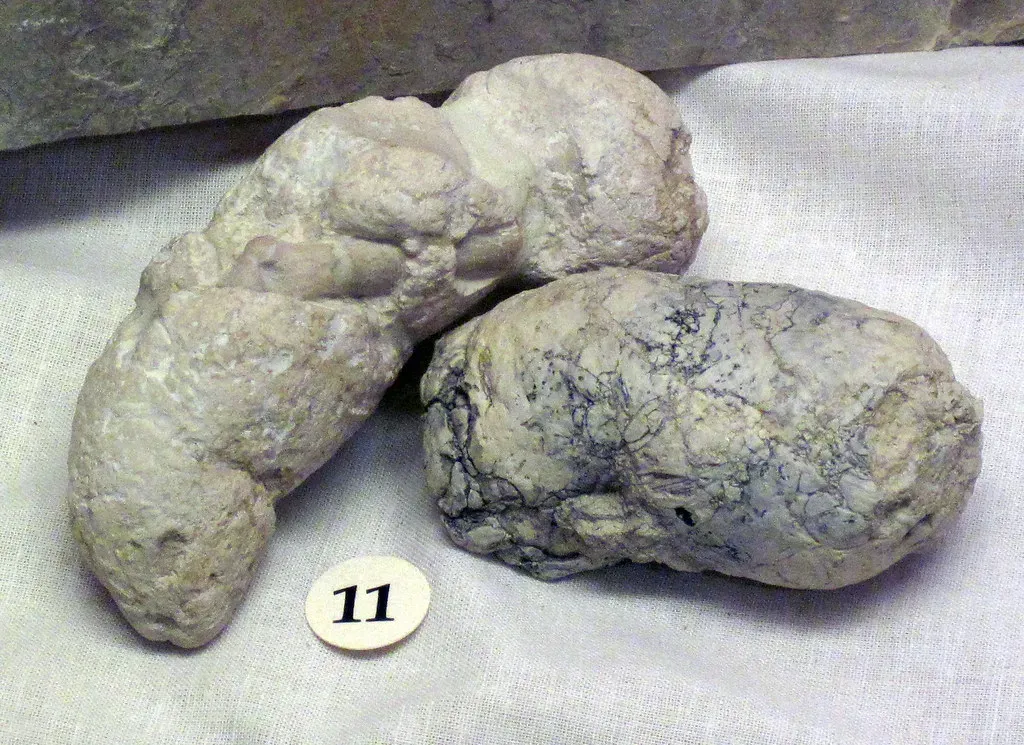
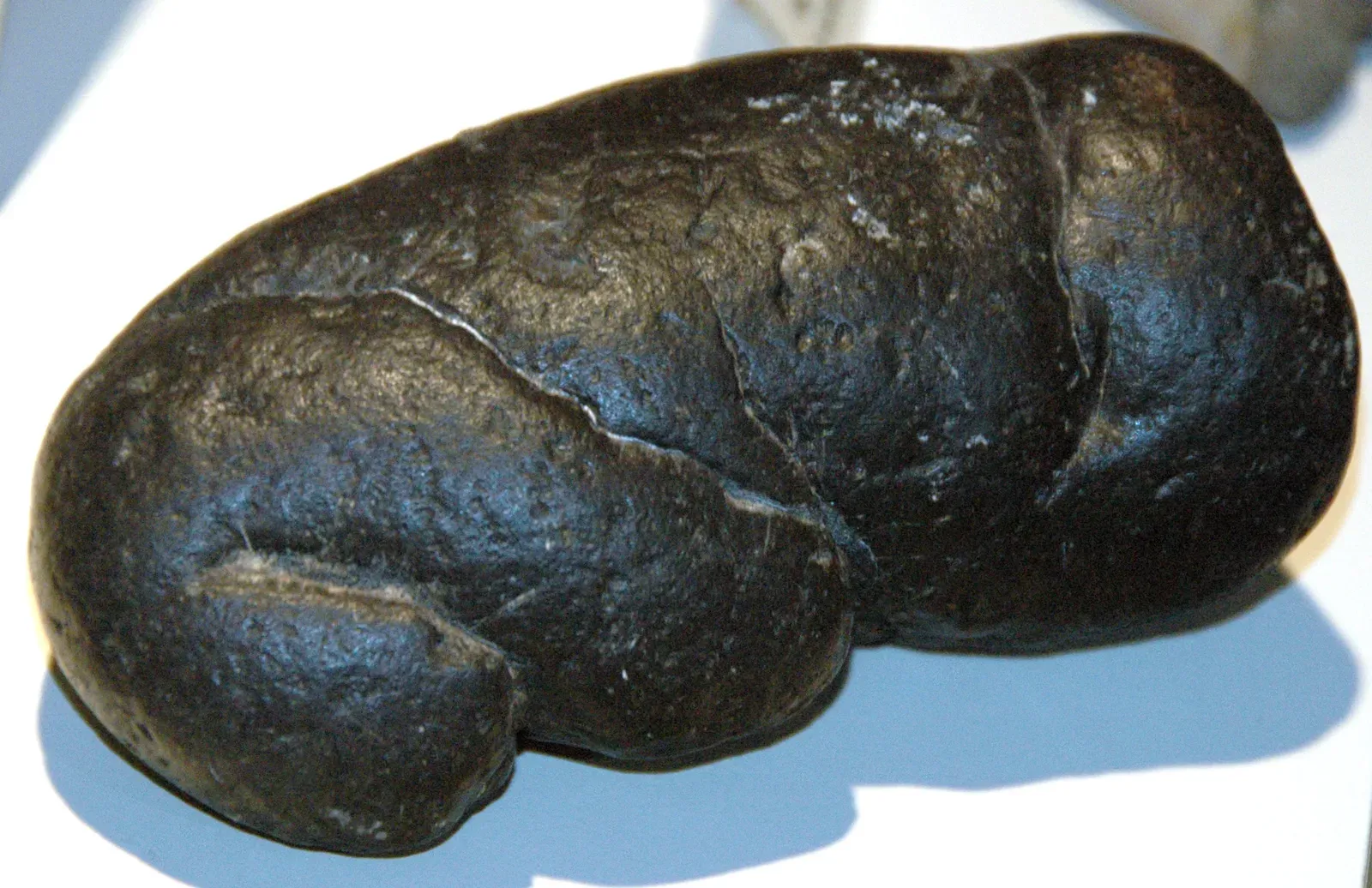
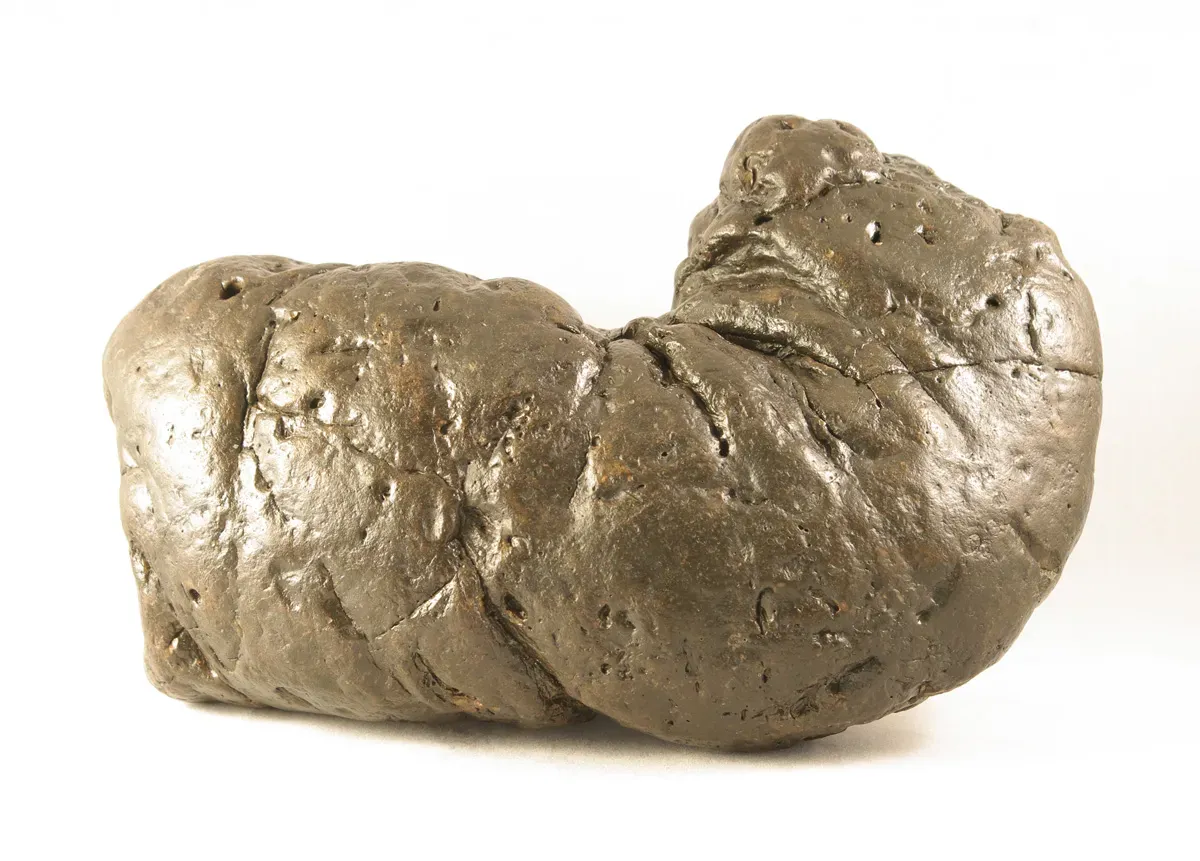
It still surprises people that some of the most valuable artifacts in archaeology are, quite literally, fossilized turds. A coprolite is ancient poop that has been preserved over hundreds or thousands of years, usually because it dried out quickly, was buried in just the right sediment, or ended up in an environment with little oxygen. Instead of decaying completely, it mineralizes and hardens, like a tiny time capsule packed with biological clues. Unlike bones or tools, which only show you what people could do, coprolites can show what they actually did, bite by bite.
Archaeologists sometimes find them in old latrines, cave floors, dry rock shelters, or even under house floors where people once lived and repeatedly relieved themselves. At first glance, it is extremely easy to mistake them for small stones or dirt clumps, and for a long time many probably were thrown away. Now, with better methods and more respect for the “gross” parts of the past, researchers treat these lumps as premium evidence. If a skeleton is the outline of a life, a coprolite is a snapshot of a single day in that life, down to the seeds and bones that slipped through digestion.
How Scientists Read Poop: The Lab Techniques Behind the Revelations
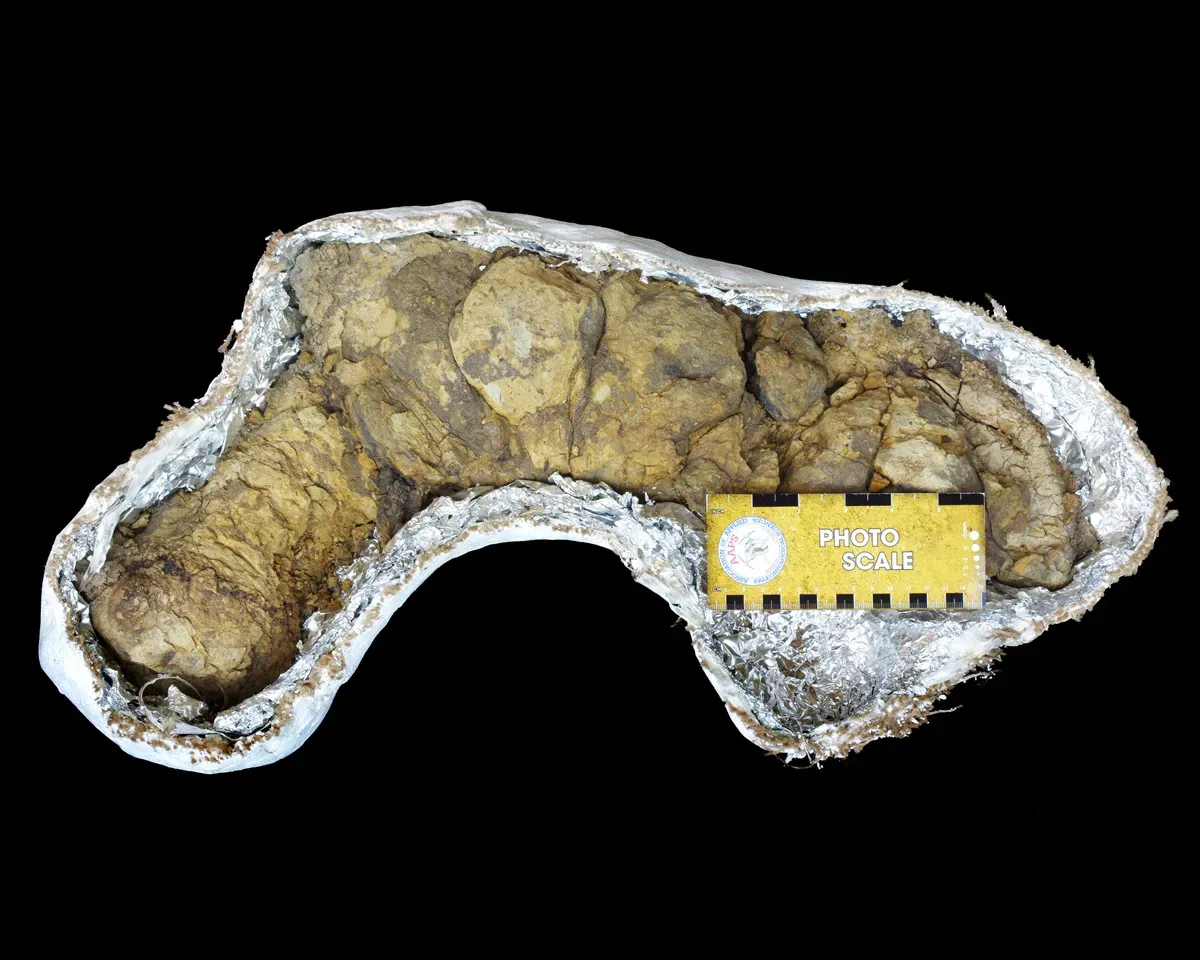
What makes prehistoric poop so powerful scientifically is not just that it exists, but that modern technology can read it in astonishing detail. In the lab, a small bit of coprolite can be rehydrated and carefully broken apart, revealing tiny plant fibers, fragments of bone, fish scales, eggshells, seeds, and sometimes even charred food remains. Under microscopes, researchers can distinguish different types of starch grains, pollen, and plant tissues, which helps identify whether a person ate grains, tubers, fruits, or specific cultivated crops. It is like taking a grocery receipt from thousands of years ago and zooming in so far you can see the crumbs.
On top of that, scientists now extract ancient DNA and proteins from coprolites, something that would’ve sounded like science fiction not long ago. They can detect DNA from the eater, from the plants and animals they consumed, and from the microbes that lived in their gut. Chemical analyses can reveal isotopes that hint at whether the diet leaned more toward marine or terrestrial foods, or how much animal versus plant matter was consumed. When you stack all these methods together, a single pellet of fossilized feces can tell a richer story about diet than dozens of broken artifacts scattered around the same site.
From Hunters to Farmers: Coprolites Rewriting Our Ideas of Early Diets
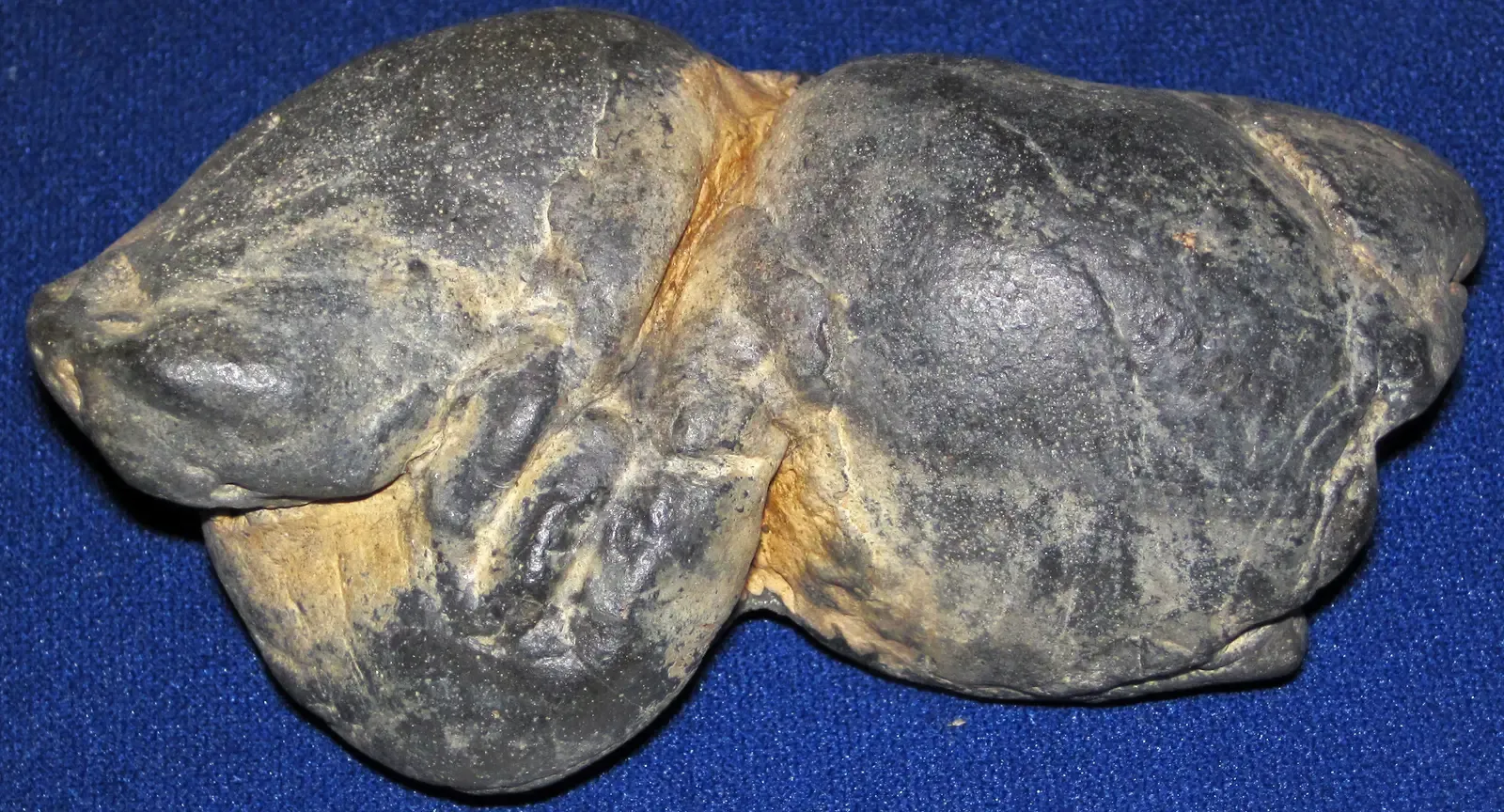
For a long time, the story about ancient diets was told mostly through bones, tools, and guesswork. People assumed hunter‑gatherers ate mostly meat when large animal bones dominated a site, or mostly plants in regions with grinding stones and storage pits. Coprolites have quietly undermined some of those simple narratives. In many cases, they show that so‑called “big game hunters” also ate a lot of seeds, nuts, roots, and berries, sometimes in surprising diversity. The poop does not lie: even when meat appears glamorous in the archaeological record, plants often made up a huge share of daily calories.
They have also sharpened our understanding of how and when people started relying on domesticated crops. In some ancient communities, coprolites show a blend of wild and cultivated foods coexisting for a long transition period, rather than a clean, sudden switch from foraging to farming. Bits of early grains, legumes, or maize can appear alongside wild seeds and tubers in the same sample, suggesting flexible, mixed strategies. That image is far more human and realistic than the neat “revolution” timelines we used to imagine, where everyone supposedly dropped their spears one day and picked up a plow the next.
Unexpected Food Choices: Plants, Meat, and Things You’d Never Guess People Ate
One of the most entertaining – and sometimes unsettling – things about ancient poop is that it reveals what people really put in their mouths, not just what we expect or romanticize. Coprolites often contain plant remains that do not show up clearly in other parts of the record because soft plant tissues decay so quickly. That means archaeologists have discovered heavy use of wild seeds, fibrous roots, and seasonal fruits that would otherwise be invisible. When people talk about “paleo” diets today, they often picture giant hunks of roasted meat, but real ancient guts were frequently stuffed with tough fibers, small seeds, and whatever was in season.
There are also the more eyebrow‑raising finds: small bones from rodents, lizards, or frogs that suggest people were far less picky than most of us are today, especially in tough environments. Bits of gritty material – sand, ash, or soil – hint that some foods were prepared in ways that would horrify modern chefs, like roasting directly on ash or grinding seeds with dusty stones. Occasionally, parasites and their eggs show up too, offering a stark reminder that ancient eating came with dangers modern hygiene hides. The past, seen through poop, looks adventurous, practical, and sometimes downright desperate, not like a lifestyle brand.
Ancient Gut Microbiomes: What Prehistoric Poop Tells Us About Health
Beyond what ancient people ate, coprolites preserve traces of the invisible universe that lived inside them: their gut microbiomes. When scientists recover ancient microbial DNA from these samples, they can compare it to modern gut bacteria and see how living conditions, diets, and lifestyles have reshaped our internal ecosystems. Many ancient microbiomes appear richer and more diverse, shaped by high‑fiber diets, frequent contact with soil and animals, and the complete absence of antibiotics. That contrast has fueled the idea that some modern health problems might be tied to losing parts of our microbial heritage.
At the same time, coprolites also bring a dose of realism to any nostalgia about the “good old days.” They often reveal intestinal parasites, disease‑related microbes, and signs of chronic gut stress that people simply lived with. The same diet that supported abundant good bacteria could also expose people to pathogens from contaminated water or undercooked food. So while prehistoric poop has inspired fascination with ancestral microbiomes and the possibility of learning from them, it also reminds us that ancient life could be harsh. Understanding that balance – robust microbial diversity but constant risks – helps put modern health debates into a more honest, less romantic context.
Beyond the Ew Factor: Why Prehistoric Poop Should Change How We See the Past
Let’s be honest: most of us instinctively wrinkle our noses at the idea of spending a career studying fossilized feces. But the more you look at what coprolites have revealed, the more it feels almost irresponsible to ignore them. They slice straight through our fantasies about noble hunters, ultra‑pure “ancestral diets,” or simple progress from wild to domesticated foods. Instead, they show messy, adaptive, creative eating strategies shaped by climate, season, scarcity, and sheer human stubbornness. To me, that makes ancient people feel closer, not farther away – they were improvising dinner just like we do, only with fewer options and much higher stakes.
In my view, prehistoric poop is one of the most humbling kinds of evidence we have. It forces archaeologists, nutrition enthusiasts, and casual history fans alike to admit that the past is not a lifestyle template to copy, but a complex reality to learn from. Yes, we can borrow insights about diverse plant use, gut microbes, and flexible food strategies. But we also have to remember the parasites, the hunger, and the constant uncertainty baked into every meal. If anything, coprolites argue against simple diet fads and nostalgic myths, and in favor of curiosity, nuance, and honest evidence. Next time you hear someone talk confidently about “how humans are meant to eat,” you might quietly wonder: have they actually looked at the poop that proves it?