If someone told you dinosaurs are still walking around in 2026, you’d probably imagine a movie reboot, not a zoo visit. Yet in a very real, very scientific sense, some of the animals we see on documentaries, TikTok clips, and even in our own backyards are direct heirs of the age of dinosaurs. They may not be twenty‑ton predators crashing through the forest, but their bones, brains, and behaviors carry a shocking amount of prehistoric baggage.
What makes this even more fun is how completely normal these “living dinosaurs” feel to us. We scroll past them in memes, see them gliding over rivers, or dismiss them as ugly or boring, while they quietly represent hundreds of millions of years of survival. Let’s pull back the curtain on seven species that are, in many ways, dinosaurs with better branding – animals that never had an extinction event’s PR disaster, just a long, gritty, absurdly successful run.
1. Birds: The Literal Dinosaurs In Your Backyard
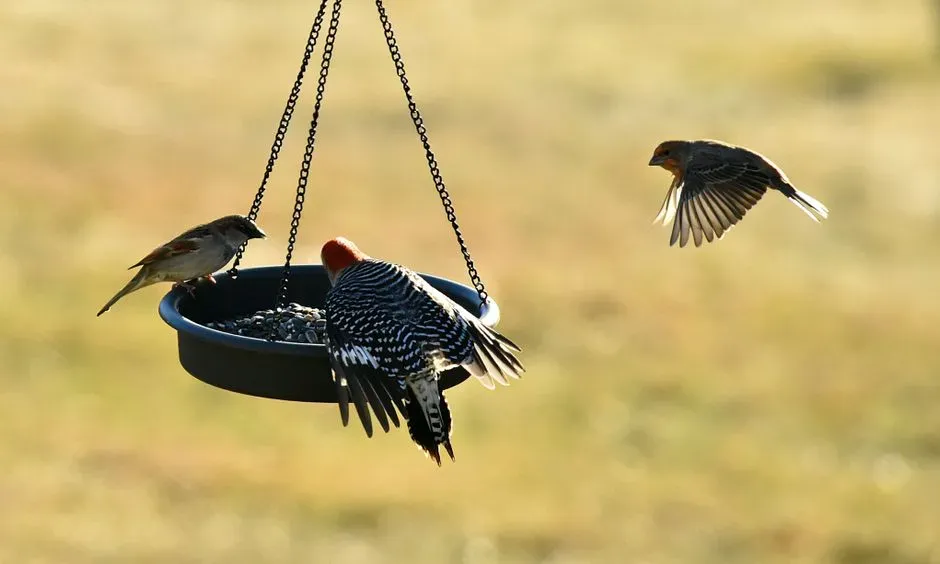
Here’s the wild part most people still underestimate: every pigeon, crow, and backyard chicken is not just “related” to dinosaurs – birds are dinosaurs in the strict evolutionary sense. Fossils show a continuous thread from small, feathered theropods like those closely related to Velociraptor straight into early birds, with almost comical in‑between stages where animals had both teeth and feathers, claws on their wings, and long bony tails. When paleontologists talk about the only dinosaur lineage that survived the mass extinction, they’re talking about birds, not some obscure lizard hidden in a cave.
Once you see it, it’s hard to unsee: the way a heron stalks like a tiny, polite T. rex, or how a rooster’s feet look exactly like a miniaturized theropod’s. Even behaviors give the game away – complex vocal communication, social structures, and nest‑building all have deep roots in dinosaur history. I still remember watching a backyard hen chase off a much larger dog with this intense, forward‑leaning stride and thinking, “Yep, that’s a raptor with better PR and a worse attitude.” Our planet is not post‑dinosaur; it’s just that dinosaurs rebranded with feathers, wings, and an Instagram‑friendly soundtrack.
2. Crocodiles: The Ancient Ambush Artists That Saw T. Rex Come And Go
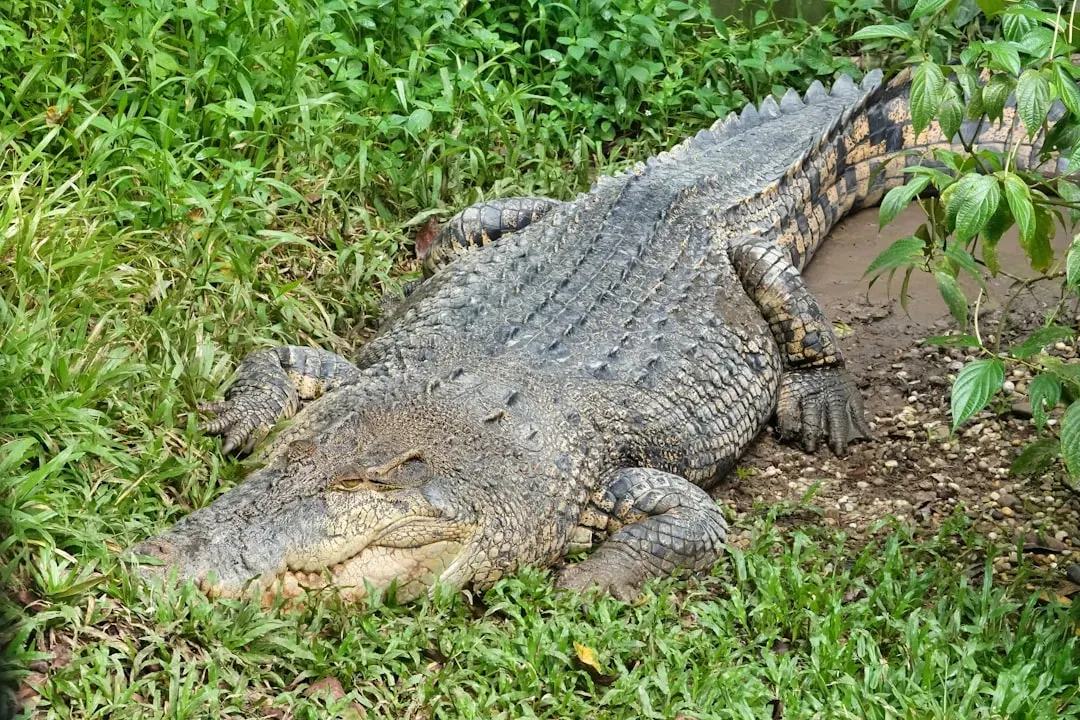
Crocodiles are the textbook example of the phrase “if it isn’t broken, don’t fix it.” Modern crocs belong to a group that has been around since before the first true dinosaurs appeared, and, with twists and variations, their basic body plan has been remarkably stable for well over two hundred million years. These animals shared ecosystems with huge sauropods and tyrannosaurs, survived the asteroid impact that ended most dinosaur lineages, and just kept doing their thing – lurking in the shallows, armored to the teeth, powered by crushing jaws.
What makes crocodiles feel so dinosaur‑like is not just that they’re old; it’s that you can practically see the Mesozoic in their eyes and skeleton. Their semi‑upright limb posture, heart anatomy, and complex lungs are closer to birds and dinosaurs than to lizards, which shocks a lot of people who assume “reptile” means simple and primitive. Watch a large croc explode out of the water at night, and it feels like time has folded and you’re getting a preview of how terrifying a riverbank was in the Jurassic. In a way, crocodiles didn’t just survive the end‑Cretaceous extinction – they outlasted trendy dinosaur designs and stuck with a battle‑tested, ambush‑predator template.
3. Alligators: American Swamp Royals With Prehistoric Blueprints
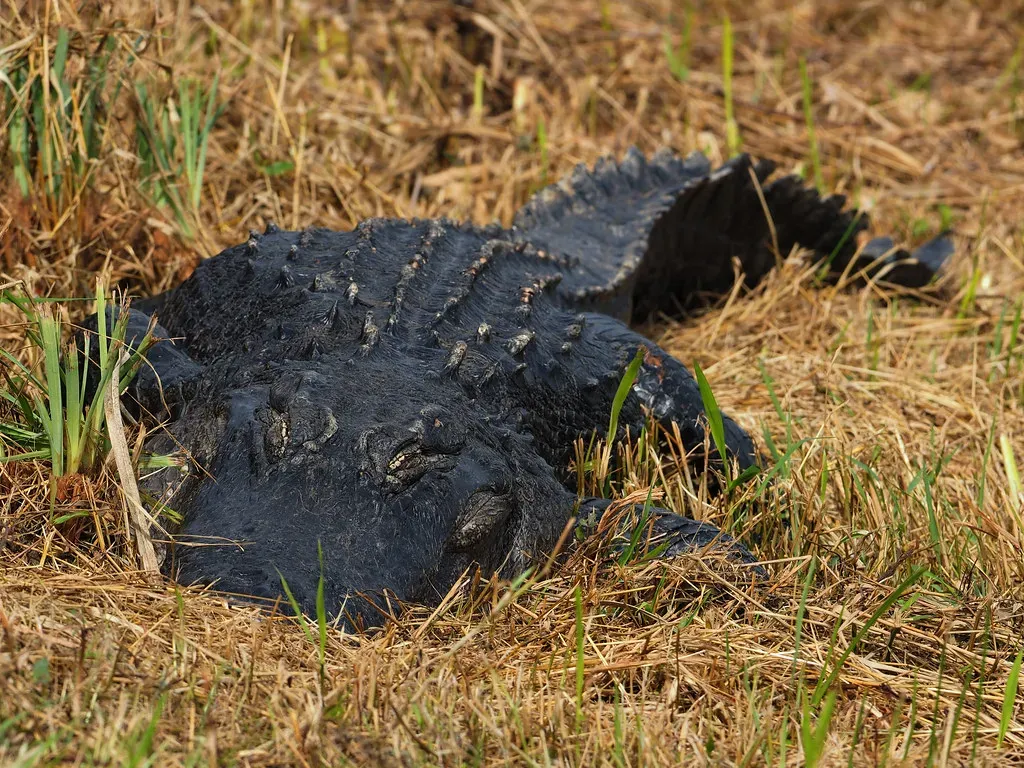
Alligators may seem like the slightly more laid‑back cousins of crocodiles, but their evolutionary roots reach just as deep into dinosaur times. The American alligator, that iconic swamp presence in the southeastern United States, represents a lineage that has weathered huge climate shifts, changing sea levels, and entire ice age cycles without losing its essential shape. You are looking at a creature whose ancestors saw strange, long‑necked reptiles glide through the air while duck‑billed dinosaurs grazed on fern‑covered floodplains.
There’s a quiet, almost smug efficiency in an alligator sunning on a riverbank, soaking up warmth like a living fossilized battery. Under the surface, they have surprisingly advanced physiology: four‑chambered hearts, sophisticated lungs, and parental care that puts many “cuter” mammals to shame. I once watched an alligator gently carry hatchlings in her mouth to safer water, the same jaws capable of snapping a turtle shell like a potato chip, and it hit me how unfair our branding is. We cast them as mindless monsters, when in reality they’re long‑lived, attentive parents running software that has been refined since the early days of the dinosaur age.
4. Tuatara: The Lonely Survivor From A Lost Reptile Empire
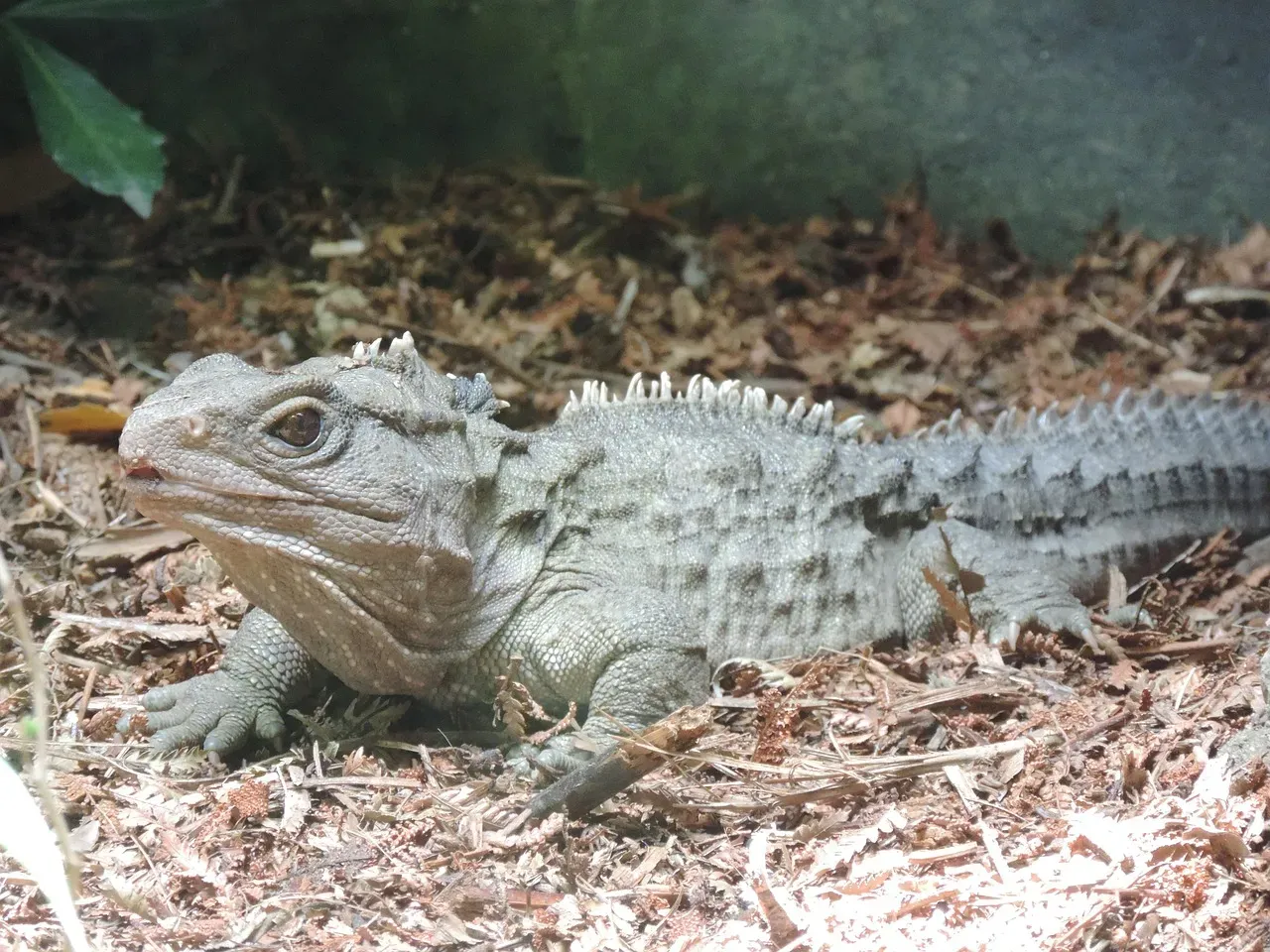
The tuatara looks, at first glance, like a somewhat unimpressive lizard that just needs better moisturiser, but that first impression is completely wrong. Native to New Zealand and found nowhere else in the wild, tuatara are the last living members of a once‑widespread reptile group that flourished alongside dinosaurs. In dinosaur‑era forests, their relatives occupied diverse ecological roles, and now a single, stubborn survivor carries that entire branch of the evolutionary tree alone, like the last track of a forgotten album.
Scientifically, tuatara are full of oddities that scream “ancient hardware.” They have a primitive kind of third eye on the top of the head as juveniles, a very slow metabolism, and a lifespan that can comfortably stretch beyond an entire human career. They take years to reach sexual maturity and can keep breeding at ages where humans are planning retirement parties. Standing near one on a chilly New Zealand evening, you’re looking at an animal whose genetic software dates back to when dinosaurs dominated every continent. It is less a reptile and more a time capsule that somehow dodged both extinction and public attention.
5. Komodo Dragons: Island Giants With A Theropod Vibe
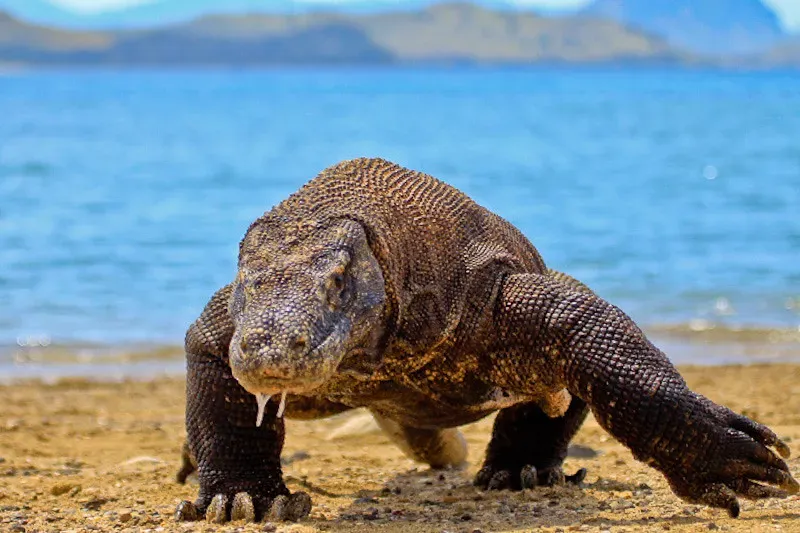
If you’ve ever watched a Komodo dragon stalk through dry grass, you know exactly why people call them dinosaur‑like. They are the largest living lizards, top predators on their Indonesian islands, and they move with a slow, deliberate menace that feels like a Jurassic Park storyboard brought to life. Their musculature, the way their heads bob as they walk, and their bone structure echo the big, meat‑eating theropods, just scaled down and made modern enough to survive on islands instead of sprawling supercontinents.
Beyond the dramatic visuals, Komodo dragons have hunting strategies that feel impressively complex. They use a keen sense of smell through their tongue to track wounded prey over long distances, can deliver devastating bites, and cooperate loosely by gathering at carcasses in a rough feeding hierarchy. Watching footage of a deer realizing, a little too late, that the “slow” reptile is suddenly very fast is like watching a nature documentary replay of a small dinosaur ambush. Personally, whenever I see a Komodo dragon yawn and show those teeth, I have the sense that if evolution had rolled the dice slightly differently, creatures like this could have easily been the template for a new dinosaur age.
6. Cassowaries: Feathered Tanks That Feel Straight Out Of The Cretaceous
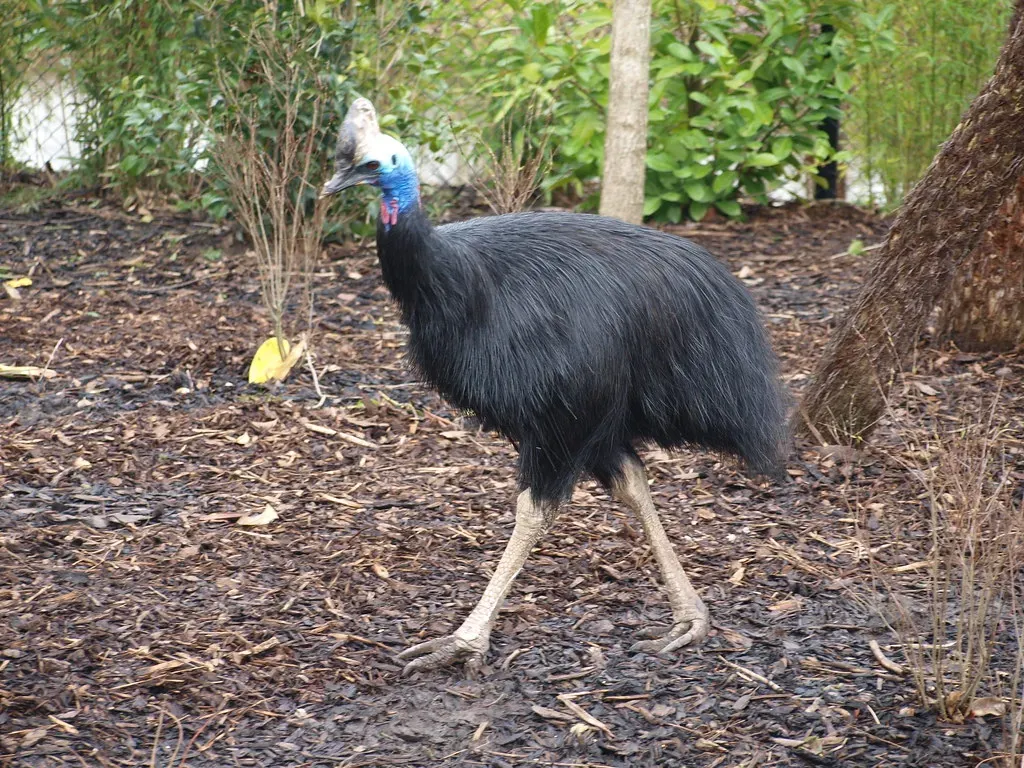
Cassowaries look like someone tried to design a dinosaur from memory using only craft supplies and bad intentions. These huge, flightless birds from Australia and New Guinea wear bright blue and red skin on the neck, have powerful legs with dagger‑like claws, and sport a hard casque on their heads that gives a striking silhouette. Strip away the feathers in your imagination, and you are left with something that would not feel out of place striding through a Cretaceous rainforest, browsing low branches and kicking anything foolish enough to get close.
Despite their glamorous, slightly ridiculous looks, cassowaries play a crucial ecological role as seed dispersers, swallowing large fruits and moving seeds across the forest. At the same time, they have a reputation for being legitimately dangerous when provoked, with kicks that can seriously injure or even kill. Standing in front of one at a wildlife park, I remember an almost physical sense that I was in the presence of a non‑negotiable, dinosaur‑level authority of the forest. Cassowaries are living proof that not all dinosaurs were drab, scaly monsters; some were feathered, neon‑accented, and utterly uninterested in our opinions.
7. Ostriches: High‑Speed Dinosaurs On Two Ridiculous Legs
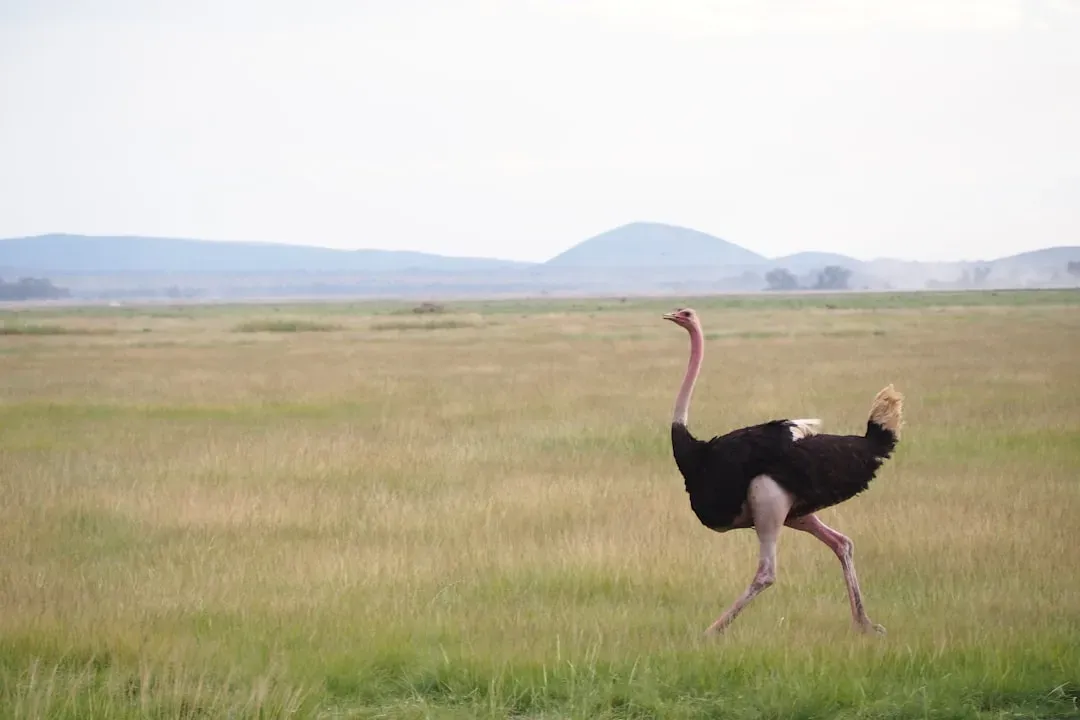
Ostriches are often the butt of jokes, portrayed as goofy birds with big eyes and tiny heads, but if you look past the memes, they might be one of the clearest dinosaur analogues we have. They are enormous, flightless, two‑legged animals with long necks and a body mass distribution that strongly resembles small to medium theropod dinosaurs. Their leg bones are built for speed and efficiency, letting them hit highway speeds on open plains, while their eyes are so large and sharp that they can spot threats from absurd distances.
When an ostrich runs, the effect is uncannily prehistoric: powerful strides, flexed tail base, and an overall posture that mirrors what artists reconstruct for some fast‑running dinosaurs. Even their social behavior – living in groups, coordinating movement, and caring for nests – has roots that scientists suspect were common in many dinosaur clades. I remember seeing a group of ostriches kicking up dust on a windy day and feeling like I’d accidentally tuned into a live broadcast from millions of years ago, just with fewer volcanoes. Ostriches are a perfect reminder that dinosaurs were not all giant monsters; many were agile, wary, social animals tearing across the landscape on two legs just like these birds do today.
Conclusion: Dinosaurs Never Really Left – We Just Stopped Calling Them Dinosaurs
Once you start seeing modern animals through this lens, the world stops feeling like a clean break between “then” and “now.” Birds as literal dinosaurs, crocodiles and alligators as ancient cousins, tuatara as lonely relics, Komodo dragons and cassowaries and ostriches as walking, running, kicking echoes of the Mesozoic – it all adds up to a pretty clear verdict. The age of dinosaurs did not end as neatly as the movies suggest; it morphed, shrank, feathered up, and learned to live among humans, highways, and smartphones. In my view, we’ve badly underestimated how many reminders of deep time we casually ignore every day.
There’s something humbling, and honestly a bit unsettling, about realizing the sparrow on your balcony and the gator drifting in a Florida canal are part of the same grand story as Tyrannosaurus and Triceratops. They made it through mass extinctions, shifting continents, and planetary upheavals, and now they are watching us reshape the world at high speed. Maybe the real question is not whether dinosaurs are gone, but whether the surviving branches of that ancient tree will be able to outlast us too. Next time you lock eyes with a bird, reptile, or “strange” animal at the zoo, ask yourself: are you looking at wildlife, or at the latest chapter of the dinosaur saga you grew up thinking had ended?