If your mental picture of dinosaurs comes mostly from a dark cinema, a bucket of popcorn, and a T‑rex roaring in slow motion, you’re not alone. Movies have done an amazing job of making dinosaurs feel real and terrifying – but they’ve also quietly filled our heads with ideas that make actual paleontologists wince. Some of these myths are so baked into pop culture that they now feel more “real” than the science itself.
That’s the annoying part: the real story is often far stranger and cooler than the Hollywood version. Over the last few decades, fossil discoveries, advanced scans, and even chemical analyses have completely rewritten what we know about how dinosaurs looked, moved, hunted, and died. Yet on screen, the same tired “facts” keep getting recycled. Let’s walk through seven of the worst offenders – the ones scientists would be very happy to see vanish from our collective imagination.
1. Velociraptors Were Giant, Scaly Super‑Predators With Human‑Level Smarts
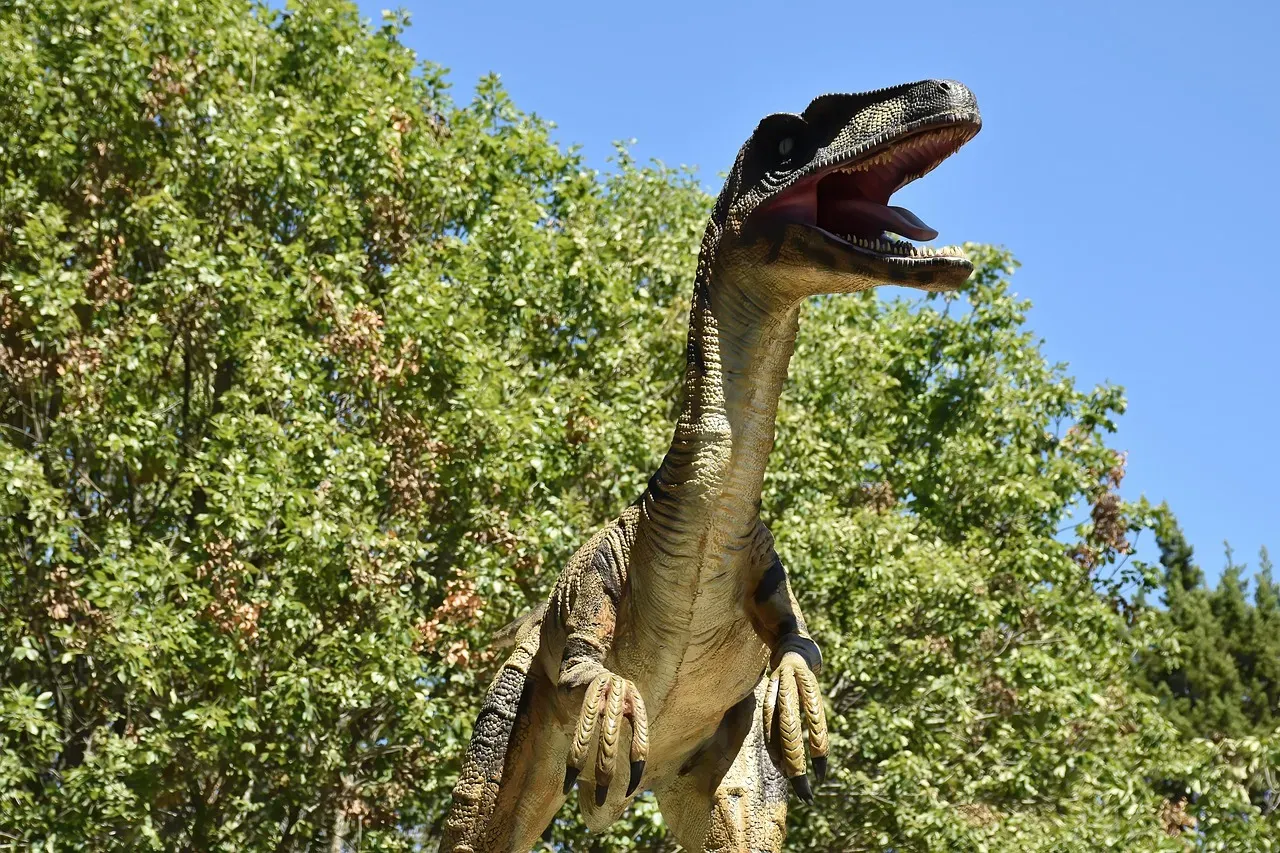
In a lot of blockbuster movies, “raptors” are portrayed as man‑sized, scaly, door‑opening nightmare ninjas with brains practically on par with ours. They stalk in perfect tactical formations, test electric fences, and communicate with complex strategy, like a squad of special forces in lizard form. It makes for fantastic suspense, but the actual animal behind the name Velociraptor was closer in size to a big turkey than a wolf, and its brain, while impressive for a reptile, was nowhere near human‑like.
Even the body plan is often wrong. Real Velociraptor fossils show clear evidence of quill knobs on the arm bones – places where feathers attached – meaning they were at least partly feathered, not naked and reptilian. They also had relatively long arms and a light, agile frame, built for speed and maneuverability rather than heavy‑duty grappling with huge prey. Many of the hulking “raptors” in films look more like a different dinosaur altogether, such as Deinonychus or Utahraptor, but slapped with the cooler‑sounding name and dialed up to eleven for dramatic effect.
2. T. rex Had Awful Vision And You Could Survive By Standing Completely Still
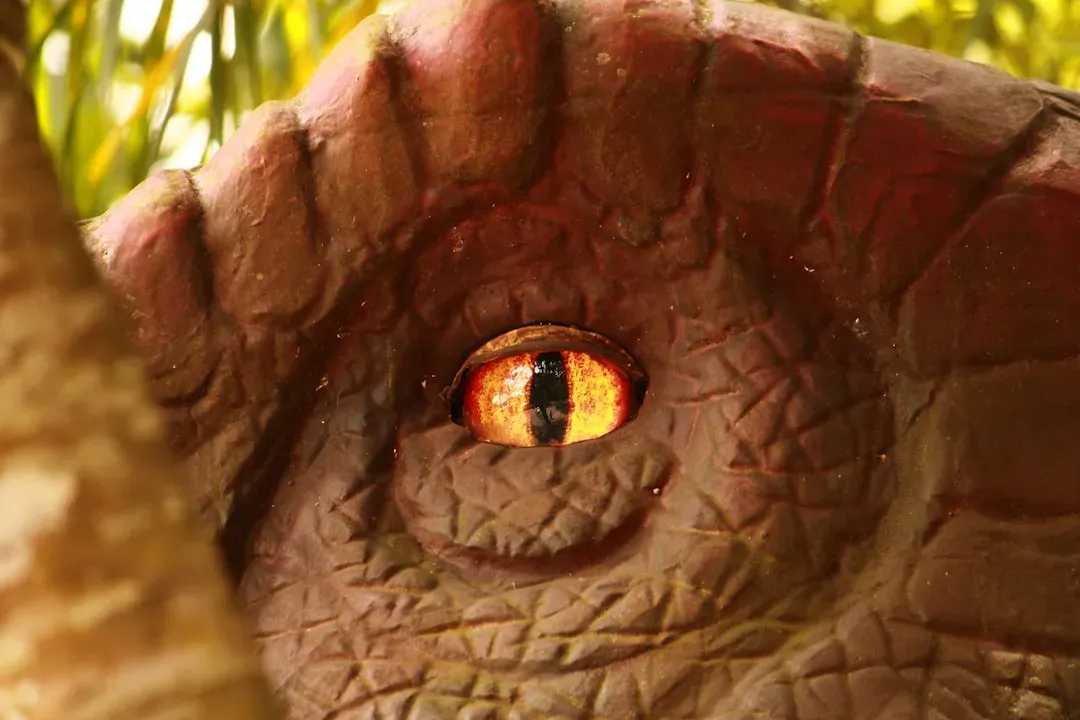
One of the most widely shared movie myths is that Tyrannosaurus rex cannot see prey that is not moving, so your best survival strategy is to freeze in terror and hope for the best. Paleontologists absolutely hate this one, because it runs opposite to what the skull and brain anatomy actually suggest. The position of the eye sockets on T. rex gives it forward‑facing, overlapping fields of view – basically, strong binocular vision, the kind associated with depth perception and precise targeting in predators.
Studies reconstructing its visual capabilities indicate that T. rex likely had sharp eyesight, possibly better than that of many modern birds of prey, along with a powerful sense of smell. The animal’s brain anatomy also suggests fairly complex sensory processing. So the idea that this massive apex predator was fooled by a statue‑still snack standing a few meters away not only strains belief, it underestimates how ruthlessly adapted it was as a hunter. If anything, standing still in front of a T. rex would probably just make you an easier target, like a deer frozen in car headlights.
3. Dinosaurs Were All Huge, Slow, Cold‑Blooded Lizards That Barely Moved
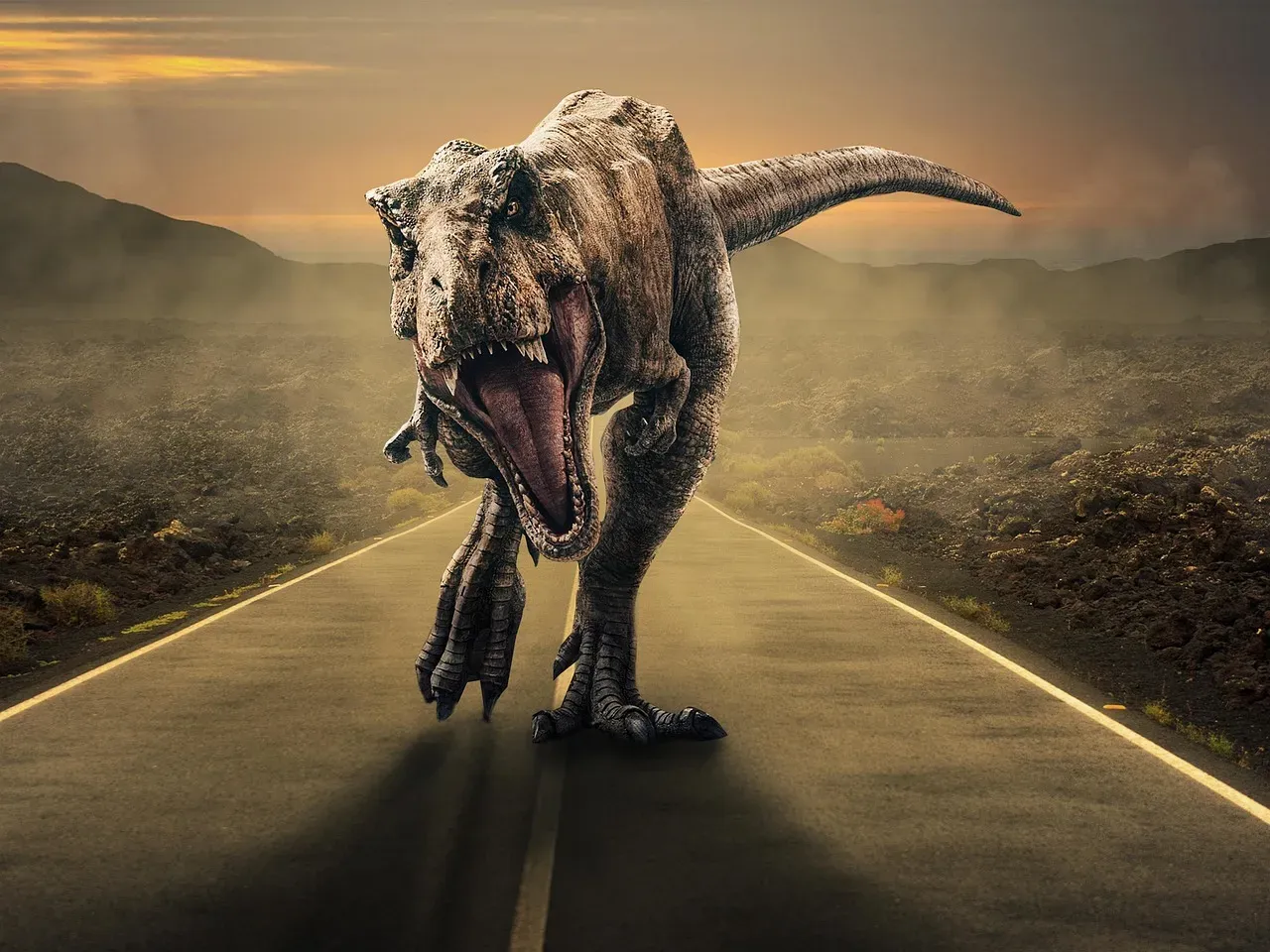
Early dinosaur movies loved to depict these animals as lumbering, tail‑dragging lizards that moved like sedated crocodiles on land. That image has stuck stubbornly in the public mind, even though the science has moved far beyond it. Evidence from bone microstructure, growth rates, and trackways points to many dinosaurs having active, high‑energy lifestyles, not slow, swamp‑bound shuffles. Some grew astonishingly fast, more like modern birds and mammals than like reptiles basking their way through life.
There is also an ongoing scientific debate about dinosaur metabolism, but the old idea of them as strictly “cold‑blooded” reptiles is clearly too simple. Many researchers now see them as occupying a metabolic middle ground – somewhere between the classic reptile and typical mammal model – or even as closer to modern birds for particular groups like theropods. Track sites preserve running and even possible herd movement, hinting at dynamic, social animals. The slow, tail‑dragging giants on screen are better thought of as a fossil from outdated textbooks than a reflection of how these animals actually moved.
4. Every Dinosaur Looked Like A Giant Naked Reptile With Zero Feathers
If movies were your only guide, you’d think every dinosaur was just a scaled‑up iguana with bigger teeth. Feathers, fuzz, or colorful coverings rarely make the cut, even though fossils have been quietly shouting a very different story for years. Numerous spectacular specimens from places like China show clear impressions of feathers and filamentous structures on a variety of dinosaur groups, especially among theropods – the same broad group that includes T. rex and modern birds. Some juvenile individuals were practically wrapped in downy coverings.
The safest way to picture many smaller predatory dinosaurs is probably closer to a bird of prey or a ground‑running bird with a tail, rather than a pure lizard. Even some plant‑eaters might have sported bristle‑like filaments or simple body coverings, adding texture and maybe even display colors. When films insist on keeping these animals completely naked and scaly, they’re not just missing a fashion detail; they are erasing one of the most exciting revelations in modern paleontology – that dinosaurs and birds are deeply, intimately connected, and that many dinosaurs were likely far fluffier and more visually striking than old depictions suggest.
5. Dinosaurs And Humans Roamed The Earth Together Like A Prehistoric Safari Park
One of the most persistent cinematic shortcuts is to just toss humans and dinosaurs into the same time period so you can have a dramatic chase scene or a heroic last‑second rescue. The problem is that, in reality, there is an enormous gulf of time between non‑avian dinosaurs and humans. The last non‑bird dinosaurs went extinct around sixty‑six million years ago, while anatomically modern humans emerged only a few hundred thousand years ago. If you compressed Earth’s history into a single day, dinosaurs would disappear long before humans even appeared in the final seconds before midnight.
We do have evidence that humans and large prehistoric animals interacted – just not dinosaurs. Early people lived alongside mammoths, saber‑toothed cats, and giant ground sloths, which is probably why creatures like dragons and monstrous reptiles show up so often in myth; people love to imagine huge beasts. But no matter how many times movies put cavemen and dinosaurs in the same scene, they never shared the same landscape in real life. The closest thing we have to living dinosaurs today are birds, which means that the pigeon on the sidewalk is more closely related to Triceratops than you are.
6. Dinosaurs Were Constant, Mindless Killing Machines Always Locked In Combat
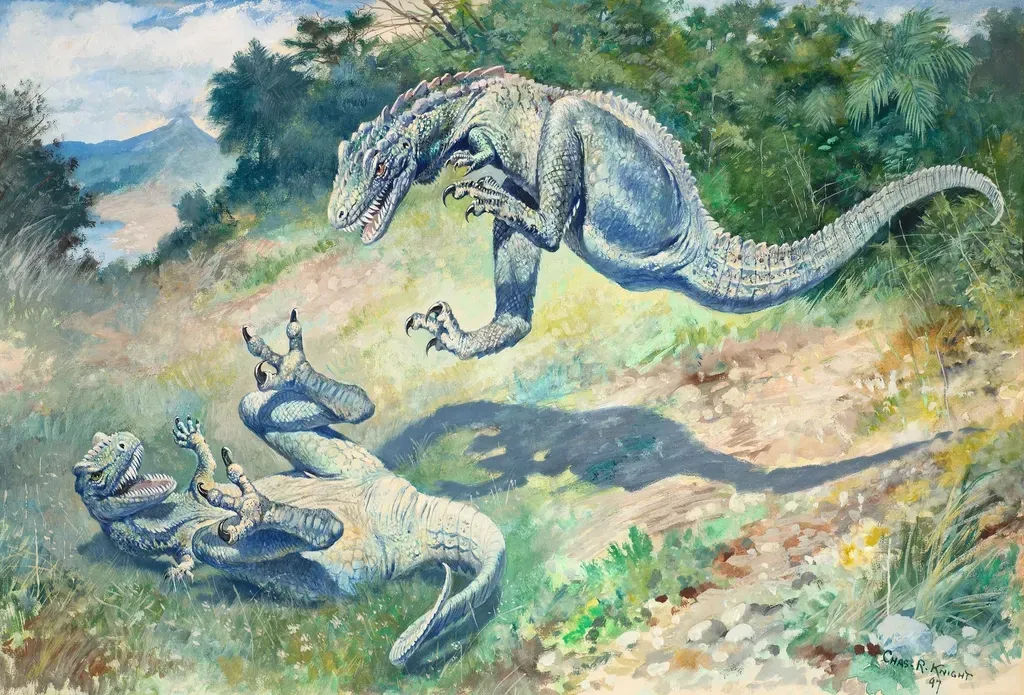
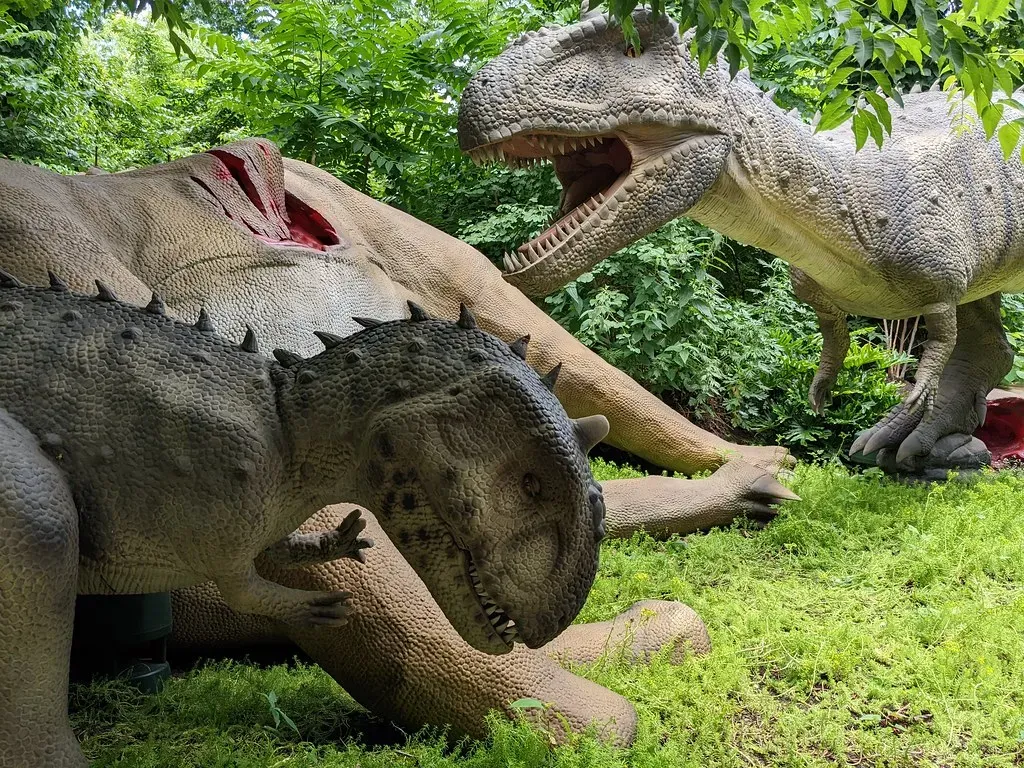
On screen, dinosaurs spend an astonishing amount of time fighting, chasing, biting, roaring, and generally trying to murder anything that moves. That may be great for action sequences, but it paints a wildly distorted picture of how real ecosystems function. Fossil evidence tells us that most dinosaurs, like most animals today, probably spent the majority of their time doing extremely uncinematic things: eating plants, resting, avoiding unnecessary risk, raising offspring, and just trying not to get injured. After all, for a large animal, a single bad wound could mean a slow death.
We do see fossils that capture moments of combat or predation – a predator locked with its prey, healed bite marks on bones, or partially digested remains inside another dinosaur – but those are snapshots, not the whole movie. Isotopic studies and wear patterns on teeth reveal specialized diets and niche partitioning, suggesting complex food webs rather than nonstop gladiator arenas. It is much more realistic to imagine long stretches of relatively quiet daily life punctuated by brief, brutal encounters, not an endless brawl. The idea that every dinosaur woke up in the morning determined to fight to the death is more monster‑movie logic than science.
7. Fossils Give Us Perfect, Instant Reconstructions (And Science Never Changes Its Mind)
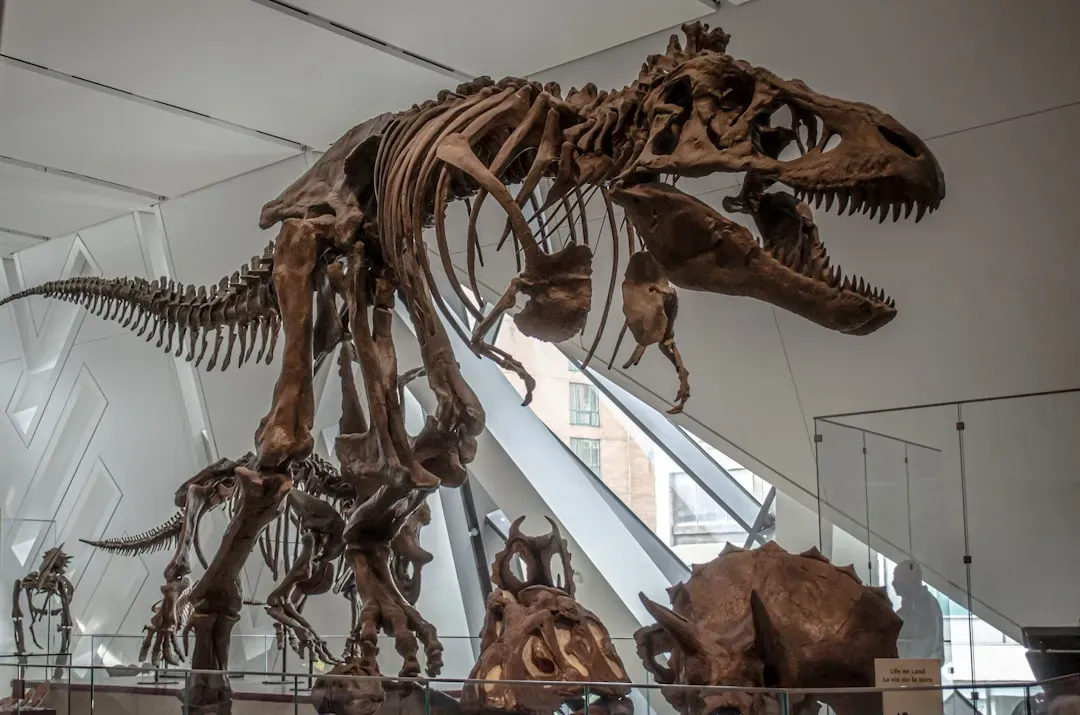
Movies love the trope of a paleontologist brushing off a fossil and immediately declaring everything about the dinosaur: its color, behavior, social structure, and even parenting style, all in one dramatic reveal. In reality, fossils are frustratingly incomplete most of the time. Paleontologists often work with partial skeletons, isolated bones, or fragments that need to be compared with dozens of other finds. Even something as basic as the correct posture of a dinosaur has been revised over time as better evidence emerges and older assumptions get challenged.
Details like skin color, exact vocalizations, or subtle behaviors are especially tricky. Sometimes chemical traces in fossils can hint at pigment types, and trackways can reveal movement patterns or group behavior, but these are careful, incremental inferences, not instant movie‑style certainties. Real science is messy, slow, and self‑correcting: new discoveries can overturn decades of artwork and museum displays. I remember the first time I saw a classic tail‑dragging dinosaur reconstruction next to a newer, more bird‑like mount and feeling almost betrayed – it was like being told your favorite childhood map of the world was upside down. But that is the beauty of it: our picture of dinosaurs keeps evolving, and clinging to outdated movie “facts” only locks us out of that adventure.
Conclusion: The Real Dinosaurs Are Stranger, Smarter, And More Fascinating Than The Myths
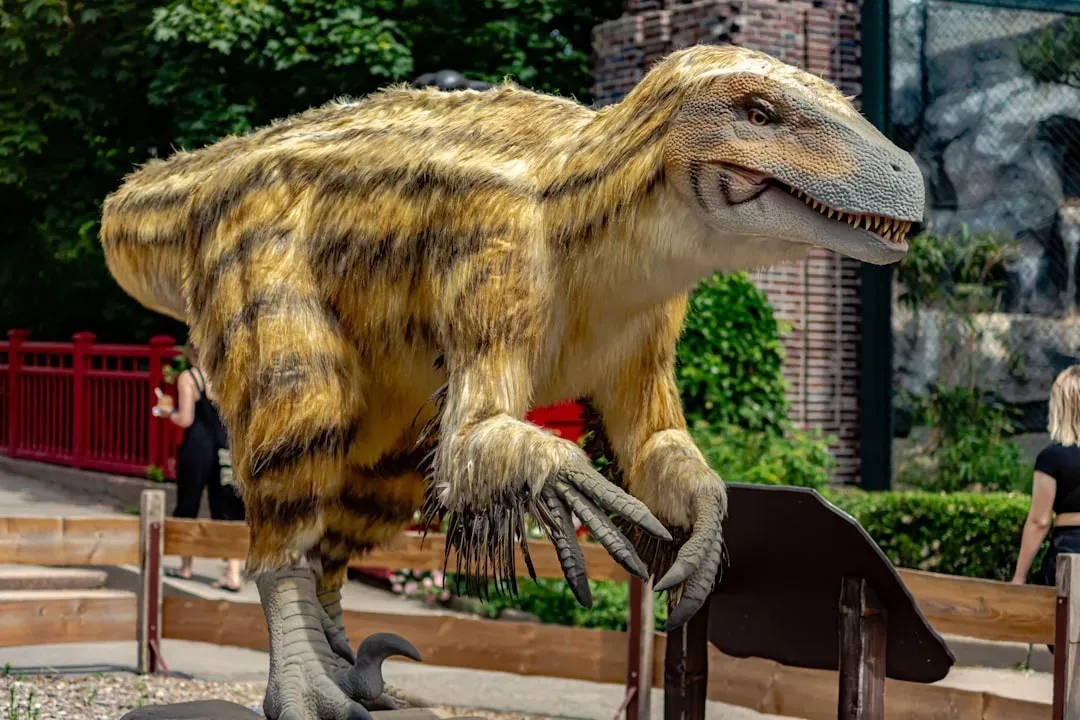
When you line up these cinematic “facts” next to what paleontologists actually know, you start to see how much we’ve been shortchanged by lazy tropes. The real dinosaurs were not just oversized movie monsters; they were dynamic, evolving creatures that filled every ecological niche on land for tens of millions of years. Many were lightweight, feathered, and fleet‑footed. Some were social, some solitary, some terrifying, others probably absurdly cute by our standards. Pretending they were all scaly brutes or unstoppable killing machines flattens one of the most astonishing chapters in Earth’s history into a single note.
Personally, I think we should hold movies to a slightly higher bar – not to kill the fun, but to tap into the wild, weird reality that science keeps uncovering. A T. rex that can see you when you stand still, a Velociraptor with feathers, dinosaurs that mostly just want to eat, grow, and raise their young – these things are not less dramatic; they are just different. And they leave room for wonder instead of repetition. So next time a film trots out the same old dinosaur clichés, maybe ask yourself: is this really the best story we can tell, when the fossils are quietly offering us something much richer?