The prehistoric world was home to creatures so bizarre they seem like they escaped from the pages of a fantasy novel. While movies often show us the same handful of dinosaurs, the fossil record reveals an astonishing parade of oddballs that challenge everything we thought we knew about these ancient giants. From vampiric bloodsuckers to plant-eating monsters with sword-length claws, these remarkable beasts prove that reality was far any Hollywood script.
Scientists have discovered over 1,000 dinosaur species, each one adding another piece to the puzzle of prehistoric life. The strange ones don’t just grab headlines because they look weird. They tell us stories about evolution’s endless creativity and the incredible diversity that once flourished on Earth. So let’s dive in and meet some of the most unusual dinosaurs that ever walked our planet.
The Scythe Lizard That Changed Everything
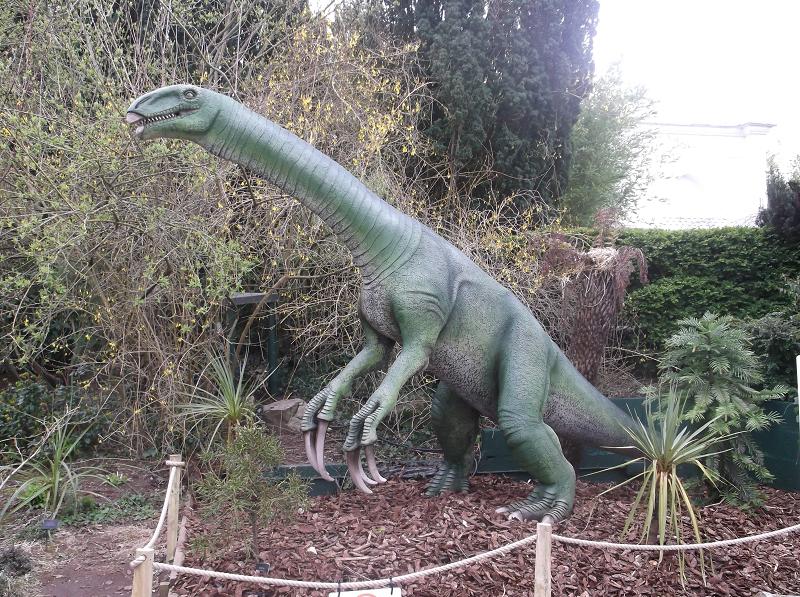
Imagine a dinosaur standing 16 feet tall with claws longer than baseball bats. Therizinosaurus possessed claws that could reach lengths of up to 3.3 feet, making them among the longest of any known animal. The name literally translates to “scythe lizard,” which seems perfectly fitting for such a fearsome-looking creature.
Here’s where things get really strange: Therizinosaurus was a herbivore that almost exclusively ate plant material, with experts believing it was a browser with a diet mostly consisting of twigs and leaves. This massive theropod, weighing up to 5 tons, used those terrifying claws not to slash prey but to pull down branches and strip foliage. It’s like discovering that Wolverine was actually a vegetarian who used his adamantium claws to make salads.
The Buck-Toothed Terror That Rewrote History
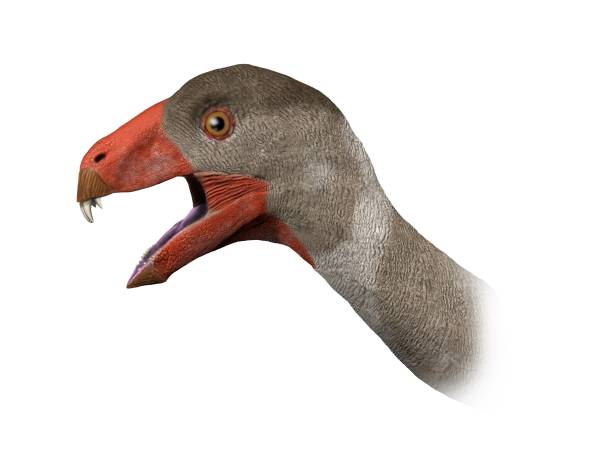
Incisivosaurus was possibly one of the most absurd creatures to ever walk the Earth, a buck-toothed dinosaur that lived 128 million years ago. Picture a bird-like creature about the size of a turkey, but with prominent front teeth that would make a beaver jealous. Scientists nicknamed it the “Bunnysaurus” because of those ridiculous rabbit-like chompers.
This strange physiology helped reveal major secrets about another type of dinosaur, the Oviraptor, disproving the theory that Oviraptors came from birds by showing that Incisivosaurus had actually been an early ancestor. Sometimes the weirdest discoveries lead to the biggest breakthroughs in our understanding of prehistoric life.
The Vampire Dinosaur No One Expected
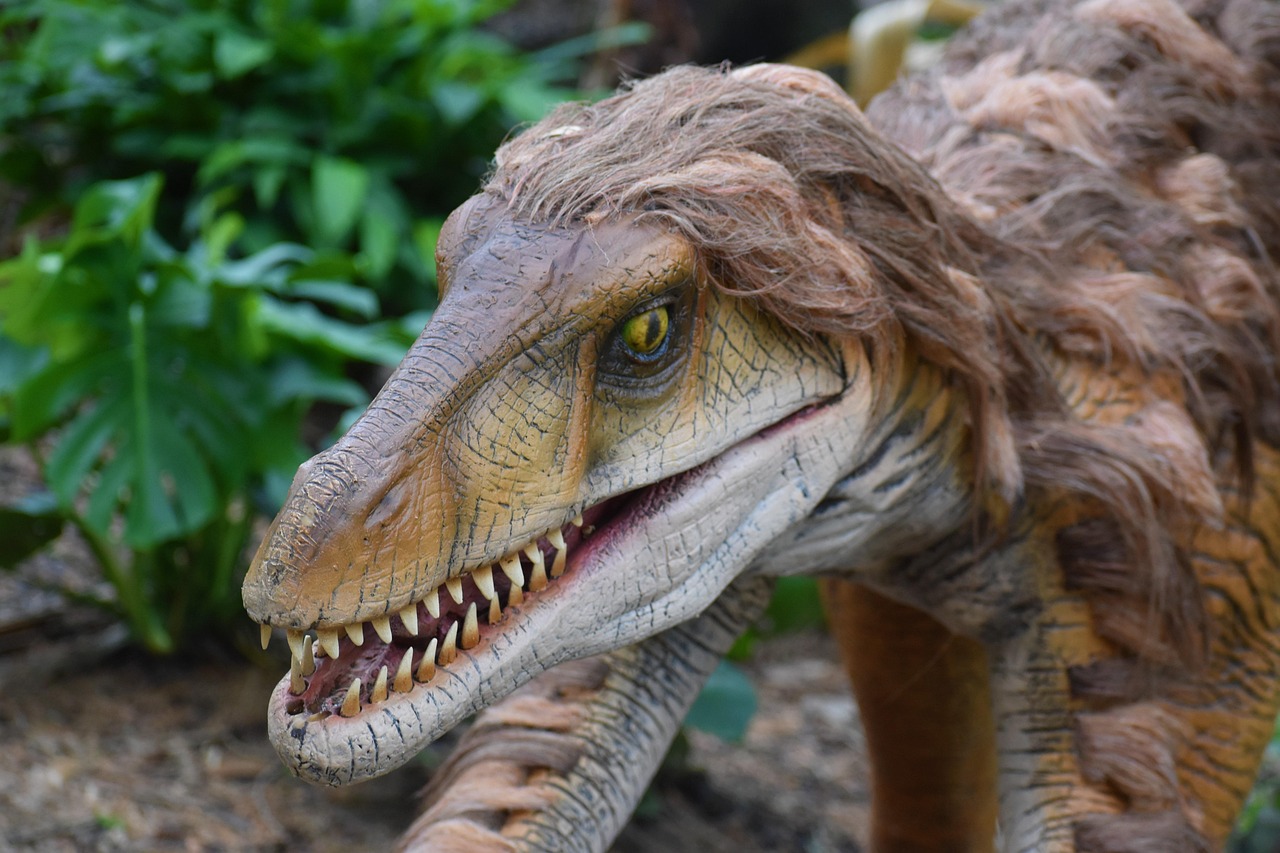
If you thought all dinosaurs were either massive plant-eaters or fearsome predators, meet the exception that proves the rule. This vampire dinosaur preyed on the blood of other dinosaurs, small enough to go undetected on another dinosaur’s underbelly. Think of it as nature’s version of a prehistoric mosquito, but with legs and an attitude problem.
This tiny bloodsucker completely changed how scientists think about dinosaur ecosystems. While giant predators battled it out in epic confrontations, these sneaky little creatures were playing a completely different game. They proved that survival in the Mesozoic era required more than just size and strength – sometimes stealth and a good hiding spot were all you needed.
The Punk Rock Dinosaur With a Mohawk
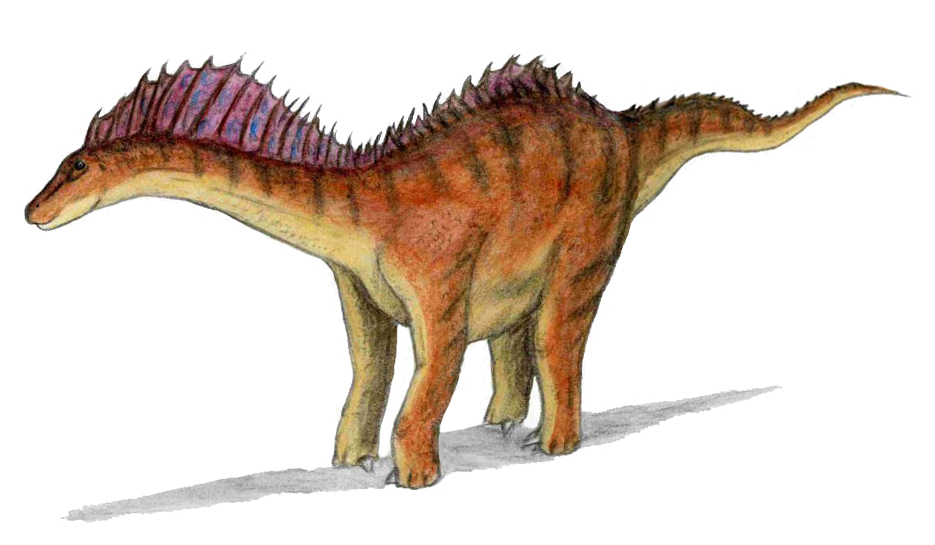
Amargasaurus was the punk rock dinosaur, complete with what looked like a Mohawk made of two rows of spines that grew out of its neck, back and tail. Discovered in Argentina in 1991, this sauropod was smaller than its famous relatives like Brachiosaurus, maxing out at around 30 feet long.
What made this dinosaur truly special wasn’t just its rebellious appearance. Those distinctive spines likely served multiple purposes, possibly for display during mating rituals, temperature regulation, or even as a defensive mechanism. It’s remarkable that despite being discovered decades ago it hasn’t been featured in a movie, because this spiky rebel deserves its moment in the spotlight.
The Four-Winged Flying Puzzle
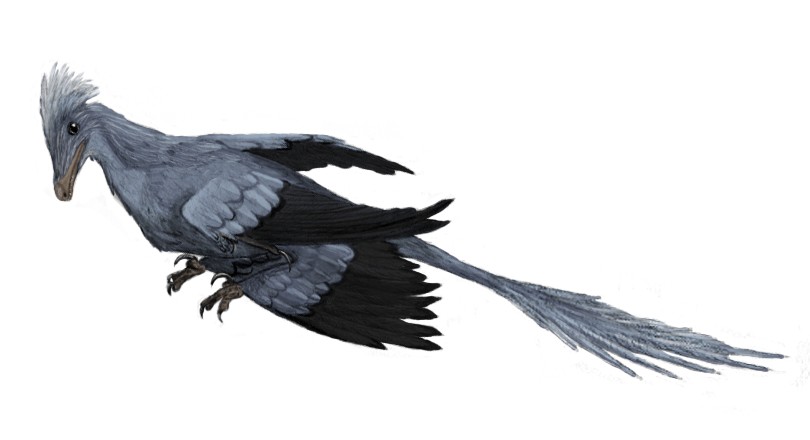
Microraptor Gui sparked debates among scientists about whether dinosaurs evolved into birds, as this small creature had four separate wings for flying, leading some scientists to argue that the theory of dinosaurs growing wings over time might be false since there’s no evidence of a four-winged bird ever existing. This crow-sized dinosaur from China turned everything scientists thought they knew about flight upside down.
The discovery of Microraptor was like finding a missing link that nobody expected to exist. Its four wings created a completely different approach to flight than anything we see in modern birds. Some scientists think it glided from tree to tree like a flying squirrel, while others believe it was capable of powered flight. Either way, it proves that evolution tried out some pretty wild experiments before settling on the two-winged design we see today.
The One-Fingered Wonder
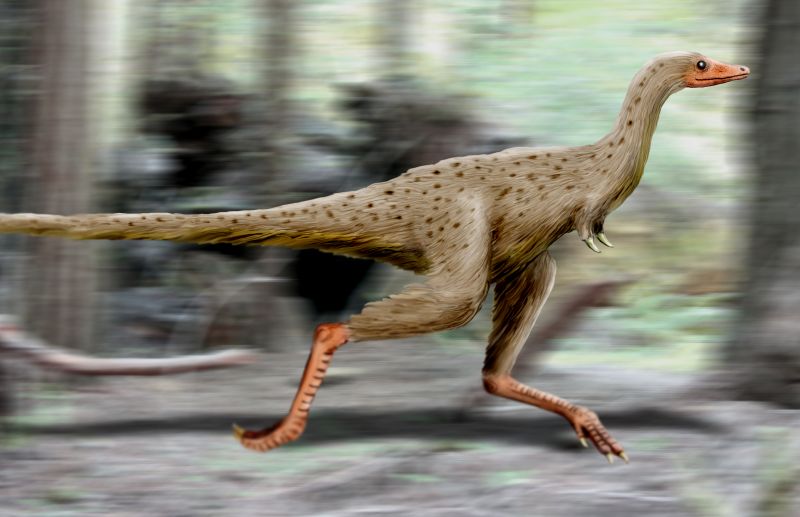
Linhenykus didn’t have any sort of hand on its little nubby arms, just one finger with a stubby claw, with only a tiny bone next to the first claw that wasn’t big enough to be a finger on its own. This tiny dinosaur was so small that a fully grown adult could stand in the palm of your hand, yet it somehow managed to survive in a world full of giants.
While Tyrannosaurus rex gets all the attention for having tiny arms, Linhenykus took the concept to an entirely new level. Scientists are still puzzled about what this single claw was used for – possibly digging for insects, but the mystery remains unsolved. Sometimes the smallest dinosaurs leave the biggest questions for paleontologists to ponder.
The Vacuum Cleaner Dinosaur
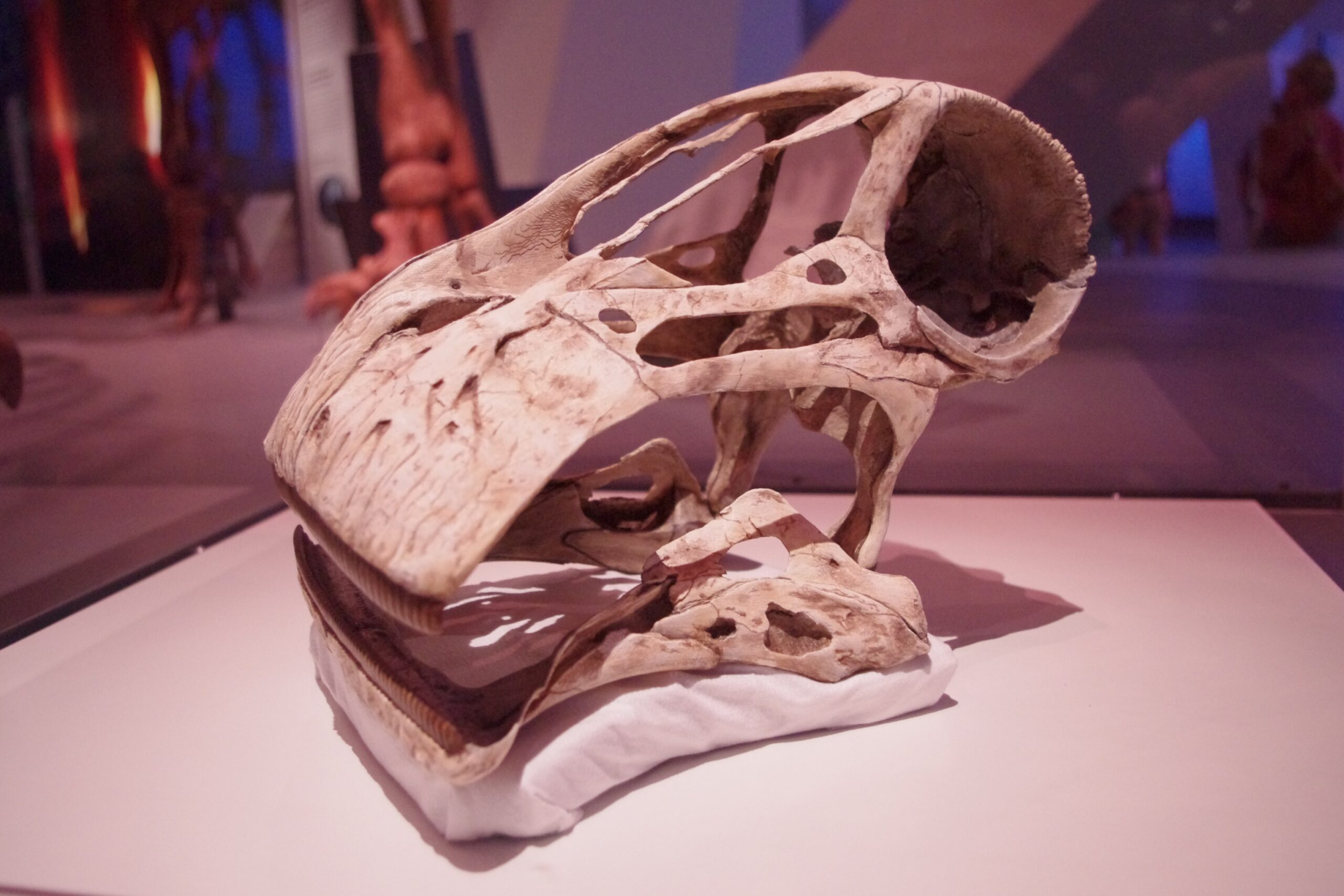
This unusually small sauropod had a unique head and jaw shape not seen in any other animal, with all its 500 teeth located at the end of its jaw at the front of the mouth, making its head look like the attachment to a vacuum cleaner. Nigersaurus was nature’s answer to efficient lawn mowing, perfectly designed to crop low-growing plants.
Each mature tooth had nine replacement teeth stacked up behind it ready to take over when it wore down, making this dinosaur a tooth-replacing machine. It replaced its teeth roughly every 14 days, making it one of the fastest tooth-shedders among dinosaurs. With such rapid dental turnover, Nigersaurus was literally built for continuous eating – the ultimate prehistoric grazing machine.
Conclusion
These seven dinosaurs remind us that the prehistoric world was filled with creatures so strange they challenge our imagination. From giant vegetarians with sword-like claws to tiny vampires lurking beneath other dinosaurs, each species found its own unique way to survive in Earth’s ancient ecosystems. They prove that evolution doesn’t follow a playbook – it experiments, adapts, and sometimes creates something completely unexpected.
The next time someone tells you they know all about dinosaurs, remind them that we’ve only scratched the surface of prehistoric diversity. Every new fossil discovery has the potential to reveal another creature , waiting millions of years to surprise us all over again. What other bizarre beasts are still buried out there, ready to rewrite the story of life on Earth?