Every once in a while, a fossil doesn’t just add a new name to the dinosaur family tree – it blows a hole straight through what we thought we knew about life on Earth. These are the fossils that make scientists rewrite textbooks, redraw family trees, and, honestly, sit back and say: “Wait… what?” Dinosaurs are more than movie monsters or museum centerpieces; they’re clues in a planet‑wide detective story, and some of them have completely changed the rules of the game.
What follows isn’t just a list of crowd‑pleasers. These seven dinosaurs forced paleontologists to rethink evolution, behavior, feathers, movement, and even what a dinosaur actually is. Some of them are celebrity fossils, others are quiet revolutionaries, but each one shook the field in ways that still echo today. If you think dinosaurs are “settled science,” these game‑changers might surprise you.
1. Archaeopteryx: The Feathered Rebel That Blurred the Line
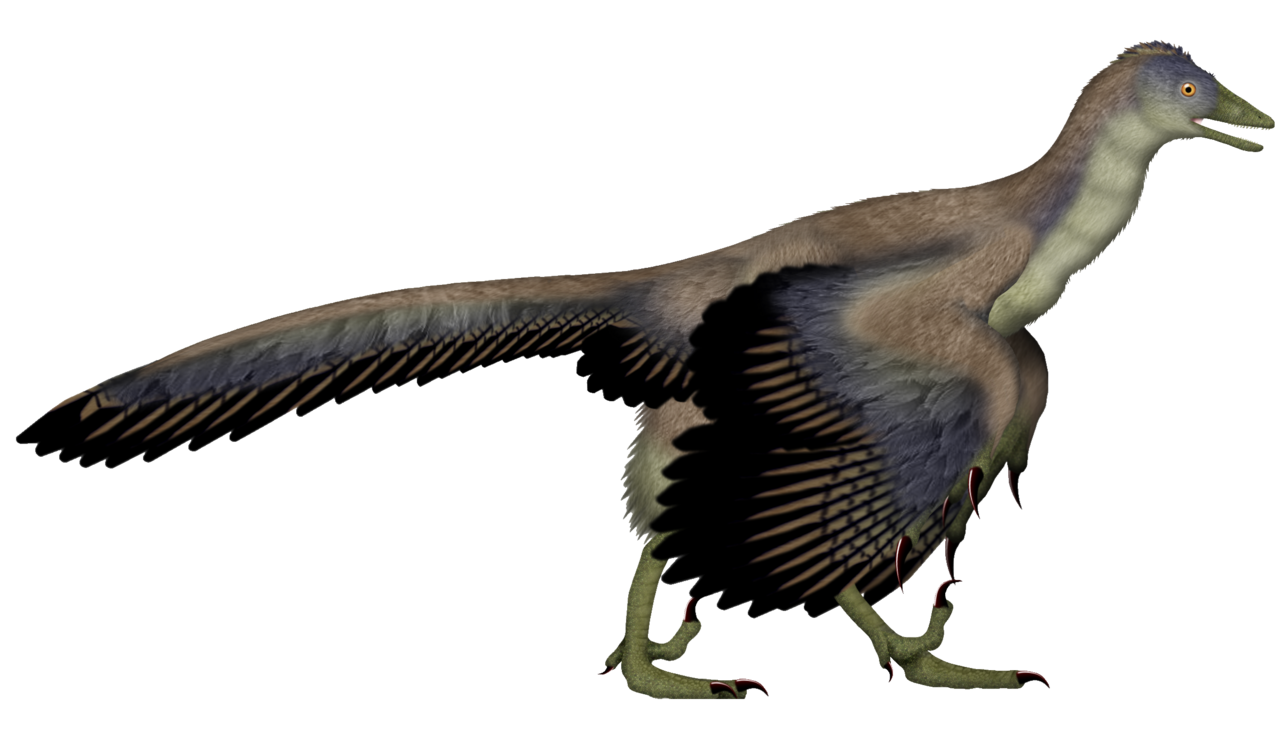
Imagine being a scientist in the eighteen‑hundreds and seeing the fossil of a dinosaur with full, detailed feathers pressed into stone. Archaeopteryx did exactly that: it crashed into the middle of a heated debate about evolution and handed powerful support to the idea that birds descended from reptiles. With its mix of traits – teeth, a long bony tail, and clawed hands alongside modern‑looking flight feathers – it became the textbook definition of a “missing link” between non‑avian dinosaurs and birds.
For paleontology, Archaeopteryx did more than just look cool; it forced experts to accept that dinosaurs were not all scaly, lumbering beasts. It pushed the field toward viewing evolution as a branching, messy process rather than a neat ladder. Even today, with many feathered dinosaurs now known, Archaeopteryx still sits at the emotional center of the dinosaur‑bird story: a reminder that a single fossil slab from a German quarry can overturn generations of assumptions and make the world see dinosaurs in an entirely new light.
2. Deinonychus: The Raptor That Killed the Slow, Sluggish Dinosaur
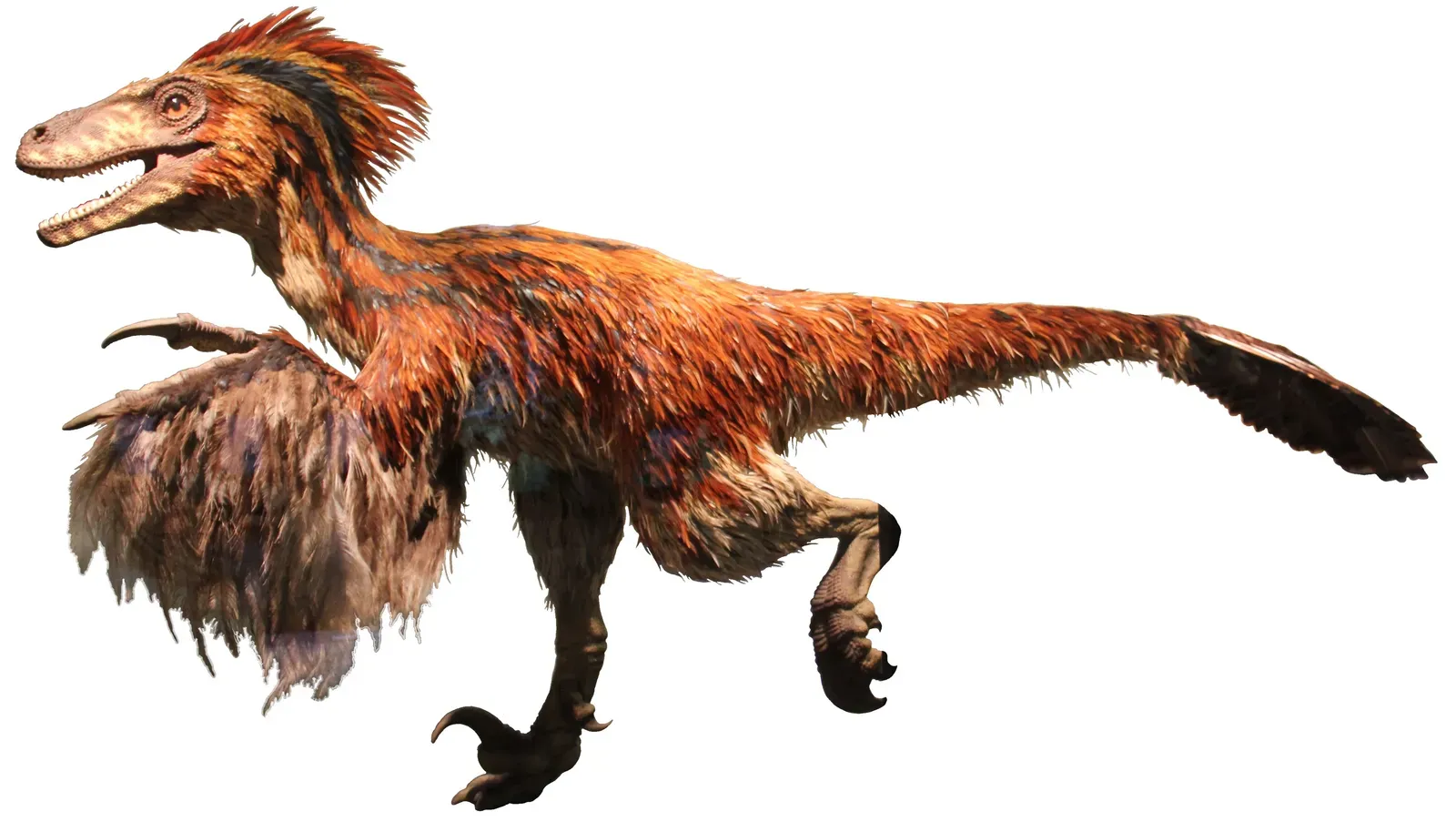
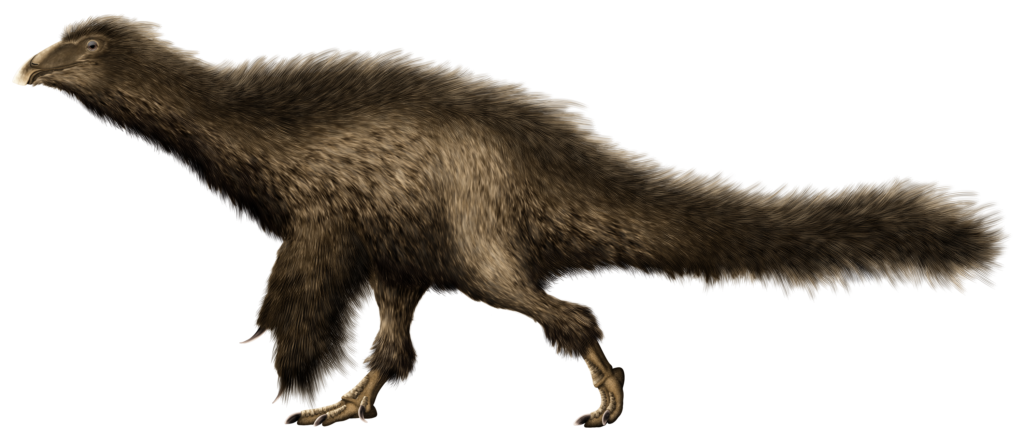
Before Deinonychus, dinosaurs were painted as giant, overweight reptiles that dragged their tails and barely moved faster than a modern rhino on a hot day. Then along came this medium‑sized predator with a razor‑sharp sickle claw, long limbs, a stiff tail for balance, and a skeleton screaming “speed and agility.” When scientists studied its bones in detail, they realized this animal was built for active hunting, not lazy scavenging. That single shift in interpretation was like flipping a light switch.
Deinonychus didn’t just change how one animal was viewed; it ignited what people call the “dinosaur renaissance.” Suddenly dinosaurs were reimagined as warm‑blooded (or at least more active), social, fast, and smart compared to earlier portrayals. It inspired new questions about metabolism, growth rates, and even parenting behavior. If one dinosaur could be this dynamic, what else had paleontologists been underestimating? In many ways, modern dinosaur pop culture – from sleek raptors to high‑energy herds – traces back to the shockwave unleashed by Deinonychus.
3. Maiasaura: The “Good Mother Lizard” That Proved Dinosaurs Raised Families
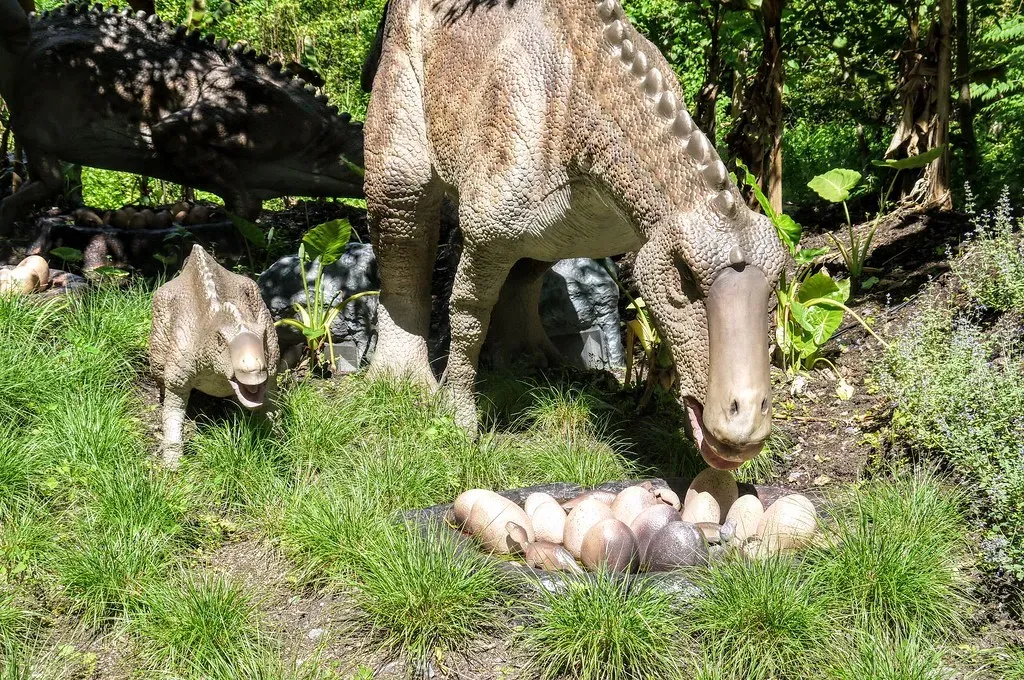
For a long time, the stereotype was simple: dinosaurs laid eggs, walked away, and left tiny hatchlings to fend for themselves. The discovery of Maiasaura nesting grounds blew a hole in that story. Scientists uncovered large colonies of nests with eggs, hatchlings, and juveniles of different sizes, all clustered together. Evidence from bones and nest structure suggested that the young stayed in the nest for a while, were fed, and grew rapidly under the care of adults.
This was a powerful turning point because it pushed paleontologists to take dinosaur behavior seriously, not just anatomy. Maiasaura suggested that at least some dinosaurs were social animals with complex nesting strategies and parental care, more like modern birds and mammals than cold, indifferent reptiles. Suddenly questions about dinosaur herds, migration, communication, and social bonds were on the table. In one stroke, dinosaurs went from isolated monsters to possible community builders – and that emotional shift really changed how people connected with them.
4. Sinosauropteryx: The Scruffy Little Dino That Made Feathers Mainstream
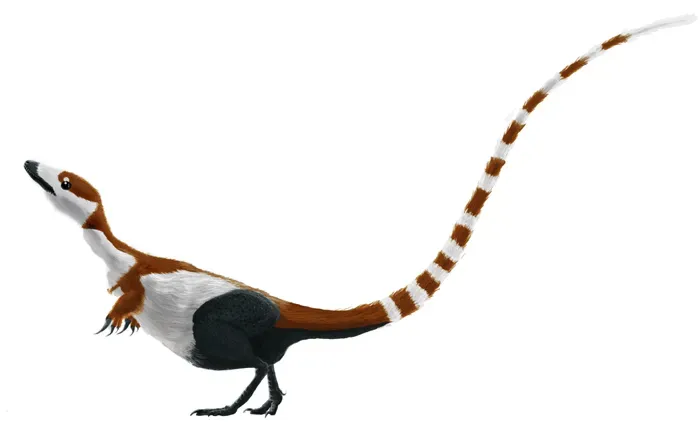
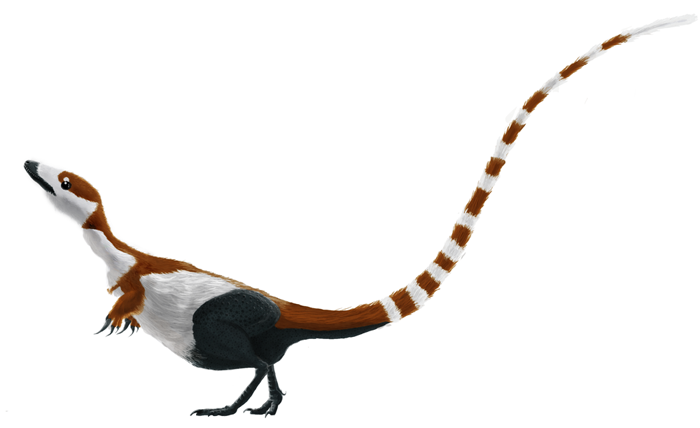
If Archaeopteryx was the dramatic proof feathers could exist on dinosaur‑age creatures, Sinosauropteryx was the everyday confirmation that feather‑like coverings might have been common. This small, early theropod from China turned up with a halo of filamentous structures along its back and tail – simple, fuzzy feathers rather than elegant flight plumes. That detail might sound minor, but it hit paleontology like a shockwave: feathers were not a weird, one‑off bird thing. They were showing up in non‑avian dinosaurs.
What made Sinosauropteryx truly revolutionary was that it was not closely nested within birds; it was a more primitive predator, meaning feathers (or proto‑feathers) probably evolved earlier and for reasons other than flight, such as insulation or display. Later studies even hinted at color patterns in its tail. That kind of evidence pushed the field to rethink dinosaur skin, thermoregulation, and how often feathers might have evolved. The old vision of dinosaurs as uniformly scaly vanished almost overnight, replaced with a more varied, and frankly cooler, mix of fuzz, filaments, and scales.
5. Diplodocus: The Long‑Necked Giant That Redefined Dinosaur Bodies
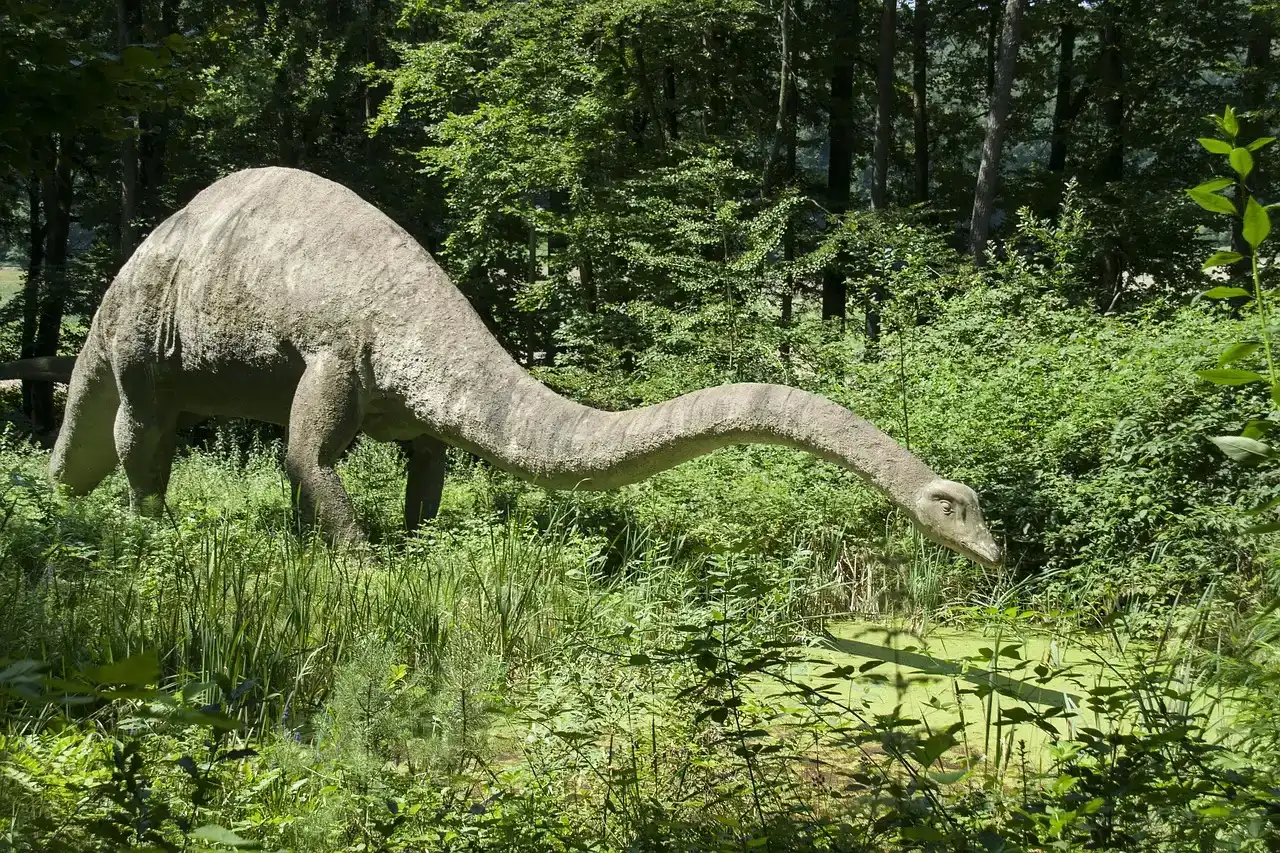
At first glance, Diplodocus looks like the classic “cartoon dinosaur” – long neck, massive tail, four pillar‑like legs. But when its skeleton was carefully reconstructed in the late nineteenth and early twentieth centuries, scientists realized this animal was longer, lighter‑built, and more graceful than they expected. Its neck and tail were made of intricate, lightweight vertebrae, and its limbs suggested a surprisingly efficient, almost columnar support system instead of a clumsy sprawl. That forced researchers to confront how such gigantic bodies could function in real life.
Diplodocus became central to debates about sauropod posture: Did it hold its neck high like a giraffe, or sweep it horizontally like a living crane? Could it rear up on its hind legs? How did it pump blood to such heights? These questions pushed biomechanics, computer modeling, and anatomical studies forward. The dinosaur also influenced how museums present fossils: iconic mounts of Diplodocus in major institutions shaped public expectations of what a dinosaur skeleton should look like. In a way, it became the architectural blueprint for imagining truly colossal life.
Even today, arguments continue over how Diplodocus moved and how fast it could walk, but that’s exactly why it matters so much. It highlighted that size alone is not just a number; it is a scientific problem involving physics, biology, and design. For me, this is where dinosaurs stop being monsters and start becoming engineering challenges that nature somehow solved.
6. Triceratops: The Horned Titan That Turned Dinosaur Faces into Battlefields
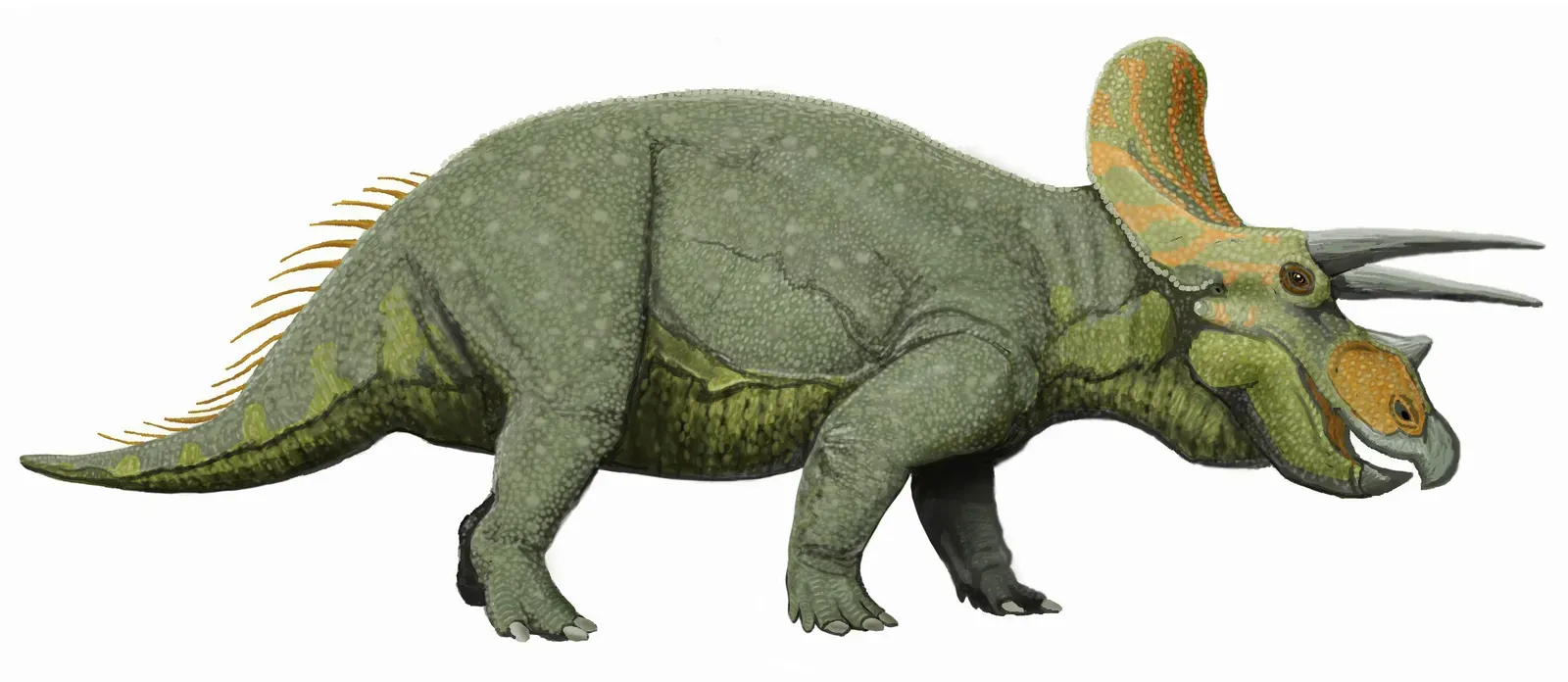
Triceratops might feel almost too familiar – three horns, big frill, classic “charges the predator” scene playing in your head. But scientifically, it has been a powerhouse for understanding dinosaur growth, behavior, and even species definitions. Its massive skull, one of the largest of any land animal, gave researchers a laboratory of bone texture, growth lines, and injury patterns. Studies of these skulls have suggested everything from horn‑locking combat between individuals to visual display and species recognition, turning the face into a story of social life and conflict.
Triceratops also became a flashpoint in debates over how to define dinosaur species and how much individuals change as they grow. Some scientists argued that certain related horned dinosaurs might actually be younger or older growth stages of the same animal rather than separate species. That idea, whether you agree with it or not, pushed paleontology to be more cautious about naming every slightly different skull a new species. Triceratops, in that sense, is more than the favorite of kids with toy collections; it is a test case in how careful, or bold, scientists should be when they carve up the dinosaur family tree.
7. Tyrannosaurus rex: The Apex Predator That Became a Scientific Obsession
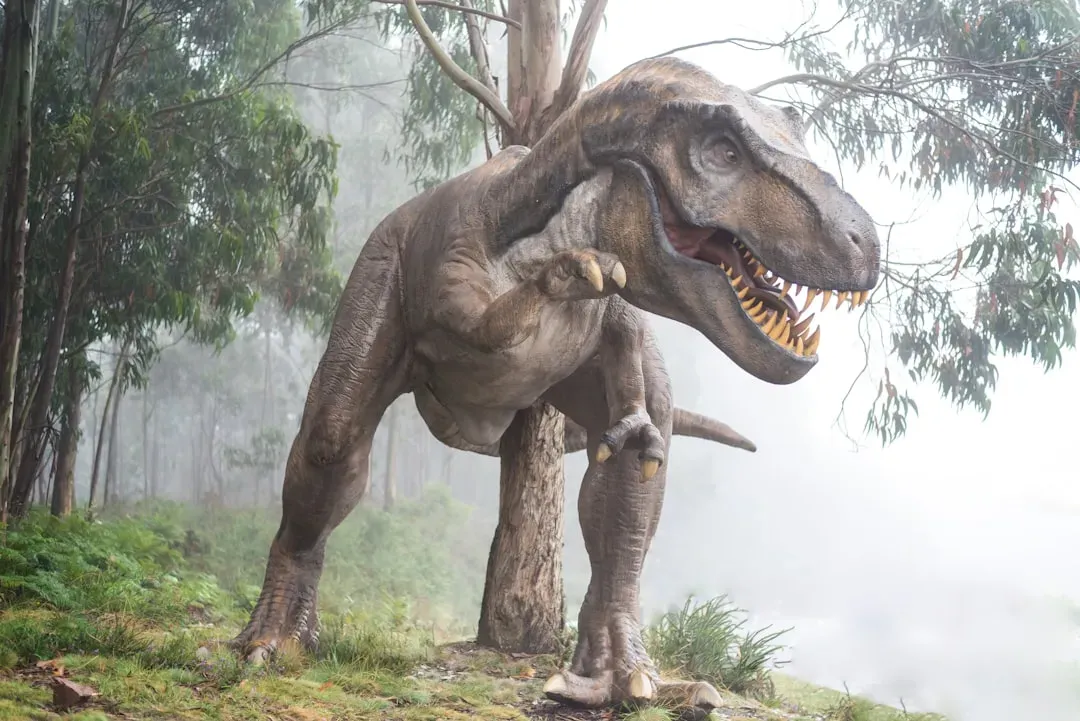
Tyrannosaurus rex is so famous that it risks feeling overhyped, but the truth is it really did change paleontology. Early on, it set a new standard for what a giant predator could be, smashing previous size records and redefining the top of the food chain in the Late Cretaceous. As more complete skeletons were found, T. rex became a cornerstone for studies of bite force, locomotion, growth rates, brain size, and sensory abilities. It went from a scary movie monster to one of the most intensely analyzed animals in the fossil record.
What makes T. rex especially influential is not just its raw power, but how it turned paleontology into a data‑rich, high‑tech science. Researchers have used everything from CT scans to chemical analyses of bone to understand how fast it grew, how it healed from injuries, and how it might have used its senses. Debates over whether it was a pure hunter, a scavenger, or a flexible opportunist pushed people to apply modern ecological thinking to fossils. Personally, I think the obsession with T. rex has been healthy for the field: when thousands of eyes focus on one animal, methods get sharper, models get better, and the entire science levels up.
Conclusion: The Fossils That Refuse to Sit Quietly in Stone
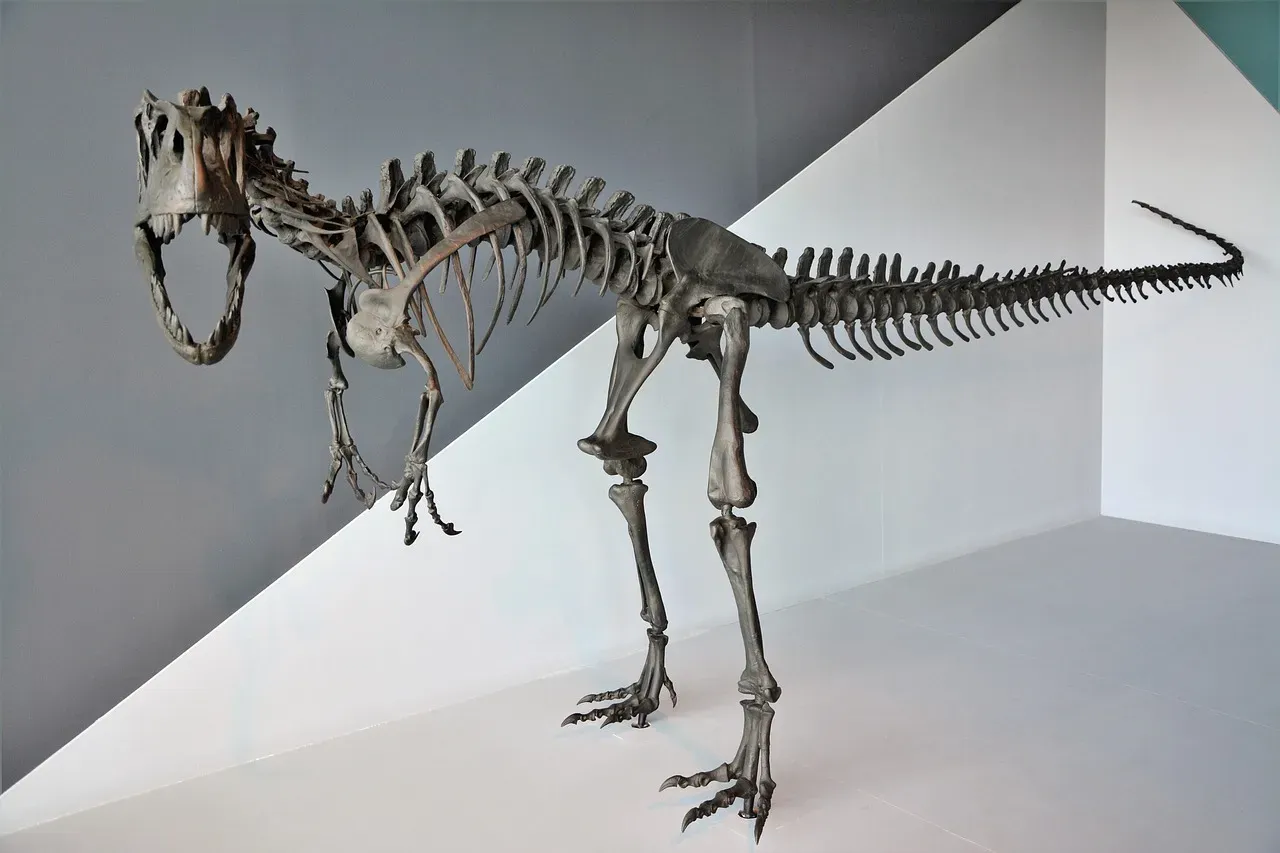
When you look across these seven dinosaurs – a feathered bridge like Archaeopteryx, a furious little predator like Deinonychus, a nurturing parent like Maiasaura, fuzzy pioneers like Sinosauropteryx, engineering puzzles like Diplodocus, social gladiators like Triceratops, and data magnets like T. rex – a pattern emerges. The dinosaurs that really change paleontology are not always the biggest or the flashiest; they are the ones that make our old stories feel too small. Each of these animals forced scientists to admit, sometimes reluctantly, that the past was more complex, more dynamic, and frankly more weird than they had assumed.
In my view, that is the real magic of dinosaur science: the most important fossils are the ones that annoy us out of our comfort zones. They make us redraw diagrams, teach new generations differently, and accept that our current picture is still just a draft. Somewhere out there, in a rock face or a farmer’s field, another skeleton is waiting to knock down today’s “settled facts” just as these seven did. When that happens – and it will – which of our favorite ideas about dinosaurs do you think will be the next to fall?