If you could step quietly into a Late Jurassic forest, you wouldn’t just see dinosaurs, you’d hear a world of sound and signal you can only guess at today. No one was there with a microphone, yet the rocks, bones, and even fossilized footsteps whisper clues about how these animals talked, warned, flirted, and coordinated with each other. When you start to look at dinosaurs not as monsters but as social, problem‑solving animals, the question of how they communicated becomes a lot more vivid and a lot more personal.
What makes this topic so fascinating is that you’re standing on the edge of science and imagination, but you’re not allowed to jump into fantasy. You have to stick with what the evidence can reasonably support, and that’s where things get really interesting. You can compare dinosaurs with birds and crocodiles, analyze strange bone crests and tail clubs, and even read behavior from trackways frozen in stone. As you walk through these seven big ideas, you’ll see that dinosaur communication was probably not one simple thing, but a whole toolkit of sounds, colors, movements, and maybe even low rumbles you’d feel more than hear.
1. Deep, Resonant Calls You Might Feel In Your Chest
You’ve probably heard a crocodile growl or a large bird boom in a wildlife documentary, that low sound you feel in your ribs more than in your ears. Many paleontologists think some of the bigger dinosaurs, especially the giant sauropods and duck‑billed hadrosaurs, may have relied on similar deep calls. Their enormous body size and long airways could have supported low‑frequency sounds that traveled far across open plains or dense forests, letting herd members stay in touch over long distances.
You can picture yourself standing in a Cretaceous floodplain with visibility blocked by ferns and conifers, but then a distant, rolling rumble lets a whole herd keep track of each other. Modern elephants use infrasound like this, and birds such as cassowaries and bitterns produce surprisingly deep booms, so you already see living examples of what might have been possible. You do have to be cautious, because you don’t have fossilized vocal cords, but the physics of big bodies and long resonating passages backs up the idea that some dinosaurs “spoke” in bass notes you’d feel under your feet.
2. Strange Head Crests as Built‑In Sound Systems
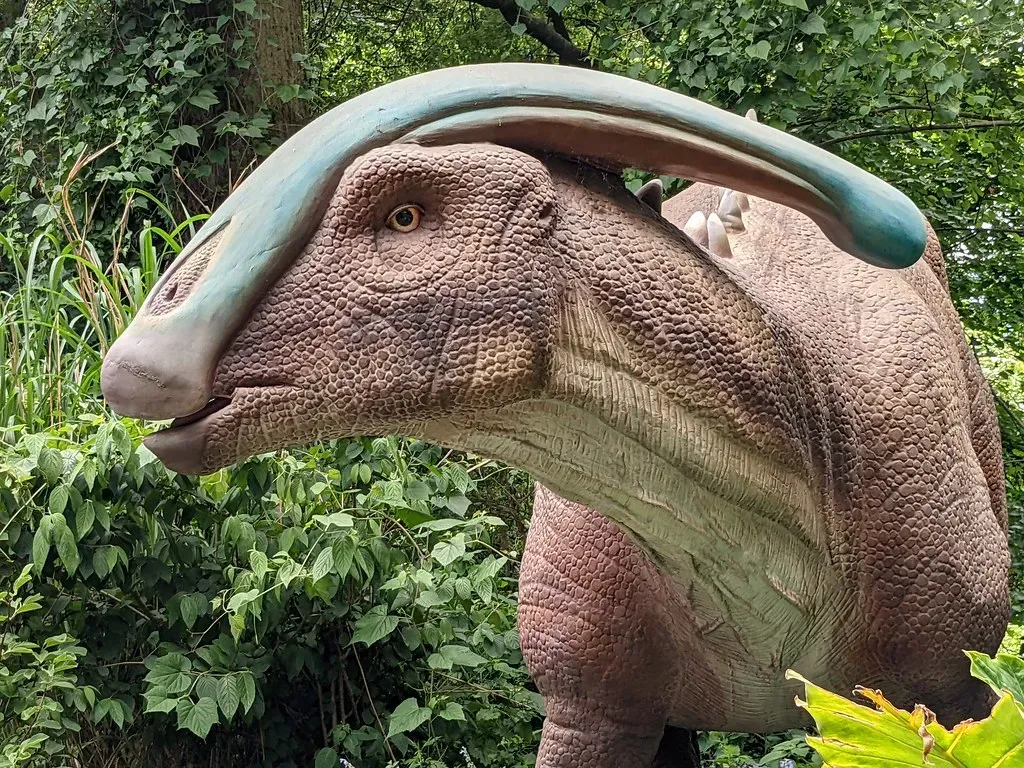
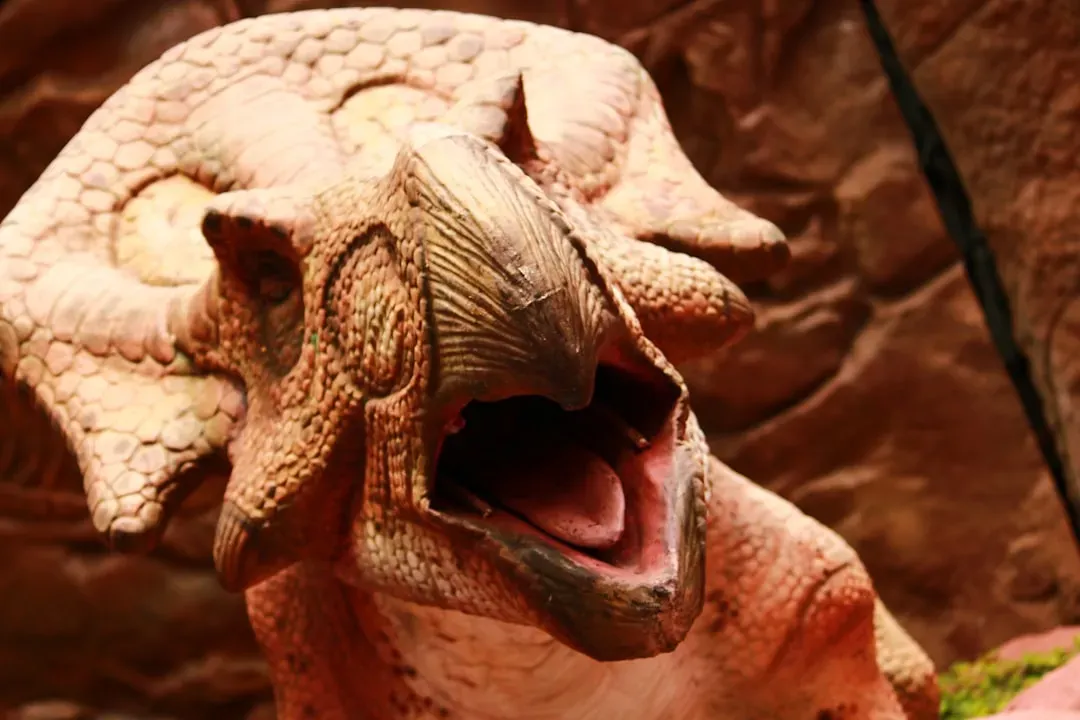
When you look at duck‑billed dinosaurs like Parasaurolophus, those long, hollow head crests practically beg you to ask what they were for. One leading theory is that you’re looking at a natural musical instrument: a resonating tube that could shape and amplify sound. CT scans of the crest interiors show complex, looping airways that resemble organ pipes more than simple nose passages, suggesting these animals might have produced distinctive honks, cries, or booms unique to each species or even sex.
You can think of it a bit like a wind instrument strapped permanently to your face, turning a simple call into something rich and far‑carrying. If you were a hadrosaur in a mixed landscape crowded with other dinosaurs, having a clear, recognizable acoustic signature would be a big advantage for finding your own kind, defending territory, or advertising yourself to mates. Not every crest has a fully agreed‑upon function, and some may have also been for display, but the combination of hollow structure, air flow, and parallels with modern animals makes the acoustic‑crest idea one of the most intriguing communication theories you can explore.
3. Colorful Feathers and Skin Patterns as Visual Messages
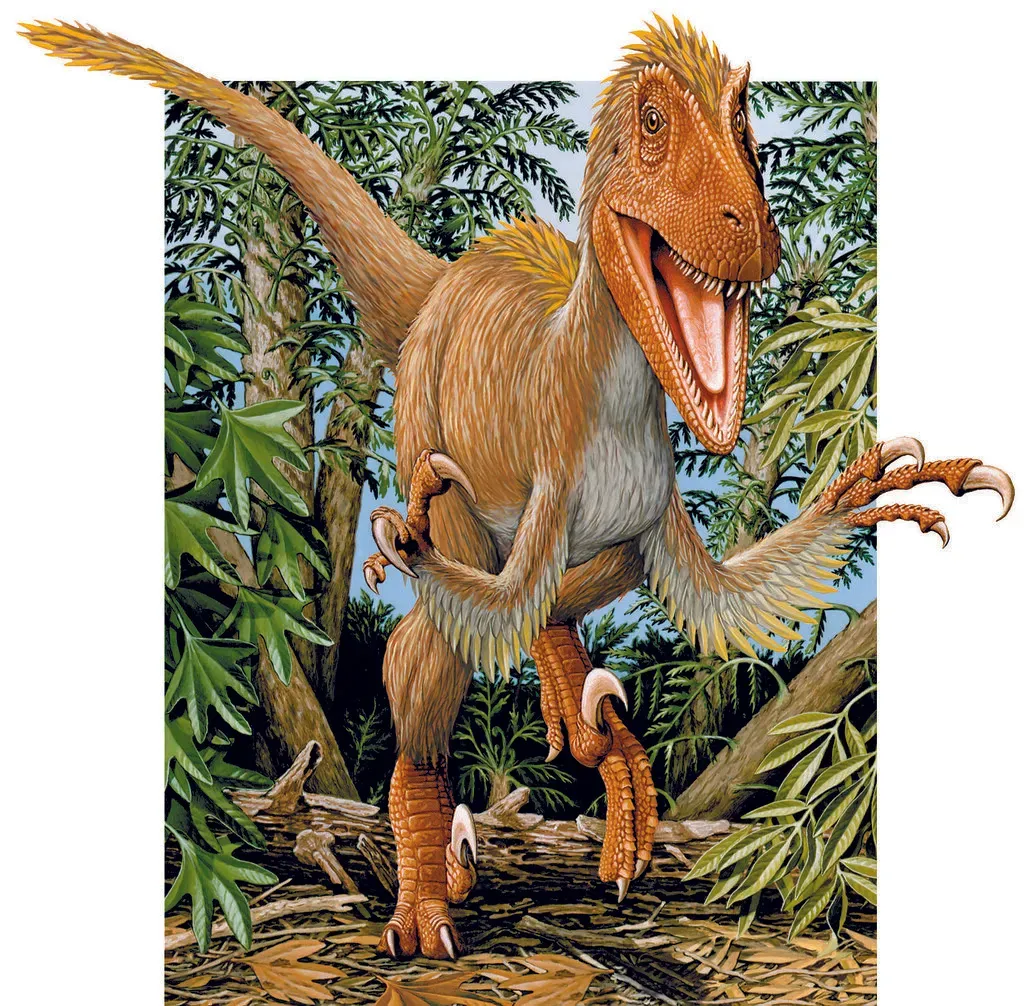
It can be tempting to imagine dinosaurs in plain, muddy colors, but fossils of feathered species and pigment traces have already started to change that picture. You now know that some small theropods had complex feather coverings, and in a few rare cases, scientists have reconstructed broad color patterns, like dark backs and lighter undersides or banded tails. If you look at living birds and reptiles, you see that color is one of the most powerful communication tools for signaling health, maturity, mood, and species identity.
Now imagine you’re a feathered dinosaur in a forest edge: a bright crest, a patterned tail, or contrasting stripes could say a lot without a single sound. Visual signals would be especially useful in daylight and in closer‑range interactions, such as courtship displays, threat postures, or group coordination during hunting. Even dinosaurs without feathers could have used patterning on their scales, much as modern lizards and crocodiles do, to send quick visual messages. You can’t see the full color palette from fossils alone, but the evidence you do have strongly hints that dinosaur communication was not just loud, it was also visually dramatic.
4. Body Language: Postures, Gestures, and Tail Talk
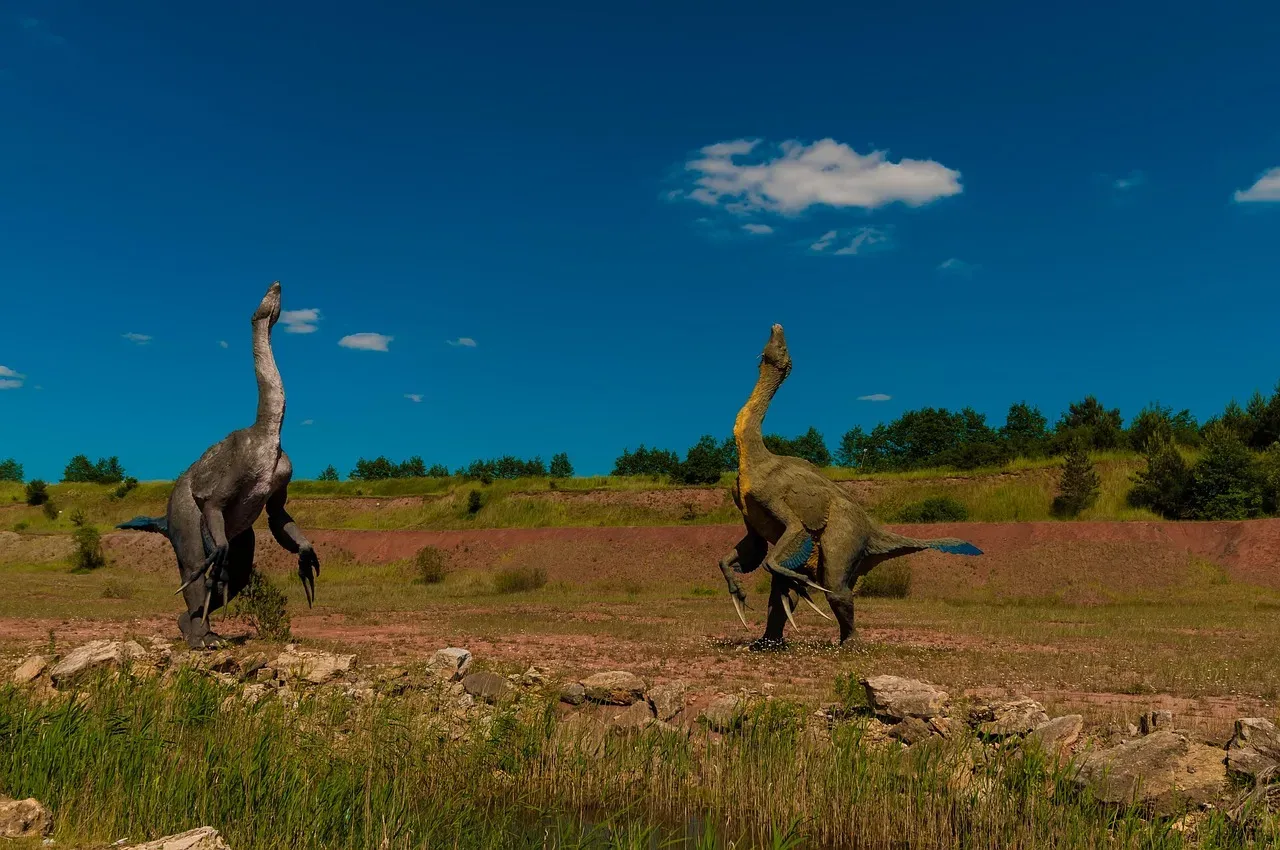
When you watch animals today, you notice that a huge amount of communication never makes a sound at all. Dogs stiffen, birds flare their wings, lizards bob their heads and arch their backs. Dinosaurs had plenty of room to do the same, using their tails, necks, arms, and even the way they stood to send clear social signals. A raised tail, an inflated chest, or a lowered head could quickly tell another dinosaur whether you were ready to fight, trying to impress, or just not interested in conflict.
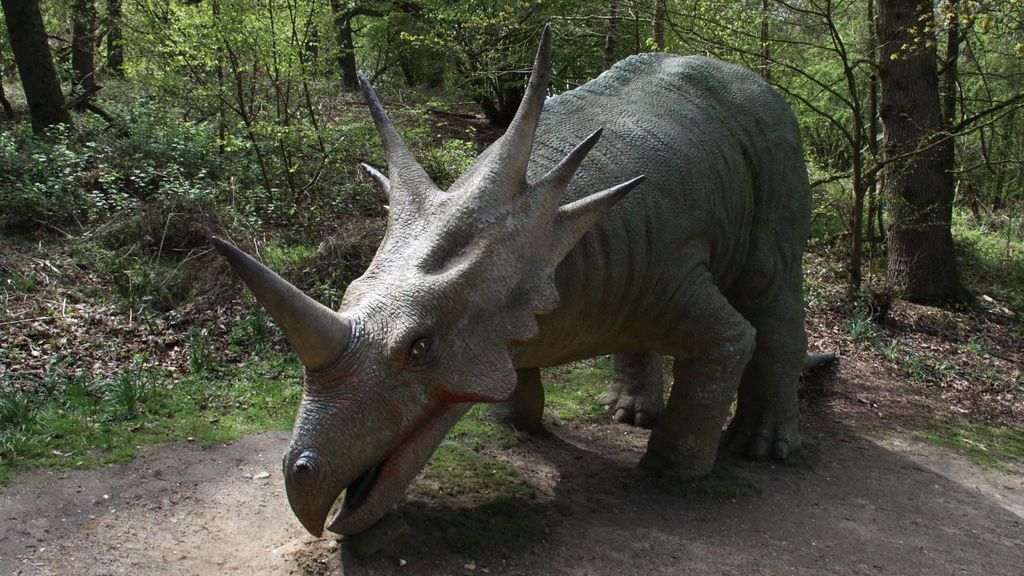
You can see hints of this idea in fossilized behavior snapshots, such as trackways that show multiple animals moving in orderly lines, or evidence of parallel walking that suggests coordinated motion rather than chaos. Large ceratopsians with their wide frills, or ankylosaurs with heavy tail clubs, likely used dramatic stances and controlled swings to warn rivals and predators before things turned violent. If you think about it from your own experience, you know how much you read from someone’s posture before they ever say a word; dinosaurs likely relied on that same silent language of body shape and movement.
5. Foot Drumming and Ground Vibrations You Could “Listen” To With Your Bones
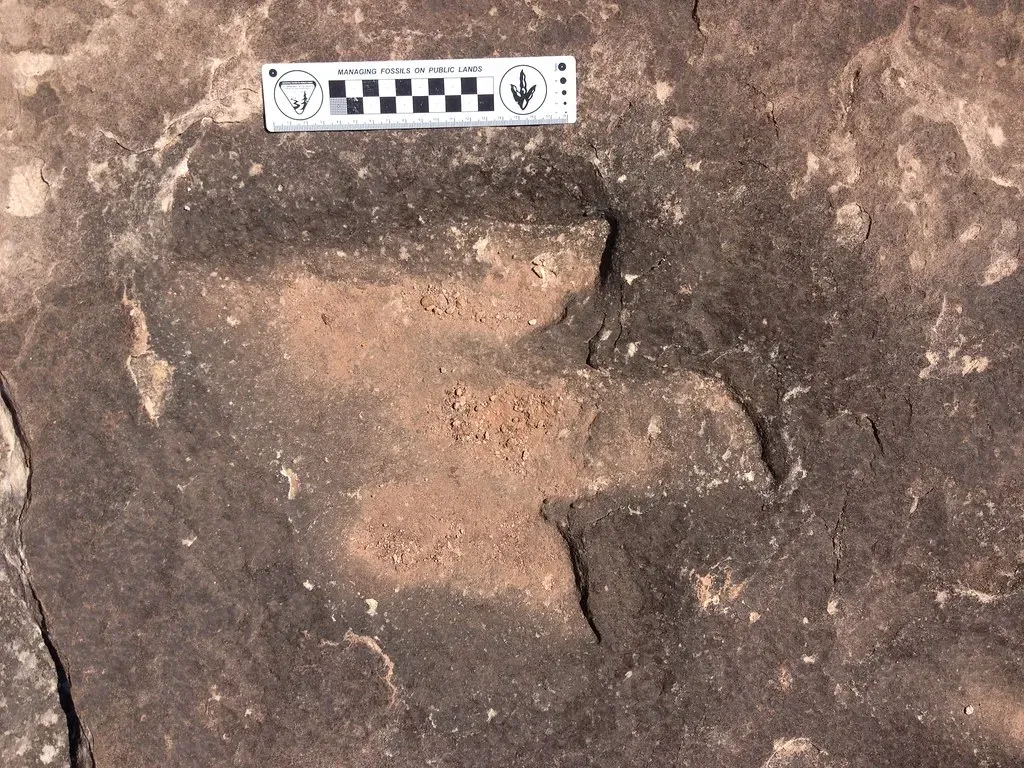
Here’s a more unusual idea that might surprise you: some dinosaurs may have communicated by drumming on the ground and sending vibrations through the soil. You see modern animals doing this today, from kangaroos thumping the earth with their feet to prairie dogs stomping as a warning, and even some birds use foot drumming as part of their displays. With long, heavy legs and often large bodies, many dinosaurs were well equipped to create powerful tremors that nearby animals could sense through their limbs or inner ears.
Trackways and bone structure alone cannot prove this behavior outright, but they do show you dinosaurs that moved in groups and had the mass to shake the ground with a purposeful stomp. In a noisy environment full of wind, water, and other animals calling, low‑frequency vibrations could offer a backup channel that cut through the chaos. You can imagine a herd of hadrosaurs or ceratopsians responding to a pattern of thumps the way you might react to someone knocking urgently on a door. Even if this form of “seismic” communication was limited to specific species or situations, it adds a whole extra layer to how these animals might have stayed in touch.
6. Scent and Chemical Signals You’ll Never See in the Fossil Record
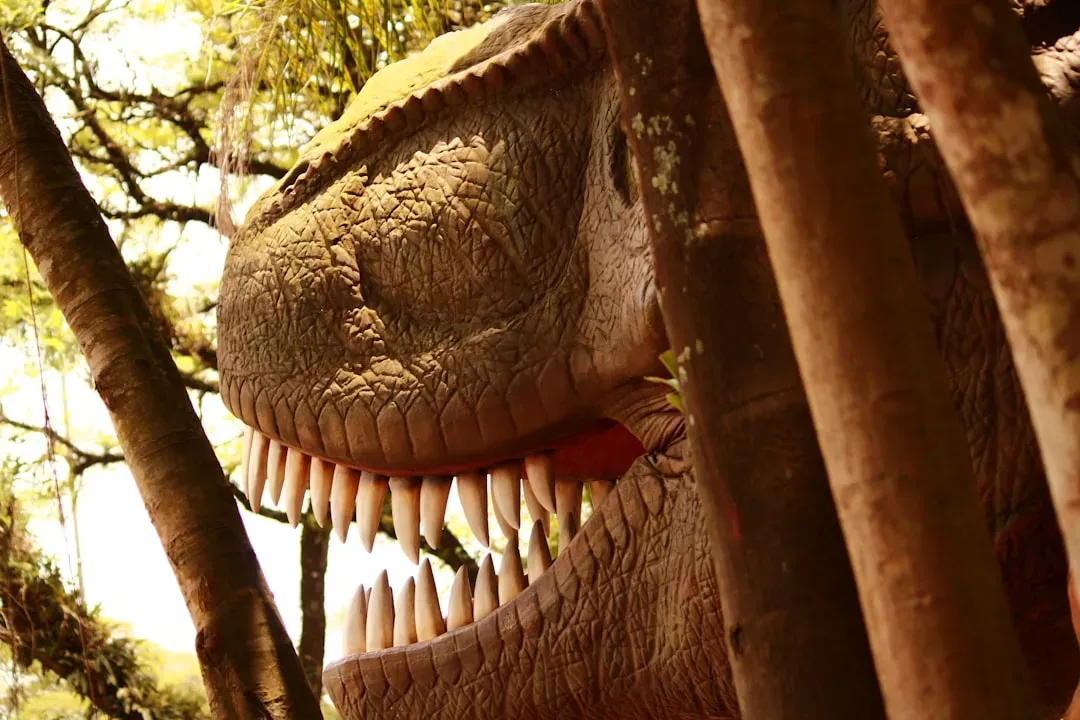
When you think about dinosaurs, smell probably isn’t the first communication channel that comes to mind, but it should be on your radar. Many modern reptiles and birds rely heavily on scent and chemical cues for marking territory, signaling reproductive status, or identifying individuals. Dinosaurs shared ancestry with both groups, so it makes sense to consider that they, too, may have used odor as one quiet yet powerful way of sending messages, especially over short to medium distances.
The frustrating part for you is that smells do not fossilize, so most of this theory rests on indirect evidence such as brain cavity shapes that hint at strong olfactory bulbs in some species. Large theropods like certain tyrannosaurs may have had an especially keen sense of smell, which would have been useful for hunting but also for social interactions, like tracking mates or recognizing rivals. You might compare this to how dogs read an entire social story from scent alone, even though you see nothing at all. While you have to be careful not to overstate what you know, it’s reasonable to imagine dinosaur worlds rich in invisible chemical conversations that left almost no trace for you to find.
7. Complex Social Calls in Herds and Family Groups
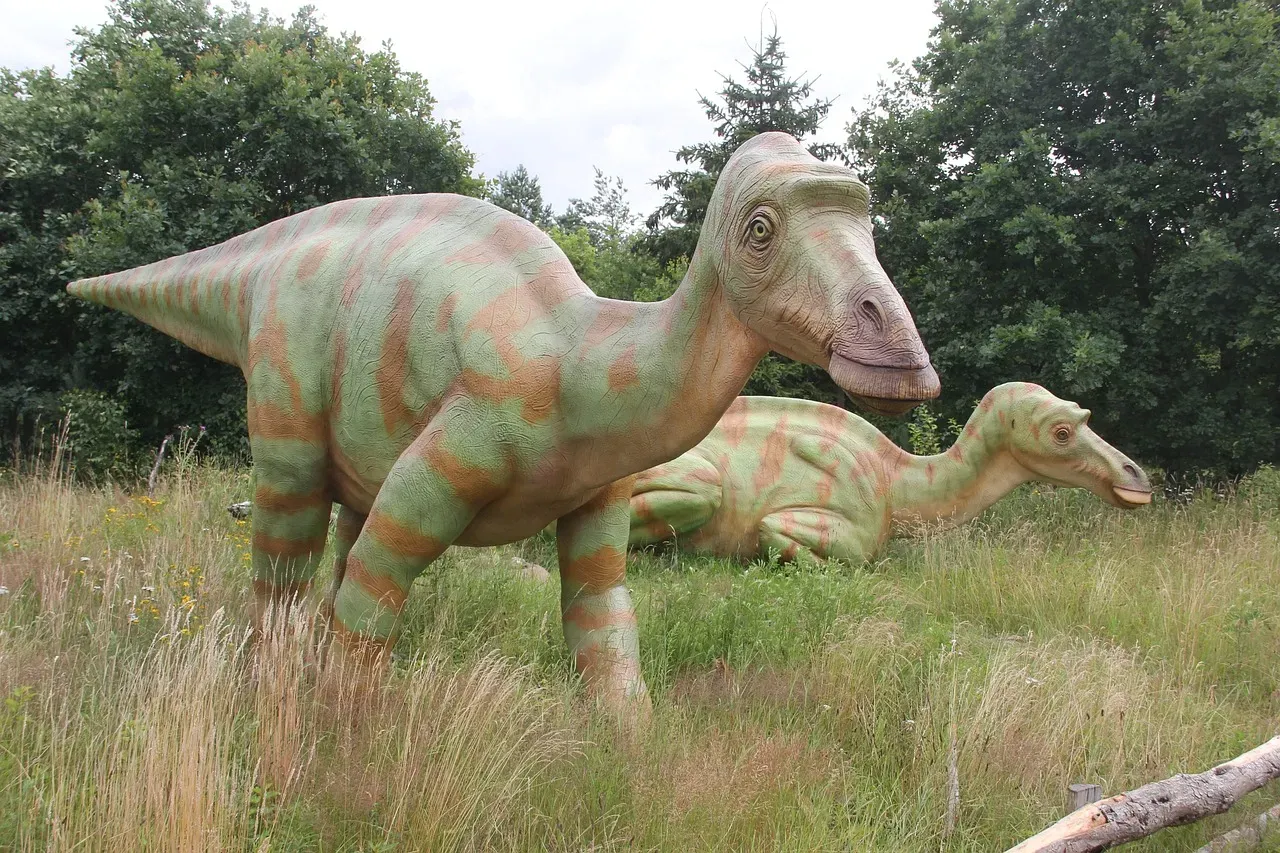
Some of the most compelling clues about dinosaur communication come from signs that many species lived in groups, nested together, and possibly cared for their young. Fossil nesting sites packed with multiple clutches, trackways showing herds of different ages moving together, and bonebeds with dozens of individuals all point toward social lives that needed more than random noise to function. If you look at modern social animals, from geese to primates, you see a whole vocabulary of calls, chirps, and contact sounds that help individuals stay connected, coordinate movement, and reinforce bonds.
Now put yourself in the place of a young hadrosaur or ceratopsian growing up in a large herd, surrounded by siblings and adults. You’d likely learn specific sounds that meant “follow,” “danger,” or “come back,” much as young birds do today. Small, high‑pitched calls between parents and offspring may have helped keep families together in crowded colonies, while louder, more dramatic calls could rally the group in emergencies. You cannot reconstruct the exact “words” they used, and you never will, but the combination of anatomical possibilities and social evidence makes it very likely that dinosaur communication was layered, learned, and surprisingly sophisticated.
Conclusion: A World of Voices You Can Only Half Hear
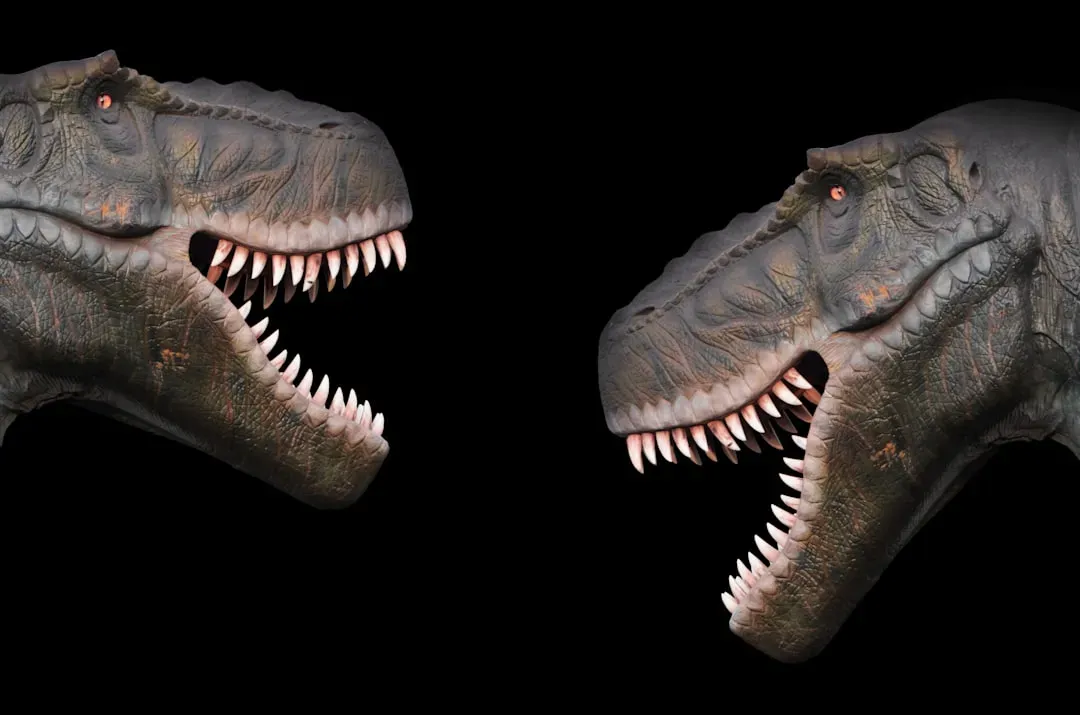
When you pull all these theories together, you start to see dinosaurs not as silent movie monsters but as participants in a rich, multi‑channel conversation. You have low rumbles carrying across the landscape, crests turning heads into resonating instruments, colors and patterns flashing in the sunlight, and tails, limbs, and postures broadcasting intent before any physical clash. Layer on the possibility of foot‑drummed vibrations and invisible scent trails, and you get a prehistoric soundscape and signal web that’s far more complex than most people picture when they see a skeleton in a museum.
You’ll probably never know exactly what a sauropod’s call sounded like or what subtle gesture signaled a truce between rival ceratopsians, and that mystery is part of the charm. What you can say with confidence is that evolution rarely wastes an opportunity, and animals as successful as dinosaurs almost certainly mastered every communication tool available to them. The next time you walk past a fossil skull or a mounted skeleton, you might pause and imagine not just how it moved, but how it spoke to others like it. If you could listen in on that lost conversation, what do you think you’d hear first?