
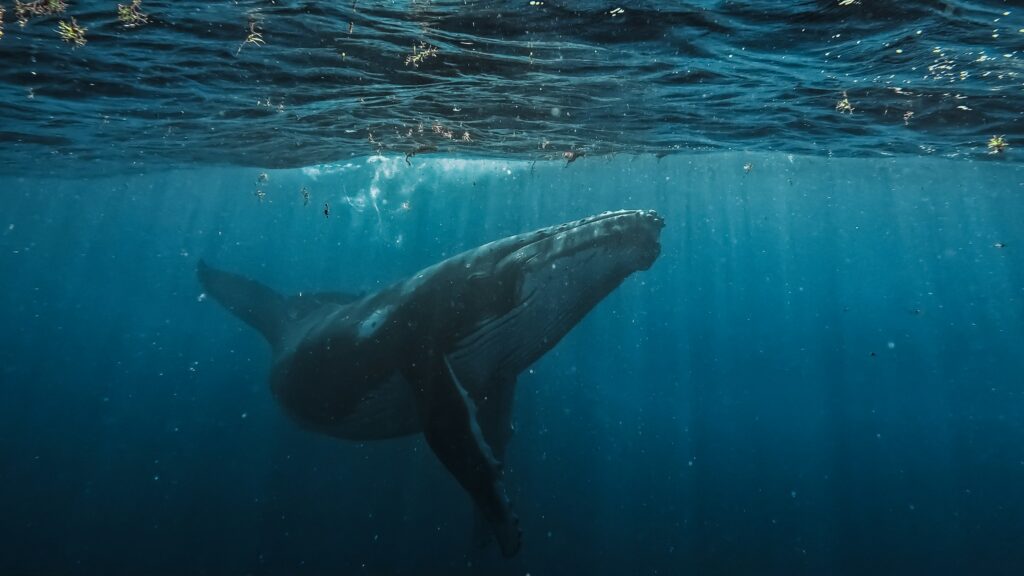
Picture a bright yellow school bus rumbling down your street. Now imagine something in the ocean so massive it makes that bus look like a toy car. The ocean is full of giants that most of us will never see in person, and somehow that makes them even more thrilling, a little eerie, and completely addicting to read about.
I remember the first time I learned that some animals are longer than two, three, even four buses lined up end to end. It instantly changed how I looked at the sea; it stopped being a flat blue surface and turned into a vast, dark cathedral with living skyscrapers cruising silently below. Let’s dive into seven ocean creatures that absolutely dwarf a school bus – and get a sense of just how small we really are.
1. Blue Whale – The Bus-Crushing Heavyweight
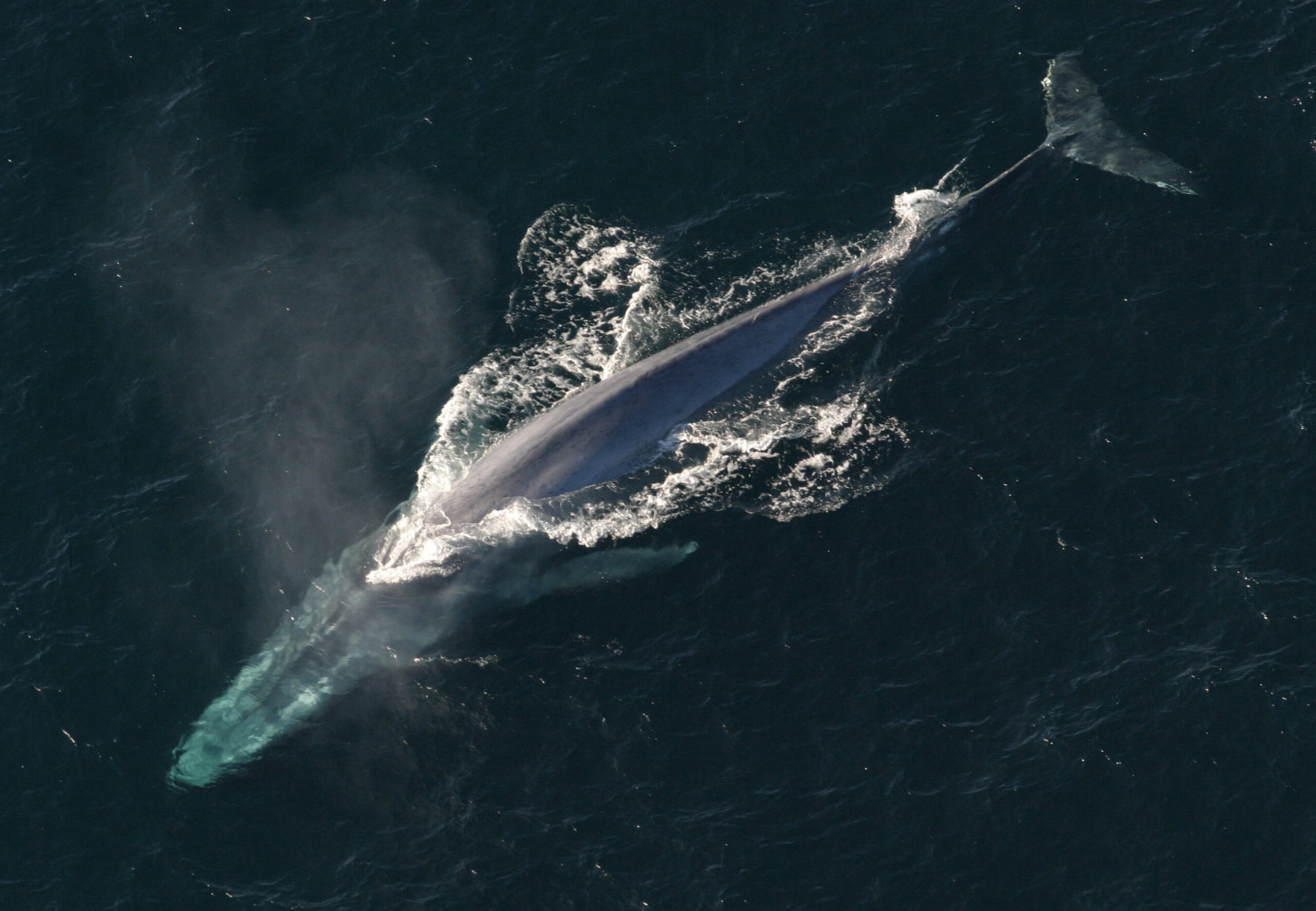
If the ocean had a final boss, it would be the blue whale. These animals are the largest creatures known to have ever lived on Earth, out-sizing even the biggest dinosaurs by a comfortable margin. A typical big blue whale can easily stretch close to three standard in length, and its tongue alone can weigh more than an elephant.
What I find most mind-bending is that this colossal body runs almost entirely on tiny shrimp-like krill. During feeding season, a blue whale can gulp down many tons of krill in a single day, scooping them up like popcorn. It’s a strange contrast: an animal the length of a small passenger jet, powered by mouthfuls of ocean dust, cruising through the water with the calm confidence of something that has never met a serious rival.
2. Whale Shark – The Gentle Filter-Fed Freighter
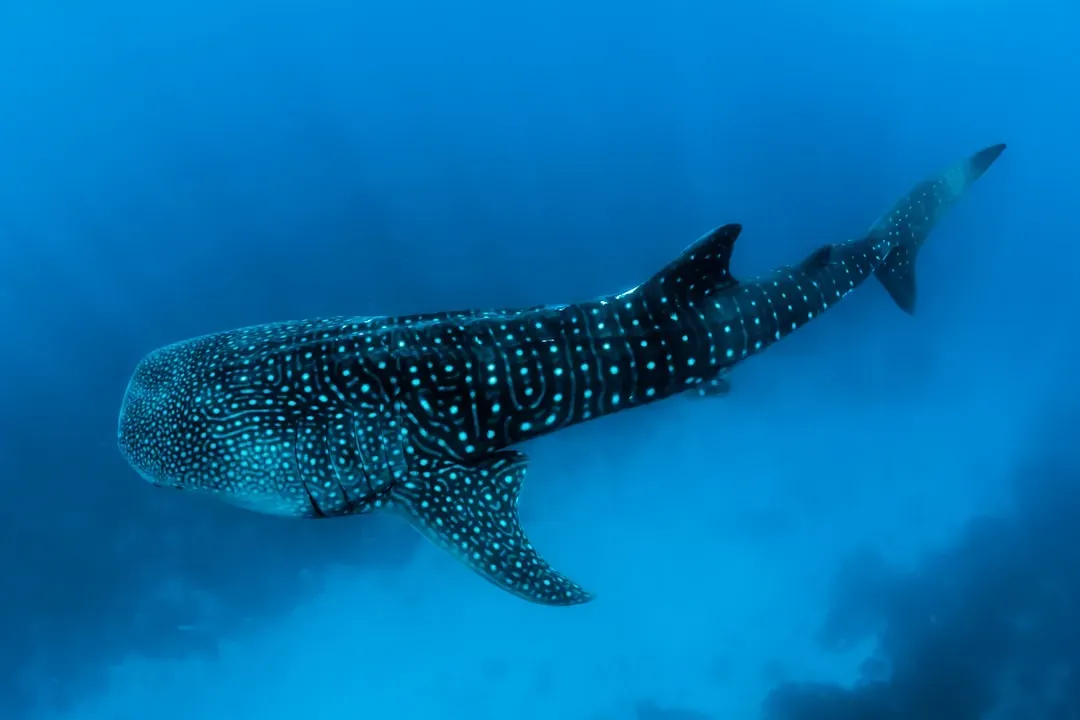
Whale sharks are the world’s largest fish, and they can be longer than two lined up bumper to bumper. Even their mouths can stretch wider than a grown human is tall, yet they pose almost no threat to people; they’re filter feeders, more interested in plankton and small fish than anything else. Seeing footage of a diver next to a whale shark is like watching a bicycle drift alongside a slow-moving freight train.
Despite their massive size and iconic spotted pattern, we still know surprisingly little about them. Scientists are still piecing together where they mate, how old they get, and exactly how far they migrate. That mystery adds to their aura: they’re friendly-looking giants that wander the tropics like drifting planets, carrying a whole ecosystem of tiny hitchhikers on their skin.
3. Fin Whale – The Sleek Underwater Bullet Train
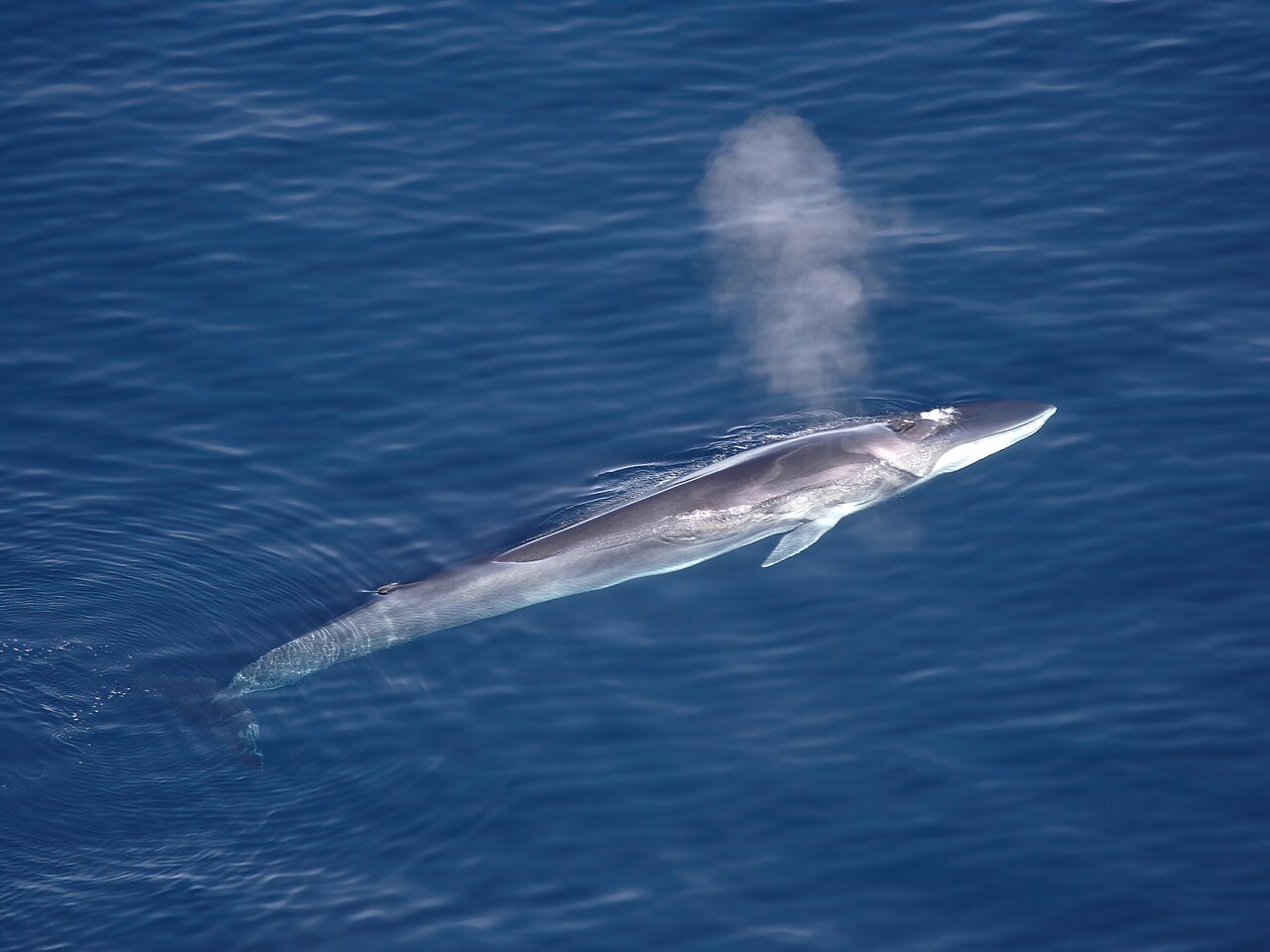
The fin whale is often called the “greyhound of the sea,” but speed is only half the story; in sheer size, it’s second only to the blue whale. Many adults are comfortably longer than a school bus and can push into lengths where they start to rival two. Yet they are impressively streamlined, with long, narrow bodies that look designed to cheat drag and slip through the water with almost arrogant ease.
Because they are so fast and relatively shy, fin whales can feel more elusive than their blue cousins. Observers often just catch a sleek back and a tall blow before the animal disappears again, a brief flash of something the size of a train vanishing beneath the surface. There’s something humbling about knowing such enormous animals can pass beneath your boat without you ever realizing they were there.
4. Sperm Whale – The Deep-Diving Juggernaut
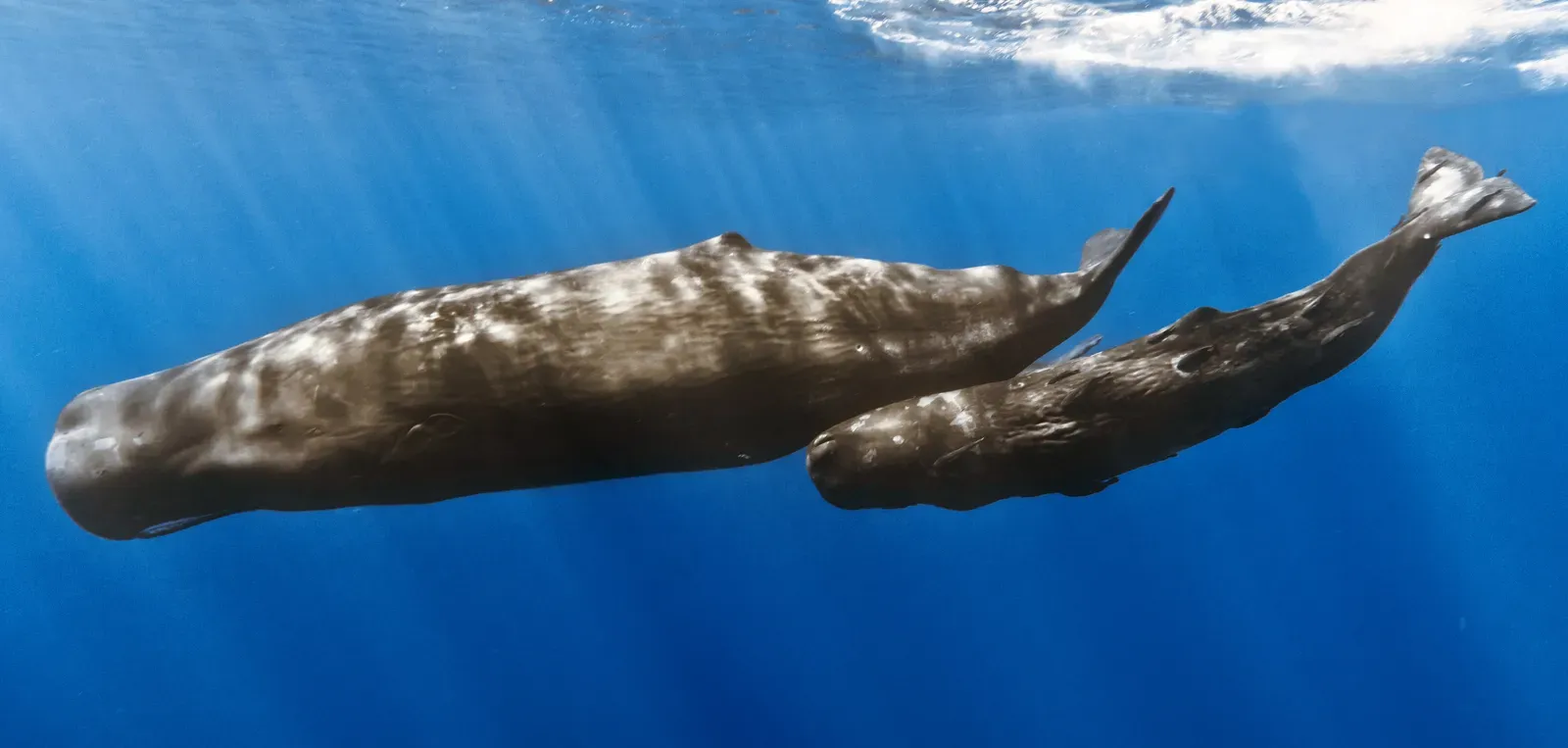
Sperm whales are the heavy industrial machines of the ocean world, with massive block-shaped heads that can make up roughly a third of their body length. An adult male can easily be longer than a school bus and, in some cases, push well beyond that, especially in high-latitude waters. Their bodies feel less sleek than those of blue or fin whales, more like a floating bunker equipped for war in the deep.
The real wild part is how far down they go. Sperm whales routinely dive to depths where the pressure would crush a human submersible not built for extremes, chasing giant squid in near-total darkness. The idea that a school-bus-sized predator is hunting bus-length squid a mile or more below the surface feels like a science-fiction plot, yet it is happening on Earth every day while we eat lunch and complain about traffic.
5. Giant Squid – The Elusive Tentacled Phantom
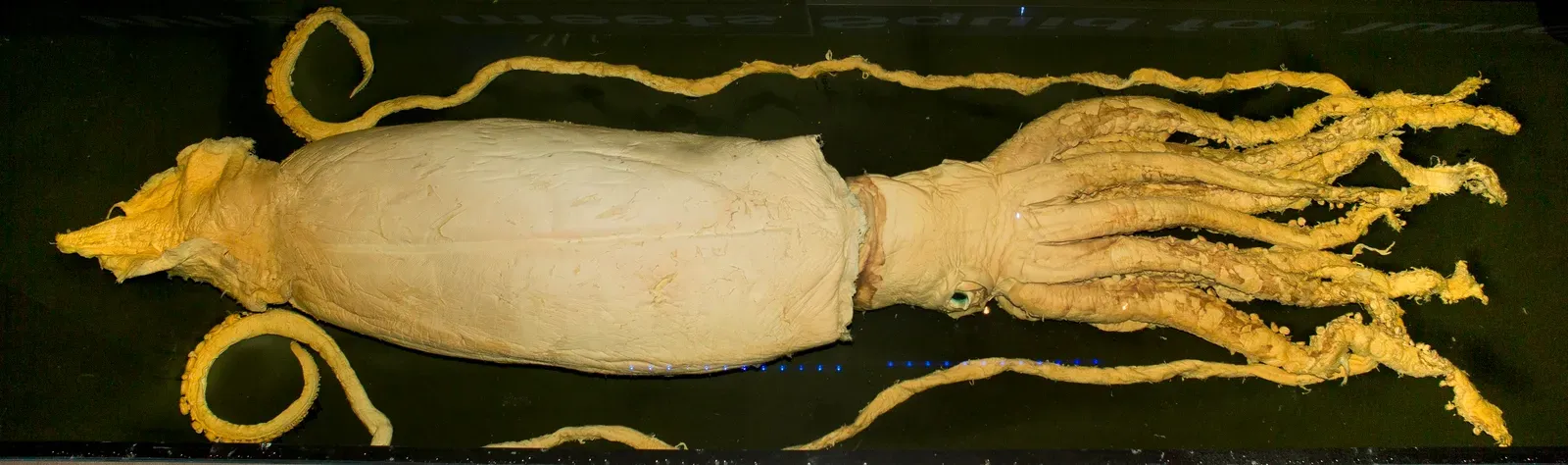
For most of history, the giant squid lived in the space between myth and reality, fueling stories of sea monsters that could drag ships under. Today we know they are real, deep-ocean cephalopods with total lengths that can rival or exceed a school bus when you include those terrifyingly long feeding tentacles. Their eyes are among the largest in the animal kingdom, like biological floodlights meant to capture every possible hint of movement in the dark.
The strange thing is how rarely we see them alive. Most of what we know comes from damaged carcasses washing ashore or turning up in fishing nets, or from grainy footage captured in the deep. That scarcity gives them a ghostly reputation: they exist, they are enormous, and yet they haunt the parts of the ocean we barely touch, like legends that just happen to be made of flesh and muscle.
6. Lion’s Mane Jellyfish – A Drifting, Stinging Bus-Length Tangle
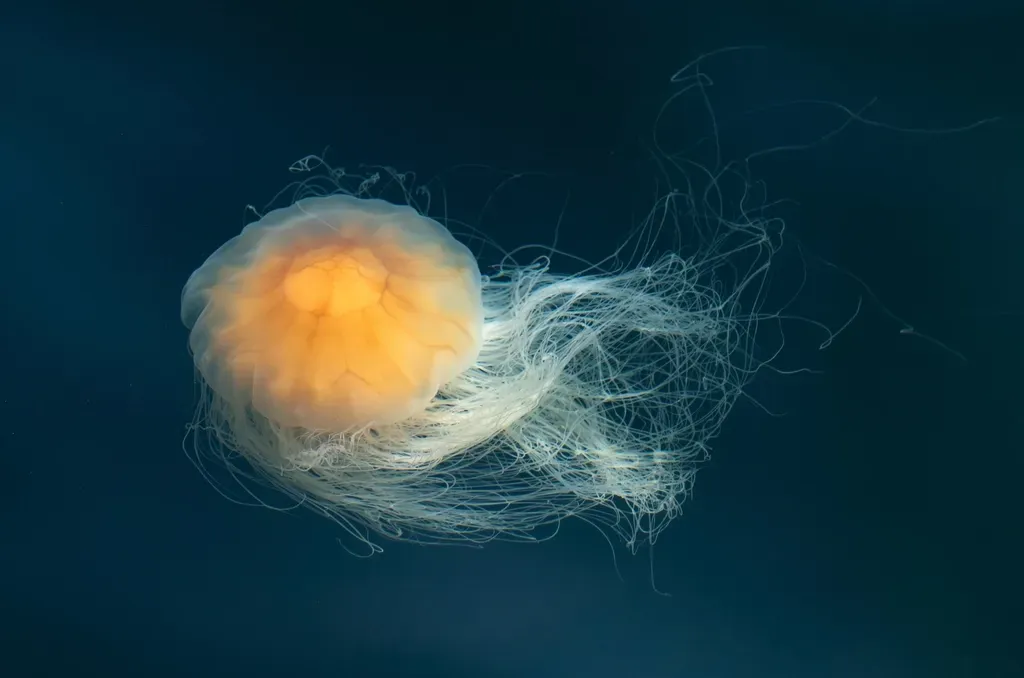
The lion’s mane jellyfish looks like something a fantasy writer would invent after a weird dream. Its bell can grow wider than many people are tall, and its trailing tentacles can extend to lengths that match, and sometimes surpass, a school bus. In the water, it resembles a floating, glowing mop head with a waterfall of threads beneath it, beautiful from a distance and a serious problem up close.
Unlike the solid bulk of whales, this jellyfish giant is mostly water – delicate, translucent, and easily torn, yet still capable of painful stings. The idea that something so insubstantial can reach such lengths is a reminder that “big” in the ocean does not always mean heavy or muscular. Sometimes bigness is a curtain, not a wall; a huge, fragile veil drifting through cold seas, snagging small fish and plankton in a web of almost invisible filaments.
7. Oarfish – The Sea Serpent Behind the Stories
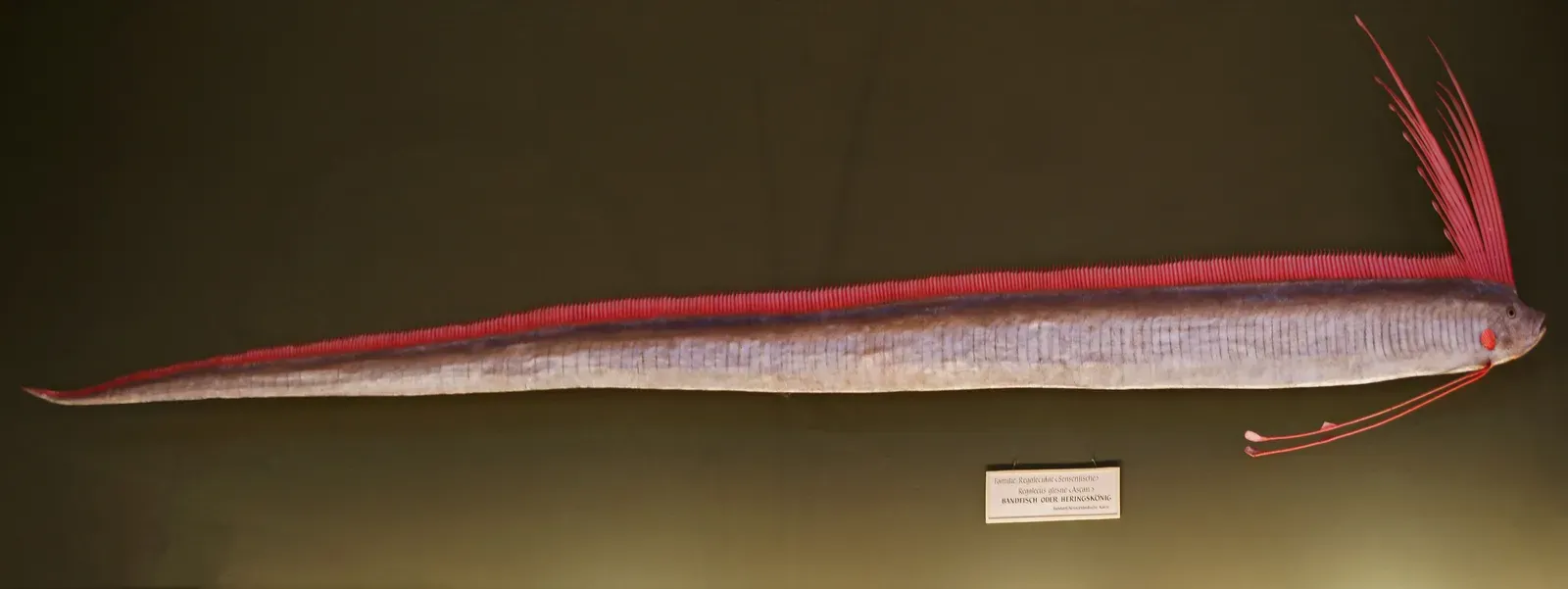
If you’ve ever heard old tales of sea serpents, the oarfish is probably the real animal lurking behind many of those stories. With an extremely long, ribbon-like body and a bright red crest along its head, a large oarfish can easily out-measure a school bus from nose to tail. When one floats near the surface or washes ashore, it looks like a silver banner dropped from some other world, too strange to feel entirely real.
Oarfish usually live in deeper waters, so human encounters are rare and often dramatic, involving storms, strandings, or chance sightings by stunned boaters. There is something wonderfully unsettling about a creature that long and thin moving like a slow, underwater flag in the currents. It blurs the line between fish and legend, proof that the ocean does not care if its designs seem believable to us or not.
Conclusion – Giants That Shrink Our Sense of Importance
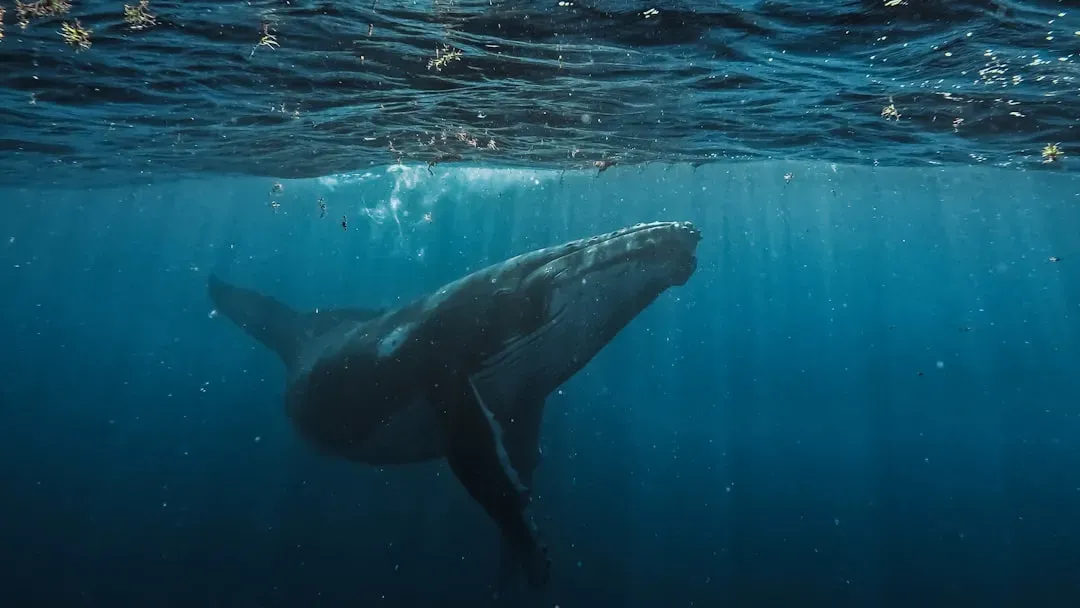
The more I learn about these ocean giants, the more I feel our everyday scale is a bit of a lie. We build highways, high-rises, and fleets of cars and then assume we’re operating at the “big” end of nature, but a single blue whale or wandering whale shark quietly proves otherwise. Even the fragile lion’s mane jellyfish, which you could tear with your hands, stretches past bus length like it is nothing.
In my opinion, the fact that many of these animals are threatened or poorly understood should bother us more than it does; we are still erasing species we barely know, including some of the largest beings to ever share this planet with us. These creatures are more than curiosities to measure against – they are moving, breathing arguments that the world is wilder and grander than our routines admit. Next time you see a bus roll by, will you picture seats full of kids, or an invisible whale cruising past it in your mind’s eye?