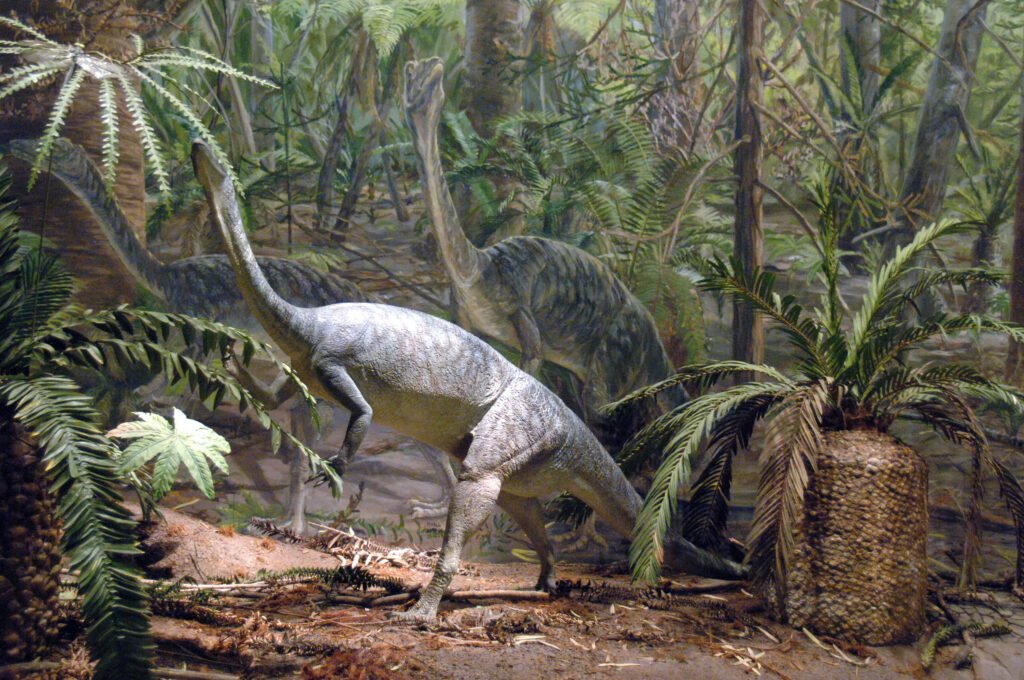
Some creatures blaze across Earth’s history like fireworks: bright, dramatic, and gone in an instant. Others are more like slow-burning coals, hanging on through cataclysms, climate swings, and mass extinctions that wiped out most of their neighbors. Those are the survivors that quietly redefined what it means to be tough.
In this article, we’ll look at seven prehistoric lineages that lasted staggeringly long stretches of geological time, sometimes hundreds of millions of years. You’ll see familiar “living fossils” like horseshoe crabs, but also some bizarre, almost alien animals that thrived long before dinosaurs and somehow kept going. And along the way, we’ll dig into what their staying power can tell us about evolution, survival, and maybe even our own species’ chances.
1. Horseshoe Crabs: Ancient Armored Tank Crawling Through Deep Time
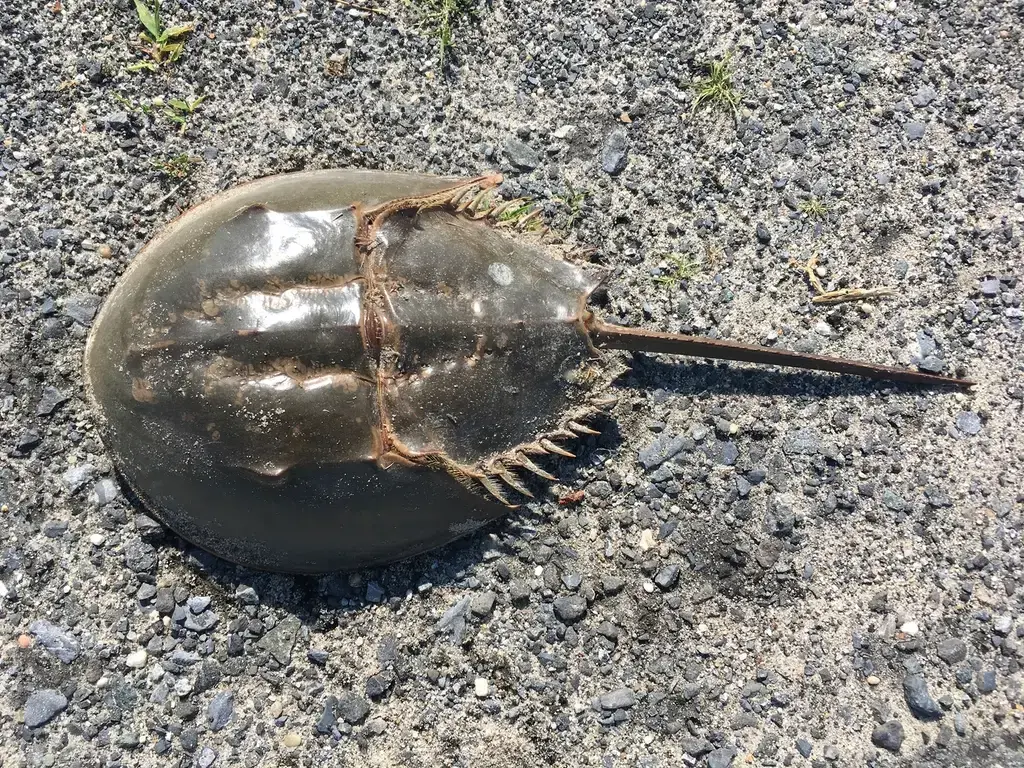
Imagine an animal design so successful it shrugs off multiple mass extinctions, supercontinents breaking apart, and oceans coming and going. That’s the horseshoe crab story in a nutshell. Their lineage goes back more than four hundred million years, to a time when the first forests were just starting to appear on land and vertebrates were only beginning to experiment with life in shallow seas.
What makes horseshoe crabs so enduring is not some flashy superpower, but a brutally effective combination of simplicity and robustness. Their tough exoskeleton works like a low-tech armored tank, protecting soft tissues from predators and harsh environments. They are ecological generalists, eating worms, clams, and detritus, and tolerating a wide range of salinities. Evolution did not freeze them in time, but it refined a basic body plan that just keeps working, generation after patient generation.
2. Nautiluses: Spiral-Shelled Survivors of the Ammonite Age
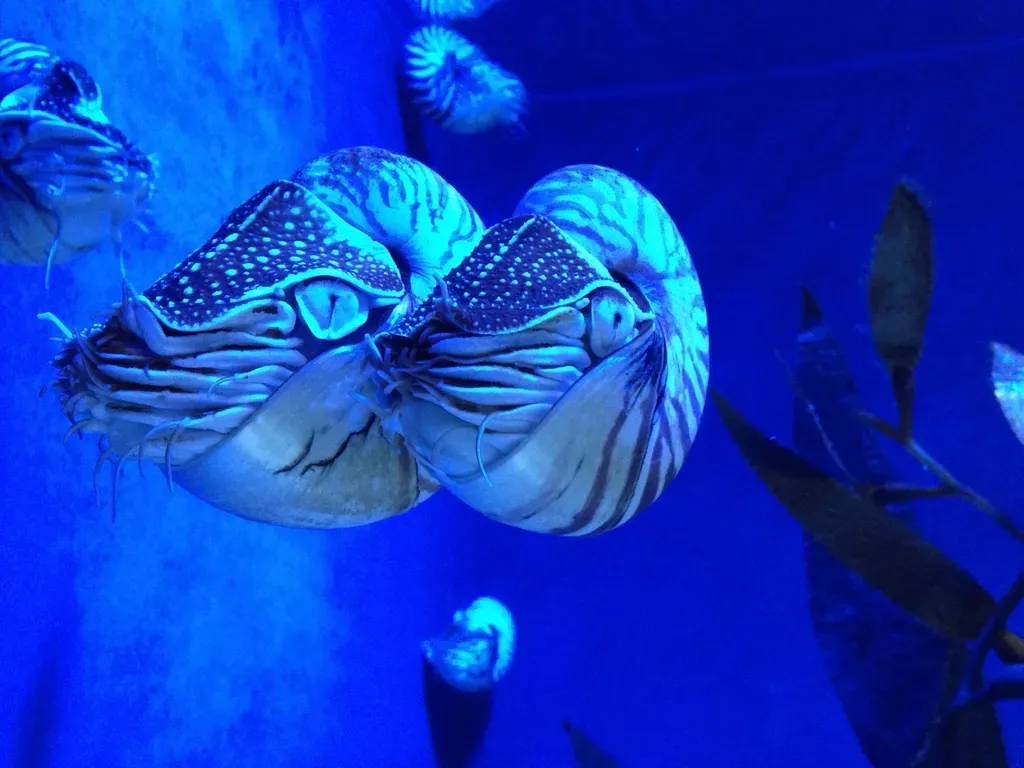
Long before humans stared at nautilus shells as pretty desk ornaments, their ancestors were quietly outliving entire dynasties of ocean life. The nautiloid lineage stretches back more than four hundred and fifty million years, older than most fish groups and far older than dinosaurs. While their more flamboyant cousins, the coiled ammonites, dominated the seas and then vanished at the end of the Cretaceous, nautiluses just kept doing their slow, spiraling thing.
Part of their secret seems to lie in a low-energy, low-drama lifestyle. Nautiluses grow slowly, reproduce cautiously, and occupy deep and mid-water habitats where conditions change more gradually than in sunlit surface waters. They are like the steady, cautious investor of the animal world instead of the high-risk, high-reward trader. I find it oddly comforting that in a world obsessed with speed and novelty, one of the longest-running success stories belongs to a shy, shelled drifter that has never hurried for anything.
3. Coelacanths: The “Living Fossils” That Refused to Stay Extinct
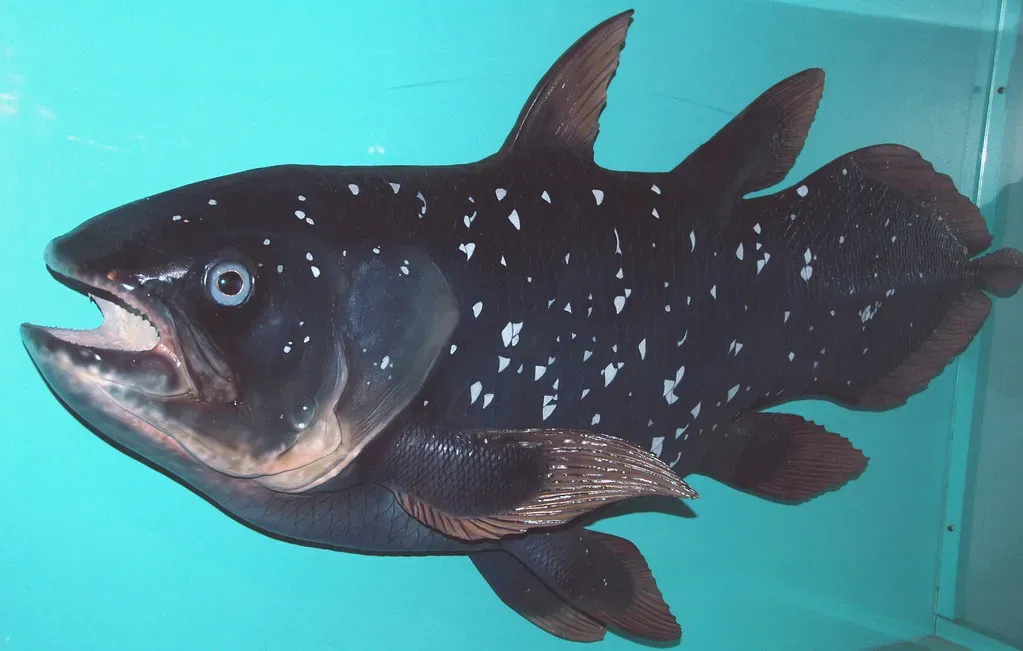
Coelacanths are the classic comeback story in paleontology. Their fossil record traces back more than four hundred million years, and for a long time scientists thought they disappeared with the dinosaurs. Then a living coelacanth turned up in the twentieth century, casually cruising the deep ocean as if the last sixty million years were just an extended coffee break.
These lobe-finned fish look a bit like someone mashed up a salamander and a cod, with fleshy, limb-like fins and a thick, scaly body. They inhabit deep, stable environments in submarine caves and slopes, where day-to-day conditions are buffered from surface chaos. That deep-sea refuge may have shielded them from the worst of past climate shifts and extinction events. To me, coelacanths are a quiet rebuke to our tendency to declare things finished and neatly labeled; nature often keeps a few cards tucked away where we are not looking.
4. Crocodilians: Semi-Aquatic Reptiles That Outlasted the Dinosaurs
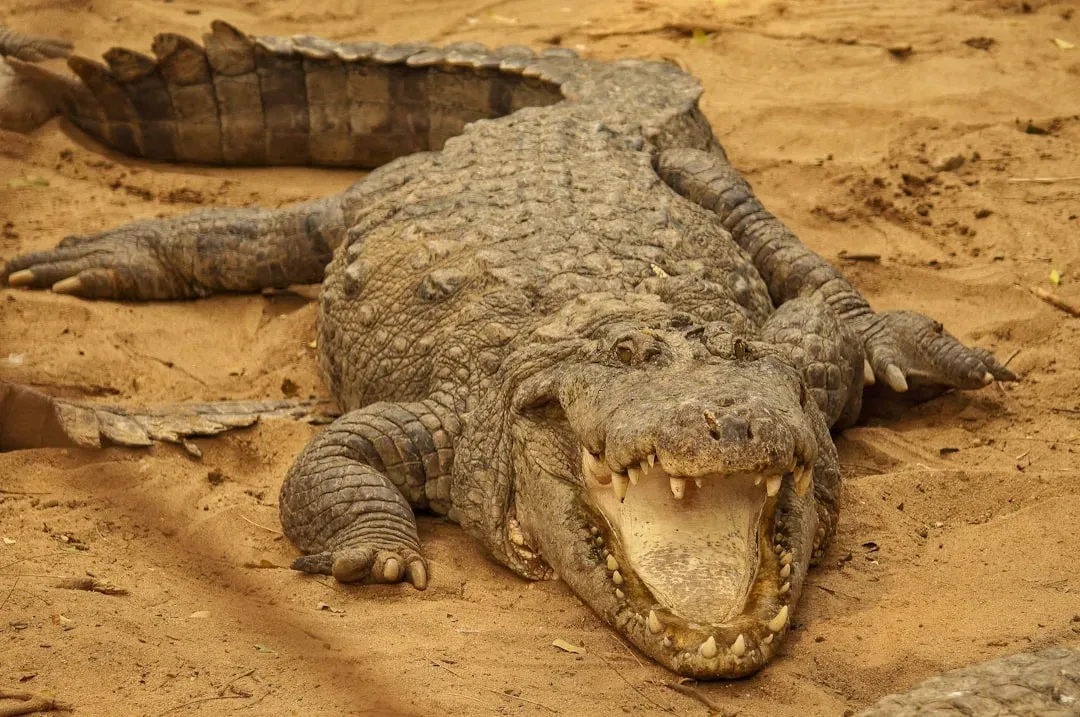
It is hard not to feel a shiver when you look into the eyes of a crocodile and realize you are seeing a face that, in broad outline, would be familiar to a dinosaur. Crocodilian ancestors appear well over two hundred million years ago, and although modern crocodiles, alligators, and gharials are not identical to their ancient relatives, the basic recipe has remained astonishingly stable. A long, toothy snout, armored body, and ambush-predator strategy have carried the group through massive changes in climate and fauna.
Their staying power seems tied to a mix of physiological flexibility and ecological opportunism. Crocodilians can slow their metabolism, go long stretches without eating, and exploit both water and land. As top predators and scavengers in rivers, lakes, and coastal areas, they can adapt to different prey and changing landscapes. In my opinion, they represent one of evolution’s best all-purpose predator designs: not specialized for any single moment, but good enough for an incredible range of them.
5. Sharks: Apex Predators Older Than Forests and Dinosaurs
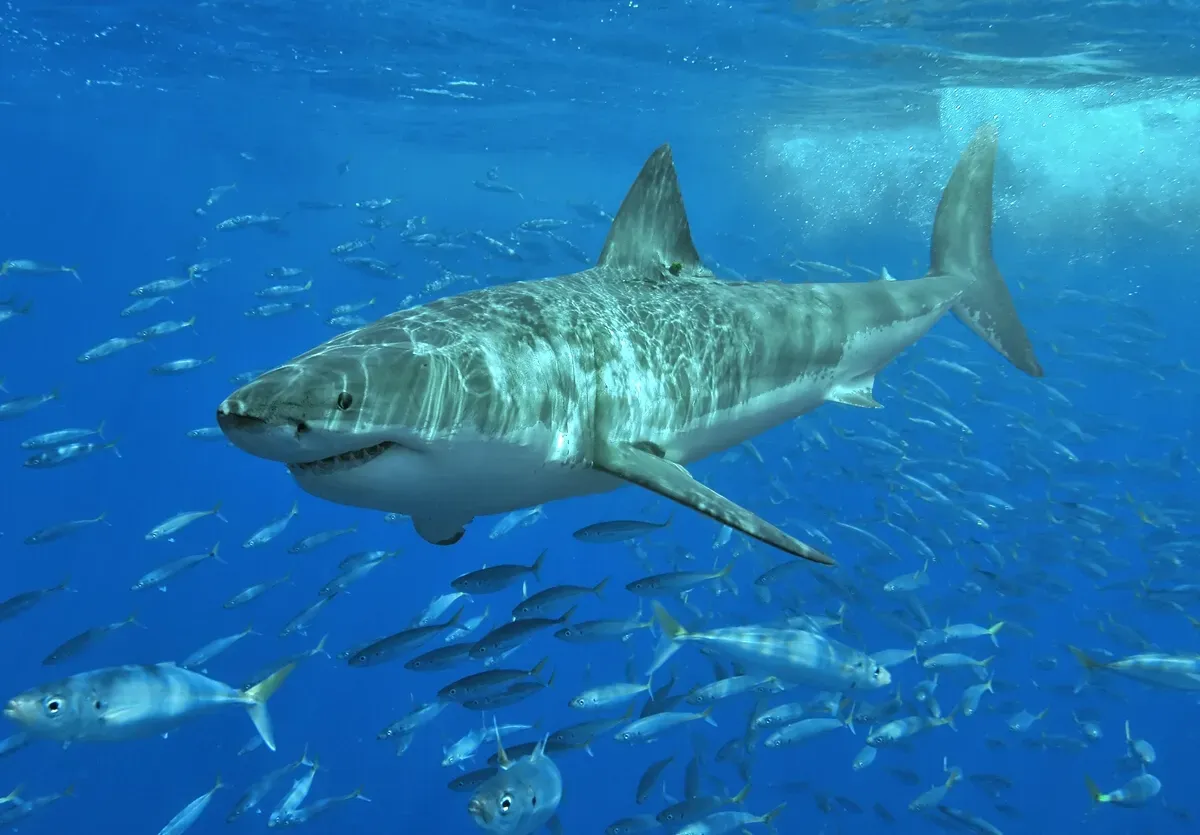
When people say sharks are ancient, it is not just a dramatic line from a nature documentary. Shark-like fishes appear in the fossil record more than four hundred million years ago, predating dinosaurs, mammals, flowering plants, and even fully developed forests on land. While their body shapes and tooth styles have shifted over time, the underlying blueprint of a cartilaginous skeleton, powerful jaws, and sensory systems tuned to vibrations and faint chemical cues has been remarkably persistent.
Sharks’ evolutionary success comes from being endlessly tweakable rather than frozen. Different lineages have explored everything from filter-feeding giants to bottom-dwelling ambush hunters. Yet through all that experimentation, a streamlined, muscular, finned torpedo has remained the go-to design. I think sharks are a reminder that evolution is less about constant reinvention and more about fine-tuning a few winning ideas again and again until they become almost mythically effective.
6. Lungfish: Air-Breathing Relics from the Age of Fins to Feet
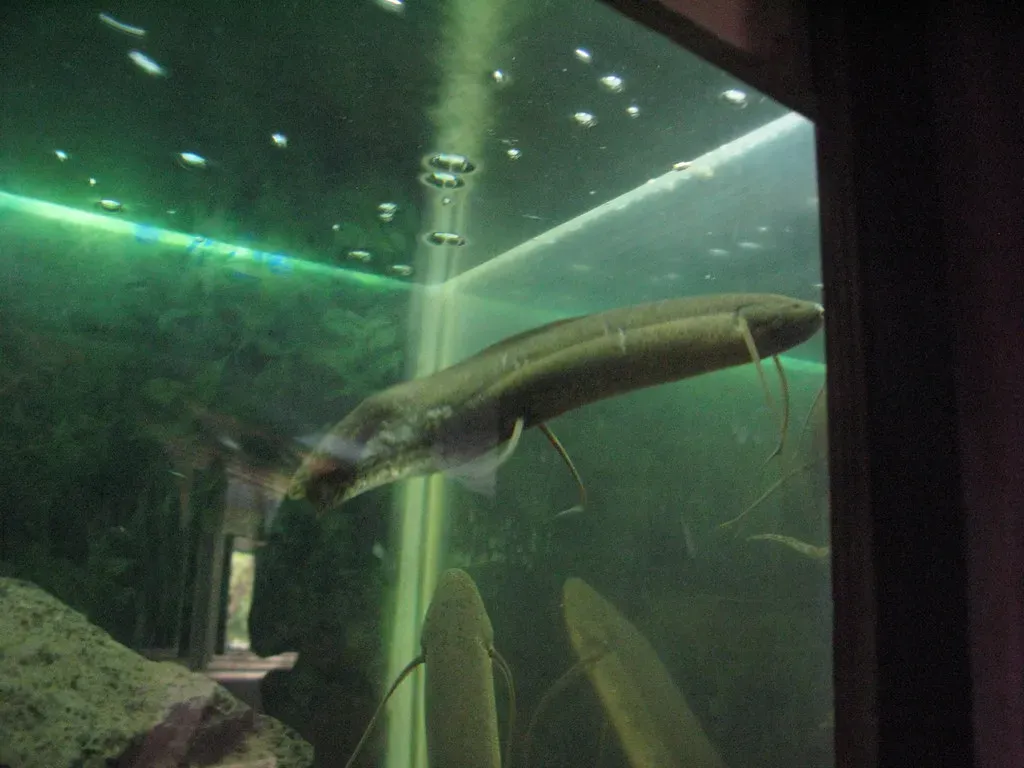
Lungfish sit in a strange, fascinating corner of the tree of life, bridging the gap between fish and the earliest land vertebrates. Their lineage dates back roughly to the Devonian period, more than three hundred and fifty million years ago, when some fishes were first experimenting with breathing air and using fleshy fins to push through murky shallows. Modern lungfish still carry that dual identity, with both gills and lung-like structures that let them gulp air directly.
Many lungfish species can burrow into mud and survive seasonal droughts by slowing their metabolism to an almost eerie crawl. That ability to ride out bad times, rather than outrun them, likely helped their ancestors through ancient dry spells and shifting climates. To me, lungfish feel like the stubborn middle children of evolution: not fully aquatic, not fully terrestrial, but determined to hold on to a mixed strategy that turned out to be incredibly durable over deep time.
7. Turtles: Shell-Bound Survivors with a Quietly Radical Design
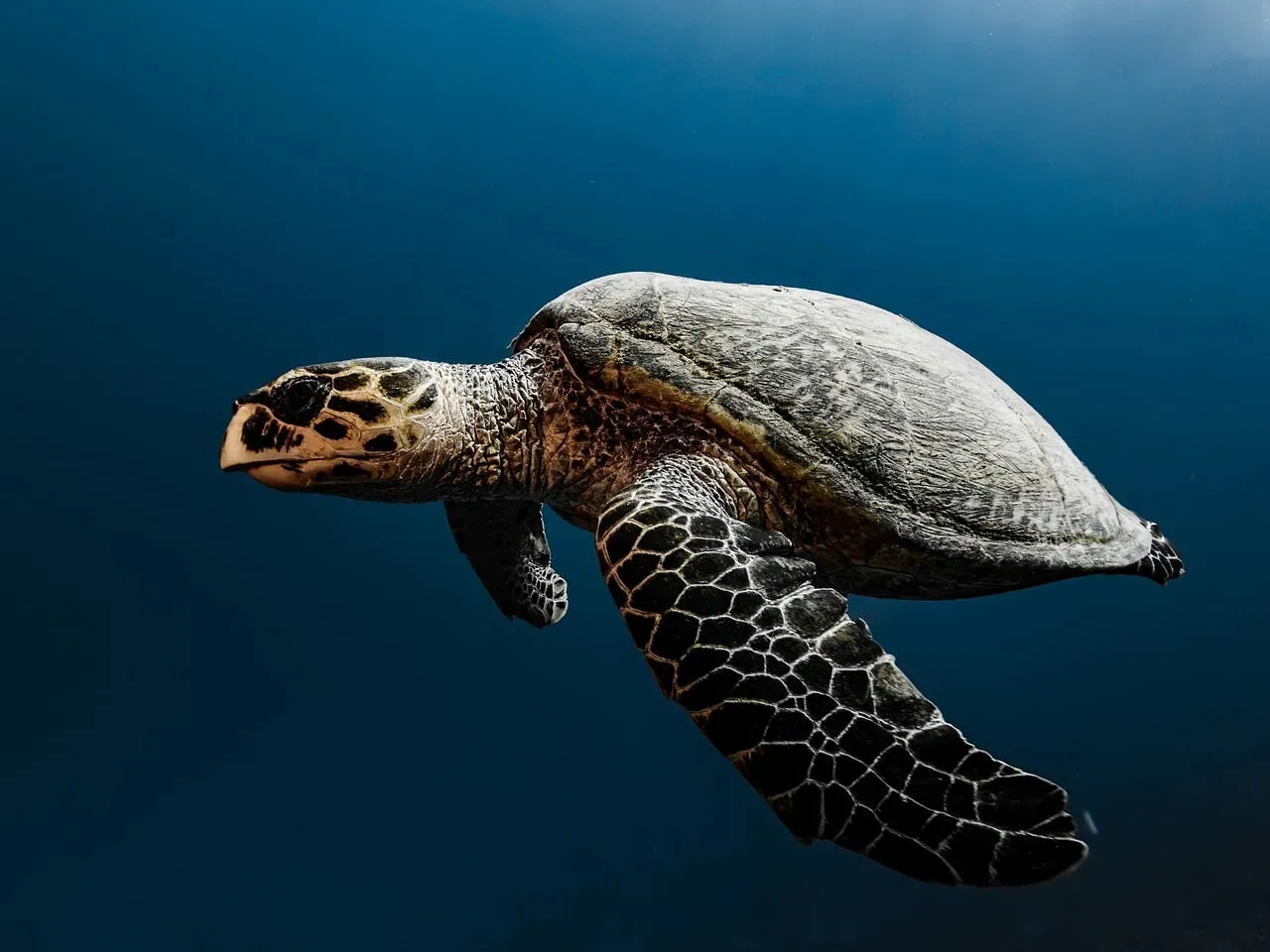
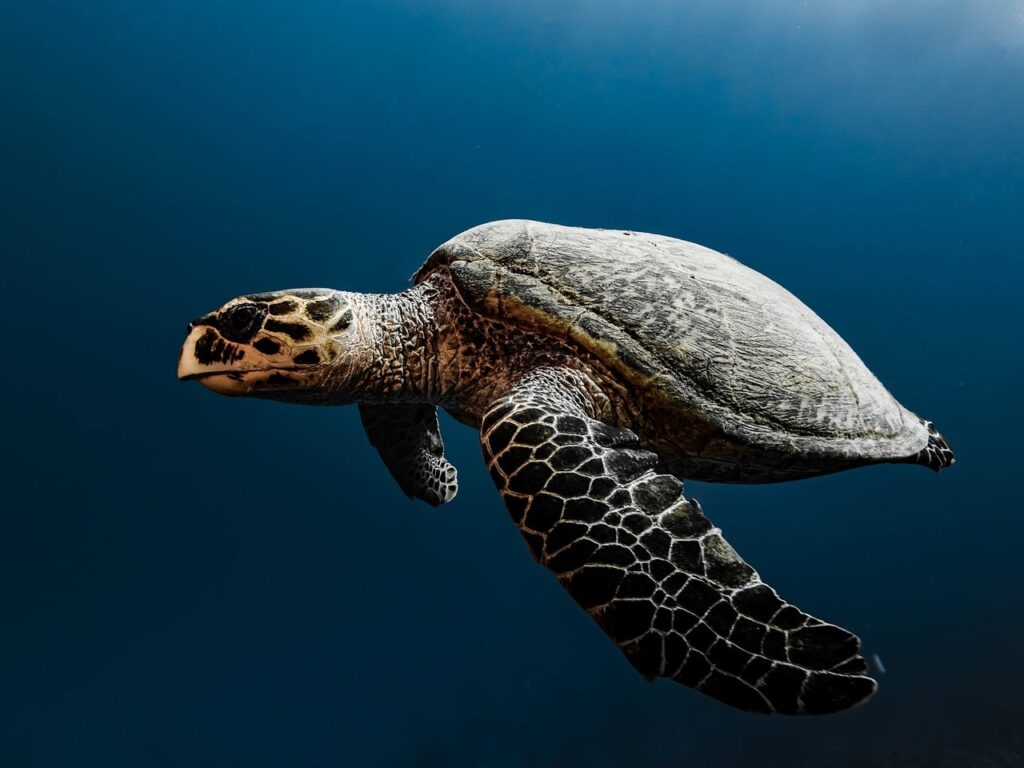
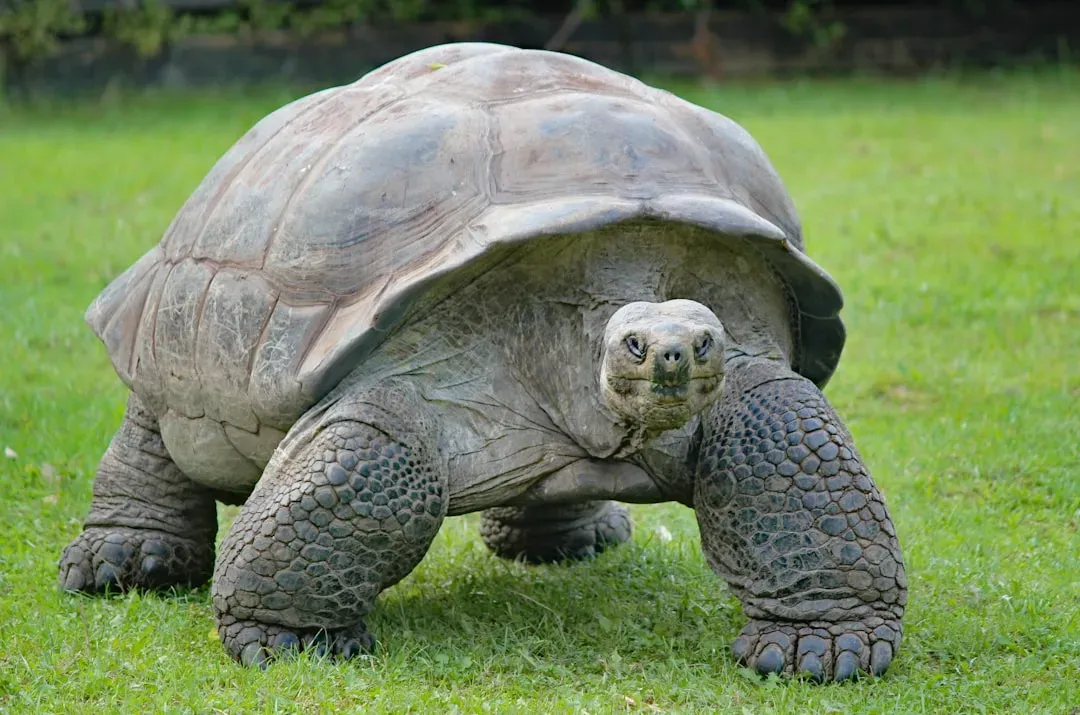
Turtles may look peaceful and almost comical, but their story is one of radical innovation and remarkable endurance. Their origins go back more than two hundred million years, to the Triassic period, when the first recognizable turtle-like animals appear with broadened ribs and evolving shells. That shell is not a strap-on accessory; it is a re-engineered skeleton that fuses ribs and vertebrae into a living shield, turning the whole body into a defensive fortress.
This extreme defense strategy, paired with relatively slow metabolisms and flexible diets, made turtles surprisingly resilient as ecosystems rose and fell around them. Some lineages moved into the oceans, others stayed on land or in freshwater, but the core idea stayed the same: survive first, sprint never. I think turtles are one of evolution’s boldest gambles that actually worked, proving that sometimes the best way to win the long game is to carry your own bunker everywhere you go.
Conclusion: Survival Favors the Patient, Not the Flashy
Looking across these long-lived lineages, a pattern quietly emerges: the champions of geological time are rarely the loudest or most glamorous. They tend to be adaptable generalists, slow-growing, energy-efficient, and able to hunker down when conditions turn brutal. Instead of chasing every new opportunity, they lean on robust body plans and conservative lifestyles that can weather repeated shocks to the system.
In my view, that makes these creatures deeply relevant to us, far beyond their cool trivia value. We live in a moment obsessed with speed, disruption, and short-term wins, yet Earth’s most enduring survivors suggest that flexibility, moderation, and resilience are what really last. If crocodiles, sharks, and turtles could talk, I suspect they would not sound impressed by our frantic pace. The uncomfortable question is: in the long story of life, are we acting more like the brief fireworks or the slow, stubborn coals – and which would you rather be?