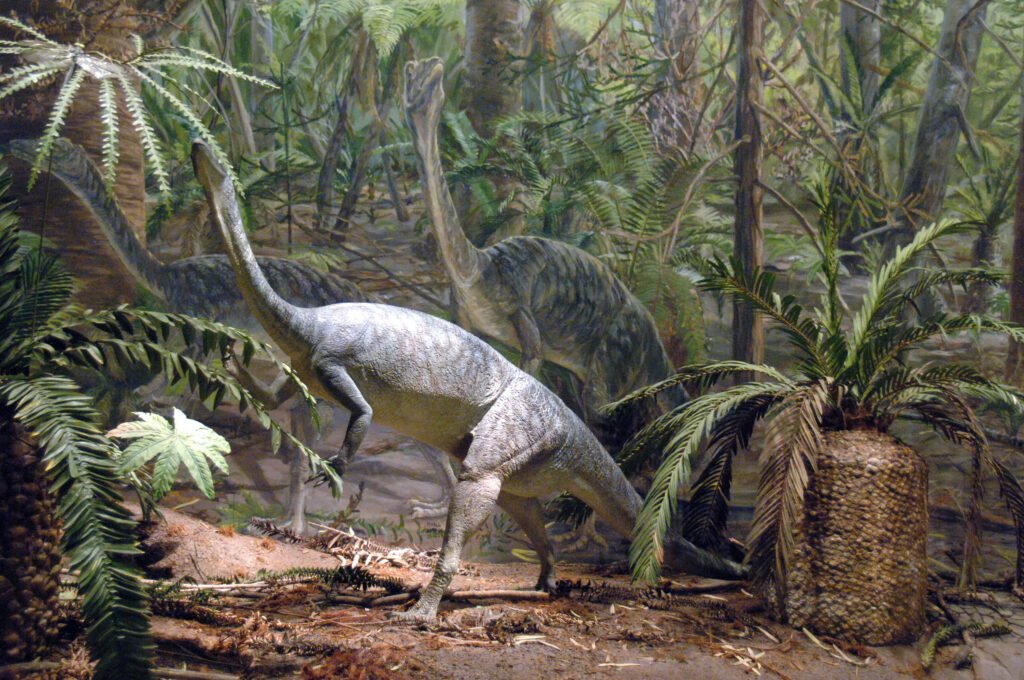
The first time I learned that some of the earliest dinosaurs lived closer in time to Tyrannosaurus rex than T. rex did to us, my brain did a little backflip. It sounds like one of those science facts people toss around at parties to sound clever, but when you unpack it, the story is way richer than a simple gotcha statistic. Buried inside that one comparison is a whole timeline of lost worlds, vanished ecosystems, and evolutionary experiments that went spectacularly right and horribly wrong. If you’ve ever imagined “the age of dinosaurs” as one giant, noisy mash‑up where Stegosaurus, T. rex, and every other childhood favorite marched around together, this timeline is going to break that illusion in the best possible way. Once you see just how long dinosaurs ruled, and how far apart their celebrity species really were, our own little human story suddenly feels very, very small. Let’s walk through that deep time step by step and see what this strange comparison really tells us about dinosaurs, extinction, and where we fit in the grand scheme of life on Earth.
How Far Back Are We Really Talking? Setting the Dinosaur Clock
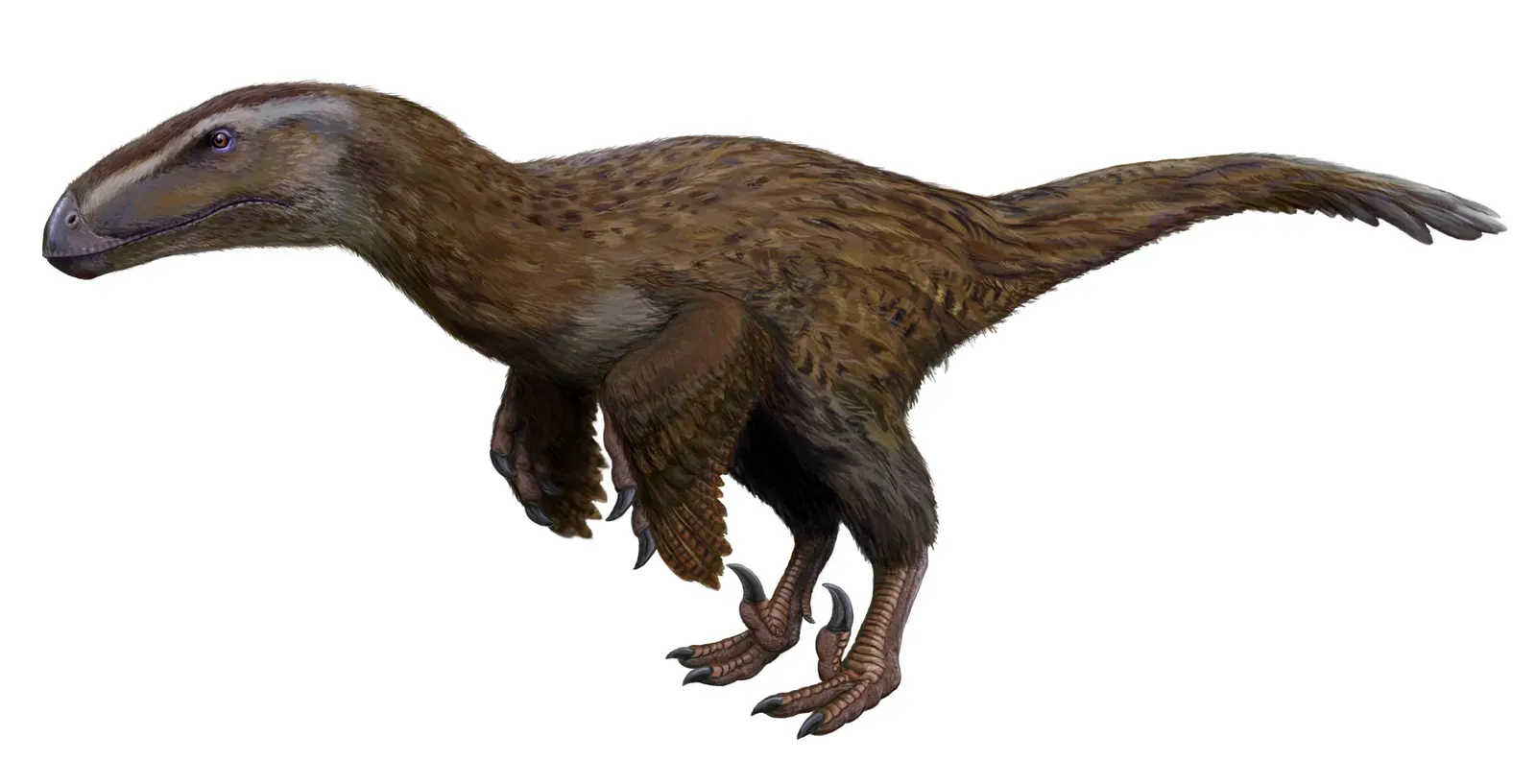
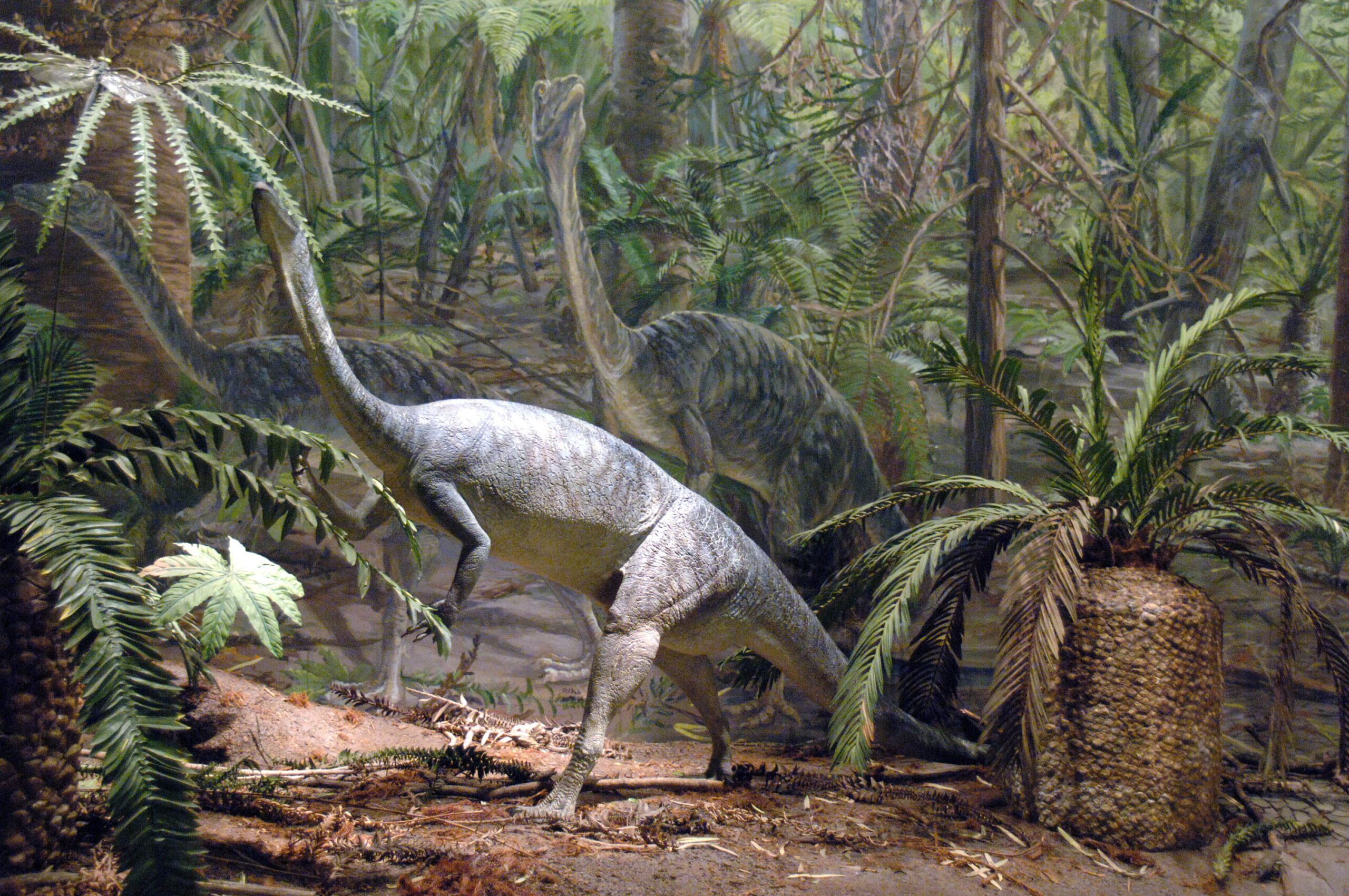
When people say “the first dinosaurs,” they’re usually talking about small, lightly built creatures that show up in the Late Triassic, a period that started more than two hundred million years ago. These early dinosaurs were not the giant bone‑crushers from museum halls; they were nimble, dog‑sized, and still sharing the world with plenty of non‑dinosaur reptiles that looked just as scary. The earliest clear dinosaur fossils are from roughly more than two hundred thirty million years ago, in a world where all the continents were still welded together into a supercontinent. Tyrannosaurus rex, on the other hand, is a shocking latecomer. It stomped around at the very end of the Cretaceous period, around sixty‑six to sixty‑eight million years ago. Put those two dates side by side and you get a mind‑stretching span of roughly one hundred sixty million years between some of the earliest dinosaurs and T. rex. Now compare that to the gap between T. rex and us: those famous fossils are roughly sixty‑six million years old, which means the first dinosaurs are only about twice as far from T. rex as T. rex is from you checking your phone right now. That is a lot closer than most people expect.
The Triassic Underdogs: The First Dinosaurs Were Not Kings
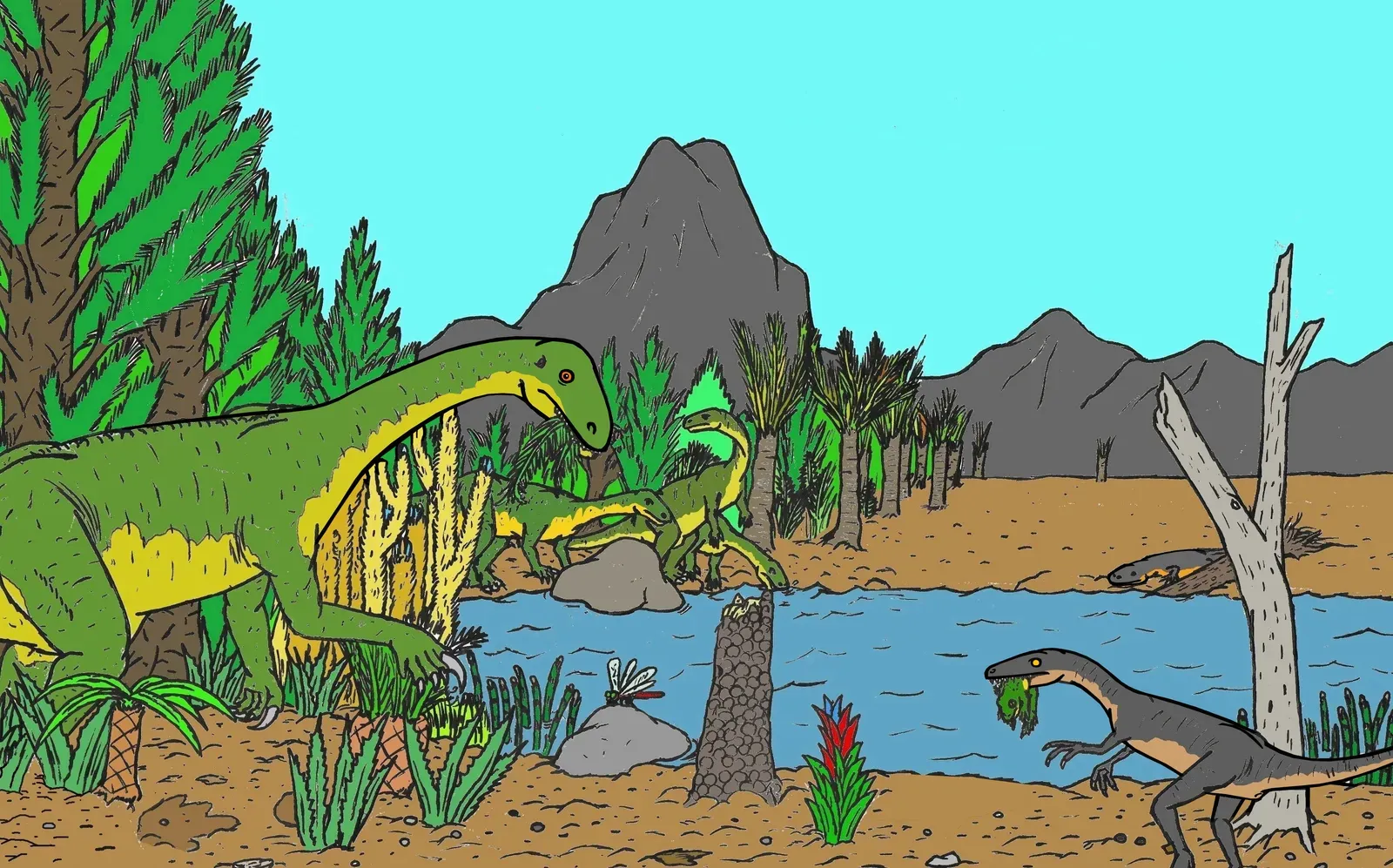
Here’s a twist that rarely makes it into kids’ dinosaur books: the first dinosaurs were not instant rulers of the world. In the Late Triassic, they were more like scrappy underdogs living in the shadow of larger, more established reptile groups that had already dominated land for millions of years. Many of those earlier reptiles looked like something out of a fever dream – crocodile cousins walking on long legs, armored beasts, and predators that would have made early dinosaurs look pretty modest. These first dinosaurs started small and diverse, with different lineages experimenting with two‑legged running, meat‑eating, and plant‑eating lifestyles. They were probably fast, opportunistic, and good at exploiting whatever niche was available rather than muscling everything else out by sheer size. In a way, they were more like startup companies in a world of ancient corporate giants. No one standing in the Triassic heat with a field notebook could’ve confidently predicted that these minor players would eventually give rise to creatures like T. rex.
Surviving the First Big Shake‑Up: How Dinosaurs Got Their Chance
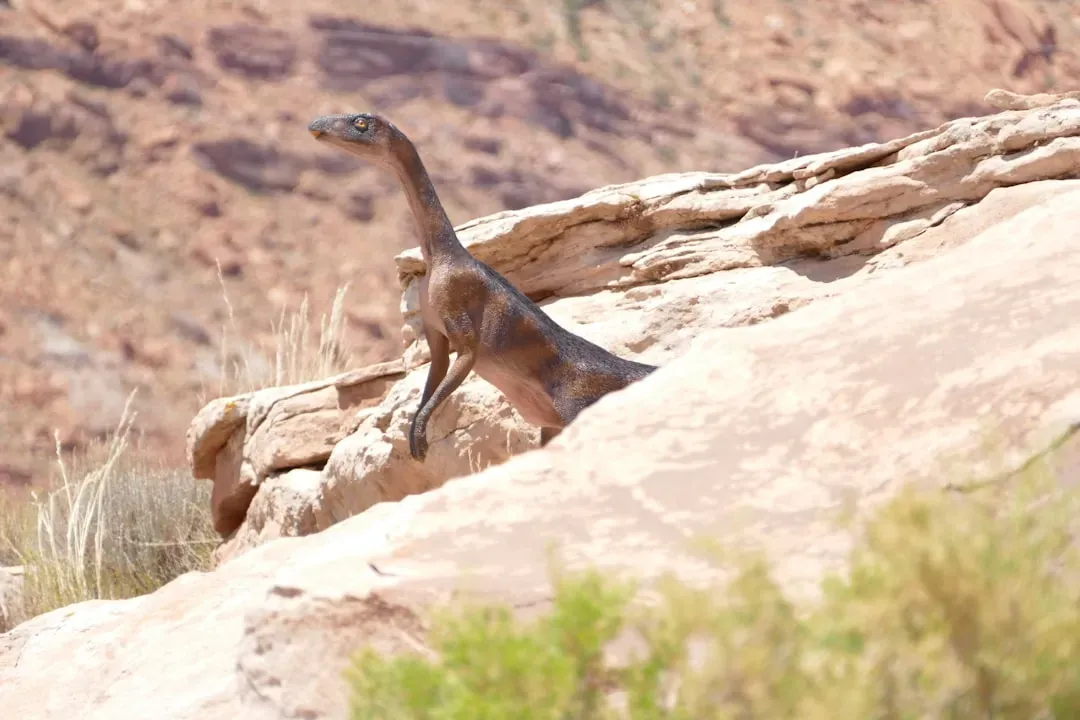
So how did those early dinosaurs go from background characters to headliners? A big part of the story is catastrophe. Toward the end of the Triassic, the planet went through intense volcanic activity, huge climate swings, and major changes in ecosystems. Many of those dominant non‑dinosaur reptiles were wiped out or severely reduced, opening up ecological space all over the globe. Dinosaurs, for reasons paleontologists are still teasing apart, were among the survivors. Once that first mass extinction thinned the competition, dinosaurs spread and diversified during the Jurassic like a band finally getting the stage to themselves. Herbivores grew longer necks and heavier bodies, predators became more specialized, and different branches of the dinosaur family tree started pushing into new habitats on land and, eventually, in the air through their bird relatives. It wasn’t that dinosaurs were magically “better” than everything else, but they were adaptable and lucky enough to be on the right side of history when the world shook itself up.
A Hundred and Sixty Million Years of Dinosaurs Before T. rex Even Shows Up
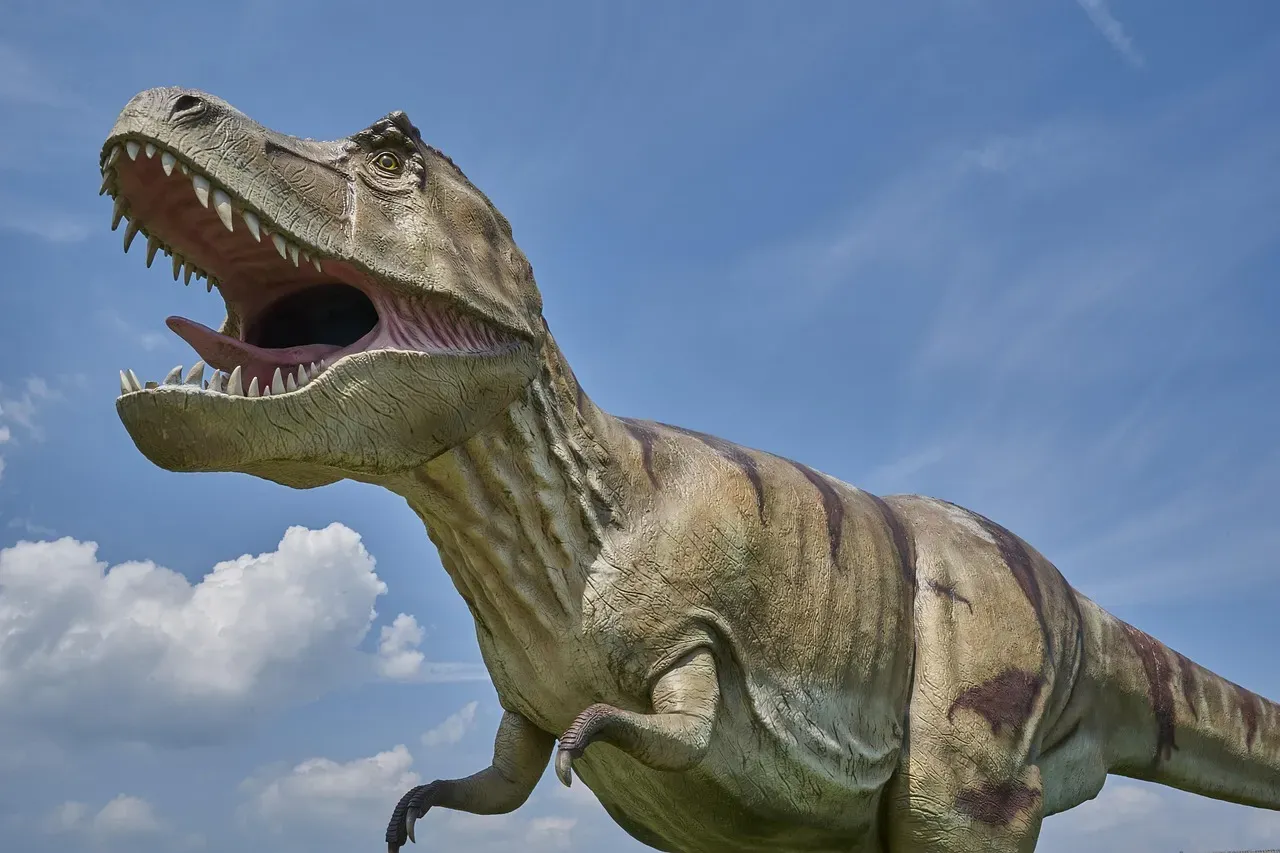
Here’s where that timeline really hits: by the time T. rex appears in the fossil record, dinosaurs have already been around for something like one hundred sixty million years. That’s longer than mammals have existed so far, and much longer than anything remotely human. Most of dinosaur history had already unfolded and vanished by the time T. rex arrived on the scene. The huge long‑necked sauropods that tower in museums, the plated and spiked oddities, many famous predators – entire dynasties of dinosaur life had risen and fallen. When you picture the “age of dinosaurs,” it helps to think of it less like one movie and more like a long‑running TV series with multiple spin‑offs. The Triassic was the low‑budget pilot, the Jurassic was the breakout middle seasons, and the Late Cretaceous – the age of T. rex, Triceratops, and their neighbors – was the final, big‑budget finale. T. rex only appears in those last episodes, in a very specific time and place in what is now western North America. Calling T. rex the representative dinosaur is a bit like judging all of human history based only on the last hundred years in one continent.
T. rex vs. Humans: Closer Than You Think, but Still Almost Impossible to Grasp
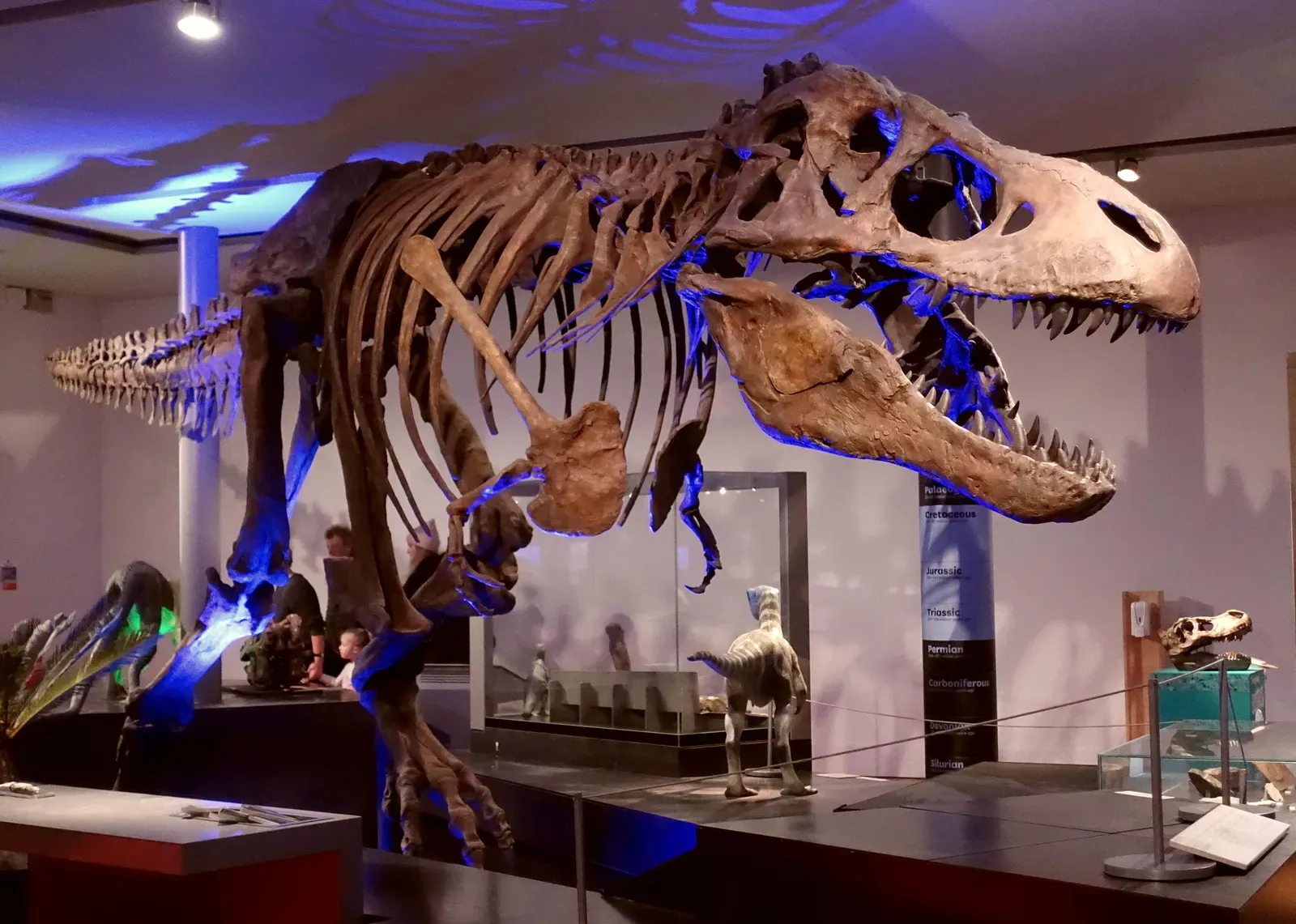
Now let’s come back to that comparison: the first dinosaurs to T. rex versus T. rex to us. The numbers say that the gap from early dinosaurs to T. rex is a little more than twice the gap from T. rex to you. That makes the sentence technically true: the first dinosaurs are closer in time to T. rex than T. rex is to us, but not by a huge margin. It’s not like comparing a day to a year; it is more like comparing two long road trips, one roughly double the length of the other. Both are still unimaginably long by human standards. Here’s where our brains get in trouble: once you cross a few tens of thousands of years, human intuition about time basically collapses. Sixty‑six million years and one hundred sixty million years both sit in the “way too big to picture” bucket. Saying that something happened “only” twice as long ago doesn’t feel any more relatable, even though, mathematically, it matters. What this really shows is not that one stretch of time is emotionally close to us, but that dinosaur history itself was huge – and we are just a tiny afterthought at the end of that book.
Deep Time, Misleading Diagrams, and Why Our Mental Picture Is Wrong
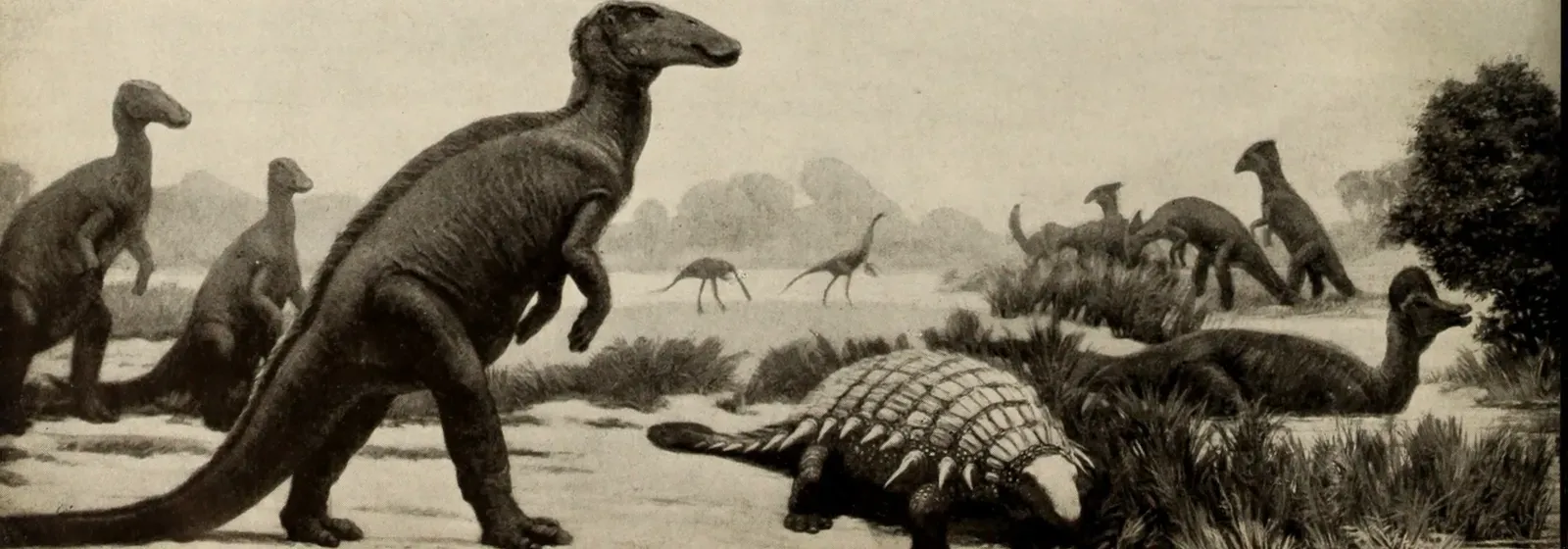
Part of the reason this comparison feels surprising is that most of us grew up on deeply misleading images of prehistory. Kid’s posters often cram every dinosaur into the same landscape, like some fantastical prehistoric zoo. Stegosaurus munches next to a roaring T. rex, while Pteranodon glides overhead and a random sauropod wanders through. It is a fun image, but scientifically, it is a timeline disaster that quietly trains our brains to ignore deep time. In reality, some of those species were separated by tens of millions of years. Even more serious textbook timelines can play tricks on your sense of scale by compressing huge spans into neat little bands on a page. A narrow color stripe labeled “Mesozoic” might contain well over one hundred eighty million years of history, while the thin sliver that includes all of human civilization is barely visible. We absorb the labels, but not the true ratios. That is why a simple sentence comparing early dinosaurs, T. rex, and us feels shocking: it cuts through the lazy mental images and forces you to confront just how wildly long the age of dinosaurs really was.
Where We Fit: Mammals, Birds, and the Long Shadow of T. rex
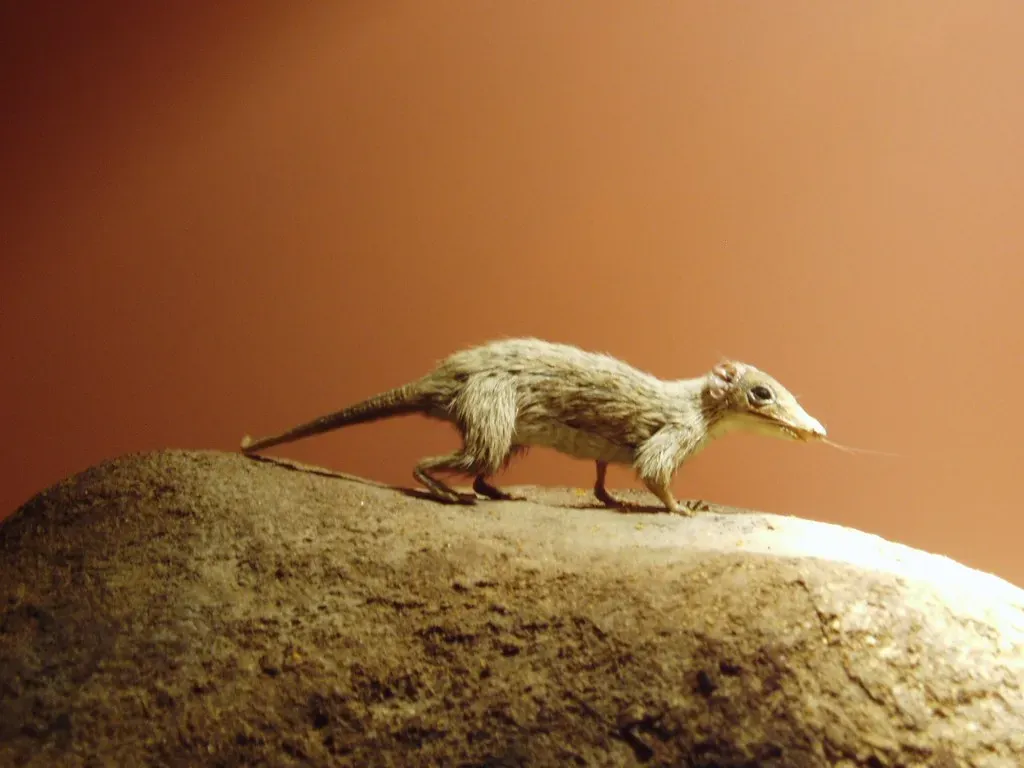
The story does not stop when the last T. rex dies in that famous asteroid aftermath. Mammals had already been around, small and mostly in the background, for a huge chunk of dinosaur time. When the end‑Cretaceous extinction hit, many big dinosaurs disappeared, but one lineage survived as birds, and mammals finally had space to expand. Our own primate ancestors show up much, much later, and modern humans arrive only in the last tiny flicker at the edge of the timeline. What fascinates me is that, in a very real sense, we live in the shadow of T. rex, not as rivals, but as beneficiaries of the same cosmic roll of the dice that cleared ecological space. Without that asteroid impact, the world might still be ruled by giant reptiles and their bird cousins, and our own story could have taken a completely different path – or never started. Thinking about the first dinosaurs, T. rex, and us on the same time axis is a reminder that our existence hinges on a long chain of accidents and survivals stretching back hundreds of millions of years.
Opinionated Takeaway: Dinosaurs Make Our Timeline Look Small
If you ask me, the most important part of that catchy comparison is not the “gotcha” that the first dinosaurs are closer in time to T. rex than T. rex is to us. The real punchline is that even that supposedly mind‑blowing fact still undersells how vast dinosaur history was, and how tiny our own story is by comparison. We keep trying to squeeze deep time into something our brains can feel, and it keeps slipping through our fingers. Saying one gap is roughly twice another makes sense on paper, but emotionally, both are still almost unimaginably huge. I think we should lean into that discomfort instead of trying to smooth it over. Let it bother you a little that entire worlds rose and fell before T. rex ever took a step, and that T. rex itself is already ancient history compared to us. It is humbling in a way that social media timelines and election cycles can never be. Next time someone drops that dinosaur fact at a party, maybe the real question to chew on is this: in a few million years, will anyone even notice that we were here at all?